AWS Builder Center Launches Official Mobile App for iOS and Android Alongside New Community Polls and Global Hackathon

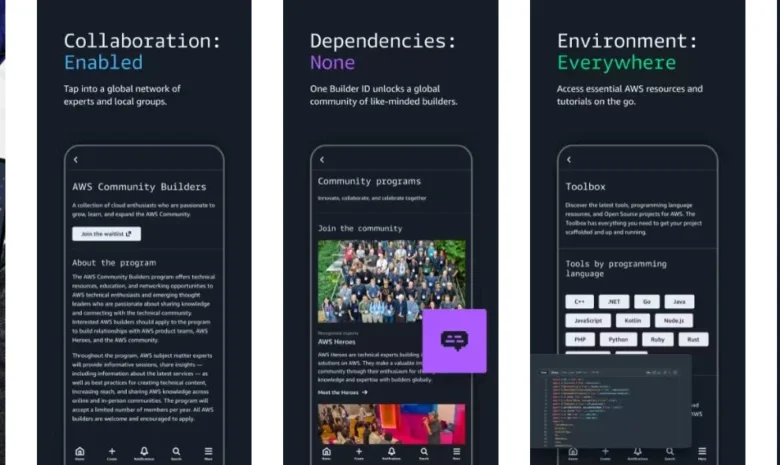
Amazon Web Services has officially expanded the accessibility of its developer ecosystem with the worldwide release of the AWS Builder Center mobile application, now available for download on both iOS through the Apple App Store and Android through the Google Play Store. Designed to bridge the gap between desktop-bound cloud architecture workflows and mobile connectivity, the new application aims to capture the fragmented time of developers, systems engineers, and technology enthusiasts who frequently find themselves reviewing documentation, code samples, and technical articles away from their primary workstations.
The launch of the mobile platform marks a significant evolution in how AWS fosters its global developer community. By unifying access to technical content, continuous learning resources, and collaborative networking tools under a single mobile umbrella, Amazon Web Services is positioning the Builder Center as an indispensable daily utility for technical professionals navigating modern cloud environments.
Main Facts and Core Functionality of the New AWS Builder App
At the core of the newly released AWS Builder Center mobile application is deep integration with the AWS Builder ID system. Users can authenticate once and maintain persistent sessions across their mobile devices and desktop browsers. This continuity allows for a seamless transition between reading trending architectural articles, evaluating code snippets, and managing active cloud development tasks while on the move.
Among its primary features, the application provides direct access to a repository of more than 600 AWS Skill Builder courses. This integration allows developers to pursue continuous professional development and micro-learning objectives directly from their smartphones or tablets. Furthermore, the platform grants users the ability to manage hands-on workshops complete with free sandbox environments directly from mobile interfaces, a capability that historically required a traditional desktop browser setup.
Networking and community engagement form another major pillar of the application. Developers can follow influential figures within the cloud ecosystem, including AWS Heroes, designated Community Builders, and local User Group Leaders. The application also delivers real-time push notifications tailored to subscribed topics, ensuring that users remain informed about critical updates, emerging architecture patterns, and community discussions relevant to their technical stacks.
Additionally, the mobile app integrates the Builder Loft event calendar, enabling users to discover, track, and register for physical and virtual developer events on the go. For product feedback and ecosystem development, the application fully supports the AWS Wishlist feature, allowing developers to submit feature requests, vote on proposed capabilities, and communicate product insights directly to underlying AWS engineering teams.
Chronology and Development Timeline
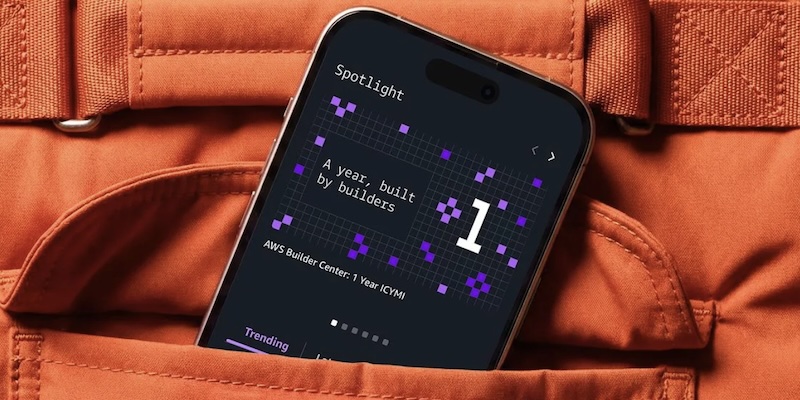
The rollout of the AWS Builder Center mobile application is the culmination of a concerted effort by Amazon Web Services to modernize and decentralize its developer touchpoints. The foundational platform, the AWS Builder Center, was originally established as a centralized web hub designed to aggregate technical articles, community contributions, and structured learning paths into a unified digital destination.
Over the subsequent months, AWS teams focused on scaling the underlying infrastructure of the platform to support seamless cross-device synchronization. The introduction of the mobile application follows a series of iterative web-based feature updates, including enhanced content filtering, improved community profiles, and deeper ties into the broader AWS documentation ecosystem.
Coinciding with the global application launch, AWS introduced two major platform updates during the same release window. The first is the debut of community polls on the AWS Builder Center home feed. Rolled out in late September, the polling feature permits any verified user to pose technical or architectural questions directly to the community. Creators can draft questions, provide between two and five distinct answer options, and establish precise voting deadlines. To maintain data integrity and encourage open participation, individual votes are cast anonymously, with creators viewing only aggregate response counts and percentage breakdowns, while active discussions continue within the designated comment threads.
The second major concurrent launch is the Zero to Shipped hackathon, scheduled to run from September 18 through October 2. This global developer competition challenges participants to integrate modern coding agents with AWS cloud infrastructure, build a fully functional application, and deploy it live on the AWS platform. The hackathon features a total prize pool of $28,000. Under the competition structure, five designated winning projects will each receive $5,000 in direct AWS cloud credits alongside exclusive AWS Builder swag bundles, incentivizing rapid prototyping and advanced agentic coding workflows.
Supporting Data and Ecosystem Context
The release of the AWS Builder Center mobile app arrives at a time when developer tooling ecosystems are experiencing rapid consolidation and mobile optimization. Industry metrics consistently highlight that modern software engineers divide their working hours between deep focused coding sessions and fragmented periods spent reviewing pull requests, reading technical documentation, and participating in asynchronous developer communities.
The inclusion of over 600 AWS Skill Builder courses within the mobile environment addresses a growing demand for bite-sized, accessible technical education. According to internal platform engagement metrics, self-paced digital learning modules represent the fastest-growing segment of cloud proficiency acquisition, outstripping traditional multi-day instructor-led classroom training by a significant margin. By placing these educational pathways directly into mobile application stores, AWS removes friction for engineers seeking to upskill during transit, between meetings, or outside standard office hours.
Similarly, the integration of sandbox environments and workshop management tools reflects a broader industry shift toward ephemeral, cloud-native development workflows. Allowing developers to spin up, monitor, and test infrastructure-as-code or serverless architectures via mobile notifications and dashboard views provides unprecedented oversight for distributed engineering teams managing multi-region deployments.
Official Responses and Strategic Implications

While Amazon Web Services has historically maintained a robust portfolio of dedicated administrative and management applications—such as the AWS Console Mobile App for resource monitoring and billing tracking—the AWS Builder Center app represents a departure from purely operational cloud management. Instead, it targets the human and social infrastructure of cloud computing: knowledge sharing, peer networking, continuous learning, and community-driven innovation.
Industry analysts note that cultivating a loyal and highly engaged developer community is a critical competitive advantage within the cloud computing sector. As enterprises increasingly adopt multi-cloud and hybrid architectures, developer preference often dictates underlying platform selection. By streamlining access to technical knowledge, providing frictionless feedback loops via the Wishlist feature, and incentivizing innovation through high-profile virtual hackathons like Zero to Shipped, AWS is solidifying its position as the preferred ecosystem for modern software architects.
The introduction of lightweight community features, such as anonymous polling and targeted push notifications, further transforms the Builder Center from a static content repository into a dynamic, interactive social network tailored explicitly to the needs of cloud professionals. By capturing the attention of developers during transit and downtime, AWS ensures that its ecosystem remains top-of-mind throughout the entire software development lifecycle.
Broader Impact and Future Outlook
The launch of the AWS Builder Center mobile application, paired with continuous platform enhancements like community polls and competitive hackathons, signals a comprehensive strategy by Amazon Web Services to democratize cloud knowledge and accelerate application delivery.
For individual developers, the app eliminates the barrier of desktop dependency, transforming idle moments into opportunities for professional growth and community collaboration. For the broader technology sector, the proliferation of mobile-accessible cloud sandboxes and AI-assisted hackathons underscores the accelerating pace at which new applications are conceptualized, built, and deployed in production environments.
As autumn transitions into the final quarters of the year, AWS leadership indicates that the Builder Center will continue to serve as the primary sandbox for community-led innovation, with additional feature rollouts planned to further bridge the gap between mobile connectivity and cloud-scale development. Developers worldwide can access the new application immediately by downloading it through the Apple App Store or Google Play Store using their existing AWS Builder ID credentials.