The Container Store Suffers Cyber Incident, Suspends Online Operations Amid Nationwide Tech Outages

The Container Store has confirmed that it experienced a significant cyber incident that forced the nationwide retailer to temporarily suspend its online ordering platform. The breach, which was detected earlier in November 2026, prompted the company to activate its emergency incident response protocols and bring in independent cybersecurity specialists to assist with the investigation, containment, and system restoration. Despite the disruption to its digital storefront, the company has officially stated that customer financial data remains secure and uncompromised.
The security breach arrives at a delicate juncture for the retailer, which was recently acquired by Neighborhood Intelligence over the summer as part of an aggressive, multi-layered corporate turnaround strategy. The incident also coincides with a broader wave of technological outages and cyber threats impacting critical infrastructure, airlines, and financial institutions across the United States, heightening anxiety among retail executives regarding digital vulnerabilities. While physical brick-and-mortar retail locations remained open and operational throughout the ordeal, the temporary shutdown of the e-commerce infrastructure underscores the delicate balance modern retailers must maintain between customer accessibility and robust digital defense mechanisms.
Chronology of the Cyber Event and Response
The sequence of events began when internal monitoring systems at The Container Store flagged unusual and suspicious activity within its digital network architecture. Immediate containment protocols were deployed to prevent any potential lateral movement of malicious actors across the corporate network.
As part of these proactive defensive measures, leadership made the deliberate decision to take the e-commerce website offline, cutting off online ordering capabilities to safeguard sensitive consumer files and corporate data repositories. Independent cybersecurity forensic experts were simultaneously retained to scour system logs, identify the vector of the intrusion, and verify the integrity of customer and corporate databases.
By engaging external incident response teams, The Container Store aimed to accelerate the remediation process while ensuring a safe, controlled restoration of its digital operations. Company representatives have emphasized that physical store locations continued serving walk-in consumers uninterrupted, prioritizing in-person retail continuity while IT engineers worked behind the scenes to sanitize and rebuild affected digital environments.
Corporate Statements and Financial Projections
Leadership at Neighborhood Intelligence, the parent company overseeing the retail brand, has maintained a transparent yet guarded stance regarding the exact technical mechanics of the breach. When pressed by industry analysts and reporters regarding whether the event constituted a ransomware attack, the specific duration of the website outage, or the root cause of the system compromise, executive leadership declined to offer granular technical specifics. Instead, Neighborhood Intelligence CEO Marcus Lemonis pointed stakeholders back to the company’s official communications.
“We made the deliberate decision to prioritize the protection of our customers and our systems while keeping our stores open and serving customers,” Lemonis stated in an official corporate release. “Our established protocols, combined with the expertise of our outside partners, allowed us to respond with discipline and restore operations in a controlled manner.”
To offset the financial friction caused by the temporary suspension of online sales, Neighborhood Intelligence confirmed that it maintains comprehensive business interruption insurance. Corporate financial planners have projected that the operational and fiscal fallout from the cyber incident will have a "minimal impact" on consolidated revenues for the quarter. Furthermore, executive leadership anticipates sequential revenue growth heading into the fourth quarter, asserting that any short-term dips in profitability will be successfully mitigated by insurance coverage designed specifically for unexpected business disruptions.
Broader Retail Transformation Underway

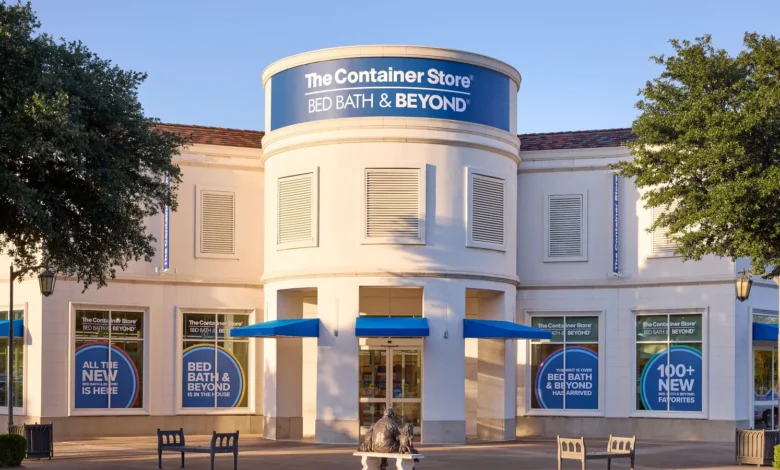
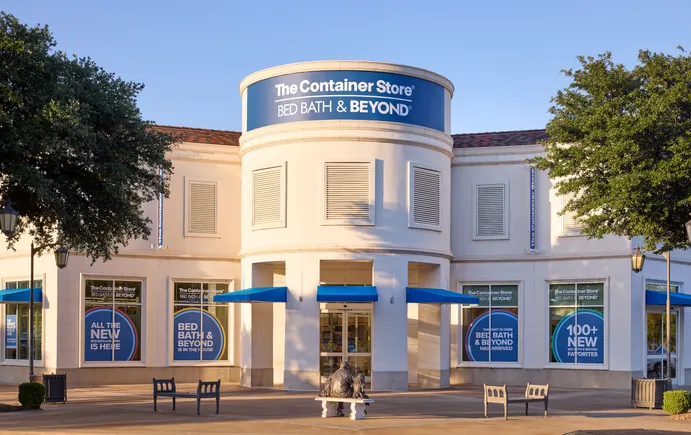
The timing of the cyber event intersects with a period of massive corporate restructuring for The Container Store. Over the summer, the enterprise was formally acquired by Neighborhood Intelligence for approximately $150 million, a deal designed to revitalize the brand through modern operational efficiencies and co-branded retail concepts, such as integrated footprints alongside Bed Bath & Beyond.
This aggressive turnaround strategy has already yielded notable, albeit complex, financial results. Earlier in November 2026, Neighborhood Intelligence reported a staggering 98% year-over-year increase in third-quarter revenue, a figure largely propelled by its recent portfolio acquisitions. When isolating the legacy operations of the core business, organic revenue growth still registered a respectable 9% increase, demonstrating underlying consumer demand despite broader macroeconomic headwinds.
However, merging large retail entities invariably introduces operational friction and redundancy. Since closing the acquisition in July, executive leadership has moved swiftly to prune excess operational costs, rationalize the physical store fleet, and streamline corporate overhead. These restructuring efforts have unfortunately included workforce reductions and corporate layoffs. During an early November earnings call with investors and analysts, CEO Marcus Lemonis addressed the painful reality of the corporate overhaul, noting that “unfortunately, all of the headcount modifications across the entire organization are not done.”
Industry Implications and the Threat Landscape
The cyber incident at The Container Store is not happening in a vacuum. It mirrors a troubling upward trend in sophisticated cyber attacks targeting the retail, logistics, and supply chain sectors. In recent days, a cascade of high-profile technological outages, software vulnerabilities, and network intrusions has rattled sectors ranging from commercial aviation to major banking institutions, drawing intense scrutiny from federal regulators and cybersecurity lawmakers.
For the retail industry, where digital transformation has accelerated rapidly in the wake of shifting consumer shopping habits, website availability is directly tied to top-line revenue generation. When an e-commerce platform goes dark—even by proactive design—it creates immediate friction for consumers accustomed to seamless omnichannel shopping experiences. Furthermore, retail databases represent lucrative targets for malicious actors seeking personally identifiable information (PII), payment metadata, and loyalty account credentials.

Security analysts point out that while The Container Store successfully prevented the exfiltration of customer financial data, the incident serves as a stark reminder of the perpetual state of digital siege under which modern merchants operate. As retailers continue to digitize operations, integrate third-party software, and consolidate corporate structures following mergers and acquisitions, the attack surface expands exponentially.
Looking Ahead
As The Container Store completes the phased restoration of its digital infrastructure and online ordering capabilities, attention will inevitably shift toward the long-term execution of its turnaround plan under Neighborhood Intelligence. The ability of management to successfully navigate structural layoffs, fleet rationalization, and co-branded store launches—all while fortifying its digital defenses against increasingly aggressive threat actors—will dictate the brand’s valuation and stability moving into the new year.
While the financial sting of the recent cyber incident appears adequately cushioned by business interruption insurance and disciplined corporate response protocols, the event highlights the fragility of modern retail ecosystems. For consumers and investors alike, the primary takeaway is the critical necessity for continuous vigilance, proactive risk management, and unyielding investment in cybersecurity architecture as the retail landscape continues its rapid digital evolution.
Related posts: