Meta Platforms Undergo Rapid Transformation, Ushering in New Era for Marketers and Creators into 2023

The final quarter of 2022 marked a period of intense activity and strategic recalibration for Meta Platforms, laying the groundwork for a more automated, capable, and streamlined experience across its vast ecosystem in 2023. This aggressive rollout of features, spanning Reels, Groups, advertising interfaces, and brand safety protocols, signals Meta’s persistent drive to innovate and solidify its position in the evolving digital landscape, particularly amidst heightened competition and a renewed focus on the creator economy and immersive technologies.
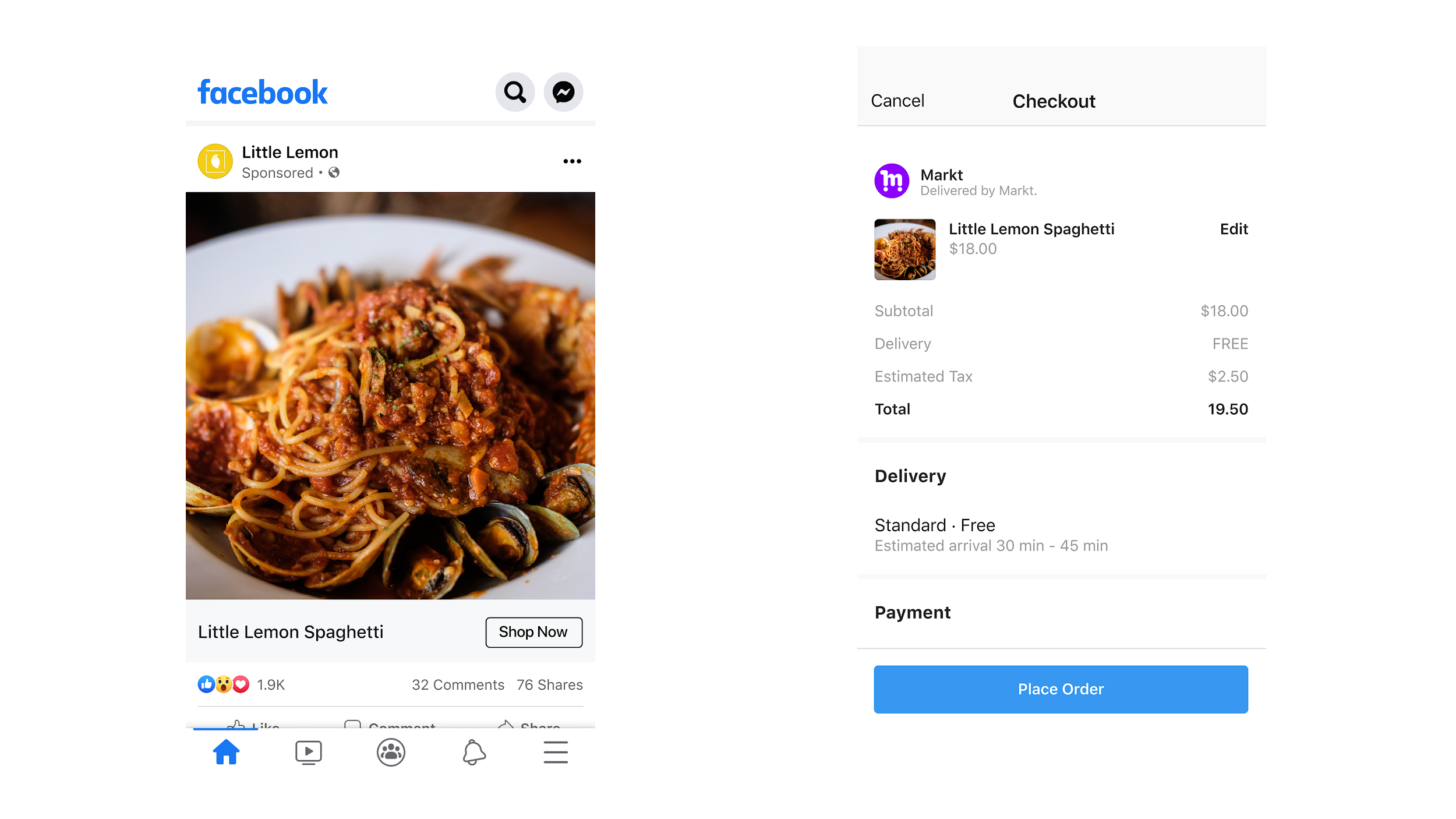
Recent Innovations and the Path to 2023
December 2022 concluded with several significant updates. Meta’s business division released essential advertising best practices, derived from extensive internal data, aimed at empowering advertisers to boost campaign ROI. These tips underscore the company’s commitment to guiding marketers through its ever-changing ad landscape. Simultaneously, Instagram launched native content scheduling, a highly anticipated feature for Business and Creator accounts. This tool allows users to schedule Reels, photos, and carousel posts up to 75 days in advance directly from the mobile app, enhancing workflow efficiency for content managers who prefer mobile-first operations. While not supporting product tagging or cross-posting for scheduled content, this still represents a major step towards simplifying content management.
November 2022 saw Meta achieve a significant brand safety milestone, receiving Media Rating Council (MRC) accreditation for content-level Brand Safety on Facebook. This accreditation, following independent audits of policies and controls, covers Instant Articles and In-Stream video across various platforms, reinforcing Meta’s efforts to create a safer environment for advertisers. The company also announced testing a content-based inventory filter for Instagram and Facebook feeds, aspiring to extend MRC accreditation to these new features. Adding a creative dimension, Instagram rolled out the ability for users to add up to 90 seconds of music to in-feed photo posts, broadening expressive possibilities for brands beyond video. Furthermore, Meta introduced new support resources for small businesses during the crucial holiday season, providing guidance and tools to maximize sales during peak traffic periods.
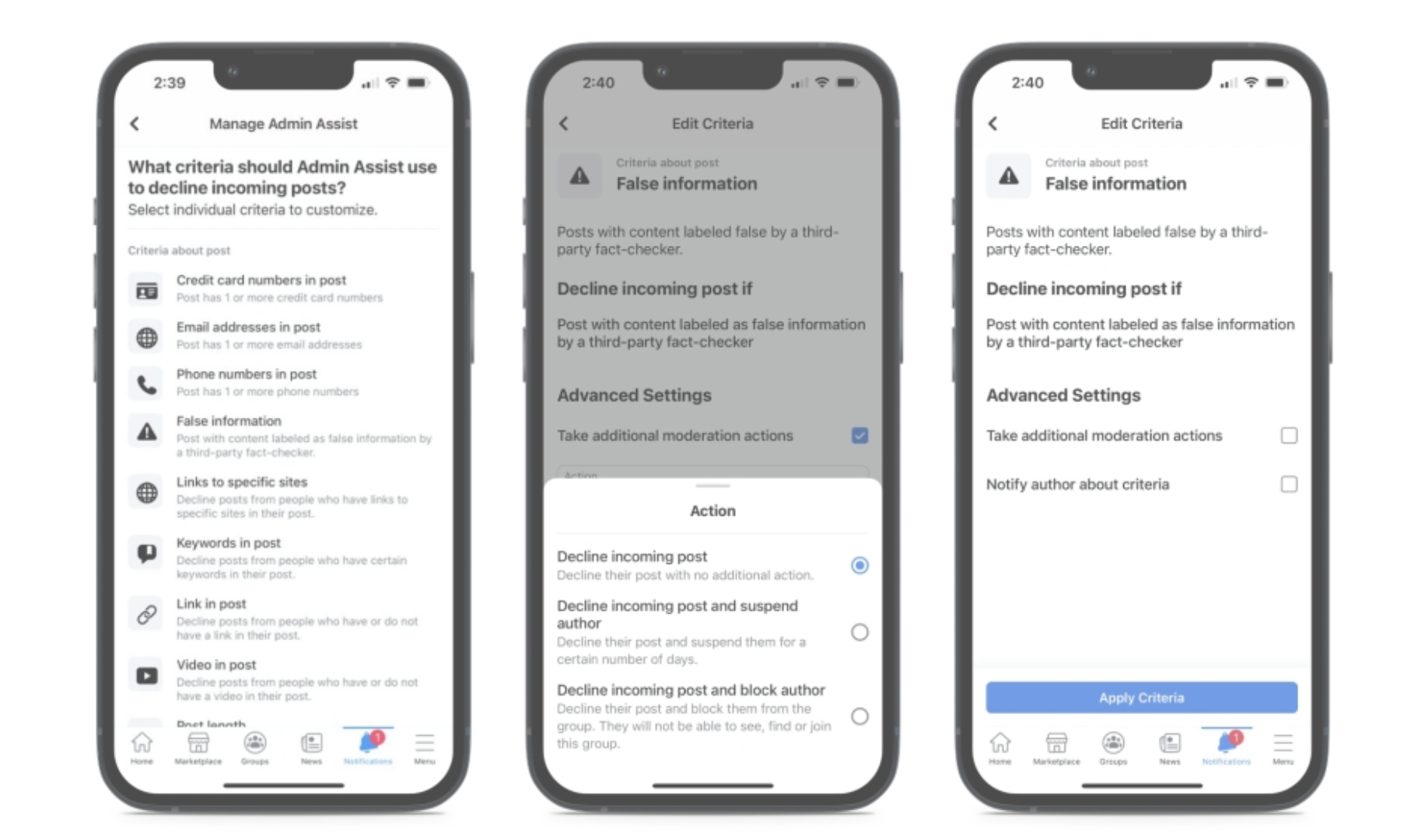
October 2022 continued this momentum with a new IP Reporting API designed to protect original content across Facebook and Instagram. This API streamlines the process for rights holders to report intellectual property violations, integrated with the Graph API for ease of use. Enhancements to the Brand Rights Protection feature also rolled out, aiding brands in identifying and reporting counterfeit products, copyright infringement, impersonation, and trademark violations directly through Business Manager. For creators and brands seeking collaboration, Instagram’s Creator Marketplace began expanding access to US businesses, introducing new tools to improve the collaboration experience, including personalized recommendations, project management, and direct communication features. New Instagram ad surfaces were also deployed, offering greater flexibility in reaching target audiences across the Explore tab, profile feed, and search results. Facebook Groups received a suite of new features, including enhanced moderation tools like Admin Assist for automated content management and improved engagement options like Community Chats and event management. Instagram also began testing the ability to add multiple links in user bios, a feature that would significantly benefit brands and creators by allowing them to direct audiences to various content streams more efficiently.
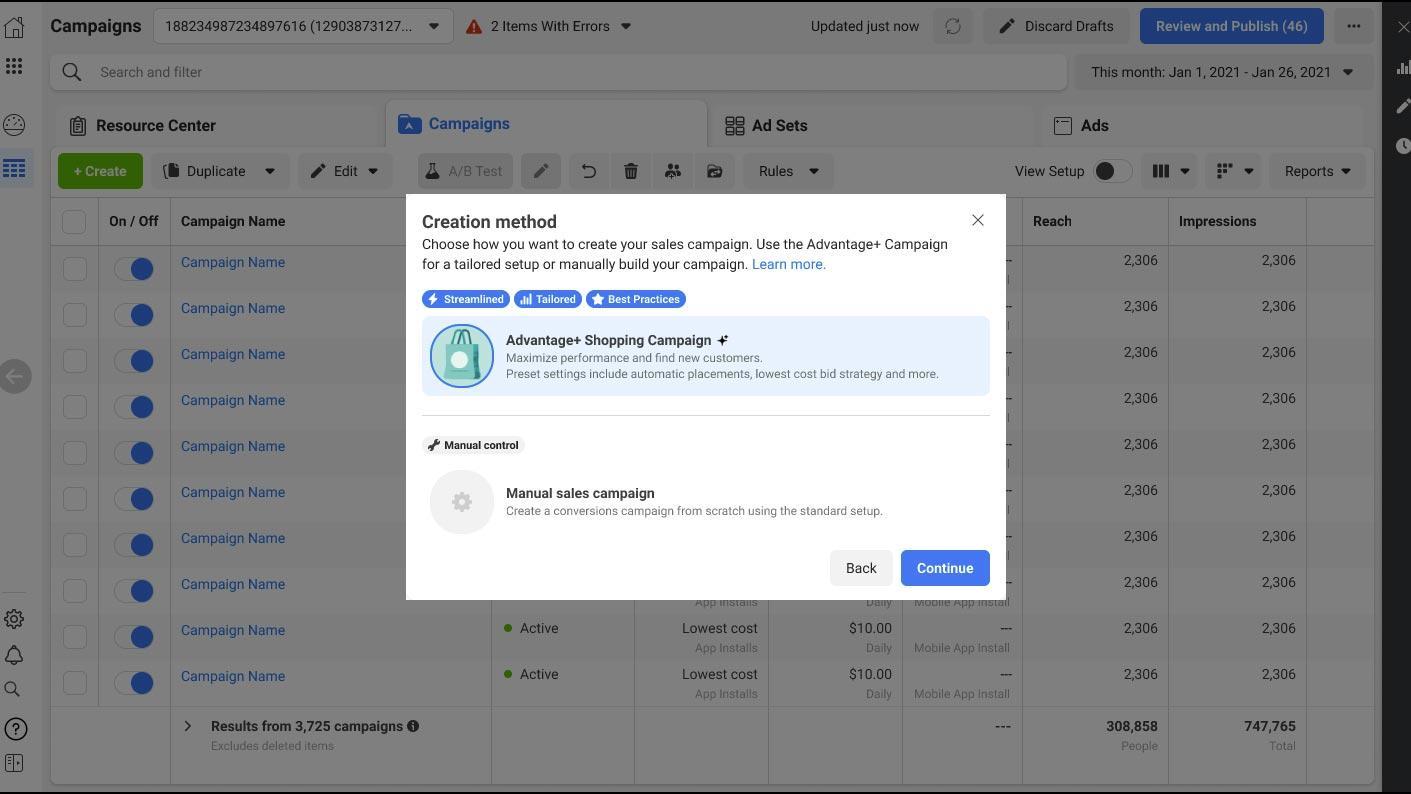
Looking ahead to 2023, Meta’s strategic priorities are clear. The company is expected to maintain a "continued emphasis on Reels," recognizing its role as a major driver of traffic, revenue, and engagement, with new advertising and eCommerce integrations anticipated. "More new Facebook Groups features" are projected, as Meta aims to attract even more businesses to leverage Groups for community building, networking, and monetization through subscription-based models. A "bigger push for Advantage+ campaigns" is also on the horizon, expanding Meta’s automation-heavy ad campaigns that harness machine learning for optimized results. Finally, Meta CEO Mark Zuckerberg’s substantial investment in the "Metaverse," exceeding $36 billion to date, indicates a continued commitment to developing virtual and augmented reality technologies that bridge physical and digital realities, despite initial commercial challenges.
A Chronology of Strategic Shifts: 2020-2022

Meta’s journey to its current strategic outlook is best understood through a chronological review of its significant updates, reflecting a continuous adaptation to user behavior, market demands, and regulatory pressures.
Third Quarter 2022: Automation, Commerce, and Creator Empowerment
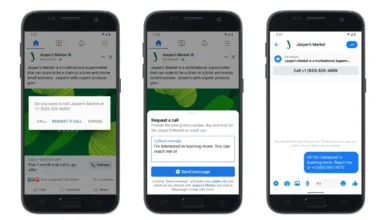
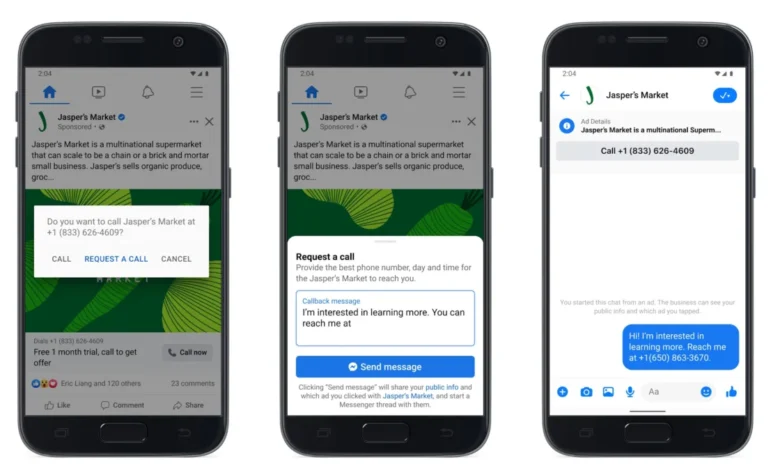
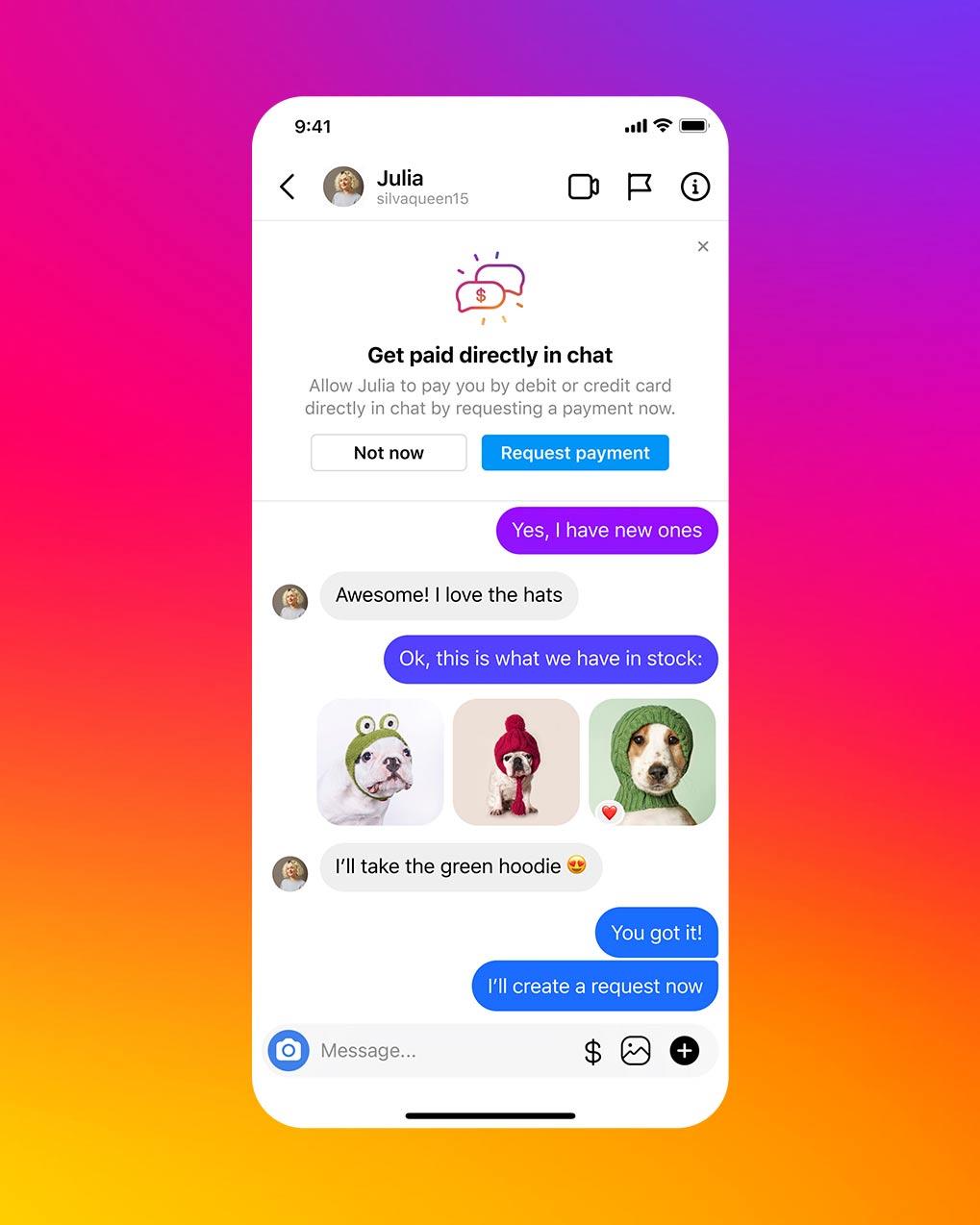
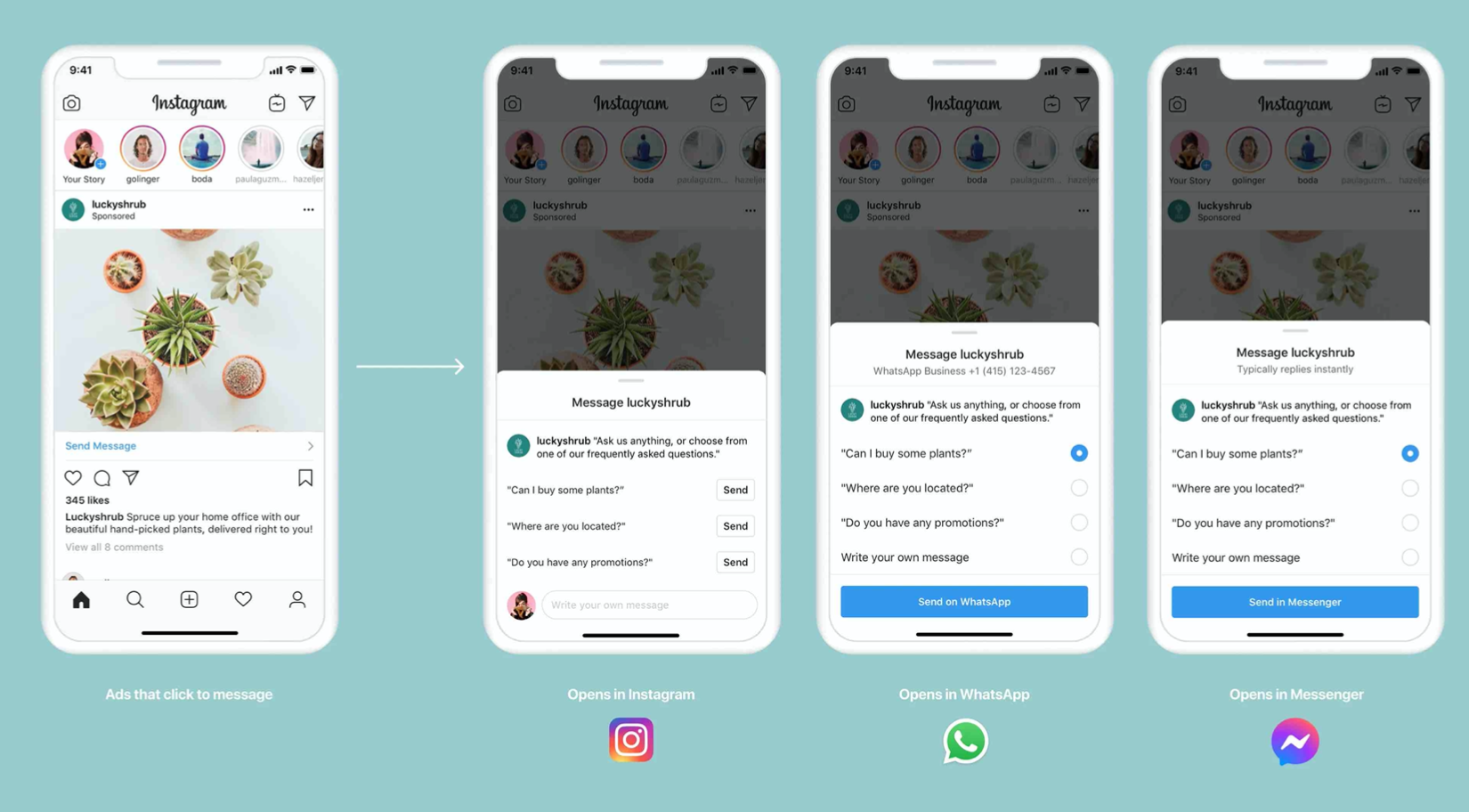
The third quarter of 2022 brought forth a raft of updates centered on AI-driven advertising, enhanced messaging capabilities, and significant investments in video and commerce. In September, Meta announced growth-focused AI features, messaging improvements, and video tools for advertisers. Call Ads received significant updates, including a "request a callback" feature in Messenger and new optimization tools for lead quality. Collaborative Ads for local delivery were globally launched, enabling local businesses and CPG brands to generate awareness and facilitate orders through local delivery services. Instagram expanded its commerce features by allowing businesses to accept payments directly in DMs, streamlining the shopping experience.

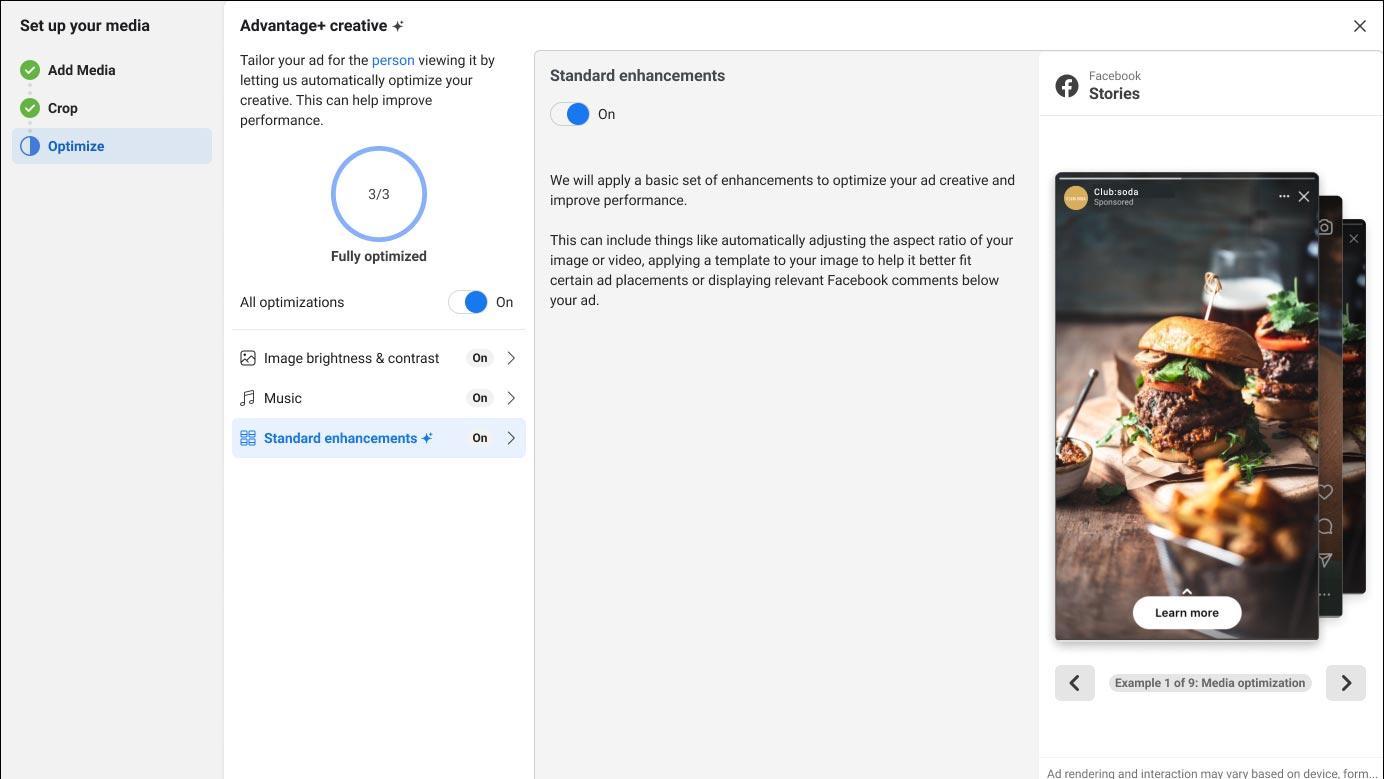
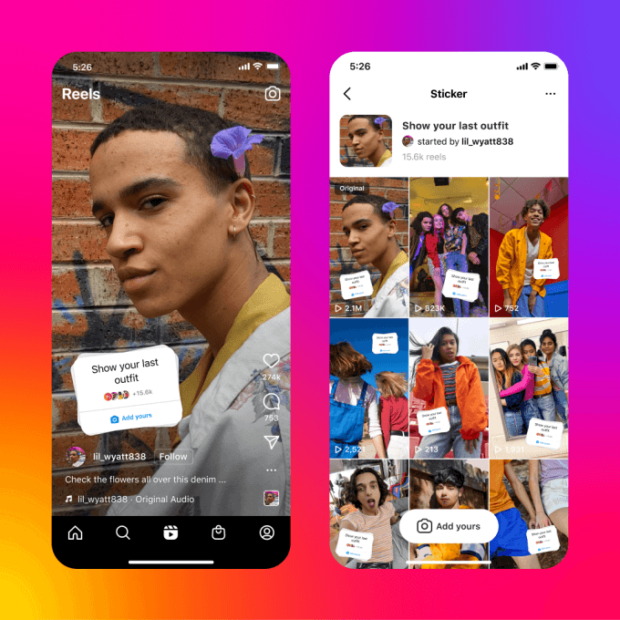
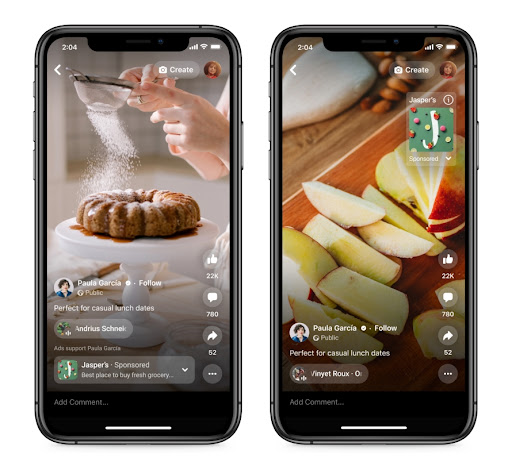
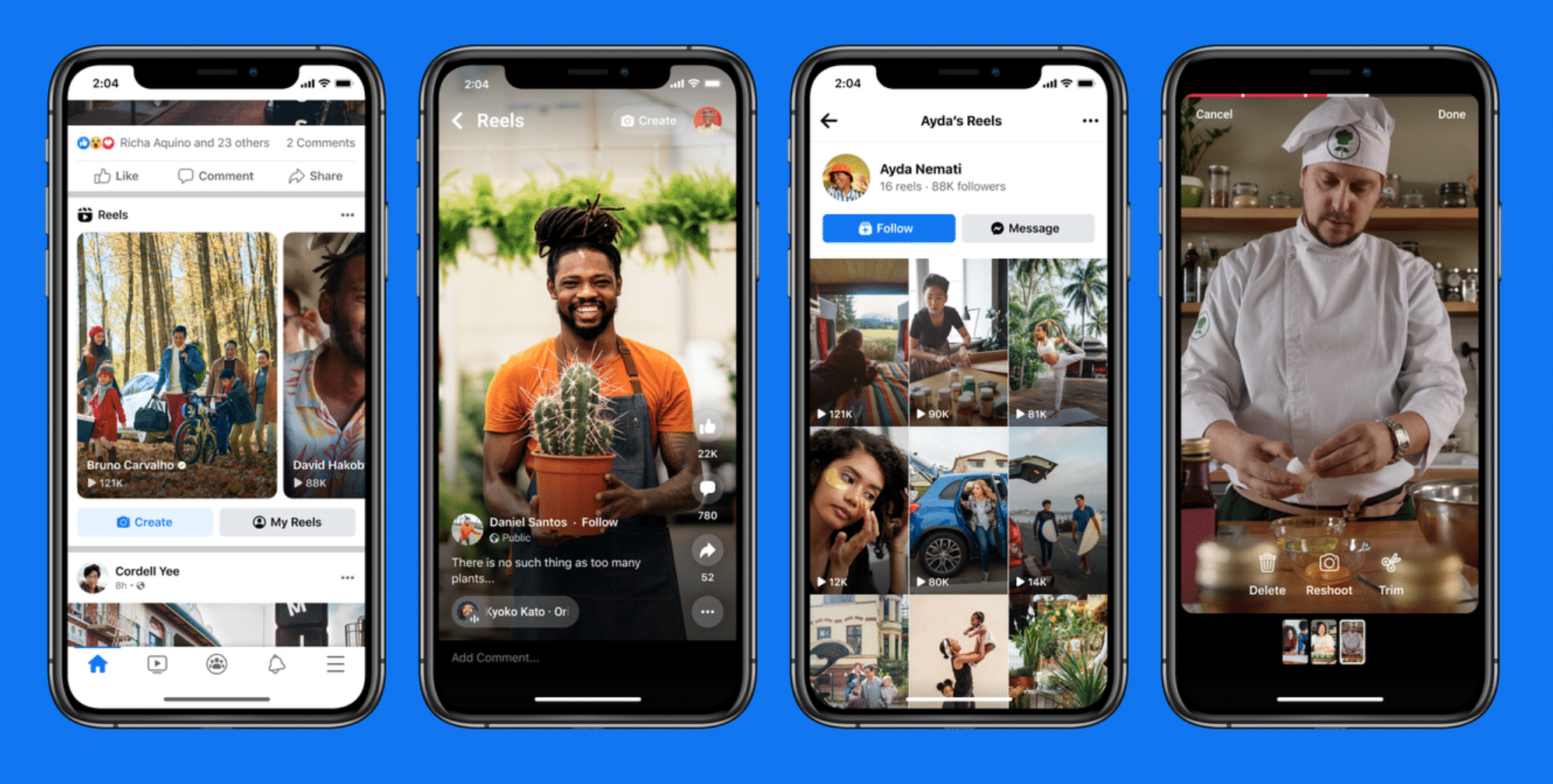
August 2022 saw the announcement of the "Live Shopping" feature’s shutdown on October 1st, a strategic shift reflecting evolving consumer viewing habits towards Reels. This move underscored Meta’s commitment to short-form video, with the platform introducing a suite of "new automation tools" under its Advantage+ solutions. These included Advantage+ Shopping campaigns, designed to automate ad creation and optimize for conversions, yielding a reported 12% lower cost-per-purchase in A/B tests. Additional Advantage features like Advantage+ creative and Advantage audience further personalized ad delivery and audience targeting. Meta also introduced "new B2B targeting options," leveraging on-platform job titles and interests to enhance precision for business-focused advertisers. Reels continued its rapid expansion with features like scheduling through Creator Studio, the "Add Yours" sticker for both Instagram and Facebook Reels, and cross-posting from Instagram to Facebook. Improved Insights for Facebook Reels offered more detailed analytics on reach and watch time.
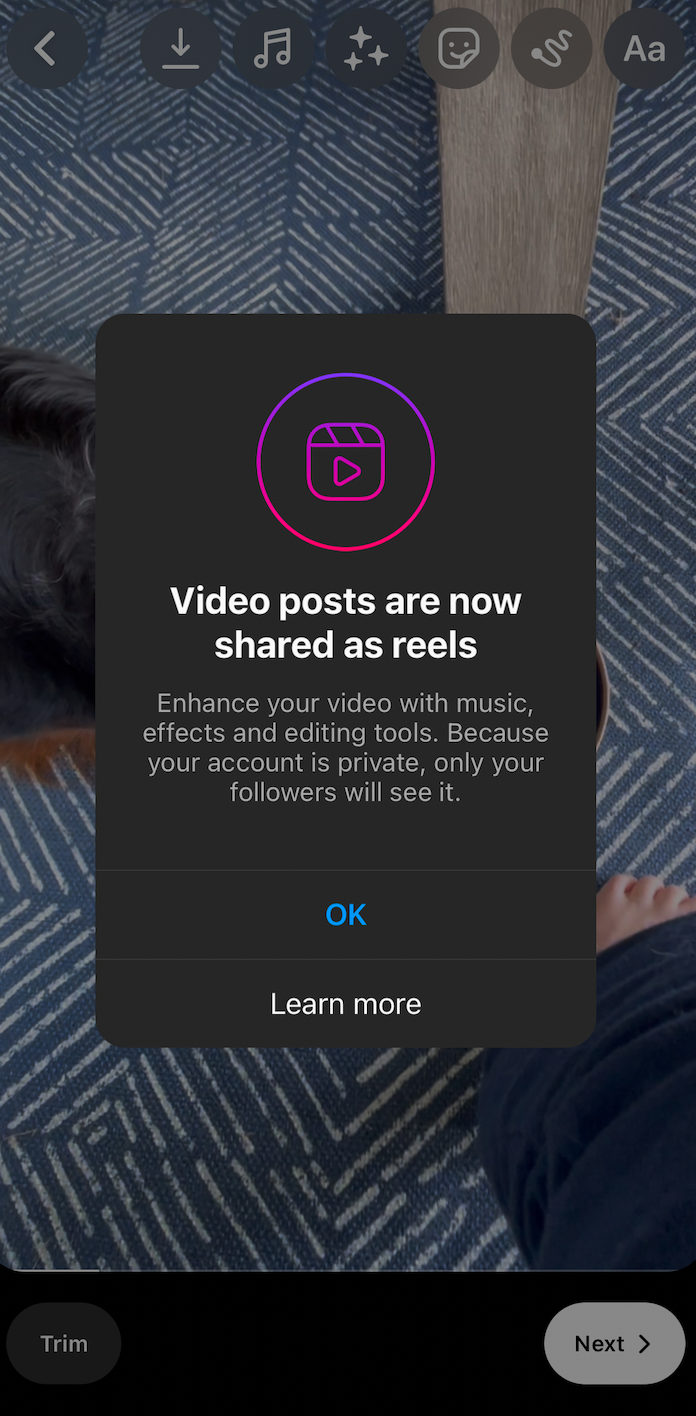
July 2022 marked a pivotal moment for video content, as Instagram declared that all new videos under 15 minutes would "automatically be shared as Reels," merging the Videos and Reels profile tabs. This change aimed to standardize a full-screen, immersive video experience. Meta also launched "Small Business Studios," a comprehensive resource hub offering video courses, workshops, and expert guidance to help businesses grow. The ability to "boost Reels" directly within the Instagram app was rolled out, providing an accessible advertising option for creators. Furthermore, the "Creator Marketplace" entered invite-only testing in the US, providing a dedicated platform for brands to discover and collaborate with creators. The "Facebook Marketing Experts" program was rebranded as the "Meta Pro Team," signifying an expansion of personalized support for small businesses.
Second Quarter 2022: Metaverse, Monetization, and Moderation
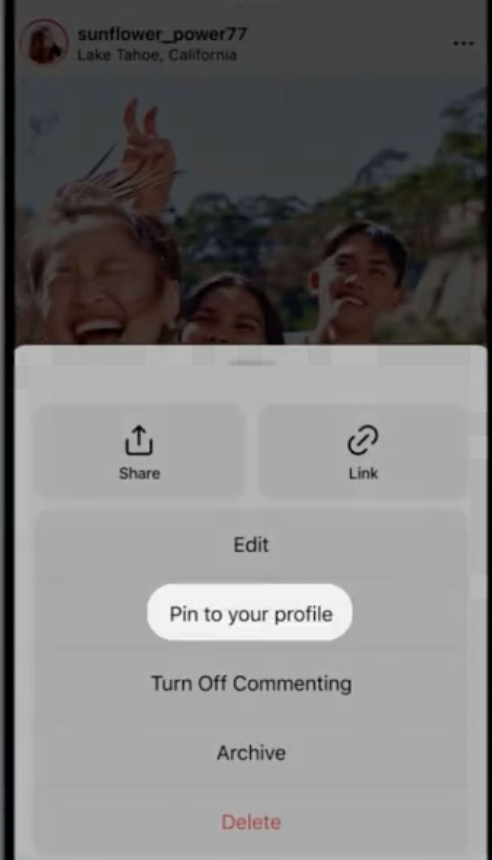
The second quarter of 2022 saw Meta pushing its metaverse vision while refining creator monetization and platform governance. In June, Meta announced "enhanced monetization features for creators," including delaying revenue sharing until 2024 for Badges, Subscriptions, and paid online events. New tools like "Creator Bonuses" and expanded access to Stars for Reels were introduced. Users gained the ability to "create Reels from existing videos" via Creator Studio, encouraging content repurposing. Crucially, "API access for Reels" was introduced, enabling third-party developers to offer publishing, analytics, and moderation tools. Instagram rolled out "new supervision & time management tools" for child and teen safety, allowing parents to monitor screen time and providing prompts for diversified content consumption. The "Instagram users can pin grid posts" feature was launched, letting users highlight up to three pieces of content on their profiles.
May 2022 focused on transparency and conversation management. Meta released "more transparency for social, political and electoral ads," providing targeting information summaries to vetted academic researchers while protecting user privacy. New "conversation management tools" were introduced, including streamlined ad creation for WhatsApp, integration of WhatsApp messages into Meta’s unified inbox, and testing of promotional messages for opt-in customers via Messenger. Meta also expanded its "lead generation and customer acquisition tools," offering features like an enhanced Lead Ads form, instant forms with dynamic creative, and a more robust CRM integration. Concerns arose as Instagram began "testing hiding stories" after three posts, potentially impacting brand visibility, while simultaneously testing "full-screen videos and photos" in the Instagram feed, signaling a shift towards a more immersive, mobile-first design.
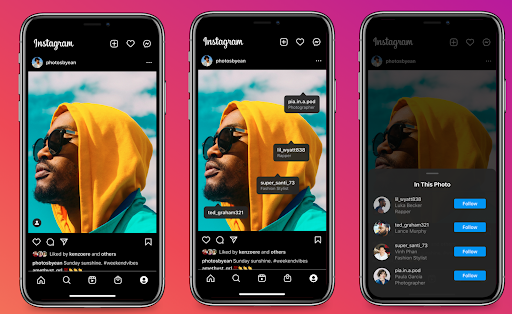
April 2022 brought "new monetization options in Horizon Worlds," Meta’s VR experience, including the ability for creators to sell virtual items and receive a bonus for engagement. This underscored Meta’s significant investment in the metaverse. Instagram began "testing post-pinning," a feature similar to Twitter’s pinned tweets, allowing users to highlight content on their profiles. The maximum "Reel length increased to 90 seconds," providing more creative flexibility for longer-form content. "New tagging options" were rolled out, expanding product tagging to all US users and introducing "enhanced people tags" that display creators’ categories next to their names when tagged, bolstering discoverability and brand identity.
First Quarter 2022: Global Reels, Avatars, and Business Support
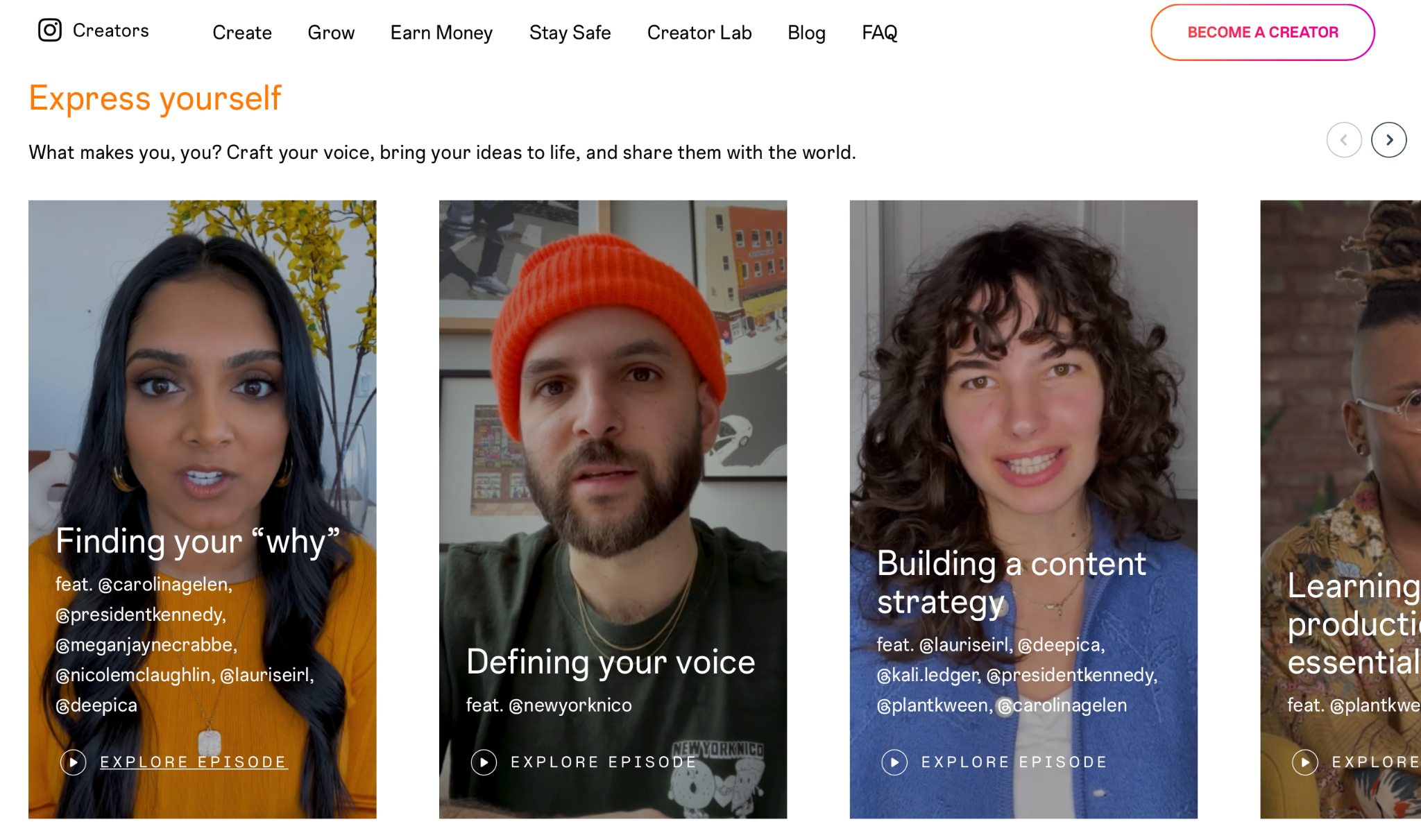
The first quarter of 2022 saw Meta doubling down on Reels and enhancing platform utility. In March, the "New Meta Advantage Suite for ads" was introduced, consolidating automated ad products for optimization and personalization. "Brand safety updates" included Rights Manager features for collecting ad earnings on copyrighted content and integrating publisher allow lists into the Ads Manager reach estimator. "New Group admin tools" on Facebook enhanced moderation capabilities with Admin Assist and expanded engagement features. Instagram reinstated a "chronological feed" option for users who preferred it, alongside the algorithmic main feed. A notable executive statement suggested "Instagram hashtags don’t impact reach… much," advising their primary use for discoverability on hashtag pages. "Auto-generated captions" for feed videos were launched in 17 languages, improving accessibility. Instagram also launched "Creator Lab," a resource center with videos from successful creators.
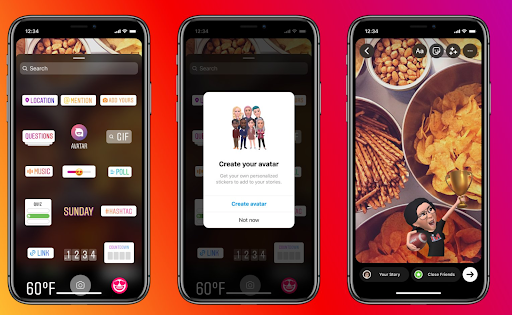
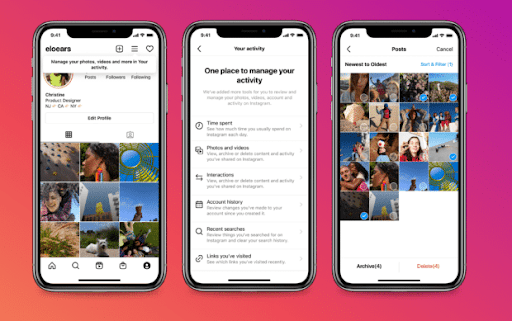
February 2022 was dominated by the global expansion of Reels. "Facebook rolls out Reels globally (and starts monetization tests)" in Canada, Mexico, and the US, introducing Overlay Ads (banners and stickers) and "Stars on Reels" for direct creator support. Facebook "removed profile videos," reverting to still images for users. Instagram launched "streamlined likes on Instagram Stories," moving reactions from DMs to a private heart icon in the story view sheet. The "Your Activity" feature was released, allowing users to manage their content and interactions in one central location. "New 3D avatars" were introduced for Instagram Stories and DMs in the US, Canada, and Mexico, with expanded customization options, signaling Meta’s metaverse ambitions.
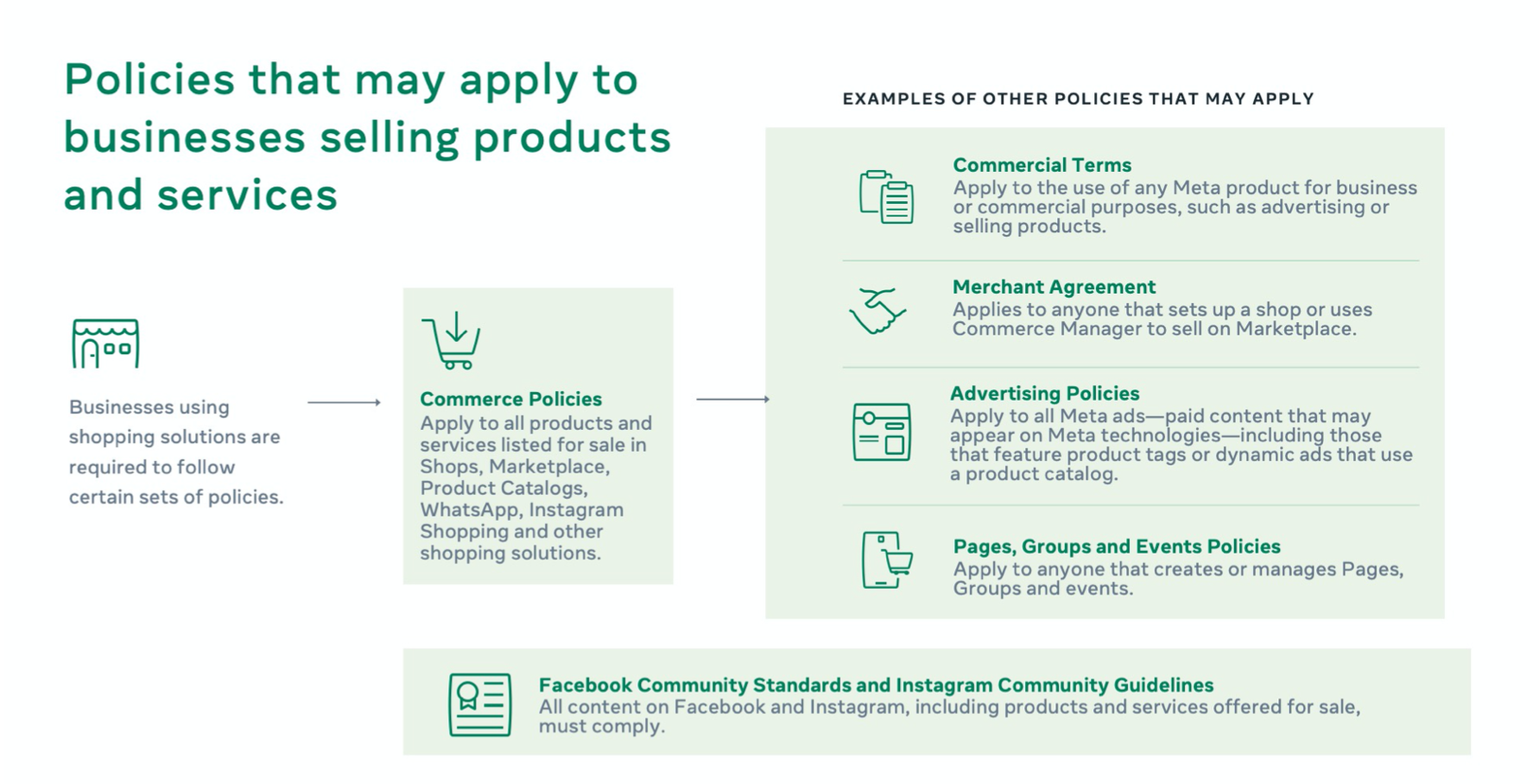
January 2022 focused on enhancing trust and supporting specific business segments. Meta implemented a "safer shopping experience" by centralizing commerce policies and strengthening customer safety measures. "Subscriptions for creators" expanded on Facebook and began testing on Instagram, allowing creators to offer exclusive content for monthly income. Meta announced "new resources to support Black-owned small businesses," including programming, tools, ad credits, and partnerships to address disproportionate closure rates. "Meta shares Instagram trends" for 2022, highlighting key content formats and strategies for businesses.
Late 2021: Rebranding, Privacy, and Community Focus
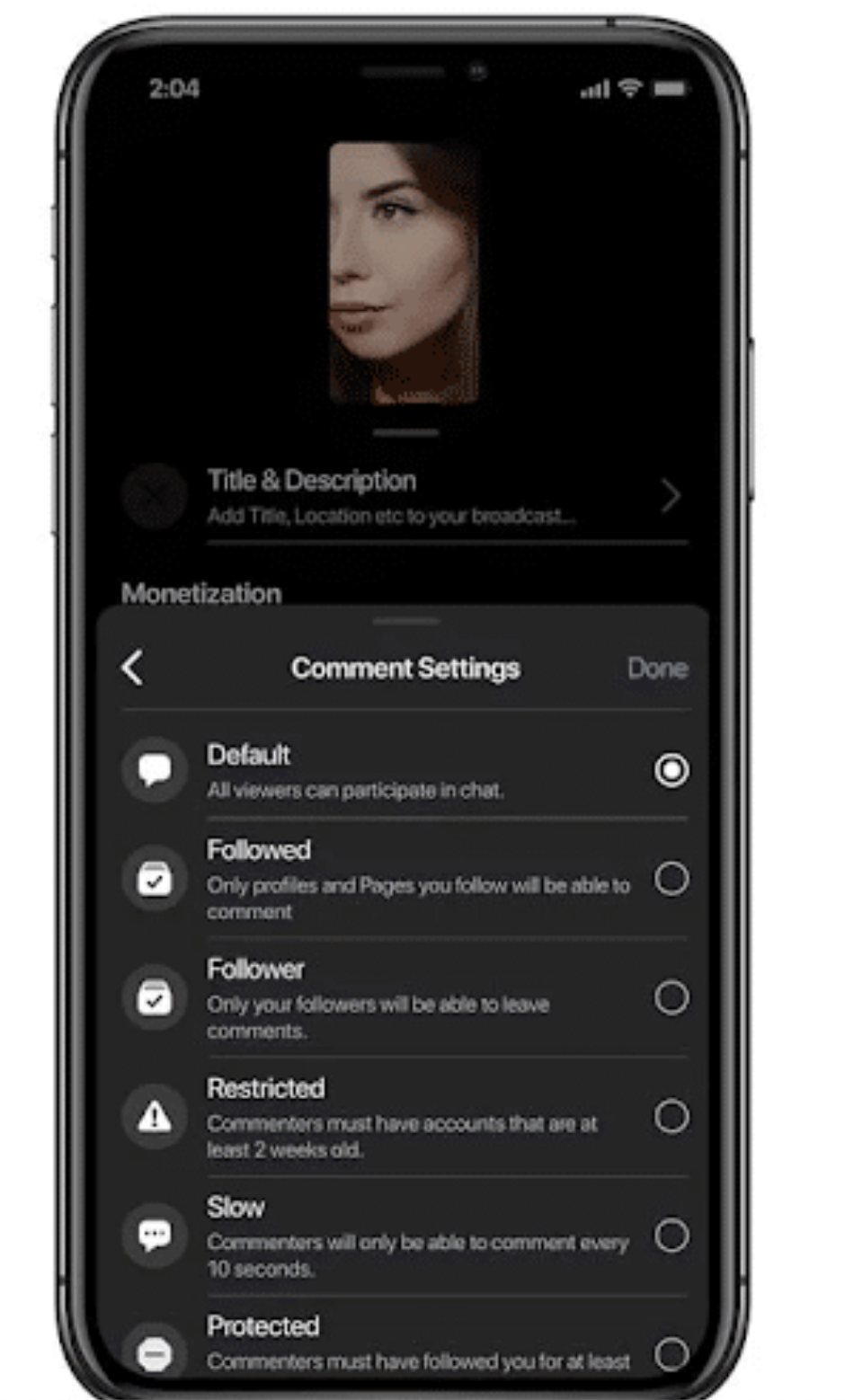
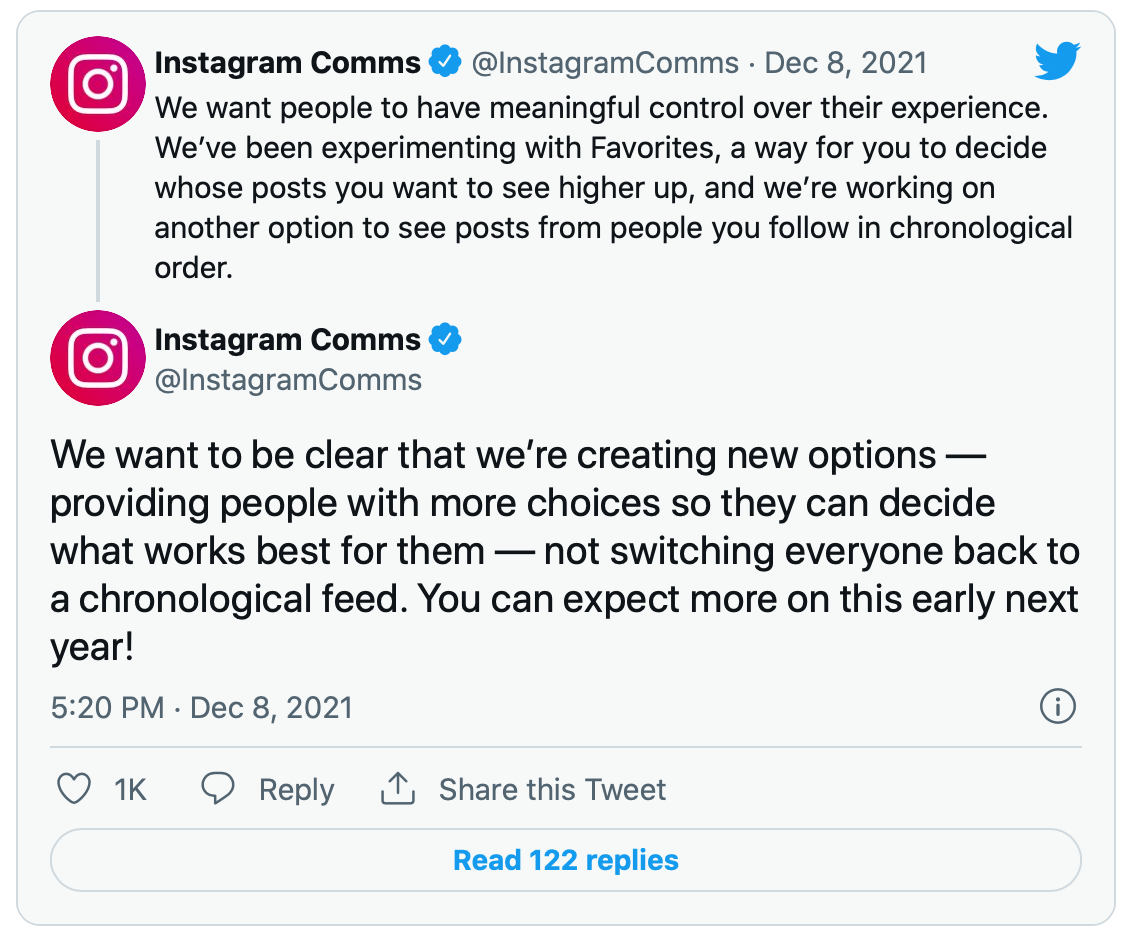
The final months of 2021 were transformative, marked by a major corporate rebrand and a strong emphasis on community and privacy. December 2021 saw the rollout of "Comment Moderation for Creators," offering tools to block users, hide unwanted comments, and set up keyword blocking for Live Chat. "Expanded Eligibility for Cryptocurrency Brands to Run Ads" increased the number of regulatory licenses accepted, reflecting the maturing crypto market. Policies for "Social Issue Ads Selling Products & Services" were clarified, distinguishing sales-focused ads from advocacy-focused ones. Facebook explored "More In-Feed Control For Brands & Users," testing options to prioritize content and collaborate with brand safety partners. Instagram also tested "Feed Options" like "Favorites" and a chronological view.
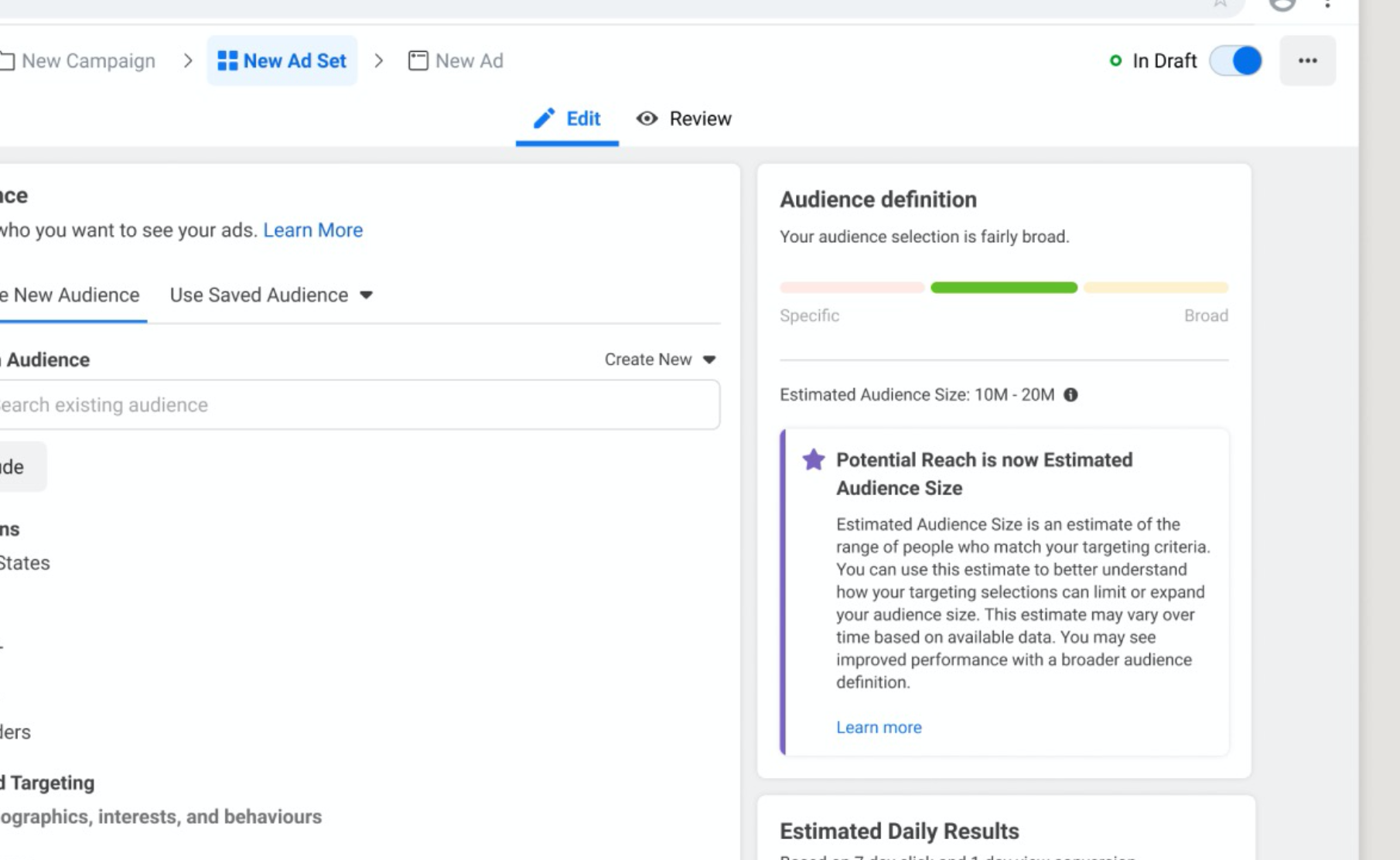
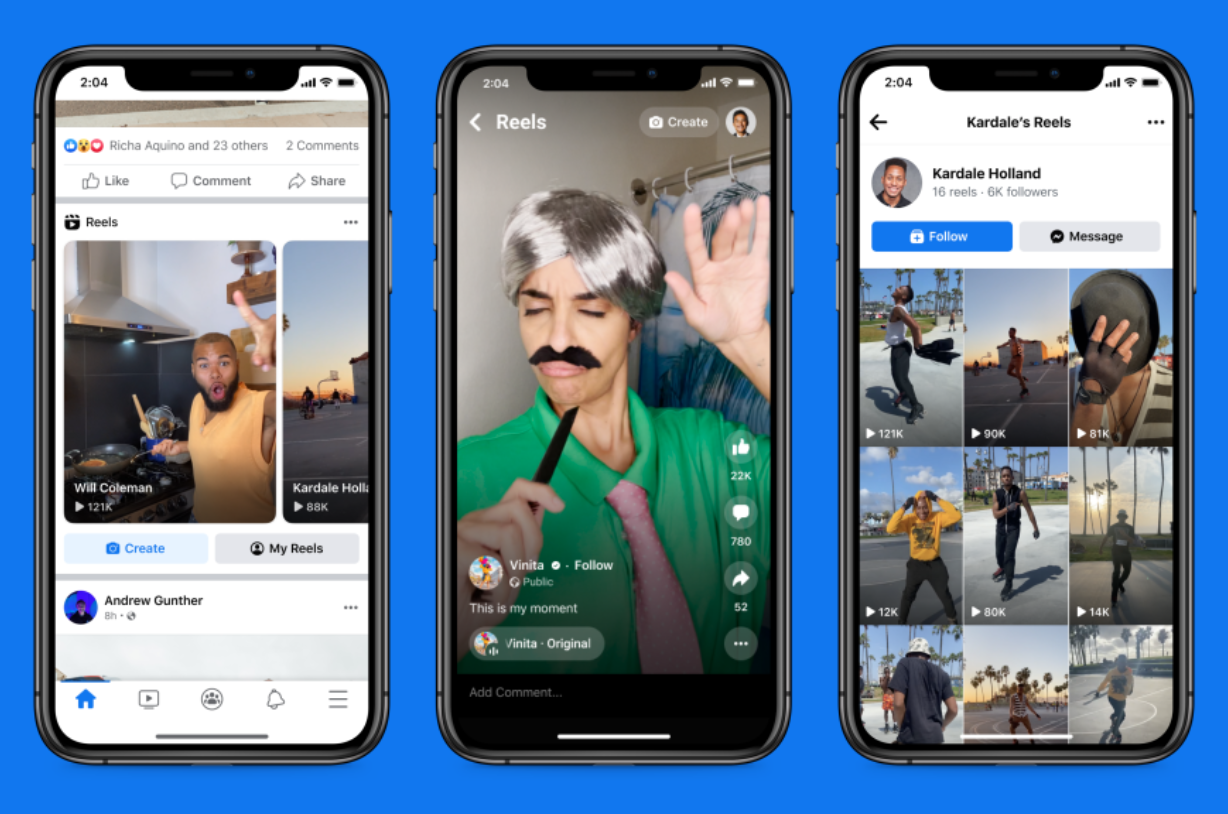
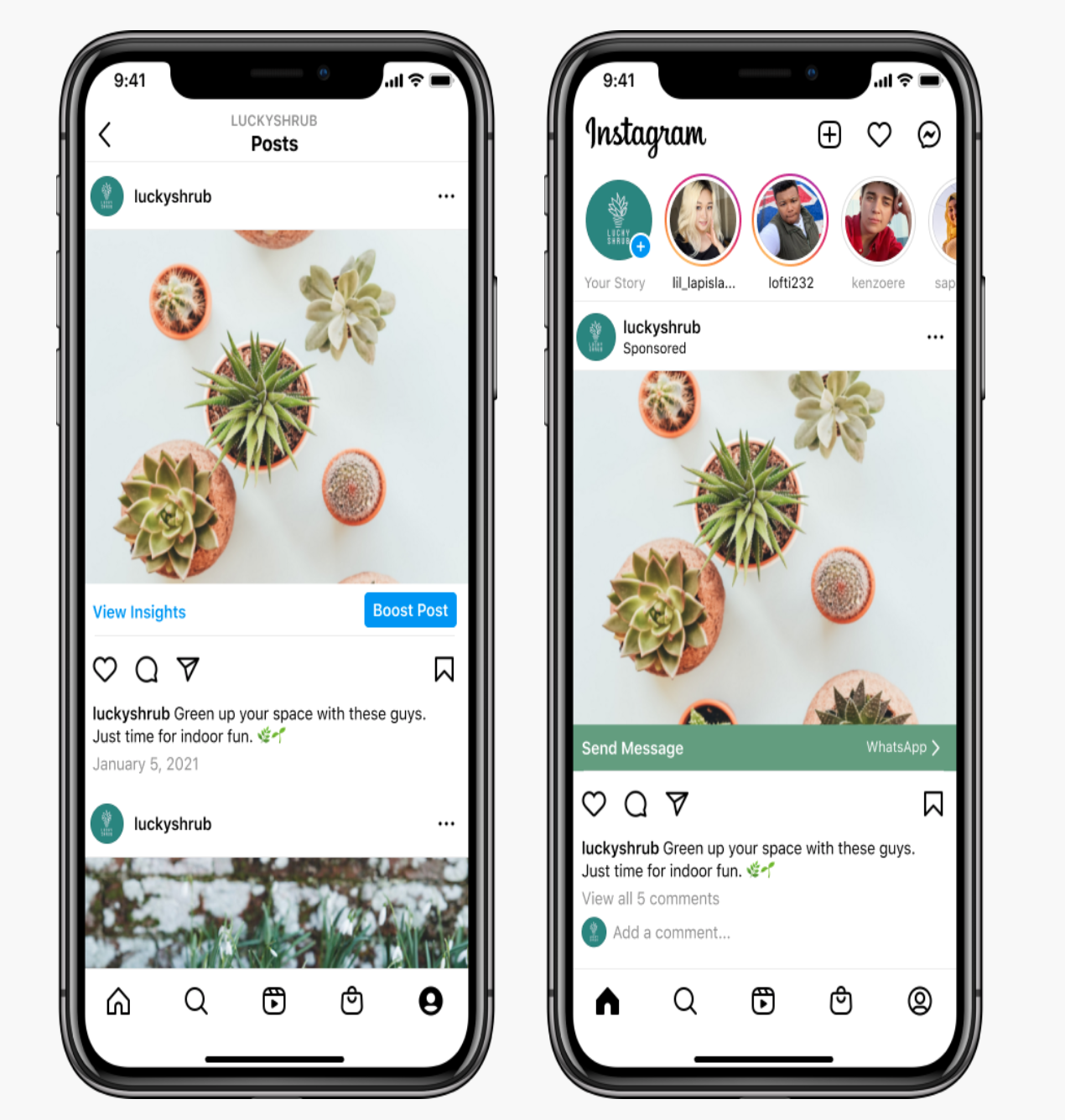
October 2021 included "Changes to the pre-campaign estimates for Facebook ads," shifting from single numbers to estimated audience size ranges for greater transparency. Facebook updated "how they count user accounts," potentially boosting estimated reach as unconnected accounts were counted separately. "Facebook launches Reels in the US" on Android and iOS, bringing the popular short-form video format to the main platform. "IGTV merged with Instagram feed videos" into a single "Instagram Video" format, centralizing video content under a new profile tab. Instagram "boosted posts can now direct customers to WhatsApp," offering a seamless path for customer engagement.
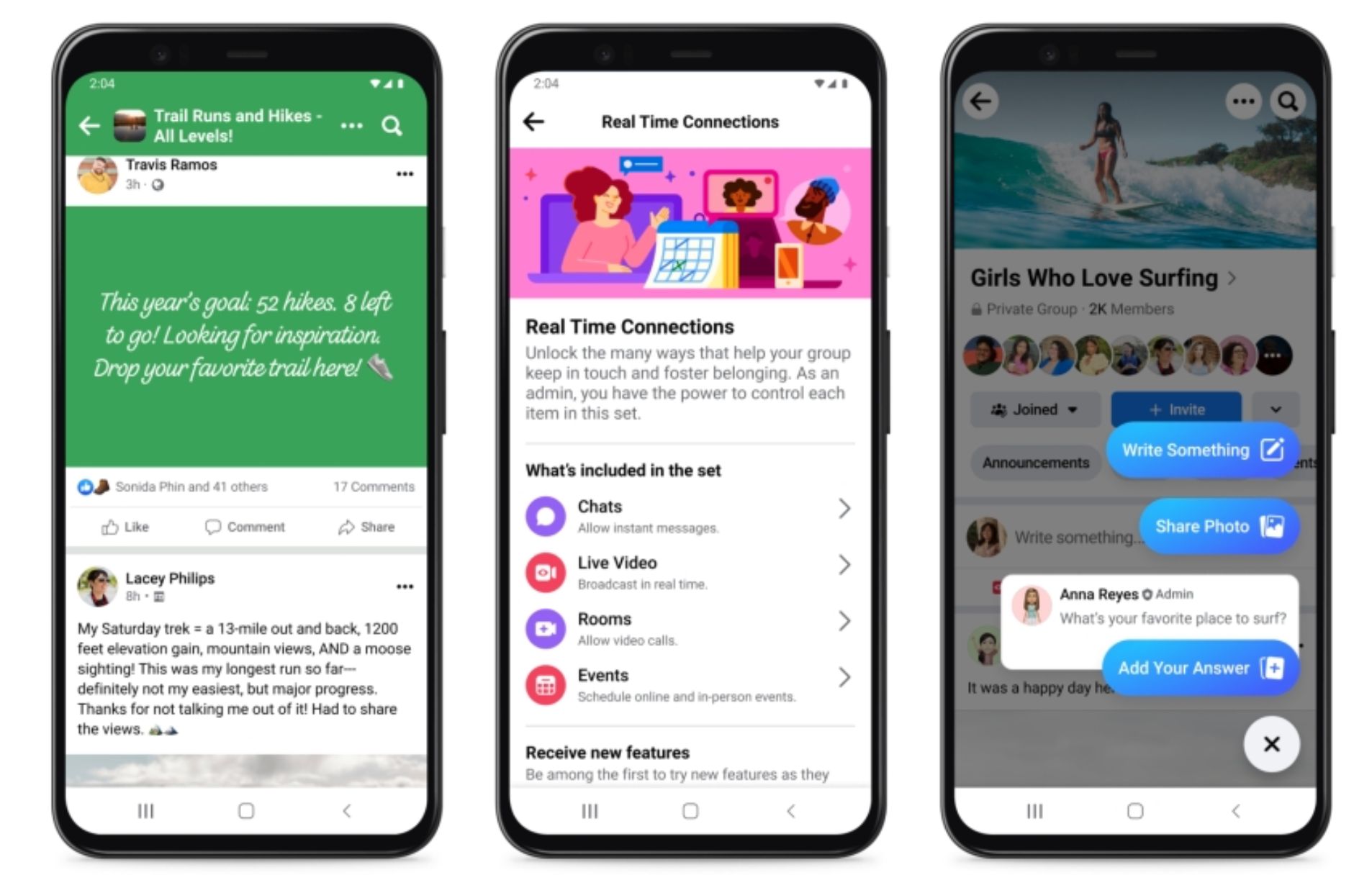
November 2021 was monumental with the "Facebook Rebrands" announcement, changing its corporate name to "Meta" to reflect its focus on the metaverse. This rebrand was accompanied by the "Facial Recognition is Shut Down," discontinuing the system for over a billion users due to privacy concerns, with plans for reintroduction under clearer regulations. "New Facebook Group & Community-Building Features" were rolled out and tested, including admin tools for post approval, keyword alerts, and collaboration spaces, alongside new member engagement options. Instagram saw "New Feature Access," including expanded professional dashboard access and the ability to add links to Stories for all users, regardless of follower count.
Early to Mid 2021: AI, Commerce, and Creator Investments
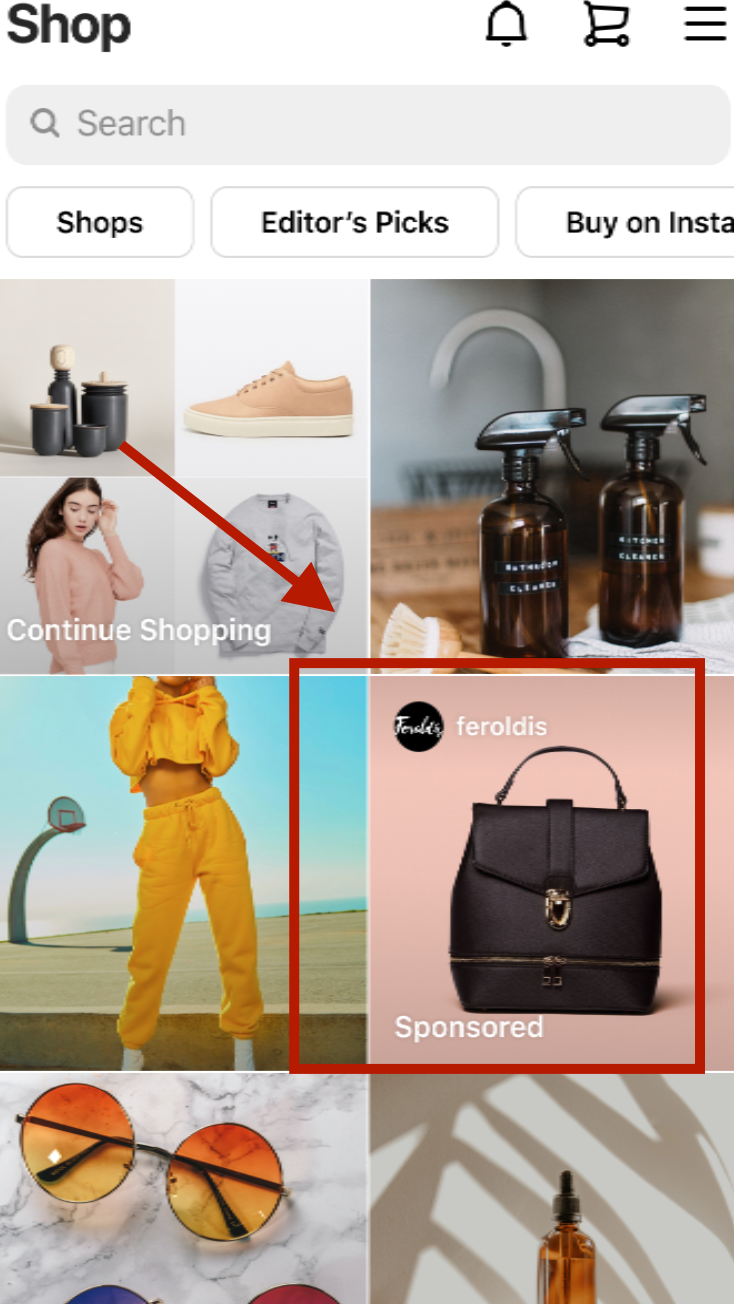
The first half of 2021 saw Meta’s continued investment in AI, commerce, and empowering creators. September 2021 brought "Ads are Coming to Instagram’s Shop Tab," providing advertisers with high-intent placements. The "Facebook Business Suite" received updates, including File Manager, a unified Inbox, and a split-testing feature for organic posts. "Facebook Rolls Out New Messenger Features" for businesses, such as appointment booking and "Get Quote" CTAs. The "Rollout of Facebook Reels" continued, with more users gaining access in the US. "In Testing: Facebook Work Accounts" aimed to separate professional and personal accounts for social media managers.
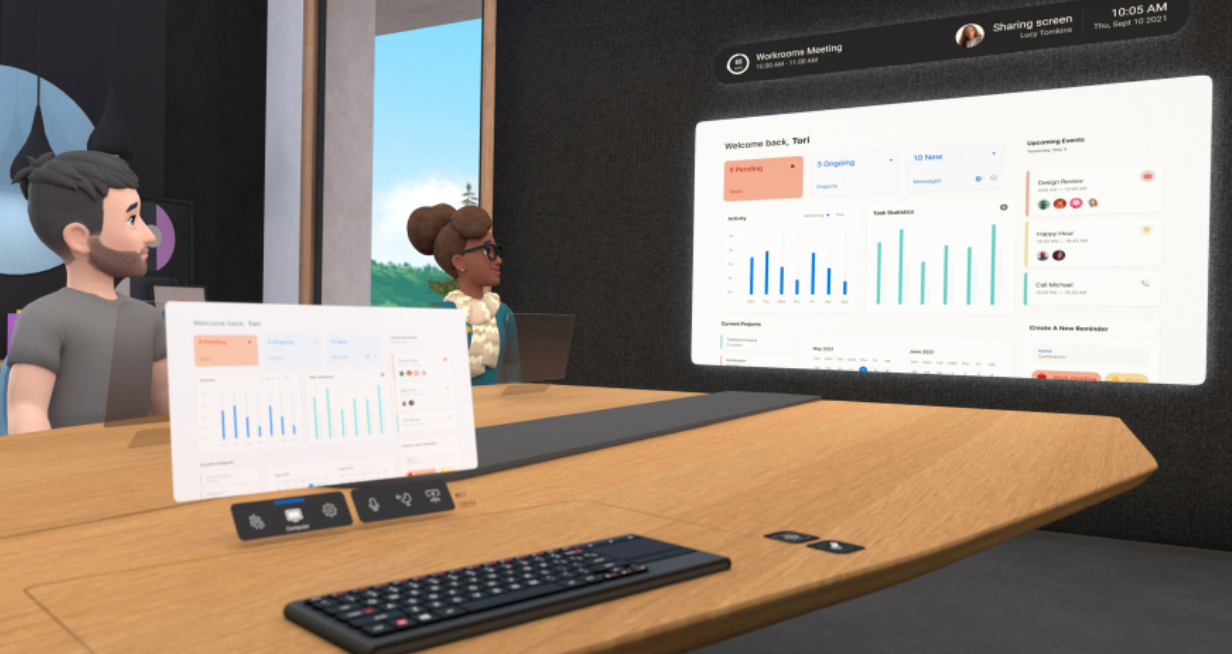
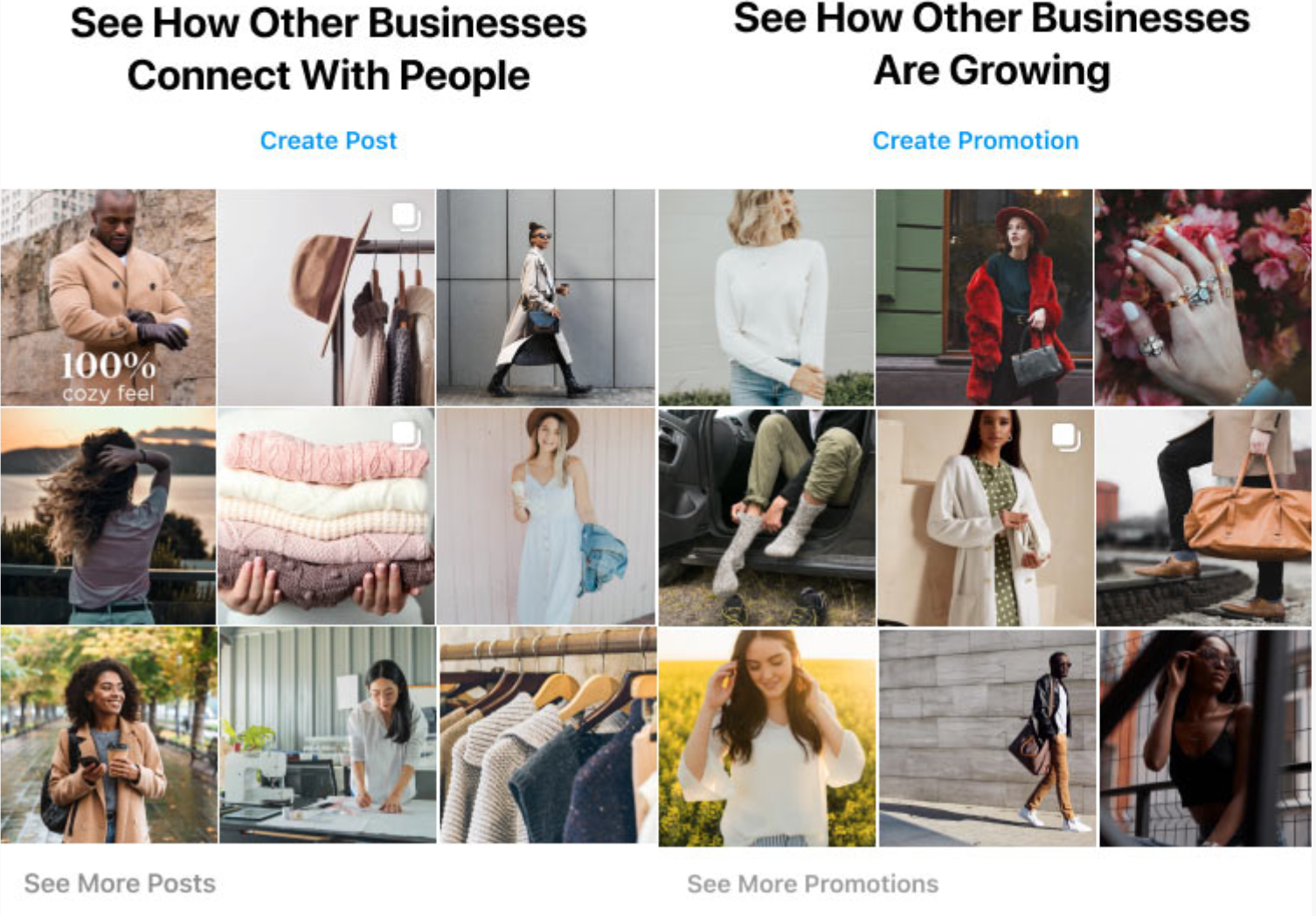
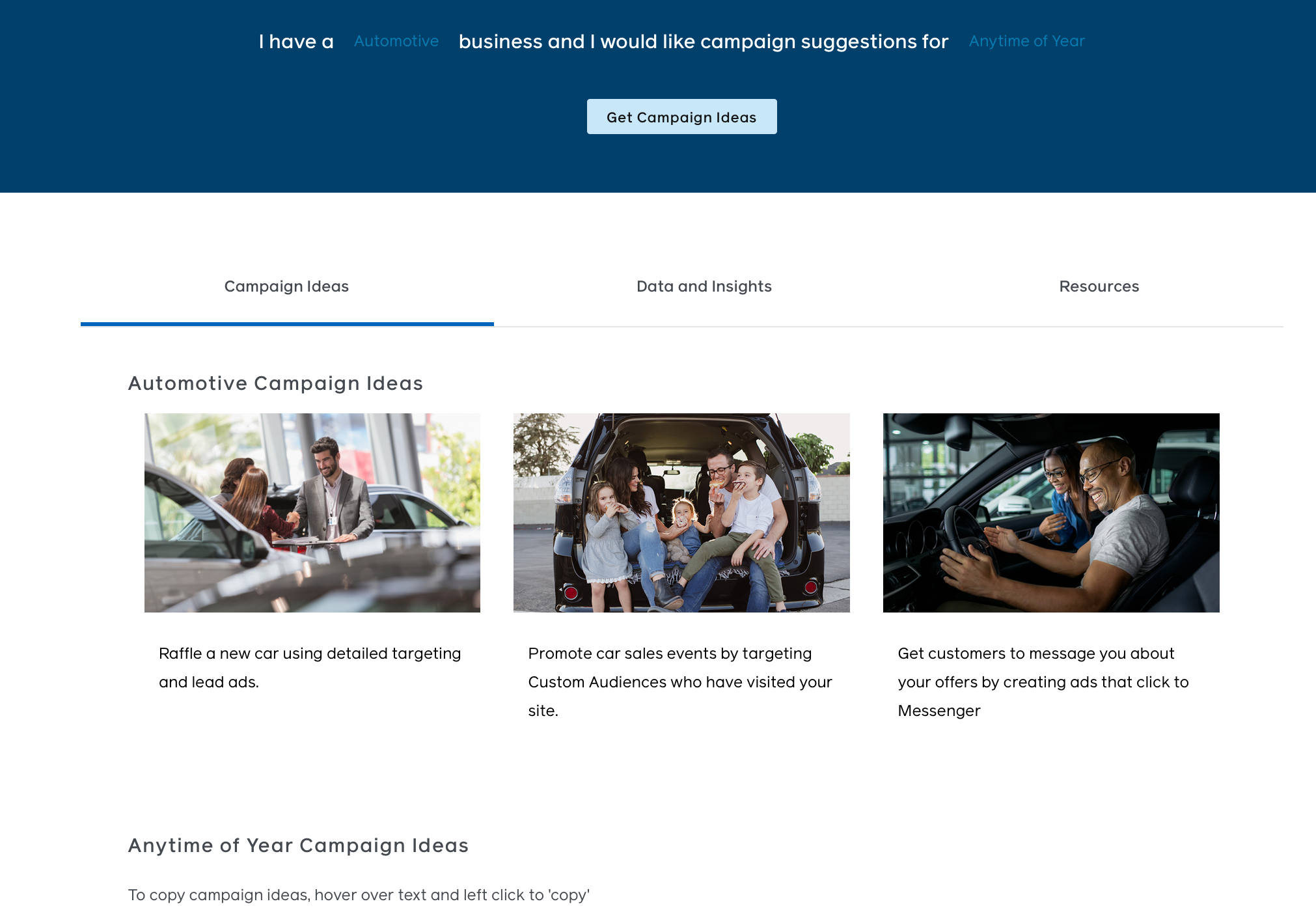
August 2021 launched "New Ads in Instagram’s Shop Tab globally," allowing brands to showcase products directly to shopping-oriented users. "New Horizon Workrooms for Oculus Users" offered a virtual reality meeting space, signaling Meta’s metaverse ambitions. "Get Inspired by Fellow Businesses on Instagram" and the "Facebook Campaign Ideas Generator" provided resources for content inspiration. "Changes to How Advertisers Can Connect with Young Audiences" restricted targeting for under-18 users to age, gender, and location only, a significant privacy measure.
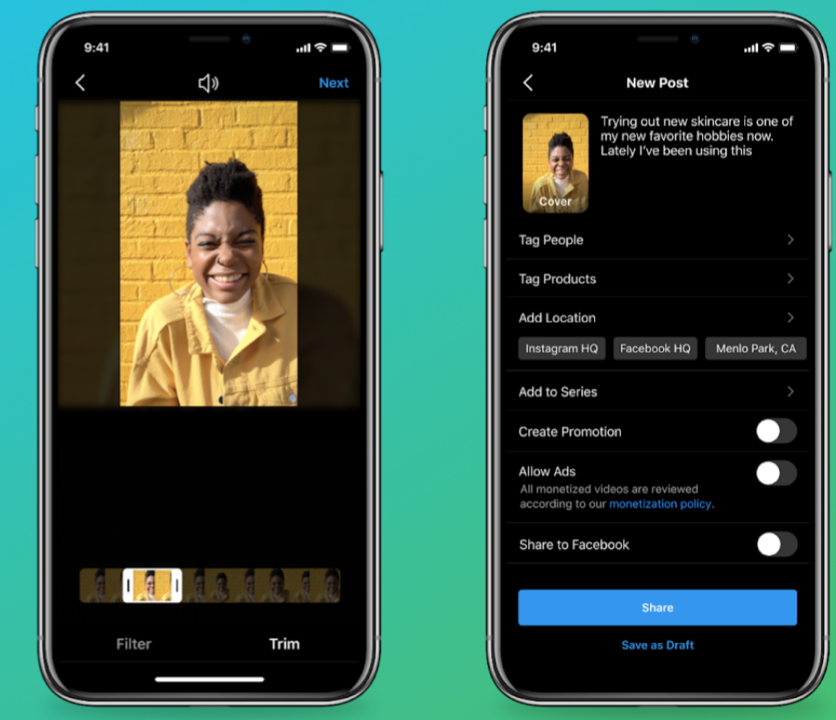
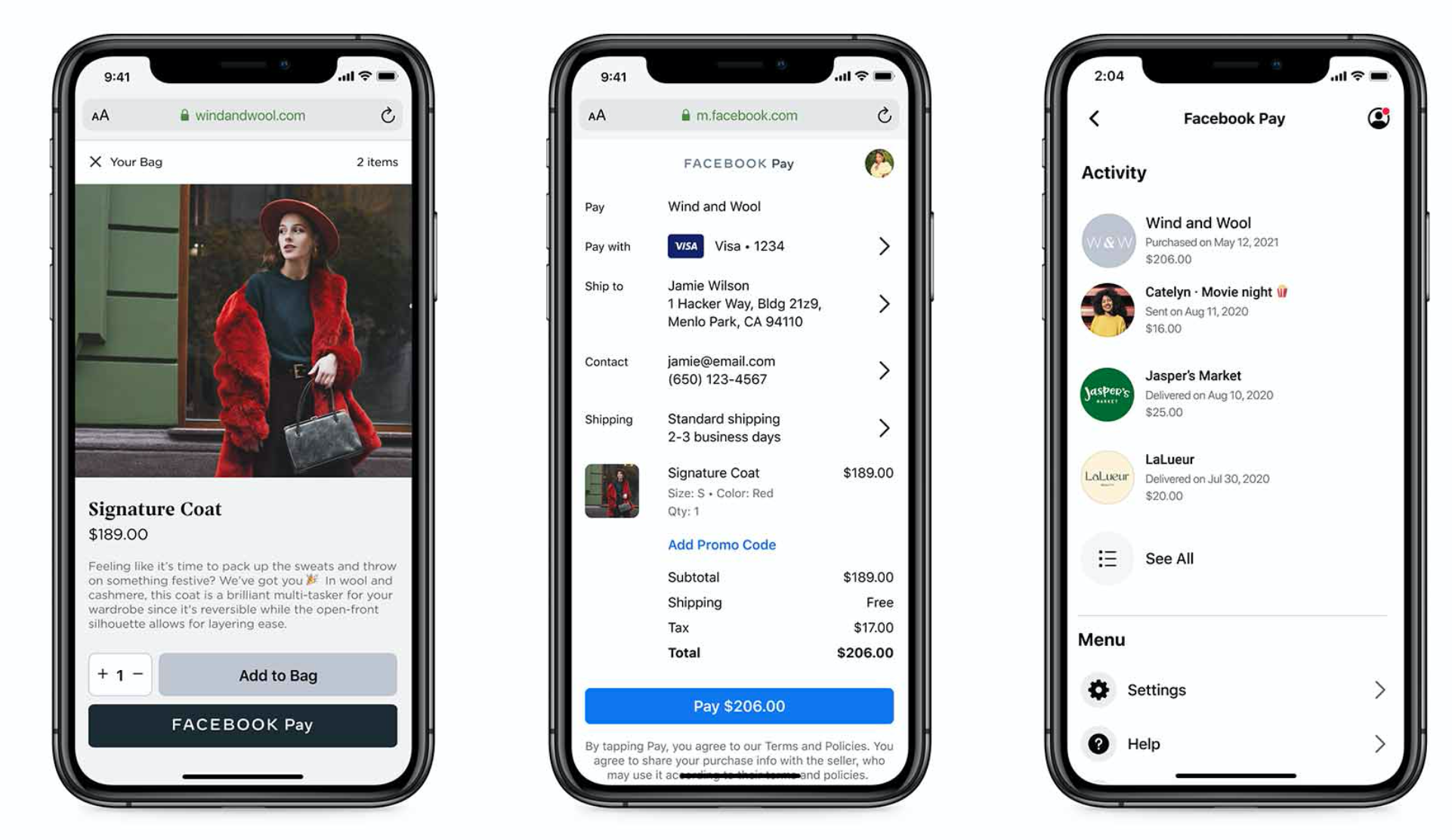
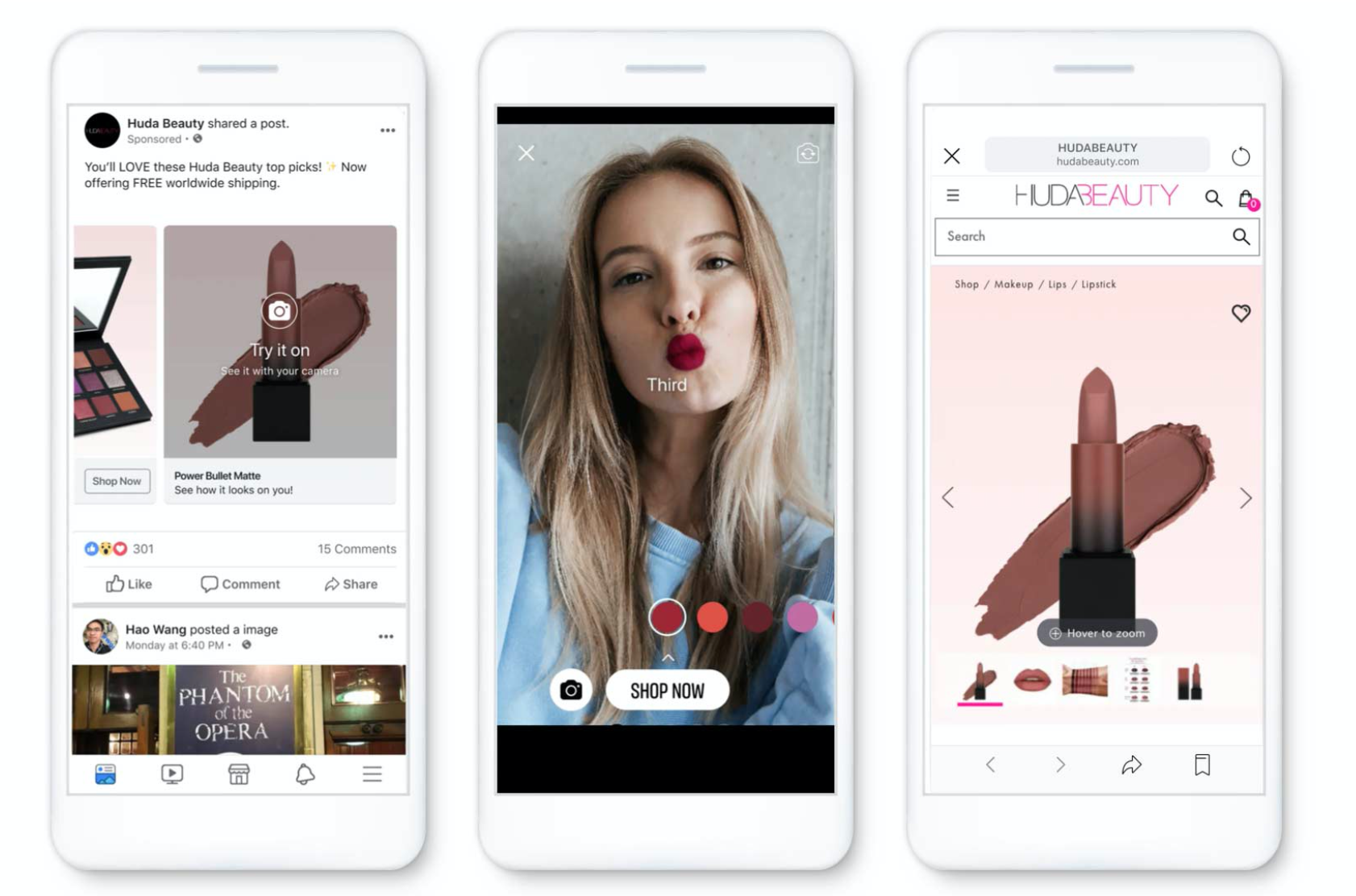
July 2021 introduced a "New Facebook Pay Checkout Option for Businesses" for off-site transactions, starting with Shopify. Meta outlined its vision for the "Next Era of Personalized Experiences," emphasizing AI, privacy-enhancing technologies, and small business support. "New AR Options and Expansions" for features like "Try On" were rolled out to more businesses. "New Ad Policies Around Prescription Drugs" tightened regulations for advertising pharmaceuticals. Critically, Instagram announced "Investing $1B In Creators" through bonus programs for achieving milestones with native tools.
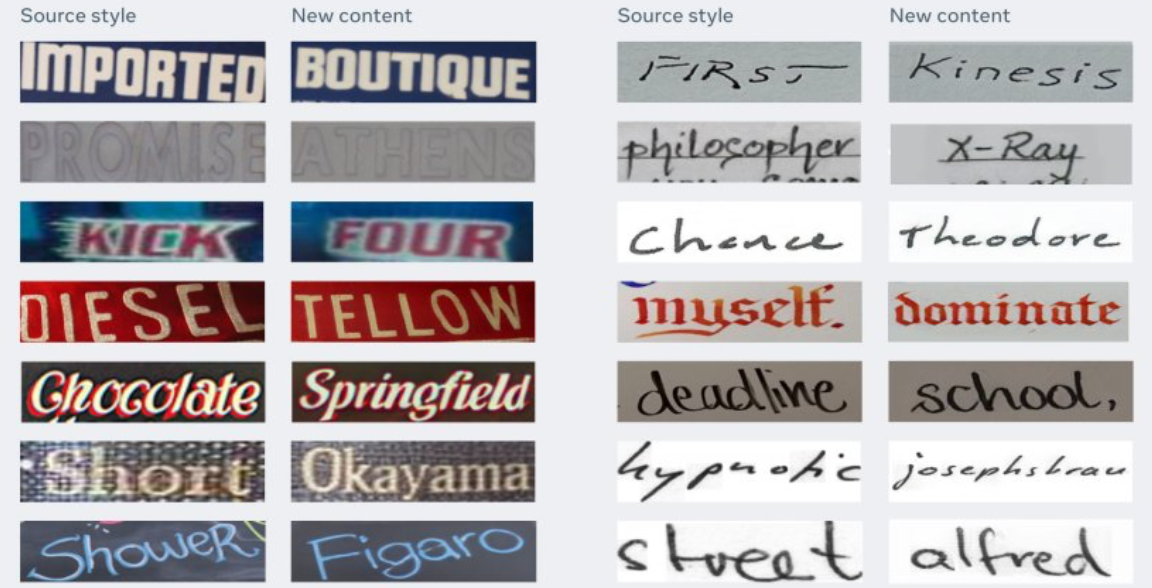
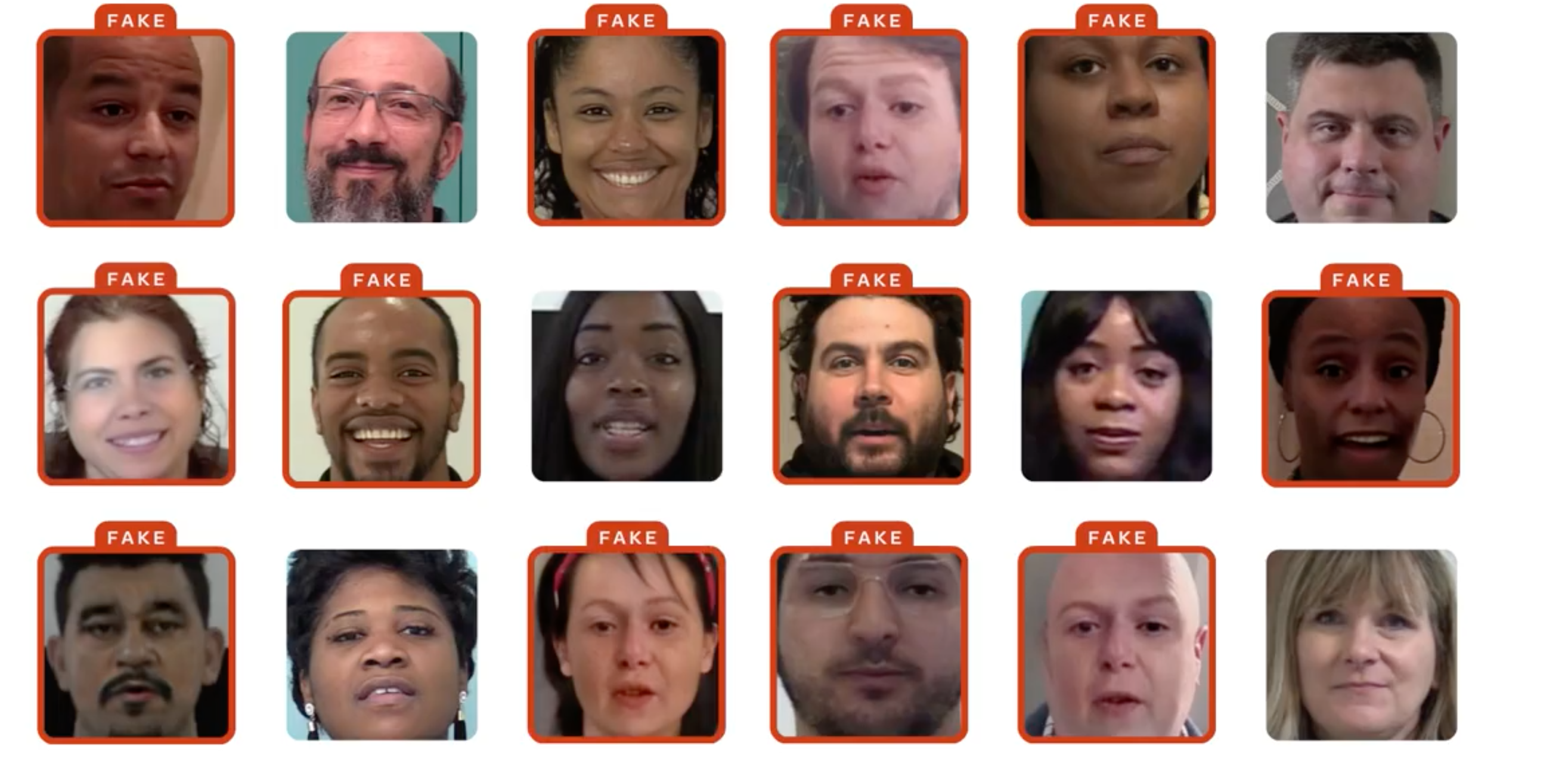
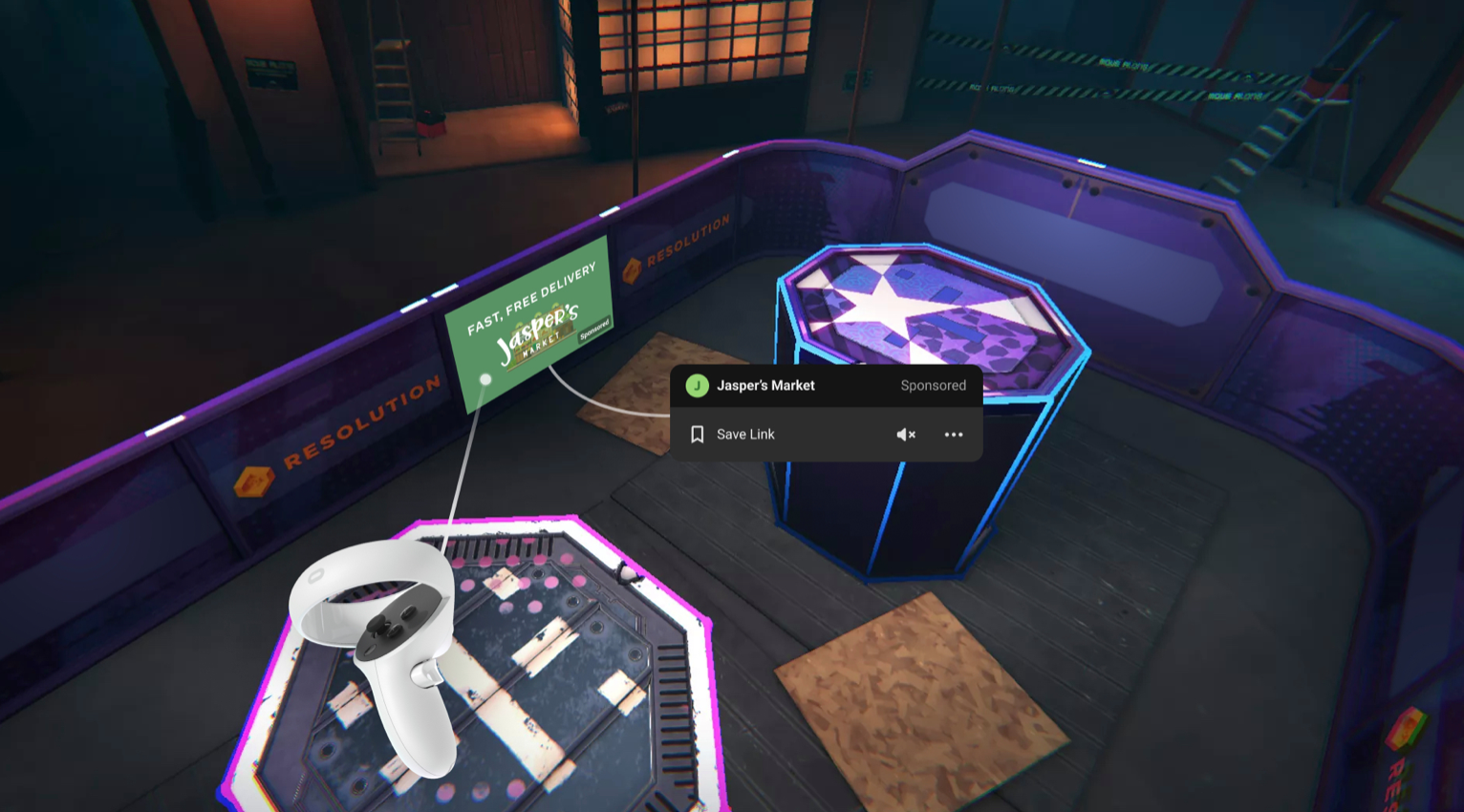
June 2021 unveiled a "New AI-Based TextStyleBrush" that could replicate text styles from images. Facebook demonstrated progress in "Cracking Deepfakes," identifying AI-generated content through reverse engineering. "In Testing: Headset VR Ads" explored monetization within Oculus VR experiences. The "Messenger API for Instagram" was fully launched, enabling businesses to integrate Instagram DMs with third-party management platforms. "New Ads for Instagram Reels" were rolled out globally, leveraging the high engagement of short-form video. "Affiliate Monetization Options Announced for Creators" allowed influencers to earn commissions for promoting products directly within the app.
May 2021 saw "Facebook Breaks Down its Ad Policy Review Process" to increase transparency. "Facebook Reports Efficacy of Platform Safety & Integrity Measures," detailing improvements in removing hate speech and misinformation. "New Instagram Insights for Reels & Live Video" provided crucial performance metrics for creators. "New Tools for Asian & Pacific-Islander Owned Businesses" offered support and resources. "Live Shopping Fridays Announced" in partnership with major beauty and fashion brands, testing interactive commerce streams.
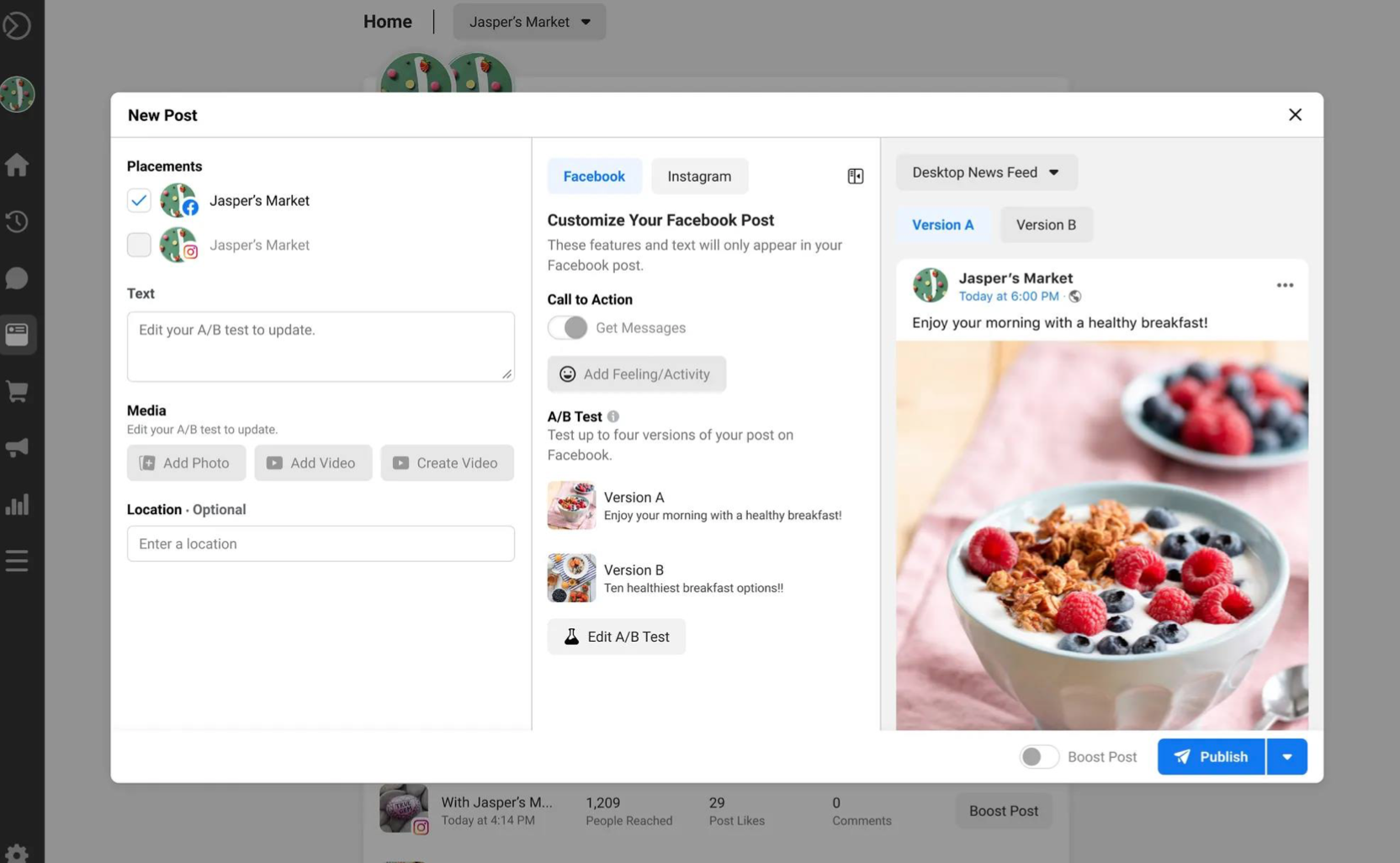
April 2021 was marked by the full rollout of "The ATT Is Here," Apple’s AppTracking Transparency update, significantly impacting Facebook advertisers’ ability to track user data and optimize campaigns. Facebook addressed "COVID-19 Misinformation" by expanding fact-checking networks and AI tools to remove false content. "New Business Suite Features" included Stories posting and scheduling, and enhanced post management. "New Dynamic Ads for Streaming" allowed video streaming brands to promote personalized content carousels.
Late 2020: Ad Limits, Privacy, and Business Tools
September 2020 brought the contentious "New Ads Limit Per Page," restricting the number of active campaigns based on ad spend, aiming to improve ad performance through machine learning. "Facebook Prepares Partners for iOS 14," advising businesses on adapting to Apple’s upcoming privacy changes impacting data collection. The "Facebook Business Suite Announced & Rolled Out," consolidating Facebook and Instagram management into a single dashboard. "Data Checkups" were introduced for developers to review data permissions annually. "Improvements Made to Auto Inventory Ads" enhanced the on-platform shopping experience for car buyers. "Expanded Safety for In-Stream Options" offered more granular controls for advertisers to manage where their video ads appeared.
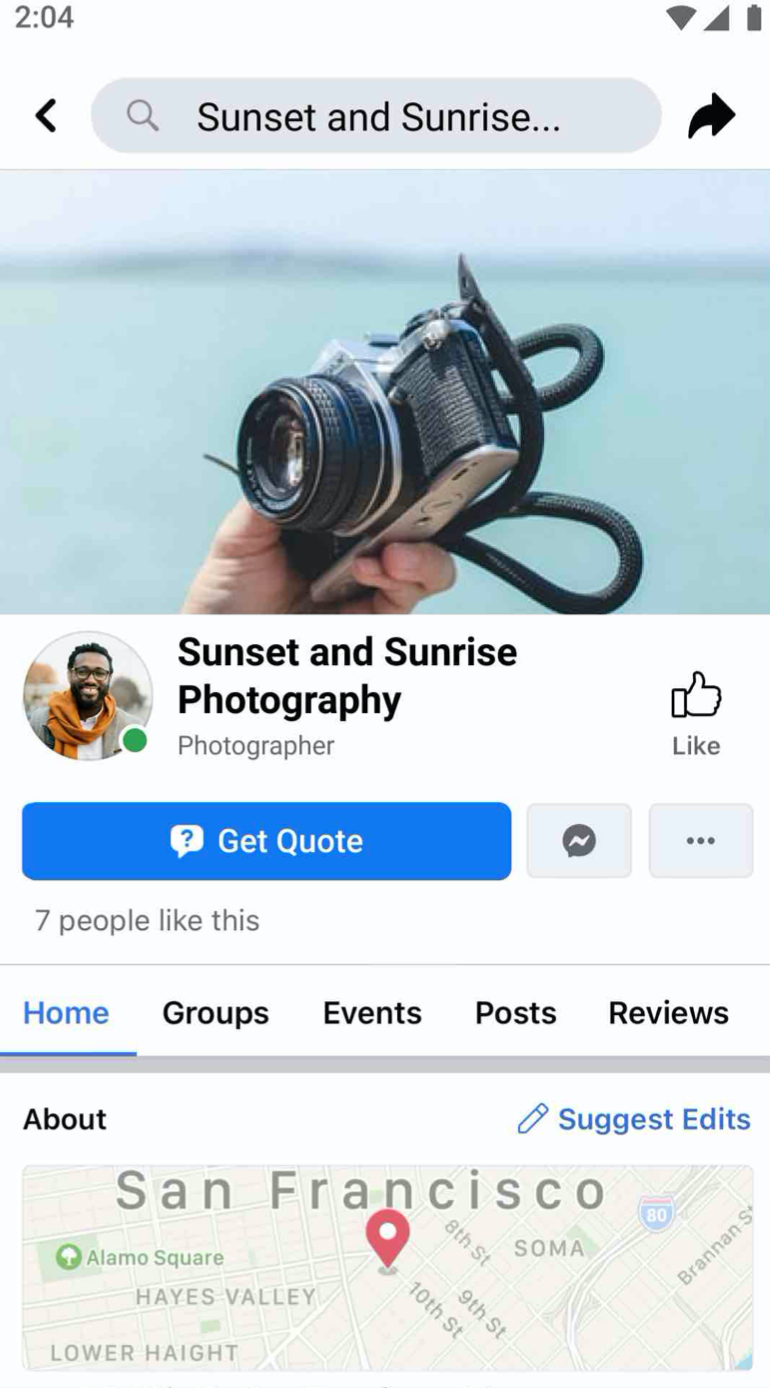
August 2020 introduced "New Sponsored Posts for Groups," extending branded content tags to public groups for monetization. "New Educational Features Roll Out," including an Educator Hub with resources for parents, teachers, and students. "New Improvements for Accessibility" enhanced the platform for users with disabilities. "New Page Follow Settings" gave users more control over notifications from pages. "New Paid Online Events for Creators & Businesses" allowed Page owners to charge for virtual events, with Facebook waiving fees for a year to support small businesses. "Removal of 1,000 Targeting Options" streamlined ad targeting by eliminating rarely used or duplicate categories. "New Timely, Cultural, & Political Updates" focused on increasing transparency in political advertising.
July 2020 enabled users to "Go Live from Messenger Rooms," facilitating multi-person video broadcasts. "New Privacy Settings & Messenger App Lock" increased user security and control over communications. "New Options for Connecting with Businesses on WhatsApp" introduced QR codes and catalog sharing to streamline customer interactions. Facebook continued to remove "Coordinated Inauthentic Behavior," shutting down networks spreading misinformation.
Early 2020: User Control, Policies, and Creator Support
March 2020 saw "Facebook Announces Changes Related to COVID-19," including ad review delays, restrictions on advertising certain pandemic-related products, and misinformation flagging. "Facebook Releases New ‘Mood’ for Stories Frames" using GIFs for quick expression. "Facebook’s Rolling Out New Design for Messenger," simplifying the interface by removing the Discover section. "Facebook Allows You To Convert 2D Images into 3D Images" for enhanced visual engagement. "Facebook Testing the Ability to Cross-Post Facebook Stories on Instagram," mirroring Instagram’s existing functionality.
February 2020 marked the global rollout of Facebook’s "Clear History" tool, allowing users to disconnect their off-Facebook activity from their accounts, potentially impacting retargeting. "Facebook Releases ‘One Time Notification’ API for Messenger," enabling businesses to send relevant updates outside the 24-hour window if users opt-in. "Facebook Expands Fact-Checking with Reuters Partnership" to combat misinformation. "Facebook Releases Creator Studio Mobile App" for on-the-go content management. "Audience Network Losing Mobile Web Placements" as Meta streamlined ad placements.
January 2020 saw a delay in Messenger’s new policy start date, allowing businesses more time to adapt to new rules on messaging windows and subscription messaging. A "New Page Management History Tool" became available, providing transparency into actions taken by page administrators. "Updated Political Ad Policies" gave users more control over political ads and enhanced the Ad Library. "Special Category Ad Requirements" for housing, credit, and employment ads became mandatory for US advertisers.
Broader Impact and Implications
Meta’s relentless pace of updates over these two years highlights several overarching strategic priorities. Firstly, the Creator Economy has become a central pillar, with significant investments in monetization tools (Reels Overlay Ads, Stars, Subscriptions, Affiliate Marketing, Horizon Worlds monetization) and resource hubs (Creator Lab, Small Business Studios). This is a direct response to platforms like TikTok and YouTube, aiming to retain and attract top talent.
Secondly, Automation and AI are deeply integrated into advertising and content management, exemplified by Advantage+ campaigns and AI-driven tools like TextStyleBrush and deepfake detection. This push aims to make advertising more efficient and effective for businesses, while also addressing platform integrity.
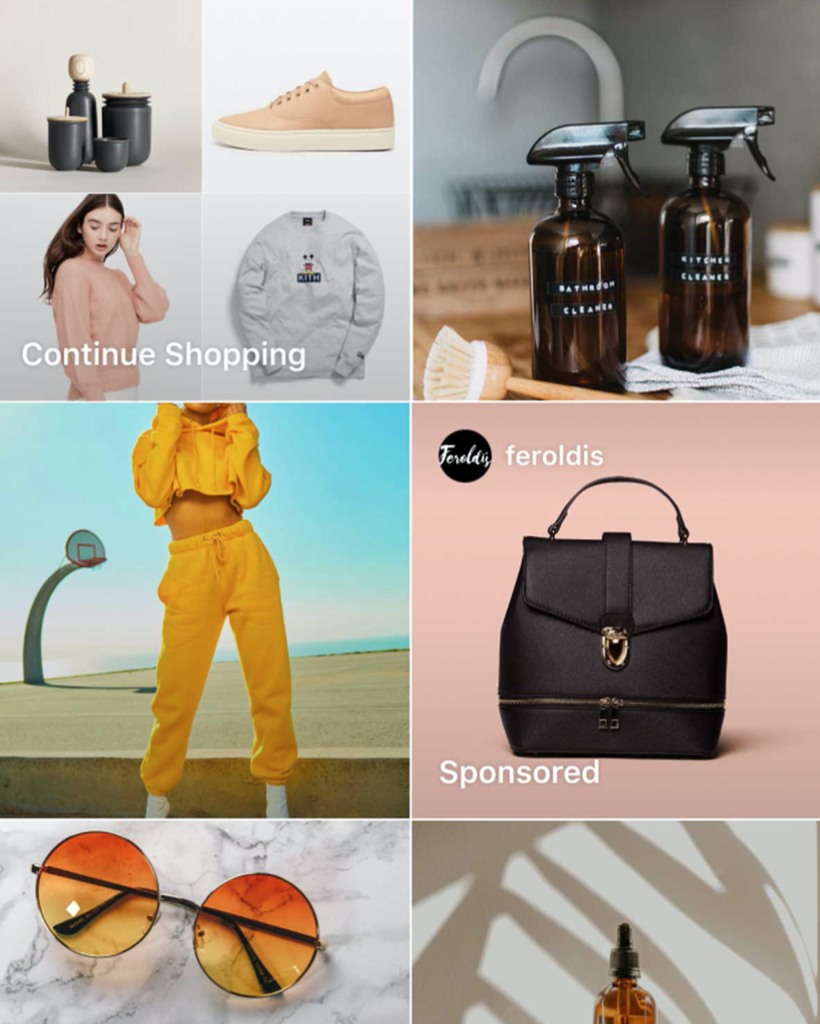
Thirdly, Commerce and Messaging continue to evolve as interconnected revenue streams. New Facebook Shops, Instagram Shop Tab Ads, payments in DMs, and WhatsApp business features demonstrate Meta’s ambition to create seamless, in-app buying experiences and direct customer communication channels. The consolidation of messaging platforms further supports this.
Fourthly, Platform Safety, Privacy, and Transparency have been consistently addressed, often in response to public scrutiny and regulatory changes (e.g., Apple’s ATT, CCPA, facial recognition shutdown, brand safety accreditations). While these measures can sometimes present challenges for advertisers (like restricted targeting for young audiences or reduced tracking), they are crucial for maintaining user trust and long-term platform viability.
Finally, the Metaverse Vision, though still in its nascent stages, underpins many developments, from 3D avatars to Horizon Worlds monetization and VR ads. While immediate commercial success remains to be seen, these investments signal Meta’s long-term commitment to immersive digital experiences.
For marketers and businesses, this continuous evolution necessitates agility and a willingness to experiment. The shift towards short-form video, automated advertising, and direct-to-consumer commerce via messaging presents both challenges and unparalleled opportunities. Adapting content strategies for Reels, leveraging advanced automation in campaigns, and exploring new monetization avenues in the creator economy will be key to thriving within Meta’s dynamic ecosystem in 2023 and beyond. The increased emphasis on transparency and brand safety also demands careful adherence to policies and a commitment to ethical marketing practices.