Mastering Short-Form Video Strategy: A Comprehensive Guide for Brands and Digital Marketers in 2026

In the hyper-competitive digital landscape of 2026, short-form video has solidified its status as the primary currency of consumer attention. Defined as video content typically under 60 seconds, this format is meticulously engineered for vertical, mobile-first consumption. While the formal constraints of platforms have evolved—with TikTok and YouTube Shorts now permitting longer uploads—the fundamental mechanics of user engagement remain anchored in brevity. Data suggests that the most effective content remains within the 15-to-30-second window, a timeframe that maximizes completion rates and encourages rapid-fire algorithmic distribution.

The Evolution of the Short-Form Paradigm
The genesis of the current short-form video explosion can be traced back to the launch of Vine in early 2013, which introduced the world to the power of the six-second loop. While Vine was eventually shuttered, it established a behavioral pattern: users were increasingly comfortable with fragmented, high-velocity entertainment. By 2026, this behavior has matured into a global standard.
The transition from long-form to short-form represents a fundamental shift in how brands approach the marketing funnel. Long-form content, characterized by videos exceeding two minutes, continues to serve as the bedrock for educational deep-dives, complex product demonstrations, and SEO-driven tutorials. However, short-form video has become the primary acquisition tool. It is the entry point for audiences who are not actively searching for a brand but are open to discovery via algorithmic feeds.

Comparative Dynamics: Short-Form vs. Long-Form
Industry analysis reveals a stark contrast between the two formats. Short-form video is defined by high-volume reach, low production barriers, and a focus on top-of-funnel awareness. Conversely, long-form content is defined by high-intent engagement, higher production overhead, and sustained watch time.
For the modern marketing organization, the two formats are no longer mutually exclusive but symbiotic. A successful strategy often involves a "hook-and-bridge" methodology: using a 15-second Reel to capture immediate attention, then providing a link to a longer, more detailed YouTube video or blog post to nurture that interest into a conversion. This dual-pronged approach accounts for the reality that while short-form content drives the discovery, long-form content is where deeper brand loyalty and search equity are cemented.
Market Data and Consumer Behavior in 2026
Recent market research from organizations such as Wyzowl highlights that short-form video consistently yields the highest Return on Investment (ROI) for marketers. This is largely attributed to the "low-friction" nature of the format. Consumers today prefer to learn about products through concise explainer videos rather than reading long-form text or watching lengthy presentations.
On YouTube, the sheer scale of the format is staggering, with Shorts regularly accumulating over 200 billion daily views. This volume provides smaller brands with a rare, level playing field where algorithmic favor—driven by completion rates and shareability—can propel a niche business to viral reach without the need for a massive existing follower count.
Platform-Specific Strategic Frameworks
Navigating the ecosystem in 2026 requires an understanding of the nuances inherent in each major platform.
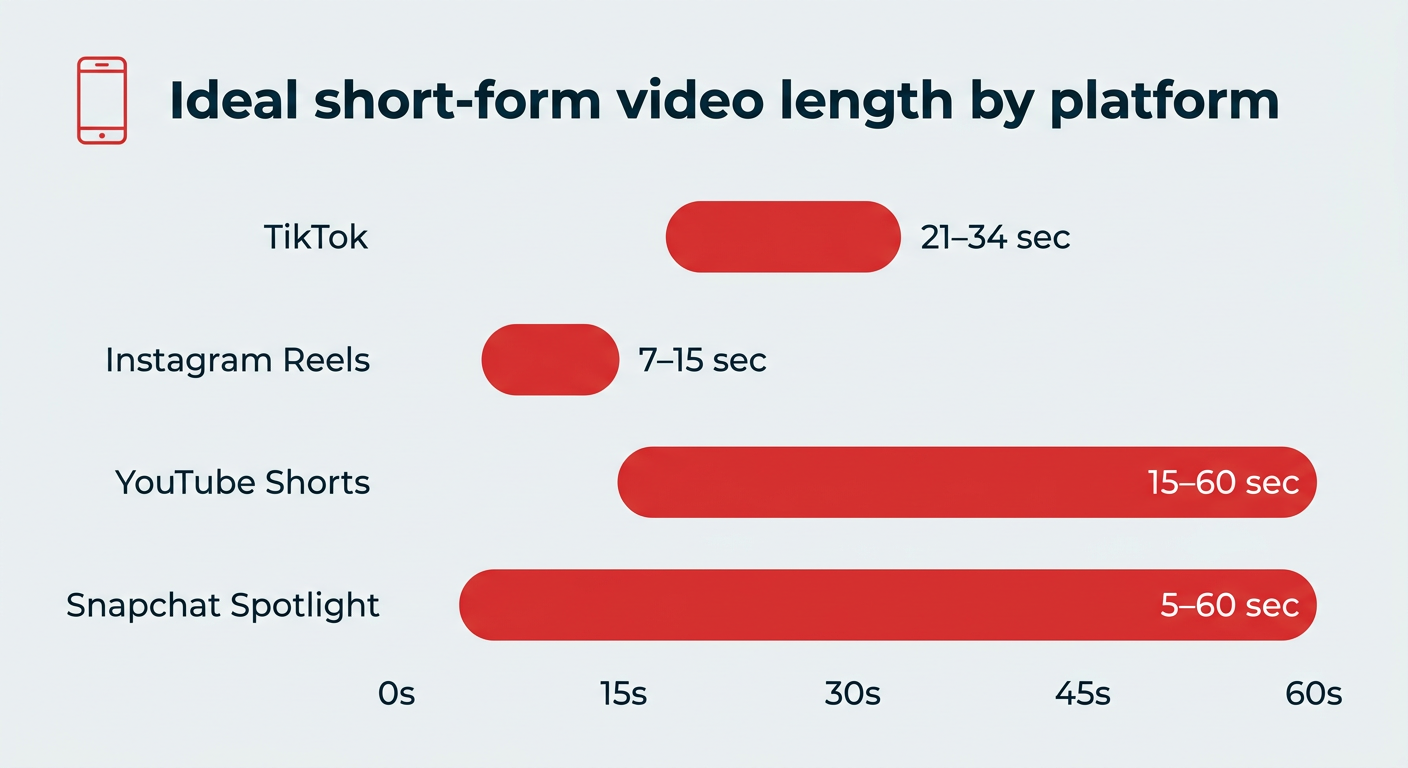
- TikTok: As the trend-setter of the industry, TikTok rewards content that is authentic and, crucially, brief. Industry benchmarks indicate that the ideal length for a TikTok video is between 21 and 34 seconds. The algorithm is famously behavior-centric, prioritizing rewatches and completion over vanity metrics like follower count.
- Instagram Reels: Reels have become the primary vehicle for brand-to-consumer connection on Meta’s platform. Because Reels are integrated into both the follower feed and the broader Explore page, they act as a dual-growth engine. Data suggests that 7 to 15 seconds is the "sweet spot" for maximizing reach, particularly when utilizing trending audio or native templates.
- YouTube Shorts: YouTube offers the unique advantage of deep integration with the YouTube Partner Program, allowing for direct revenue sharing. Because the YouTube audience skews older and broader in age than TikTok, it is an essential environment for brands looking to capture demographics beyond Gen Z.
- Snapchat Spotlight: Serving as the platform’s public-facing feed, Spotlight rewards raw, unfiltered content. Polished, high-budget commercials frequently fail here, whereas authentic, fast-paced clips thrive with the platform’s teen and young-adult demographic.
Production Best Practices: Standing Out in a Saturated Feed
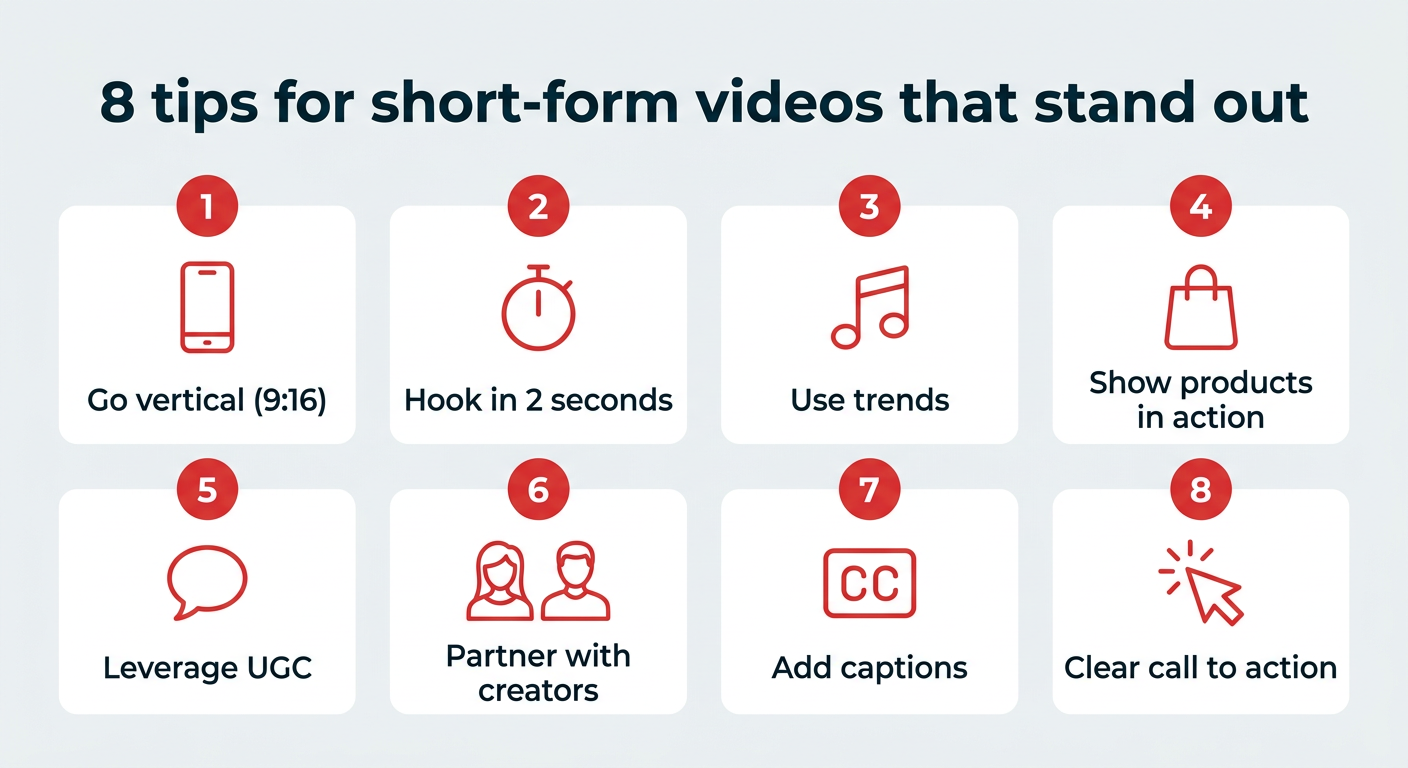
To capture the attention of a distracted user, brands must adhere to a rigorous set of production standards. The most critical factor is the "two-second hook." If a video fails to provide a visual or narrative catalyst within the first 120 frames, the probability of the user scrolling away increases exponentially.

Furthermore, the rise of AI-assisted production has redefined efficiency. Modern teams are no longer spending weeks in post-production; instead, they use AI to generate variations of a core message, allowing for rapid A/B testing of hooks, music, and captions. However, even with AI, the human element—specifically the use of User-Generated Content (UGC)—remains a non-negotiable component of success. Consumers trust the authentic endorsements of their peers over slick, corporate-produced advertising. By integrating testimonials, "how-to" clips from real users, and creator-led partnerships, brands can bridge the trust gap.
The Imperative of Accessibility
In 2026, accessibility is a fundamental requirement rather than an optional add-on. Brands that fail to include captions, descriptive text overlays, and high-quality, clear audio are effectively alienating significant portions of their audience. Furthermore, search engines and social algorithms are increasingly capable of parsing on-screen text to categorize content, meaning that optimized captions improve both accessibility and discoverability.

The Role of Technology in Scalability
Managing a multi-platform video strategy without centralized tools is increasingly unsustainable. Marketing teams are moving toward integrated platforms like Hootsuite Social OS to consolidate their workflow. The ability to schedule, publish, and—most importantly—analyze performance across TikTok, Instagram, and YouTube from a single dashboard is essential for identifying which content variations drive the most traffic.
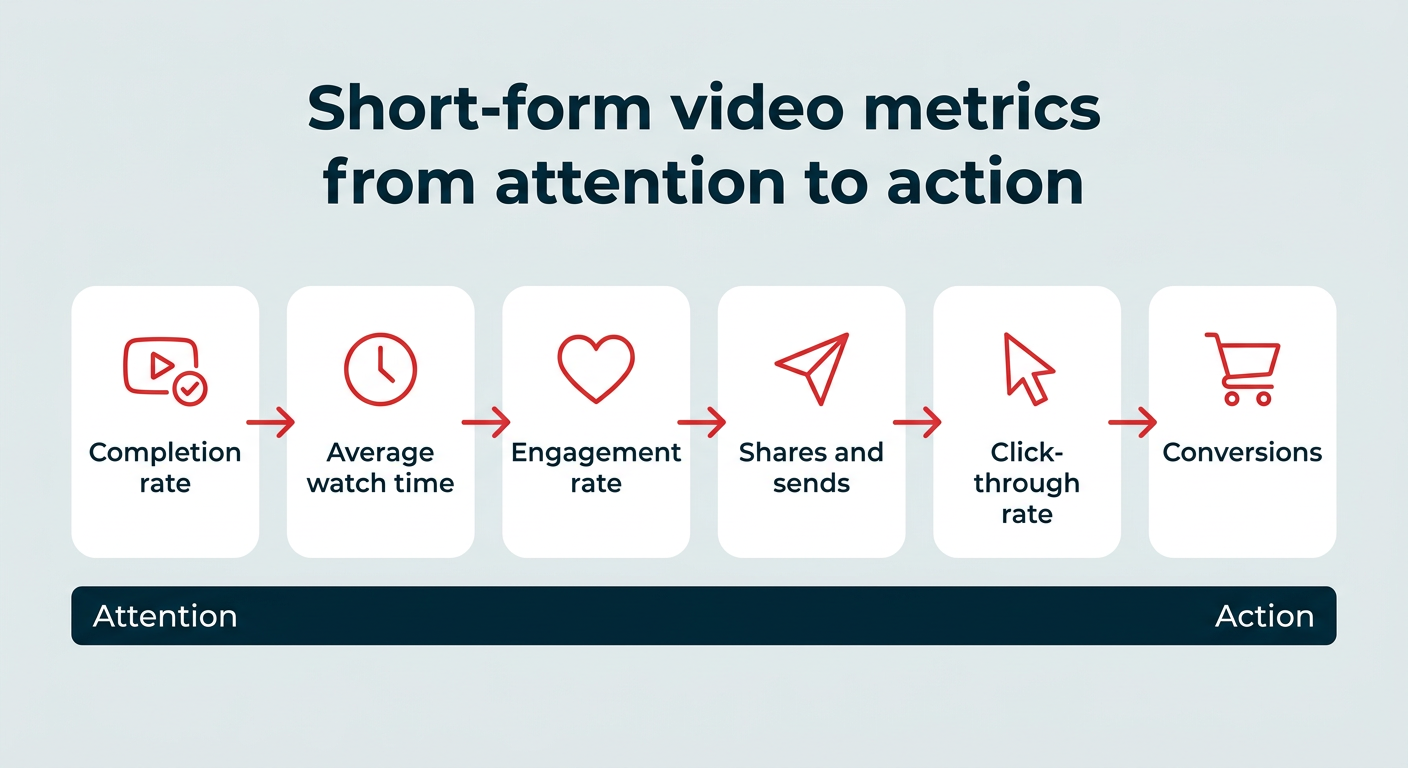
Metrics must move beyond simple "views." In the current ecosystem, the most predictive indicators of success are "completion rate," "shares," and "saves." A video that is saved to a user’s collection or shared with a friend signals a higher level of intent than a fleeting view, and algorithmic models reflect this by prioritizing such content for broader distribution.
Future Implications and Trends
Looking ahead, the line between social media and e-commerce will continue to blur. The rise of "Shoppable Short-Form"—where the video acts as a native storefront—means that the creative process must now be inherently product-led. Brands that can seamlessly weave a product into a narrative while maintaining entertainment value will dominate.
Additionally, the trend of "Vertical-First" production is becoming universal. As brands recognize that vertical video is being repurposed for websites, email newsletters, and even digital signage, the practice of shooting in 9:16 by default is saving companies thousands of hours in reformatting time.

As the industry enters the latter half of the decade, the core tenet remains unchanged: the format of the future is not defined by the length of the video, but by the depth of the connection it creates in the shortest amount of time. Brands that prioritize agility, authenticity, and data-driven iteration will continue to lead the digital conversation.
Related posts: