Signet Jewelers Swings to Q2 Profit on Strict Cost Discipline, Digital Relaunches, and Enhanced Credit Agreement

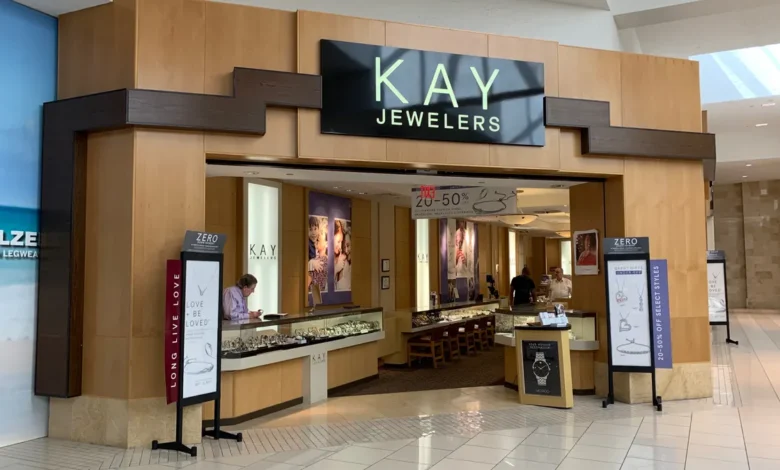
The retail landscape for fine jewelry has faced unprecedented headwinds over the past few years, marked by shifting consumer discretionary spending, fluctuating precious metal costs, and complex macroeconomic pressures. Yet, major industry players continue to find avenues for resilience. Signet Jewelers, the parent company of household names such as Kay Jewelers, Zales, and Jared, demonstrated remarkable operational agility in the second quarter of fiscal 2026. The company successfully swung back to a net profit, bolstered its balance sheet by extending and restructuring its consumer credit agreement, and accelerated the rollout of modernized, high-converting core brand websites.
According to financial reports released in September 2026, the strategic decisions executed by leadership are already bearing fruit. Analysts from prominent financial institutions have taken note of the high quality of earnings delivered during the quarter, pointing to robust same-store sales growth, disciplined cost management, and margin expansions that have significantly outpaced initial internal projections. As Signet prepares for the crucial back-half of the fiscal year—which includes the lucrative year-end holiday shopping season—the company’s updated full-year guidance and restructured financial framework suggest it is exceptionally well-positioned to capture market share.
Detailed Financial Performance and Q2 Metrics
A closer examination of Signet Jewelers’ second-quarter financial statements reveals a quarter characterized by tight operational control and targeted revenue quality over raw volume. While total sales experienced a slight contraction to $1.5 billion, the composition of those sales reflects a healthier business model. Most notably, same-store sales climbed 2.2% year-over-year, snapping a sequence of volatile quarters and signaling renewed consumer appetite for fine jewelry.
Significantly, the company’s fine jewelry portfolio achieved positive comparable sales across the board. This broad-based performance indicates that the momentum was not driven by a single outlier brand, but rather by synchronized improvements across Signet’s diverse retail ecosystem. Furthermore, Average Unit Retail (AUR) grew by 6% during the quarter. This metric highlights the success of the company’s merchandising strategy, which has focused on premium product offerings, elevated brand positioning, and compelling storytelling that encourages consumers to trade up.
Gross margins also expanded notably, coming in at $602.4 million, which represents over 39% of total sales—an impressive 80-basis-point improvement compared to the same period in the previous fiscal year. This gross margin enhancement was partially aided by an influx of approximately $15 million in tariff refunds. However, even when adjusting for external refunds, core cost discipline remained the primary driver of profitability. Operating expenses were kept firmly in check through sophisticated supply chain management, localized inventory optimization, and labor efficiencies across retail store networks.
Wall Street analysts were quick to praise the results. In a Wednesday note to investors, a team of Jefferies analysts led by Randal Konik emphasized the exceptional character of the financial print. "The quality of the quarter is what stands out," the analysts wrote, highlighting that Signet delivered positive comps across every fine jewelry brand while maintaining cost discipline that drove margins "well ahead of plan."
Digital Transformation and Omnichannel Evolution
Beyond traditional brick-and-mortar retail metrics, Signet Jewelers has poured substantial capital and operational focus into the digital transformation of its core brand websites. Recognizing that modern jewelry consumers increasingly begin their purchasing journeys online—often utilizing digital research before completing transactions either on mobile devices or in physical storefronts—management prioritized a comprehensive overhaul of its digital infrastructure.
During the second quarter, Signet successfully redesigned the front-end user experience for its three largest flagship brands, with two of these redesigned platforms already fully live and operational. Executives noted that the early returns on these digital investments have exceeded expectations, yielding higher customer engagement metrics, longer session durations, and a measurable increase in average order value.
The website redesigns are far more than aesthetic touch-ups; they represent a fundamental reimagining of the digital jewelry-buying experience. Key upgrades include vastly improved high-resolution imagery, realistic and diverse on-model presentations that help customers visualize pieces accurately, and streamlined site navigation designed to reduce friction in the checkout funnel. Furthermore, Signet introduced interactive features such as live video consultations, bridging the gap between the convenience of e-commerce and the personalized, high-touch customer service traditionally found exclusively in physical stores.
Speaking on the strategic implications of these digital enhancements, executive leadership emphasized their timeliness. As digital channels continue to account for a larger share of overall consumer transactions, having a seamless, high-converting web presence is no longer optional. Company executives noted that these digital upgrades bode exceptionally well as the business moves into critical upcoming sales periods, ensuring that e-commerce acts as a powerful growth engine rather than a mere digital catalog.
Strategic Credit Agreement and Cash Flow Optimization

A critical pillar of Signet’s recent financial stability is its newly formalized relationship regarding consumer financing. During the quarter, the company finalized a major consumer credit agreement with Bread Financial, a partnership expected to generate substantial liquidity and operational benefits over the medium and long term.
Under the terms of the agreement, Signet expects to receive an immediate cash infusion of $80 million during the third quarter alone. Beyond this initial liquidity boost, the multi-year partnership is projected to deliver an operating benefit ranging between $200 million and $250 million over the next three years. Crucially, the structural design of the agreement heavily favors Signet’s financial health: profit-sharing will occur on a quarterly basis, and the contract contains zero loss-sharing provisions for Signet. This means the retailer captures the upside of consumer credit performance without absorbing the downstream risks associated with credit defaults or macroeconomic consumer credit tightening.
Chief Operating and Financial Officer Joan Hilson addressed the financial community regarding the strength of the new contract during an earnings call with analysts. "It’s a strong agreement," Hilson stated, pointing out that the profit-sharing ratios embedded in the contract will scale upward over time, creating a compounding positive effect on the company’s bottom line as credit engagement grows.
This credit agreement, combined with disciplined share repurchase programs, ongoing tariff refunds, and robust operational performance, provided leadership with the confidence to revise its financial outlook upward.
Revised Full-Year Guidance and Macroeconomic Implications
Reflecting confidence in its operational trajectory, Signet Jewelers adjusted its financial guidance for the full fiscal year. The company increased its annual adjusted earnings per share (EPS) guidance by a notable 10%. This upward revision accounts for the stellar second-quarter operating performance, the accretive impact of ongoing share repurchases, the receipt of tariff refunds, and the highly favorable financial terms secured under the new Bread Financial credit agreement.
When looking at top-line revenue metrics, Signet maintained its previous projection for total annual sales, forecasting a range between $6.7 billion and $6.9 billion. However, the internal health of those sales is expected to be stronger, as reflected in the company’s revised same-store sales guidance. Management now expects full-year same-store sales to range from flat to up 2.5%. This is a notable improvement over previous estimates, which spanned from down nearly 1% to up 2.5%, signaling that leadership believes consumer demand has stabilized and is trending positively.

The broader macroeconomic environment for discretionary retailers remains complex. Persistent inflationary pressures, fluctuating labor costs, and a selective consumer base mean that retailers cannot rely on broad economic tailwinds to drive growth. Instead, success in the current retail climate requires surgical execution, precise inventory management, and innovative omnichannel strategies—all areas where Signet has demonstrated mastery over recent quarters.
Industry analysts suggest that Signet’s ability to protect and expand margins while simultaneously investing in digital infrastructure and securing advantageous credit partnerships sets a benchmark for specialty retail. By tightly managing promotional discounting and focusing on higher-value merchandise, the company has avoided the race-to-the-bottom pricing strategies that often plague legacy mall-based retailers during periods of economic uncertainty.
Looking Ahead to the Holiday Season
As Signet Jewelers closes out the second quarter and navigates the third, all eyes are turned toward the upcoming holiday shopping season—a period that historically accounts for a disproportionate share of annual revenue and profitability for jewelry retailers.
With its flagship brand websites fully optimized, fine jewelry comparable sales trending positively across all major banners, and a fortified balance sheet backed by predictable quarterly cash flows from the Bread Financial partnership, Signet enters the second half of the year from a position of relative strength. The combination of disciplined cost controls, strategic digital innovations, and favorable credit terms suggests that the company is well-equipped to navigate any residual consumer hesitation and deliver sustainable value to its shareholders through the remainder of fiscal 2026 and beyond.
Related posts: