The Dawn of Synthetic Competition: How AI-Driven Discovery is Reshaping Brand Authority and the Modern Buyer Journey

The landscape of brand competition and consumer discovery is undergoing a profound transformation, driven primarily by the rapid ascent of artificial intelligence. What was once a straightforward contest between companies offering similar products has expanded into a complex ecosystem where third-party AI systems and diverse digital sources now shape buyer perceptions long before a brand’s own marketing efforts can take hold. This phenomenon, termed "synthetic competition," demands a fundamental re-evaluation of how businesses build authority and secure visibility in the digital age.
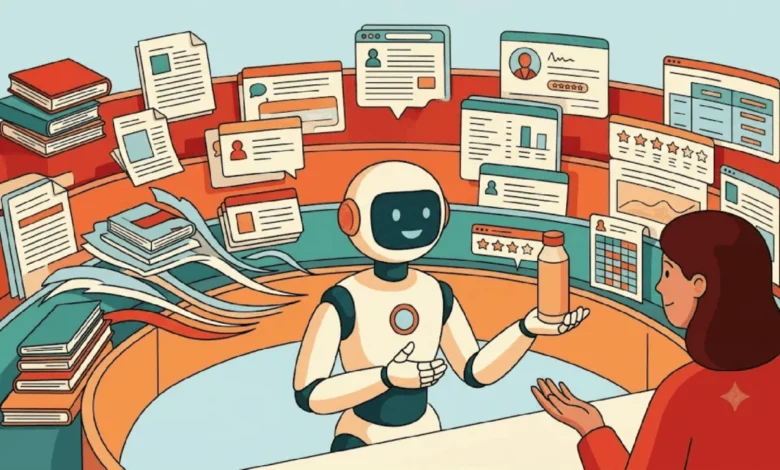
The shift became acutely clear to one researcher who, while seeking software for a project, opted for ChatGPT over traditional search engines. The AI assistant swiftly recommended four vendors, detailed their differences, and even suggested an optimal fit. The efficiency was striking, but so too was the realization: the traditional engagement points—vendor websites, comparison pages, white papers, and paid advertisements—were largely bypassed. Dozens of sources had been synthesized by AI into a cohesive recommendation, effectively pre-empting direct brand interaction. This pivotal experience highlighted that brands are no longer just competing with each other; they are contending with an array of AI-generated answers, comparison platforms, affiliate content, community discussions, and analyst reports that exert influence at the earliest stages of the buying process.
The Paradigm Shift in Product Discovery
For decades, marketing efforts were meticulously crafted to shepherd buyers to a brand’s owned digital properties. Search engine rankings, targeted paid campaigns, intricate email nurture sequences, and extensive content marketing strategies all converged on a singular objective: securing the click. This traditional buyer journey typically followed a linear path: Google search leading to a brand’s website, culminating in a demo or purchase. However, the advent of sophisticated AI assistants has fundamentally disrupted this trajectory.
Today’s buyer often initiates their journey with an AI tool, posing broad questions, seeking vendor comparisons, and requesting tailored recommendations. These AI systems condense vast amounts of information, providing summaries and curated options that allow buyers to significantly narrow their choices before ever navigating to a specific brand’s website. Consequently, AI-generated summaries, comprehensive comparison content, and aggregated community discussions frequently serve as the buyer’s inaugural touchpoint with potential solutions. This new sequence — AI assistant, summary, comparison, brand website, demo — introduces an additional, influential layer that dictates which brands even make it onto a prospective customer’s radar.
Accelerated Adoption: Data and Trends
The acceleration of AI integration into the buying journey is proceeding at a pace that many businesses are still struggling to grasp. According to the 2026 AI Attribution Report from Knocommerce and GR0, based on millions of post-purchase surveys across over 6,000 Shopify brands, product discovery attributed to AI or ChatGPT surged approximately twelvefold in 2025. This staggering growth underscores the rapid mainstream adoption of AI as a primary research tool. Further emphasizing this trend, Shopify President Harley Finkelstein reported a 15x year-over-year increase in AI-driven orders, signaling that AI is not merely influencing discovery but directly contributing to sales conversion. While still a relatively nascent channel, AI’s influence is expanding at a rate far exceeding traditional discovery methods, highlighting its transformative impact on market dynamics.
This data suggests a broader trend: consumers are increasingly comfortable and reliant on AI for decision-making. A recent study by PwC indicated that 73% of consumers believe AI can improve their lives, and this trust extends to purchasing decisions. As AI models become more sophisticated and integrated into daily tools, their role in guiding consumer choices is only expected to deepen, making the battle for AI’s "trust" an essential frontier for brands.
Defining Synthetic Competition: The Invisible Rivals
Traditionally, competition was straightforward: companies selling similar products or services. Synthetic competition, however, expands this definition to encompass any third-party source that influences a buyer’s perception and decision-making process before they engage directly with a brand. These "synthetic competitors" collectively shape how potential customers evaluate a brand, often bypassing a brand’s carefully crafted marketing messages.
Key elements of synthetic competition include:
- AI-Generated Summaries and Recommendations: Platforms like ChatGPT, Google’s AI Overviews, and other AI assistants synthesize information from countless sources to provide direct answers and recommendations.
- Comparison Websites and Affiliate Content: Independent sites that review and compare products, often monetized through affiliate links, influence purchasing decisions.
- Industry Analyst Reports: Publications from firms like Gartner, Forrester, and IDC provide authoritative evaluations that businesses frequently consult.
- Community Forums and Social Media Discussions: Platforms like Reddit, LinkedIn groups, and specialized forums host organic discussions, reviews, and recommendations from peers.
- Customer Reviews and Testimonials: Aggregated reviews on sites like G2, Capterra, Trustpilot, and Amazon heavily sway potential buyers.
- Guest Articles and Third-Party Publications: Content published on reputable industry blogs or news sites that feature expert opinions or product analyses.
- Podcasts and Webinars: Audio and video content featuring industry experts, interviews, or product discussions.
- Original Research and White Papers (from non-brand sources): Independent studies or reports that offer insights into market trends or product categories.
Collectively, these sources form a formidable ecosystem that informs and shapes buyer opinions, often pre-empting a brand’s direct engagement opportunities. They answer critical questions about features, pricing, and suitability, fundamentally altering the informational hierarchy.
The Erosion of Direct Engagement: Zero-Click Searches and AI Summaries
The implications of synthetic competition are further compounded by the evolving nature of search itself. A recent study by SparkToro revealed that an astounding 68% of Google searches now conclude without a click, meaning users obtain the information they need directly from the search results page. Whether these answers come from AI Overviews, featured snippets, knowledge panels, or direct AI assistant responses, brands have fewer and fewer opportunities to make a first impression on their owned properties.
This trend signifies a critical shift: the "first touch" is increasingly becoming a "zero-click" experience. Buyers are getting answers to their most pressing questions – "What is X?", "How does Y compare to Z?", "What is the pricing for A?" – before they ever land on a pricing page, request a demo, or download a white paper. For marketing teams still primarily focused on outranking direct competitors in traditional search results, this presents a significant challenge. AI systems draw their responses from a far broader array of trusted sources, many of which reside outside a brand’s direct control. This necessitates a strategic pivot from merely optimizing for clicks to cultivating a robust digital presence that influences these diverse, third-party informational channels.
Reclaiming Influence: The Imperative of Authority
In this new environment, visibility alone is no longer sufficient; authority has become the paramount competitive advantage. While traditional SEO fundamentals—strong keyword targeting, clear site architecture, technical optimization, and high-quality content—remain important, the discovery process is undeniably shifting towards AI-powered experiences. The Knocommerce/GR0 report highlights that AI-driven discovery is experiencing a staggering 25-30% month-over-month growth, making it the fastest-growing acquisition channel. This rapid expansion underscores the critical need for brands to cultivate trust and authority across the digital ecosystem.
AI platforms, by their very design, prioritize credible and authoritative sources to generate reliable responses. Brands must broaden their understanding of authority, moving beyond mere website traffic metrics to encompass a holistic view of their digital footprint. Key questions for brands to consider include:
- Are industry analysts discussing our company positively?
- Do reputable publications cite our research or expertise?
- Are our customers actively reviewing and recommending our products on third-party sites?
- Do experts in our field reference our work or contributions?
- Are we present and contributing valuable insights in relevant community discussions?
- Are our spokespeople frequently invited to speak at conferences or appear on podcasts?
- Is our brand consistently mentioned in trusted conversations across the web?
If the answers to these questions are predominantly negative, an AI system will have fewer compelling reasons to surface a brand’s content or recommend its offerings. Relying solely on owned content to establish credibility is insufficient; brands must actively expand their authority beyond their direct channels.
Building Enduring Credibility: Strategies for the AI Era
Credibility is not built overnight; it compounds over time through consistent, strategic effort. A single article, an isolated analyst mention, or a lone customer review rarely reshapes brand perception. Instead, authority emerges from an accumulation of positive signals: every expert quote, podcast interview, original research report, guest article, and compelling customer story contributes to this growing reservoir of trust. These diverse signals strengthen a brand’s authority with human buyers and, crucially, help AI systems recognize and validate its expertise.
Many organizations often treat these activities as siloed initiatives managed by different departments—PR, content marketing, customer marketing, social media. However, in the age of synthetic competition, these efforts must be viewed as an integrated strategy to build an overarching ecosystem of credibility.
1. Invest in Content Only Your Company Can Create: As AI-generated content becomes ubiquitous, original thinking and proprietary insights become invaluable differentiators. Brands must shift from producing generic, easily replicable content to investing in unique assets that AI cannot simply synthesize. Examples include:
- Proprietary Data and Research: Conducting and publishing original studies, surveys, and market analyses.
- First-Hand Experience and Case Studies: Documenting unique customer success stories and sharing practical lessons learned from internal operations.
- Expert Interviews and Thought Leadership: Featuring internal experts’ unique perspectives and insights on industry trends.
- Product Innovation and Unique Solutions: Showcasing groundbreaking features or novel approaches to common problems.
- Behind-the-Scenes Insights: Offering transparent glimpses into company culture, development processes, or ethical practices.
- Unique Methodologies and Frameworks: Developing and sharing proprietary approaches to solving industry challenges.
Original research, firsthand experience, and proprietary data provide buyers, publishers, analysts, and AI systems with something genuinely worth citing. These citations accumulate, reinforcing credibility and building authority over time. AI excels at organizing existing knowledge; it cannot replicate original experience or generate truly novel insights. Brands that consistently contribute original ideas earn authority because other experts and, by extension, AI systems, choose to reference their work. This strategy not only strengthens authority but also enhances visibility across search engines, AI assistants, and the broader digital ecosystem. The focus should shift from publishing more content to publishing better, more original content that moves the conversation forward.
2. Build Authority Wherever Your Audience is Learning: A brand’s website is just one point of contact for potential buyers. In the era of synthetic competition, brands must strategically extend their expertise to wherever their audience is actively seeking information. This requires a shift in mindset from "What should we publish next on our blog?" to "Where does our audience go when they’re trying to solve this specific problem?"
Opportunities to contribute and build authority on third-party channels include:
- Guest Articles on Industry Publications: Sharing expert insights on reputable blogs and news sites.
- Participation in Industry Forums and Communities: Engaging in discussions, answering questions, and sharing valuable perspectives.
- Speaking Engagements at Conferences and Webinars: Presenting original research or thought leadership to targeted audiences.
- Podcast Appearances: Sharing expertise on relevant industry podcasts.
- Contributing to Analyst Reports: Collaborating with industry analysts to provide data and insights.
- Securing Media Mentions and PR: Earning coverage in credible news outlets.
- Strategic Partnerships and Co-creation: Collaborating with other reputable organizations on content or events.
- Customer Testimonials and Case Studies on Third-Party Review Sites: Encouraging satisfied customers to share their experiences.
By sharing original perspectives, answering critical questions, and contributing practical lessons in the spaces where the target audience congregates, brands can build a distributed network of credibility signals. Every credible mention, every expert citation, adds another layer of authority, significantly increasing the likelihood that the brand will appear in future AI responses. The goal is not ubiquitous presence, but consistent, high-value engagement in strategic locations.
Rethinking Measurement: Beyond Website Traffic
Website traffic will always remain an important metric for marketing teams, indicating content engagement and campaign performance. However, in the age of synthetic competition, relying solely on web analytics provides an incomplete picture. Today’s buyer journey extends far beyond what traditional web analytics can capture, with many pivotal interactions influencing purchase decisions occurring off-site and often outside traditional attribution models.
While AI currently represents a relatively small share of overall discovery, its rapid growth—from less than 1% to 2-3% in a short period, even as some traditional channels decline—means that marketers who rely exclusively on website traffic or last-click attribution risk overlooking significant points of buyer influence. A prospect might first encounter a brand through a ChatGPT recommendation, an industry analyst report, or aggregated customer reviews, long before their first visit to the brand’s website. These initial, off-site interactions are crucial in shaping buying decisions but often remain invisible to conventional tracking methods.
To gain a comprehensive understanding of brand influence, marketers must expand their measurement framework to include signals that traditional analytics miss:
- Share of Voice in AI Recommendations: Tracking how often a brand is recommended or cited by major AI assistants for relevant queries.
- Analyst Report Mentions and Positioning: Monitoring inclusion and favorable positioning in influential industry reports.
- Third-Party Review Site Ratings and Volume: Tracking average ratings, number of reviews, and competitor comparisons on platforms like G2, Capterra, and Trustpilot.
- Media Mentions and Sentiment: Monitoring mentions in news articles, industry publications, and podcasts, along with the associated sentiment.
- Community Engagement and Mentions: Tracking discussions, recommendations, and problem-solving contributions in relevant online forums and social groups.
- Expert Citations and Backlinks from Authoritative Sources: Monitoring mentions and links from academic papers, industry experts, and reputable publications.
- Podcast and Webinar Appearances: Tracking speaking engagements and guest appearances.
- Brand Mentions in Original Research: Observing if proprietary studies or white papers cite the brand.
No single metric can fully capture the complexity of modern brand discovery. By reviewing these diverse signals in conjunction with traditional metrics, brands can develop a more accurate understanding of how their credibility translates into tangible authority across search engines, AI platforms, and critical third-party channels. This broader definition of visibility is essential for reflecting where buying decisions are truly taking shape in the AI-driven landscape.
The Brands People Trust Will Become the Brands AI Trusts
The rise of AI has undeniably reshaped how individuals discover information, compare vendors, and ultimately make purchasing decisions. This profound shift presents a critical opportunity for marketers to fundamentally rethink the paradigm of authority building. Simply publishing more content, particularly if it lacks originality, is no longer a viable strategy. Instead, the imperative is to contribute better, more insightful, and uniquely valuable information.
The brands poised to thrive in this new era are those that consistently contribute original research, share practical expertise, amplify authentic customer perspectives, and generate ideas genuinely worth referencing. Over time, these consistent contributions cultivate credibility, which, in turn, builds enduring authority. This authority earns trust not only from human buyers but, crucially, from sophisticated AI systems. These are the brands that will retain the power to shape their own narratives and influence decision-making at every stage of the evolving buyer journey. The future of marketing belongs to those who prioritize deep expertise, authentic contributions, and a distributed presence that permeates the entire digital ecosystem.