Matt Mullenweg Resumes Control of Automattic Following Brief Ouster and Corporate Turmoil

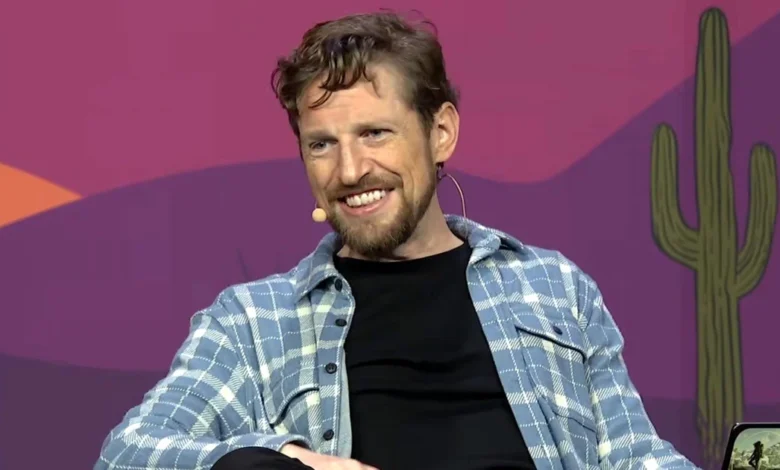
The governance structure of Automattic, the commercial powerhouse behind WordPress and a dominant force in the global publishing ecosystem, experienced a tumultuous week characterized by a sudden executive ouster, a digital counter-offensive, and a rapid reinstatement of its co-founder. Matt Mullenweg, who had been stripped of his executive duties by the company’s board of directors mid-week, has officially returned to his position as chairman and chief executive officer.
The resolution of the corporate standoff came to light following days of escalating uncertainty, conflicting internal communications, and a visible mobilization of employee support across social media platforms. The sequence of events has drawn intense scrutiny from tech industry observers, open-source software developers, and corporate governance experts alike, raising questions about the stability of leadership within organizations that straddle the line between commercial enterprise and open-source stewardship.
Chronology of the Automattic Leadership Crisis
The crisis began on Wednesday, September 9, when the Automattic Board of Directors took the unexpected step of placing Matt Mullenweg on paid leave for unspecified reasons. In a swift and decisive move, the board elevated Chief Financial Officer Mark Davies to the position of interim chief executive officer.
According to reports detailing the boardroom dynamics, Mullenweg was given a mere 50 minutes of prior notification before the emergency meeting convened. His explicit request for a delay to allow legal counsel to review the proposed leadership transition was denied by the board. Shortly after the meeting concluded, Automattic released a formal, highly traditional corporate statement to address the sudden shift in command.
The initial announcement, issued in a standard corporate style, noted: "Matt Mullenweg is currently on leave from Automattic. Mark Davies, Automattic’s CFO, will lead the company as interim CEO. The Board has full confidence in Mark’s leadership and in the team’s ability to execute against the company’s priorities."
The Digital Counter-Offensive and Slack Takeover
Despite being removed from his corporate office and barred from formal administrative duties, Mullenweg retained access to the company’s internal Slack workspace. Capitalizing on this oversight, Mullenweg initiated what many observers initially characterized as a digital reclamation or a high-stakes trolling campaign.
On Friday, September 11, reports surfaced that Mullenweg had begun posting messages within the Automattic Slack environment, asserting that he was back in control of the company. He systematically removed platform administrators and broadcasted his return to the workforce, creating immediate confusion. Major technology publications, including TechCrunch, highlighted the ambiguity of the situation with headlines questioning whether Mullenweg was genuinely reclaiming his corporate authority or merely staging an internal protest.
The uncertainty deepened as the broader WordPress community reacted. Mary Hubbard, the Executive Director of WordPress, took to social media to voice her stance. In a public statement on X (formerly Twitter), Hubbard wrote: "I’m relieved and pleased to see Matt Mullenweg return as CEO of Automattic, the largest financial contributor to the WordPress project. Having WordPress’s Co-founder and Project Lead at the helm gives me confidence that their support will remain strong. Matt has my support."
Hubbard’s endorsement catalyzed a broader movement among Automattic employees, frequently referred to as "Automatticians." A wave of staff members posted messages of solidarity with Mullenweg across public platforms. Mullenweg actively reposted these testimonials, effectively amplifying internal support and drowning out the minority of voices that had initially signaled approval of his removal.
The Unconventional Second Official Statement

By Saturday afternoon, September 12, the corporate narrative shifted definitively. Just after 5:00 PM EST, Automattic released a second official statement regarding its leadership structure. However, the tone, style, and syntax of this communication bore little resemblance to the formal corporate prose of the first announcement.
The revised statement read: "Matt Mullenweg is the chairman and CEO of Automattic, with full support of the board and if you search online you can see many top executives and Automatticians supporting him as well."
Linguistic and structural analysis of the two statements reveals a stark contrast. The initial Wednesday announcement adhered strictly to corporate communication norms: it was written in the third person, utilized formal syntax, adopted a vetted corporate voice, and clearly outlined the procedural realities of an interim executive appointment.
Conversely, the Saturday statement abandoned traditional corporate phrasing entirely. It was constructed as a single, run-on sentence carrying a distinctively persuasive and defensive tone. Rather than functioning as a straightforward declaration of fact, the text actively directed readers to verify its claims through online searches, mirroring an argumentative rhetoric that led many industry analysts to deduce that the statement was either directly authored, dictated, or heavily influenced by Mullenweg himself.
Employee and Stakeholder Reactions
Throughout the unfolding drama, the response from the internal workforce and long-term contributors played a pivotal role in stabilizing the situation. Many senior employees stepped forward to publicly endorse Mullenweg’s continued leadership, emphasizing his decades-long dedication to both the commercial enterprise and the underlying open-source project.
James Grierson, a long-serving employee, shared a sentiment echoed by many of his colleagues: "I have worked alongside @photomatt first as a contributor and sponsor for 10 years while at Bluehost and then as a co-worker at @automattic for the last 10 years. The future of Automattic and WordPress are bright, and I am excited for the next 10 years!"
This grassroots digital campaign by employees demonstrated the unique cultural dynamics of Automattic—a heavily distributed, remote-first company where workforce sentiment can be rapidly organized and projected through digital channels. The convergence of employee advocacy and Mullenweg’s own internal platform maneuvers ultimately forced the board’s hand, leading to the rapid retraction of the interim leadership model.
Broader Implications for Automattic and WordPress
The abruptness of Mullenweg’s removal and subsequent reinstatement highlights the complex governance challenges facing modern tech companies that manage massive open-source communities. Automattic is not a typical Silicon Valley startup; its financial success is inextricably linked to WordPress, a software project powering over forty percent of all websites on the internet. Any instability at the executive level of its primary commercial contributor inevitably sends shockwaves through the broader web development ecosystem.
Furthermore, the unusual manner in which the leadership crisis was resolved—featuring internal communication takeovers and a shift from traditional corporate PR to colloquial executive pronouncements—presents a fascinating case study in modern corporate crisis management. It underscores the power of internal digital infrastructure, such as Slack channels, as battlegrounds for corporate control in remote work environments.
While the immediate crisis has subsided and Mullenweg has firmly re-established his authority as chairman and CEO with the explicit backing of the board, the episode leaves open questions regarding corporate oversight, board-founder dynamics, and communication protocols within Automattic. As the company moves forward, leadership will likely face the task of healing internal fractures and reassuring enterprise clients and open-source contributors that long-term stability remains the primary institutional priority.