The software development ecosystem continues its relentless evolution as the industry navigates a mid-year milestone in June 2026. This month’s curated selection of tools and resources addresses some of the most persistent bottlenecks in modern engineering, spanning GPU-accelerated terminal workflows, AI-assisted code auditing, declarative document typesetting, and high-performance frontend micro-interactions. As organizations increasingly prioritize developer experience (DevEx) alongside compute optimization, the tooling landscape has shifted toward local-first privacy, containerized execution on Apple Silicon, and streamlined AI orchestration.

Main Facts and Ecosystem Overview
The latest inventory of developer resources reflects a broader industry trend: the decoupling of heavy cloud dependencies in favor of high-performance, local-first utilities. Leading the charge are architectural shifts in containerization, such as Apple’s native Linux virtualization framework, alongside advanced AI coding orchestrators designed to cut token overhead and operational expenses. Frontend engineers, backend architects, and systems administrators alike are finding new avenues to optimize workflows without sacrificing security or portability.
Industry analysts note that the integration of artificial intelligence into software development lifecycles has matured past simple code generation. Current tools focus heavily on validation, cost management, and security posture auditing. By shifting these evaluations left into automated agent workflows, engineering teams are reporting significant reductions in infrastructure overhead and vulnerabilities before code ever reaches production environments.
Chronology of Tooling Evolution: From Cloud-Heavy to Local-First
The trajectory of developer tooling over the past several years has moved full circle. Following a decade dominated by cloud-centralized development environments and heavy containerization platforms, June 2026 marks a decisive pivot back toward local-first efficiency, zero-dependency architectures, and hardware-accelerated processing.
Early in the decade, teams relied heavily on resource-intensive Docker desktop setups and complex cloud-hosted IDE instances. However, rising cloud infrastructure costs and growing data privacy mandates catalyzed a structural migration. The introduction of tools like Apple Container for native Linux virtualization on Apple Silicon, combined with self-hosted AI orchestrators like Paseo and isolated environment managers like Devbox, signifies a new era. Developers now demand sub-millisecond responsiveness—exemplified by GPU-accelerated terminal emulators such as Alacritty and blazing-fast directory navigation utilities like Zoxide—reclaiming local hardware capabilities that were previously offloaded to remote servers.
Architectural Breakdown: Frontend Craftsmanship and UI Performance
Frontend and UI developers have received a robust suite of additions aimed at micro-interactions, generative visuals, and perceived performance optimization.
Lumen and Generative WebGL
For digital artists and frontend practitioners exploring procedural aesthetics, Lumen provides a browser-based shader playground. Operating entirely client-side with zero dependencies, it allows developers to craft looping abstract art using WebGL, utilizing a seed-based sharing mechanism and supporting exports to high-resolution PNG, video, and GIF formats.
TextMotion and Scroll-Driven Micro-Interactions
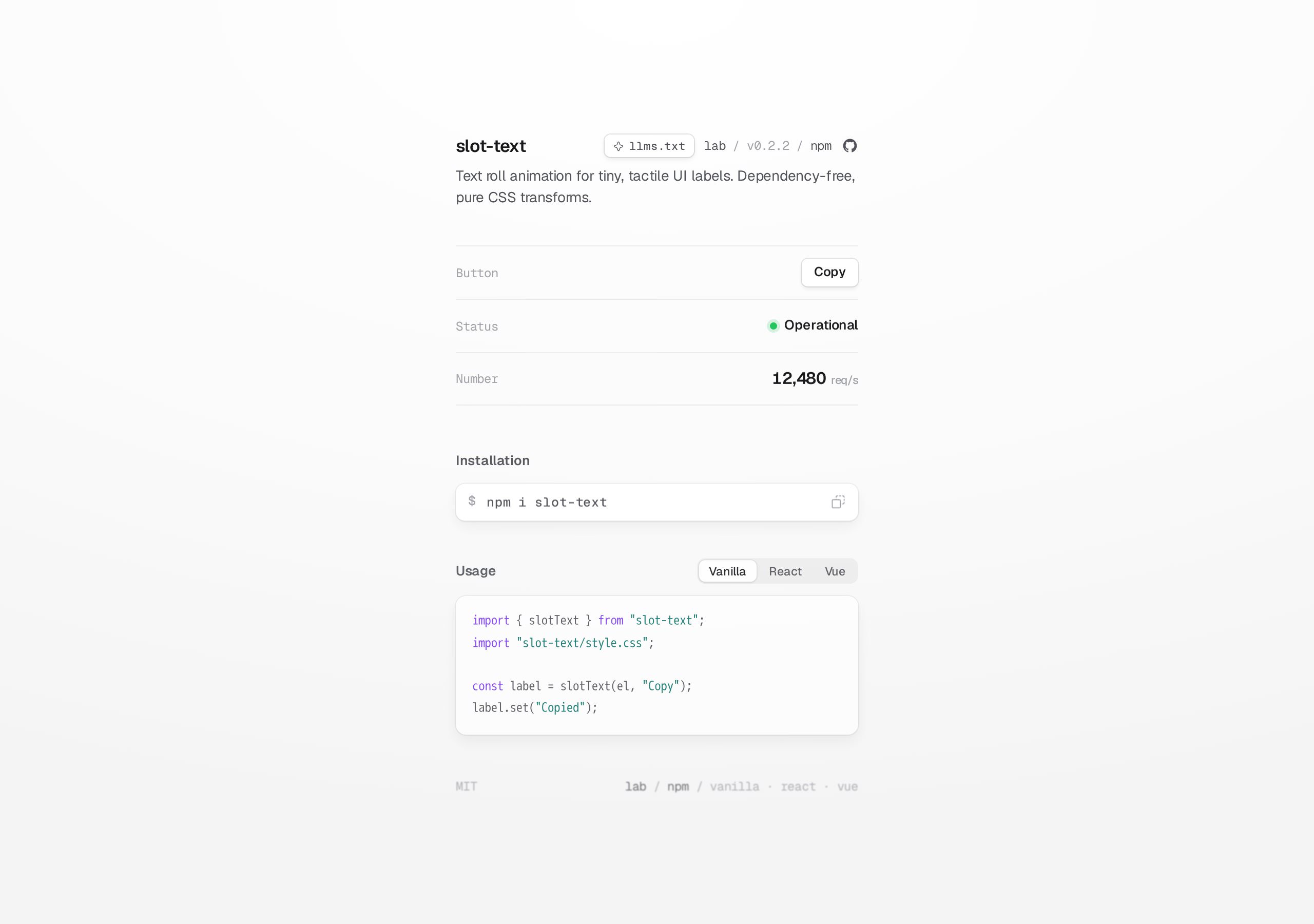
UI polish often demands complex animation logic, which can bloat bundle sizes. TextMotion introduces a dependency-free, slot-machine-style label transition library driven by pure CSS transforms. Out-of-the-box support for React and Vue, paired with simple NPM distribution via the slot-text package, enables designers to implement fluid typographical micro-interactions without relying on heavy external animation engines.
ForesightJS and Predictive Prefetching
Optimizing perceived performance remains a primary objective for web architects. ForesightJS addresses this by analyzing mouse movement trajectories and keyboard navigation patterns to intelligently prefetch content before a user initiates a click. Featuring zero configuration requirements and distinct strategies for desktop and mobile viewports, the library integrates seamlessly into modern frontend frameworks.
AI Integration, Code Auditing, and Orchestration
The integration of generative artificial intelligence into the software engineering workflow has introduced new challenges, particularly regarding API cost management, security auditing, and multi-agent coordination. Several June 2026 releases specifically target these operational friction points.
shadcn/improve and Cost-Optimized Auditing
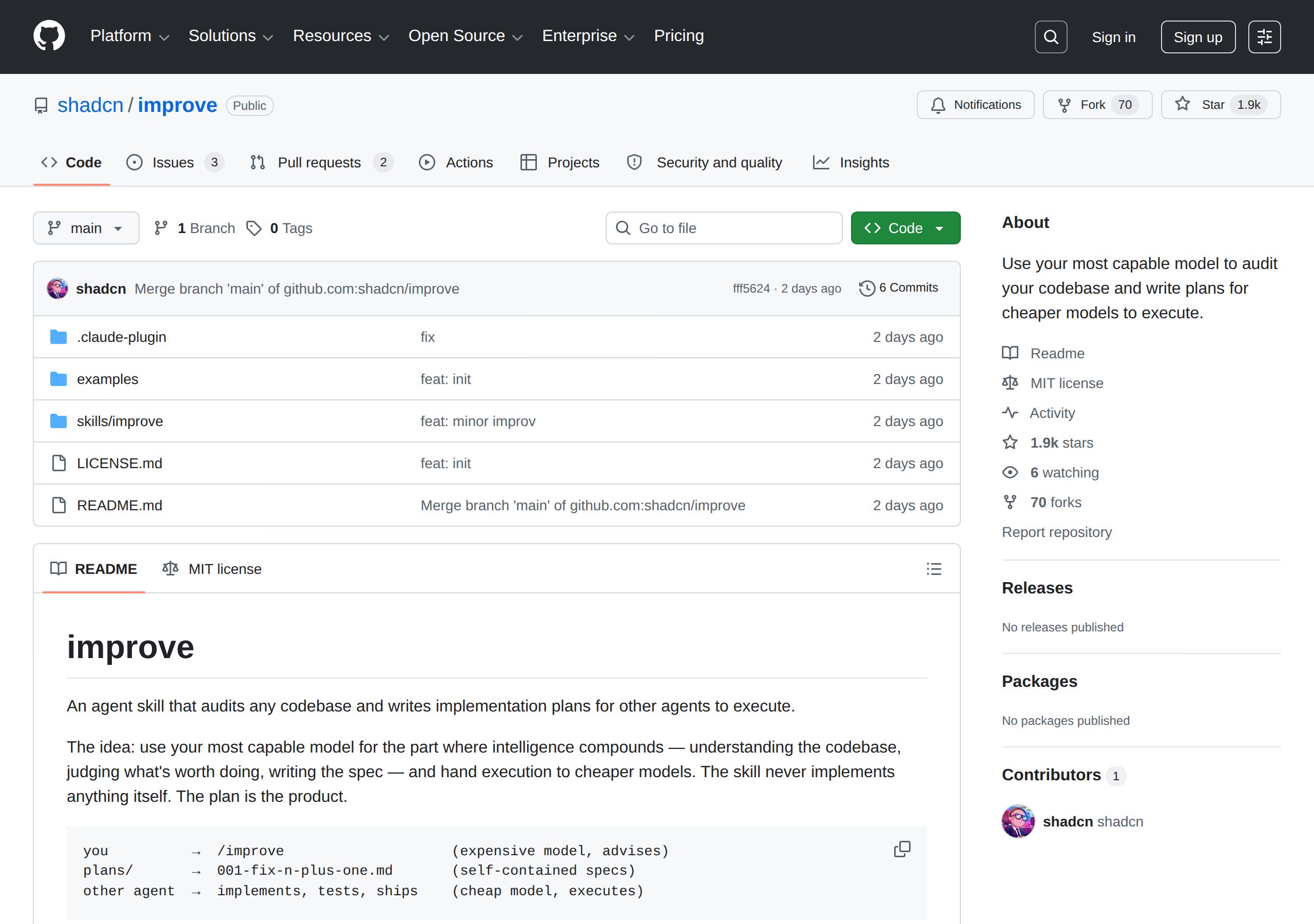
As teams deploy sophisticated coding agents, API expenses can scale rapidly. The shadcn/improve agent skill addresses this by auditing codebases and generating structured, prioritized findings tables and concise implementation plans. By having expensive frontier models draft blueprints that cheaper models can execute, engineering organizations can maintain rigorous code quality while drastically cutting token consumption.
Paseo and Multi-Agent Orchestration
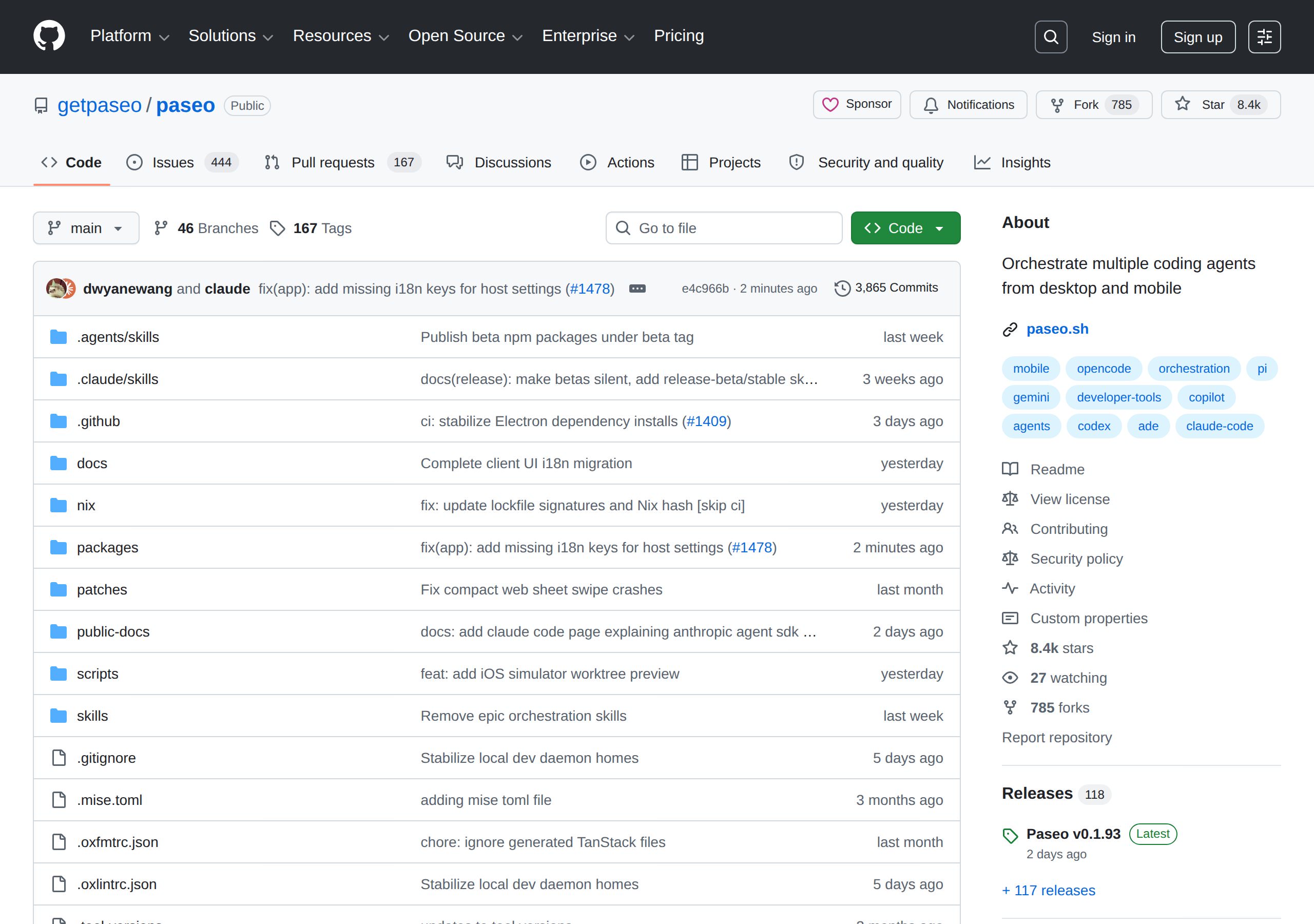
Developers juggling multiple AI coding assistants—including Claude Code, Codex, Copilot, OpenCode, and Pi agents—frequently face context fragmentation. Paseo offers a self-hosted orchestrator that unifies these tools across desktop, mobile, and command-line interfaces. Featuring a local daemon, zero telemetry, offline capabilities, and native voice dictation support for iOS and Android, it provides a centralized dashboard for poly-agent workflows.
Coder and Secure Cloud Workspaces
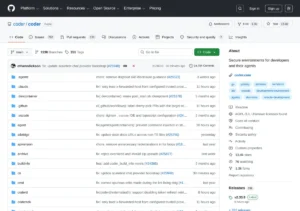
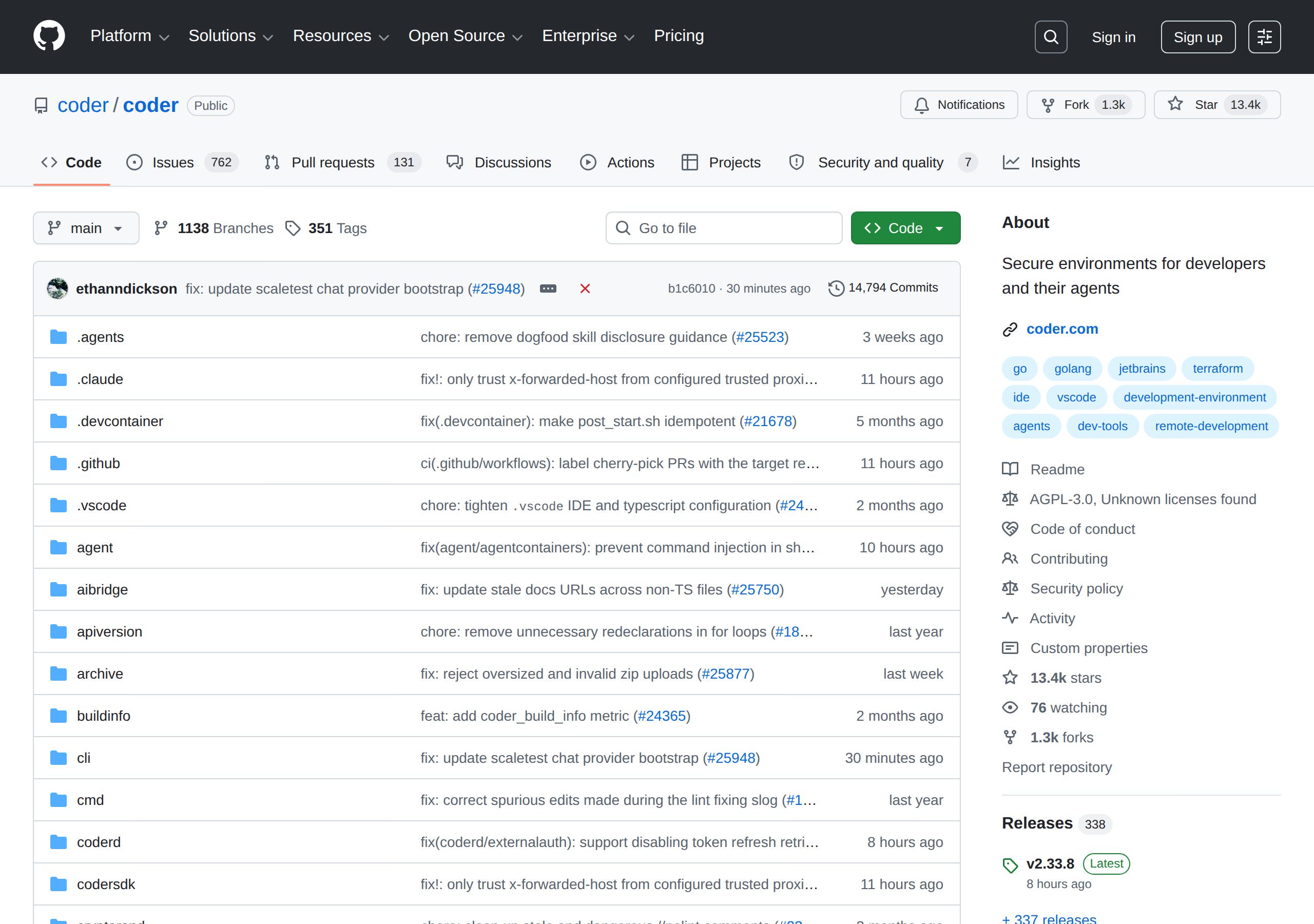
For teams requiring reproducible cloud environments, Coder defines workspaces using Terraform and secures network traffic via WireGuard. Running on AWS EC2, Kubernetes, or Docker with automated idle shutdowns, the platform incorporates native Coder Agents. This architecture allows developers to leverage AI coding assistance without exposing sensitive API keys directly within their workspaces.
Infrastructure, Virtualization, and Systems Management
Backend engineers and systems administrators are seeing significant advancements in container portability, terminal utilities, and security scanning.
Apple Container for Native Linux Virtualization
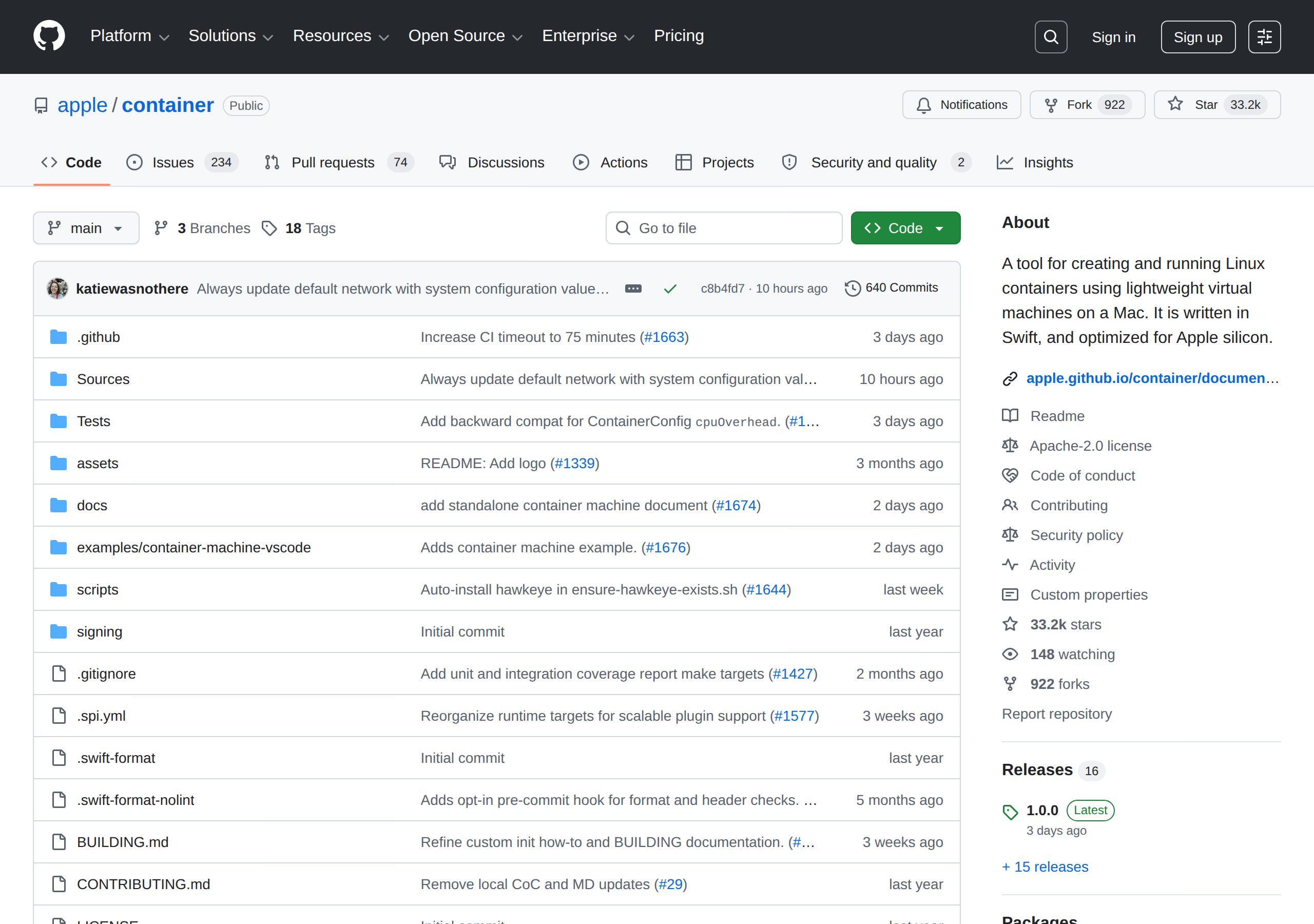
Apple Silicon users no longer need to rely exclusively on resource-heavy third-party desktop virtualization apps. Apple Container, written natively in Swift, allows developers to run Linux containers as lightweight virtual machines on macOS. Producing OCI-compatible images, this official tool bridges the gap for Mac-based developers working with Linux deployment targets.
Devbox and Ephemeral Environments
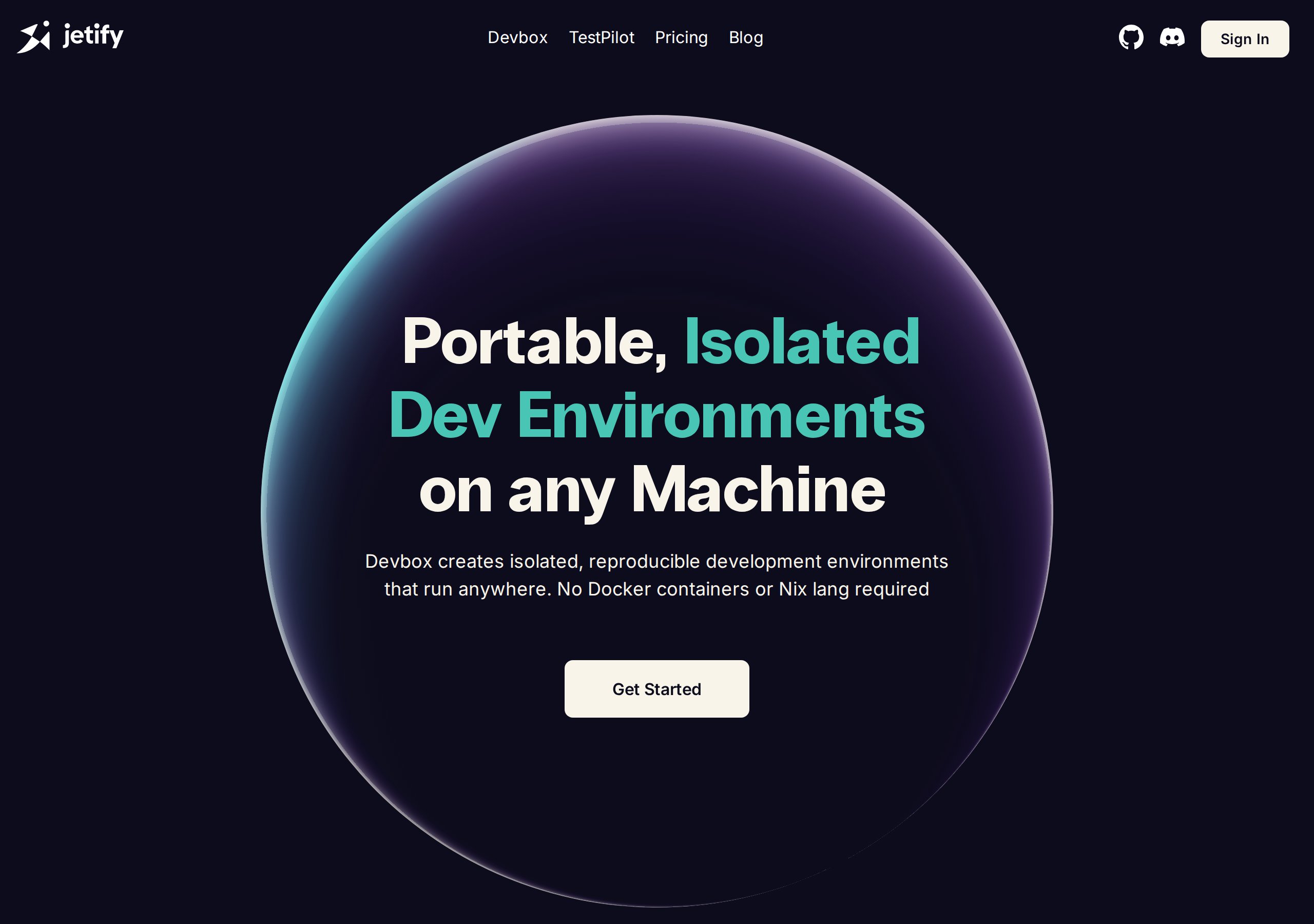
Reproducible environments have historically required deep familiarity with Nix expressions or complex Dockerfiles. Devbox simplifies this by allowing developers to declare package requirements in a simple JSON configuration. Running devbox shell spins up an isolated, version-controlled environment drawing from a registry of over 400,000 package versions, synchronized directly through Git.
WebCheck Security Reconnaissance
Understanding an application’s external attack surface is critical prior to deployment. WebCheck provides a rapid, comprehensive security audit of any URL in under 20 seconds. By analyzing headers, SSL certificates, DNS records, open ports, and potential vulnerabilities through a single interface without requiring user registration, it gives developers immediate insight into external vulnerabilities.
Systems Monitoring and Terminal Enhancements
The terminal environment continues to modernize with tools designed for maximum efficiency:
- Alacritty: A cross-platform, OpenGL-accelerated terminal emulator providing sub-millisecond rendering, Vi mode, RegEx hints, and flexible YAML configuration.
- bottom (btm): A cross-platform terminal system monitor offering rich widgets for CPU, memory, disk, network, and process management with advanced TUI customization.
- Zoxide: A high-performance, Rust-based replacement for the traditional
cdcommand that learns directory navigation habits and enables instant fuzzy-matching jumps. - Sheets: A Go-based terminal spreadsheet application featuring Vim-style keybindings designed for inspecting and editing CSV data directly from standard input/output streams.
Broader Impact and Industry Implications
The release cadence of June 2026 highlights a mature, pragmatic phase in software tooling. Rather than forcing developers into rigid, all-encompassing cloud ecosystems, the latest wave of software emphasizes interoperability, local control, and fine-grained cost optimization.
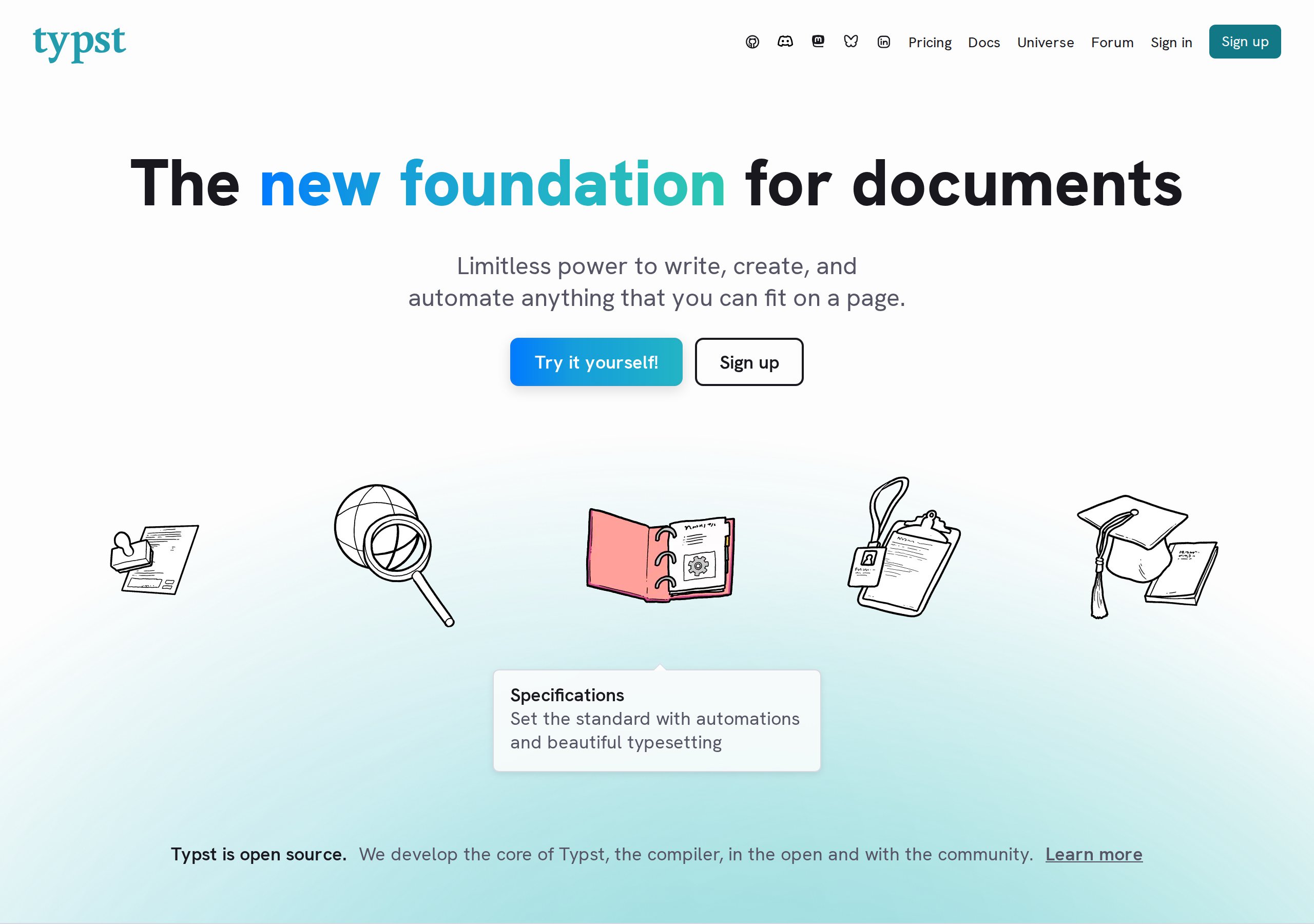
Security audits are becoming continuous and automated, containerization is becoming native to desktop hardware architectures, and document creation—exemplified by Typst’s rapid ascent as a modern, scriptable LaTeX alternative—is streamlining technical publishing. As these tools gain adoption across enterprise and open-source sectors, engineering teams are expected to experience improved operational velocity, lower infrastructure expenditures, and enhanced protection against modern software vulnerabilities.