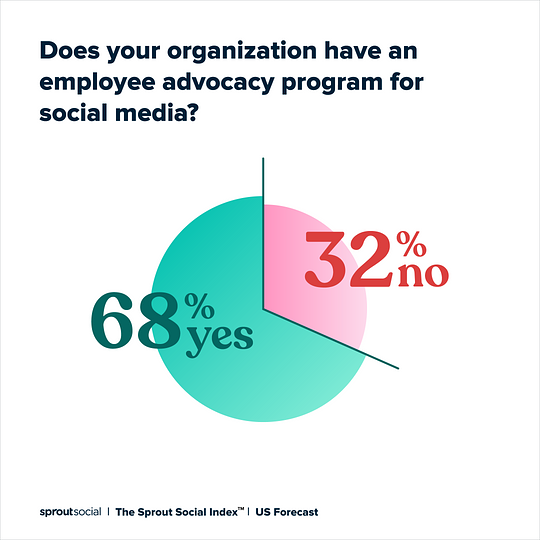
The evolution of these programs reflects a broader industry recognition: that the most influential voice in a corporate narrative is no longer the polished brand account, but the individual employee. With 68% of marketing organizations now operating formal advocacy programs, the initiative has moved past the experimental stage to become a standard operational requirement.

The Strategic Shift Toward Employee-Led Amplification
Historically, brands relied heavily on paid social media advertising to ensure visibility. However, rising costs and diminishing organic reach have rendered this traditional model less efficient. In contrast, employee advocacy leverages the pre-existing social networks of a company’s workforce, tapping into high-trust environments that traditional advertising cannot penetrate.
The data supporting this shift is significant. According to recent industry research, 40% of consumers report discovering new products through employee-generated content on a monthly basis. This top-of-funnel impact is bolstered by a clear preference among modern audiences: 46% of consumers express a desire to engage with frontline staff, whereas only 10% prioritize communications originating from C-suite executives. This disparity highlights a critical insight for leadership teams—authenticity remains the most valuable currency in digital marketing.
Chronology of the Advocacy Maturity Model
The maturation of advocacy programs typically follows a structured timeline as organizations move from ad-hoc posting to integrated strategies.
- Phase 1: The Informal Stage: In this initial period, employees share company content sporadically without guidance or standardized tools. Brand messaging remains inconsistent, and impact is difficult to quantify.
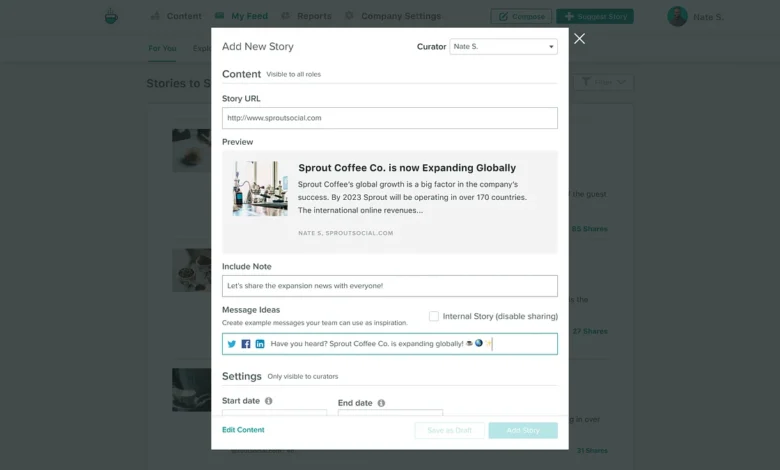
- Phase 2: Operational Formalization: Organizations introduce dedicated staffing, training, and centralized technology platforms. This phase marks the shift toward structured content curation, where marketing teams provide "share-ready" messaging that maintains brand compliance while allowing for individual employee voice.
- Phase 3: Strategic Integration: Advocacy is embedded into the wider business strategy. Metrics from advocacy platforms are integrated with Customer Relationship Management (CRM) systems to track the direct correlation between employee shares and revenue generation.
This maturation process is essential for scaling. Research indicates that when employees are provided with a curated, user-friendly tool, 85% of them are willing to actively share content on their personal social channels. The barrier to entry, therefore, is not a lack of employee enthusiasm, but a lack of logistical support from the organization.
Quantitative Impact on Revenue and Brand Equity
The business case for advocacy extends beyond superficial engagement metrics. Organizations that prioritize these programs see measurable improvements in key performance indicators across multiple departments, including sales, human resources, and corporate communications.
For the sales organization, advocacy acts as a force multiplier for social selling. LinkedIn’s Social Selling Index data suggests that sales professionals who consistently share company-relevant content are 51% more likely to reach their quotas. This is largely because advocacy builds social proof before a formal sales interaction even begins. Furthermore, companies like Infor have demonstrated the fiscal potential of these initiatives, reporting up to $100,000 in earned media value in a single month through coordinated employee sharing.
From a recruitment perspective, the impact is equally profound. Modern job seekers view social media as a primary source for vetting company culture. When employees act as stewards of the brand, they provide an authentic glimpse into the organization that polished corporate recruitment videos cannot emulate. This increases the quality of the applicant pool and serves as a powerful retention tool, as employees who feel a sense of ownership over the brand narrative are statistically more likely to exhibit long-term commitment to the firm.
The Technological Imperative
The technical infrastructure supporting these programs has evolved to meet the demands of modern data-conscious executives. Contemporary advocacy platforms, such as those provided by Sprout Social, have moved beyond basic scheduling tools to become comprehensive reporting suites.
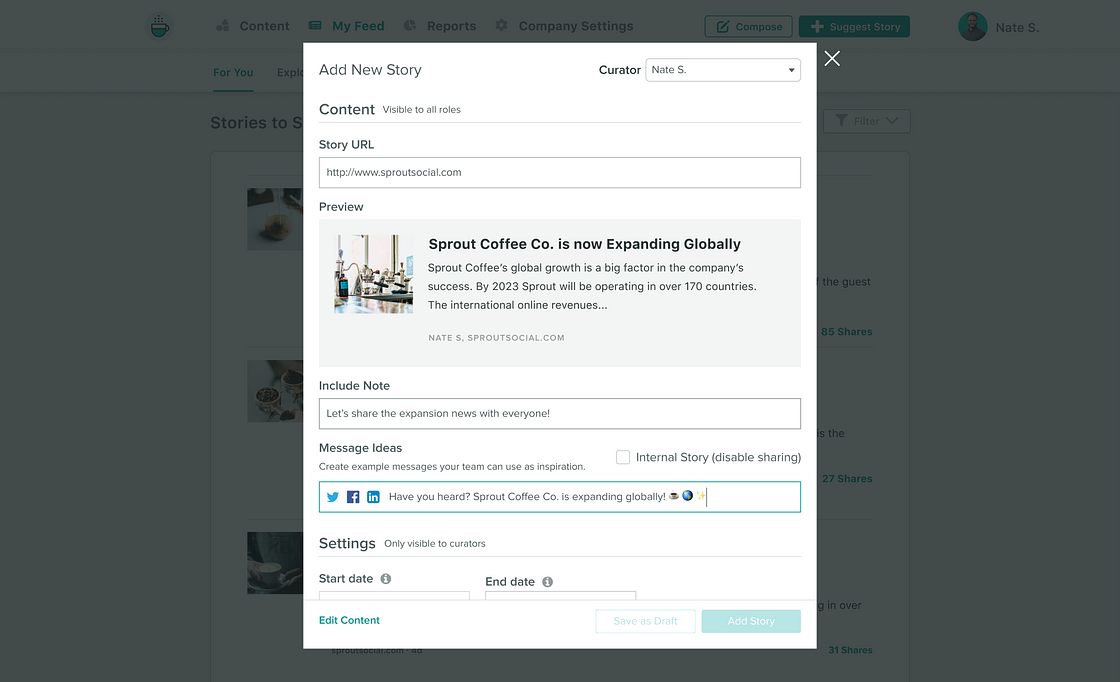
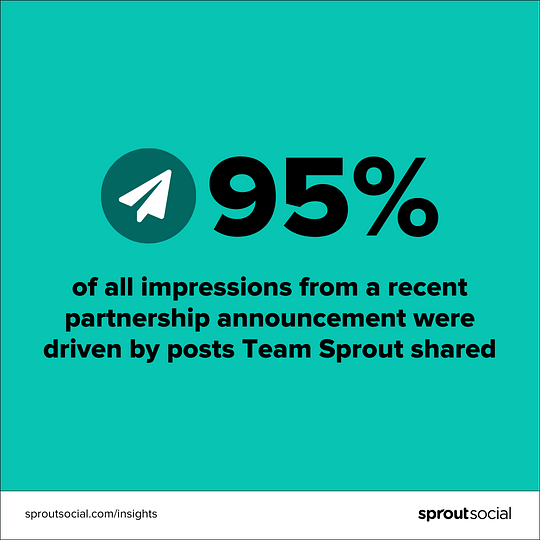
These platforms now offer real-time analytics on reach, engagement, and click-through rates, enabling leadership to see the exact return on investment. By tying advocacy shares to event registrations, lead generation, and pipeline movement, marketing leaders can provide the C-suite with clear, attributable data. For instance, in recent large-scale corporate partnerships, it was found that up to 95% of total impression volume was generated by employee posts rather than the company’s official corporate handle.
Addressing the Content Supply Problem
A persistent challenge for management has been the "content supply" bottleneck. Marketing departments often produce high-quality collateral that fails to reach its intended audience due to algorithm limitations. Advocacy programs solve this by turning the workforce into a distribution network.
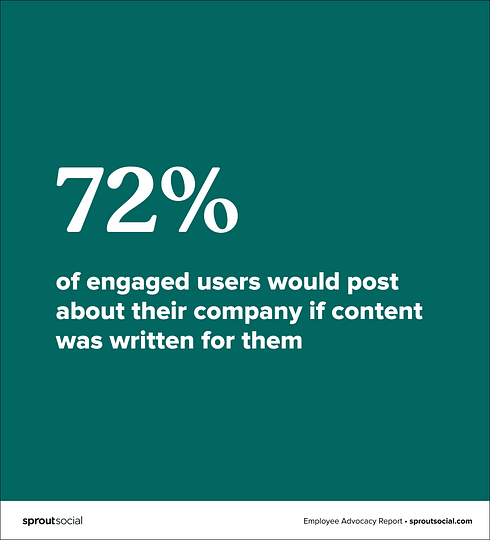
The consensus among employees is clear: 72% of engaged staff members indicate a willingness to post company content if the heavy lifting of drafting and curation is managed by their teams. This realization has led to the rise of internal newsletter tools and centralized hubs that allow employees to share, with one click, content that is both pre-approved for compliance and personalized for their specific networks.
Future Implications for Corporate Strategy
The long-term viability of advocacy as a growth strategy depends on the ability of leadership to treat employee networks as a core media channel rather than an afterthought. As organizations look toward the end of the decade, the integration of advocacy into the broader marketing budget will likely become the standard for firms seeking to compete in an attention-starved market.
The implications for management are twofold. First, they must provide the technological framework necessary to facilitate easy, compliant sharing. Second, they must move away from top-down mandates toward a culture of enablement. When companies empower their staff to share their genuine experiences, the result is a brand presence that is more resilient, more credible, and significantly more cost-effective than traditional advertising.
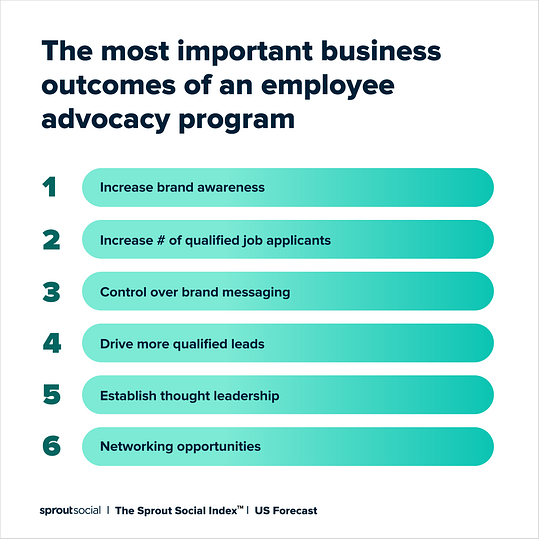
The data confirms that advocacy is no longer a "nice-to-have" add-on. It is a proven, scalable, and highly effective mechanism for brand amplification. As businesses continue to face economic headwinds, the ability to generate qualified leads and top-tier talent through the existing, trusted voices of their own workforce represents a critical competitive advantage. The decision for leadership is no longer whether to invest in an advocacy program, but how quickly they can integrate it into their overarching business objectives to capture the significant gains currently being realized by early adopters.