Navigating the Data Maze: Why Social Media KPIs Are Essential for Business Growth in 2026


In the hyper-competitive digital landscape of 2026, where global social media users are projected to reach 5.75 billion, the ability to distinguish between meaningful business data and mere digital noise has become a primary differentiator for successful enterprises. While modern marketing teams are inundated with a constant stream of metrics—likes, shares, impressions, and views—only a fraction of these data points qualify as Key Performance Indicators (KPIs). A KPI is not simply a metric; it is a vital diagnostic tool that quantifies progress toward a specific business objective. As companies navigate a year where advertising spend on social platforms is expected to exceed $121 billion in the United States alone, the mandate to prove return on investment (ROI) has moved from a professional preference to an organizational necessity.

The Critical Distinction: Metrics Versus KPIs
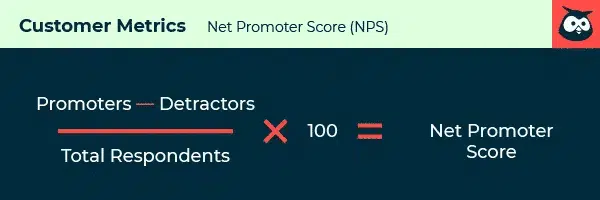
The confusion between metrics and KPIs is a persistent hurdle in corporate reporting. Every KPI is a metric, but the inverse is rarely true. A metric is any quantifiable data point—such as the total number of followers on a brand’s Instagram account or the number of likes on a single post. These figures offer context but often lack strategic direction. A KPI, conversely, is explicitly tethered to a business goal. For example, if a company’s primary objective is to improve customer retention, the total number of "likes" is irrelevant. Instead, the relevant KPI would be the "Customer Lifetime Value" (CLV) or the "Net Promoter Score" (NPS) derived from social interactions.
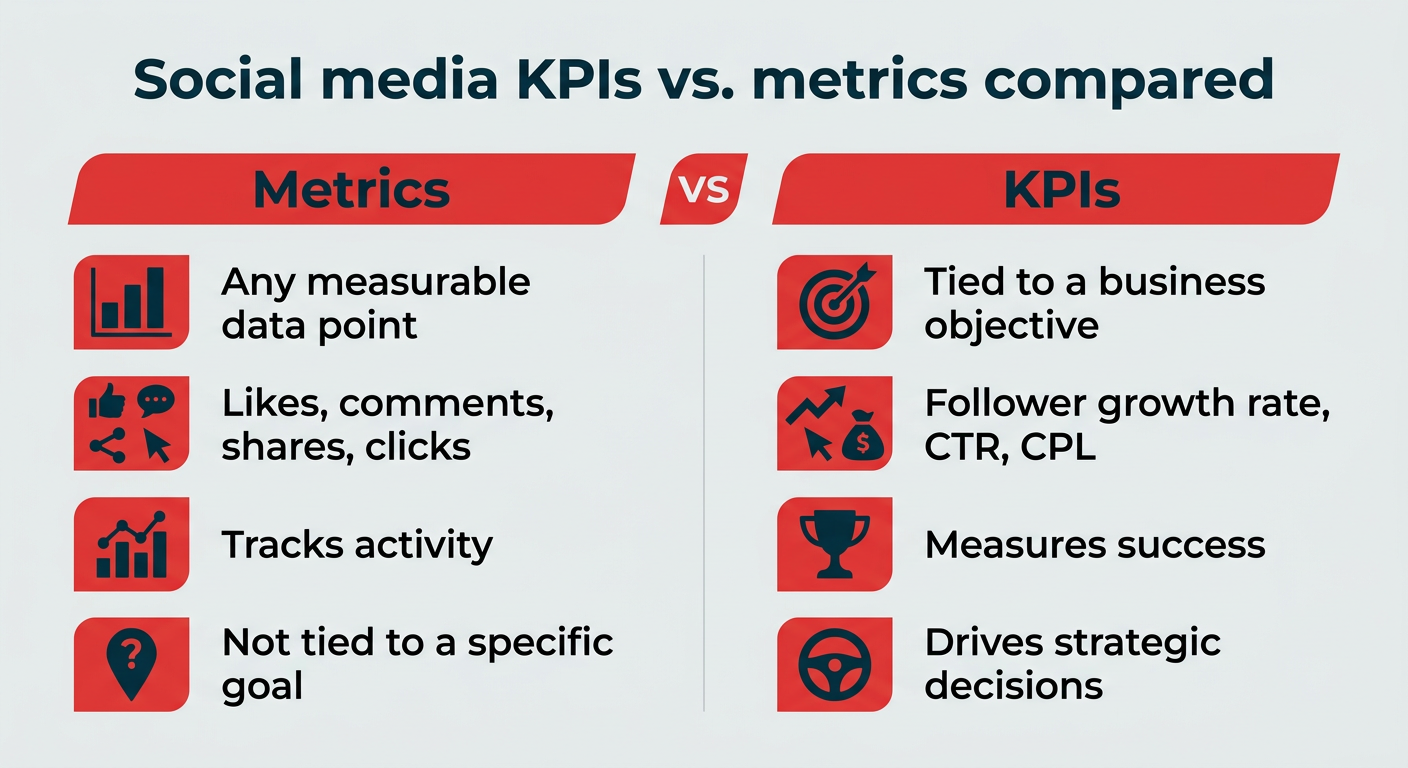
This distinction is vital for internal reporting. While a social media manager might monitor granular metrics daily to adjust content tactics, leadership teams require high-level KPIs to evaluate the efficacy of the entire marketing strategy. By shifting the focus from vanity metrics to outcome-based indicators, teams can align their daily activities with the broader financial health of the organization.
A Chronology of Strategic Measurement
The evolution of social media measurement has transitioned through three distinct phases. In the early 2010s, the "Growth Era" prioritized audience size above all else, leading to the proliferation of vanity metrics. By the early 2020s, the "Engagement Era" took hold, as brands recognized that a large, passive audience provided little value compared to an active, interacting community.
Today, in 2026, we have entered the "ROI and Integration Era." Businesses are no longer satisfied with knowing how many people saw a post; they demand to know how many of those people moved through the sales funnel. This shift has been accelerated by the rise of social commerce, with 51% of U.S. social shoppers now utilizing platforms like TikTok for direct purchasing. This necessitates a tighter integration between social data and Customer Relationship Management (CRM) systems to track the journey from a social click to a finalized transaction.
Categorizing Performance: The Six Pillars of Social Success
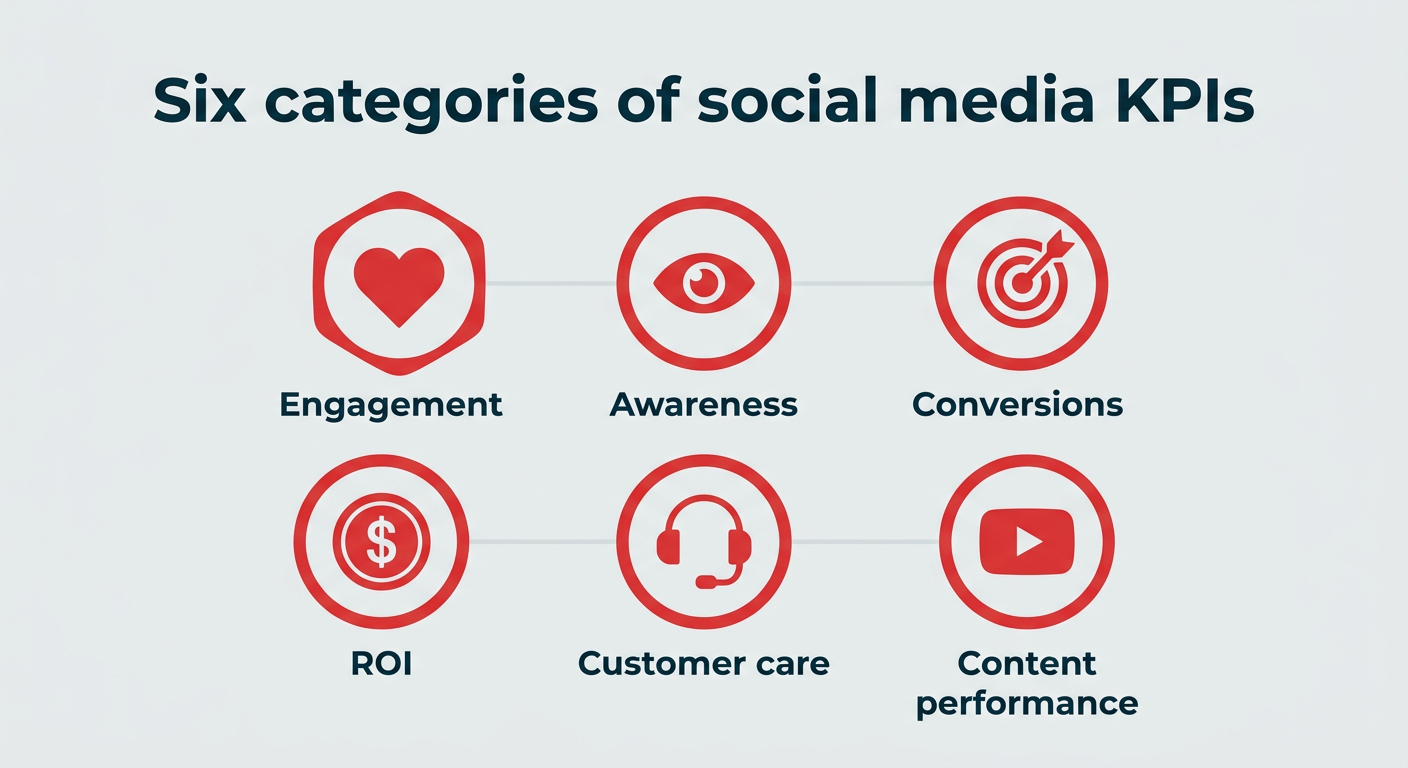
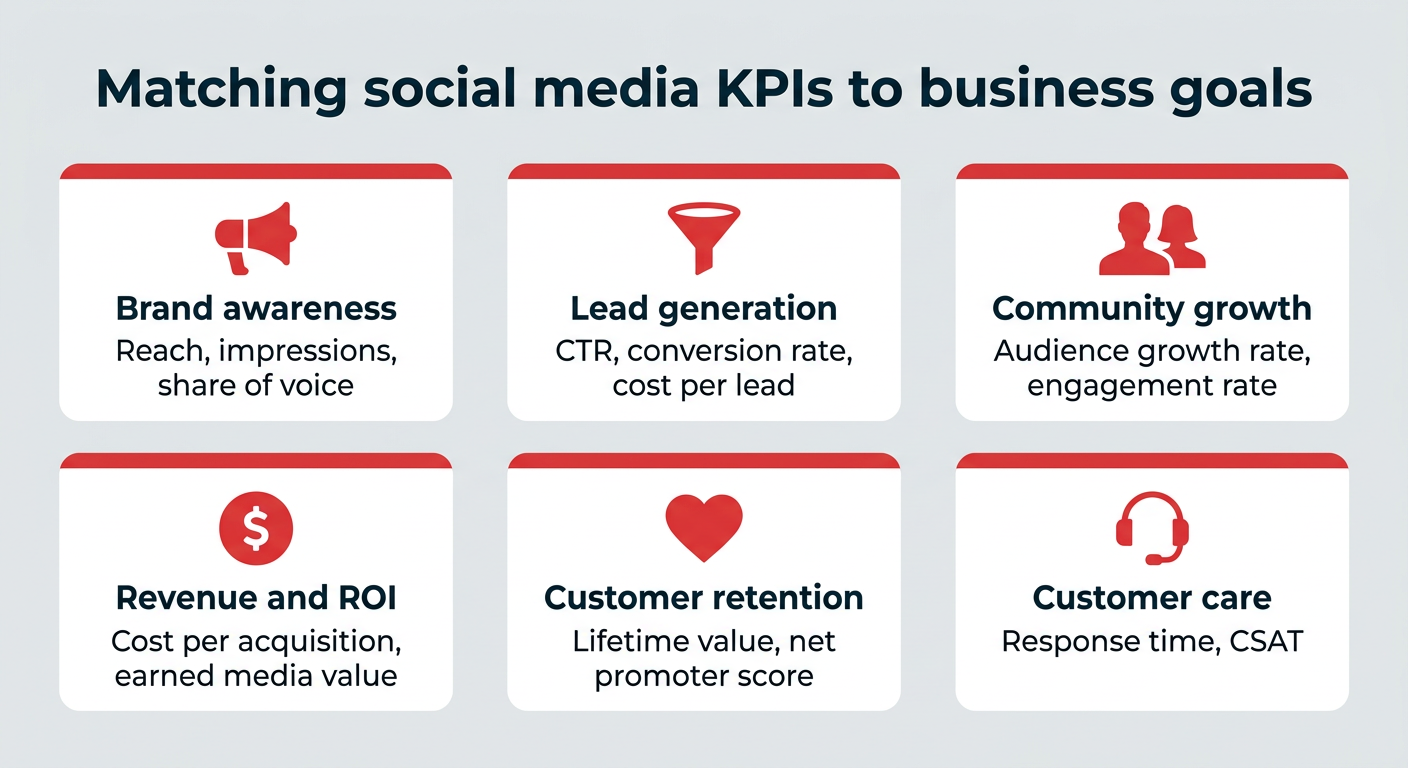
To effectively measure performance, industry experts categorize KPIs into six distinct pillars, each serving a specific function in the corporate ecosystem:

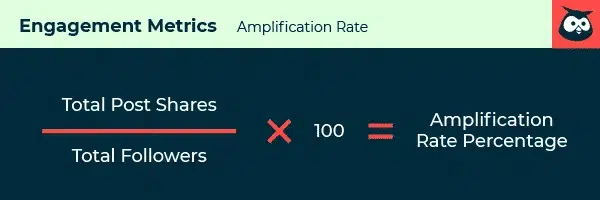
- Engagement KPIs: These measure the quality of interaction. Beyond mere volume, metrics such as "Amplification Rate" (the ratio of shares to total followers) indicate how effectively a brand’s message resonates with its audience.
- Awareness KPIs: These track reach and brand recognition. In an era where 141 minutes are spent on social media daily by the average global user, tracking "Share of Voice" against competitors is essential for maintaining market relevance.
- Conversion KPIs: These bridge the gap between social platforms and revenue. Click-through rates (CTR) and final conversion rates remain the primary indicators of whether social traffic is effectively generating leads or sales.
- ROI KPIs: These are the financial bedrock of the department. Metrics like "Cost Per Acquisition" (CPA) and "Earned Media Value" provide the data necessary to justify budget allocations and headcount requests to executive boards.
- Customer Care KPIs: With social media functioning as a modern-day help desk, tracking "First Contact Resolution" and "Average Response Time" is crucial for maintaining brand sentiment and loyalty.
- Content Performance KPIs: These metrics determine the shelf-life and utility of creative assets. By analyzing which formats (video, image, or text) drive the most meaningful results, teams can optimize their content calendars to reduce wasted production costs.
Setting Targets: The SMART Framework
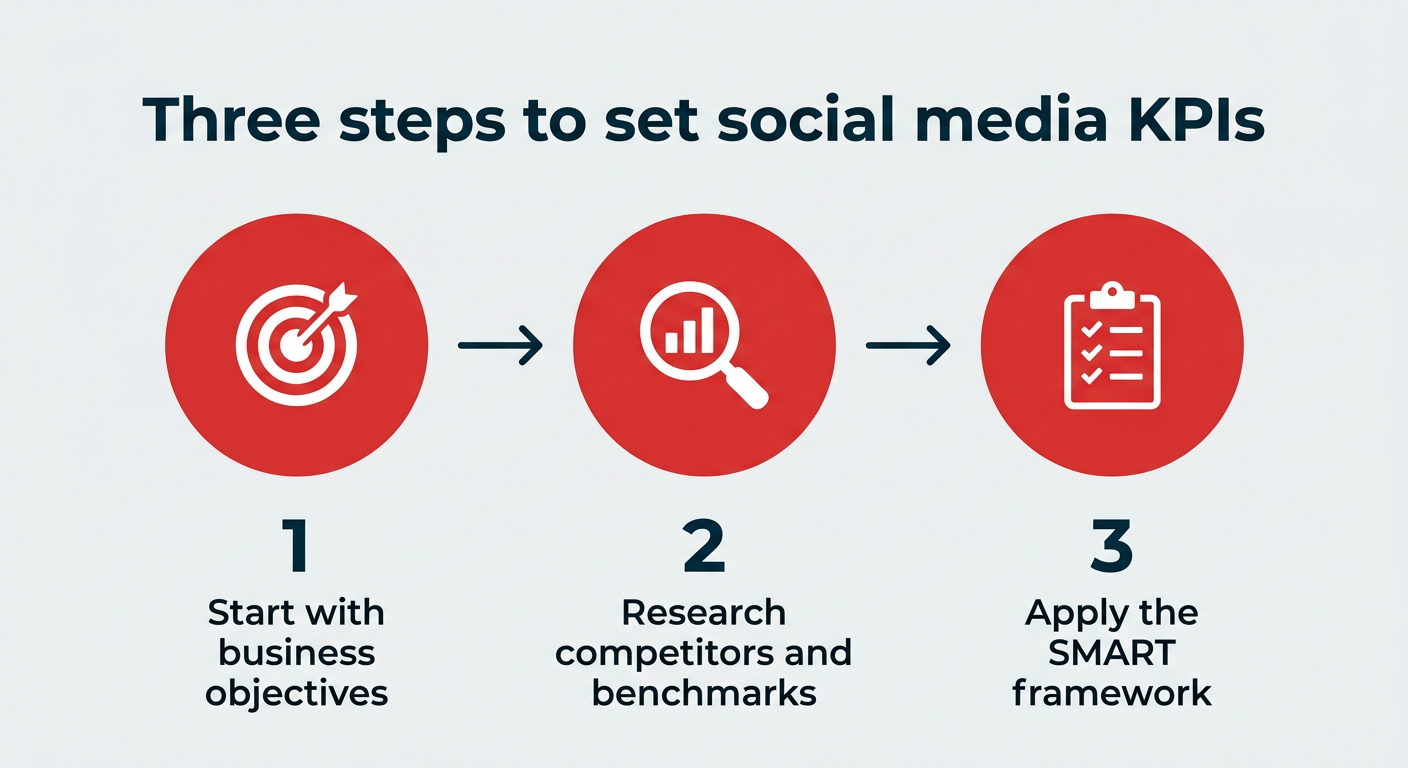
The efficacy of any KPI is undermined if it lacks a defined target. Industry leaders consistently employ the SMART framework to ensure their KPIs are Specific, Measurable, Achievable, Relevant, and Time-bound.

For instance, a vague goal like "increase brand awareness" is ineffective. A SMART version would be: "Increase organic reach by 15% across all platforms within Q3 by leveraging high-form video content." By defining the parameters of success, teams provide themselves with a benchmark against which they can hold themselves accountable. Research from Gartner indicates that 46% of Chief Marketing Officers are currently prioritizing initiatives that demonstrate a clear, measurable path to growth; setting SMART KPIs is the most reliable way to provide that transparency.
The Role of Benchmarking and Competitive Analysis
Data exists in a vacuum unless it is measured against an industry standard. If a company achieves a 2% engagement rate, it is impossible to know if that is a success without comparing it to sector-wide averages. Organizations now leverage advanced benchmarking tools to compare their performance against direct competitors.
This process often reveals uncomfortable truths. A company may find that while their absolute numbers are growing, their "Share of Voice" is declining as competitors capture more attention. Identifying these trends early allows for the pivot of strategies before a downward trend in engagement manifests as a long-term decline in market share.
Implications for Leadership and Future Reporting
For leadership, the implications of these reporting standards are clear: social media is no longer a peripheral marketing channel but a core engine of the business. Consequently, the format of reporting must evolve. Executives rarely have the bandwidth to review post-level data. Instead, effective reports should lead with the "Bottom Line"—revenue generated, leads acquired, and cost-efficiency improvements—while relegating supporting data to an appendix.

As we look further into 2026, the consolidation of social data into unified dashboards will become mandatory. Manual data collection is increasingly viewed as an operational liability due to the risk of human error and the time-intensive nature of cross-platform synthesis. Automated, integrated systems that provide real-time updates are the only way to manage the sheer volume of data generated by modern consumer behavior.

In conclusion, the professionalization of social media management hinges on the rigorous application of KPI-based tracking. By moving beyond vanity metrics and focusing on the core indicators that drive revenue, brand loyalty, and customer satisfaction, businesses can transform their social media presence from a cost center into a strategic asset. The organizations that thrive in the coming years will be those that view their social data not as a static report, but as a dynamic, living roadmap for their future growth.