The Evolution and Strategic Importance of Social Media Customer Service in the Digital Age

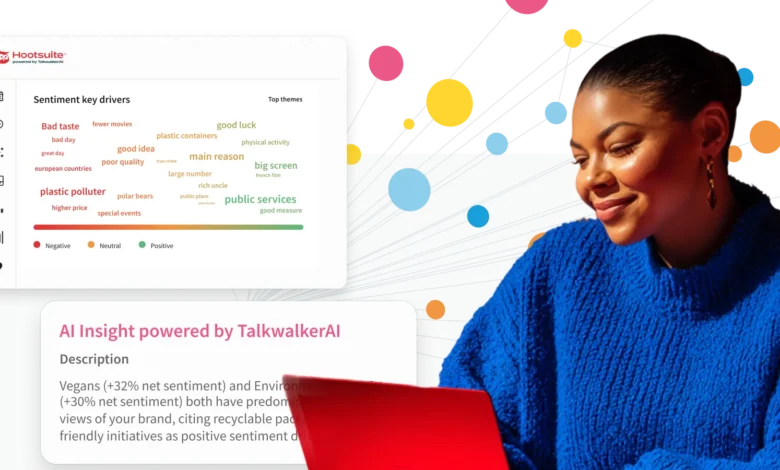
Social media customer service has transitioned from a supplementary marketing task into a critical pillar of modern business operations, fundamentally reshaping how organizations interact with their global customer bases. As consumers increasingly migrate away from traditional email and telephone support in favor of the instant, conversational nature of social platforms, companies are finding that the speed and transparency of their digital interactions serve as a primary indicator of brand health and operational efficiency.

The Shift Toward Conversational Support
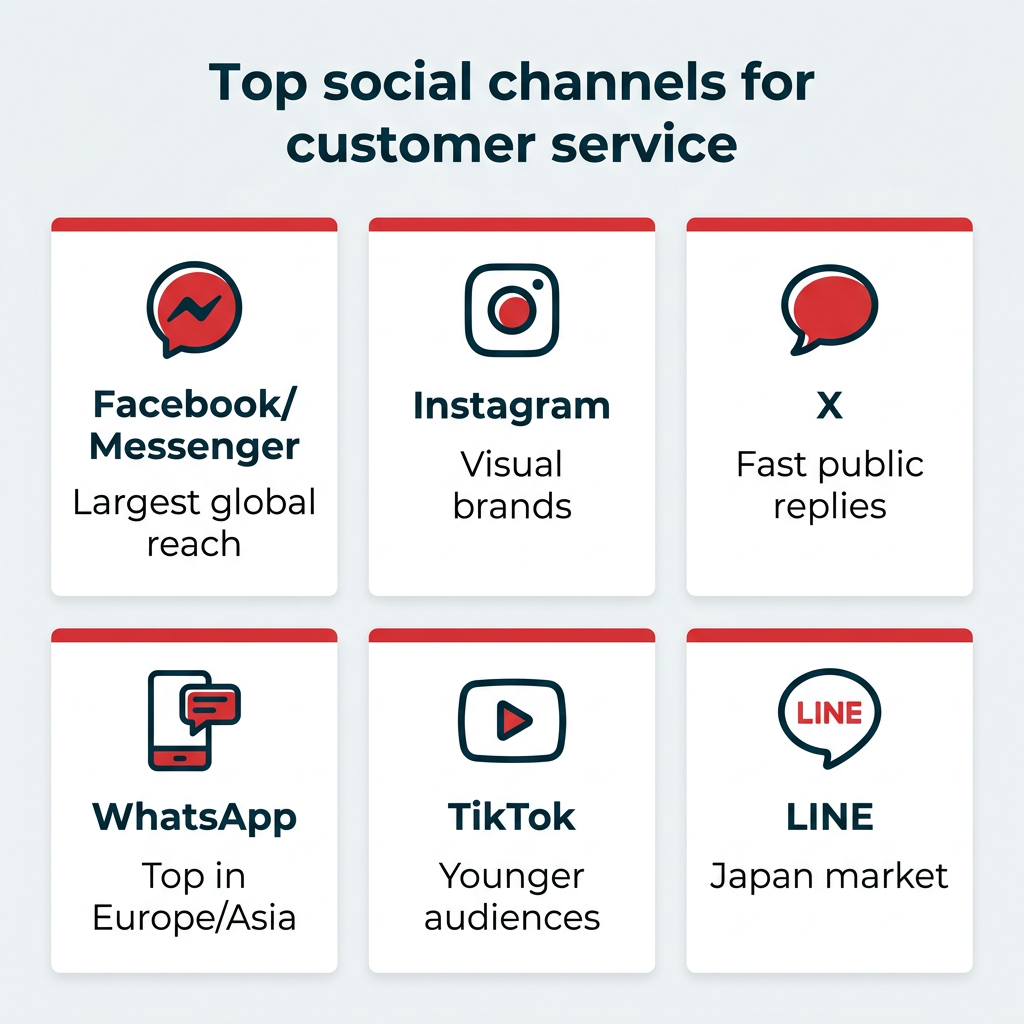
The modern consumer landscape is defined by a demand for accessibility. Recent data indicates that approximately 75% of consumers now prefer to interact with businesses through the same messaging channels they use to communicate with friends and family. This shift has forced a convergence between marketing and customer support departments. When a company replies to a public inquiry on X (formerly Twitter) or comments on an Instagram post, the interaction acts as both a resolution for the individual and a public demonstration of service quality for the entire audience.
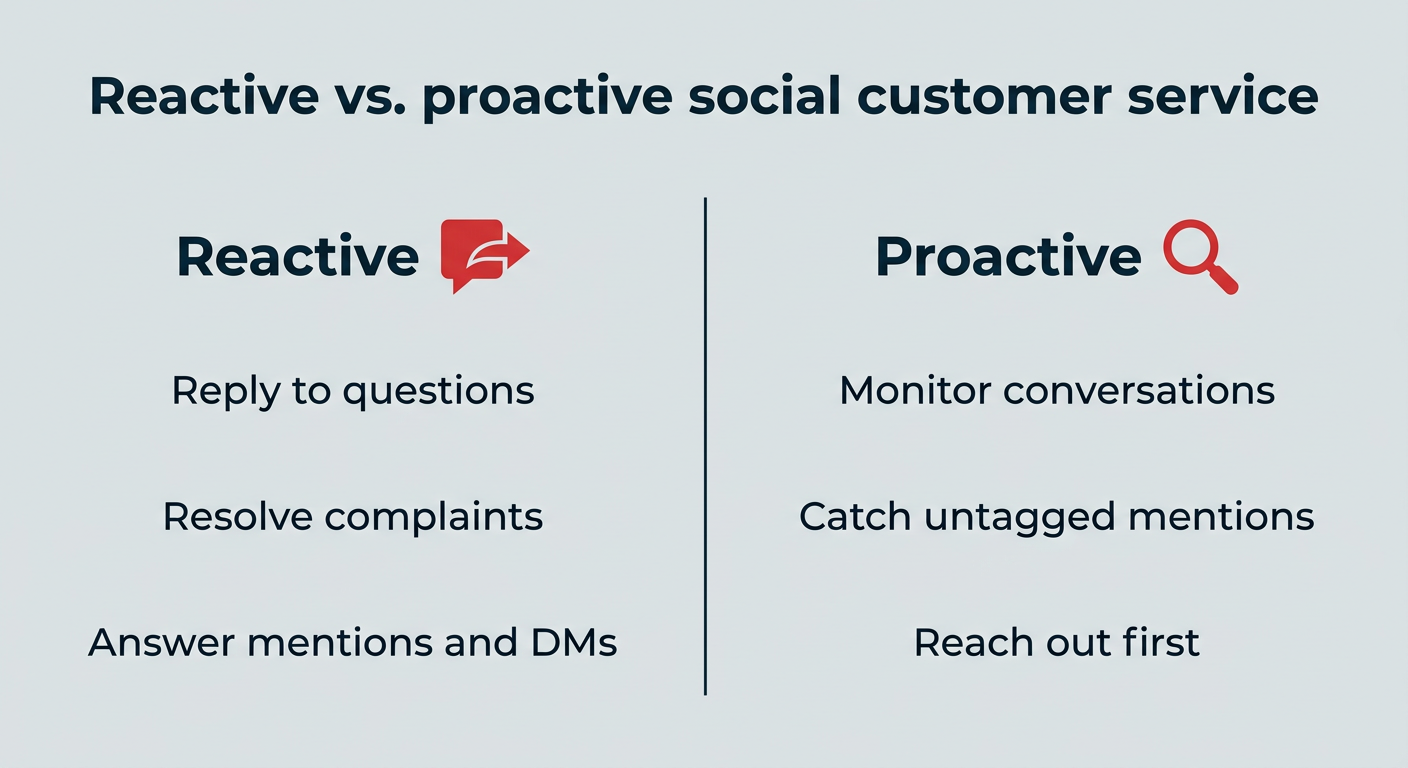
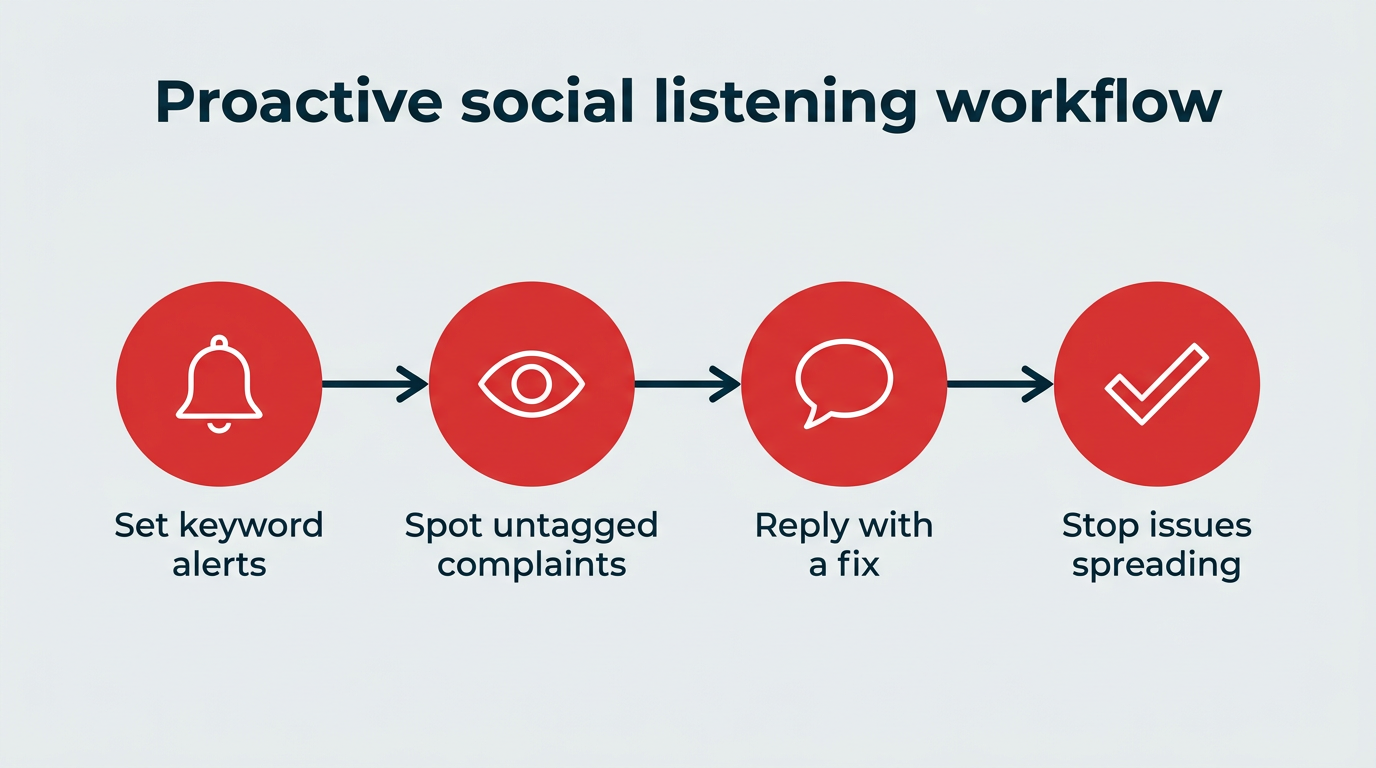
Historically, customer service was a siloed department, often tucked behind toll-free numbers and protracted email ticketing systems. The rise of social media has effectively "democratized" complaints, giving customers a public stage to air grievances. This change has necessitated the adoption of both reactive and proactive strategies. While reactive support focuses on responding to incoming tickets, mentions, and direct messages, proactive social care involves sophisticated social listening—monitoring for brand keywords, misspellings, or industry-related pain points to intervene before a situation escalates into a public relations crisis.

Data-Driven Impacts on Revenue and Retention
The financial implications of high-quality social media support are increasingly clear. Research suggests that companies that integrate generative AI into their customer-related initiatives can expect a 25% revenue increase over a five-year period compared to those that prioritize internal productivity at the expense of customer-facing engagement. This growth is driven by the fact that customer service is no longer a cost center; it is a retention engine.

Industry projections by Gartner indicate that by 2027, self-service tools and live chat will officially overtake traditional phone and email as the dominant customer service technologies. This transition is not merely about cost reduction—though the efficiency of an agent managing multiple concurrent chat sessions is significant—but about aligning with the "always-on" expectations of the modern buyer. A 2024 analysis from Salesforce underscores that excellent service drives repeat purchases, brand advocacy, and even "forgiveness" for occasional product errors, proving that the quality of interaction is a direct contributor to the lifetime value of a customer.
The Hybrid Model of Ownership
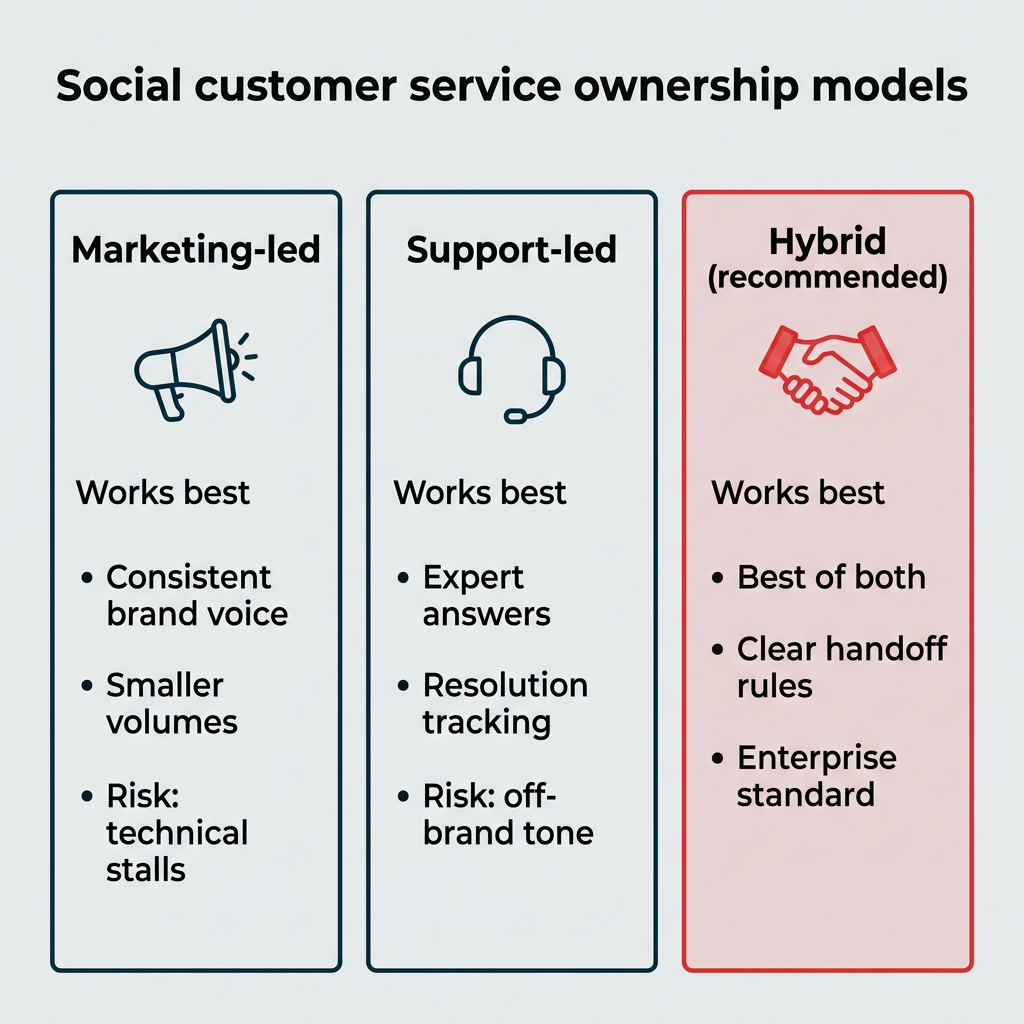
As the volume of digital interactions grows, organizations are grappling with the question of departmental ownership. The most successful enterprises have adopted a hybrid model, where the marketing department handles brand voice and engagement, while specialized support teams manage complex technical resolutions and escalations.
This model requires a unified workflow. When marketing and support teams operate from disconnected systems, the risk of "dropped balls" increases. Leading firms utilize integrated social operating systems that centralize conversations, assignment rules, and approval workflows. This ensures that when a customer moves from a public comment to a private direct message, the history of that interaction is preserved, preventing the frustration of repetitive questioning.
Best Practices for Modern Social Support
To maintain a competitive edge, businesses are increasingly adopting a standardized framework for social support, defined by eight core best practices:
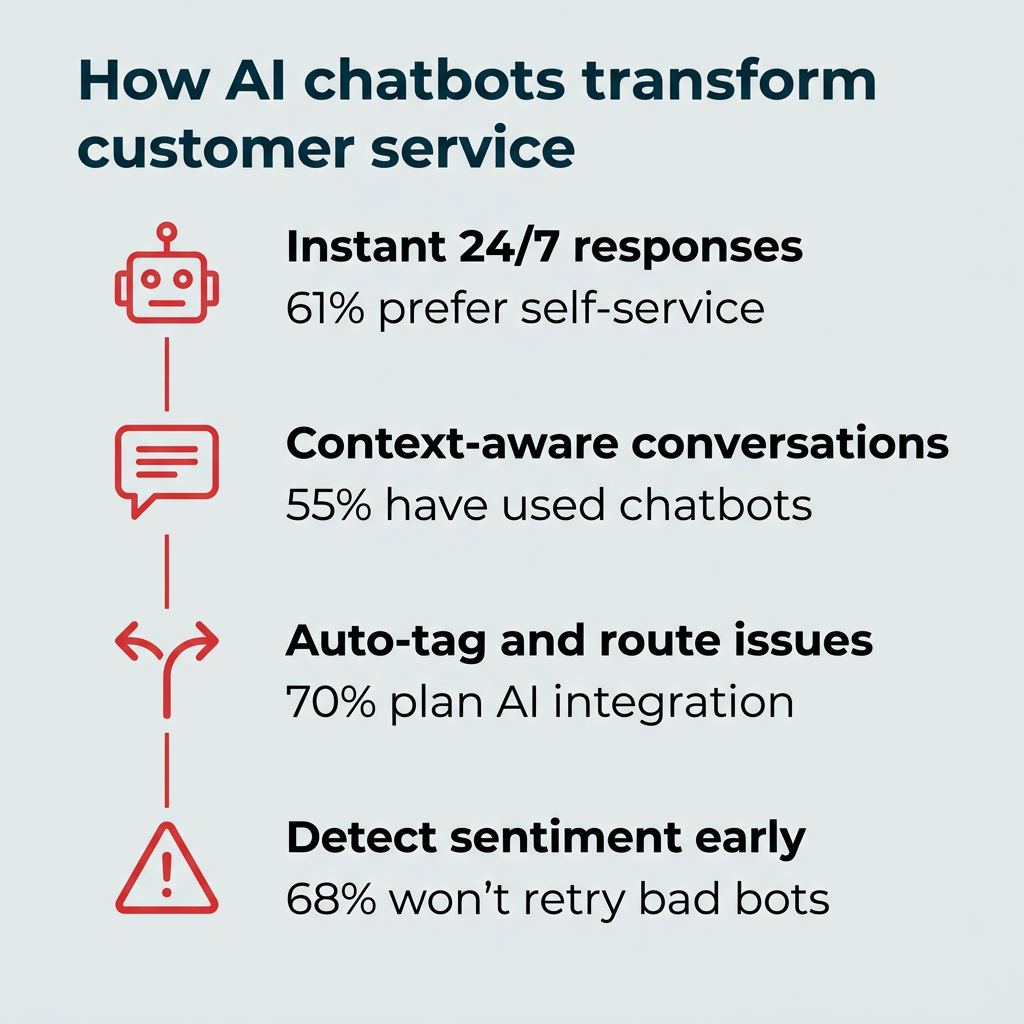
- Prioritize Velocity: The modern standard is a response time of under one hour. To meet this demand, firms are deploying AI-powered triage to route inquiries based on urgency and sentiment.
- Proactive Listening: By leveraging social listening tools to monitor for untagged brand mentions, companies can resolve technical issues—such as software outages or shipping delays—before they become viral threads.
- Dedicated Support Channels: For high-volume brands, separating "Help" accounts (e.g., @BrandNameHelp) from primary marketing accounts prevents the dilution of the brand feed and ensures support requests are handled by specialized agents.
- Personalization Over Automation: While chatbots are essential for scaling, they must be used as a bridge to human interaction rather than a barrier. A successful interaction uses the customer’s name, references specific order details, and avoids robotic, templated language.
- Universal Engagement: Replying to every comment—not just complaints—serves as a signal to social algorithms that a brand is active and helpful, which in turn boosts organic reach.
- AI-Driven Scaling: Generative AI is being utilized to analyze sentiment and suggest context-aware responses. With over 60% of customers preferring self-service, AI is becoming the frontline for common FAQs.
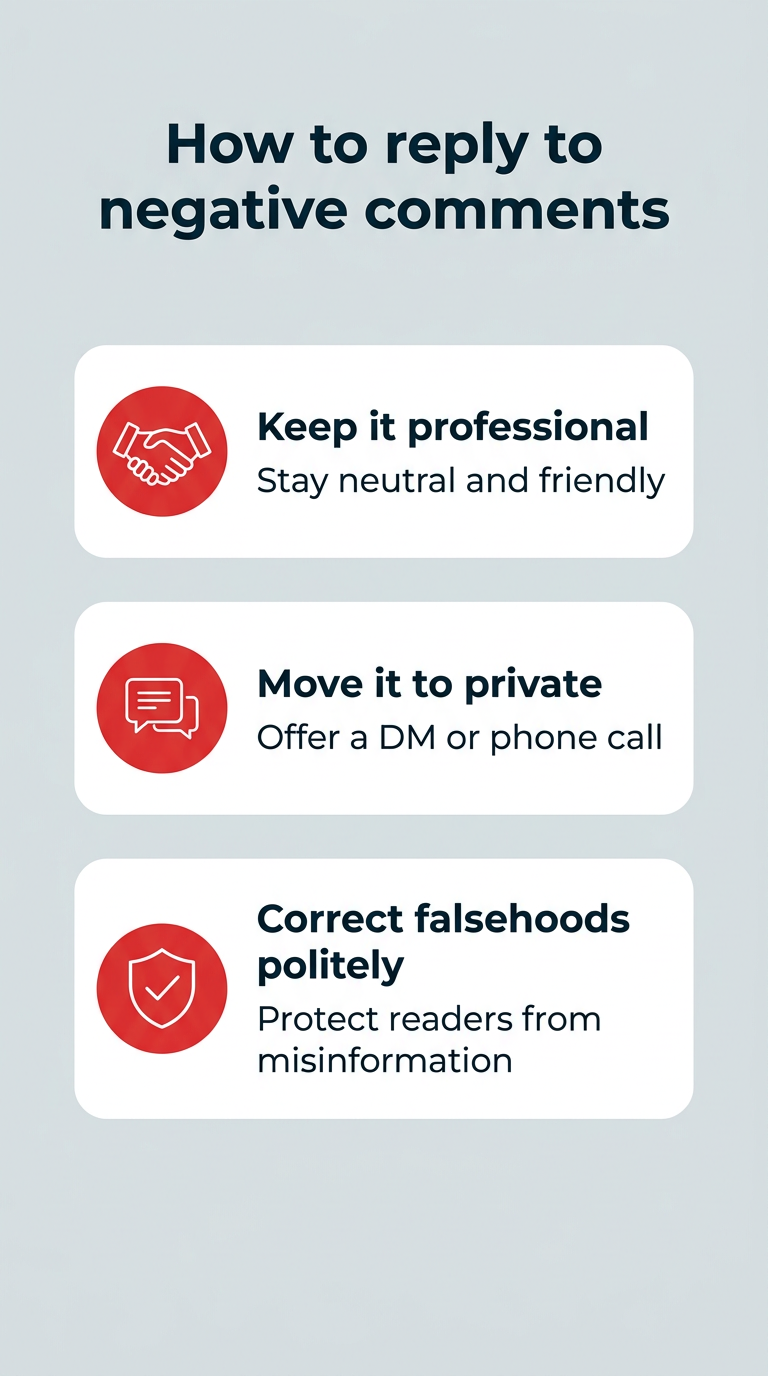
- Professionalism in Conflict: When faced with negative feedback, the objective is to move the conversation to a private, secure channel as quickly as possible. Professionalism is the primary defense against potential defamation and the spread of misinformation.
- Accessibility: Even with robust automation, there must always be an accessible path to a human agent. For complex or high-stakes issues, the human touch remains an irreplaceable asset.
The Role of Technology and Integration
The technical infrastructure required to support these practices is complex. A robust social media customer service suite typically includes a unified inbox, social listening capabilities, AI-driven chatbots, and comprehensive analytics. Furthermore, the integration of these tools with a CRM (Customer Relationship Management) system, such as Salesforce or Zendesk, is essential for enterprise-level governance.
By syncing social data with customer records, agents can gain a 360-degree view of the customer’s history. This integration is vital for security and compliance, ensuring that sensitive data is handled according to organizational protocols.

Measuring Success: Beyond Vanity Metrics
Leadership teams are increasingly scrutinizing social customer service through the lens of key performance indicators (KPIs) that extend beyond follower counts. The most critical metrics currently tracked include:
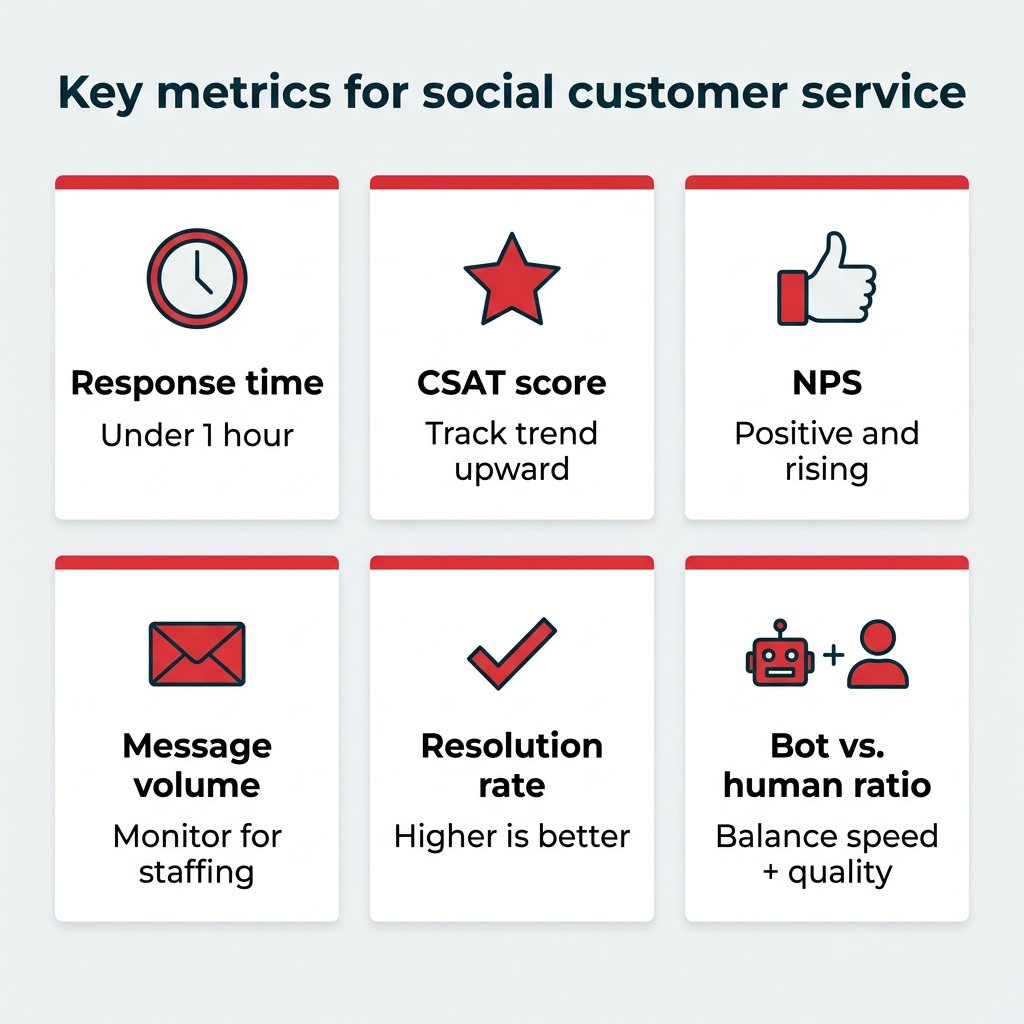
- Average Response Time: The speed at which a customer receives an initial, meaningful interaction.
- Customer Satisfaction (CSAT): The quantitative score provided by customers following a support interaction.
- Net Promoter Score (NPS): A long-term measure of customer loyalty and the likelihood of recommendation.
- Resolution Rate: The percentage of inbound inquiries that are successfully closed without the need for further escalation.
- Automated vs. Human Ratio: A metric used to balance the efficiency of AI with the nuanced problem-solving capabilities of human staff.
Broader Implications for the Future
The integration of social media into the core customer service architecture is a permanent shift in the corporate landscape. As AI continues to advance, the distinction between "marketing" and "support" will likely continue to blur. Companies that treat every digital interaction as an opportunity to demonstrate reliability and transparency will be better positioned to navigate the complexities of the digital economy.

The ultimate challenge for organizations moving forward is not just the management of volume, but the maintenance of a consistent, warm, and professional brand voice across fragmented platforms. Whether it is a global airline providing real-time flight updates on X or a pet supply company sending personalized messages on Instagram, the core requirement remains the same: the customer must feel heard, valued, and prioritized. In an era where digital noise is constant, responsiveness is the ultimate differentiator.
Related posts: