Troubleshooting Why Your Facebook Ads Are Not Delivering: 10 Common Causes and Immediate Fix


es

The digital marketing landscape relies heavily on predictable, automated delivery systems to connect brands with consumers. For modern digital marketers, few experiences are as counterproductive or financially stalling as logging into the Meta Ads Manager only to discover a flatlined campaign. When active campaigns register zero impressions, it signals a disruption in the complex algorithmic auction process that governs the world’s largest social media advertising network. Understanding the mechanics behind delivery failures is essential for maintaining return on ad spend (ROAS) and ensuring operational efficiency across enterprise and small-business marketing teams alike.
Defining the Problem: What Does "Not Delivering" Mean?
Within the Meta Ads Manager interface, the "Delivery" column serves as the primary health monitor for campaigns, ad sets, and individual creatives. When an ad is designated as "Not delivering," it indicates that an active configuration is failing to serve advertisements to the designated target audience, resulting in zero impressions. Technical disruptions that impede ad distribution frequently trigger an "Update required" sub-status. While these halts can affect newly deployed creatives, they can also disrupt historical campaigns that have run successfully for weeks or months.
Digital marketing analysts attribute these interruptions to a variety of algorithmic, budgetary, and policy-driven triggers enforced by Meta’s automated governance systems. To mitigate revenue loss, platform engineers and digital strategists have identified the ten most prevalent catalysts for delivery failure, alongside structured remediation protocols.
-
The Unavailable Post Associated with the Advertisement
A frequent structural oversight involves promoting existing organic content—such as a Facebook page post or Instagram media—that has been subsequently deleted, hidden, or modified with restricted viewing permissions. If the underlying asset ceases to exist or becomes inaccessible to the ad server, the delivery mechanism stalls, prompting an "Update required" notification.
The Resolution: Media buyers must navigate to the ad configuration level, substitute the unavailable asset with a valid post, or adjust the native privacy settings of the original content to public visibility. Once permissions are restored and the ad set is toggled back to an active state, the error flag typically resolves automatically.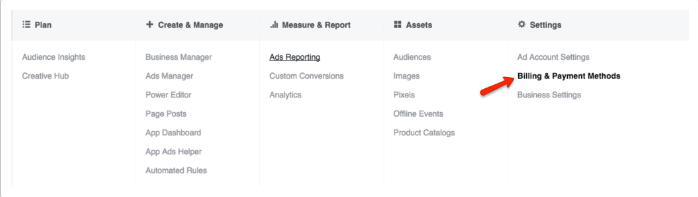
-
Protracted Review Cycles by Meta’s Compliance Teams
Meta subjects every advertisement to an initial evaluation phase before deployment, utilizing a hybrid model of automated machine learning algorithms and manual reviews by human support personnel. According to Meta’s Business Help Centre, standard reviews are completed within 24 hours, though peak advertising seasons—such as the fourth-quarter holiday shopping period—frequently introduce operational backlogs that extend this timeline significantly. Furthermore, making unauthorized edits to live or scheduled ads resets this compliance clock entirely.
The Resolution: Advertisers are advised to implement a proactive scheduling buffer, setting launch dates several days in advance of public campaigns. Crucially, marketing teams must refrain from editing ad copy, visuals, or targeting parameters while a review is pending to avoid triggering recursive evaluation loops. -
Ad Rejection Due to Policy Violations
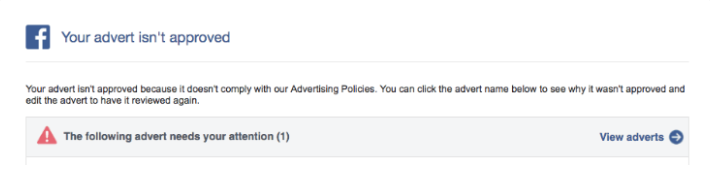
Advertisements that breach Meta’s rigorous advertising policies are summarily rejected, halting delivery entirely. Common triggers include sensationalized claims, prohibited product categories, adult content, copyright infringements, or misleading landing page experiences. Automated systems also scan post-click destinations; a broken landing page link or a mismatch between the ad’s promise and the website’s actual offering will reliably trigger a disapproval notice.
The Resolution: Upon receiving a rejection notification via email or Ads Manager, marketers should modify the offending creative element—such as removing non-compliant language—and resubmit the asset. If an ad is believed to be rejected in error, formal appeals can be submitted directly through the Account Quality dashboard. Additionally, campaigns categorized under special ad requirements (such as housing, employment, or credit) must be designated accurately to prevent compliance shutdowns.
-
Reaching Account-Level Spending Thresholds
Enterprise-level digital budgets often rely on macro-safeguards to prevent runaway spending. The account spending limit acts as a strict ceiling across all campaigns managed within a single ad account. Once cumulative expenditures hit this predefined threshold, Meta halts all active campaigns instantaneously.
The Resolution: Media buyers can restore delivery by navigating to Ads Manager, accessing Settings, and proceeding to Billing and Payment Methods. From this interface, the account spending limit can be increased, reset, or completely removed, which generally reactivates paused ad sets within minutes. -
Overly Restrictive Budgets and Bid Caps
The Meta delivery algorithm relies on sufficient financial leverage to test audiences, gather performance signals, and optimize delivery. When daily budgets are set too low—such as a nominal $3 threshold—the algorithm lacks the statistical runway required to validate the ad’s efficacy, leading to a complete cessation of delivery. Similarly, implementing a rigid bid cap that sits significantly below prevailing market auction prices prevents the ad from winning competitive ad auctions.
The Resolution: Advertisers should transition from restrictive daily limits to lifetime budgets, allowing Meta’s system to pace expenditure dynamically across the campaign lifecycle. Utilizing lowest-cost automatic bidding strategies during the initial learning phase ensures that bid prices remain competitive before manual bid caps are introduced.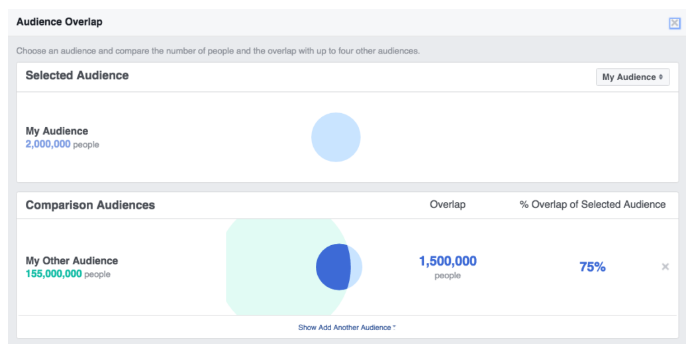
-
Excessively Narrow Audience Parameters
While precision targeting is a cornerstone of modern digital advertising, over-segmentation can paralyze algorithmic delivery. Meta’s advertising infrastructure typically requires a minimum addressable pool of approximately 1,000 active users within a targeted segment to function effectively. Highly restrictive geographic radii, hyper-niche interests, or under-populated custom audience lists often fall below this operational threshold.
The Resolution: Marketers must expand their audience parameters by broadening geographic boundaries, incorporating additional interest categories, or activating Meta’s "Advantage+ Audience" and detailed targeting expansion features to allow the algorithm to source high-converting profiles organically. -
High Auction Overlap Among Internal Ad Sets
When an advertiser deploys multiple ad sets targeting overlapping demographic profiles or interests, the platform forces these internal assets to compete against one another in the real-time ad auction. To prevent an advertiser from inflating their own costs, Meta’s auction system evaluates the total value of competing internal ads and suppresses those with lower predicted performance values, effectively pausing their delivery.
The Resolution: Media buyers should utilize the native Audience Overlap tool located within the Audiences tab of Ads Manager. By diagnosing the precise percentage of overlap between competing ad sets, strategists can merge redundant ad groups, refine distinct audience definitions, or implement consolidated campaign structures to eliminate self-competition.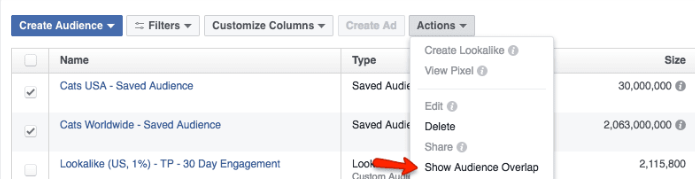
-
Sub-Optimal Ad Engagement and Relevance Diagnostics
Meta prioritizes user experience by delivering ads that generate positive engagement and relevance. If an advertisement receives poor feedback, high negative sentiment, or low click-through rates relative to competitors, the delivery system deprioritizes the asset in favor of more engaging content. Meta measures this via ad relevance diagnostics, which assess quality ranking, engagement rate ranking, and conversion rate ranking.
The Resolution: Improving low relevance rankings requires iterative creative testing. Marketers should overhaul visual assets, refine copywriting hooks, and align post-click landing page experiences with user intent. Industry data suggests that elevating a low ranking to an average benchmark yields a more substantial delivery recovery than attempting to push an average asset into top-tier status. -
Campaign Scheduling and Chronological Errors
Automated systems adhere strictly to temporal parameters established during campaign setup. Deliveries frequently stall due to overlooked scheduling errors, such as expired campaign end dates, manually paused ad sets, or future-dated deployment timestamps that have yet to arrive.
The Resolution: A routine audit of the campaign schedule settings within Ads Manager resolves these discrepancies. Extending end dates, restarting paused campaigns, or adjusting immediate start times re-establishes active delivery channels immediately.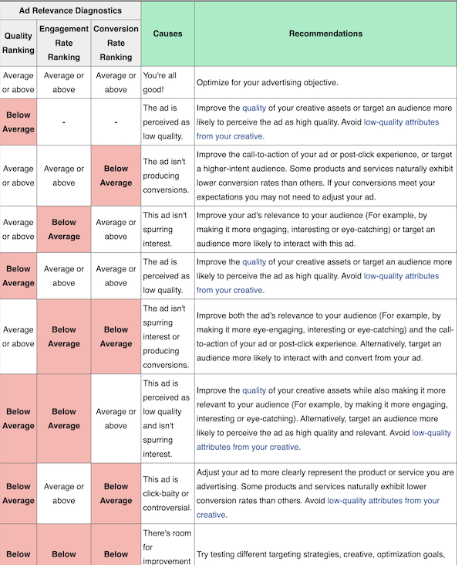
-
Unrealistic Optimization Goals and Low Conversion Volume
The optimization goal assigned to an ad set informs Meta’s machine learning models of the exact consumer action the campaign aims to drive. While optimizing for hard conversions—such as completed purchases or high-value subscription sign-ups—is standard practice, early-stage campaigns or accounts with low traffic volumes often fail to generate enough baseline conversion data for the algorithm to learn effectively. Without these user value signals, delivery grinds to a halt.
The Resolution: Advertisers experiencing conversion-based delivery stalls should temporarily adjust their optimization goals to upper-funnel or mid-funnel actions that occur more frequently, such as landing page views, link clicks, or "add-to-cart" events. Once the algorithm accumulates sufficient engagement data and conversions begin flowing consistently, the optimization goal can be safely shifted back to terminal conversion objectives.