The Rise of Social Media Search Engines and the New Frontier of Digital Discovery

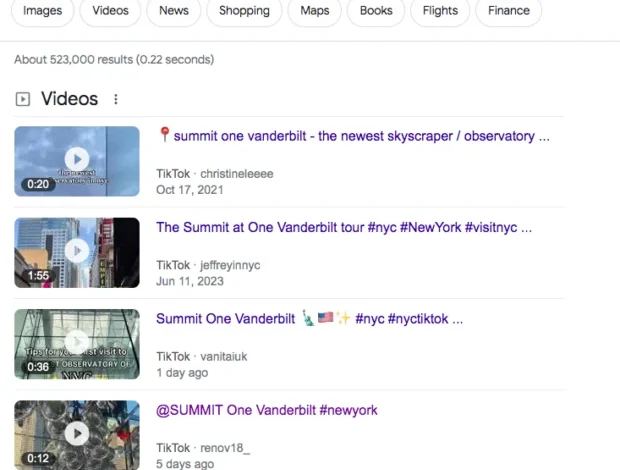
The landscape of internet search is undergoing a profound transformation as social media platforms evolve from simple networking hubs into sophisticated, AI-driven search engines. For a generation of digital natives—specifically Gen Z and Gen Alpha—platforms like TikTok, Instagram, and LinkedIn have supplanted traditional search engines like Google and Bing as the primary entry point for discovering information, evaluating brands, and seeking peer-verified recommendations. This shift represents a departure from algorithmic passivity, where users simply scroll through curated feeds, toward an active, intent-driven pursuit of knowledge.

Data from the Pew Research Center highlights the magnitude of this behavioral change. Approximately 90% of U.S. teens report using YouTube, and 63% utilize TikTok, with one-in-five stating they are on these platforms almost constantly. As these demographics mature, their preference for visual, bite-sized, and authentic content is forcing a radical re-evaluation of search engine optimization (SEO) strategies for global brands and small businesses alike.
The Divergence of Search Philosophies
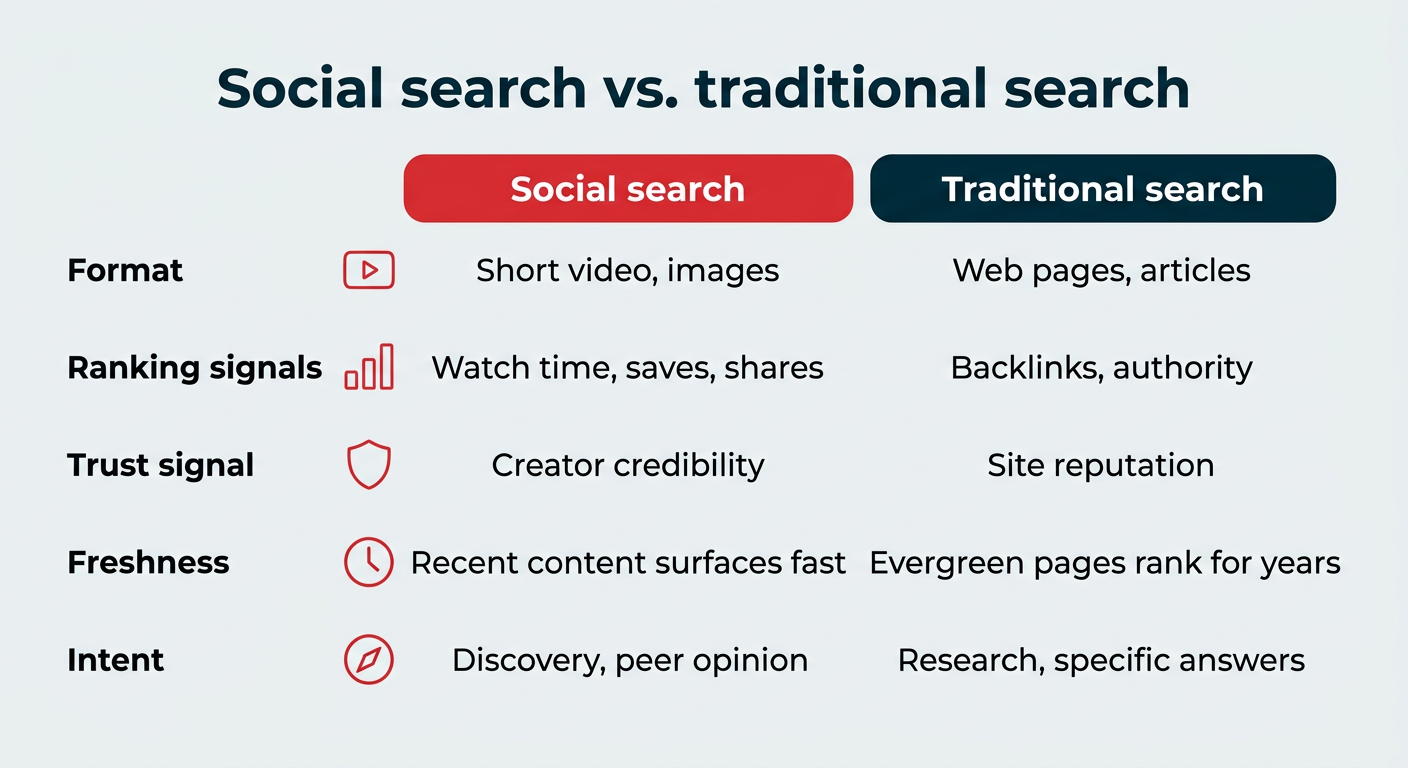
Traditional search engines, such as Google, were built on a foundation of domain authority, backlinks, and structured data. They function by crawling the vast web to categorize pages based on their relevance to a specific text-based query. In contrast, social media search engines prioritize creator credibility, engagement signals, and the freshness of content.

The ranking signals for social platforms are distinct: watch time, save counts, share frequency, and keyword density in captions and on-screen text serve as the primary metrics for success. A fledgling account with no historical domain authority can outrank a long-established industry leader if their content captures audience attention effectively and satisfies the search intent. Furthermore, social search is inherently personalized; results are shaped by an individual’s viewing history, geographical location, and social connections, creating a hyper-relevant experience that traditional search engines have struggled to replicate at scale.

A Chronology of the Social Search Evolution
The integration of advanced search features into social apps has been a calculated, multi-year progression:

- 2020–2022: Platforms began shifting focus from "discovery feeds" to "search intent." TikTok, in particular, recognized that users were utilizing its search bar to find local dining recommendations, product reviews, and educational tutorials.
- 2023: Major platforms introduced AI-assisted search features. This included suggested queries within comment threads and the ability for platforms to read audio transcripts and visual elements within videos to improve indexing.
- 2024–2025: The "Search-as-a-Service" model emerged. TikTok and Instagram began deploying search ads, signaling that search is no longer a secondary utility but a primary revenue-generating surface.
- 2026 and Beyond: The current era is defined by the convergence of social media and traditional search results. Today, content created on social media is routinely indexed by Google, meaning a single, well-optimized TikTok video can capture visibility in both a platform’s internal search and a broader browser-based query.
The Strategic Shift for Marketers
For brands, the implications of this shift are significant. Marketing teams can no longer rely solely on website-based SEO. A "Social SEO" practice is now essential, requiring marketers to think like creators. The objective is to ensure that a brand’s presence is discoverable exactly when a user is in the "discovery" phase of the buying journey—long before they reach the "transactional" phase often associated with Google searches.

This strategy requires a multi-layered approach to content creation:

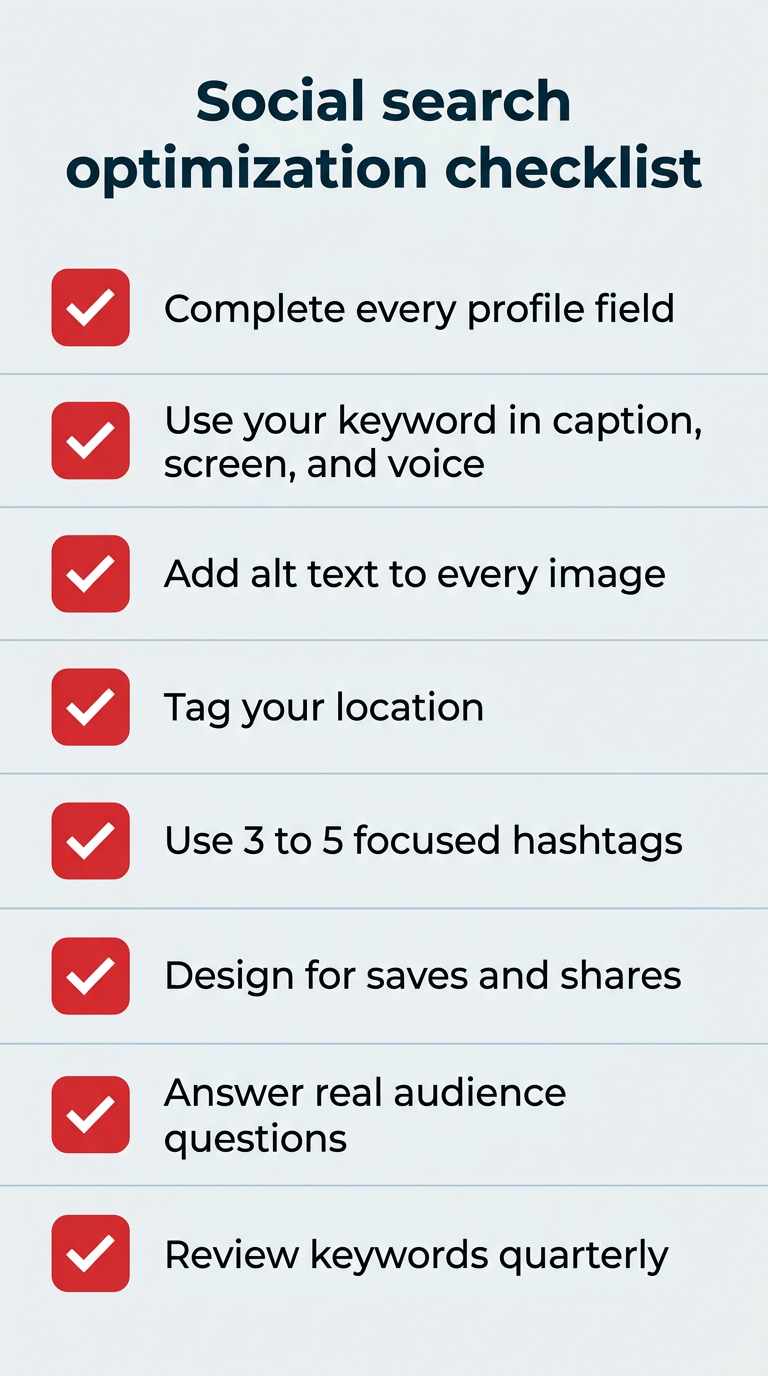
- Keyword Integration: Brands must embed relevant keywords naturally within captions, on-screen text, and even spoken audio. Because platforms use sophisticated speech-to-text technology, verbalizing key terms within a video is a highly effective way to signal relevance to the platform’s AI.
- Visual and Metadata Optimization: Utilizing descriptive alt text for images and precise location tagging is critical. These elements provide the metadata necessary for search engines to categorize content accurately.
- Engagement as a Trust Signal: Because social search algorithms reward high engagement, brands must focus on creating content that encourages "saves" and "shares." These actions are interpreted by the platform as a form of "social proof," signaling that the content provides high utility to the user.
Competitive Intelligence and Social Listening
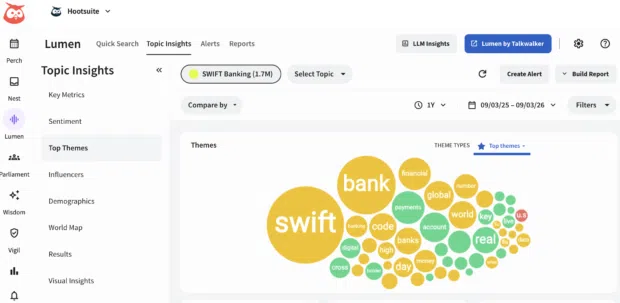
Beyond visibility, social media search functions as a vital tool for competitive intelligence. By monitoring search trends, brands can identify gaps in their market, track competitor performance, and understand the shifting sentiment of their target audience.
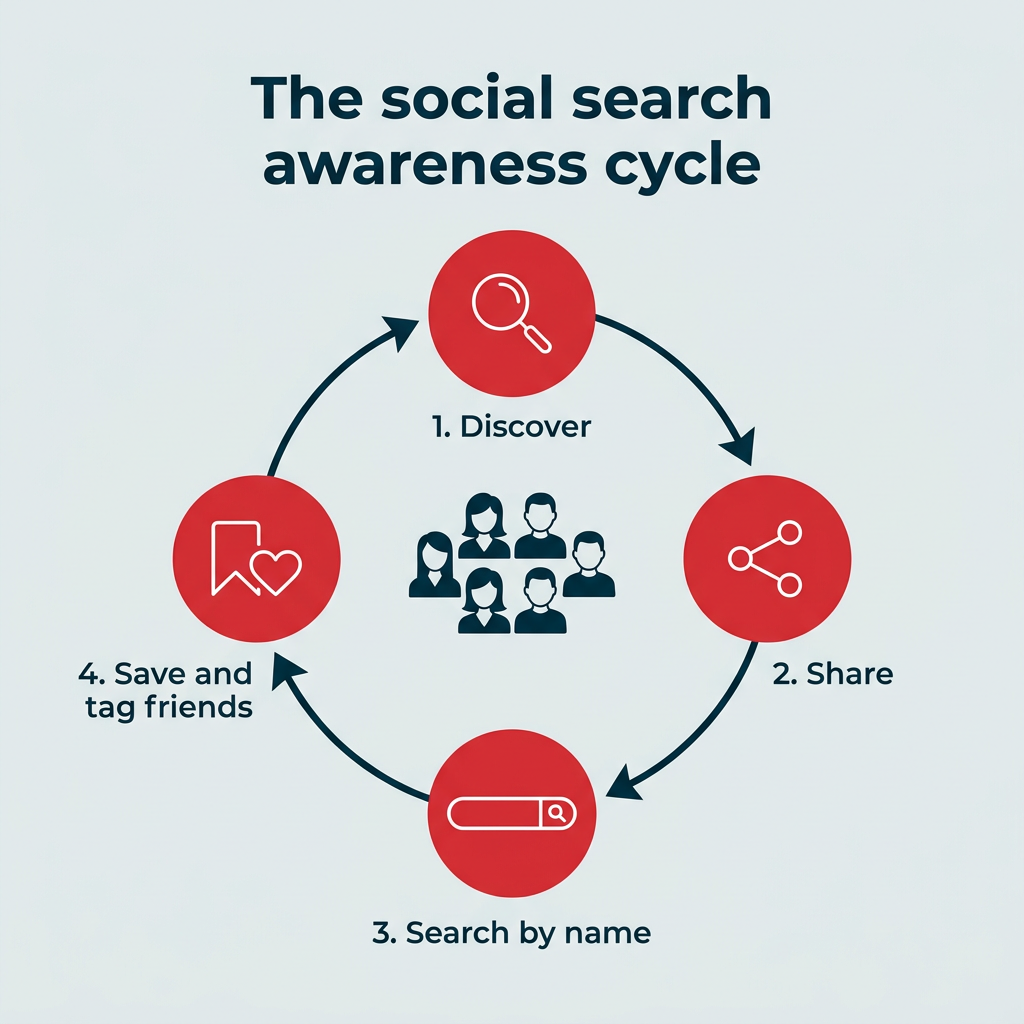
For instance, if a skincare brand consistently notices users searching for "dupes" or "alternatives" to their products, it reveals an immediate opportunity to address pricing concerns or product positioning. Similarly, software companies that observe users searching for "how to export from [Product X]" can immediately address the gap by creating targeted educational content. This real-time feedback loop allows for a more agile response than traditional market research, which often relies on lagging data.

Ethical Considerations and Privacy
As brands scale their social search and monitoring activities, they must navigate a complex web of privacy regulations and platform policies. The collection and storage of social data—even if publicly available—require strict adherence to ethical standards. Organizations must ensure that their monitoring tools comply with the Terms of Service (ToS) of the respective social networks and relevant data protection laws, such as GDPR or CCPA.

Engaging in social listening should be treated as a professional research function. When companies move from passive observation to active data collection, legal and compliance teams should be consulted to ensure that all workflows are governed by clear, transparent policies. Retrofitting privacy compliance after a data strategy has been implemented is significantly more difficult than building it into the process from the outset.
The Future of Discovery
The emergence of social search engines does not signal the demise of Google, but rather a bifurcation in how users consume information. Google remains the powerhouse for deep research, transactional queries, and specific informational retrieval. However, social media has become the "discovery engine" of the modern era—a place where users go for inspiration, peer reviews, and authentic, human-centric solutions.
The brands that thrive in this environment will be those that treat social media as an extension of their search engine marketing strategy. By adopting a mindset that prioritizes search intent, authenticity, and consistent engagement, businesses can ensure they remain visible in an increasingly fragmented digital landscape. The future of discovery is not found in a static list of blue links, but in the dynamic, evolving, and highly social world of short-form video and real-time conversation. As Gen Alpha continues to enter the workforce and the consumer market, the primacy of the social search bar will only continue to solidify, making it a non-negotiable pillar of any comprehensive digital marketing strategy.