The software development ecosystem continues to evolve rapidly, driven by advancements in artificial intelligence integration, cross-platform performance, and developer ergonomics. The June 2026 release cycle introduces a diverse array of open-source utilities, environment orchestrators, security scanners, and terminal-based productivity applications. These tools collectively address persistent industry bottlenecks, ranging from the high cost of executing automated coding agents to the complexities of running native Linux workloads on non-Linux hardware. As engineering teams face increasing pressure to deliver high-performance applications efficiently, the demand for lightweight, zero-dependency, and local-first utilities has reached an all-time high.
Evolution of Development Environments and Containerization
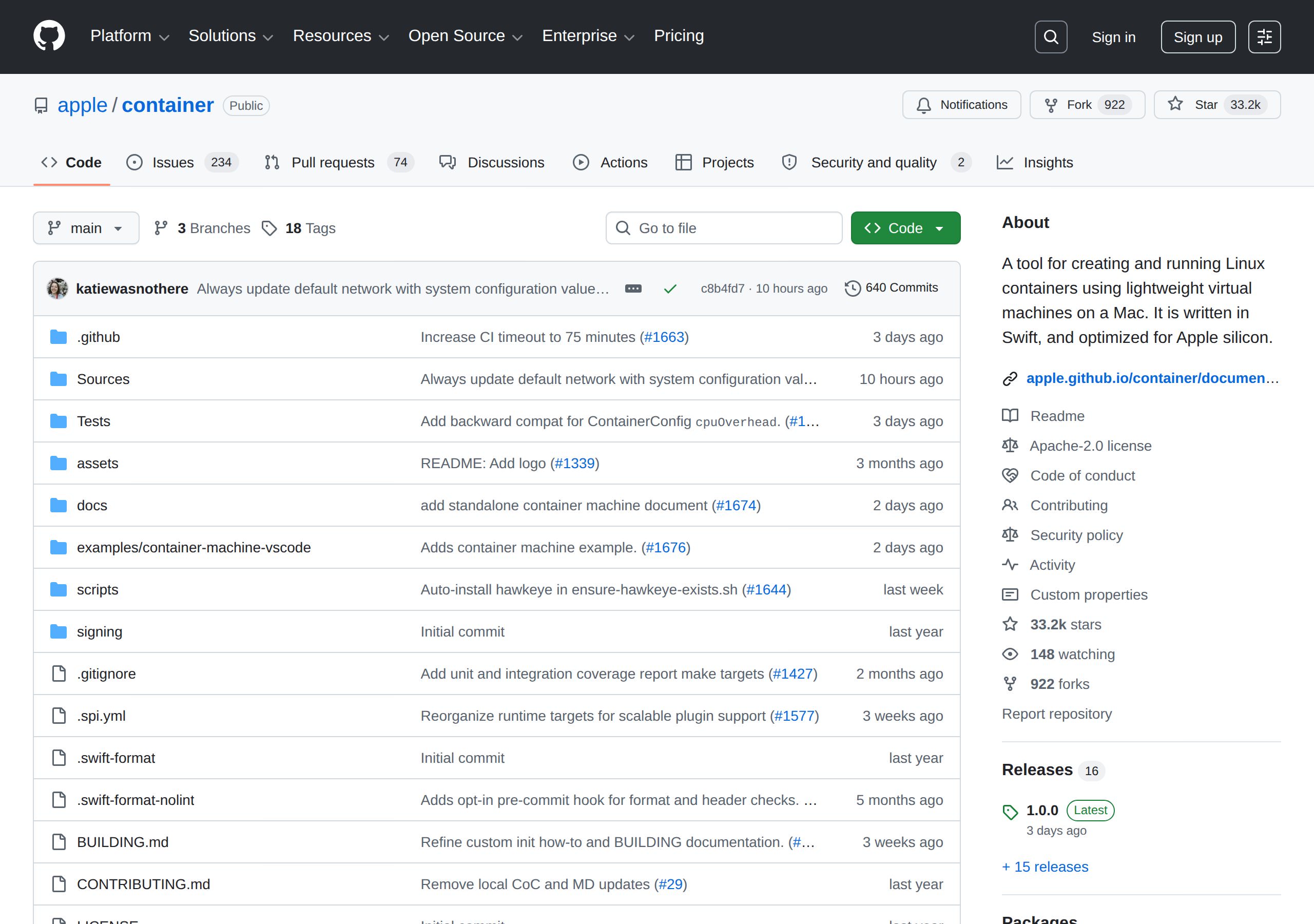
The paradigm of software development environments has shifted fundamentally away from resource-heavy, generalized virtual machines toward isolated, highly portable, and reproducible execution spaces. Among the most notable releases in this domain is Apple Container, an official tool from Apple designed to run Linux containers as lightweight virtual machines on Apple Silicon hardware. Written entirely in Swift and producing OCI-compatible images for macOS systems, this tool eliminates the operational overhead traditionally associated with third-party virtualization software. Industry analysts note that native containerization layers on ARM-based architectures significantly reduce CPU overhead and memory consumption, enabling developers to build and test multi-architecture applications locally before pushing them to cloud infrastructure.
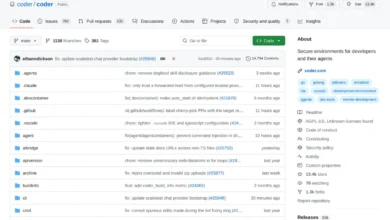
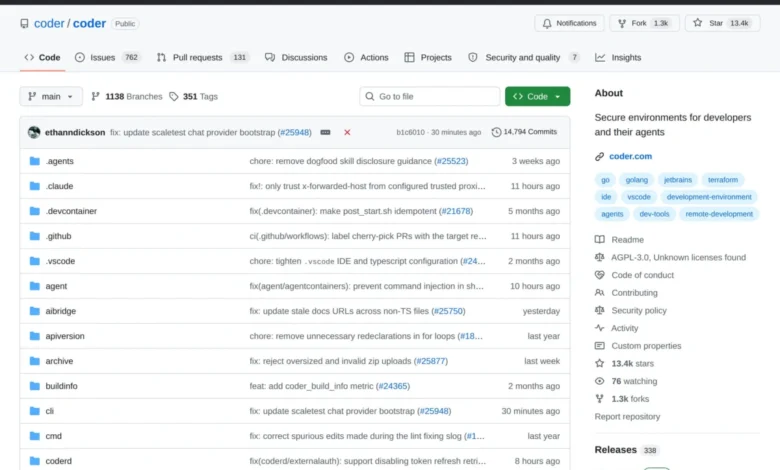
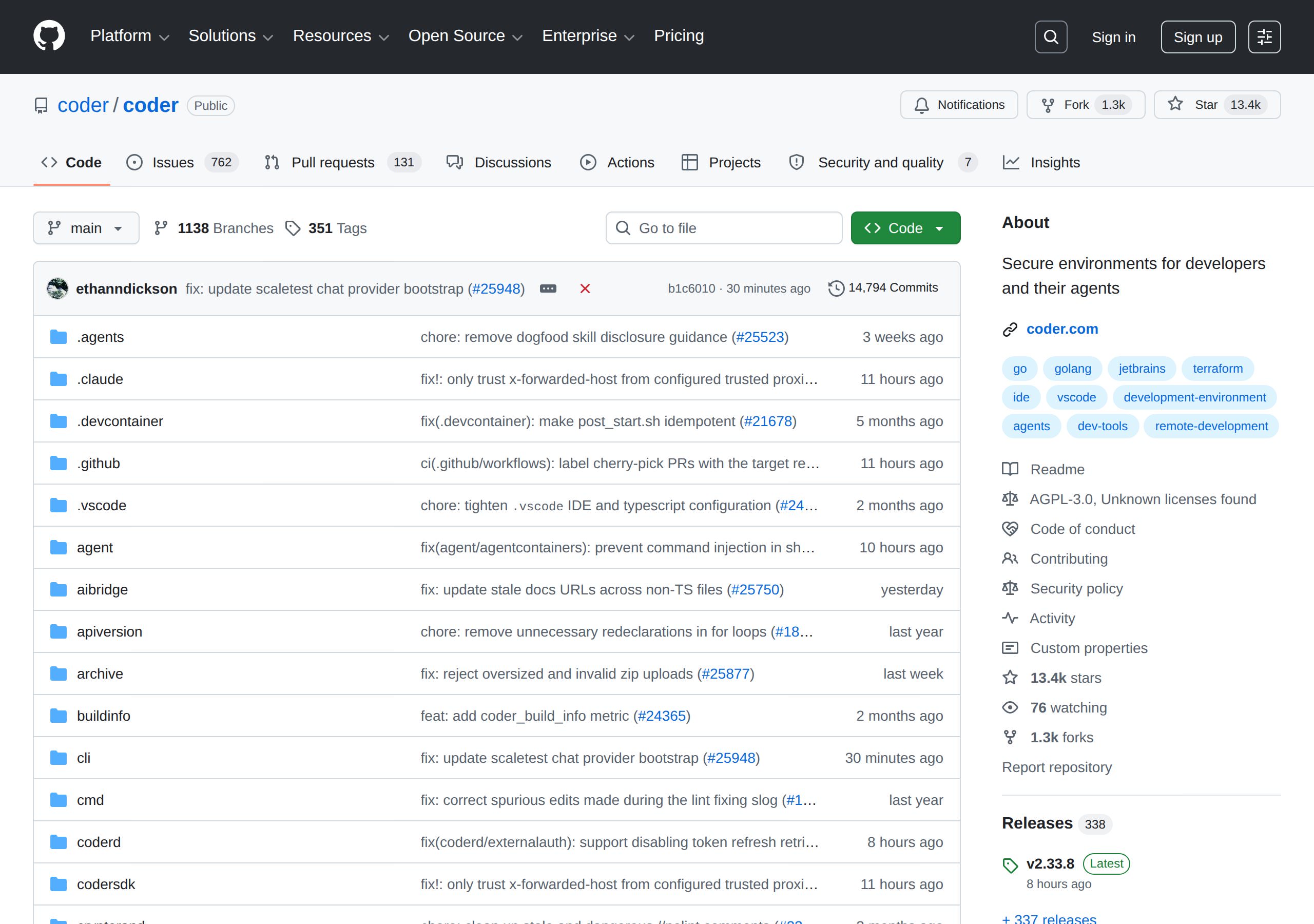
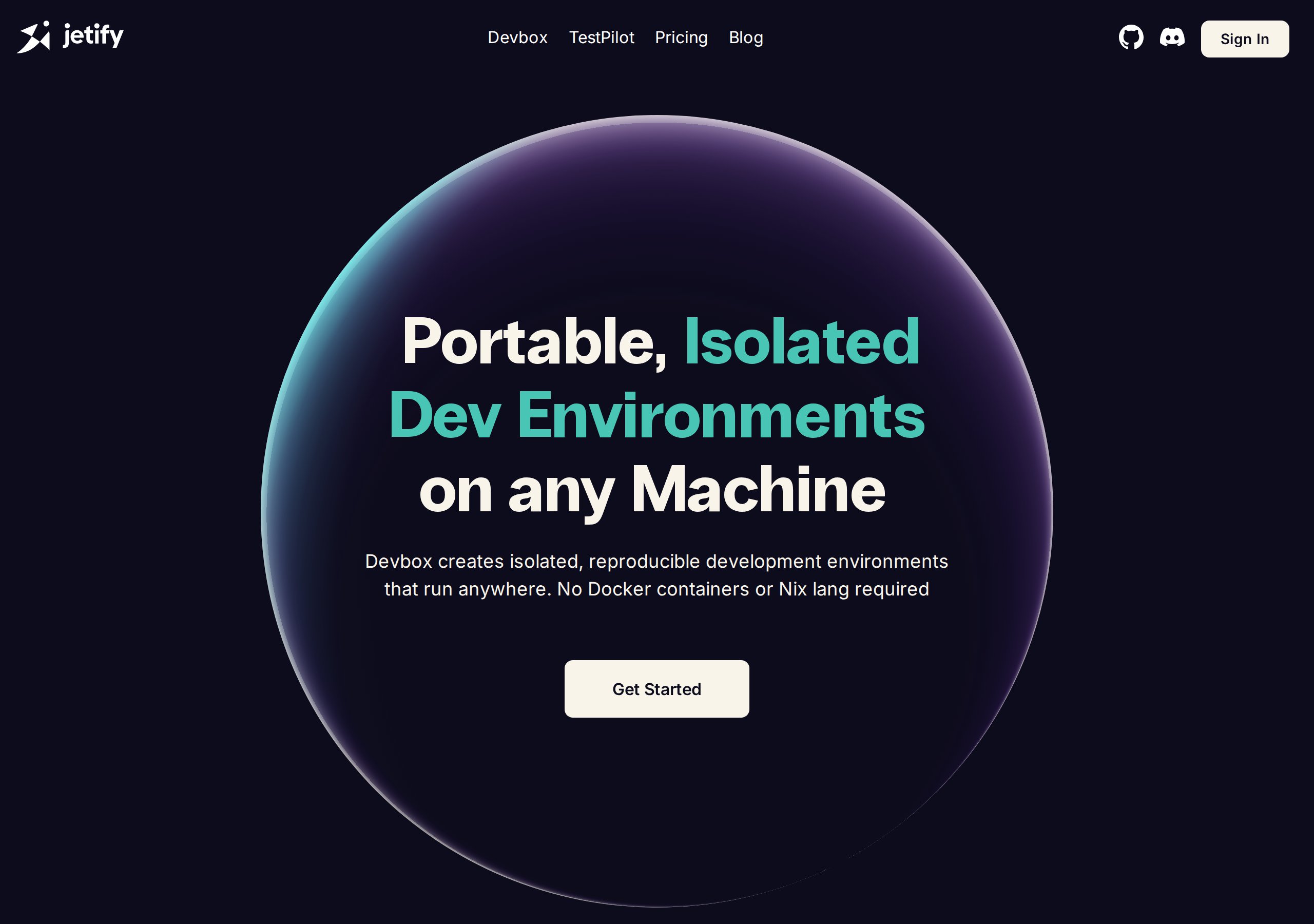
Complementing this hardware-level optimization are environment management tools such as Devbox and Coder. Devbox provides isolated, reproducible development environments via a simple JSON configuration without requiring deep familiarity with Nix or Dockerfiles. By abstracting the complexities of package management across more than 400,000 package versions, Devbox ensures that engineering teams operate within identical runtime parameters. Meanwhile, Coder offers an enterprise-grade, self-hosted platform for cloud development environments defined in Terraform and secured via WireGuard. By shifting workspace execution to Amazon Web Services EC2, Kubernetes, or Docker instances that automatically shut down during idle periods, Coder addresses both infrastructure cost management and workspace reproducibility.
Artificial Intelligence Integration and Cost Optimization
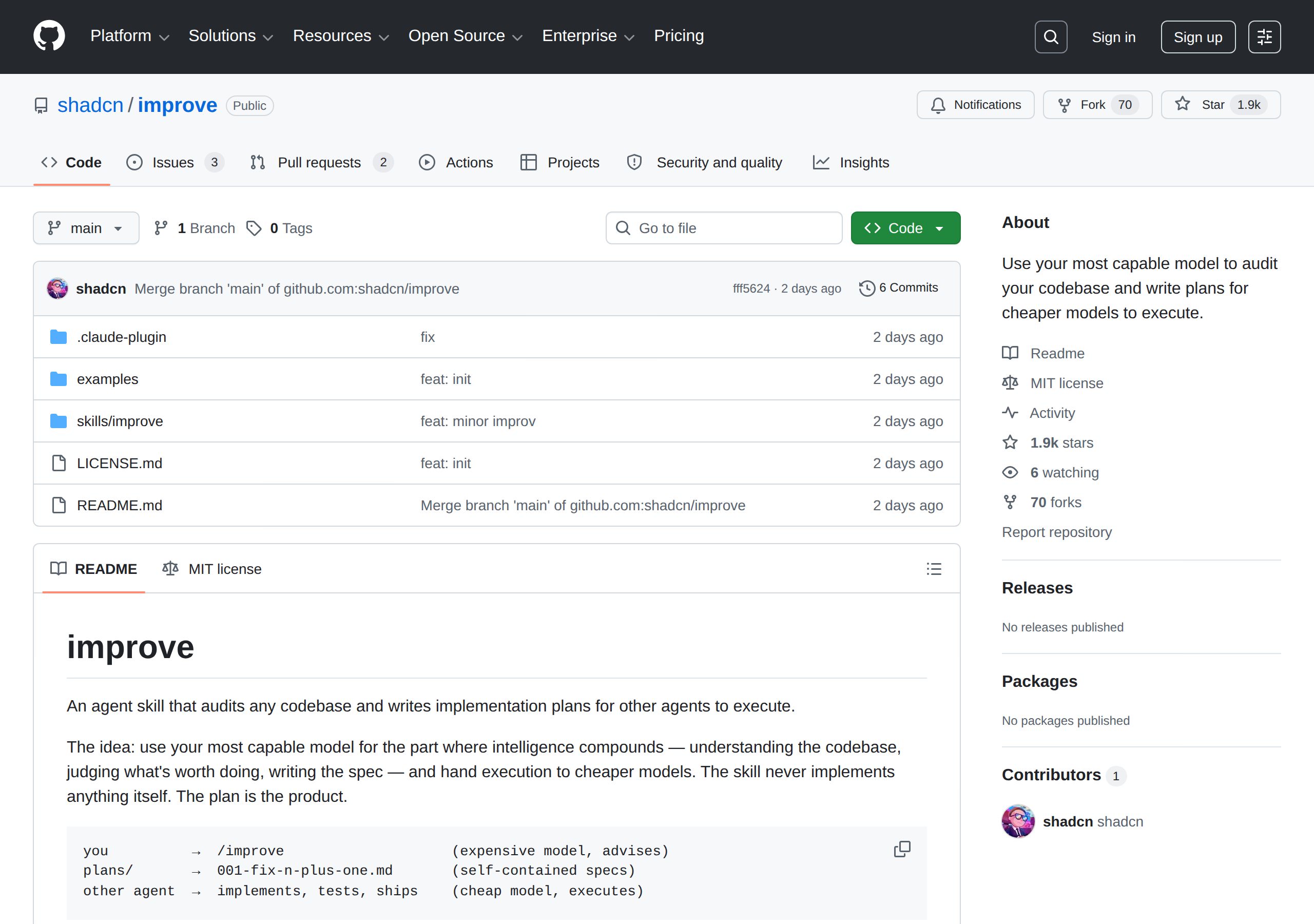
The rapid adoption of AI coding agents across enterprise software development has introduced new challenges, particularly regarding API cost management and cross-platform orchestration. To mitigate the rising expenses associated with large language model execution, the introduction of shadcn/improve provides a specialized capability for AI coding agents to audit codebases and generate precise implementation plans tailored for cheaper execution models. By executing a simple command, development teams receive a prioritized findings table and structured markdown specifications, allowing lower-cost models to execute complex coding tasks without sacrificing architectural integrity or code quality.
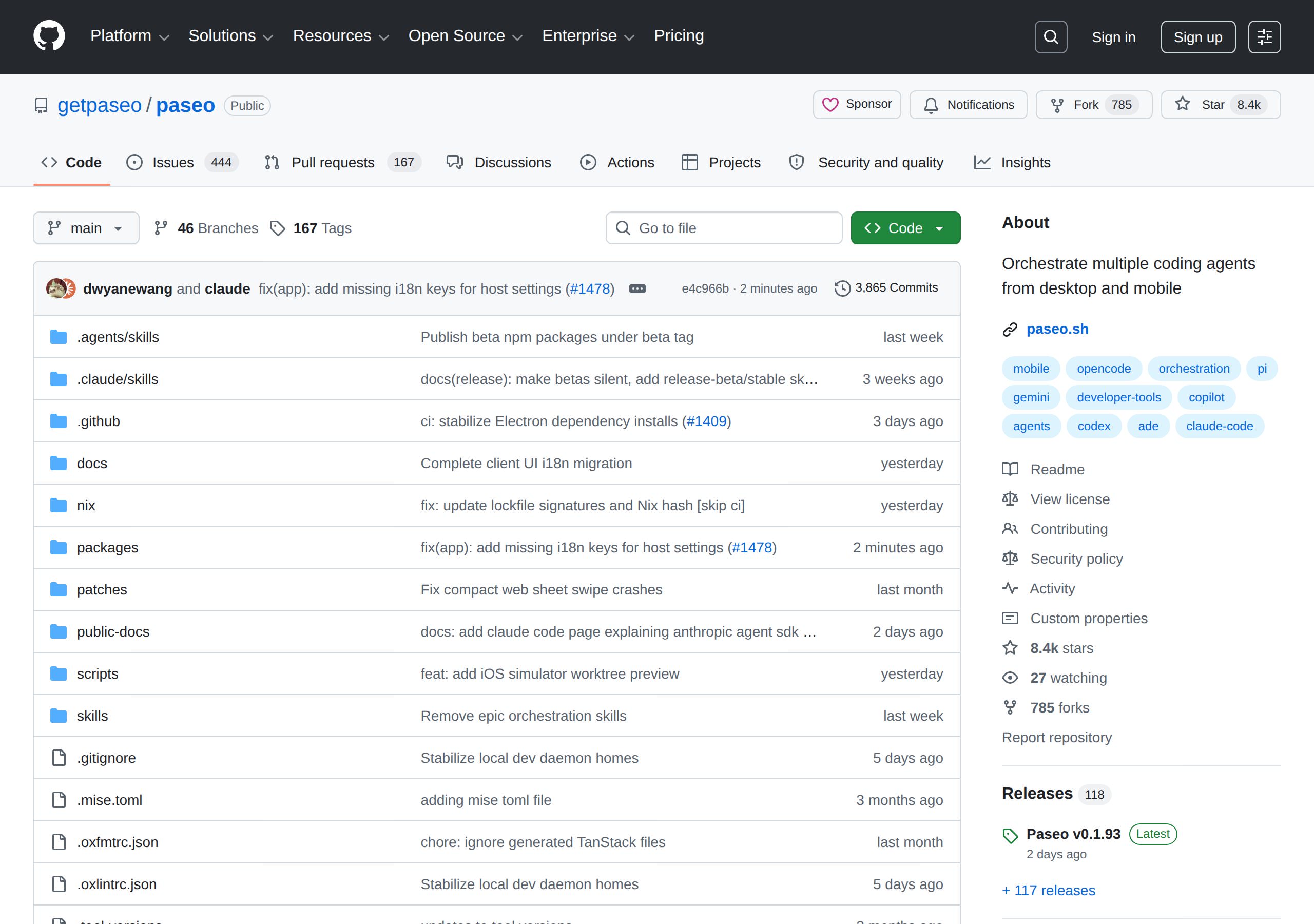
To address the fragmentation of AI tooling, the release of Paseo offers a centralized, self-hosted orchestrator for managing multiple coding assistants, including Claude Code, Codex, GitHub Copilot, OpenCode, and Pi agents. Operating locally as a daemon with zero telemetry, Paseo supports cross-platform access via desktop, mobile clients, and command-line interfaces, even incorporating voice dictation capabilities on iOS and Android. This orchestration layer enables developers to maintain a unified workflow while utilizing diverse AI models, significantly reducing the cognitive load of switching between proprietary agent interfaces. Furthermore, programmatic media generation tools such as HTML Video allow AI agents to translate textual documentation, code repositories, or natural language prompts directly into MP4 files using headless rendering pipelines.
Frontend Engineering, Performance, and Micro-Interactions
Frontend developers face continuous user-expectation metrics regarding page load speeds, micro-interactions, and visual fidelity. Performance optimization tools released this cycle focus heavily on predictive user behavior and low-level asset handling. ForesightJS introduces a lightweight JavaScript library designed to predict user intent by analyzing mouse movements and keyboard navigation patterns, automatically prefetching content to improve perceived application performance. Operating with zero configuration and offering dedicated integrations for React and Vue, the library addresses the latency gap in modern single-page applications.
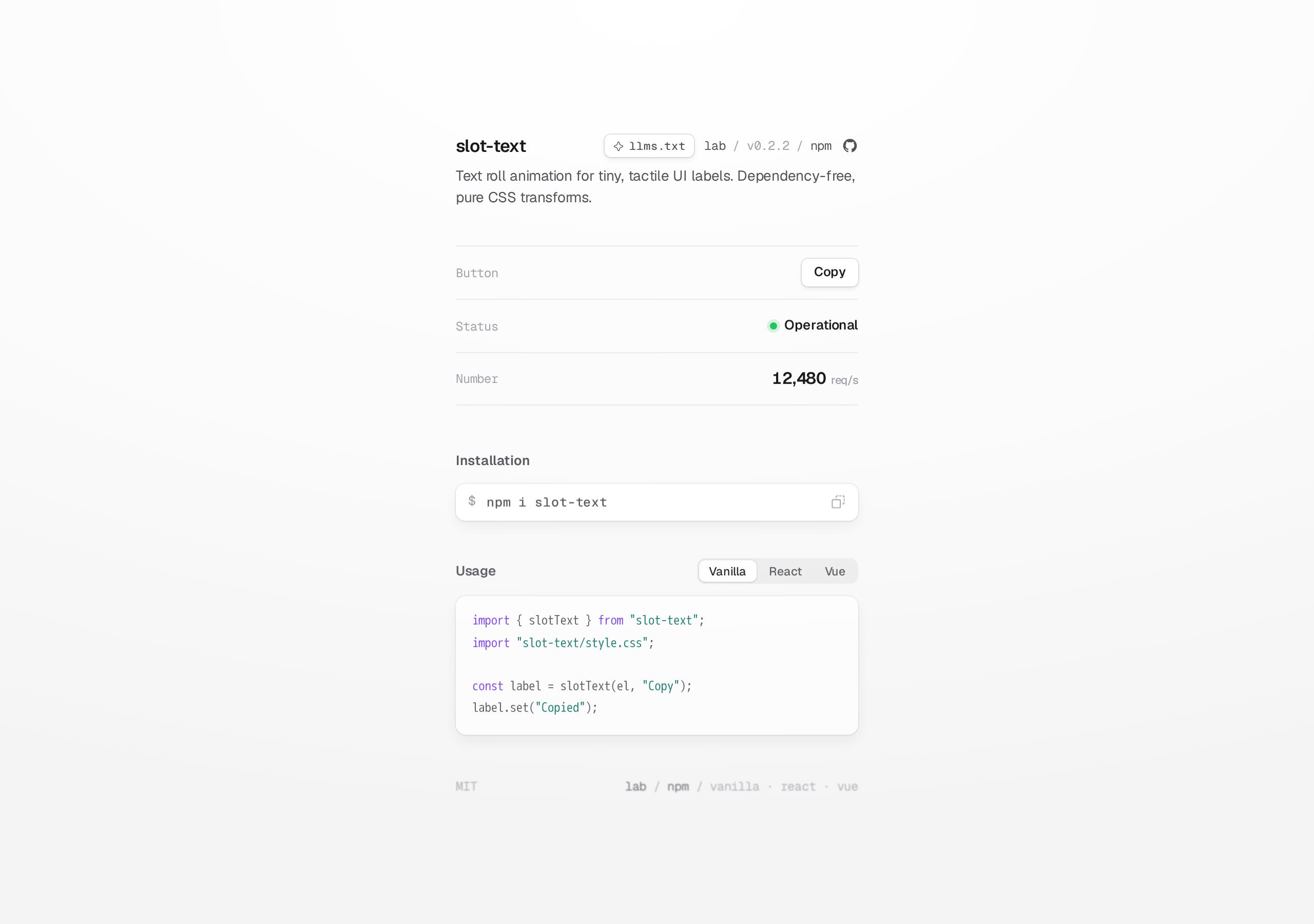
In the realm of UI animations, TextMotion provides a dependency-free text roll animation library utilizing pure CSS transforms to execute slot-machine-style label transitions. By avoiding the overhead of heavy animation frameworks, UI developers can implement polished micro-interactions efficiently. Visual asset handling has also seen significant modernization. Lumen, a browser-based shader playground, allows frontend engineers and generative artists to create looping abstract art via WebGL with zero dependencies, supporting seed-based sharing and direct exports to PNG, video, and GIF formats.
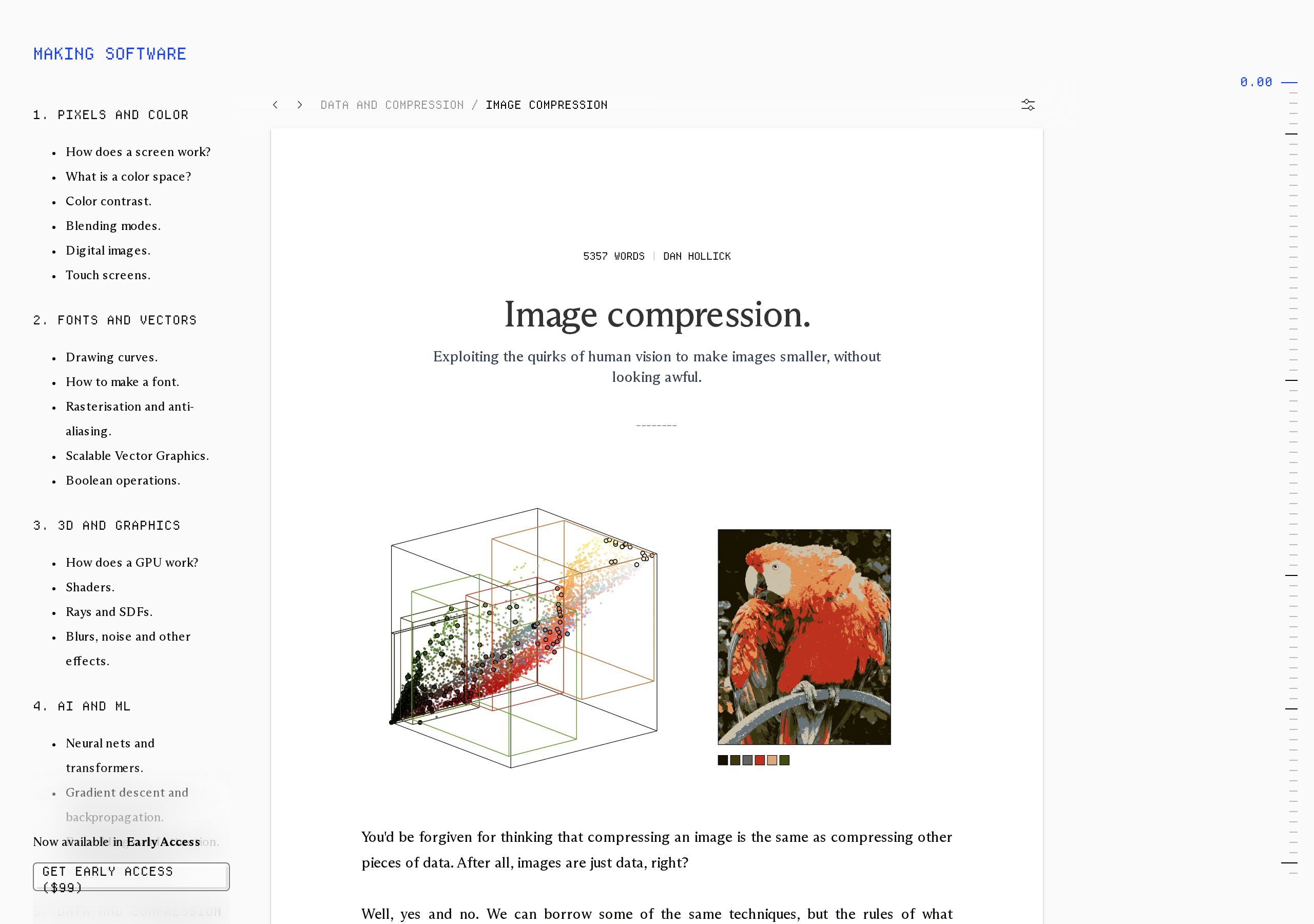
Deepening technical understanding, the publication of the "Image Compression" chapter by MakingSoftware provides foundational insights into how modern codecs, entropy coding, and human vision principles combine to minimize file sizes. Understanding these underlying mechanisms remains crucial for frontend engineers striving to optimize Core Web Vitals and reduce bandwidth consumption.
Terminal Productivity and System Monitoring
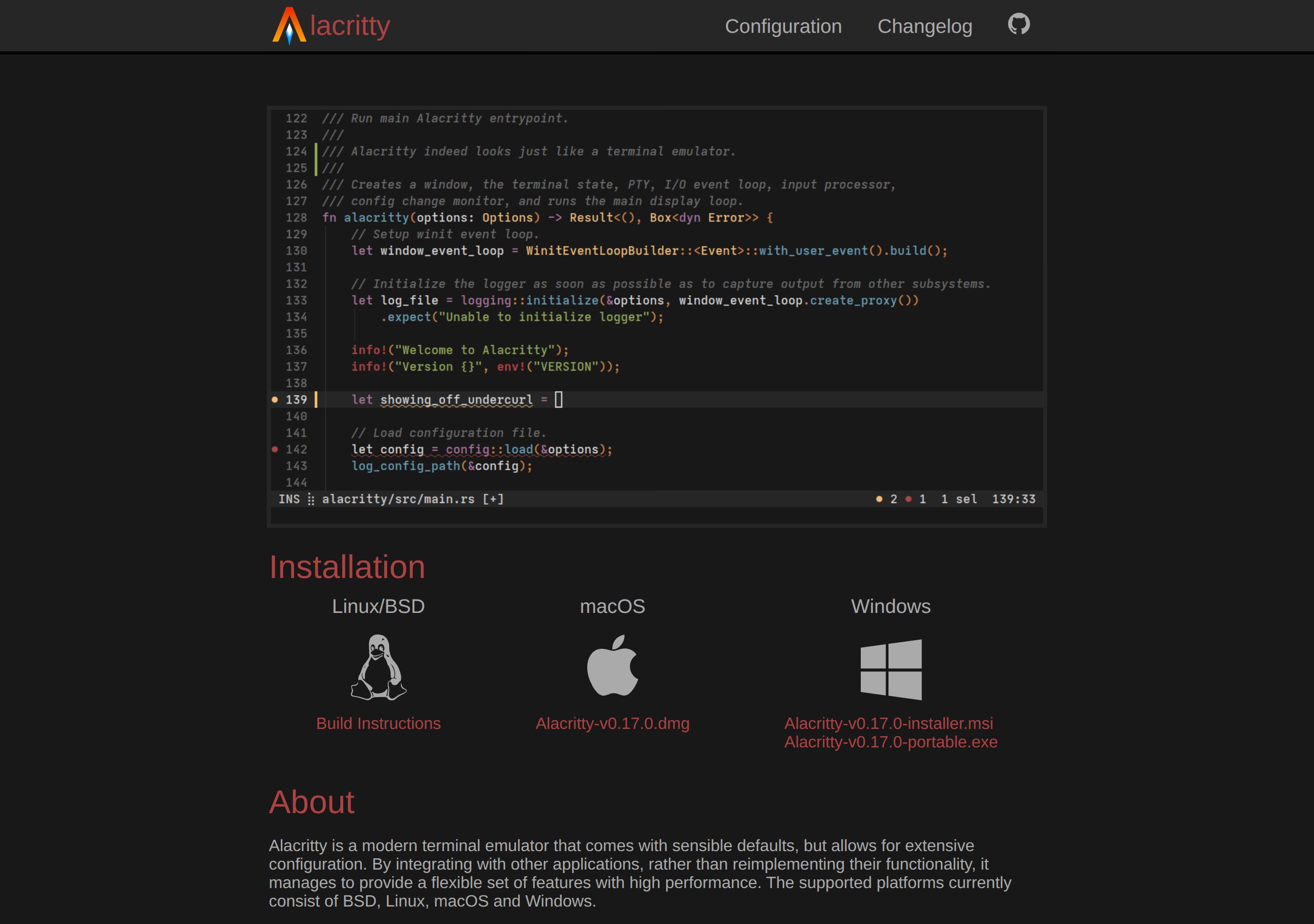
The resurgence of terminal-centric workflows continues to shape backend and systems engineering. Developers increasingly favor keyboard-driven, resource-efficient utilities that eliminate graphical user interface bloat. Alacritty leads this category as a cross-platform terminal emulator featuring OpenGL-accelerated rendering, Vi mode, regex search hints, and YAML-based configuration, delivering sub-millisecond visual response times.
System observability and filesystem navigation have similarly been enhanced by Rust- and Go-based utilities. Bottom (btm) provides a rich terminal system monitor with dedicated widgets for CPU, memory, disk, network, and process activity, offering a more granular and customizable interface than traditional tools like htop. For rapid navigation, Zoxide serves as a high-performance replacement for the standard cd command, utilizing fuzzy matching algorithms to learn directory navigation habits across Bash, Zsh, Fish, and PowerShell environments. Additionally, Sheets offers a terminal-based spreadsheet application written in Go, featuring Vim-style keybindings for inspecting, editing, and querying CSV files directly within the command line.

Data Acquisition, Security Auditing, and Document Typesetting
Data scraping and external security postures represent critical operational concerns for web developers. Ferret introduces a declarative web scraping language, FQL, which allows engineers to specify required data structures rather than writing imperative extraction scripts. Running through an embeddable Go runtime, Ferret simplifies data acquisition across web pages and APIs while bypassing complex anti-bot countermeasures. Similarly, Botasaurus provides a Python-based web scraping framework with built-in Cloudflare evasion, account generation, and automated error-debugging states.
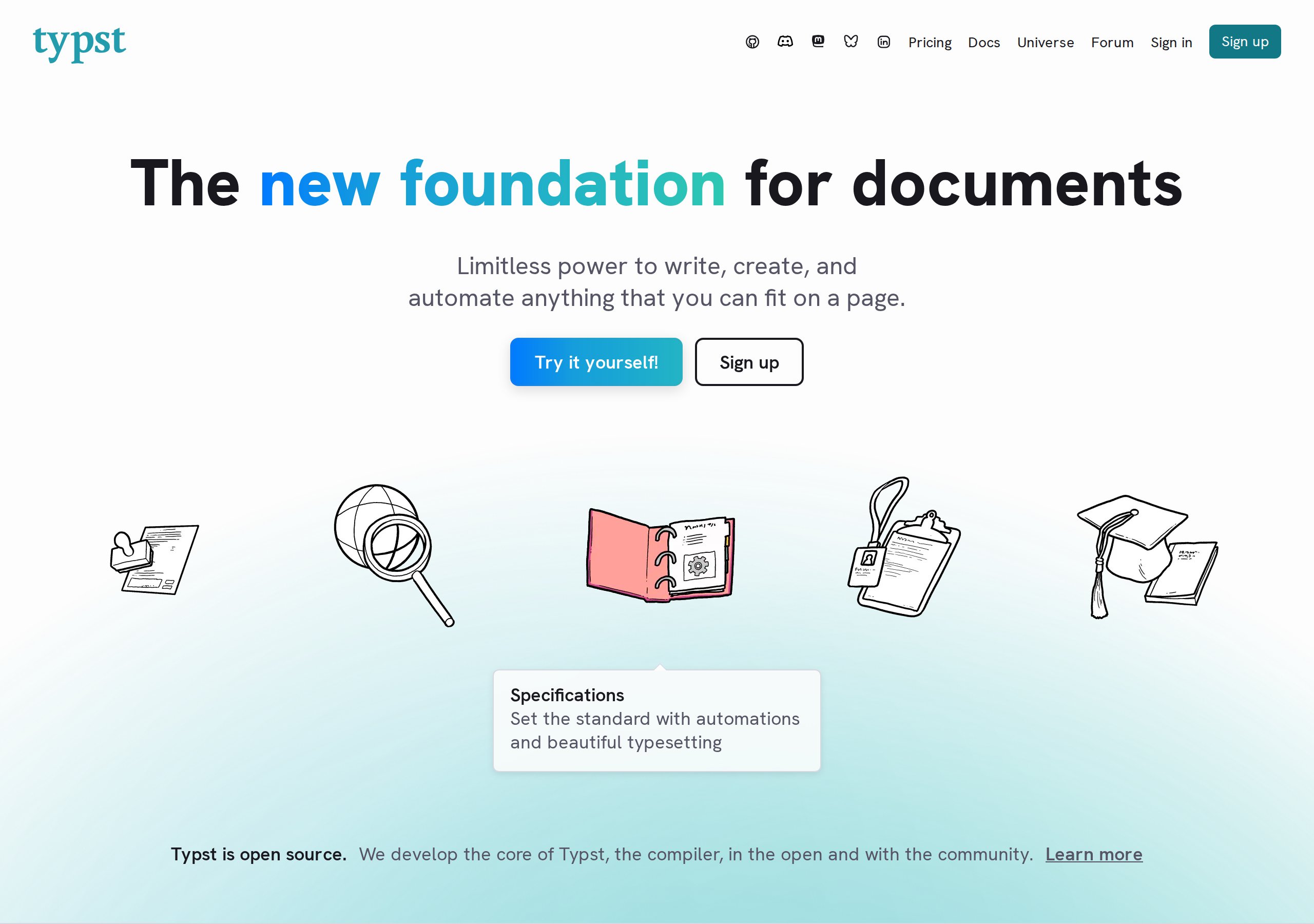
Security awareness has been streamlined through tools like WebCheck, an open-source utility that analyzes URLs in under 20 seconds to reveal DNS configurations, SSL certificates, open ports, and potential vulnerabilities without requiring complex enterprise setup. For disaster recovery, Restic delivers secure, encrypted, and deduplicated file backups via a single binary supporting local storage, SFTP, and major cloud object storage providers. Finally, document creation has advanced through Typst, a markup-based typesetting system compiled locally or in the browser, offering a fast, modern alternative to LaTeX for technical writers and researchers.
Related posts: