Navigating the Global Regulatory Shift: How Social Media Bans are Reshaping Digital Marketing

The digital landscape is undergoing a profound transformation as governments worldwide move to restrict youth access to social media platforms. Driven by rising public concern over the mental health impacts of doom-scrolling, algorithmic addiction, and the normalization of harmful content, the era of unfettered social media access for minors is rapidly drawing to a close. For global brands and marketing professionals, this legislative wave represents more than just a change in user demographics; it signifies a structural shift toward a highly regulated, age-verified digital ecosystem that demands greater transparency, ethical rigor, and strategic agility.
The momentum behind these policies is substantial. According to the Q1 2026 Pulse Survey conducted by Sprout Social, 68% of consumers express support for legislative bans on social media for children. This sentiment is particularly pronounced among parents, who increasingly view the platforms as detrimental to the developmental well-being of their children. As lawmakers respond to this public mandate, the legal landscape is shifting from voluntary platform guidelines to mandatory, government-enforced restrictions.
A Chronology of Regulatory Intervention
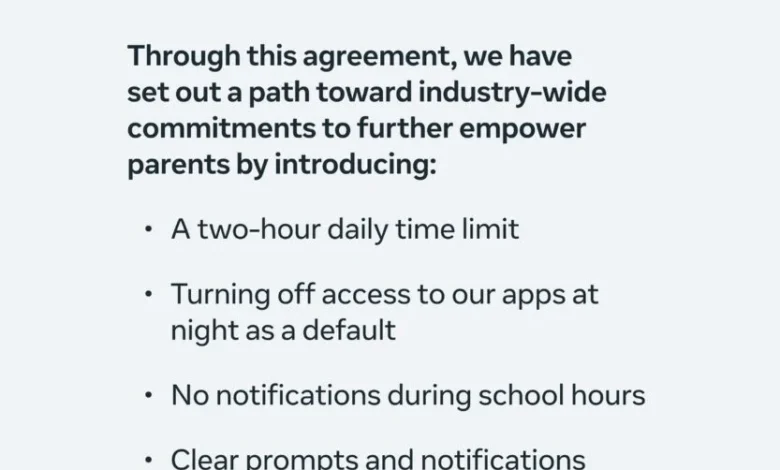
The path to current restrictions has been marked by a transition from industry self-regulation to judicial and legislative intervention. Historically, social media networks operated with minimal oversight, relying on internal "community standards" to manage user behavior. However, the 2026 Meta youth safety settlement marked a definitive turning point. As part of a landmark legal resolution, Meta agreed to implement stringent safeguards across Instagram and Facebook, setting a precedent that has effectively forced other major platforms, including TikTok, YouTube, and Snapchat, to accelerate the adoption of similar protective measures to avoid further litigation.
This shift has moved from the courtroom to the halls of government. In the United Arab Emirates, strict age-based usage tiers have already been implemented, prohibiting personal accounts for those under 15 and placing significant limitations on users aged 15-16. Similar legislative efforts are gaining ground in Southeast Asia, with Malaysia and Indonesia moving to enforce age-verification requirements. In Europe, the discourse is even more centralized, with the European Commission advocating for a bloc-wide standard that would restrict social media access for users aged 16 and under. While some efforts—such as those in France—have faced judicial challenges regarding freedom of expression, the trend remains clear: the burden of compliance is shifting squarely onto the shoulders of platform operators.
The Anatomy of Proposed Restrictions
Governments are currently testing several distinct models to achieve youth safety, each carrying different implications for digital reach and brand strategy. The most common approach involves mandatory age verification coupled with parental consent requirements. This model essentially creates a "gated" internet for minors, requiring verification at the account creation level.
A second, more granular approach focuses on design and algorithmic restrictions. Rather than banning minors outright, this model mandates that platforms disable personalized, algorithmic feeds and aggressive notification systems for users under a certain age. From a marketing perspective, this is perhaps the most disruptive model, as it removes the ability to rely on viral algorithmic distribution to reach younger demographics.
Finally, some jurisdictions are exploring "App-Store level" regulation, which shifts the duty of compliance from the social media networks themselves to the gatekeepers of mobile ecosystems, such as Apple and Google. By requiring age verification at the point of download, these entities would effectively block access before an account is even created, creating a significant barrier to entry for younger users.
Implications for Global Brands and Marketing Teams
For the professional marketing community, these changes necessitate a departure from the "blanket" content strategies that defined the early 2020s. The practice of mass-market, algorithm-dependent content distribution is becoming increasingly unsustainable. As Sam Morgan-Smith, Head of Social at the UK-based agency The Romans, notes, the days of "throwing confetti" on social media are over. Brands are now required to develop age-aware, legally defensible content strategies that account for regional variations in legislation.

The implications for brand safety are equally critical. Marketing teams must now treat compliance as an integrated function of their workflow rather than an afterthought. This involves the development of robust governance playbooks that detail what is permissible by age, region, and platform. Furthermore, the reliance on first-party data is becoming paramount. As third-party targeting becomes more restricted due to privacy laws and youth-protection legislation, brands must cultivate direct relationships with their audiences through verified, consensual channels.
Tiffany Sayers, co-founder of the Australian agency Loft Social, emphasizes that the shift toward stricter regulation should be viewed as an opportunity for operational maturation. "We need to move beyond relying solely on platform policies and start embedding internal frameworks," Sayers states. "This includes tighter briefs with age-appropriate messaging, stronger vetting processes, content archiving, and moderation protocols."
The Return to Real-World Immersion
In response to the tightening of digital access, many brands are rediscovering the value of "in-real-life" (IRL) marketing. This is not a retreat from the digital space, but a tactical pivot toward hybrid ecosystems. By combining digital influence with physical activations—such as pop-up experiences, university-based events, and experiential retail theater—brands can foster deeper connections that transcend the limitations of algorithmic feeds.
This hybrid approach allows brands to maintain a presence among younger demographics while bypassing the friction created by digital age-verification barriers. User-generated content (UGC) and ambassador-led campaigns continue to offer high engagement rates, provided they are seeded through channels that respect the evolving regulatory boundaries.
Analysis: A Maturing Media Environment
The current regulatory climate suggests that social media is entering a period of institutional maturation. Much like the transition of television from a Wild West of advertising to a highly regulated medium with strict content standards and time-based programming, social media is being forced to account for its societal impact.
While these changes create immediate friction for marketing budgets and reach metrics, they also offer a path toward a more sustainable and trustworthy digital environment. By championing network accountability and prioritizing ethical engagement, brands can help shape the future of these platforms. The focus of social media metrics must shift from simple vanity figures—such as likes and broad reach—to metrics that reflect genuine engagement and trust.
For global brands, the key to navigating this transition is agility. The landscape of social media legislation will continue to be fluid, with new laws appearing and evolving in real-time. Compliance, therefore, must be treated as a dynamic process rather than a static goal. Organizations that invest in comprehensive governance training, cross-departmental collaboration, and robust data-handling practices will be best positioned to thrive in this new, regulated era.
Ultimately, the restriction of youth access to social media is a structural correction that mirrors larger societal concerns regarding digital health and privacy. Brands that anticipate these shifts, rather than reacting to them, will find that they are not just complying with the law, but building a more resilient, transparent, and authentic brand identity in the process. As the digital ecosystem matures, the winners will be those who recognize that the value of an audience lies not in its size, but in the quality and legality of the connection maintained with it.