Jordan Brand Pivots Beyond Footwear With Strength Training Line Amid Nike Market Realignment

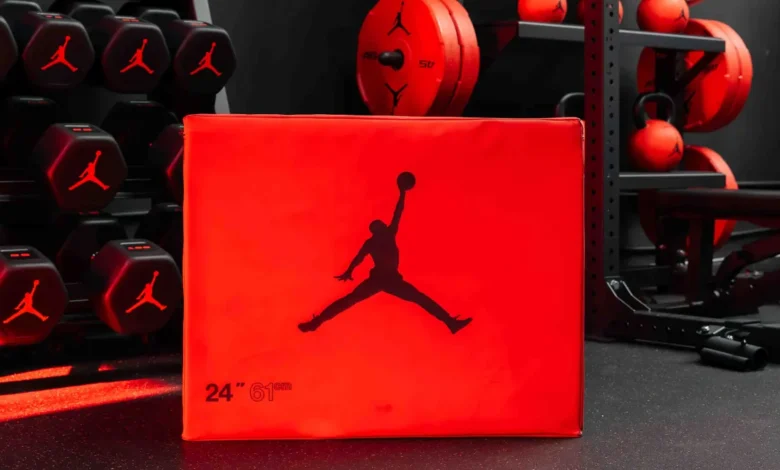
The launch of the Jordan Strength collection marks a strategic pivot for Nike and its iconic subsidiary, steering the brand into performance equipment inspired by the competitive legacy of basketball legend Michael Jordan. Unveiled to target both home gym enthusiasts and elite training facilities, the new equipment line features design motifs that pay direct homage to Jordan’s six NBA championships. This major product expansion arrives at a critical juncture for the parent company, which is navigating a complex corporate turnaround characterized by shifting consumer preferences, retail footprint adjustments, and broader macroeconomic hurdles.
Expanding the Legacy: The Genesis of Jordan Strength
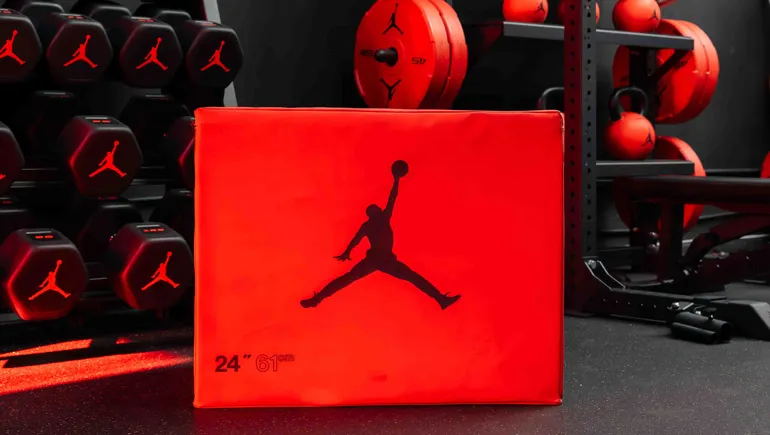
For decades, the Jordan Brand has functioned as a cultural titan anchored primarily by basketball footwear and lifestyle apparel. The introduction of Jordan Strength represents a calculated diversification strategy, pushing the brand deeper into the functional fitness and heavy training equipment sector. According to company statements, the line is meticulously engineered to cater to a broad spectrum of athletes, ranging from everyday fitness participants building personal home gyms to professional-grade athletic facilities requiring robust, high-performance gear.
The design philosophy of the Jordan Strength collection deeply integrates the competitive ethos of Michael Jordan. Equipment pieces feature subtle yet distinct design nods to his historic six NBA championships with the Chicago Bulls, merging elite athletic utility with brand heritage. By moving into strength training hardware, Nike aims to capture a larger share of the booming wellness and home-fitness market, capitalizing on consumer habits forged and sustained during and after the global health crises of the early 2020s.
Navigating Inventory Challenges and Footwear Rebalancing
The debut of the strength training equipment coincides with a broader operational re-evaluation inside Nike. In previous quarters, Nike leadership openly addressed the reality that the company had become overindexed on its most historic and classic footwear franchises. Core product lines such as the Air Force 1, Air Jordan, and Dunk had saturated the market, leaving the company vulnerable to shifting trends and fatiguing consumer demand.
Last year, Nike CEO Elliott Hill outlined a strategic roadmap focused on rightsizing inventory and diversifying the product assortment. The objective has been to reduce dependency on legacy footwear silhouettes and cultivate fresh demand across sportswear and performance categories. However, this transition has faced notable headwinds.
During Nike’s Q4 2026 earnings call, Hill offered a candid assessment of the ongoing turnaround, noting that the company is currently not living up to its full potential. He specifically highlighted challenges within Nike Sportswear and Jordan Streetwear, where sell-through rates have remained sluggish. These soft sell-through numbers have subsequently impacted current pricing structures, forcing increased promotional discounting and dampening future order books. Nike financial projections indicate that the Jordan Streetwear category will likely post negative growth numbers throughout the current fiscal year, with meaningful recovery and stabilization anticipated only in the back half.
Financial Headwinds and Evolving Revenue Realities
The strategic diversification into equipment comes against a backdrop of subdued financial performance for the broader Nike enterprise. In its Q4 earnings report, Nike posted a 1% year-over-year revenue decline, bringing quarterly revenue to $11 billion, while full-fiscal-year revenue remained flat at $46 billion. Compounding these pressures, corporate leadership downgraded guidance for the first half of the upcoming fiscal year, projecting revenue drops ranging from low- to mid-single digits as restructuring efforts continue.
Market valuation and institutional confidence have also faced tests. Nike was dropped from the prestigious S&P 100 index, though it retained its position within the broader S&P 500. Financial analysts have viewed this demotion as a physical manifestation of the company’s recent struggles. Neil Saunders, managing director at GlobalData, noted in previous commentary that the index removal underscores Nike’s broader structural challenges and its loss of corporate value as management attempts to steer the business back onto a growth trajectory.
Transforming the Retail Footprint and Marketplace Strategy
Parallel to its product diversification and inventory rightsizing, Nike is actively overhauling its physical retail footprint. In recent months, the company has quietly initiated the closure of several neighborhood local stores, including select units under the Nike Live and Well Collective banners.

Corporate spokespersons have described these localized closures as a necessary component of a grander strategy aimed at forging "Nike’s future marketplace." This restructuring involves pulling back from underperforming physical concepts to concentrate resources on high-impact digital channels, wholesale partnerships, and flagship brand experiences. The closure of neighborhood storefronts reflects a disciplined approach to capital allocation, ensuring that retail operations align with modern consumer shopping patterns rather than legacy brick-and-mortar models.
Broader Industry Implications and Future Outlook
The simultaneous introduction of Jordan Strength and the contraction of Nike’s traditional retail footprint illustrate a dual-track strategy: aggressive product innovation coupled with rigorous internal cost control and portfolio pruning.
For the fitness industry, the entry of Jordan Brand into strength equipment introduces formidable competition to established fitness hardware manufacturers. By leveraging the immense cultural equity of the Jordan name, Nike has a distinct advantage in capturing the attention of consumers who prioritize brand identity alongside training performance.
For the financial markets and athletic apparel sector, the coming quarters will serve as a critical test for CEO Elliott Hill’s leadership team. Success will depend heavily on whether new ventures like Jordan Strength and targeted assortment diversification can offset ongoing softness in legacy streetwear and footwear lines. As Nike works to rebuild its profit margins, regain lost market share, and restore investor confidence, the ability of non-footwear categories to scale successfully will likely determine the pace and strength of the company’s multi-year turnaround.
Related posts: