Mastering Social Media Efficiency: A Strategic Guide to Automation in Modern Marketing

The contemporary digital landscape has placed an unprecedented burden on social media marketing teams, who are increasingly tasked with maintaining a perpetual, high-quality presence across a fragmented ecosystem of platforms. As organizations scale their digital footprints to include more channels, the operational reality for many departments has become a productivity paradox: as the volume of required output increases, the capacity for strategic, high-impact work diminishes. Data from the latest Social Media Productivity Report conducted by Sprout Social underscores this systemic challenge, revealing that 63% of social media professionals are currently unable to dedicate time to high-impact initiatives because they are overwhelmed by repetitive, manual administrative tasks.
The shift toward social media automation represents a fundamental pivot in how digital marketing teams structure their operations. Rather than functioning as a replacement for human creativity, automation is being adopted as a force multiplier—a means to reclaim the hours once lost to manual scheduling, cross-platform monitoring, and data entry. By delegating routine tasks to sophisticated software, organizations are positioning their personnel to focus on the nuance of brand voice, complex community management, and the development of long-term strategic growth plans.

The Evolution of Social Media Management
The historical trajectory of social media management has evolved from simple post-scheduling to complex, omnichannel orchestration. In the early 2010s, social media managers could often maintain presence with basic manual updates. Today, however, the proliferation of platforms—from professional networks like LinkedIn to short-form video powerhouses like TikTok—requires a level of coordination that manual processes can no longer sustain.
This evolution has been necessitated by the rising expectations of the consumer base. Current market analysis, including insights from the 2025 Sprout Social Index, indicates that 75% of consumers now expect a brand to provide a response to inquiries within a 24-hour window. This expectation creates a continuous pressure cooker environment for marketing teams. When brands fail to meet these thresholds, the financial consequences are tangible; 73% of consumers report that they would actively consider shifting their loyalty to a competitor if a brand remains unresponsive on social channels.
Centralizing Operations: The First Pillar of Efficiency
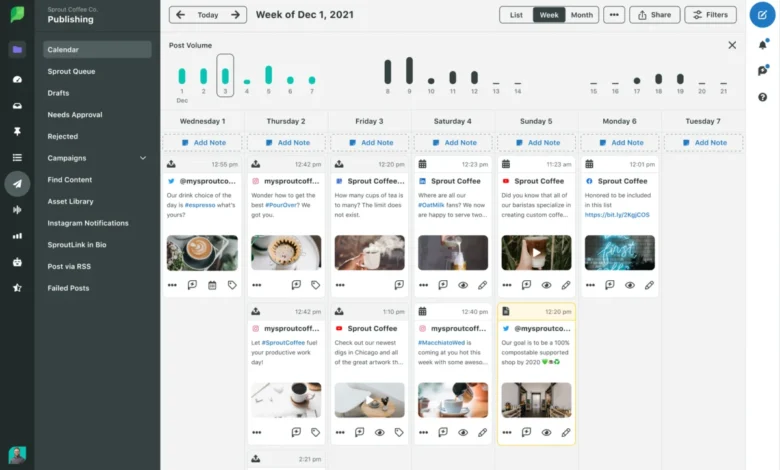
The first objective for any organization seeking to optimize its social media output is the centralization of its publishing infrastructure. The inefficiency of logging into individual native applications for each social network—X, Facebook, Instagram, LinkedIn, and others—is a primary source of productivity leakage. By integrating these disparate profiles into a single, unified dashboard, teams can drastically reduce the administrative friction associated with content deployment.
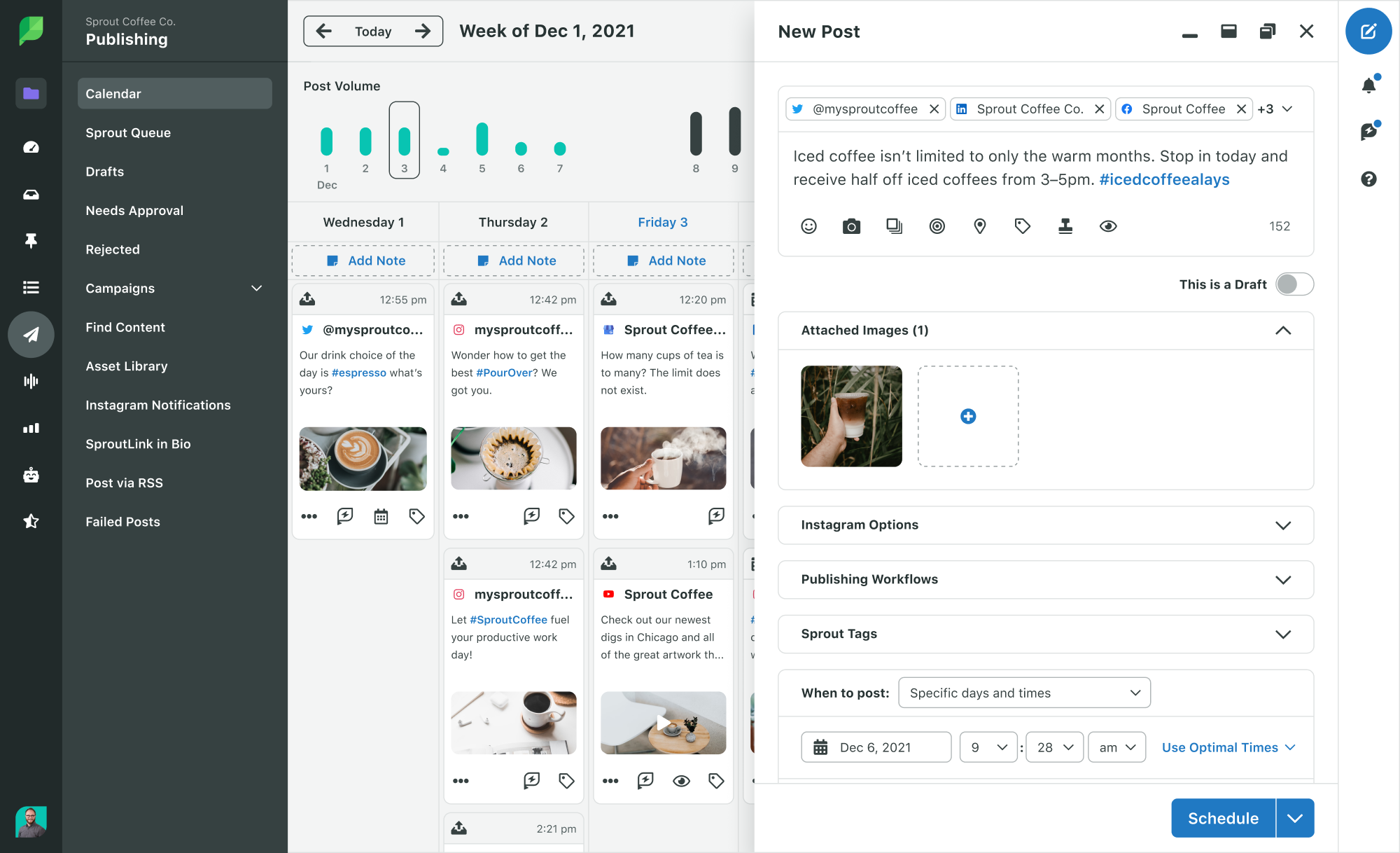
Building a lightweight, agile content calendar is the essential precursor to this centralization. A well-structured calendar does not necessarily require complex project management software; rather, it requires a clear, visual outline that dictates content themes, publishing dates, and platform-specific goals. When a team possesses a centralized view of their content pipeline, the process of ideation and scheduling becomes a cohesive workflow rather than a series of disconnected, last-minute tasks.
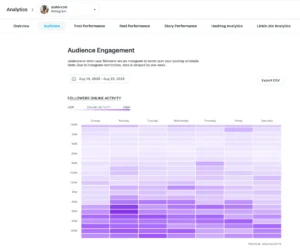
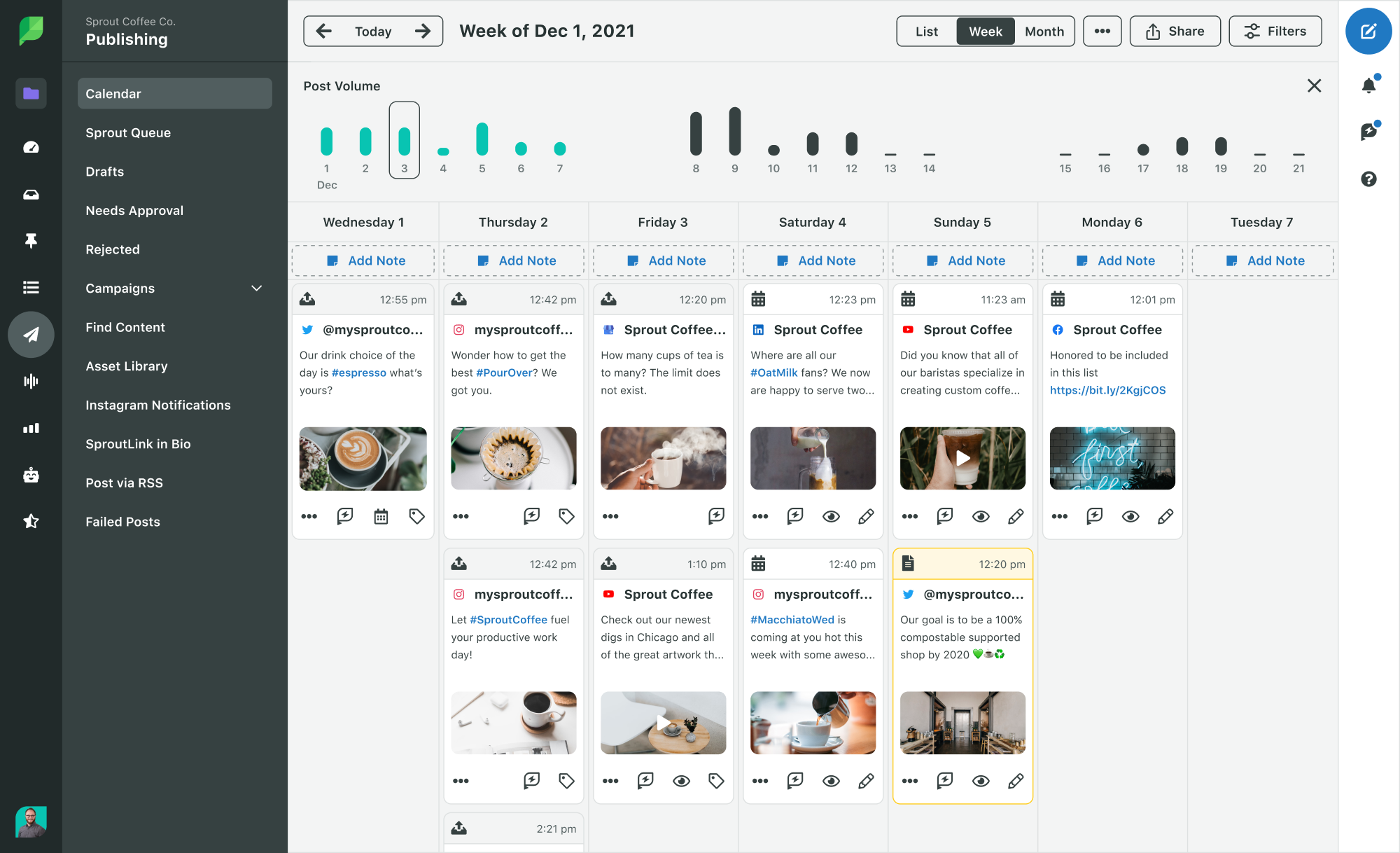
Strategic scheduling is the final component of this pillar. It is no longer sufficient to publish content based on availability; the modern approach relies on precision timing. Advanced automation tools now leverage predictive analytics to identify when a brand’s specific audience is most active and receptive to engagement. By utilizing features such as ViralPost—which analyzes engagement patterns to determine the optimal delivery window—teams can ensure that their content reaches the maximum possible audience without requiring manual intervention at the moment of publication.
Automating Engagement: Balancing Speed and Human Nuance
The second pillar of a successful automation strategy involves the implementation of automated engagement and response rules. The challenge here is to increase the speed of response while maintaining the authenticity that customers expect from a human brand. The solution lies in the creation of a centralized, unified inbox that aggregates all mentions, direct messages, and comments across all platforms.
By employing "Smart Inbox" technology, organizations can filter inbound communication based on priority, sentiment, or topic. This allows team members to triage their workload effectively. Furthermore, the integration of automated, FAQ-style responses has become a standard industry practice for addressing routine inquiries regarding pricing, product availability, or store hours.
However, the automation of these responses must be handled with care. The implementation of chatbot technology via a "Bot Builder" interface allows for instantaneous resolution of common queries, thereby freeing human agents to focus on high-value interactions. Crucially, these automated systems must be designed with an "escalation protocol." A bot should possess the capability to recognize when a customer’s query has moved beyond the scope of a FAQ and immediately trigger a handover to a human agent, ensuring that the transition is seamless and that the customer does not feel neglected.
The Role of Social Listening and Data Analytics
Beyond publishing and engagement, the third pillar of automation is the systematic collection of market intelligence. Social listening is the practice of tracking brand mentions, industry-specific keywords, and competitor activity. Attempting to conduct this manually is mathematically impossible given the millions of conversations happening across social platforms daily.
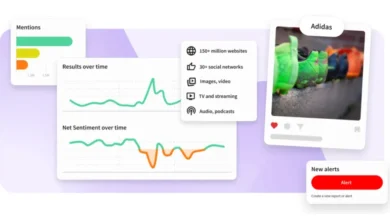
Automated listening tools function as a permanent, real-time monitoring system. By setting up alerts for specific industry keywords, firms can identify shifts in consumer sentiment, emerging market trends, or potential public relations crises before they gain momentum. The integration of AI agents, such as Sprout’s Trellis, has further accelerated this process. These agents can digest large volumes of conversational data and provide actionable summaries, such as identifying a sudden spike in negative sentiment or a shift in the topics being discussed alongside a brand’s name.
Additionally, the reporting process—often viewed as the most tedious aspect of a social media manager’s role—can be fully automated. Instead of manually extracting data from native platform dashboards at the end of each month, teams can schedule recurring, automated reports that are delivered directly to stakeholders. This ensures that performance metrics are always transparent, consistent, and available for strategic review.
Mitigating Risks: Strategic Guardrails for Automation
Despite the clear benefits of automation, the transition is not without significant risk. Industry experts warn against the "set it and forget it" mentality, which can lead to reputational damage. The primary risks involve the over-reliance on generative AI and the failure to monitor scheduled queues during times of crisis.

- The Trap of GenAI: While 93% of practitioners believe generative AI can mitigate creative fatigue, it is prone to factual errors and lack of nuance. Organizations should utilize AI for brainstorming and drafting, but final oversight must remain firmly in human hands to ensure accuracy and brand alignment.
- The Peril of Stagnant Queues: In the event of a major public emergency or a brand-related crisis, automated queues must be paused immediately. A lighthearted, pre-scheduled post appearing during a national tragedy can result in severe public backlash and accusations of tone-deafness.
- The Empathy Deficit: Over-automation of responses can alienate customers who seek genuine connection. The key is to keep the "human-in-the-loop" model, where the bot handles the logistical heavy lifting, and the human handles the complex, emotionally sensitive, or high-value customer interactions.
Implications and Future Outlook
The shift toward automated social media management is more than a trend; it is a structural necessity for firms aiming to remain competitive in a 24/7 global economy. The data suggests that organizations failing to adopt these efficiencies will continue to suffer from diminished ROI and high employee burnout rates.
As AI technology continues to advance, the capabilities of these tools will likely shift from simple automation to proactive recommendation engines. Future iterations of social media management platforms will not just perform tasks on command but will suggest strategic pivots based on real-time market changes. For the modern marketing department, the mandate is clear: automate the routine to amplify the human, and treat technology not as an end, but as the foundation for deeper, more meaningful engagement with the modern consumer.