Digital PR Is the Single Most Important Strategy to Win in AI Search


The landscape of search engine optimization is undergoing a seismic shift as Large Language Models (LLMs) transition from supplemental tools to primary gateways for information discovery. As AI-powered search engines like ChatGPT, Google AI Overviews, and Perplexity redefine how users access data, the traditional focus on onsite optimization is increasingly insufficient. A study conducted by Muck Rack reveals that 84% of AI citations are derived from earned media—third-party sources such as editorial coverage, reviews, and industry forums. This data confirms a fundamental truth for the modern digital era: in the world of AI, third-party validation holds far more weight than self-promotion.
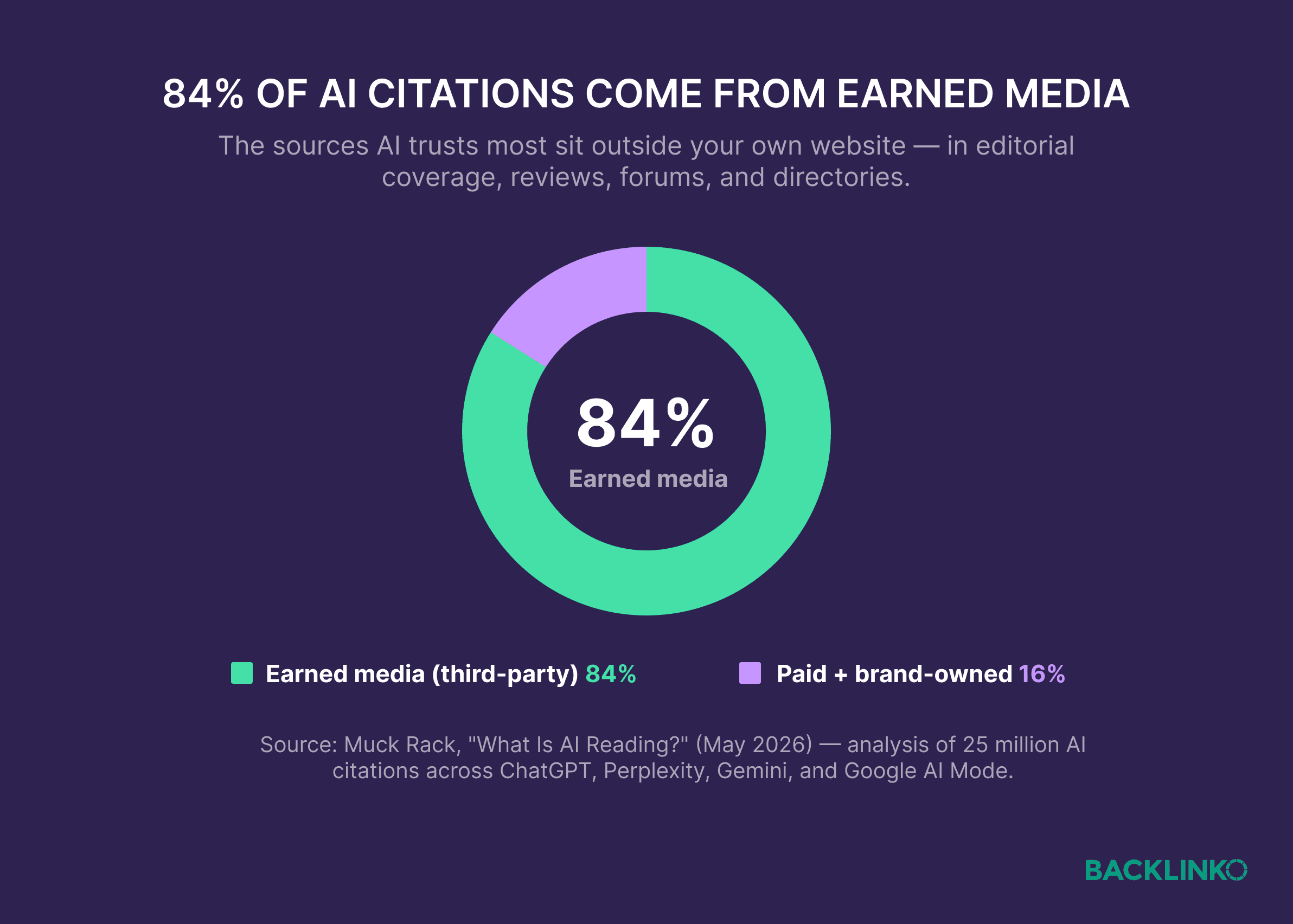
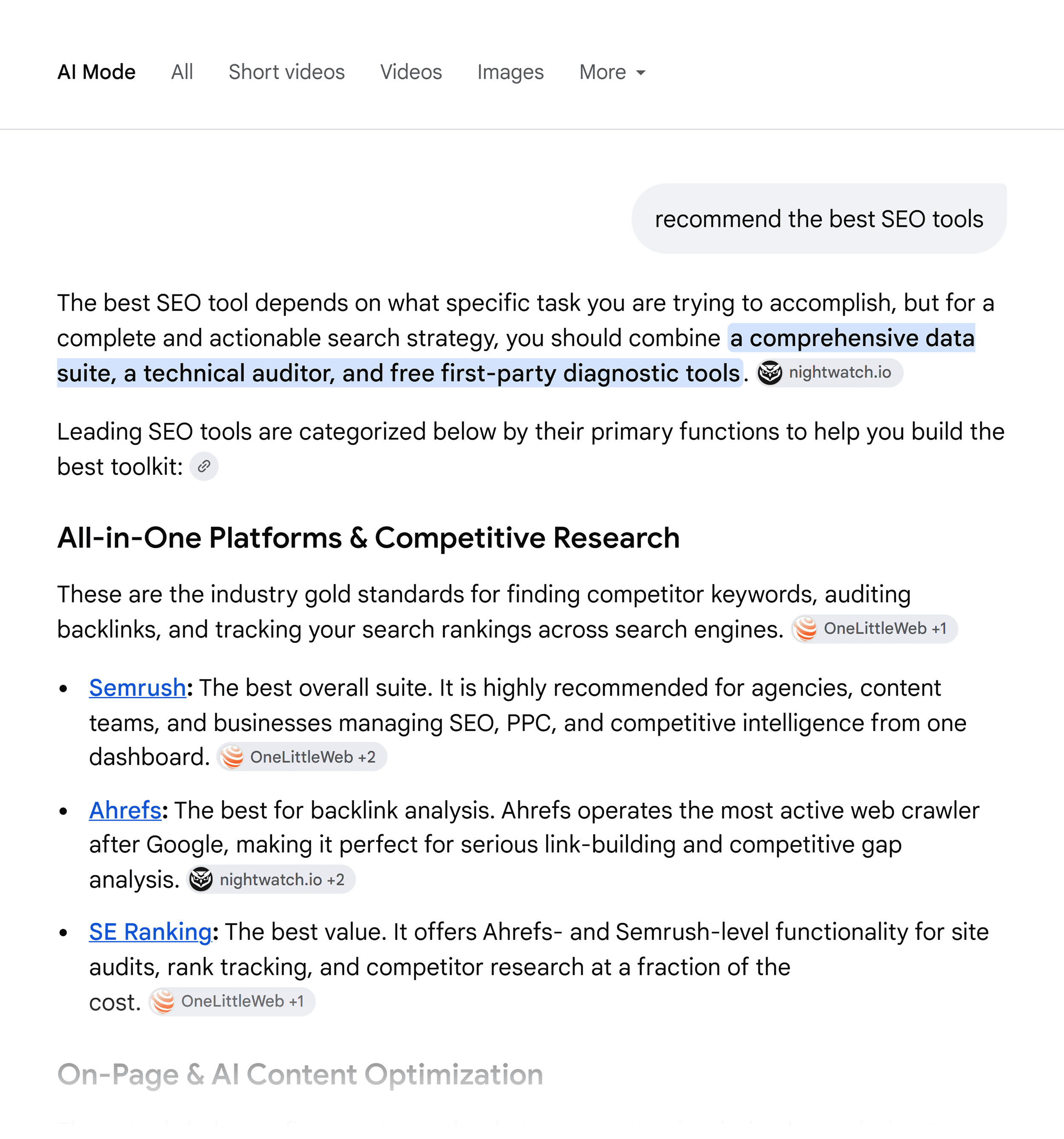
While publishing high-quality content on one’s own website remains a prerequisite for success, the visibility of a brand within an AI-generated answer is now primarily determined by its reputation across the broader web. The more frequently a brand name is referenced across diverse, trusted platforms, the higher the likelihood that LLMs will recognize, verify, and ultimately recommend that brand to users. Consequently, Digital PR has evolved from a branding exercise into a technical necessity for maintaining visibility in the era of generative AI.
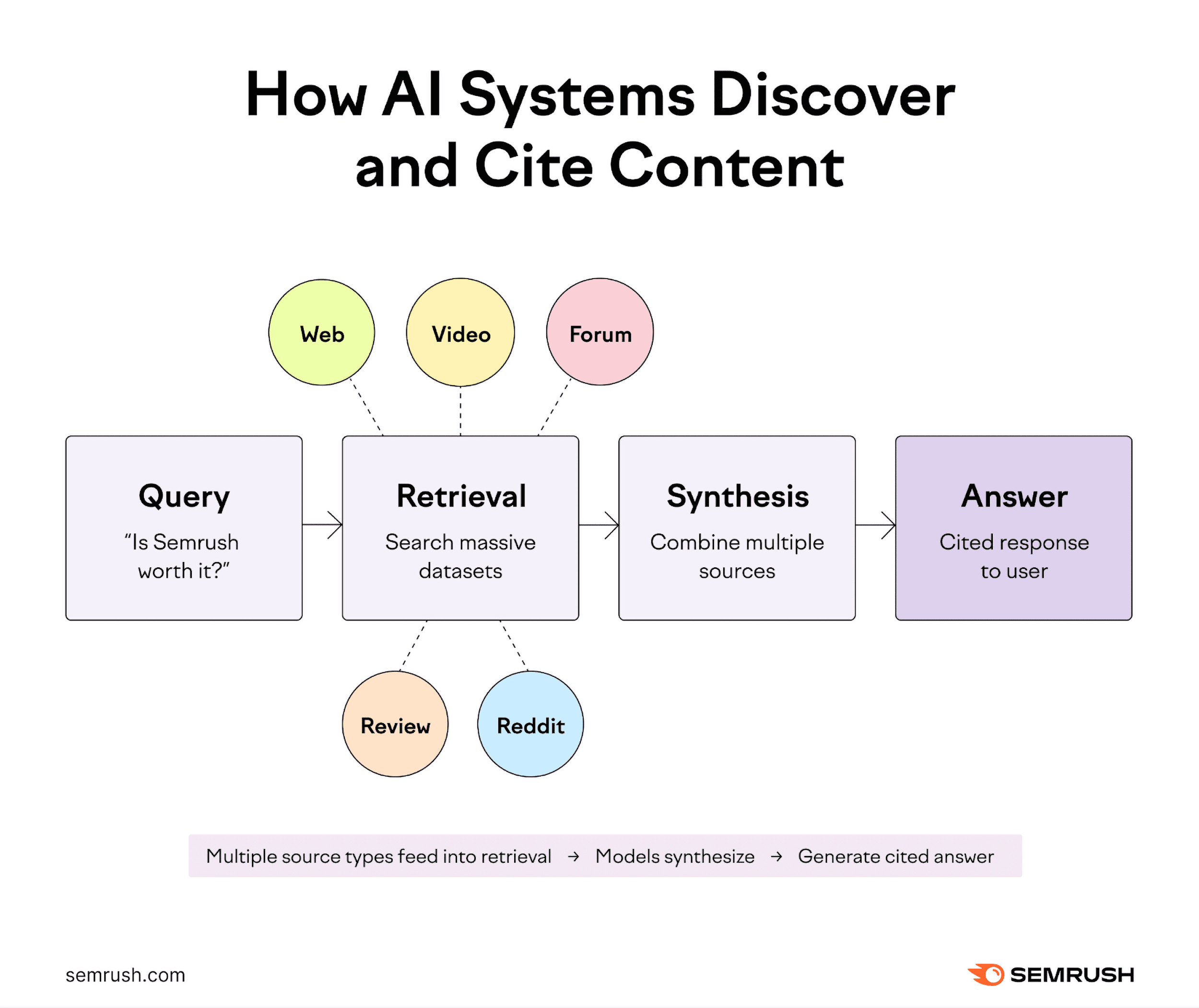
The Shift in AI Discovery and Citation
Modern AI systems do not simply index a single website; they function by synthesizing information from a vast array of sources to construct a unified answer. This process relies heavily on an AI’s ability to determine which sources are credible. Brands that win in this environment are those that appear consistently across multiple, high-authority touchpoints.
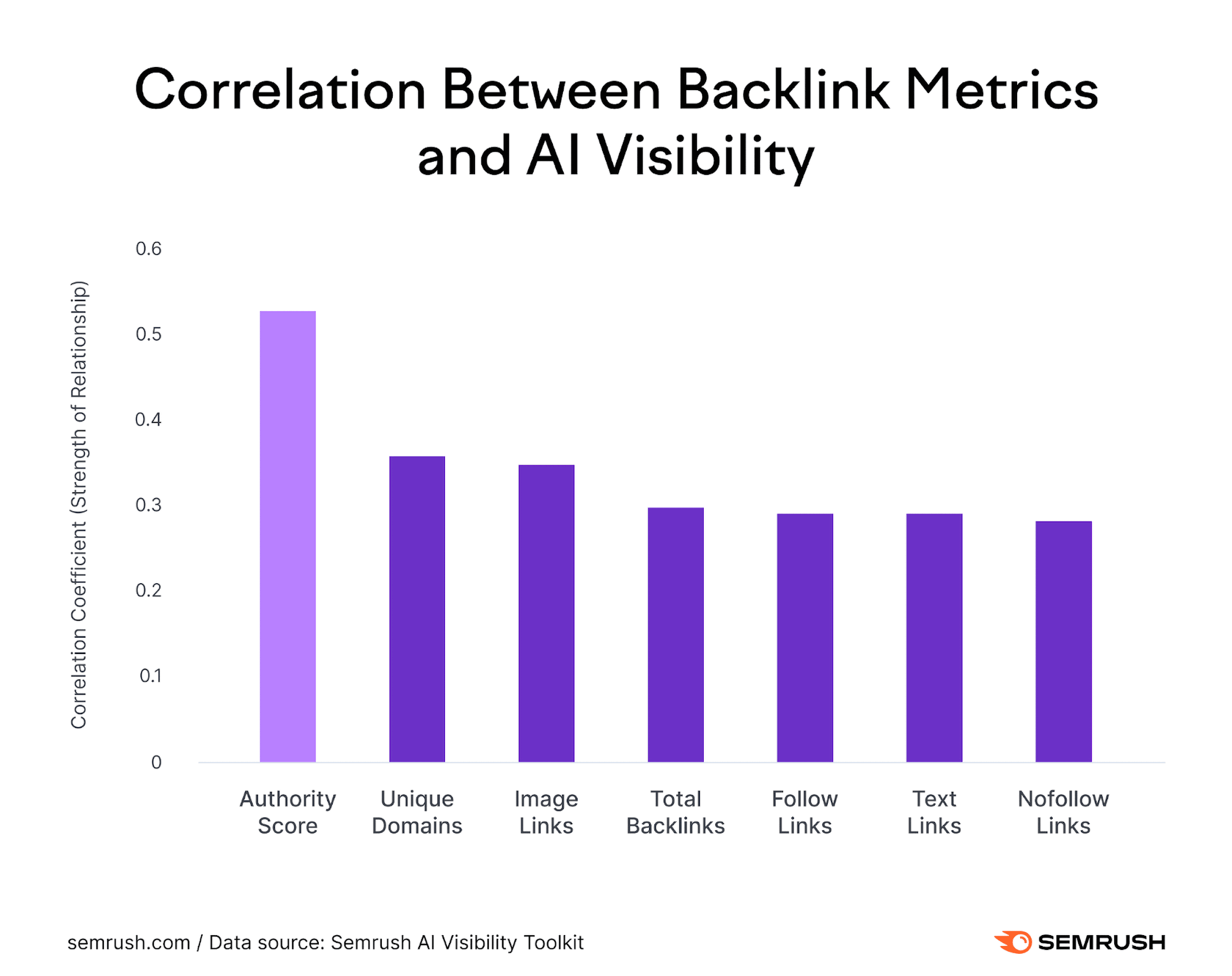
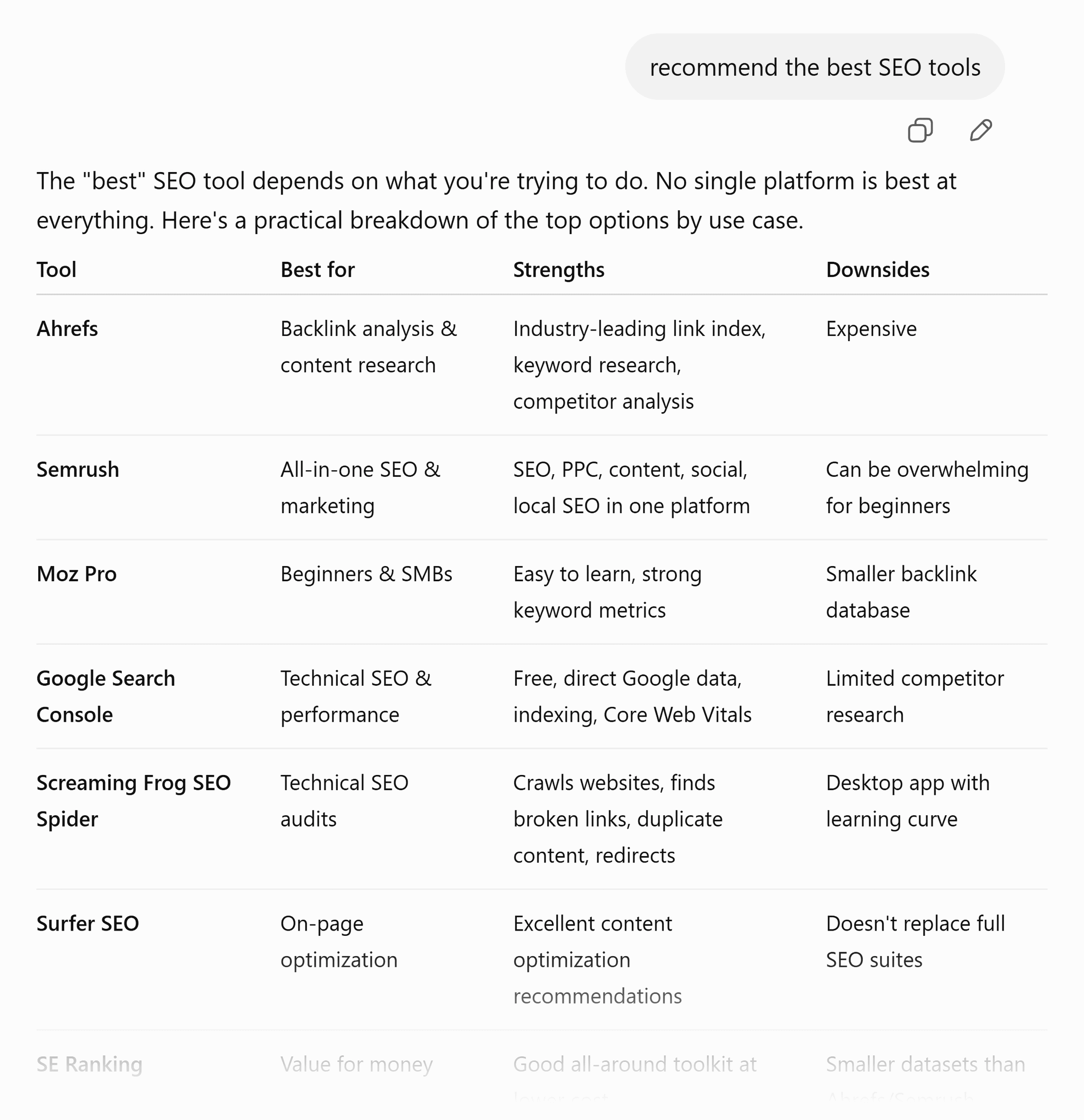
According to a study of 1,000 domains by Semrush, there is a clear correlation between backlink authority and inclusion in AI-generated answers. Furthermore, research from Seer Interactive indicates that domain authority and the presence of high-quality backlinks—specifically those originating from domains with a high authority score—are the primary drivers of AI visibility. This suggests that the "link economy," which has defined SEO for decades, remains central to AI, albeit in a more nuanced form.
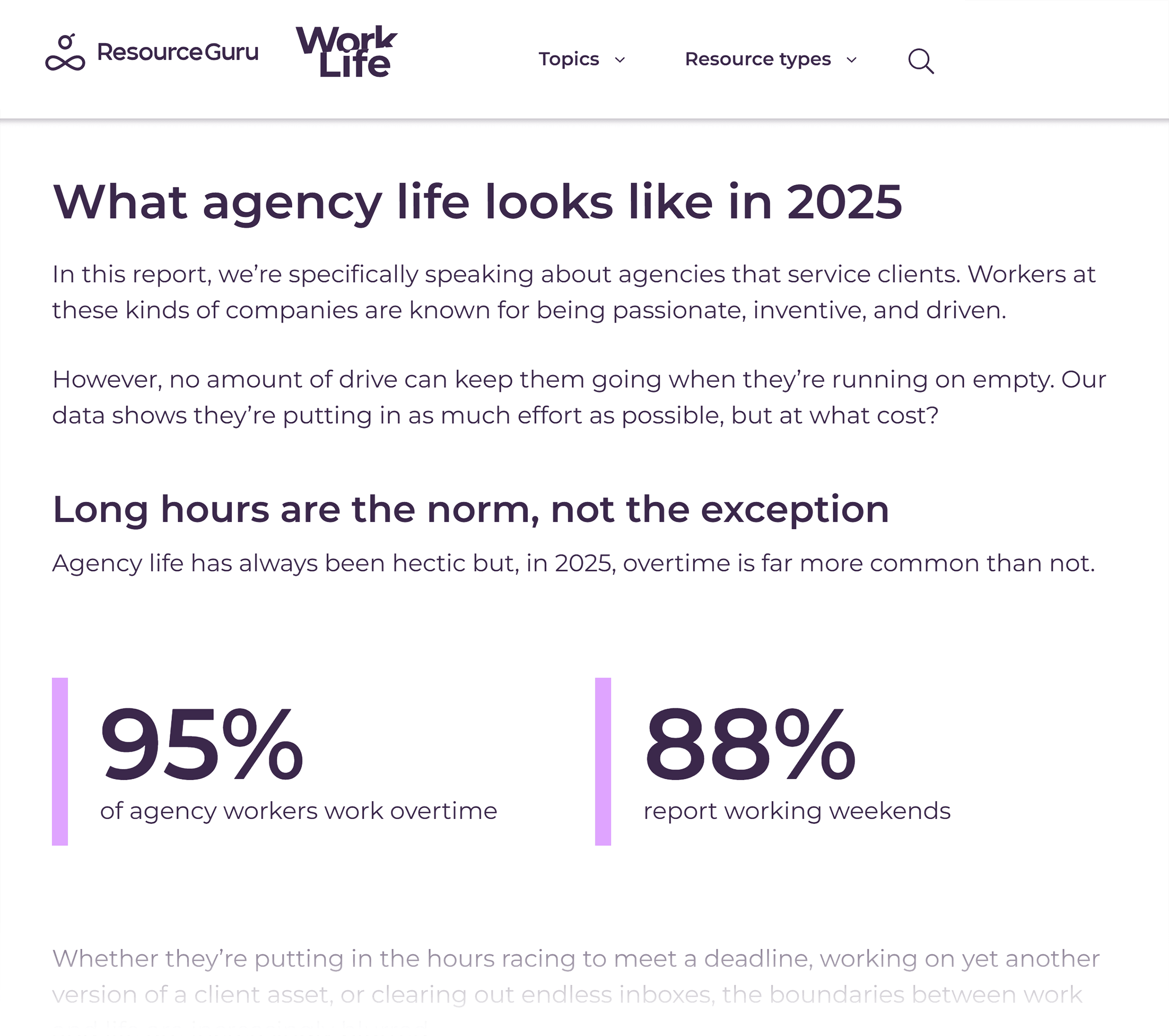
Six Strategic Pillars for AI-Driven Digital PR
To navigate this new reality, organizations must adopt proactive strategies to earn backlinks, brand mentions, and offsite authority. The following six approaches serve as a blueprint for securing a presence in AI-generated responses.
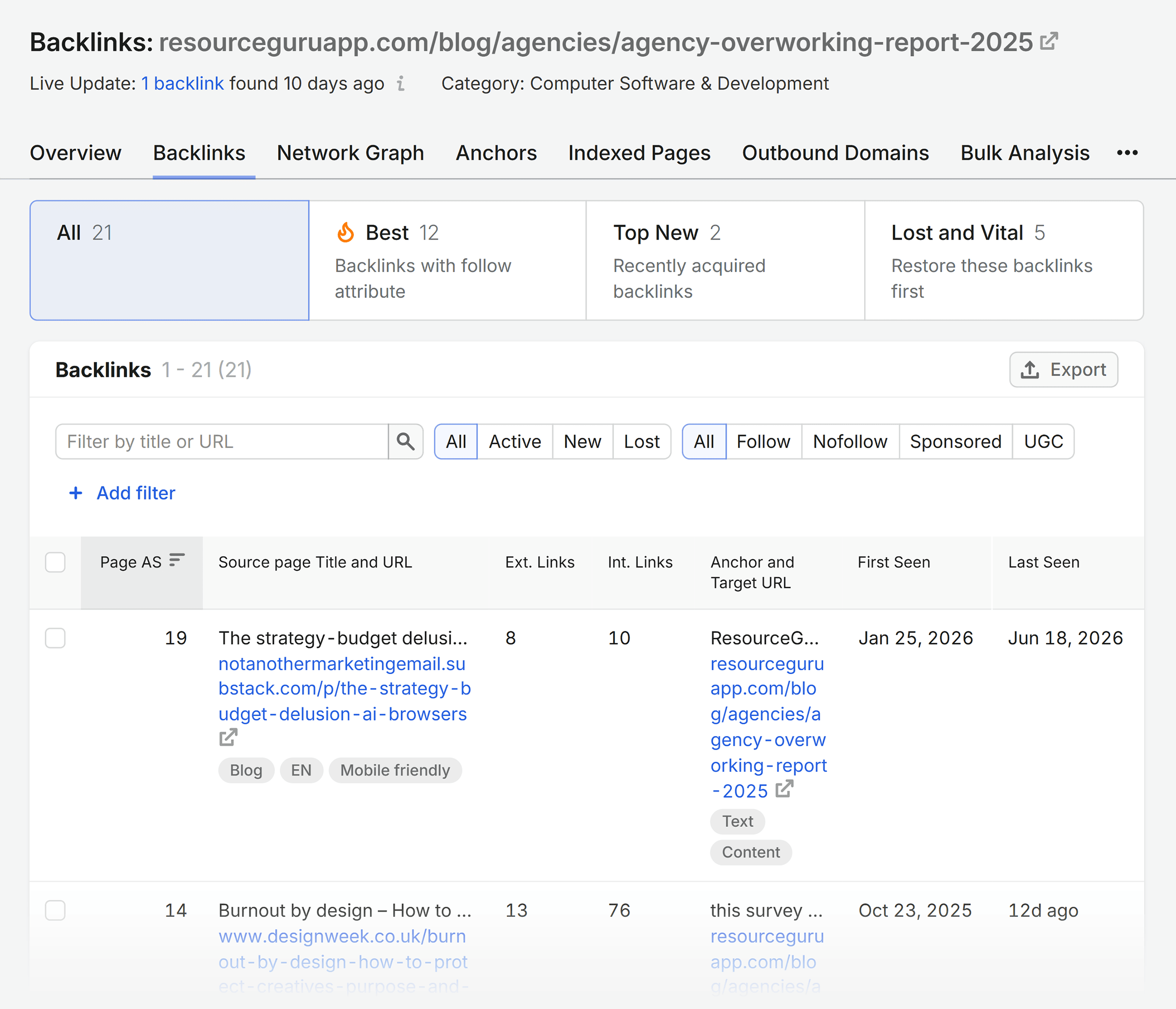
1. Data-Led Public Relations
Original research remains the most effective currency for earning high-quality backlinks. Journalists and industry influencers are perpetually seeking credible data to substantiate their content. By producing original research or comprehensive statistical roundups, a brand can position itself as a primary source of truth. When a brand publishes a report, such as an industry salary survey or a trend analysis, it creates a "citational asset" that others naturally reference. Pitching this data to publications that have previously cited outdated information is a highly effective way to secure new, authoritative backlinks.
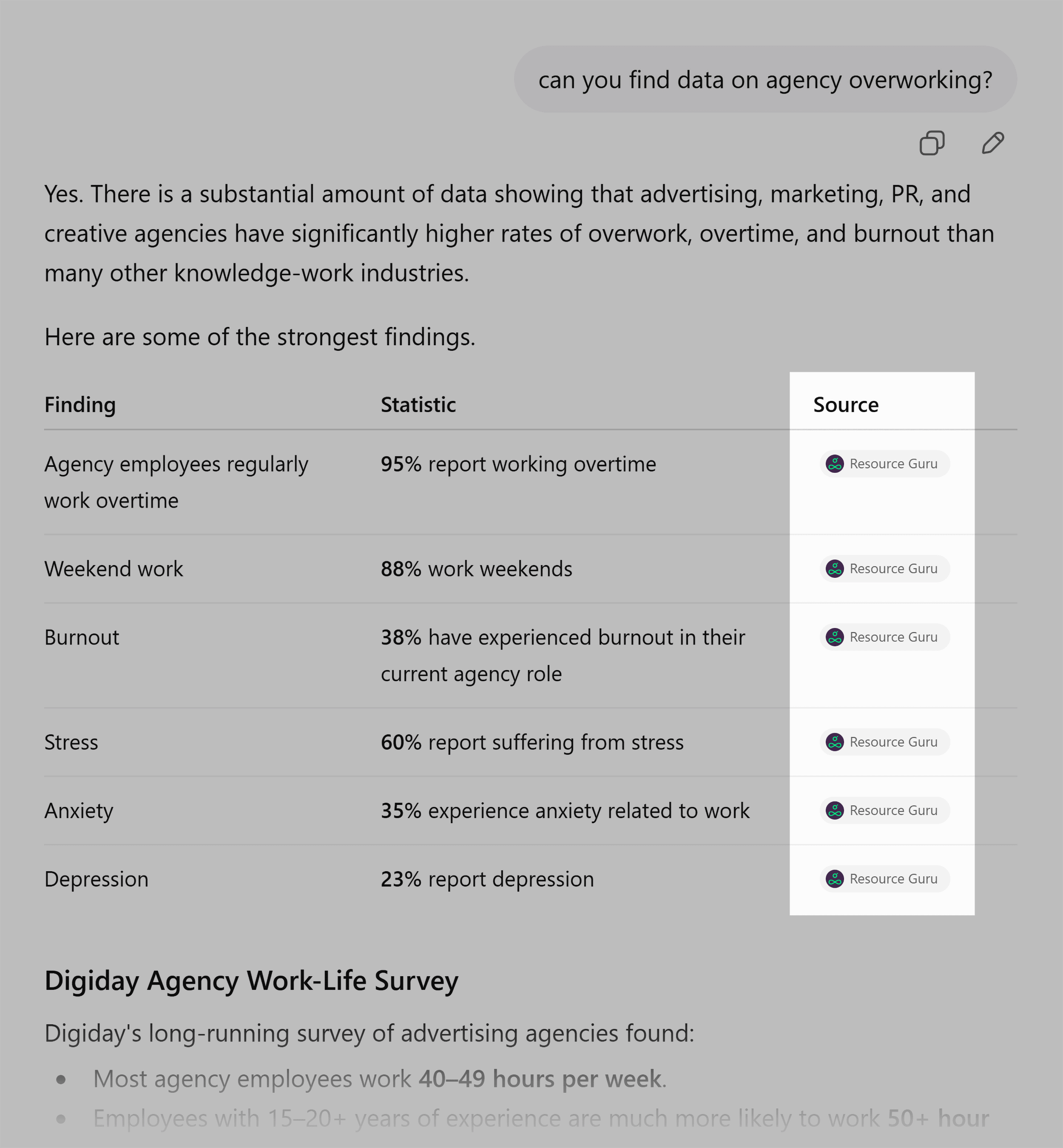
2. AI Citation Outreach
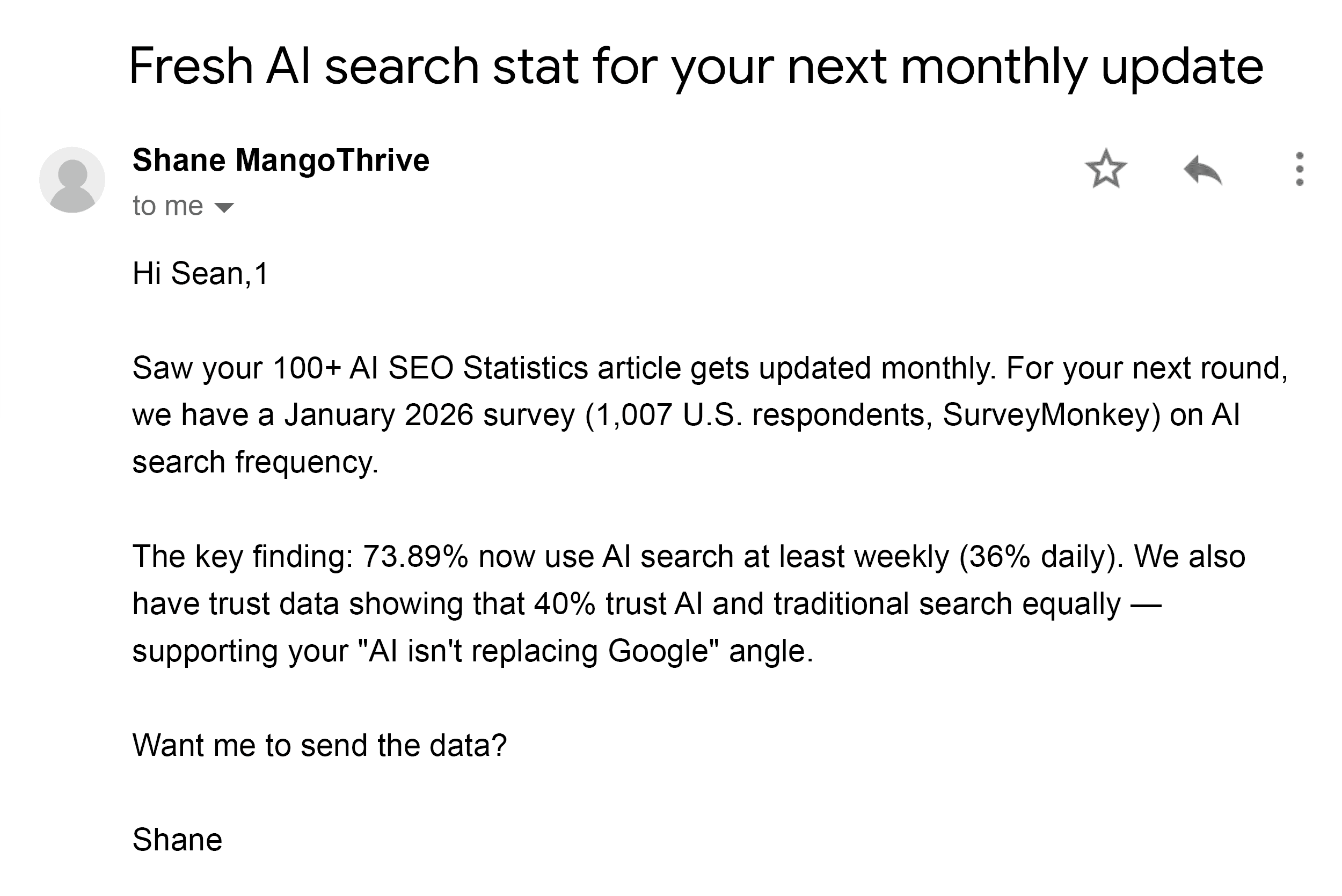
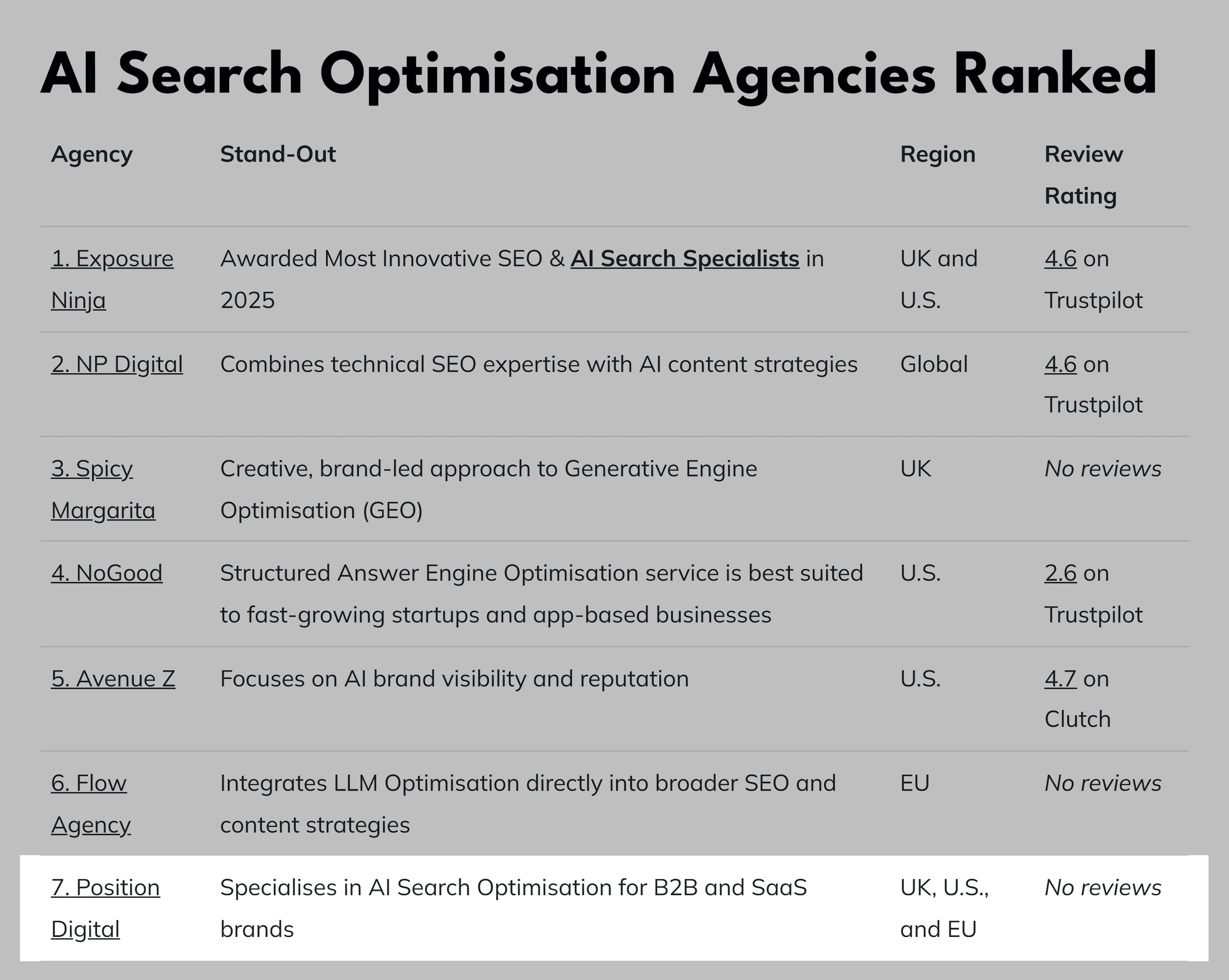
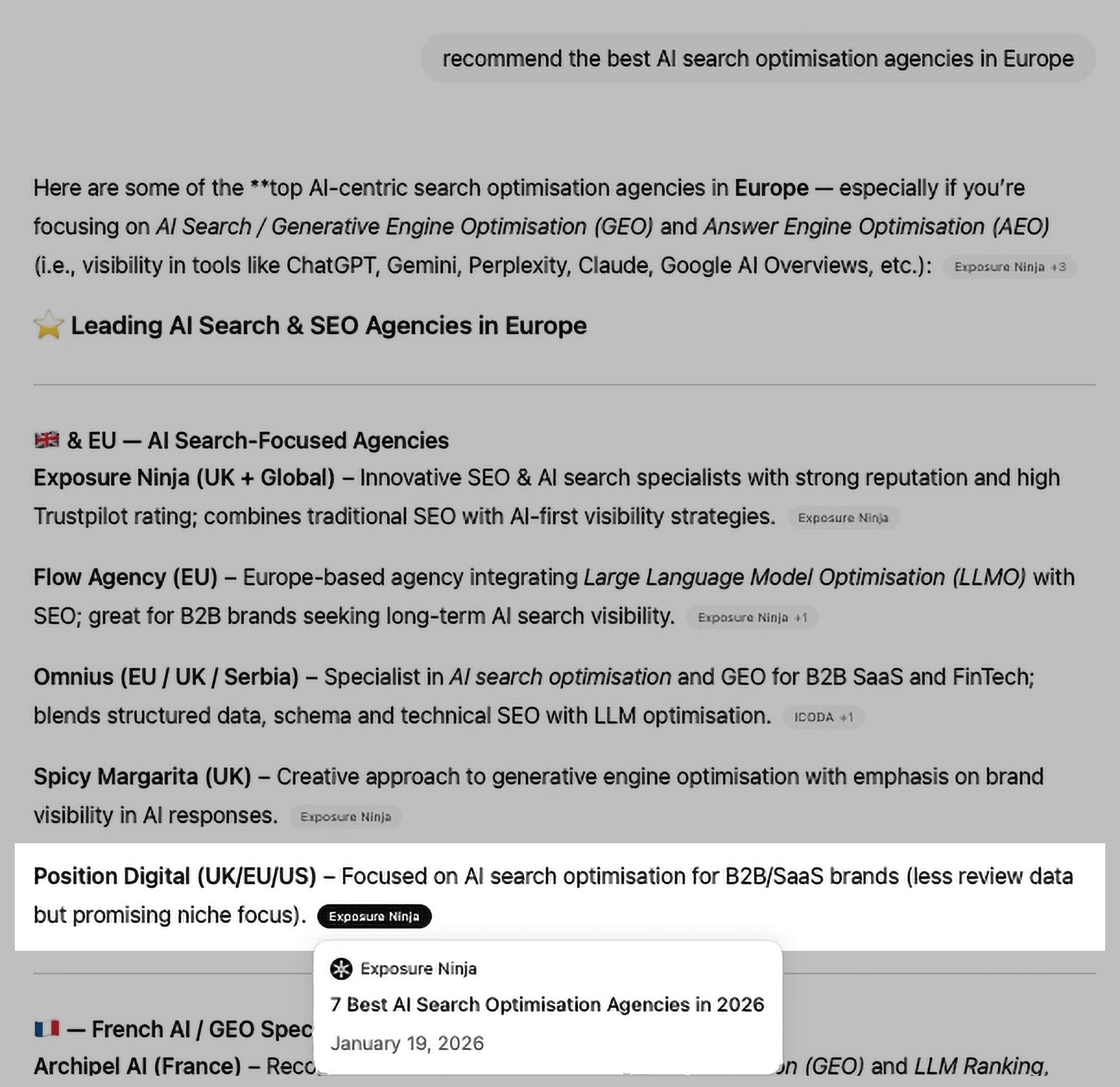
This strategy involves identifying the specific sources that AI models currently favor and securing placements within them. If a brand can get featured on a listicle or a comparison page that an AI already considers a "trusted source," the brand effectively inherits that trust. The process requires mapping out user prompts, monitoring which pages the AI cites for those prompts, and proactively pitching those publishers for inclusion. Providing a concise, ready-to-use blurb for the publisher to insert significantly increases the success rate of these requests.
3. Reactive Public Relations
Speed is the defining characteristic of reactive PR. Because LLMs have training cutoff dates, they rely on recent web data to answer questions about breaking news or emerging trends. By being among the first to publish insightful commentary or original reporting on a fresh industry development, a brand maximizes its window of opportunity to be cited by an AI. Success here requires a robust monitoring system—using tools to track emerging conversations in newsletters, social media, and niche forums—to ensure the brand can respond while the narrative is still being shaped.
4. The Power of Ego Bait
Creating content that features industry experts and influencers serves a dual purpose: it builds credibility and creates a built-in distribution network. Research shows that content featuring expert quotes receives significantly more citations in ChatGPT than generic content. When experts are featured, they are highly likely to share the content with their own audiences, creating a ripple effect of backlinks and brand mentions. Whether through expert roundups, case studies, or "top influencer" lists, this approach forces the AI to acknowledge the brand as a hub for respected voices.
5. Thought Leadership and Authority Building
Thought leadership content is designed to establish a brand as an authoritative voice, rather than just another source of keywords. By challenging conventional industry wisdom, brands can generate the kind of discussion that signals importance to search algorithms. LinkedIn, for instance, has emerged as a powerhouse in this arena, frequently ranking as one of the most-cited domains by LLMs. A strategy of republishing high-value content across LinkedIn, Medium, and high-authority industry publications helps create a web of interconnected mentions that AI models treat as a signal of industry leadership.
6. Community Building and Engagement
Finally, brands must cultivate a presence in the "neutral" spaces that AI trusts implicitly. Reddit, Quora, and review platforms like Trustpilot and G2 are heavily scraped by AI. A study of 800,000 AI responses found that brands with even a minimal presence on review platforms see a massive increase in their AI citation rate compared to those with no profile at all. Participating in these communities—not as a marketer pushing a product, but as a genuine contributor solving user problems—is essential. Transparency is key; users and AI models alike are increasingly adept at filtering out overt, unhelpful promotional noise.
The Future of Search Visibility
The transition toward AI-driven search does not signal the death of SEO; rather, it marks the end of siloed marketing. The brands that will dominate the next generation of search are those that integrate their PR, SEO, and content strategies into a cohesive, authority-building engine.
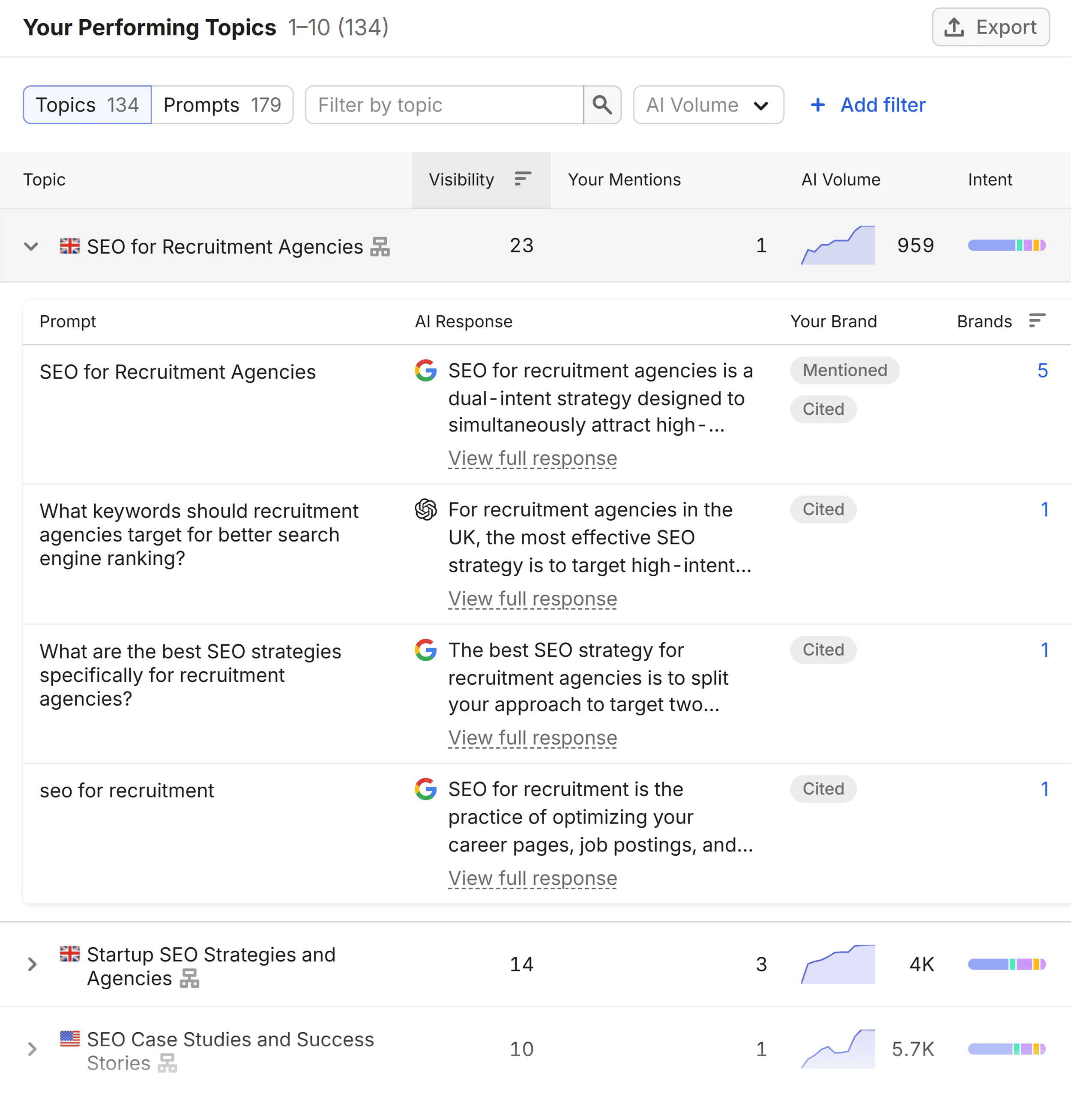
By focusing on earning mentions in the places where AI systems aggregate information, organizations can bypass the limitations of static keyword ranking. In the AI era, relevance is no longer just about what a brand says on its own website—it is about what the rest of the world is saying about the brand. As AI models continue to refine their assessment of credibility, the brands that invest in genuine, third-party validation will find themselves not just visible, but central to the future of the internet’s information architecture.