LG Electronics to Purge Smart TV Apps Using Stealthy Residential Proxy Software After Security Research Uncovers Widespread Vulnerabilities

LG Electronics USA has officially announced a sweeping initiative to identify and suspend applications within its smart TV ecosystem that surreptitiously transform consumer hardware into residential proxy nodes. This decisive action by the South Korean home appliance giant follows a series of alarming reports from cybersecurity researchers, which revealed that a staggering percentage of applications available on the webOS platform were being used to route third-party internet traffic through the private home networks of unsuspecting users. The move signals a major shift in how smart TV manufacturers oversee their third-party app stores and highlights the growing security risks associated with the Internet of Things (IoT) in the modern household.
The Spur Investigation: A Catalyst for Change
The controversy reached a boiling point in early July when the cybersecurity firm Spur released a comprehensive study examining the prevalence of residential proxy software development kits (SDKs) within smart TV application marketplaces. Spur’s researchers discovered that more than 42 percent of the games and utility apps available for download on LG’s webOS store contained embedded code that turned the television into a persistent proxy node. This means that as long as the TV was connected to the internet, unknown third parties could use the device’s IP address to mask their own online activities.
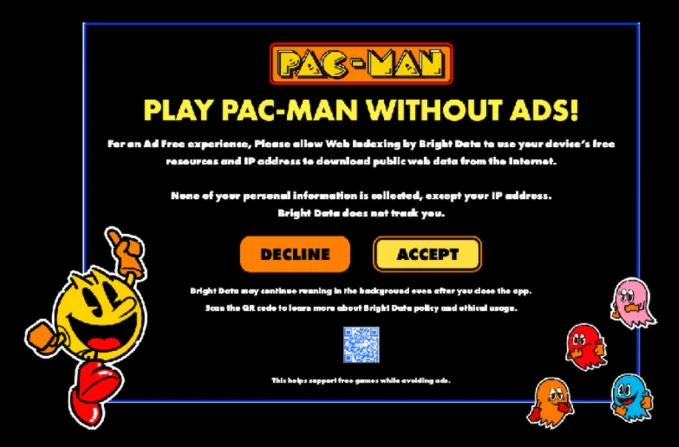
The investigation was not limited to LG; Samsung’s Tizen operating system was also found to be heavily affected, with approximately 25 percent of its app library containing similar residential proxy components. The researchers noted that these SDKs were often bundled into seemingly innocuous software, including classic games like Pac-Man, various screensavers, and basic file management utilities. By embedding these SDKs, app developers could monetize their products without relying solely on traditional advertising, receiving payments from proxy providers in exchange for access to the users’ residential bandwidth.
Understanding the Residential Proxy Economy
To appreciate the gravity of LG’s decision, it is necessary to understand the mechanics of the residential proxy market. A residential proxy is an intermediary server that uses an IP address assigned by an Internet Service Provider (ISP) to a physical location, such as a home. Unlike data center proxies, which are easily flagged and blocked by websites, residential proxies appear as legitimate domestic traffic.
This legitimacy makes them highly valuable to a wide range of actors. Legitimate businesses use them for price aggregation, ad verification, and market research to see how content appears in different geographic regions. However, the same technology is frequently exploited by malicious actors for credential stuffing attacks, bypassing geo-blocks on streaming services, and conducting large-scale web scraping that violates the terms of service of various platforms.
By turning a smart TV into a proxy node, the device becomes a "zombie" in a massive network. The user’s home IP address is effectively rented out to the highest bidder. While proxy providers often claim their services are used for benign purposes, the lack of transparency regarding who is using the connection and for what purpose creates a significant security and privacy vacuum for the homeowner.
LG’s Official Response and Enforcement Strategy
Following the publication of the Spur report, LG Senior Vice President John Taylor provided a formal statement to security news outlet KrebsOnSecurity, outlining the company’s plan to rectify the situation. Taylor emphasized that residential proxy networks are not an intended or authorized use for LG smart TVs. He confirmed that LG is currently in the process of auditing its entire app store and is working directly with developers to remove these SDKs.
"LG Electronics is working with developers to remove the residential proxy option from their apps on the webOS platform," Taylor stated. "If this option is not removed, these apps will be suspended."
The company’s review process is reportedly well underway, with a focus on strengthening the evaluation criteria for all future developer submissions. By incorporating more rigorous scanning for residential proxy SDKs during the app approval phase, LG aims to prevent the re-emergence of these "stealth" monetization tactics. This proactive stance is seen as a necessary step to maintain platform integrity and ensure that the "user experience" is not compromised by background processes that consume bandwidth and potentially expose the user to legal or security risks.
The Defense from Proxy Providers: Bright Data and Informed Consent
The Spur report identified Bright Data, one of the world’s largest proxy network providers, as a primary source of the SDKs found in both LG and Samsung apps. In response to the findings and LG’s subsequent crackdown, Bright Data issued a statement defending its business model. The company argued that its network is built on the principles of consent and transparency.
Bright Data maintains that every "peer" (the user whose device acts as a node) must explicitly opt-in through a dedicated screen within the app. In exchange for allowing their device to be used as a proxy, users typically receive a "value-added" benefit, such as an ad-free version of the game or access to premium features. The company also highlighted that its practices have undergone independent audits by firms such as PwC to ensure compliance with ethical standards and legal requirements.

Furthermore, Bright Data and similar providers claim to implement technological safeguards to prevent their customers from interacting with other devices on the proxy user’s local network. This "sandboxing" is intended to ensure that while a third party might use the TV’s IP address, they cannot access the user’s personal computers, smartphones, or sensitive data stored on the same Wi-Fi network.
The Failure of the "Consent" Model in the IoT Era
Despite the assurances from proxy providers, security experts like Trevor Sutter of Spur argue that the current model of "informed consent" is fundamentally flawed when applied to smart TVs. Sutter points out that a one-time consent prompt, often buried in a lengthy end-user license agreement or presented in a confusing manner, does not constitute meaningful transparency.
The risk is particularly acute in households with children. A minor playing a game on the family TV may click "Accept" on a prompt just to start the game, unwittingly enrolling the household’s entire internet connection into a global proxy network. Furthermore, unlike a computer or a smartphone, where a tech-savvy user might check background processes or data usage, smart TVs offer very few tools for the average consumer to audit what the device is doing when it is supposedly in "standby" mode.
The "always-on" nature of smart TVs makes them the perfect candidates for residential proxies. Unlike laptops that are closed or smartphones that move between networks, a TV is a static, high-bandwidth device that remains connected to the home router 24/7. This makes the potential for abuse significantly higher than in other consumer electronics.
Broader Implications: Security, Privacy, and Local Network Risks
The purge of proxy apps by LG addresses a symptom of a larger problem: the increasing "commoditization" of consumer hardware. When a device as central to the home as a television is repurposed by third-party software for hidden tasks, it erodes the trust between the manufacturer and the consumer.
Beyond the ethical concerns of bandwidth "theft," there are tangible security risks. While proxy companies claim to block lateral movement (the ability to move from the TV to other devices on the network), vulnerabilities in the TV’s operating system itself could be exploited. If a proxy SDK has a security flaw, it could serve as an entry point for hackers to gain a foothold in a residential network. Earlier this year, security researchers identified the "Kimwolf" botnet, which specifically targeted local networks via compromised IoT devices, illustrating that the threat of lateral movement is a persistent reality.
Additionally, there is the risk of "IP reputation" damage. If a malicious actor uses a person’s home IP address to conduct illegal activities, that IP address may be blacklisted by security services. This can lead to the homeowner being blocked from legitimate websites, facing increased "CAPTCHA" challenges, or even drawing the attention of law enforcement agencies investigating cybercrime.
A Pattern of Questionable Software Partnerships
While LG’s move to ban proxy SDKs has been welcomed by the security community, it comes at a time when the company is facing criticism for other software-related practices. Recently, the popular hardware review channel Gamers Nexus highlighted a controversial partnership between LG and McAfee.
The report revealed that certain high-end LG LCD monitors were automatically installing a McAfee security app on users’ Windows computers via software drivers delivered through Windows Update. This installation occurred without a clear approval prompt from the user, leading to accusations that LG was using its hardware dominance to push "bloatware" and paid subscriptions onto its customers. This incident, combined with the proxy SDK revelation, suggests a broader corporate strategy of aggressive monetization that may be at odds with user privacy and system performance.
The Path Forward for Smart TV Manufacturers
LG’s decision to suspend non-compliant apps sets a significant precedent in the industry. As smart TVs become more like computers and less like traditional televisions, the responsibility of the manufacturer to curate a safe and transparent app ecosystem becomes paramount.
Industry analysts expect that other manufacturers, including Samsung and Sony, will face increasing pressure to follow LG’s lead. The era of "anything goes" monetization in smart TV app stores appears to be drawing to a close as regulatory bodies and consumer advocacy groups take a closer look at IoT privacy.
For consumers, the advice from security experts remains consistent: treat smart TVs with the same caution as a computer. This includes being selective about which apps are installed, regularly checking for firmware updates, and, where possible, using a separate "guest" network for IoT devices to isolate them from sensitive personal data. LG’s current audit is a positive step toward securing the "glass in the living room," but it serves as a stark reminder that in the connected home, the price of "free" software is often the user’s own privacy and security.
Related posts: