AWS Weekly Roundup Strengthening Community Ties and Advancing AI-Driven Serverless Development

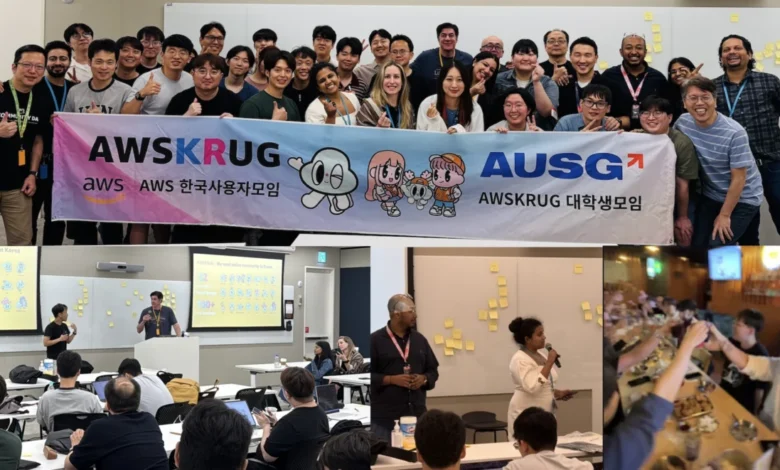
Amazon Web Services (AWS) has recently concluded a series of strategic engagements and technical launches aimed at fortifying its developer ecosystem in the Asia-Pacific region and streamlining the integration of artificial intelligence within serverless architectures. The AWS Developer Experience team recently visited Seoul, South Korea, to engage with the leadership of the AWS Korea User Group (AWSKRUG), the nation’s preeminent cloud developer community. This visit coincided with the introduction of new automation tools for AI coding agents and the resolution of a technical discrepancy within the AWS Cost Explorer service.
Strengthening the Developer Ecosystem: The AWSKRUG Engagement
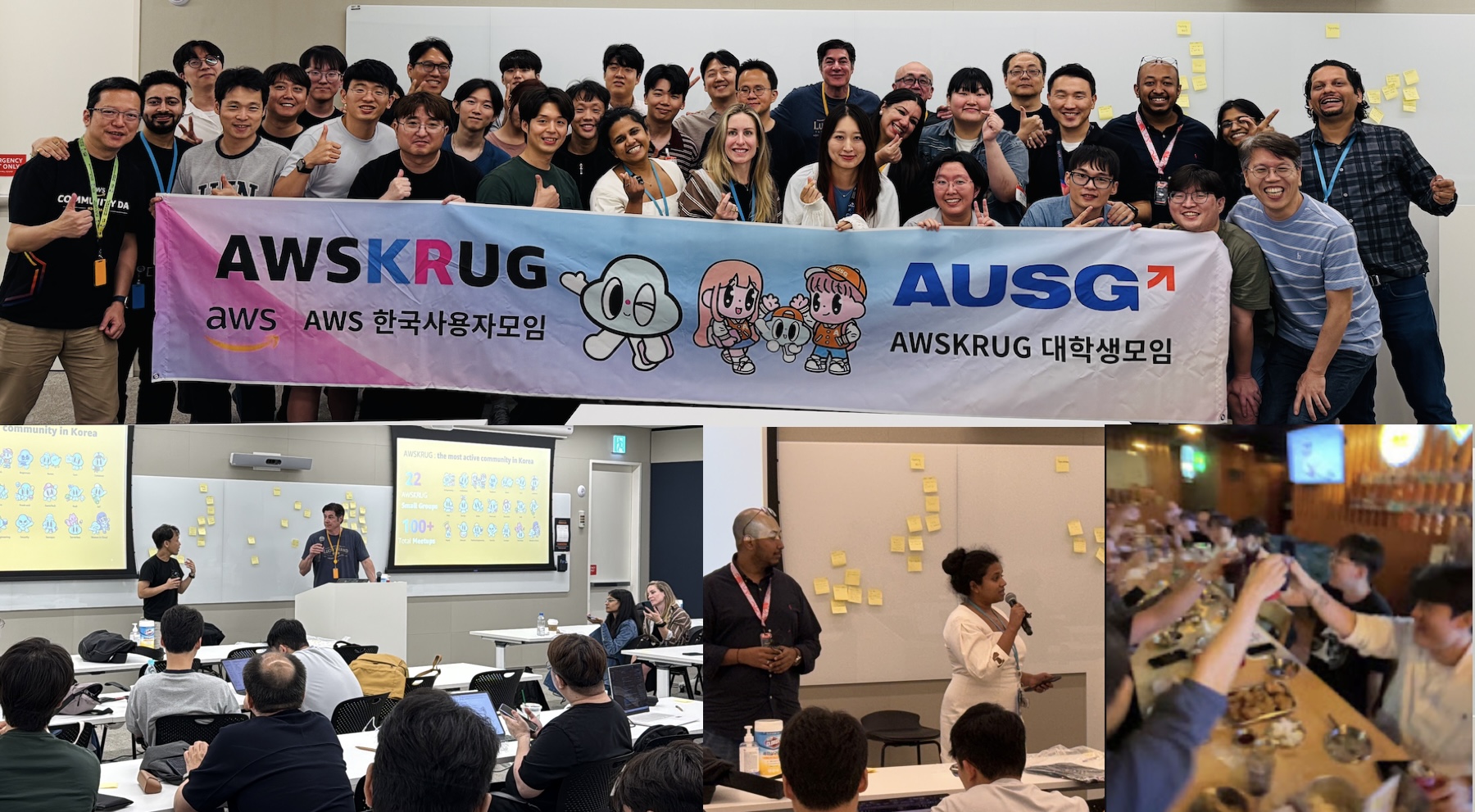
The AWS Developer Experience team’s visit to Seoul highlights the critical importance of the South Korean market in the global cloud landscape. AWSKRUG stands as the largest cloud-focused developer community in the country, maintaining a robust infrastructure of 20 distinct meetup groups categorized by technical topic and geographic area. Collectively, these groups facilitate more than 100 events annually, serving as a primary hub for knowledge exchange and technical feedback.
During the recent summit, AWS representatives met with community leaders to conduct a comprehensive review of the first half of the year. The discussions focused on identifying successful community initiatives, addressing areas requiring improvement, and articulating specific requests for the AWS Developer Experience team. These meetings are a cornerstone of AWS’s strategy to maintain a feedback loop with high-growth regions.
South Korea has emerged as a pivotal hub for cloud innovation, driven by its advanced telecommunications infrastructure and a burgeoning startup sector. By engaging in local traditions such as "Chimaek"—a cultural staple of networking over fried chicken and beer—AWS officials aimed to build deeper rapport with the architects and engineers who drive the adoption of AWS services in the region. This community-centric approach is designed to ensure that the evolution of the AWS platform remains aligned with the practical needs of developers on the ground.
Advancing AI Integration: One-Click Lambda Setup for Coding Agents
A significant technical milestone reached last week is the introduction of a one-click AWS Lambda setup prompt specifically designed for AI coding agents. As the industry shifts toward "agentic" workflows—where AI agents autonomously perform coding, debugging, and deployment tasks—the need for standardized environment configuration has become paramount.
The new prompt streamlines the configuration of AI agents with AWS Serverless skills and the Serverless Model Context Protocol (MCP) server. MCP is an open-source standard that allows AI models to securely and efficiently interact with external data sources and tools. By embedding serverless best practices from the initial setup phase, AWS is reducing the cognitive load on developers and minimizing the risk of misconfiguration in serverless environments.
The setup prompt serves as a bridge to the Lambda agent setup guide, providing comprehensive installation instructions for a wide array of popular AI-driven development tools. These include:
- Claude Code: An interface for Anthropic’s Claude models optimized for coding tasks.
- GitHub Copilot: The widely adopted AI pair programmer.
- Cursor: An AI-native code editor built on VS Code.
- Devin Desktop: An autonomous AI software engineer.
- Kiro, Codex, and OpenCode: Specialized tools for various stages of the software development lifecycle.
Developers can access this functionality through the Lambda console by selecting the "Copy agent prompt" button or by directly fetching the setup documentation via a dedicated URL. This automation ensures that AI agents possess the necessary context to interact with AWS Lambda functions, enabling them to write more accurate code, suggest optimizations, and manage deployments with greater autonomy.
Enhancing Knowledge Access: The Agent Toolkit for AWS
Complementing the Lambda-specific updates is the Agent Toolkit for AWS. This resource is designed to provide coding agents with real-time access to current AWS documentation and secure resource management capabilities. In the rapidly evolving cloud environment, where service updates and new features are released daily, ensuring that AI agents have access to the latest information is a significant challenge.

By utilizing the Agent Toolkit, developers can install the AWS MCP Server, which acts as a gateway for AI agents to query AWS knowledge bases and interact with cloud resources safely. The toolkit utilizes a standardized setup process hosted on GitHub, allowing for seamless integration into existing developer workflows. This move signals AWS’s commitment to becoming the primary infrastructure provider for the next generation of AI-augmented software development.
Resolution of Operational Issues in Cost Explorer
In addition to these advancements, AWS addressed a significant operational challenge encountered by some customers over the past weekend. A technical issue caused AWS Cost Explorer to display inaccurate estimated billing data, leading to a ripple effect across several financial management tools.
Incident Chronology
- Detection: Over the weekend, customers began reporting discrepancies between their expected usage and the data reflected in the Cost Explorer dashboard.
- Impact: The inaccurate data triggered erroneous budget alerts and cost anomaly detection notifications. Some users observed significantly inflated estimated costs, causing concern regarding potential overbilling or security breaches.
- Response: The AWS billing and engineering teams identified the root cause of the data display error and initiated a fix.
- Resolution: The issue has been fully resolved, and AWS has confirmed that all services are currently operating normally.
AWS issued a formal apology for the incident, acknowledging the concern it caused among its customer base. The company is currently conducting a thorough retrospective analysis to identify the underlying causes and to implement safeguards against future occurrences. Furthermore, AWS has pledged to improve its communication and response protocols for billing-related incidents to ensure greater transparency for its users. Customers are encouraged to monitor the AWS Health Dashboard for any further updates or detailed post-incident reports.
Broader Impact and Market Implications
The developments of the past week reflect a dual-track strategy by AWS: deepening human community connections while simultaneously accelerating the automation of cloud development through AI.
The focus on the Serverless Model Context Protocol (MCP) is particularly noteworthy. By adopting and promoting open standards for AI interaction, AWS is positioning itself as a flexible partner in the AI ecosystem. This approach contrasts with "walled garden" strategies, allowing developers to use their preferred AI agents—whether from Anthropic, Microsoft-backed GitHub, or independent startups like Cognition (creators of Devin)—while keeping their underlying infrastructure on AWS.
From a competitive standpoint, the one-click setup for Lambda functions addresses a common pain point: the complexity of permissions and environment variables. As Google Cloud and Microsoft Azure also vie for the "AI Developer" demographic, AWS is leveraging its massive existing library of serverless best practices to differentiate its offering.
Furthermore, the resolution of the billing incident highlights the critical nature of financial transparency in the cloud. For enterprise customers, accurate billing data is not just a convenience but a necessity for compliance and operational planning. The commitment to a transparent retrospective indicates AWS’s awareness of the trust required to maintain its market-leading position.
Looking Ahead: Events and Community Growth
As the second half of the year progresses, AWS continues to expand its schedule of educational and networking events. The company highlighted several upcoming opportunities for engagement, including:
- AWS Summits: Large-scale, in-person events designed to bring the cloud community together for technical sessions and keynote announcements.
- AWS Builder Center: A digital hub for developers to connect, share solutions, and access curated content.
- Startup and Developer Events: Specialized sessions focused on the unique needs of early-stage companies and individual contributors.
The integration of community feedback from groups like AWSKRUG into the product roadmap remains a central tenet of the AWS Developer Experience. By combining high-touch community engagement with high-tech automation tools, AWS aims to maintain its dominance in an increasingly AI-driven cloud landscape.
The recent updates to Lambda and the resolution of billing anomalies serve as a reminder of the complexities inherent in modern cloud management. As AI agents become more deeply integrated into the development process, the role of the cloud provider is evolving from a mere supplier of compute and storage to a comprehensive orchestrator of intelligent development environments. AWS’s recent actions suggest it is fully committed to this transition, ensuring that both its human communities and its automated tools are equipped for the next era of cloud computing.