A Decade of Digital Evolution: The Rise of Short-Form Video and Instagram’s Pivot
The journey to Instagram’s current video-centric ecosystem is rooted in a significant shift in user behavior and competitive pressures that began in the late 2010s. The meteoric rise of platforms like TikTok, which popularized bite-sized, engaging video content, forced established social media giants to re-evaluate their strategies. Instagram, traditionally known for its curated photo feeds, officially launched Reels globally in August 2020 as a direct response. This move marked a pivotal moment, signaling Instagram’s intent to become a "video-first" platform, a commitment reiterated by CEO Adam Mosseri multiple times since.
Initially, Reels leveraged existing Instagram infrastructure, but its rapid adoption spurred significant investment in dedicated algorithmic enhancements. By 2022, data indicated that Reels accounted for over 20% of the time users spent on Instagram, a figure that has steadily climbed, with industry reports in early 2026 suggesting it now exceeds 35% in many key demographics. This explosive growth transformed Reels from an experimental feature into the platform’s primary engine for organic reach and content discovery. Concurrently, Instagram’s algorithm matured, moving beyond simple engagement metrics to a more holistic understanding of user intent and content relevance, driven largely by advancements in machine learning and natural language processing. This evolution meant that while visual appeal and audio trends remained crucial, the textual signals accompanying content—specifically captions and hashtags—gained unprecedented algorithmic weight.
Algorithmic Intelligence: How Hashtags Fuel Instagram’s AI
In 2026, Instagram’s algorithm processes content with remarkable sophistication. Hashtags are no longer mere labels; they are critical metadata points that directly inform Instagram’s AI about a Reel’s topic, niche, and potential audience. This integration is a cornerstone of Instagram’s broader SEO (Search Engine Optimization) strategy, transforming the platform into a powerful visual search engine. When a content creator publishes a Reel, the algorithm immediately scans the caption, including all embedded hashtags, to understand its core themes. This information is then cross-referenced with user activity—such as past engagements, followed accounts, and search queries—to predict which users are most likely to find the Reel valuable and engaging.
Social media analytics firms, including Sprout Social, have consistently demonstrated that Reels utilizing a well-researched hashtag strategy achieve significantly higher discoverability rates compared to those without. For instance, recent analyses show that Reels with optimized hashtags can see up to a 50% increase in non-follower reach, directly contributing to audience expansion. The algorithm’s objective is to maximize user satisfaction and time spent on the platform. Therefore, precise hashtags act as an indispensable compass, directing content to its most receptive viewers. Irrelevant or generic tags, conversely, confuse the AI, leading to miscategorization and suppressed reach, essentially burying the content in a sea of unrelated posts.
Crafting a Modern Hashtag Strategy: Precision Over Volume

The conventional wisdom regarding hashtag usage has undergone a significant overhaul. The "more is better" approach, once prevalent, is now largely counterproductive. A refined strategy for 2026 emphasizes precision, relevance, and a thoughtful mix of hashtag types.
-
The "Less is More" Mandate: Social media strategists widely recommend using a focused set of three to five highly relevant hashtags per Reel. This contrasts sharply with previous advice to use up to 30. The rationale is simple: each hashtag must earn its place. A concise selection of tags that directly align with the video’s content, the target audience’s interests, and the brand’s objectives signals clarity to the algorithm. Overloading a caption with an indiscriminate array of tags dilutes the message and can even be interpreted as a low-effort attempt to game the system, potentially penalizing reach.
-
The Strategic Hashtag Mix: An effective strategy employs a balanced blend of three distinct hashtag categories:
- Popular/Broad Hashtags: These tags boast high search volume and broad appeal (e.g., #Travel, #FitnessMotivation, #Foodie). They offer wide visibility but come with intense competition. Their role is to provide initial exposure to a larger audience pool.
- Niche/Specific Hashtags: These are tailored to specific sub-communities or highly granular topics (e.g., #SoloFemaleTravel, #HIITWorkout, #VeganRecipes). While their reach is narrower, the audience they attract is often highly engaged and qualified, leading to better conversion rates for engagement and followers.
- Branded Hashtags: Unique to a particular brand or campaign (e.g., #MyBrandChallenge, #CompanyNameLife). These foster community, encourage user-generated content (UGC), and reinforce brand identity. They are crucial for building a loyal following and tracking campaign-specific engagement.
The synergy of these three types ensures content gains both broad discoverability and targeted engagement. Leaning too heavily on any single category can either overwhelm content in noise or unduly restrict its potential reach.
-
Placement is Paramount: In the Caption, Always: The debate over placing hashtags in captions versus comments has been definitively settled by Instagram’s algorithmic design. Hashtags placed directly within the Reel’s caption are processed at the moment of publishing, serving as vital metadata for initial categorization and indexing by the algorithm. Conversely, hashtags added in the comments section post-publication do not carry the same algorithmic weight for discoverability. Keeping hashtags in the caption also streamlines content management and performance tracking, allowing creators to easily review and adjust their strategy based on data.
Maximizing Reach and ROI: The Tangible Benefits of Strategic Hashtagging
The benefits of a well-executed hashtag strategy extend beyond mere visibility, impacting key performance indicators (KPIs) crucial for brand growth and return on investment (ROI).
-
Enhanced Discoverability and Audience Expansion: Hashtags serve as a direct conduit to users actively searching for or engaging with specific topics, extending content reach far beyond existing followers. The 2026 Social Media Content Strategy Report underscores that consumers are increasingly interacting with short-form video on Instagram, making discoverability through targeted tags a primary driver of new audience acquisition and engagement. By monitoring trending hashtags and integrating them judiciously, brands can tap into current conversations, positioning themselves as relevant and timely.

-
Precise Niche Targeting and Qualified Audience Growth: Not all impressions are created equal. Specific, relevant hashtags act as a sophisticated filter, directing content to niche demographics and communities most likely to convert into loyal followers or customers. This precision targeting transforms broad visibility into high-quality audience growth, significantly improving the ROI of content creation efforts. By speaking directly to the interests of specific buyer personas, brands can cultivate a more engaged and valuable community.
-
Data-Driven Optimization through Analytics: One of the most understated yet powerful advantages of hashtagging is the rich analytical data it generates. Tracking Instagram metrics such as reach, engagement rate, and follower growth attributed to specific hashtags provides actionable insights into what resonates with an audience and what falls flat. This data-driven feedback loop allows brands to move beyond guesswork, continuously refining their content and hashtag strategies based on real-world performance. Platforms like Sprout Social offer advanced Hashtag Tracking tools, enabling users to monitor top-performing tags, analyze competitor keyword usage, and benchmark their strategy for continuous improvement. These tools highlight which hashtags drive the most impact, allowing for agile adjustments.
Navigating the Hashtag Minefield: What to Avoid for Optimal Performance
Just as strategic hashtag use can amplify reach, certain practices can actively suppress it. Brands must be vigilant in avoiding these common pitfalls:
- Irrelevant Hashtags: Using tags that bear no direct relation to the content confuses the algorithm and frustrates users, leading to low engagement signals.
- Overly Generic Hashtags: While broad tags have their place, relying solely on them (e.g., #Love, #Happy) means content gets lost in an impossibly vast ocean of posts.
- Banned or Restricted Hashtags: Instagram occasionally bans or restricts hashtags associated with inappropriate content. Using these can lead to shadowbanning or reduced visibility. Regular auditing is crucial.
- Repetitive Hashtags: Copying and pasting the exact same set of hashtags across all Reels signals a lack of effort and can be flagged by the algorithm, capping reach to new audiences. Each Reel should have a custom, curated set of tags.
- Excessive Hashtag Volume: As previously noted, saturating captions with too many hashtags (beyond the recommended 3-5) can dilute algorithmic signals and appear spammy.
The overarching principle remains: if a hashtag doesn’t precisely describe the content, the target audience, or the campaign objective, it should be omitted. Relevance consistently trumps volume.
Data-Driven Discovery: Finding Your Brand’s Best Keywords
Identifying the most effective hashtags is an iterative process grounded in audience understanding, competitive analysis, and brand building.
-
Deep Dive into Buyer Personas: A robust hashtag strategy begins with an intimate understanding of the target audience. Brands must delve into their analytics to discern the characteristics of their ideal customers: what accounts they follow, what content they engage with, and crucially, which hashtags frequently appear in their favored videos. Incorporating tags that align with these known interests and niches, rather than aiming for the broadest possible reach, is key. Social listening tools, such as those offered by Sprout Social, are invaluable here, providing real-time insights into the language, trending topics, and hashtag usage of the target audience, ensuring that chosen tags are genuinely resonant.
-
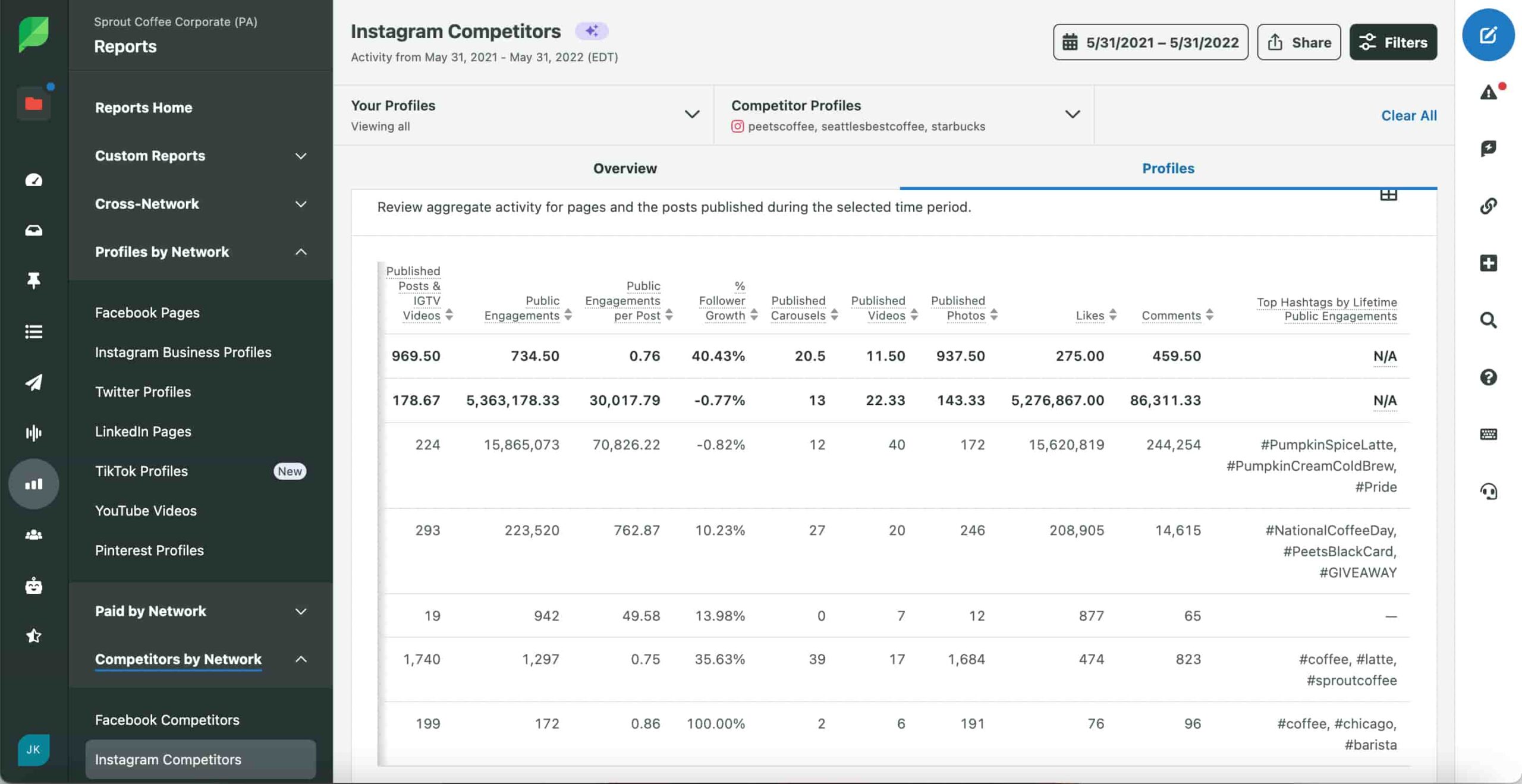
Strategic Competitor Analysis: Competitors’ high-performing Reels offer a direct window into effective hashtag strategies within a shared market. By analyzing videos that garner significant engagement, brands can identify successful hashtag patterns, understand audience preferences, and pinpoint untapped opportunities. Questions to consider include: Which hashtags are consistently used in top-performing competitor content? Are there niche tags they’ve overlooked? How does their hashtag strategy evolve with trends? Competitive analysis features within social media management platforms enable systematic tracking of competitor posts, engagement rates, and hashtag efficacy, providing benchmarks for setting realistic goals and identifying competitive advantages.
-
Cultivating Branded Hashtags: While leveraging existing hashtags builds reach, creating unique branded hashtags is pivotal for fostering community and reinforcing brand identity. Branded tags encourage user-generated content (UGC), amplify campaigns, and cultivate a sense of belonging among followers. Successful examples, like Canva’s branded hashtag challenges, demonstrate how these tags can drive creative engagement and extend brand presence organically through user advocacy.
The Future of Reels: Continuous Adaptation and the Role of Social Intelligence Platforms
As Instagram Reels solidify their position as a dominant force in digital content, the imperative for brands to adopt sophisticated, data-driven strategies will only intensify. The platform’s AI will continue to evolve, becoming even more adept at understanding content nuances and user intent. This means that a static hashtag strategy is a failing one. Continuous monitoring, analysis, and adaptation will be non-negotiable.
Social intelligence platforms like Sprout Social will play an increasingly vital role in this dynamic environment. By unifying social media management, analytics, listening, and publishing capabilities into a single dashboard, these platforms empower brands to track top-performing tags, monitor competitor keywords, measure real ROI, and refine their approach in real-time. The ability to identify emerging trends and quickly integrate them into content strategies will be a significant competitive differentiator.
Expert Insights on the Evolving Landscape
Leading social media experts consistently emphasize the shift from a ‘hashtag spray-and-pray’ mentality to one of ‘strategic keyword optimization.’ "The algorithm’s ability to interpret context is far more advanced than it was even two years ago," stated Dr. Anya Sharma, a digital marketing strategist, in a recent industry webcast. "This means your hashtags need to be hyper-relevant, almost acting as search terms. They’re not just for discovery; they’re for classification, telling Instagram exactly where your content belongs." Platform developers, while not always explicit about every algorithmic nuance, have repeatedly underscored the importance of creating high-quality, authentic content that provides value to users. Hashtags, when used correctly, serve as a bridge between that valuable content and its intended audience.
The brands that will thrive on Instagram Reels in the coming years are those that treat hashtag selection not as an afterthought, but as a core, data-driven discipline. By aligning hashtags with brand identity, audience interests, and algorithmic realities, creators can unlock unparalleled discoverability and engagement. The era of generic tagging is over; the age of intelligent, intentional keyword optimization has arrived.