The Best Brands on Instagram in 2026: A Masterclass in Cultural Fluency and Social Strategy

The landscape of digital marketing in 2026 has been defined by a decisive shift away from direct, product-centric advertising toward a model of immersive cultural integration. As brands navigate an increasingly saturated social media environment, the most successful entities are those that treat their Instagram presence not as a digital storefront, but as a dynamic contributor to the global conversation. This year, the Instagram platform served as the primary arena for major cultural milestones, most notably the 2026 World Cup, where the fusion of high-profile athlete influence and creative, risk-taking content production established a new gold standard for audience engagement.
The 2026 World Cup served as the year’s definitive catalyst for social media innovation. While traditional broadcast partnerships and stadium sponsorships provided the foundation for these campaigns, the real battles for consumer attention were won on mobile screens. A rigorous analysis of social data from May through July 2026 reveals that brands that prioritized narrative-driven content over transactional messaging achieved significantly higher earned media value (EMV).
The Power of Athlete-Led Storytelling: Nike and Adidas
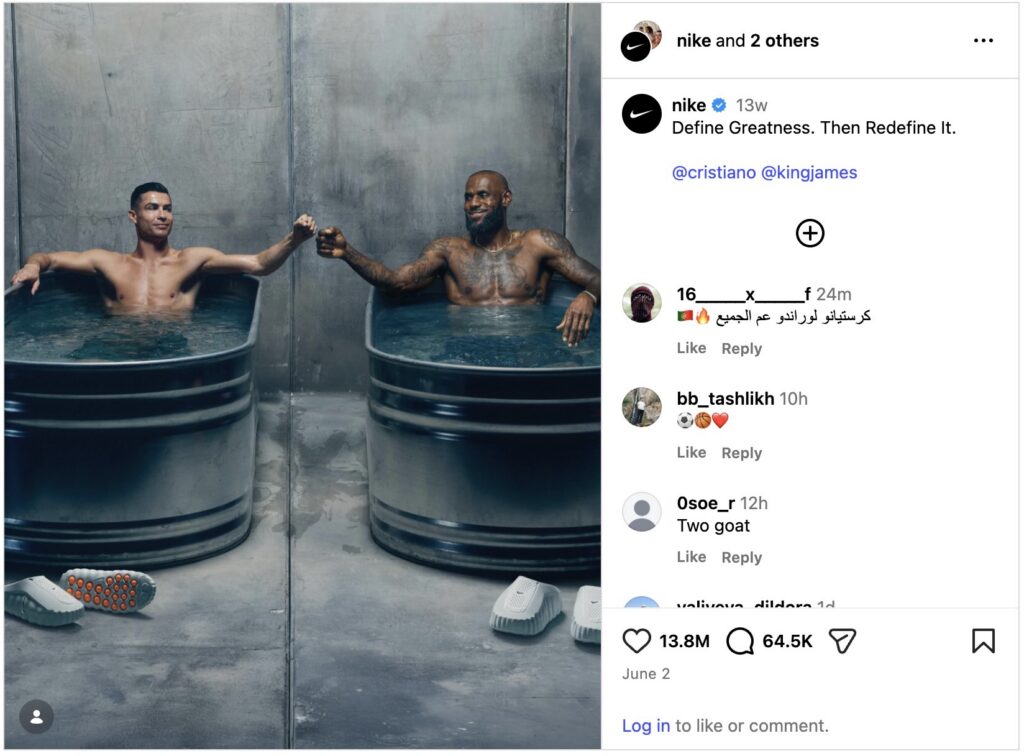
The rivalry between Cristiano Ronaldo and Lionel Messi continued to dominate the global sporting discourse in 2026, and their respective footwear sponsors, Nike and Adidas, leveraged this dynamic with surgical precision. Nike’s approach centered on the intersection of cultural icons; by featuring Ronaldo alongside LeBron James, the brand bridged the gap between football and basketball, creating a cross-sport narrative that resonated with a broader demographic than a singular athlete campaign could have achieved.
In contrast, Adidas adopted a deeply emotional, heritage-focused strategy. Their #YouGotThis campaign, which integrated Lionel Messi’s professional journey with cameos from pop-culture figures like Bad Bunny, moved beyond simple product placement. By co-posting content directly to Messi’s massive follower base, Adidas transformed a standard promotional push into a communal event. Data from Sprout Social indicates that Adidas Football’s primary account generated approximately $100 million in estimated EMV during the tournament window, proving that the synergy between a legacy brand and a globally recognized athlete remains the most potent tool in the digital marketing arsenal.
Navigating Constraints: The Levi’s Case Study
Not all successful campaigns relied on the scale of a global sporting icon. Levi’s demonstrated how regulatory restrictions can actually serve as a creative springboard. Faced with strict stadium sponsorship guidelines that mandated the obscuring of non-partner logos, the brand opted for a tongue-in-cheek campaign. By posting Reels featuring the "redacted" stadium signage, Levi’s successfully turned a logistical challenge into a viral moment.
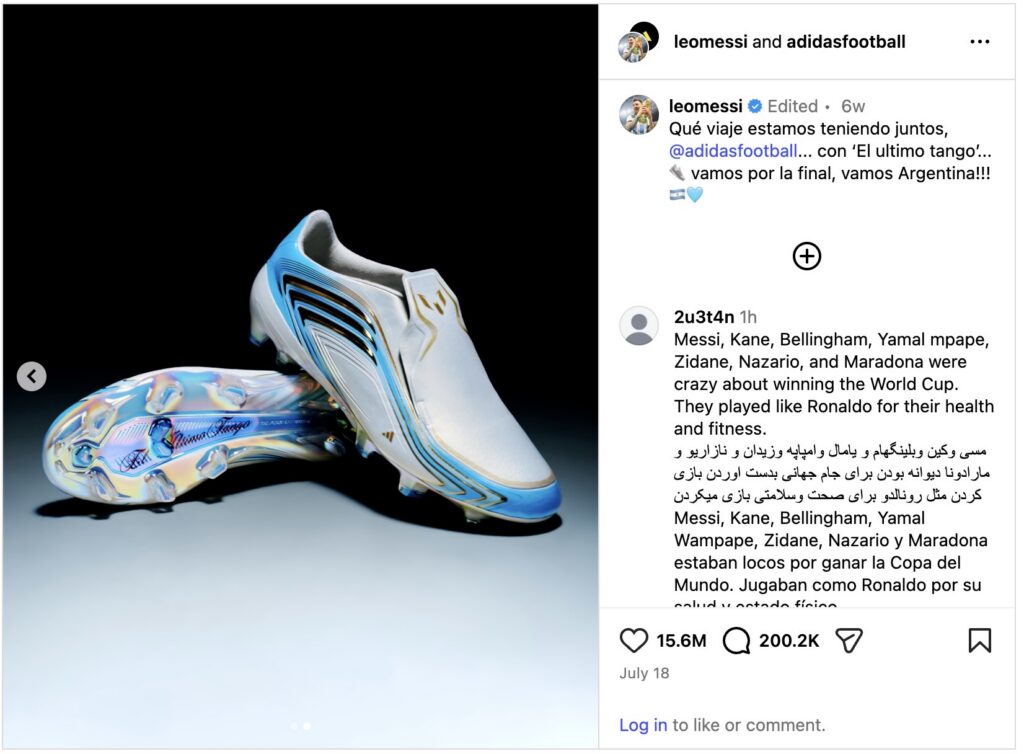
The strategy utilized self-referential humor—a staple of modern digital community management—which generated 2.5 million engagements. The subsequent decision to monetize this viral moment by releasing a limited-edition apparel line featuring the redacted logo provided a clear pathway from social sentiment to measurable business impact. This serves as a critical lesson for marketing teams: when faced with external limitations, authenticity and transparency often yield higher engagement rates than sanitized, corporate-approved messaging.
Cross-Industry Rivalries: British Airways and Norwegian
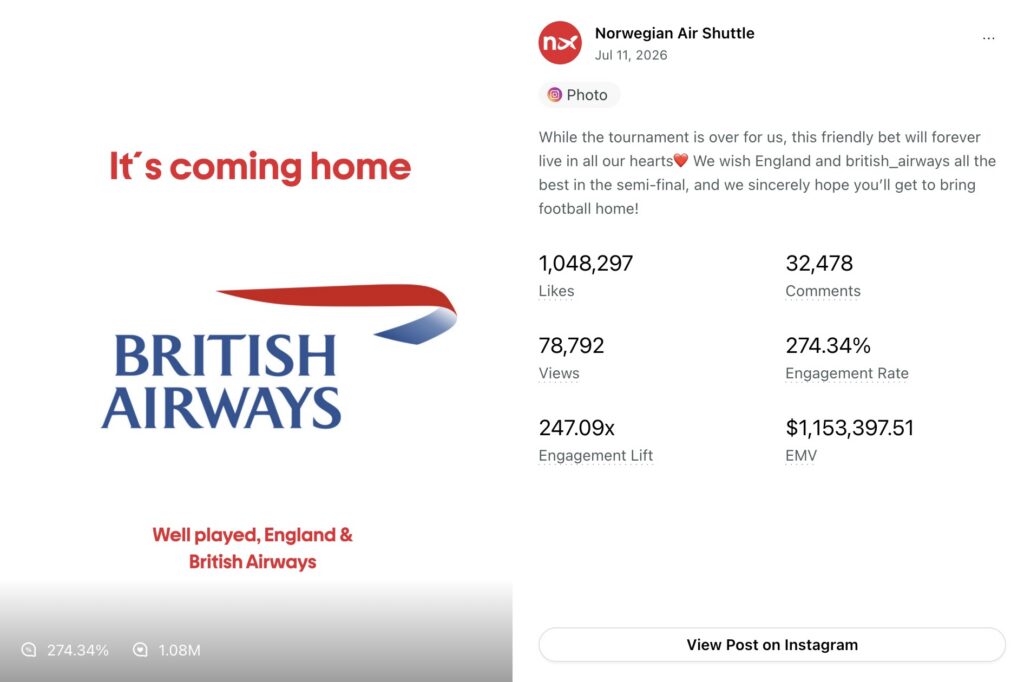
The quarter-final match between England and Norway offered a unique opportunity for non-endemic brands to insert themselves into the World Cup narrative. The friendly wager between British Airways and Norwegian—in which the losing airline would temporarily adopt the branding of the victor—transcended traditional corporate communications.
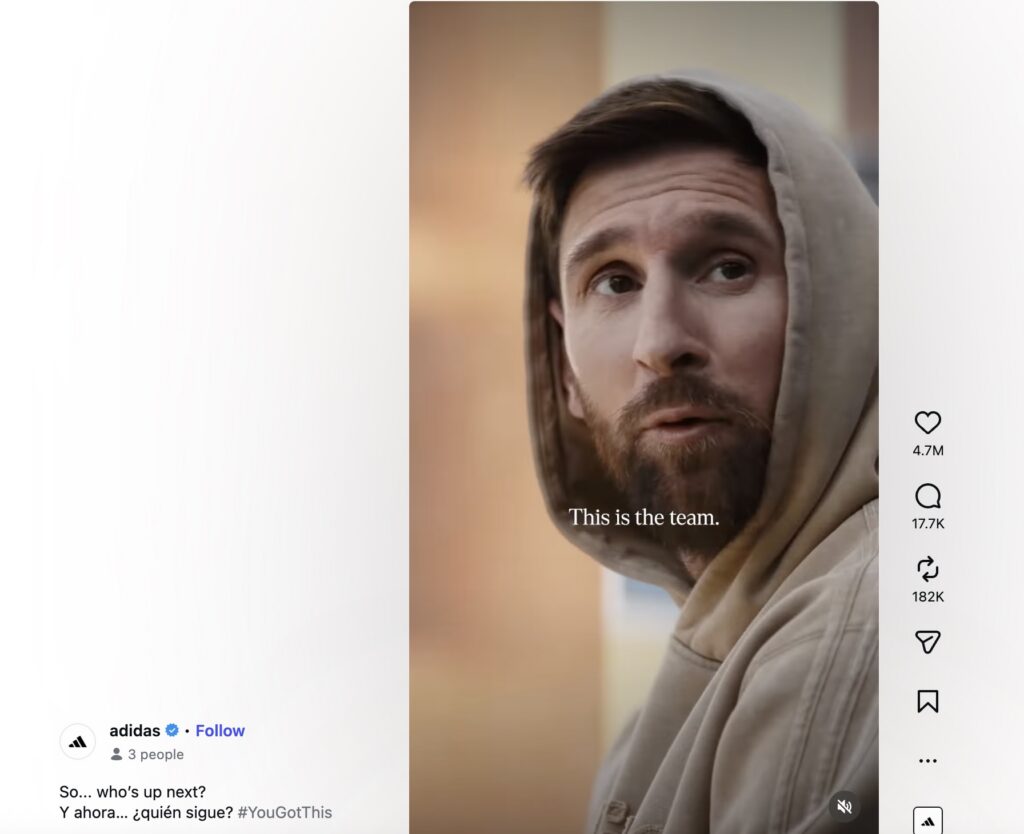
The engagement spike observed by both carriers during the match week was statistically significant. For Norwegian, the post confirming their temporary logo change served as a masterclass in brand agility, garnering over a million likes and $1.1 million in EMV. The implication here is clear: when brands humanize themselves by participating in the same cultural rivalries as their customers, they foster a deeper level of brand loyalty that extends far beyond the duration of the promotion.
Beyond Commercialism: Public Service and Institutional Engagement
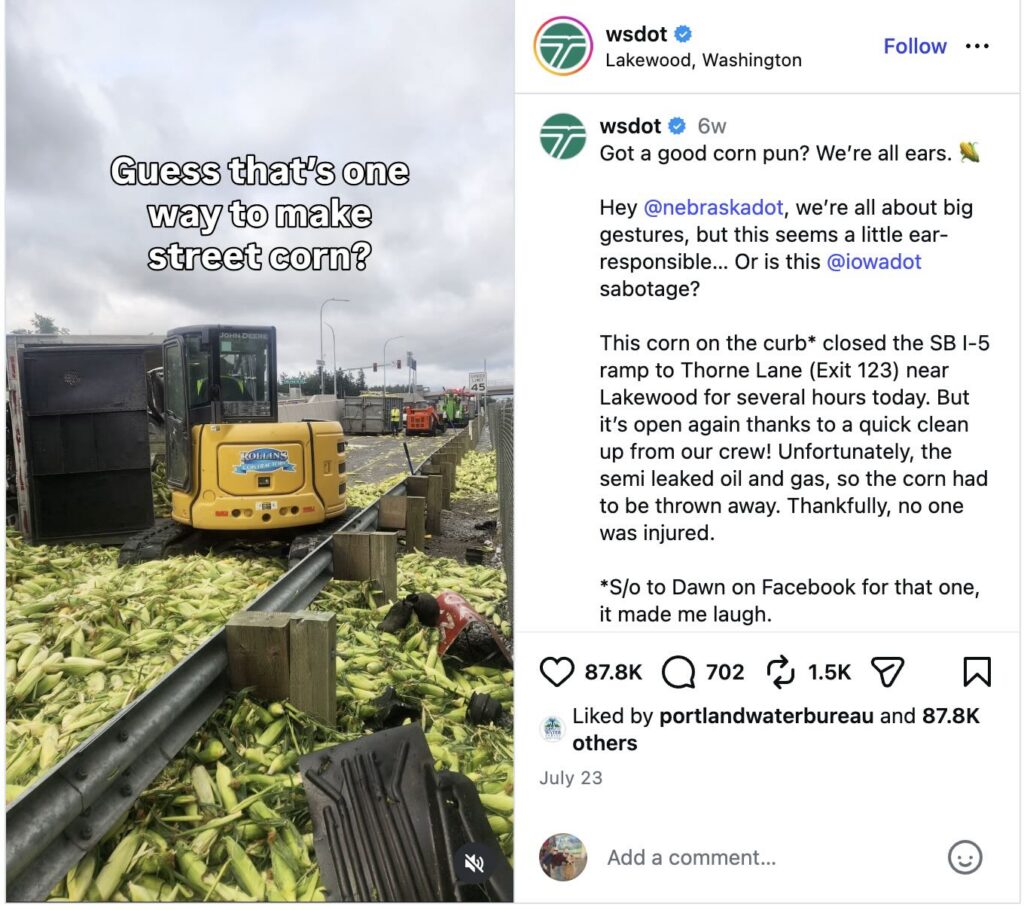
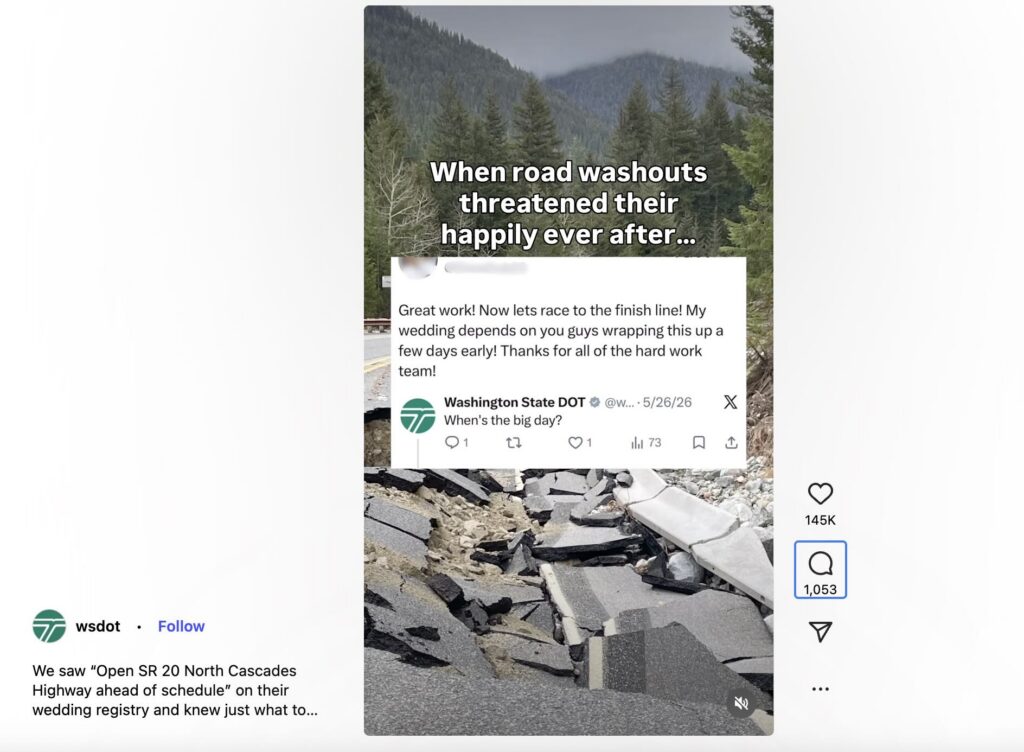
While private corporations focused on consumer products, public institutions like the Washington State Department of Transportation (WSDOT) redefined the role of government accounts on social media. By utilizing humor to deliver essential infrastructure updates, WSDOT bridged the gap between bureaucratic necessity and public interest.
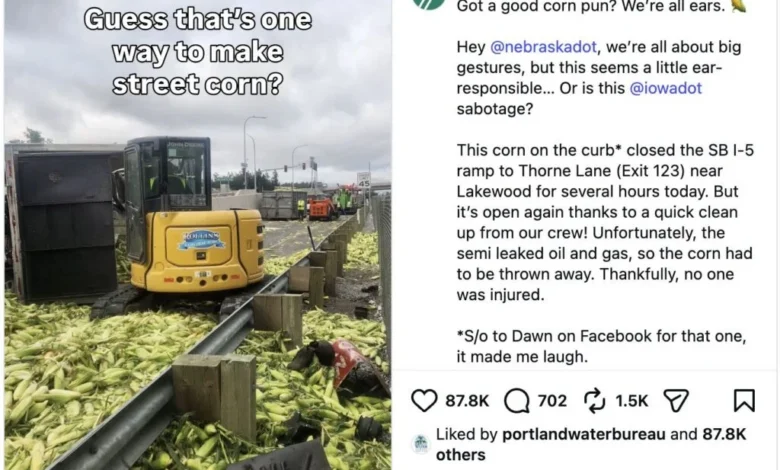
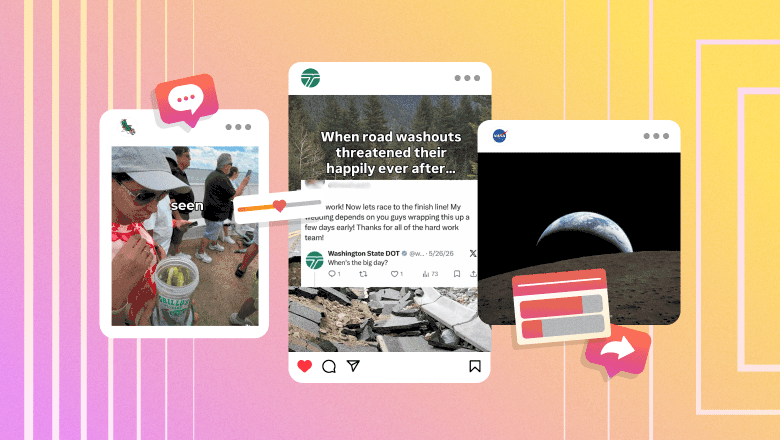
The department’s viral response to a truck spilling corn on the highway is a prime example of "low-stakes narrative hooking." However, their most impactful content focused on community-centric storytelling, such as the early reopening of the North Cascades highway to accommodate a wedding party, and the milestone celebration of the 10,000th successful animal crossing. With nearly half a million engagements on the latter, WSDOT demonstrated that the public is eager to engage with institutions that communicate with transparency, humor, and a clear sense of social mission.
Absurdism as a Brand Identity: The Grillo’s Pickles Phenomenon
The rise of Grillo’s Pickles on Instagram represents a departure from conventional CPG marketing. By adopting an absurdist, character-driven narrative—featuring a pickle as an international tourist at iconic landmarks—the brand has bypassed the standard "product-benefit" model of advertising.
The strategy relies on juxtaposition: the low-budget, high-effort absurdity of a literal pickle in high-stakes environments creates a visual dissonance that stops the user’s scroll. With over 14 million engagements and $40 million in EMV this year, Grillo’s provides a compelling case for brands to lean into unconventional, "weird" creative directions. This approach builds a distinct, self-contained brand world that encourages user participation and community creation, effectively separating the brand from the noise of its competitors.
NASA and the Humanization of Scientific Discovery
NASA’s performance in 2026 highlights the enduring power of wonder. The agency’s coverage of the Artemis II mission achieved over 130 million engagements, largely by humanizing the complex realities of space exploration. By mixing high-fidelity photography with relatable content—such as an astronaut documenting a floating jar of Nutella—NASA transformed the technical achievement of the moon mission into a shared human experience.
This strategy effectively utilizes the principles of employee-generated content to bridge the distance between institutional experts and the general public. By focusing on the "whimsy" of the astronaut experience, NASA maintained high levels of public interest long after the initial launch, proving that even the most complex technical organizations can thrive on social media if they prioritize storytelling over technical jargon.
McDonald’s and the Future of Cultural Intelligence
McDonald’s continues to set the benchmark for cultural fluency. By treating their Instagram account as an extension of the broader pop-culture zeitgeist, they have secured a "first-mover" advantage in digital trends. Their work with the "Backrooms" internet lore—a liminal space aesthetic—demonstrated an ability to engage with niche subcultures while maintaining broad mass-market appeal.
The lesson from the McDonald’s framework is that deep social intelligence—the ability to monitor and interpret digital conversations—is a prerequisite for modern marketing. By the time a trend becomes mainstream, it is often too late to react. McDonald’s success proves that brands which proactively embed themselves into the evolving digital lore of their audience do not need to rely on "hard selling" to remain relevant.
Conclusion: The Shift to Cultural Fluency
The common thread linking these diverse organizations is a commitment to cultural fluency over transactional advertising. Whether through the absurd marketing of a pickle, the institutional transparency of a transportation department, or the high-stakes narrative of a global sporting event, the winning brands of 2026 share a common trait: they do not interrupt the conversation; they participate in it.
As we look toward the remainder of the year and beyond, the data confirms that audiences are increasingly resistant to traditional advertising methods. Instead, they reward brands that show an awareness of their place within the cultural ecosystem. For marketing professionals, the path forward is clear: success on Instagram in 2026 requires a transition from being a product provider to becoming a storyteller, a community partner, and, above all, a participant in the shared human experience of the digital age.