Securing executive-level support for internal initiatives often hinges on a fundamental shift in communication: moving from the language of passion to the language of proof. In an era where digital noise is at an all-time high and organic reach on corporate social channels is increasingly suppressed by algorithmic shifts, organizational leaders are searching for more efficient ways to amplify their brand presence. Employee advocacy—the formal process of empowering staff to share company-approved content on their personal networks—has emerged as a strategic imperative. For marketing and communications professionals, the challenge is not proving that advocacy works, but demonstrating its measurable impact on the bottom line.

The current landscape of corporate communication is defined by a paradox. While companies invest millions in paid advertising and polished corporate social media accounts, data suggests that audiences are increasingly skeptical of high-gloss marketing. According to the 2026 Sprout Social Influencer Marketing Report, 46% of consumers express a preference for hearing from frontline staff, compared to a mere 10% who prioritize messages from C-suite executives. This shift signals a return to human-centric marketing, where the most effective brand ambassadors are the employees themselves.
The Evolution of Advocacy from Informal to Strategic
Historically, employee advocacy was viewed as an informal, decentralized activity. Employees might share a job post or a company milestone occasionally, but these efforts lacked coordination, brand consistency, and, most importantly, measurable data. By 2026, the industry has transitioned toward formal, technology-driven programs.
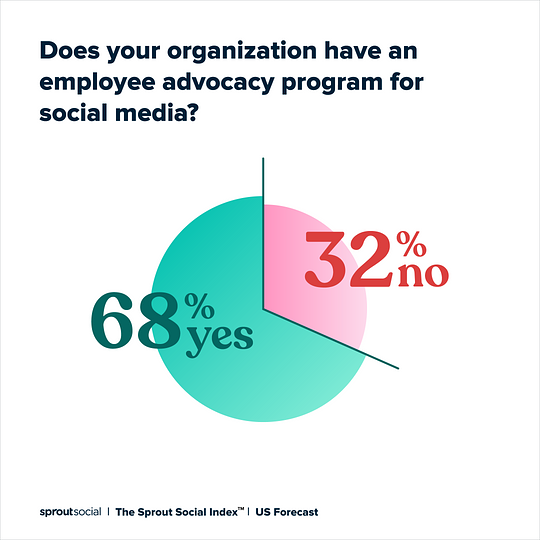
Industry benchmarks indicate that 68% of marketing organizations have already implemented some form of an advocacy program. This adoption rate highlights that advocacy is no longer an experimental project but a standard operational requirement. Sophisticated enterprises are moving beyond ad-hoc posting and are instead investing in dedicated staff, specialized software, and structured training protocols. This formalization allows brands to control messaging while leveraging the authentic voices of their workforce.
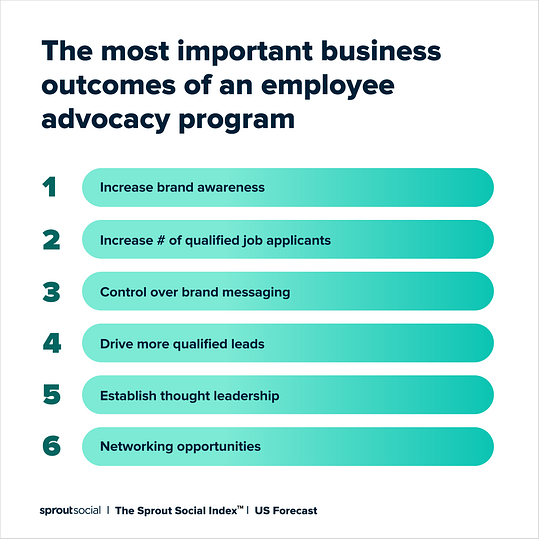
The organizational objectives for these programs have also matured. According to recent surveys of over 1,000 marketing professionals, the top three goals for modern advocacy programs are increasing brand awareness, attracting qualified job applicants, and maintaining control over brand messaging. Secondary objectives include driving lead generation, establishing internal thought leadership, and creating networking opportunities for employees.
Quantitative Evidence for the Executive Pitch
When presenting an advocacy proposal to the C-suite, leaders must pivot away from "soft" metrics like likes and shares, focusing instead on business-centric outcomes. The core of the pitch should rest on the following pillars: top-of-funnel demand, authentic trust, amplification, and talent acquisition.
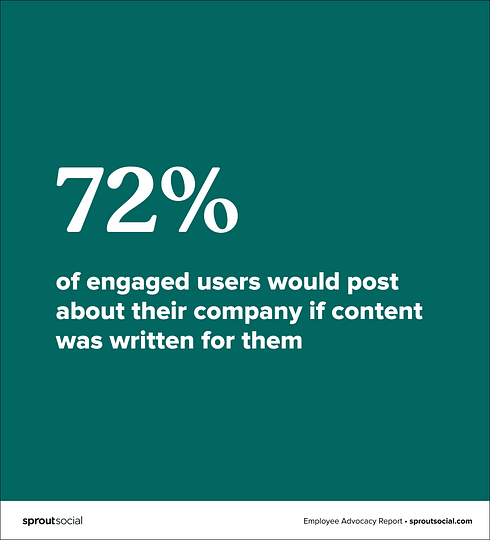
Data from the 2026 fiscal year provides a compelling case for investment. Notably, 40% of consumers report discovering new products through employee-generated content on a monthly basis. This suggests that employee channels are not just supplementary; they are active drivers of demand. Furthermore, the barrier to participation is often overstated. Research indicates that 85% of onboarded employees are willing to share content on their personal channels if they are provided with a curated, easy-to-use tool. The takeaway is that low engagement is typically a content-supply problem rather than a lack of employee interest.
Amplification and the Cost of Paid Reach
As digital advertising costs rise and ad-blocker usage remains prevalent, the organic reach of corporate social media accounts has become increasingly difficult to maintain. Employee networks offer a solution that circumvents these hurdles by tapping into the personal trust an employee has already cultivated with their network.
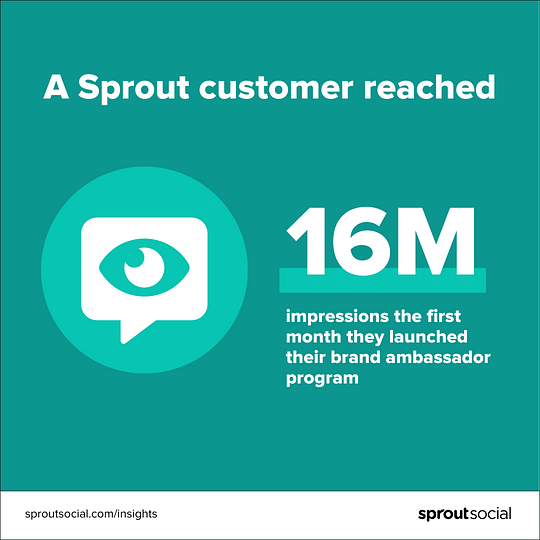
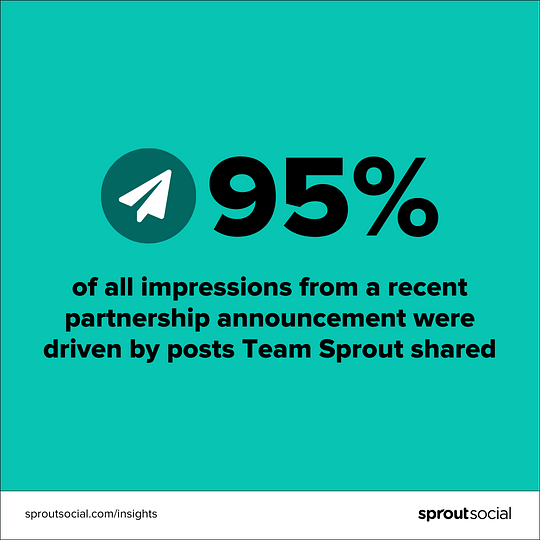
Case studies from early 2026 highlight the scale of this impact. Ivanti, an IT software company, successfully leveraged an advocacy program to grow its social reach by 16 million impressions in a single month. Similar results have been observed across various sectors. For instance, when Sprout Social announced a global partnership with Salesforce, 95% of the 740,000 resulting impressions were driven directly by employees sharing the news through their personal accounts.
These figures illustrate that the amplification potential of a workforce is orders of magnitude higher than that of a static corporate handle. For the CFO, this represents a significant optimization of marketing spend: the ability to generate millions of impressions without additional media costs.
Linking Advocacy to Revenue and Sales Performance
Perhaps the most persuasive argument for the C-suite is the direct correlation between employee advocacy and sales performance. Advocacy acts as a force multiplier for sales teams, particularly in the B2B sector.
Social selling—the practice of using social networks to find and nurture prospects—is heavily supported by an effective advocacy program. According to LinkedIn’s Social Selling Index, salespeople who actively share company content are 51% more likely to reach their sales quotas. This is because shared content positions the salesperson as a thought leader and subject matter expert, rather than a mere vendor.
Financial metrics also bear this out. Infor, a major enterprise software provider, reported generating $100,000 in earned media value in just one month through its employee advocacy efforts. When these shares are integrated into a CRM system, organizations can trace the journey from an employee’s post to a qualified lead, providing clear evidence of ROI that traditional marketing campaigns often struggle to quantify.
Talent Acquisition and Employer Branding
In the competitive war for talent, social proof is paramount. Prospective candidates conduct extensive research on potential employers, often prioritizing the posts of current employees over official recruitment marketing materials. An advocacy program that encourages staff to share company culture, achievements, and open roles creates an authentic narrative that attracts higher-quality candidates.
Furthermore, advocacy programs contribute to employee retention. By giving staff a stake in the company’s public narrative, organizations foster a sense of ownership and professional pride. Employees who feel empowered to act as stewards of the brand are statistically more engaged and less likely to seek employment elsewhere.
Operational Implementation and Future Outlook
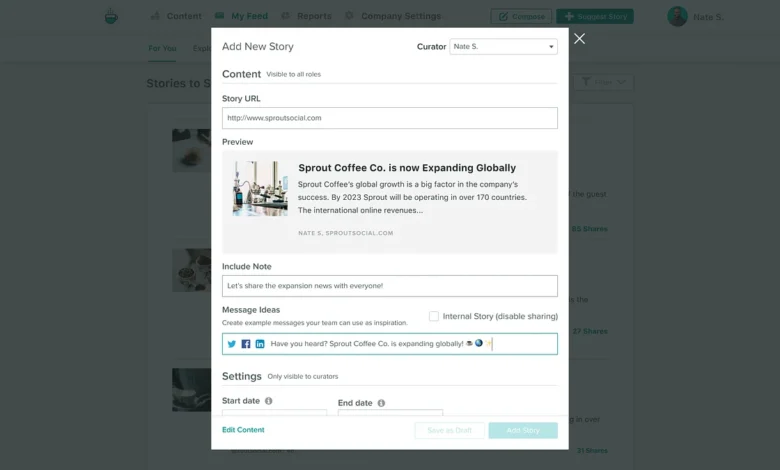
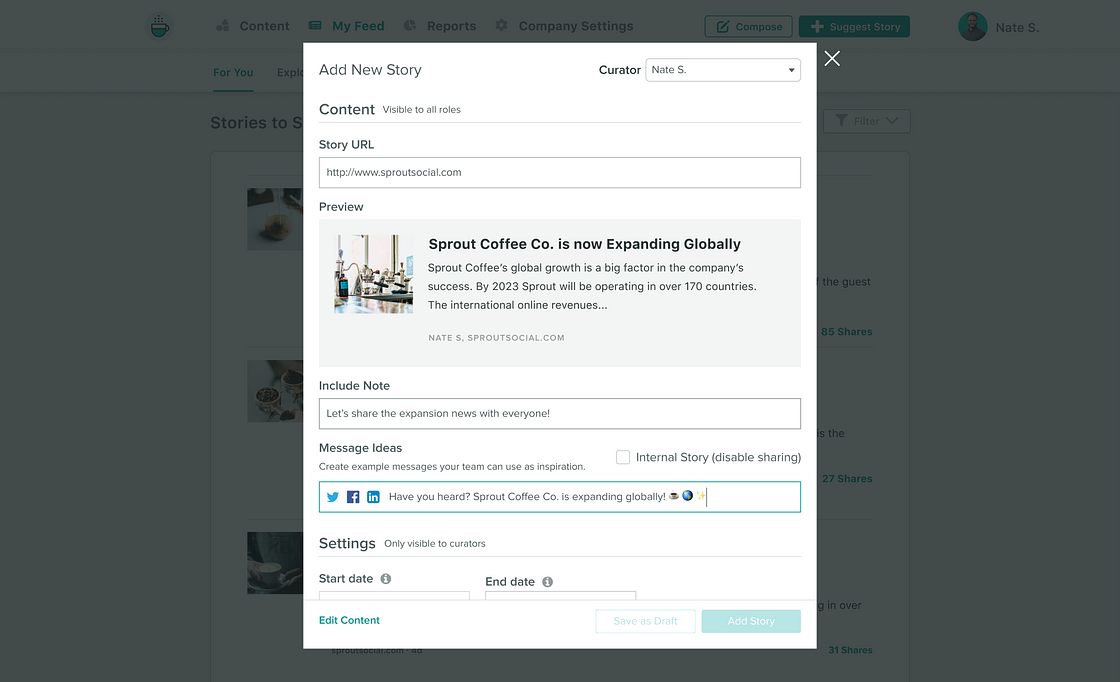
To operationalize these insights, firms are increasingly turning to centralized advocacy platforms. These tools provide a "content hub" where approved, on-brand messaging is housed. Employees can review and share this content with a single click, ensuring that the brand’s message remains consistent while the individual’s voice remains authentic.
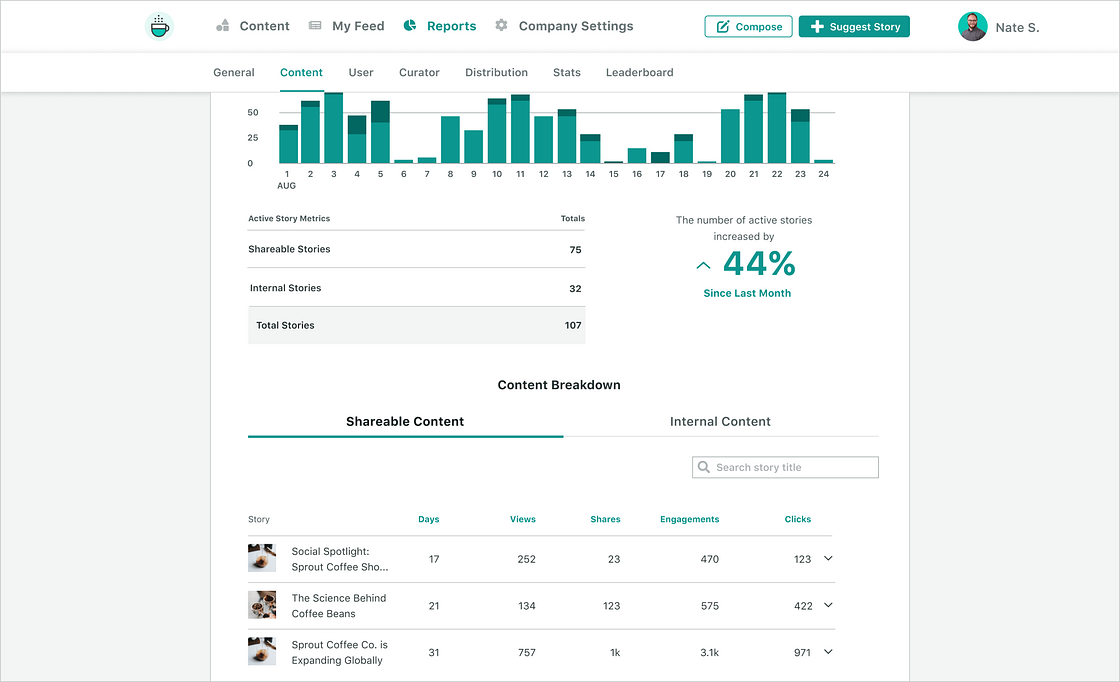
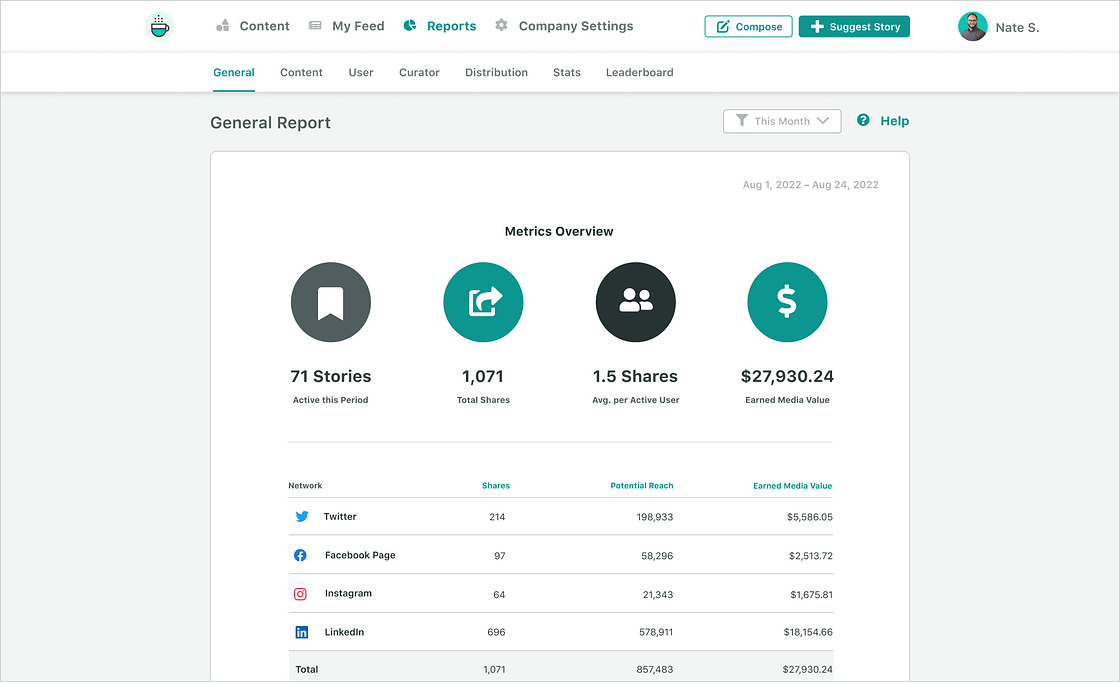
The technological shift toward automation and analytics is critical. Modern platforms allow for real-time tracking of shares, engagement, and earned media value. By mapping these metrics, departments can identify which content pieces perform best and which employees are the most effective advocates.
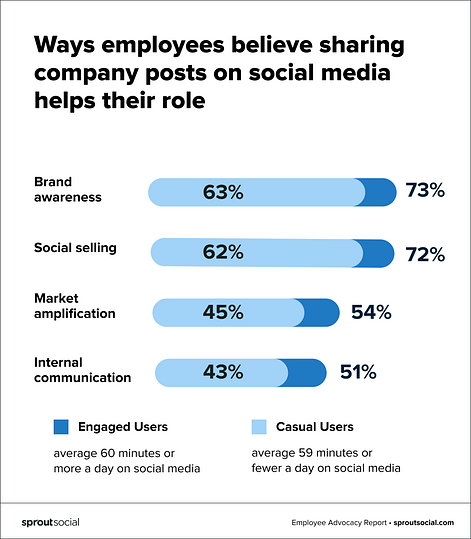
In the healthcare sector, one organization reported a 200% increase in social engagement within six months of launching a structured advocacy program, paired with a 98% satisfaction rate among the employees participating in the platform. These results demonstrate that when employees are provided with the right tools and content, they are eager to participate.
Strategic Implications for Leadership
For the C-suite, the decision to formalize an employee advocacy program is a decision about resource allocation and brand strategy. As organic social media performance continues to decline for corporate accounts, companies that fail to activate their employees risk losing their primary channel for human connection.
The evidence is clear: employees are the most trusted voice in the digital ecosystem. By treating their personal networks as a core amplification channel, businesses can lower their acquisition costs, shorten sales cycles, and build a more resilient employer brand. The transition from informal posting to a data-backed, technology-enabled advocacy program is no longer a "nice-to-have" marketing tactic—it is a proven standard for high-performing organizations in 2026.
The path forward for leadership is to treat employee advocacy as a core business function. By investing in the tools to support, measure, and scale this effort, companies can transform their workforce into their most effective and efficient marketing engine. As the digital landscape continues to fragment, the authentic voice of the employee remains the most reliable currency for building trust and driving sustainable growth.