Buffer, a prominent social media management platform, today announced the launch of "Insights," a completely rebuilt analytics suite designed to empower marketers, creators, and agencies with actionable data without sacrificing creative autonomy. This new offering, available immediately, aims to redefine how social media professionals interact with their performance data by prioritizing understanding and strategic direction over mere data aggregation. The company emphasizes a philosophy of being "data-informed" rather than "data-driven," asserting that while data is crucial for guiding efforts, originality and creativity remain paramount for content to truly resonate and stand out in a crowded digital landscape.
The launch of Insights marks a significant strategic move for Buffer, reflecting a long-held ambition to overhaul its analytics capabilities. A spokesperson for Buffer highlighted the personal investment in this project, stating that the new platform addresses a critical need for analytics that are not only powerful but also intuitive and directly applicable to future content strategy. The core differentiation of Insights, according to the company, lies in its ability to translate complex data into clear recommendations for a user’s "next move," a common pain point in existing analytics solutions.
The Paradigm Shift: Data-Informed vs. Data-Driven Marketing
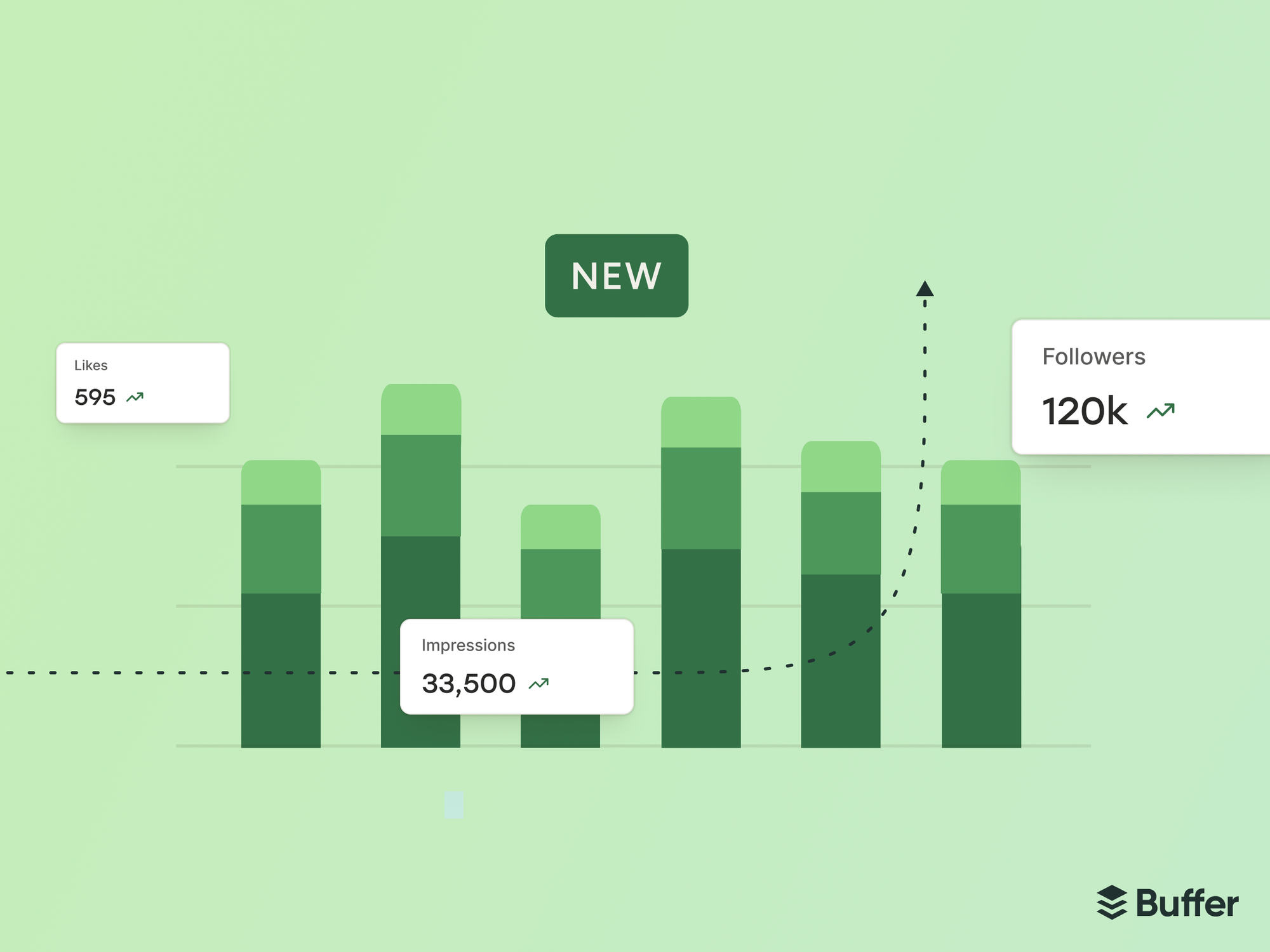
At the heart of Buffer’s new Insights platform is a philosophical stance on data utilization in marketing. The distinction between "data-informed" and "data-driven" is a critical differentiator. In a "data-driven" approach, metrics dictate strategy, often leading to a conservative, imitative, or overly optimized approach that can stifle innovation and genuine connection. Conversely, a "data-informed" approach leverages data as a compass, guiding creative efforts and validating hypotheses while allowing human intuition, originality, and artistic expression to lead the content creation process.
This perspective resonates deeply in an era where authentic engagement and unique brand voices are increasingly vital. Social media platforms are saturated with content, and mere replication of past successes, while data-supported, often fails to capture evolving audience tastes or breakthrough new creative barriers. Buffer’s Insights aims to provide the necessary data scaffolding—identifying what is working, for whom, and why—thereby freeing marketers and creators to channel their creativity more effectively, rather than limiting it to prescriptive data models. This balance is particularly crucial for the burgeoning creator economy and small businesses, where resources are often limited, and every creative decision carries significant weight.
A Deep Dive into Insights: Key Features and Differentiators
Buffer’s Insights platform introduces several features designed to deliver on its promise of actionable, accessible, and integrated analytics.
Accessibility for All: Insights for Everyone, for Free
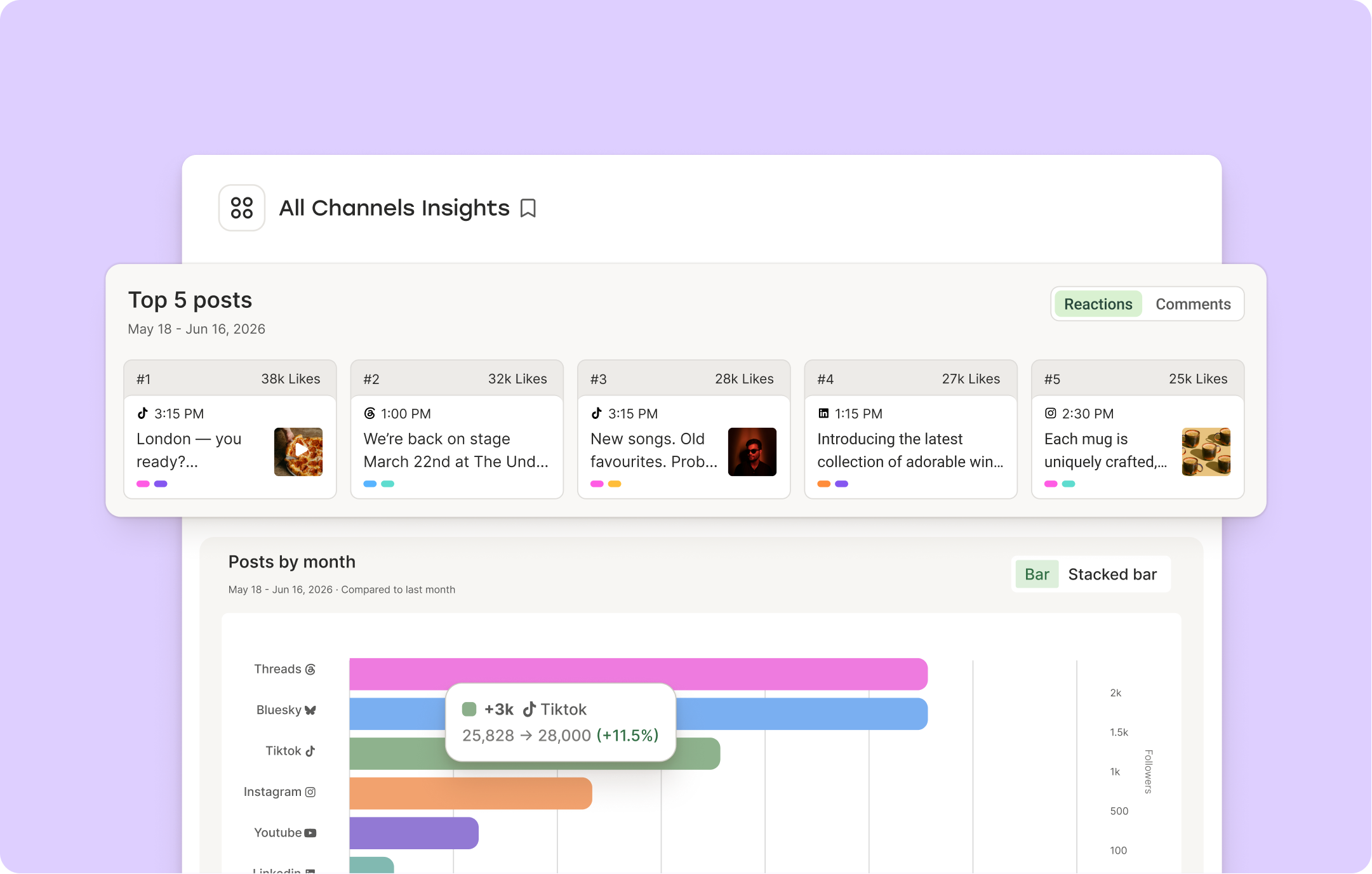
A cornerstone of the new offering is its commitment to broad accessibility. Insights is designed to serve a diverse user base, ranging from solo content creators managing a single social media channel to large marketing agencies overseeing dozens of client brands. Critically, powerful and actionable insights are available on the free plan, a move that democratizes access to advanced analytics capabilities often reserved for expensive enterprise-level solutions. Deeper reporting and more granular data are available on paid plans for those requiring more extensive analysis. This tiered approach directly addresses a long-standing frustration in the social analytics market, where users often faced a binary choice between overly simplistic free tools and prohibitively expensive, complex enterprise platforms that frequently delivered data without clear, actionable directives. Buffer’s strategy aims to bridge this gap, providing tangible value to a wider segment of the market.
Seamless Integration and Data Portability
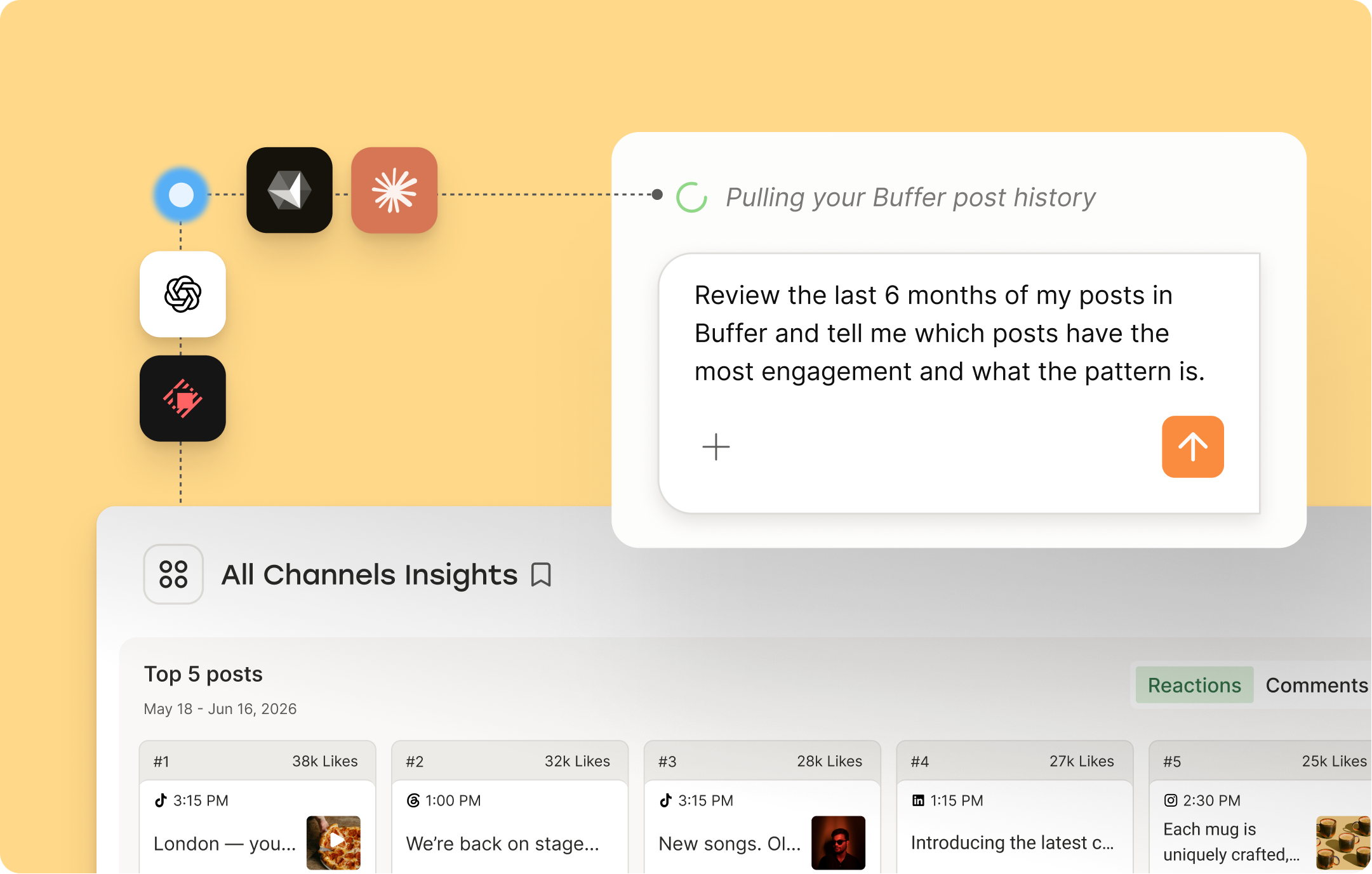
Recognizing the diverse technological ecosystems marketers operate within, Buffer has engineered Insights for robust interoperability. The platform works seamlessly with a user’s existing tech stack, including emerging AI agents. This capability is facilitated by Buffer’s recently launched public API and an MCP server, which allow users to query their data and build custom integrations as needed. This means that performance numbers are not confined to the Buffer dashboard; users can pull them into their own custom reports, business intelligence tools, or even feed them directly to AI agents for automated analysis and heavy lifting. This commitment to data portability underscores a user-centric approach, empowering organizations to leverage their social media data in ways that best suit their unique operational workflows and reporting requirements.
AI as a Creative Catalyst
Insights integrates artificial intelligence, but with a specific purpose: to assist and amplify human creativity, not to replace it. The AI component operates discreetly in the background, analyzing past performance trends across user channels to identify patterns and successful content attributes. It then offers guidance that "points your own creativity in the right direction without trying to replace it." This intelligent assistance helps users understand what types of content, formats, or messaging have resonated most effectively with their audience, enabling them to refine their future content strategies based on proven engagement. The goal is to elevate existing efforts, making creative experimentation more informed and successful, thereby maximizing the impact of original content.
Comprehensive Tools for Strategic Decision-Making
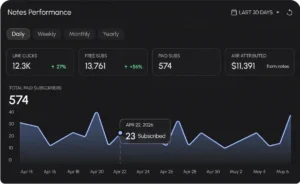
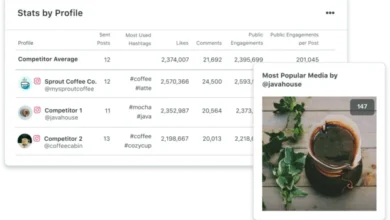
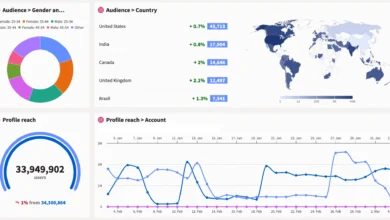
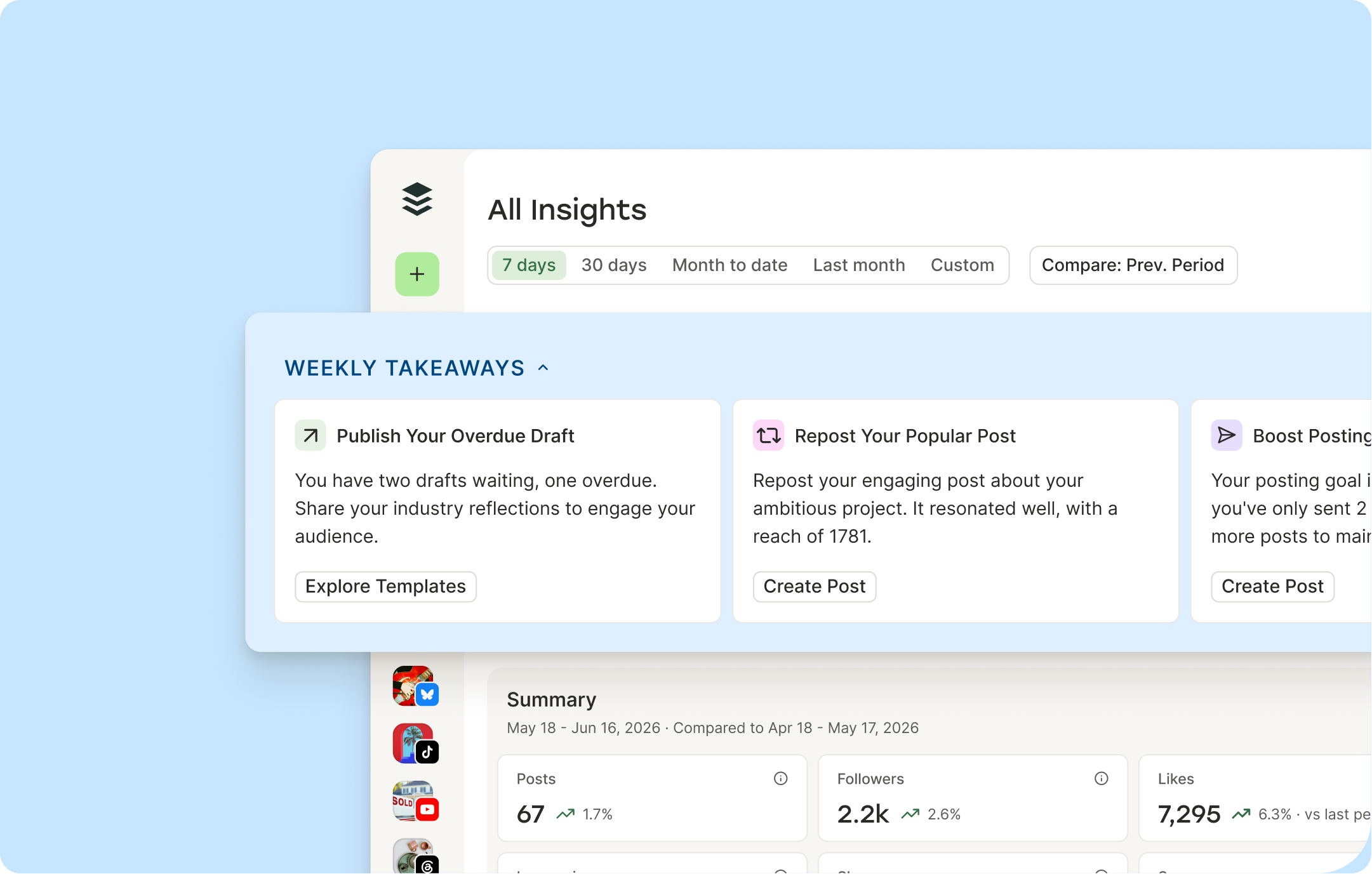
The platform consolidates a wide array of functionalities essential for strategic social media management. Users can access critical metrics related to post performance, audience growth, engagement rates, and content reach across various social channels. Insights provides clear visualizations and digestible summaries, allowing users to quickly identify top-performing posts, understand audience demographics and behavior, track campaign effectiveness, and optimize posting schedules. The focus is on providing "plain-language takeaways" that are easy to understand for creators who prioritize content creation over intricate data analysis, while also offering deeper reporting capabilities for agencies requiring detailed performance reviews and cross-channel comparisons. This comprehensive suite ensures that whether a user is looking for quick optimization tips or in-depth strategic planning, Insights provides the necessary data points.
Background and Development Chronology
Buffer has long been a key player in the social media management space, known for its intuitive scheduling and publishing tools. However, the rapidly evolving landscape of social media and the increasing sophistication of marketing demands highlighted the need for a more robust and insightful analytics offering. The idea to re-imagine analytics has been a long-standing objective within Buffer, described as "close to my heart" by the company spokesperson, indicating a deep-seated commitment rooted in understanding the challenges faced by their own internal marketing teams.
The journey to Insights involved a significant development period, moving from initial concept to a comprehensive rebuild "from the ground up." This effort likely spanned several months, if not years, given the complexity of integrating diverse data streams, developing advanced analytical models, and implementing AI capabilities. Preceding this launch, Buffer laid crucial groundwork by introducing its public API and MCP server, signaling a strategic direction towards greater data openness and integration. These foundational elements were essential for Insights to offer the level of data portability and interoperability that now distinguishes it. The internal testing and refinement processes, driven by the needs of Buffer’s own marketers, ensured that the final product was genuinely built around actionable insights for real-world scenarios.
Industry Context and Market Landscape
The launch of Buffer Insights arrives at a pivotal time for social media marketing. The global social media management market size was valued at approximately $15.5 billion in 2022 and is projected to grow significantly, driven by the increasing importance of digital presence for businesses of all sizes and the explosive growth of the creator economy. Within this market, social media analytics constitutes a crucial segment, with companies constantly seeking more effective ways to measure ROI, understand audience behavior, and optimize content strategies.
However, the existing analytics landscape often presents challenges. Marketers frequently face an overwhelming volume of raw data that lacks clear contextualization or actionable recommendations. Studies indicate that many marketers spend a substantial portion of their time on data aggregation and basic reporting, struggling to translate complex metrics into strategic decisions. Enterprise-level tools, while comprehensive, often come with steep price tags and learning curves, making them inaccessible to smaller businesses and individual creators. Conversely, simpler, more affordable tools often provide only superficial data, failing to offer the depth needed for meaningful optimization.
Buffer’s Insights aims to disrupt this binary by offering powerful, actionable insights on a free tier, positioning itself as a hybrid solution that democratizes advanced analytics. By focusing on "what to do next" rather than just "what happened," Buffer seeks to carve out a unique niche, appealing to users who are tired of data overload and are looking for clarity and strategic direction. This approach could set a new standard for accessibility and utility in social media analytics, particularly for the vast market of SMBs and independent creators who represent a significant portion of social media users.
Official Partnerships and Trust
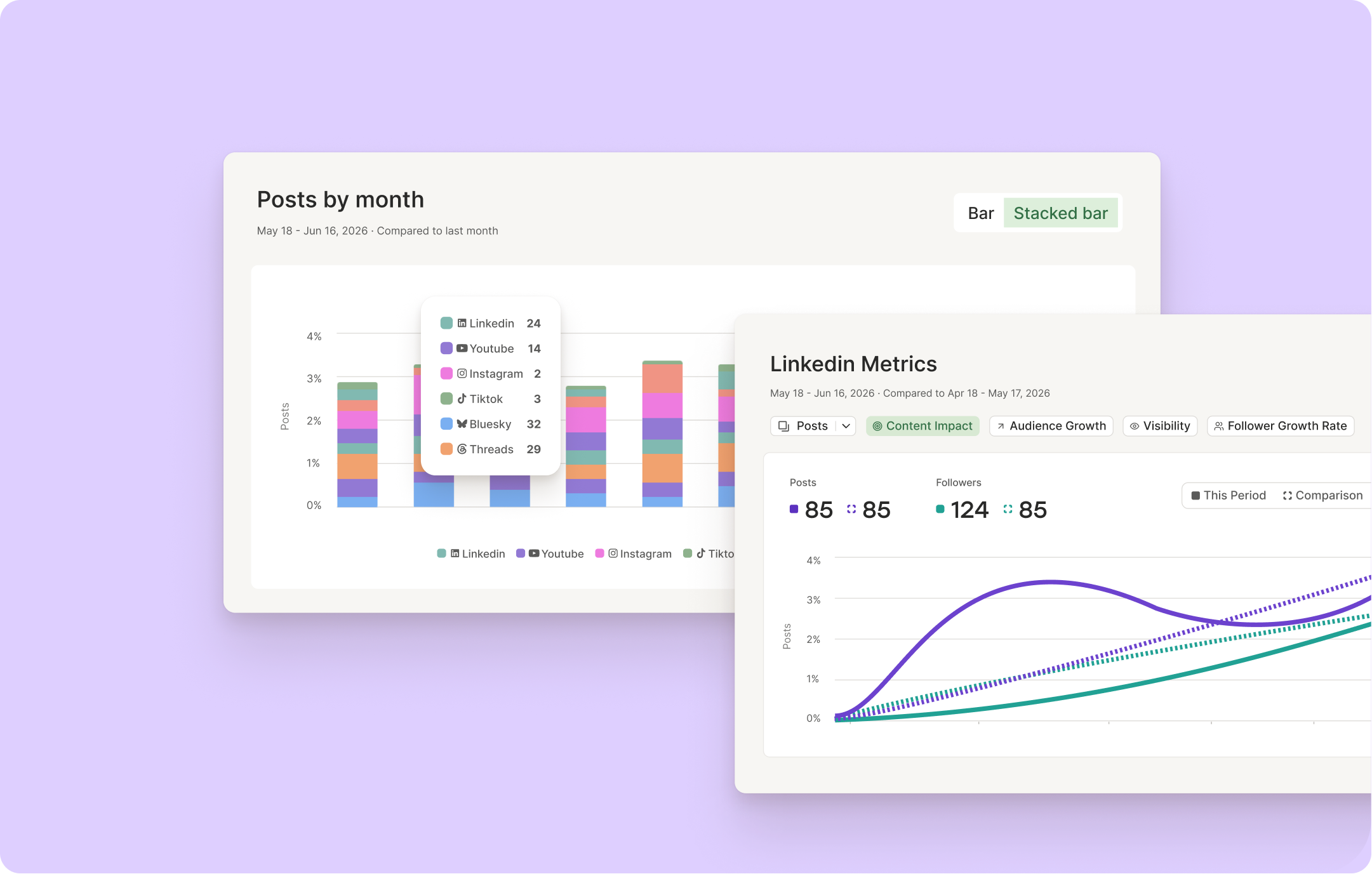
A critical component of Buffer’s market positioning and user trust is its status as an official partner to major social media platforms, including Meta (Facebook, Instagram), LinkedIn, and X (formerly Twitter). This official accreditation provides two significant benefits to Insights users. Firstly, it ensures the security and safety of user accounts, mitigating risks associated with unauthorized access or data breaches often linked to unofficial third-party applications. This is paramount in an era of heightened data privacy concerns.
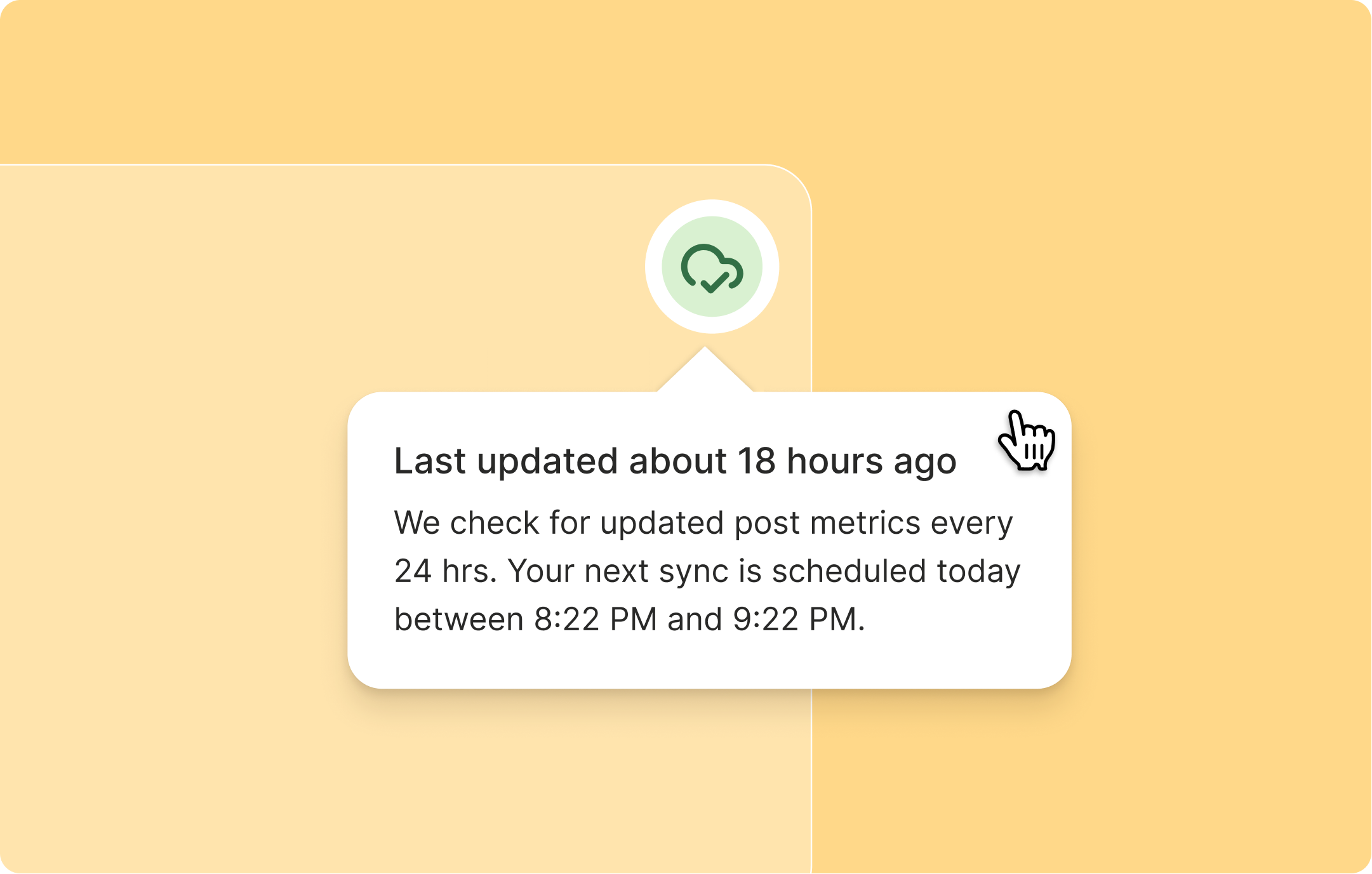
Secondly, official partnerships guarantee that Buffer Insights receives timely access to the latest features, API updates, and data streams from these platforms as they roll out. This means users can be confident that their analytics are based on the most current and accurate data available directly from the source, and that new platform functionalities will be supported promptly. This level of integration and reliability is crucial for marketers who need to stay agile and responsive to the ever-changing dynamics of social media algorithms and user behavior. It reinforces Buffer’s commitment to being a dependable and future-proof partner for social media professionals.
Implications and Future Outlook
The launch of Buffer Insights carries significant implications for social media marketers, the broader analytics market, and Buffer’s strategic trajectory. For marketers and creators, Insights promises to streamline decision-making, allowing them to allocate their time and resources more efficiently. By offering clear, actionable guidance, it reduces the analytical burden, freeing up valuable time for creative ideation and content production. This could lead to more impactful campaigns, improved engagement, and stronger audience growth, particularly for those who previously lacked access to sophisticated analytical tools.
From a market perspective, Buffer’s move could catalyze a shift towards more "data-informed" approaches across the industry. Competitors may be compelled to re-evaluate their own analytics offerings, potentially leading to a greater emphasis on actionable insights, AI integration for guidance, and more accessible pricing models. This could ultimately benefit end-users by raising the bar for what they can expect from social media analytics platforms.
Strategically, Insights strengthens Buffer’s position as a comprehensive social media management solution. By offering robust, integrated analytics alongside its renowned publishing and scheduling tools, Buffer creates a more compelling and sticky ecosystem for its users. The public API and AI integration also position Buffer at the forefront of marketing technology trends, indicating a readiness to adapt to future advancements in artificial intelligence and interconnected digital workflows. Future developments for Insights could include more advanced predictive analytics, deeper cross-channel comparisons, and further integrations with broader marketing automation platforms, continuously enhancing its value proposition.
Buffer’s Insights platform is now live and accessible at buffer.com/insights, inviting all social media professionals to explore its capabilities and experience a new era of data-informed content strategy. The company’s commitment to providing powerful tools for free underscores its belief in democratizing effective social media management for the modern digital landscape.