The New York Times Lawsuit Against Brave Highlights Growing Friction Between Web Publishers and AI Indexing

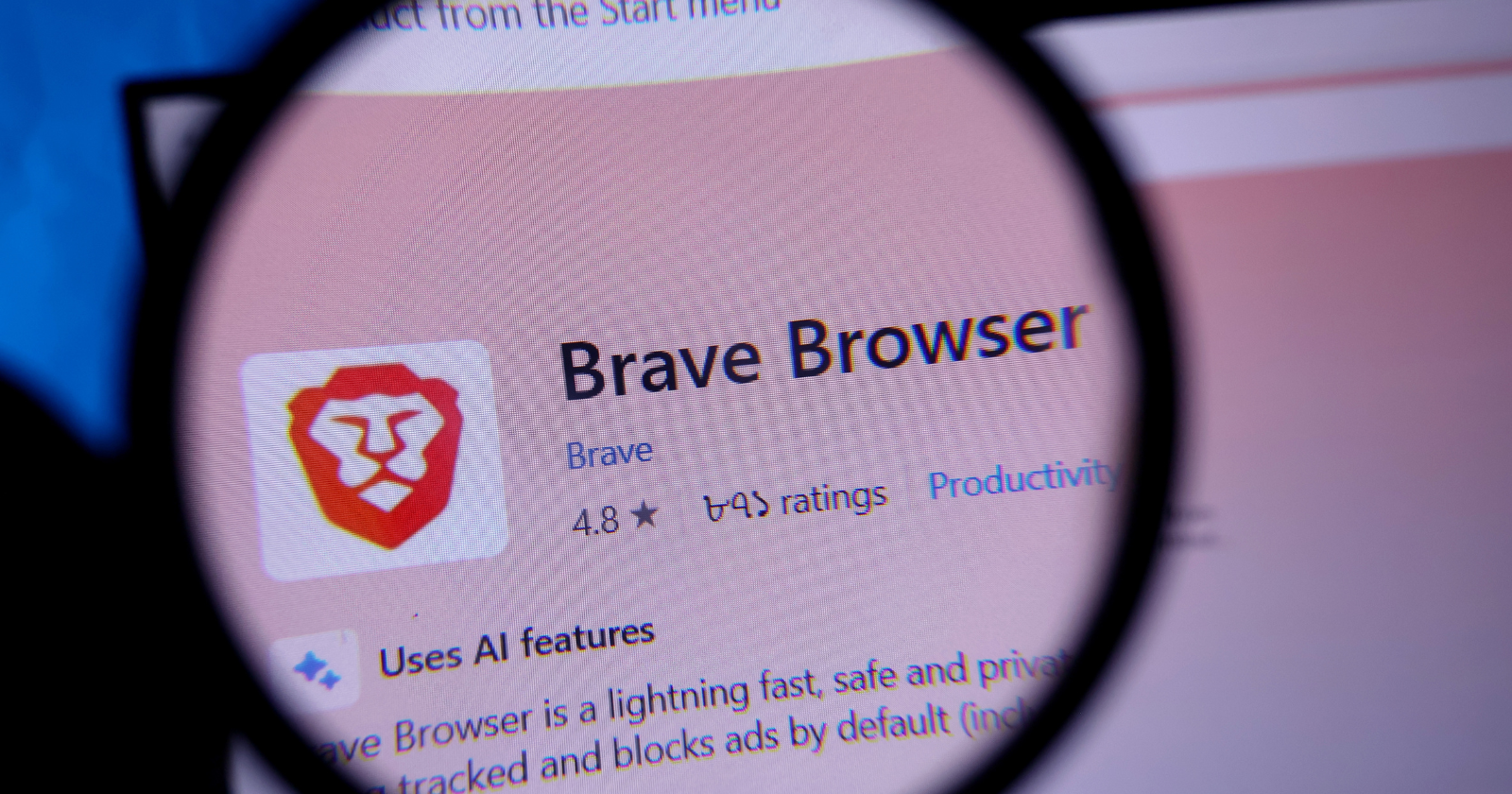
The escalating tension between digital publishers and artificial intelligence developers reached a new legal milestone on November 2, when The New York Times Company filed a federal lawsuit against Brave Software, the developer behind the privacy-focused Brave browser and Brave Search. The legal complaint alleges that Brave systematically scraped over 30 billion webpages without proper authorization or identification, subsequently packaging and licensing this proprietary content to major artificial intelligence companies. This high-stakes litigation underscores a deepening crisis in the digital ecosystem, where traditional web publishers find themselves increasingly unable to control how their intellectual property is harvested, repurposed, and monetized by third-party AI systems.
Background Context of the Dispute
For decades, the standard social contract of the internet was straightforward: search engines and web crawlers indexed public web content to direct human traffic back to publishers via hyperlink referrals. In exchange for visibility in search engine results pages, website operators allowed automated bots to scan and catalog their digital assets. However, the generative artificial intelligence boom has fundamentally disrupted this economic model. Modern AI assistants, large language models (LLMs), and retrieval-augmented generation (RAG) systems frequently synthesize direct answers for users, eliminating the necessity for human web traffic and subsequent ad impressions or subscription conversions.
Brave Search, while operating primarily as an independent search engine protecting user privacy, has established a lucrative commercial arm known as the Brave Search API. Through this enterprise product, Brave monetizes its vast search index by selling data access to prominent artificial intelligence developers. According to Brave’s corporate documentation, its infrastructure supplies real-time web context and structured data to major industry players, including Cohere, Mistral AI, Perplexity, and You.com. The ongoing litigation brings to light the mechanics of how traditional web discovery tools are quietly transitioning into foundational data pipelines for the generative AI industry.
The Core Allegations in The New York Times Complaint
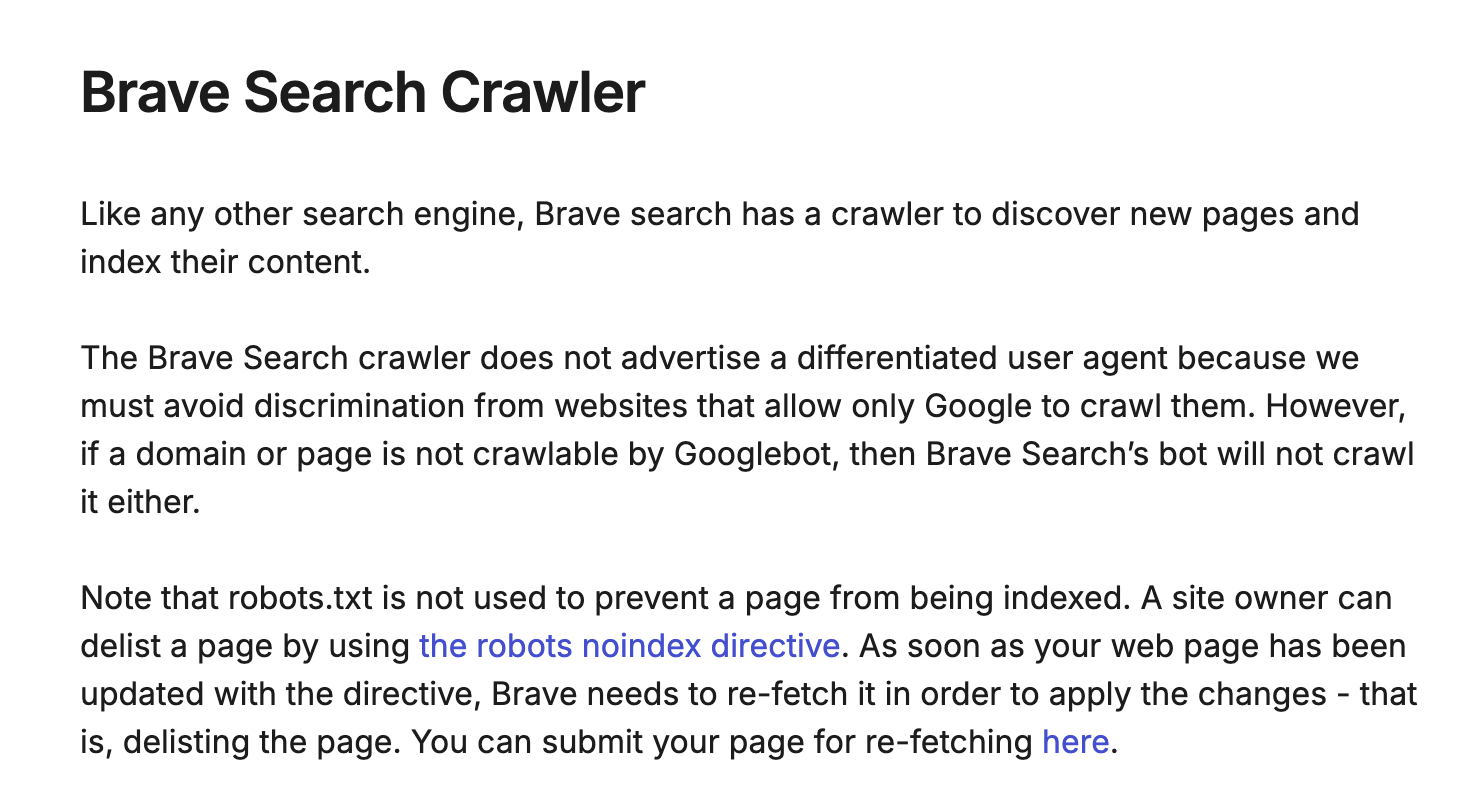
The formal legal complaint filed by The New York Times outlines severe copyright violations and commercial exploitation. The lawsuit asserts that Brave copied tens of billions of webpages while deliberately obscuring the identity of its web crawlers. By refusing to advertise a distinct, recognizable user-agent string—the digital signature web crawlers use to identify themselves to servers—Brave effectively prevents website administrators from filtering out its bots using standard configuration protocols.
Standard web administration relies heavily on the robots.txt file, a simple text protocol located on web servers that instructs automated bots which directories they are permitted to access. Major AI developers, such as OpenAI and Anthropic, typically publish explicit user-agent names (such as GPTBot or ClaudeBot), allowing publishers to selectively block AI training and retrieval crawlers while maintaining visibility on traditional search engines like Google.
The New York Times argues that Brave’s deliberate anonymity strips publishers of this fundamental control. According to the complaint, Brave’s architecture forces an untenable binary choice upon website operators: either permit Google and Brave access simultaneously, or block both entirely by implementing a global noindex meta tag that removes the site from legitimate search visibility altogether.
Chronology of Events and Industry Fallout
The legal confrontation between traditional media and Brave is part of a broader, multi-front war over copyright in the age of generative AI. The timeline of events leading up to the November 2 lawsuit reveals a steadily worsening relationship between publishers and the search innovator:
- September 2023: Brave publishes technical documentation acknowledging its use and integration with emerging AI models, specifically referencing training partnerships and infrastructure capabilities involving Anthropic’s Claude.
- March 2025: Industry scrutiny intensifies when Anthropic formally updates its list of corporate subprocessors to include Brave Search. Independent developers and researchers demonstrate through diagnostic queries that Claude’s real-time web retrieval features mirror Brave Search outputs precisely.
- Early 2026: Media conglomerates ramp up enforcement actions against unauthorized data scraping. News Corp issues formal cease-and-desist notices to Brave, prompting Brave to take a proactive legal posture by filing a preemptive declaratory judgment lawsuit defending its web-indexing practices as essential to the functioning of the internet.
- July 2026: News Corp retaliates by filing a comprehensive countersuit against Brave, accusing the company of deliberately masking its crawlers to evade publisher detection and circumvent copyright protections.
- November 2, 2026: The New York Times Company officially files its federal copyright infringement lawsuit against Brave Software in New York. On the same day, a coalition of major metropolitan newspapers—including the Daily News, the Chicago Tribune, and the Orlando Sentinel—file parallel legal actions targeting similar practices.
The Mechanics of the Brave Search API and LLM Context
At the heart of the technical dispute is Brave’s specialized product tier known as "LLM Context." While traditional search engines return a list of blue links directing users to source material, the Brave Search API provides structured data tailored specifically to the computational requirements of large language models.
Brave’s promotional materials explain that the system extracts specific page chunks and source metadata, formatting them into precise shapes and lengths that satisfy an LLM’s context window instantly. This eliminates the need for the AI application to perform independent, resource-intensive web scraping.
For publishers, this creates a profound economic disconnect. When an AI assistant answers a user query using data sourced from the Brave Search API, the end-user receives a synthesized response directly within the AI interface. The underlying content creators receive neither financial compensation for their intellectual property nor the web traffic necessary to sustain digital journalism operations. Critics and legal scholars argue that this practice effectively bypasses standard web monetization channels, transforming public journalism into private artificial intelligence training data and real-time prompt material.
Publisher Impact and the Impossibility of Granular Opt-Outs
Website administrators auditing their server access logs face significant challenges in identifying Brave’s automated traffic. Because Brave’s crawler operates without a dedicated, publicly documented user-agent string, it often piggybacks on or aligns with broader crawling conventions, frequently adhering to the limitations imposed on Googlebot while remaining individually un-blockable.
Technical analyses of publisher logs reveal that sites blocking explicit AI scrapers still find their content indexed, stored, and redistributed through Brave’s network. Cached copies, article snippets, and updated metadata are regularly served via Brave’s search infrastructure and, by extension, to its enterprise AI clients. For small-to-medium publishers and independent creators, the inability to manage crawler access via standard robots.txt rules represents a troubling erosion of digital property rights.
Broader Industry Implications and Outlook
As of press time, Brave Software has not formally responded in court to the specific allegations outlined in The New York Times’ November filing. However, the company has historically maintained that web indexing constitutes fair use and is an indispensable technological prerequisite for operating any competitive search engine in the modern digital marketplace.
Legal experts note that the outcome of this litigation will likely set a critical precedent for the entire technology sector. While a judicial ruling concerning The New York Times’ digital catalog will not automatically resolve the grievances of every independent publisher, the legal reasoning established by the court will profoundly influence how search engines can legally monetize their indexes.
If courts determine that licensing scraped search indexes to third-party AI developers without explicit publisher consent constitutes copyright infringement, search engine operators and AI firms alike will be forced to overhaul their data acquisition pipelines. Conversely, a ruling in favor of Brave could legitimize indirect data-brokering models, permanently reshaping the economic landscape of the internet and further diminishing the autonomy of online publishers over their own content.