The Ultimate Guide to Facebook Ad Sizes and Design Specifications for Marketers


In the fast-paced ecosystem of digital marketing, even the most meticulously planned campaigns can stumble due to a simple oversight: uploading an incorrectly sized image or a low-resolution video to social media platforms. For social media managers and enterprise marketing teams alike, these technical errors are frequent, honest mistakes. However, when improper visual assets are deployed as part of a high-stakes advertising campaign, the consequences are immediate and measurable, typically manifesting as diminished user engagement, subpar return on investment (ROI), and wasted advertising expenditure.
Compounding this challenge is the rapid pace of change set by major technology conglomerates. Social media platforms, and Meta properties in particular, frequently update their ad dimensions, aspect ratios, and design guidelines to adapt to evolving mobile devices, user interface designs, and consumer viewing habits. Staying abreast of these shifting specifications is a persistent operational hurdle for marketing professionals striving to maintain visual integrity across diverse digital placements.
To address this ongoing industry challenge, this comprehensive guide outlines the definitive Facebook ad sizes and design specifications. By adhering to these technical standards, organizations can ensure their creative assets render flawlessly, maximizing both reach and conversion potential across Meta’s extensive network of advertising placements.

The Critical Importance of Technical Ad Compliance
Understanding and implementing the correct specifications for Facebook advertisements is not merely an exercise in aesthetic neatness; it is a fundamental driver of campaign efficiency. When an advertisement is rendered in its native resolution without automated cropping or compression artifacts, it captures the user’s attention more effectively amidst a crowded news feed.
Furthermore, social media algorithms favor content that adheres to platform guidelines, often rewarding optimized creatives with higher distribution and lower cost-per-click (CPC) rates. Conversely, distorted visuals or illegible text overlays signal a lack of professionalism to discerning consumers, eroding brand trust and increasing bounce rates. As digital advertising budgets face heightened scrutiny in competitive economic climates, ensuring technical precision from the outset is a vital safeguard for marketing ROI.
Facebook In-Feed Ad Specifications
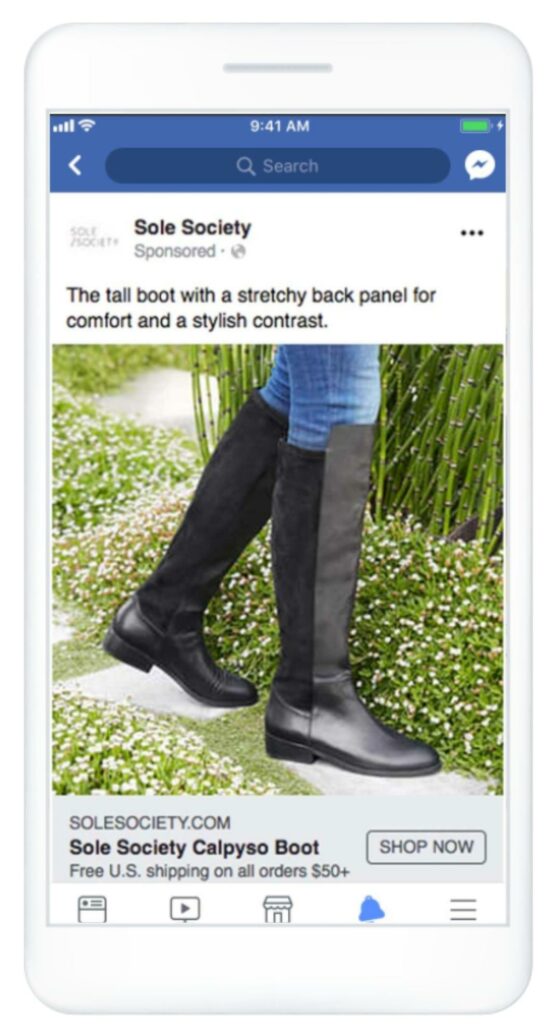
In-feed advertisements remain one of the most versatile and accessible methods for brands to build awareness, generate hype around new product launches, and drive conversions without necessitating astronomical budgets. These native placements appear directly within a user’s primary news feed, seamlessly interspersed among organic posts from friends, family, followed pages, and groups. In-feed ads can incorporate single images, dynamic videos, or animated GIFs. To maximize viewer retention, digital strategists often employ panoramic or 360-degree photography, while strictly minimizing overlaid text to prevent visual clutter.
For static image campaigns within the feed, Meta supports standard JPG and PNG formats with a maximum file size of 30 megabytes. While the minimum acceptable dimension is 600 by 600 pixels, industry best practices dictate uploading assets at a resolution of at least 1080 by 1080 pixels, utilizing an aspect ratio ranging from 1.91:1 to 1:1. Regarding accompanying textual elements, optimal performance is typically achieved when primary text is kept concise at approximately 125 characters, supported by headlines and descriptions limited to 27 characters.
Video-based in-feed advertisements offer dynamic storytelling capabilities. Supported file types include MP4, MOV, and GIF, with a generous maximum file size limit of 4 gigabytes. Videos can be produced in a square 1:1 ratio for universal desktop and mobile viewing, or a vertical 4:5 ratio optimized specifically for mobile devices. Creators must ensure a minimum resolution of 1080 by 1080 pixels, with video durations spanning anywhere from one second to an expansive 241 minutes.
In-Stream Video Ads for High-Intent Traffic
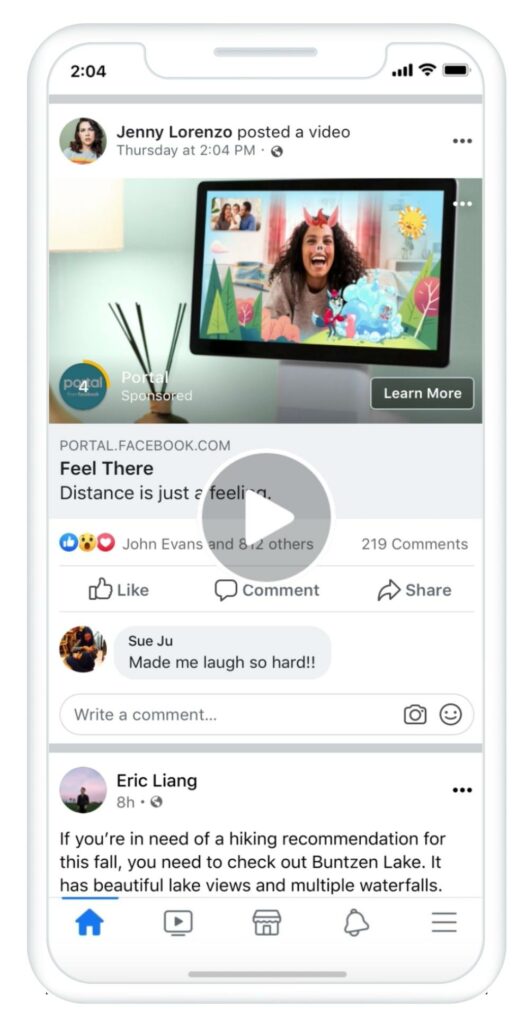
For brands whose primary strategic objectives center on driving website traffic and capturing high-intent conversions, Facebook in-stream video ads provide an exceptional medium. Designed specifically to command and retain the attention of targeted prospects, these ads interrupt or precede organic video content, creating a captive viewing environment.
In-stream video advertisements are deployed exclusively to mobile users and are available in two primary formats: single-video placements and carousel-style ads that integrate into active Facebook Live broadcasts. Notably, the carousel format for live streams is triggered only after a user has actively engaged with a live broadcast for a minimum duration of 60 seconds.
The technical parameters for in-stream video ads require precision. Static accompanying images must be provided in JPG or PNG formats, adhering to a 1.91:1 or 1:1 aspect ratio, a minimum resolution of 1080 by 1080 pixels, and a file size under 30 megabytes. Marketers are strongly advised to omit extraneous text on these source images prior to upload. For the video assets themselves, supported formats include MP4, MOV, and GIF, capped at 4 gigabytes. Videos should utilize a 16:9 or 1:1 ratio, maintain a minimum resolution of 1080 by 1080 pixels, and run for durations between five seconds and 10 minutes.
Maximizing Engagement with In-Feed Carousel Ads
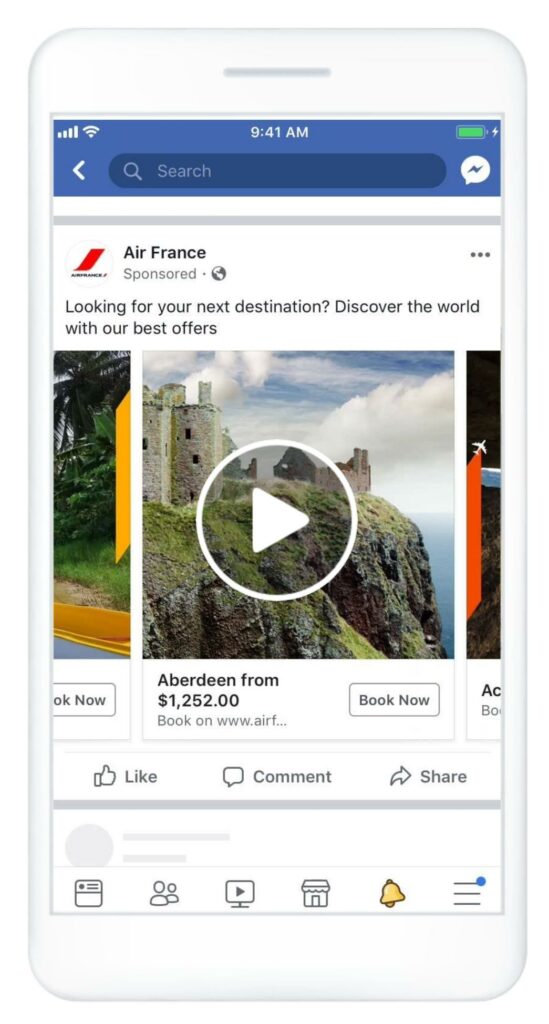
When marketing campaigns require the exhibition of multiple product offerings or a comprehensive breakdown of complex product features within a single cohesive unit, in-feed carousel ads represent the optimal format. Carousels empower advertisers to showcase between two and ten scrollable images or videos, transforming a standard ad unit into an interactive storytelling experience.
A key advantage of the carousel format is its flexibility: each individual card can be linked to a distinct destination URL on the advertiser’s website. This functionality allows ecommerce brands to promote an entire product catalog within a single ad placement, routing interested consumers directly to the specific product page corresponding to the item they clicked.
Design specifications for carousel cards require strict uniformity to ensure a smooth scrolling experience. Supported image files include JPG and PNG formats up to 30 megabytes, while video files can utilize MP4, MOV, or GIF formats up to 4 gigabytes. All visual assets must maintain a strict 1:1 aspect ratio and a minimum resolution of 1080 by 1080 pixels. Text recommendations for carousels include a 125-character limit for primary text, 32 characters for headlines, and 18 characters for descriptions, alongside a mandatory landing page URL for each card.
Streamlining Ecommerce with Collection Ads

For retail and ecommerce enterprises seeking to market diverse product inventories without overwhelming prospective buyers, Facebook collection ads offer a sophisticated solution. These ads combine a primary visual asset with a grid of product images, creating an immersive storefront experience directly within the social platform.
Collection ads are engineered to halt the user’s scroll by pairing a dynamic hero video—highlighting key product features—with three high-resolution supplementary images of best-selling items displayed underneath. When a user interacts with the ad, it launches a Facebook Instant Experience: a lightning-fast, full-screen in-app landing page. This environment allows consumers to browse and purchase products seamlessly without ever leaving the Facebook application, drastically reducing friction in the purchasing funnel.
Technically, collection ads require visual assets in a 1:1 aspect ratio with a minimum resolution of 1080 by 1080 pixels. Video files are capped at 4 gigabytes, while static images are limited to 30 megabytes. The implementation of a Facebook Instant Experience landing page is mandatory for this format, accompanied by standard primary text limits of 125 characters, headline constraints of 40 characters, and a valid landing page URL.
Leveraging Mobile-Optimized Instant Articles Ads

Facebook Instant Articles provide a mobile-optimized publishing ecosystem that enables marketers to distribute fast-loading, article-style advertisements across the network. Designed to mimic the reading experience of native editorial content, Instant Articles ads allow mobile users to consume and engage with brand narratives rapidly and fluidly.
This ad format leverages interactive features comparable to Instant Experiences, empowering businesses to foster deeper connections with prospects. Design specifications for Instant Articles mirror standard feed requirements: static images should be uploaded in JPG or PNG formats with a minimum resolution of 1080 by 1080 pixels and a 1:1 aspect ratio, keeping file sizes under 30 megabytes. Video assets support MP4, MOV, and GIF formats up to 4 gigabytes, requiring a 16:9 aspect ratio for video content and 1:1 for accompanying thumbnail images, with resolutions of at least 1080 by 1080 pixels.
Targeting Local Intent Through Facebook Marketplace Ads
Facebook Marketplace serves as a peer-to-peer and retail commerce hub where community members buy and sell goods locally. By deploying paid advertisements within the Marketplace interface, brands can capture the attention of high-intent consumers who are actively searching for specific products, vehicles, real estate, or retail services within a defined geographic radius.

Marketplace ads can be built using either static images or dynamic videos. Image specifications mandate JPG or PNG files under 30 megabytes, utilizing a square 1:1 aspect ratio and a minimum resolution of 1080 by 1080 pixels. Video placements require MP4, MOV, or GIF files up to 4 gigabytes, maintaining the same 1:1 ratio and minimum resolution standards, with durations ranging from one second to 241 minutes. Text recommendations advise maintaining primary text under 125 characters, headlines under 40 characters, and descriptions within 30 characters.
Utilizing Right Column Ads for Desktop Audiences
While the overwhelming majority of social media consumption has transitioned to mobile devices, desktop-centric ad placements continue to hold strategic value for specific audience segments. Facebook right column ads are displayed exclusively on desktop browser interfaces, positioned prominently on the right-hand margin of the main page.
Although right column ads utilize similar informational architecture to in-feed placements, they feature a more compact, landscape-oriented display. Supported file formats include JPG and PNG for images, and standard video formats for motion assets. Images must maintain a minimum width of 254 pixels and a height of 133 pixels, scaling up to resolutions of 1080 by 1080 pixels or higher in a 1:1 ratio. Text is strictly limited to a 40-character headline recommendation, making concise, impactful copywriting essential for this placement.

Immersive Storytelling Through Vertical Formats
Following the widespread adoption of ephemeral content across social media platforms, Facebook Stories ads have become a cornerstone of modern digital marketing strategies. These vertical, full-screen assets appear intermittently as users consume organic Stories shared by friends and followed pages, running for the full duration of the clip unless explicitly skipped by the viewer.
Stories ads demand strict adherence to vertical dimensions. Both image and video assets must utilize a 9:16 aspect ratio, with a recommended resolution of at least 1080 by 1080 pixels (and no maximum limit). Static images are capped at 30 megabytes, while video files can reach up to 4 gigabytes. Crucially, designers must account for user interface overlays by leaving approximately 14%—or roughly 250 pixels—clear of essential text, logos, and critical visual elements at both the top and bottom of the frame to prevent UI obstruction. These specifications apply equally across Facebook Stories, Instagram Stories, and Messenger Stories placements.
Expanding Reach via the Facebook Audience Network

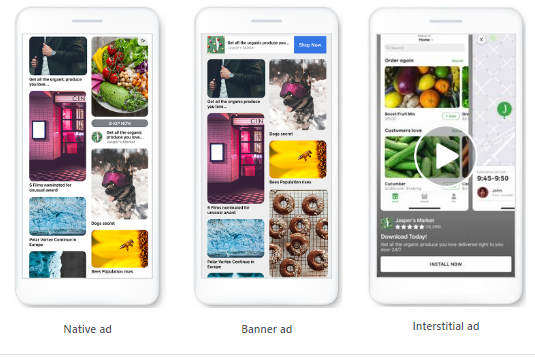
The Facebook Audience Network extends an advertiser’s campaign reach far beyond the boundaries of the primary Facebook platform, deploying native, banner, interstitial, and video ads across a vetted network of third-party mobile applications, external websites, and digital video publishers.
By leveraging Facebook’s robust data-driven targeting capabilities within the Audience Network, brands can efficiently scale their marketing campaigns while maintaining rigorous control over brand safety. Advertisers can utilize Meta’s Business Manager suite to pre-screen and exclude specific content categories where they prefer their brand assets not to appear.
For Audience Network image ads, supported JPG and PNG files must adhere to a 9:16 aspect ratio with a minimum resolution of 398 by 208 pixels and a maximum file size of 30 megabytes. Video assets support MP4, MOV, and GIF formats up to 4 gigabytes, offering flexibility in 1:1 or 4:5 aspect ratios and minimum resolutions of 1080 by 1080 pixels. Recommended text lengths follow standard platform protocols, with 125 characters for primary text, 40 characters for headlines, and 30 characters for descriptions.
Strategic Optimization for Maximum Conversion ROI
Selecting the appropriate ad format and adhering to precise technical specifications represents only the initial phase of campaign execution. To maximize return on ad spend (ROAS), digital marketers must strategically align their chosen ad placements with overarching campaign objectives. A comprehensive understanding of platform placement matrices ensures that creative assets are deployed in environments where target audiences are most receptive.
Whether orchestrating multi-channel campaigns across Facebook news feeds, Instagram feeds, Stories, or external third-party networks via the Audience Network, enterprise marketing teams require centralized operational control. Modern social media management platforms, such as Hootsuite, provide unified dashboards that enable marketing professionals to streamline the creation, scheduling, and deployment of both organic and paid social campaigns. By consolidating cross-platform analytics, audience interaction tools, and performance measurement into a single interface, organizations can eliminate operational friction, maintain rigorous design compliance, and continuously optimize their digital advertising strategies for sustained commercial growth.