The software development landscape continues to evolve at a rapid pace, driven by advancements in artificial intelligence, cloud infrastructure, and localized performance optimization. The June release cycle has introduced a comprehensive suite of tools and resources tailored for both front-end and back-end engineers, addressing longstanding bottlenecks in workflow automation, asset management, and environment reproducibility. This month’s curated collection reflects a broader industry shift toward decentralized, high-performance utilities that reduce reliance on heavy, resource-intensive cloud services in favor of lightweight, local-first architectures.
AI Integration and Codebase Auditing Tools
Artificial intelligence continues to transition from an experimental coding assistant to an integrated structural component of the software development lifecycle. However, teams increasingly face challenges regarding API costs and contextual accuracy when deploying large language models across massive repositories.
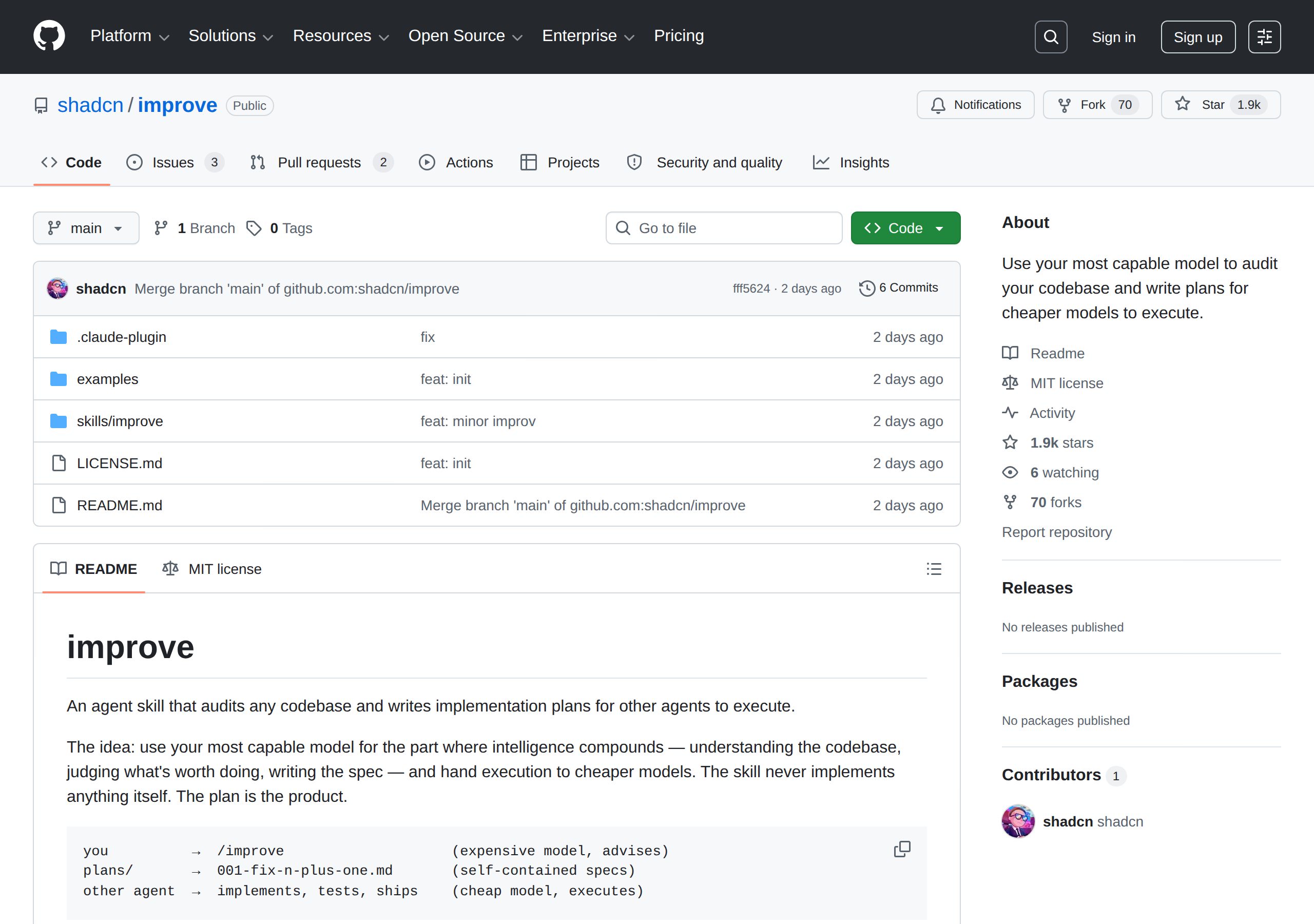
To mitigate these expenses, developers have introduced specialized workflow orchestration and auditing tools. The introduction of shadcn/improve addresses the economic overhead of AI-driven maintenance by providing a standardized skill for coding agents. Rather than utilizing expensive frontier models for exhaustive codebase analysis, this tool performs an initial audit and generates prioritized implementation plans and markdown specifications under plans/. These structured outputs can subsequently be executed by more cost-effective language models, maintaining quality assurance while drastically reducing token consumption.
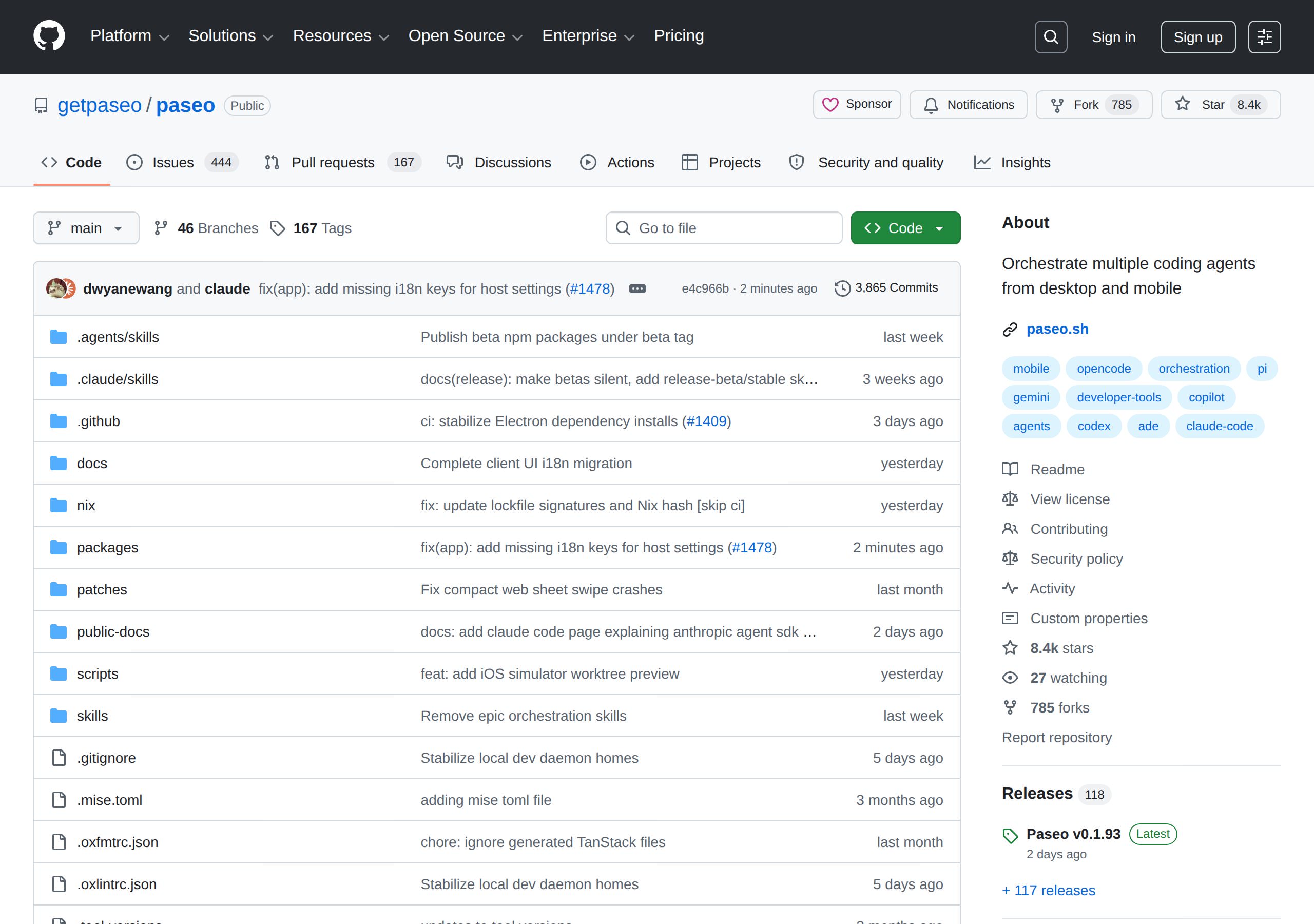
Complementing this audit capability is Paseo, a self-hosted multi-agent orchestrator designed to unify disparate AI coding interfaces. Operating via a local daemon with zero telemetry, Paseo allows engineering teams to centralize interactions with various coding assistants—including Claude Code, Codex, GitHub Copilot, OpenCode, and Pi agents—across desktop, mobile, and command-line interfaces. By incorporating iOS and Android voice dictation support, the platform adapts to modern mobile-first developer workflows while ensuring proprietary code remains secure on local infrastructure.
Advanced Front-End Performance and Generative Design
Front-end engineering requirements remain centered on minimizing latency and maximizing perceptual performance. The June release slate introduces several libraries designed to streamline animation, predictive loading, and generative visuals.
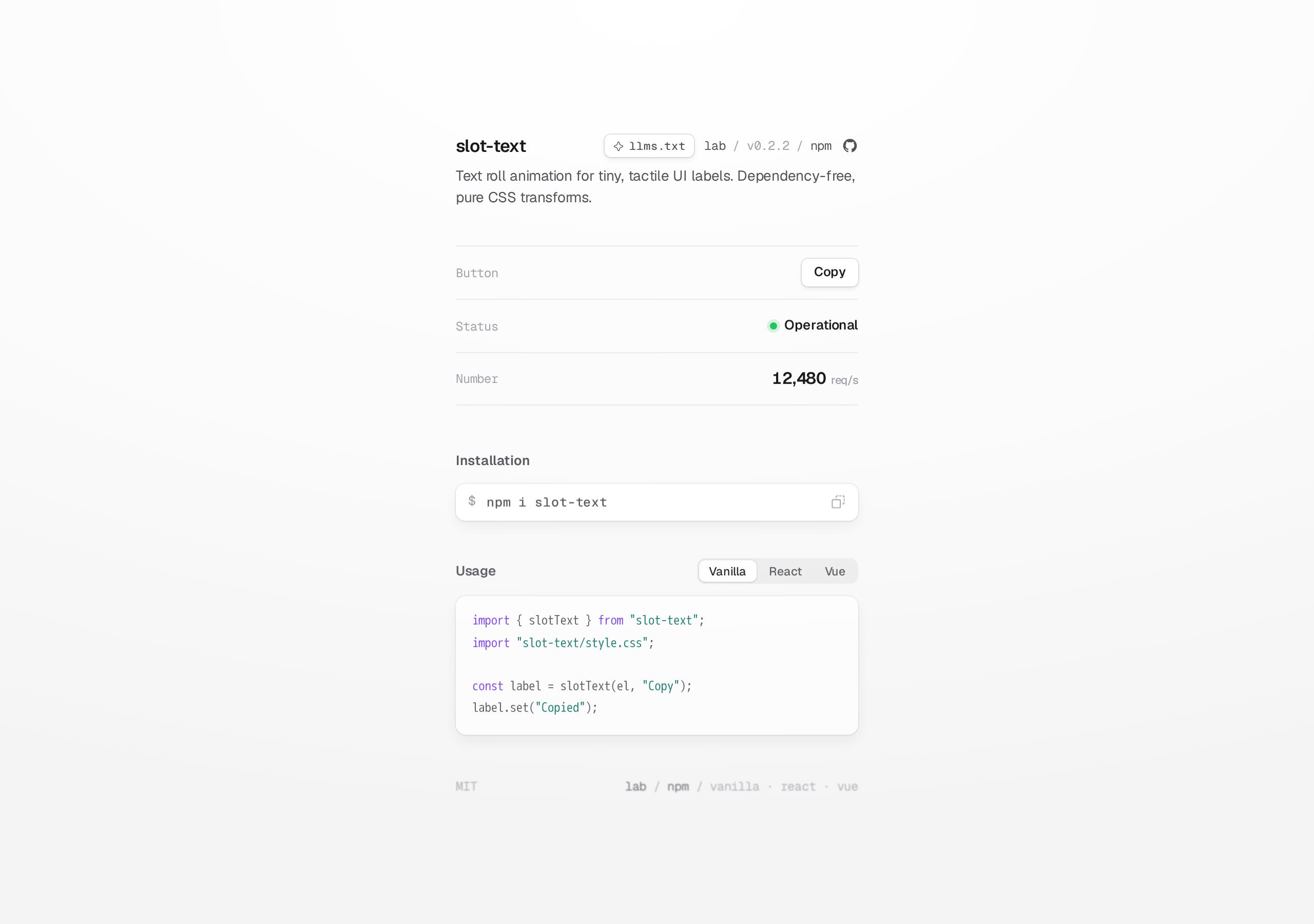
For UI developers seeking smooth micro-interactions without the bloat of comprehensive animation frameworks, TextMotion provides a dependency-free slot-machine-style label transition library powered by pure CSS transforms. Out-of-the-box support for React and Vue via NPM installation allows teams to implement polished text roll animations efficiently.
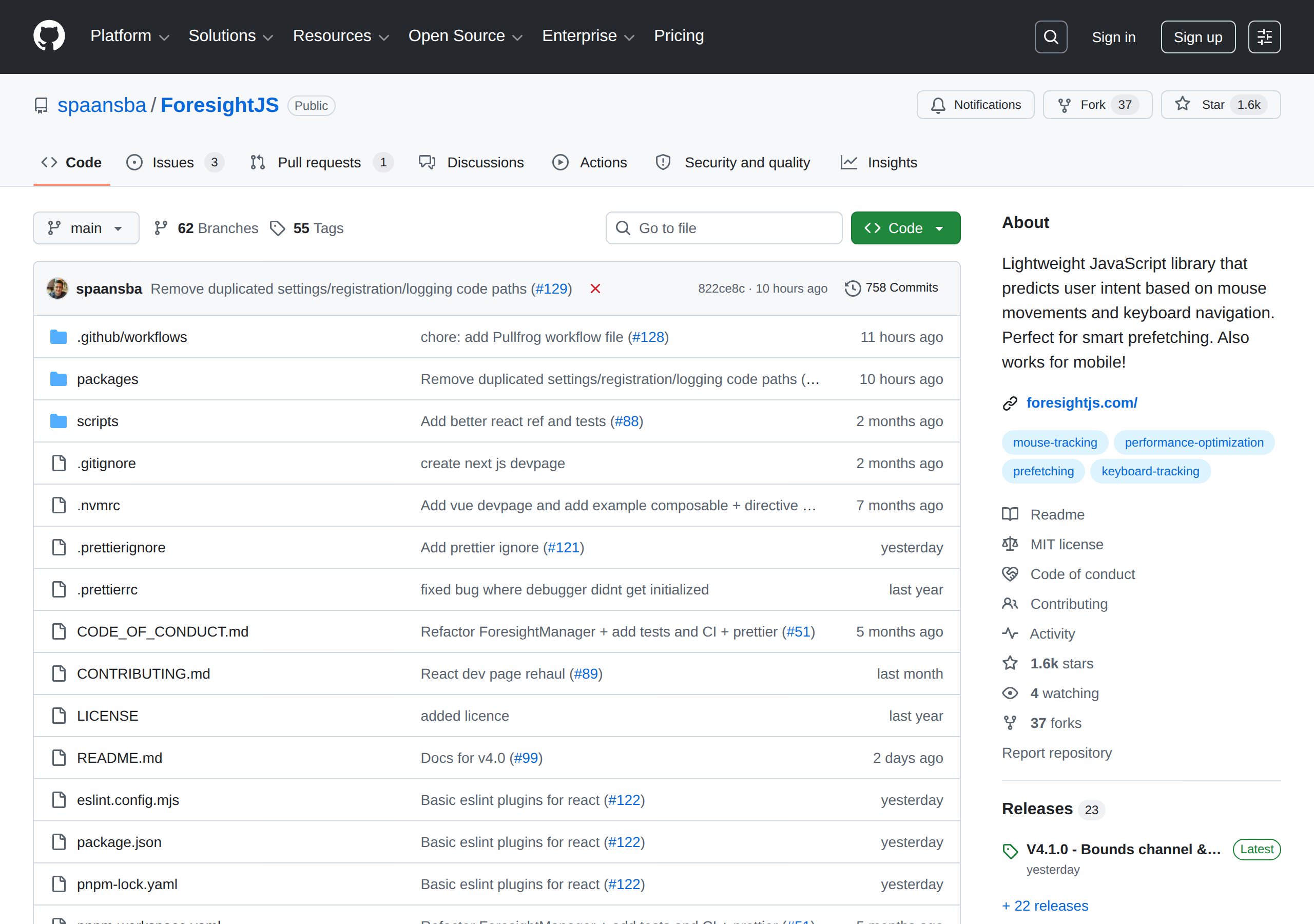
Simultaneously, ForesightJS tackles perceived latency at the network layer. By analyzing mouse movement vectors and keyboard navigation patterns, this lightweight JavaScript library predicts user intent and prefetches content prior to actual interaction. Operating with zero configuration and providing dedicated optimization strategies for both desktop and mobile environments, the library offers a straightforward mechanism to enhance web application responsiveness.
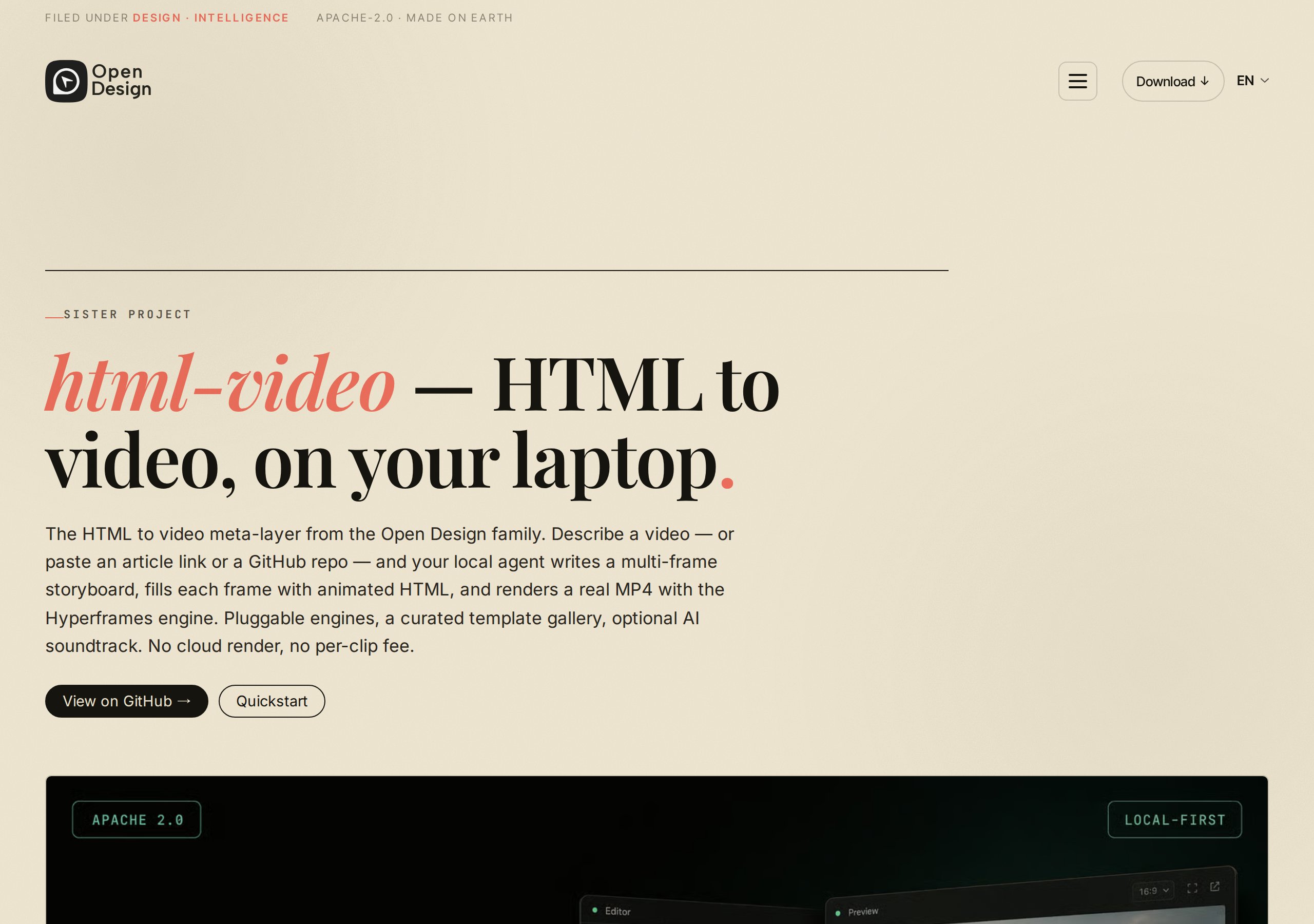
In the realm of generative design and asset creation, Lumen delivers a browser-based WebGL shader playground for crafting looping abstract art. Operating client-side with zero dependencies, it relies on a seed-sharing system and enables direct export to PNG, video, or GIF formats. For media generation pipelines, html-video serves as an infrastructural meta-layer over established programmatic video frameworks like Hyperframes, Remotion, and Motion Canvas. It empowers AI agents to translate raw text prompts, technical articles, or code repositories into fully rendered MP4 files by storyboarding inputs into animated HTML executed via headless local Chromium instances.
Cloud-Native Environments and Containerization
Infrastructure management has experienced a notable push toward portable, reproducible environments that bypass the traditional overhead associated with Docker Desktop and complex configuration scripts.
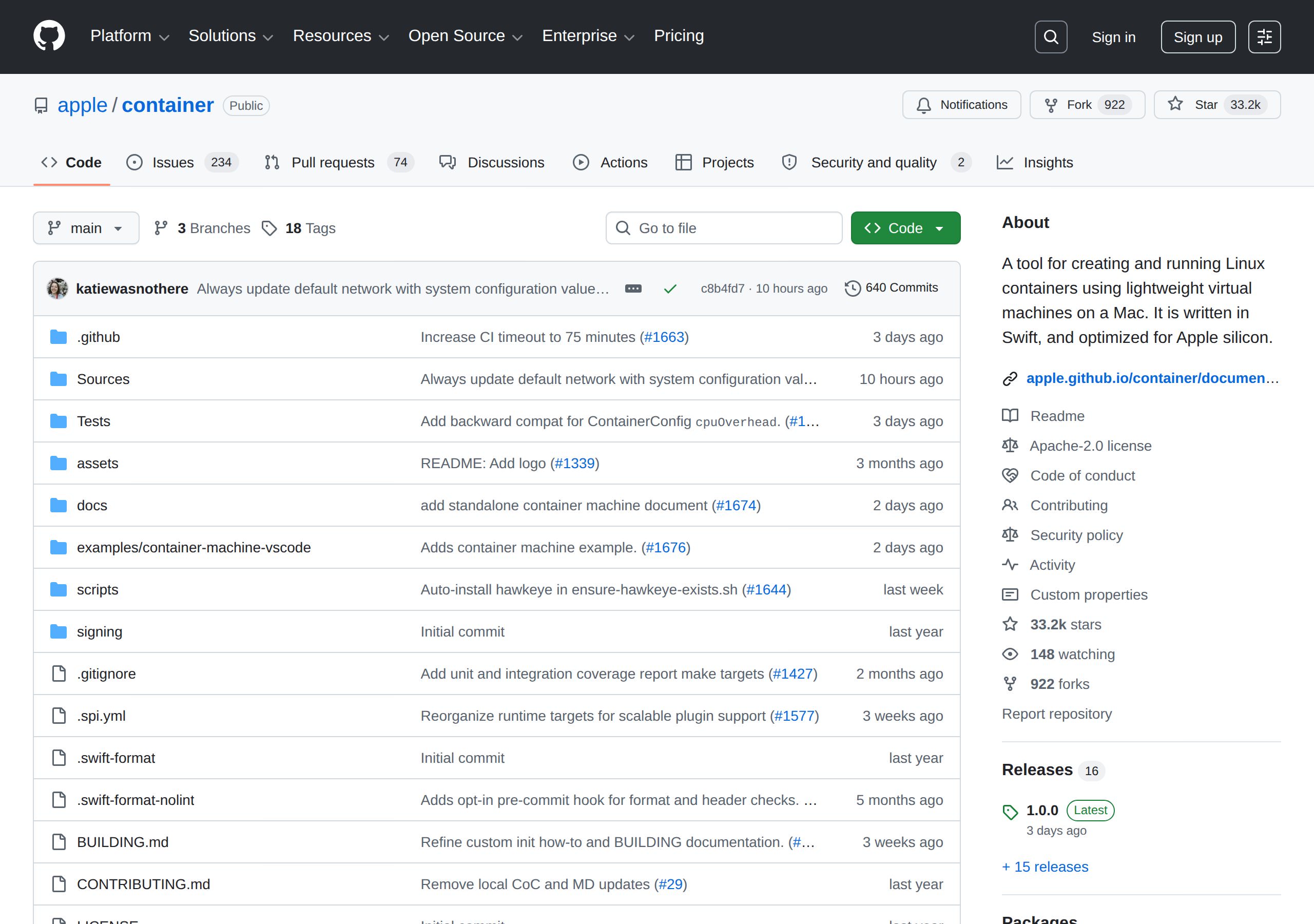
Apple’s official entry into native virtualization, Apple Container, provides developers working on Apple Silicon with a Swift-written tool to run Linux containers as lightweight virtual machines. Producing OCI-compatible images on macOS, it offers a streamlined alternative for containerized development without requiring traditional virtualization layers.

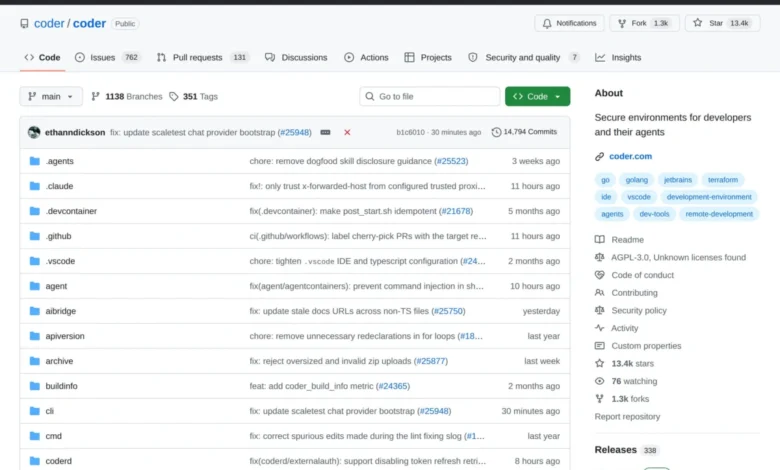
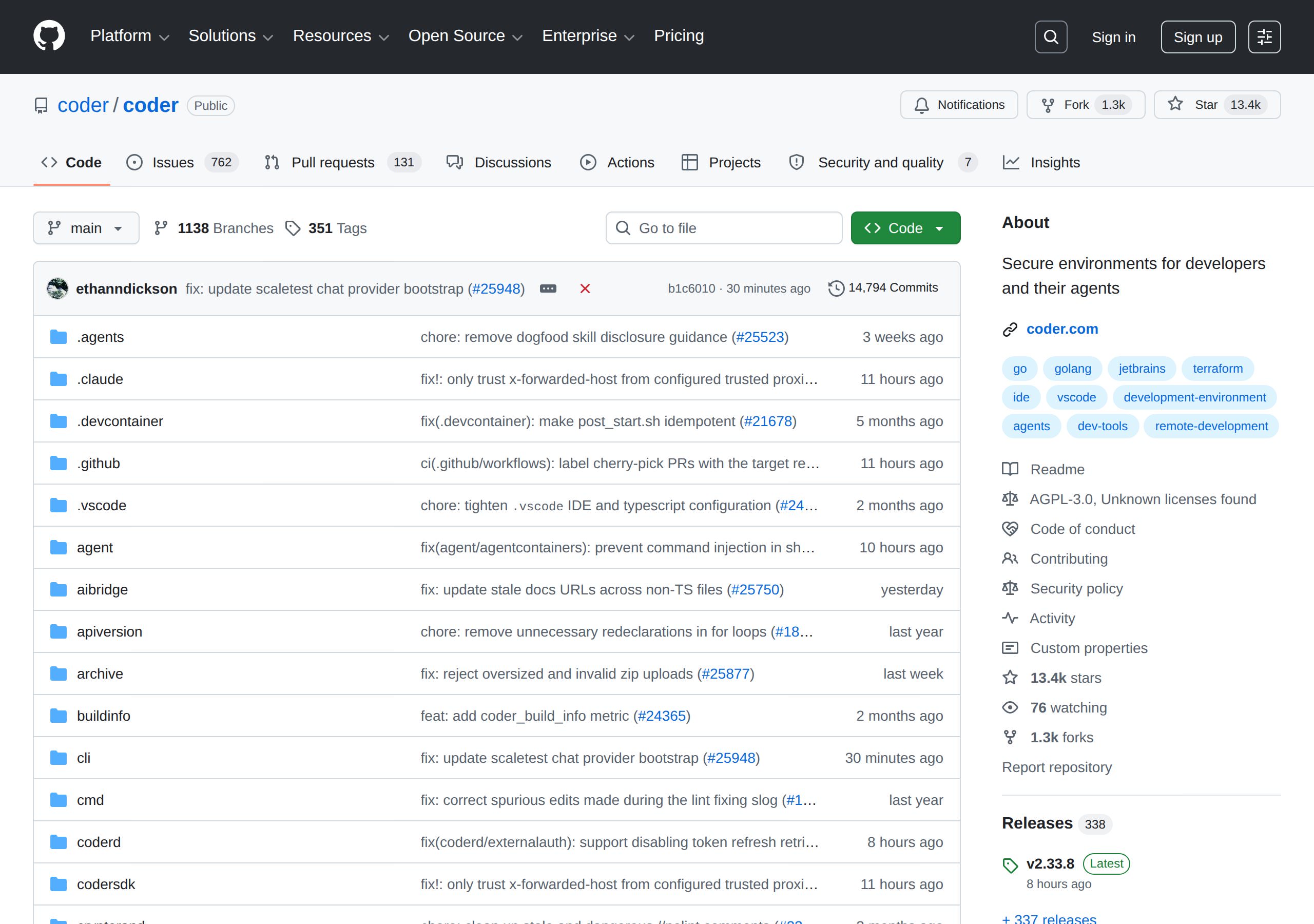
For broader cross-platform environment management, Devbox and Coder offer distinct approaches to reproducibility. Devbox enables developers to spin up isolated, ephemeral development environments via a simple JSON configuration file and the devbox shell command, drawing from a registry of over 400,000 package versions without demanding familiarity with Nix or extensive Dockerfiles. Meanwhile, Coder provides an enterprise-grade, self-hosted platform utilizing Terraform definitions and WireGuard networking. Supporting auto-shutdown mechanisms on AWS EC2, Kubernetes, or Docker, Coder integrates isolated Coder Agents to facilitate secure AI-assisted coding without exposing sensitive API keys within developer workspaces.
Specialized Utilities: Scraping, Security, and Document Typesetting
Beyond core infrastructure and front-end frameworks, June’s release cycle highlights niche utilities designed to optimize specific technical workflows.
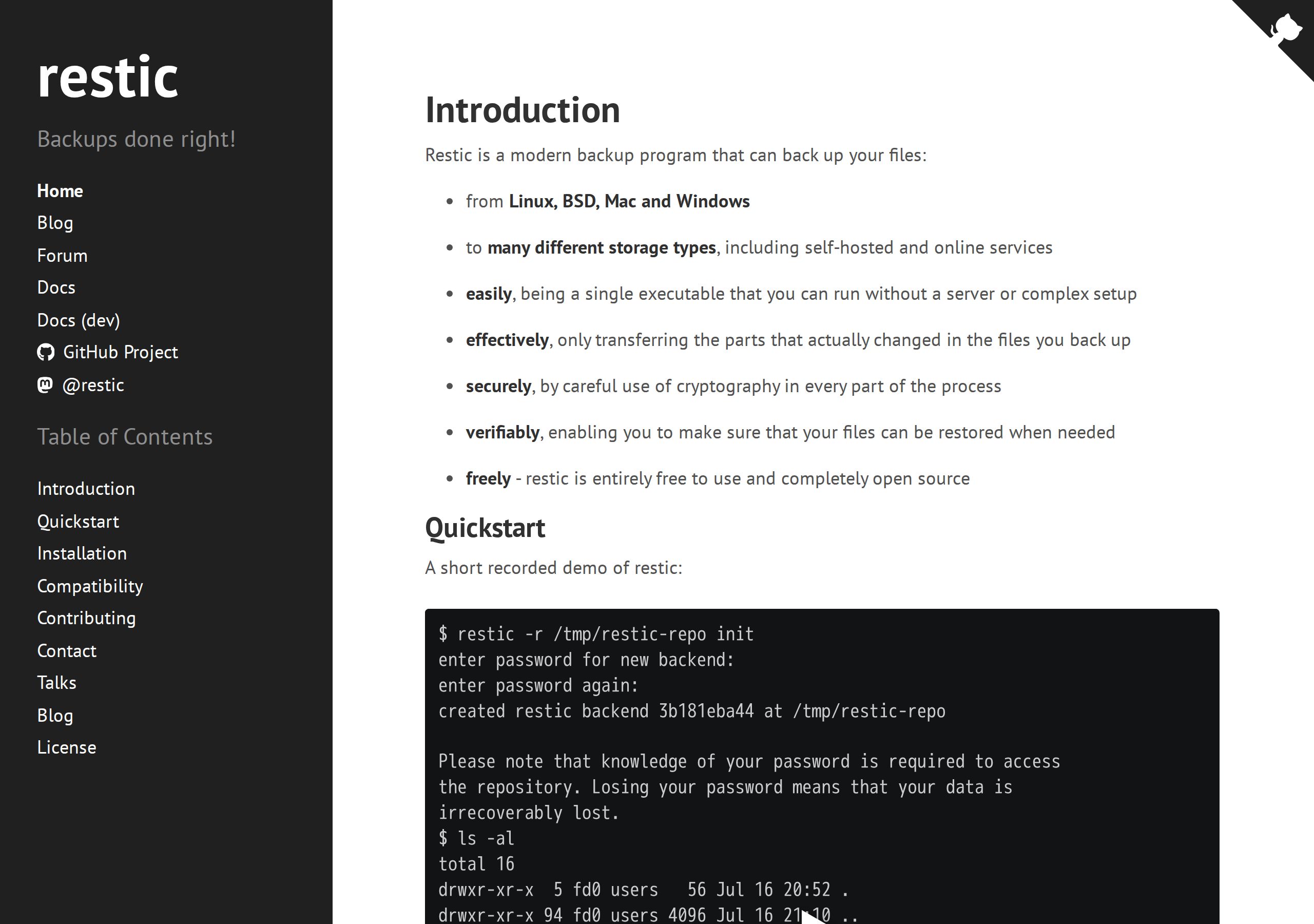
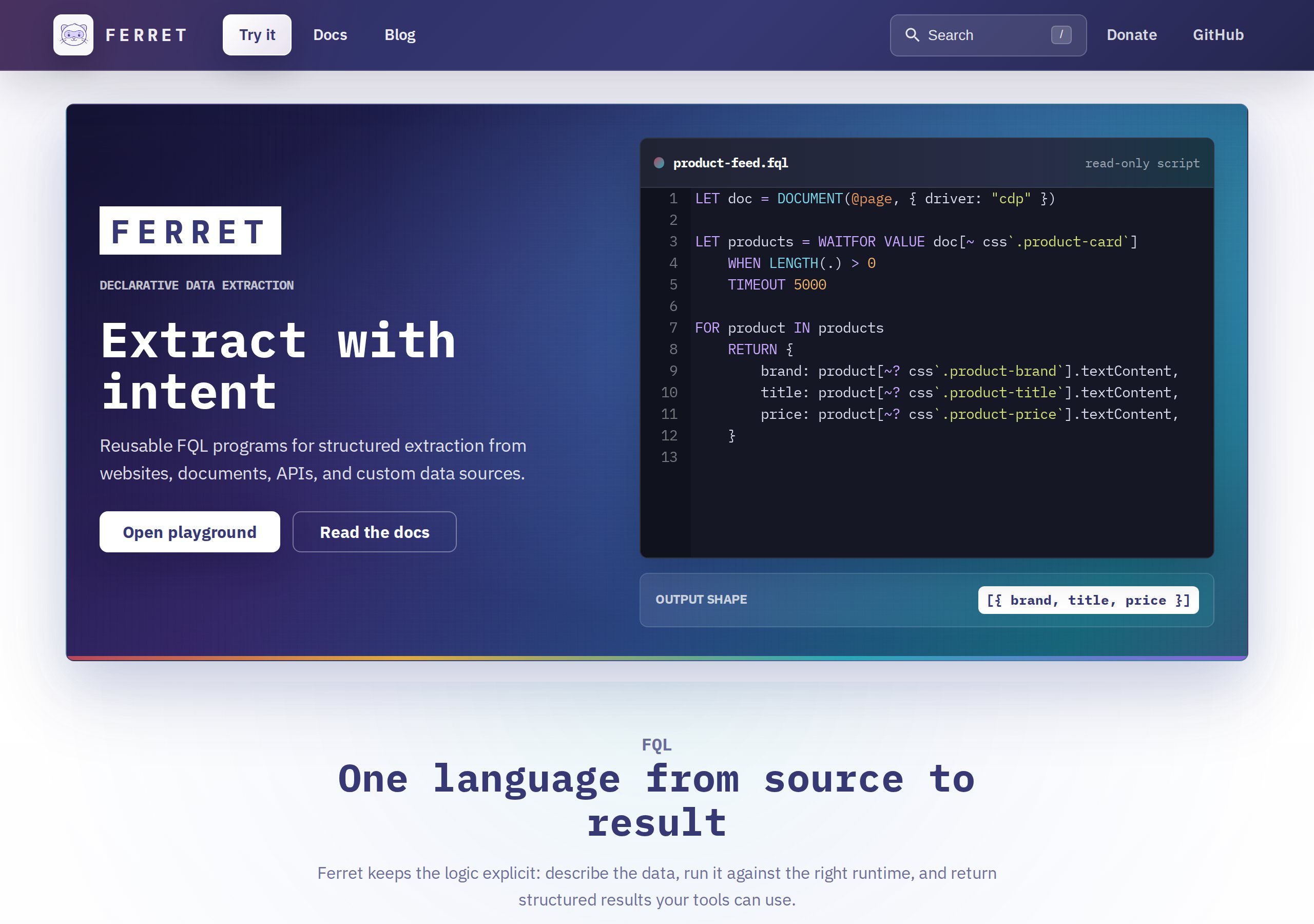
Data acquisition has grown increasingly complex due to aggressive anti-bot measures implemented across modern web properties. To address this, tools like Ferret and Botasaurus offer distinct scraping paradigms. Ferret introduces FQL (Ferret Query Language), a declarative language allowing engineers to specify desired data structures rather than imperative extraction logic, running smoothly across browser, CLI, and embeddable Go runtimes. For Python developers, Botasaurus provides a comprehensive framework equipped with native Cloudflare and PerimeterX evasion, automated account generation, and debugging features that maintain browser states upon encountering runtime errors.
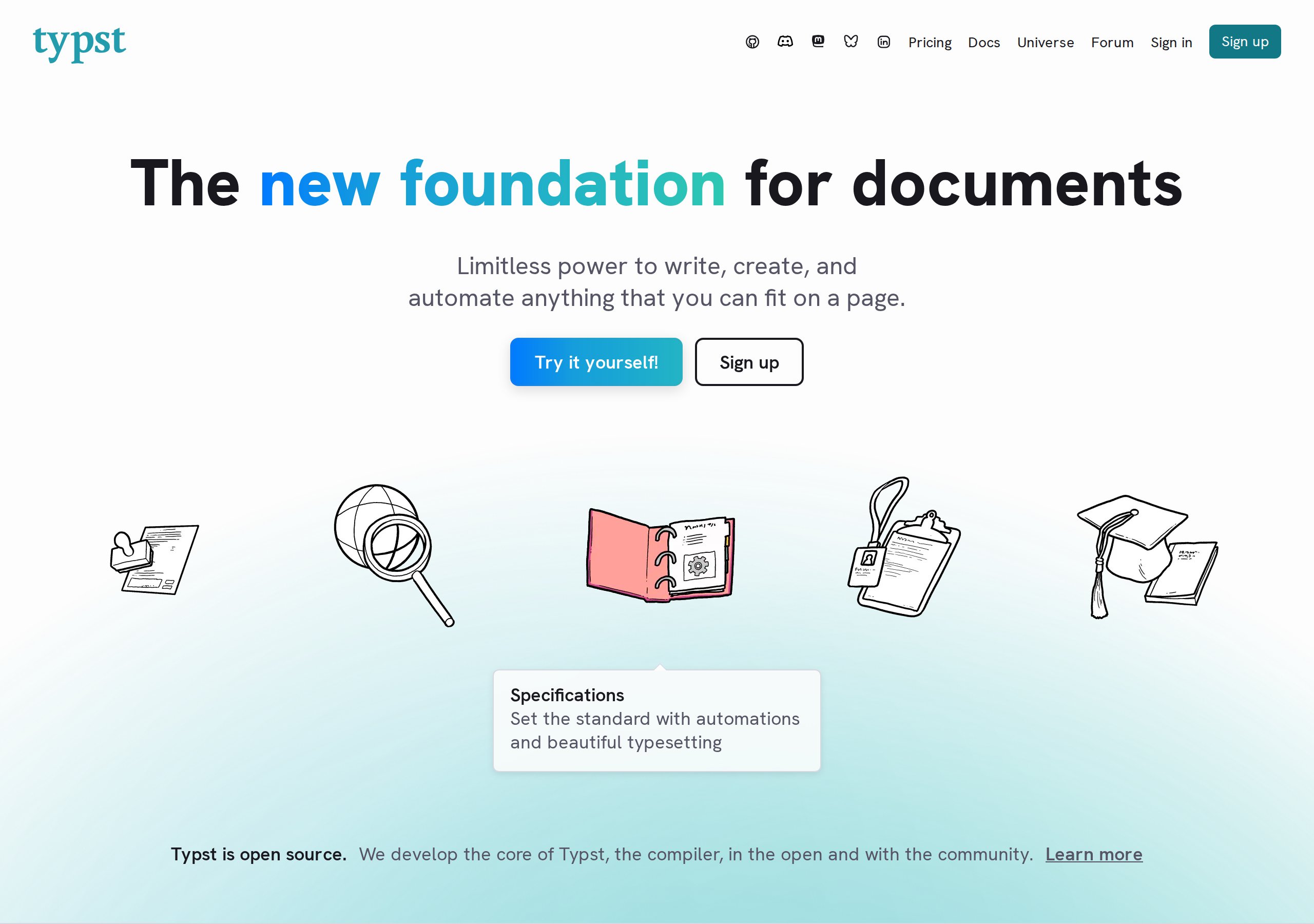
In document processing, Typst has emerged as a formidable markup-based alternative to LaTeX. Capable of compiling complex mathematical notation, plots, tables, and bibliographies into PDFs, images, or web outputs, it provides both browser-based and local execution environments with scripting support for automated report generation.
Security auditing and system monitoring have likewise received robust local-first updates. WebCheck provides an instantaneous, external security posture analysis of any target URL, assessing headers, SSL configurations, DNS records, and open ports within seconds without requiring user registration. For continuous local system oversight, bottom (btm) delivers a GPU- and TUI-accelerated alternative to traditional monitors like htop, presenting detailed CPU, memory, disk, and network widgets with extensive keyboard and mouse navigation support.
Implications and Industry Outlook
The proliferation of these localized, high-performance utilities underscores a broader developer preference for autonomy, speed, and cost efficiency. As organizations increasingly adopt AI-driven coding agents and cloud-agnostic environments, the demand for tools that prioritize data privacy, zero telemetry, and minimal resource consumption will likely dictate the trajectory of modern software engineering tools throughout the remainder of the year.