The Ultimate Guide to Crafting High-Converting Calls to Action Across Digital Platforms


In the modern digital economy, the success or failure of a marketing campaign frequently hinges on a single, highly scrutinized element: the call to action, or CTA. As consumer attention spans shorten and digital noise intensifies, marketers face unprecedented challenges in guiding prospective buyers through the digital funnel. Recent industry data underscores this friction, noting that over 22 percent of internet users employ ad blockers explicitly due to digital ad fatigue. Consequently, crafting a precise, persuasive, and psychologically resonant CTA is no longer a minor copywriting detail; it is a foundational pillar of digital revenue generation.
Anatomy of an Effective Call to Action
At its core, a call to action serves as a navigational compass for consumers experiencing decision fatigue. Whether deployed in social media advertisements, email newsletters, landing pages, or core corporate websites, a well-engineered CTA provides immediate clarity regarding the next step a user should take.

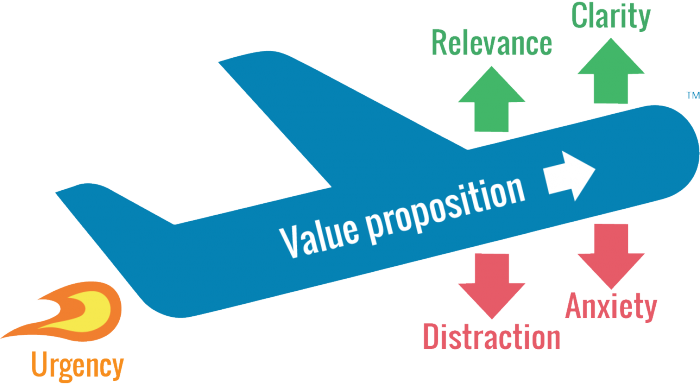
Industry analysis demonstrates that CTAs generally fall into two categories: direct, action-oriented directives such as "Buy Now" or "Download Now," and value-driven, multi-word prompts like "Subscribe today so you never miss a post." According to the LIFT Model—a widely recognized framework for measuring landing page conversion factors—an optimal CTA harmonizes four critical elements: relevance, clarity, urgency, and a distinct value proposition. When these variables align, they dramatically reduce cognitive friction for the consumer, directly driving conversion rates upward.

Strategic Verbs and Psychological Triggers

Marketers across different sectors utilize distinct linguistic frameworks depending on their primary objectives. E-commerce platforms typically rely on transactional verbs such as "Shop," "Order," and "Reserve," whereas Software-as-a-Service (SaaS) providers lean toward exploratory or initiation-based language like "Try," "Get Started," and "Sign Up." Non-profit organizations utilize altruistic or communal prompts such as "Donate," "Commit," and "Support."

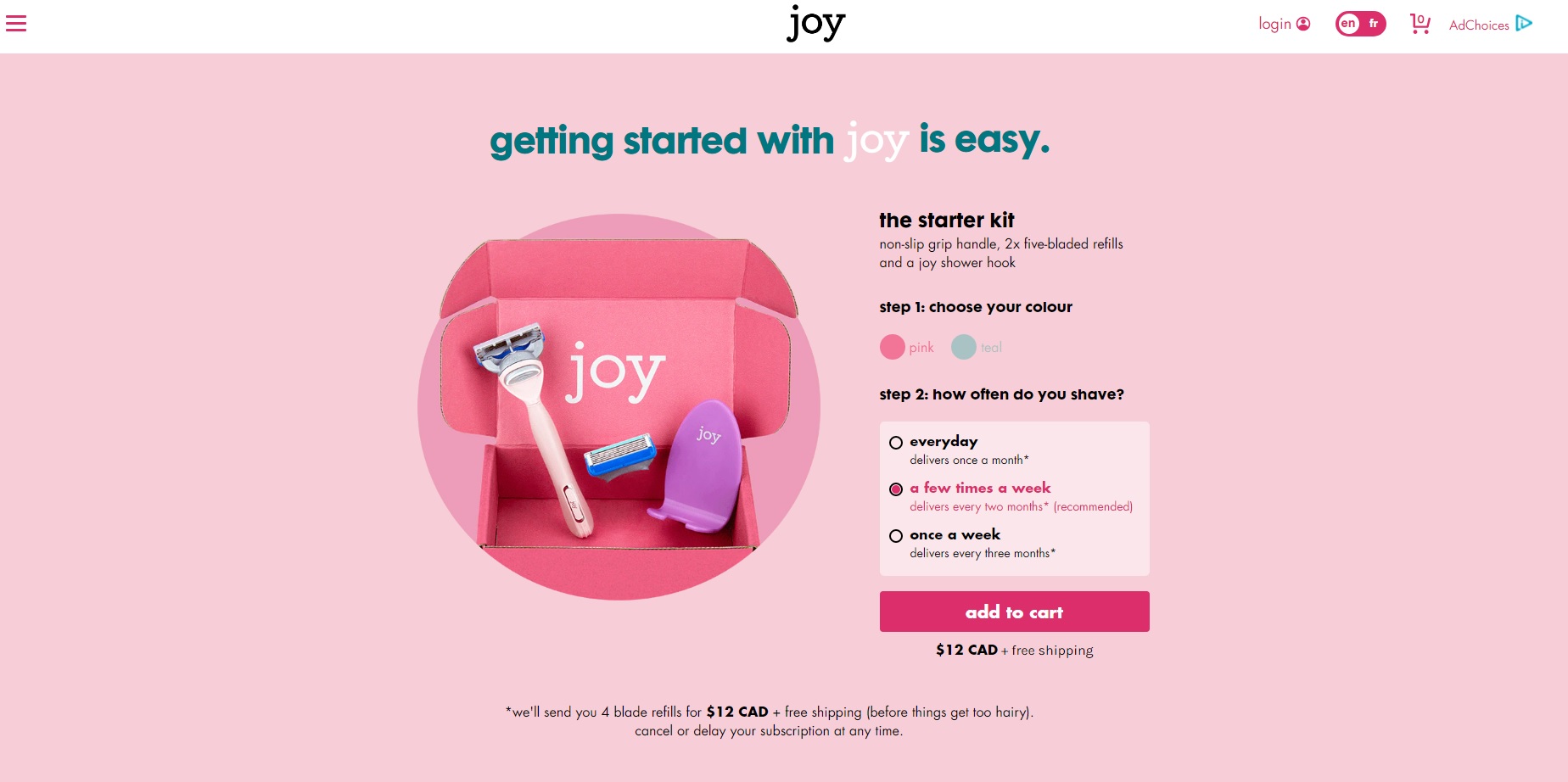
Furthermore, modern copywriting increasingly integrates sensory and emotional triggers to foster deeper consumer connection. For example, unique verbal framing—such as utilizing a noun as a verb, as observed in specific retail campaigns—can distinguish a brand within a crowded marketplace. However, because consumer behavior is inherently variable, digital marketing experts emphasize that intuition alone is insufficient. Rigorous A/B testing remains the industry standard for evaluating the true efficacy of any given CTA phrase.

Empirical Evidence and Split-Testing Insights

The financial impact of optimizing CTA design and placement is well-documented through empirical research. While plain-text hyperlinks serve specific contexts, empirical studies consistently highlight the superior performance of clickable CTA buttons. Research compiled by digital marketing analysts indicates that transitioning from a text-based link to a prominent button format can increase conversion rates by up to 45 percent. Similarly, integrating dedicated CTA blocks into content templates has been shown to boost overall engagement metrics significantly.

Controlled experiments further illustrate the financial stakes involved in CTA selection. In a controlled $1,000 split-test experiment evaluating various Facebook Ad button variants, researchers discovered stark variances in acquisition costs. The top-performing button variant generated nearly two and a half times more conversions at less than half the cost per acquisition compared to campaigns running without a dedicated native button. These findings underscore a critical operational implication for enterprise marketers: suboptimal CTA selection can inadvertently double advertising expenditures for identical conversion yields.

Platform-Specific Best Practices: Social Media to Mainstream Websites

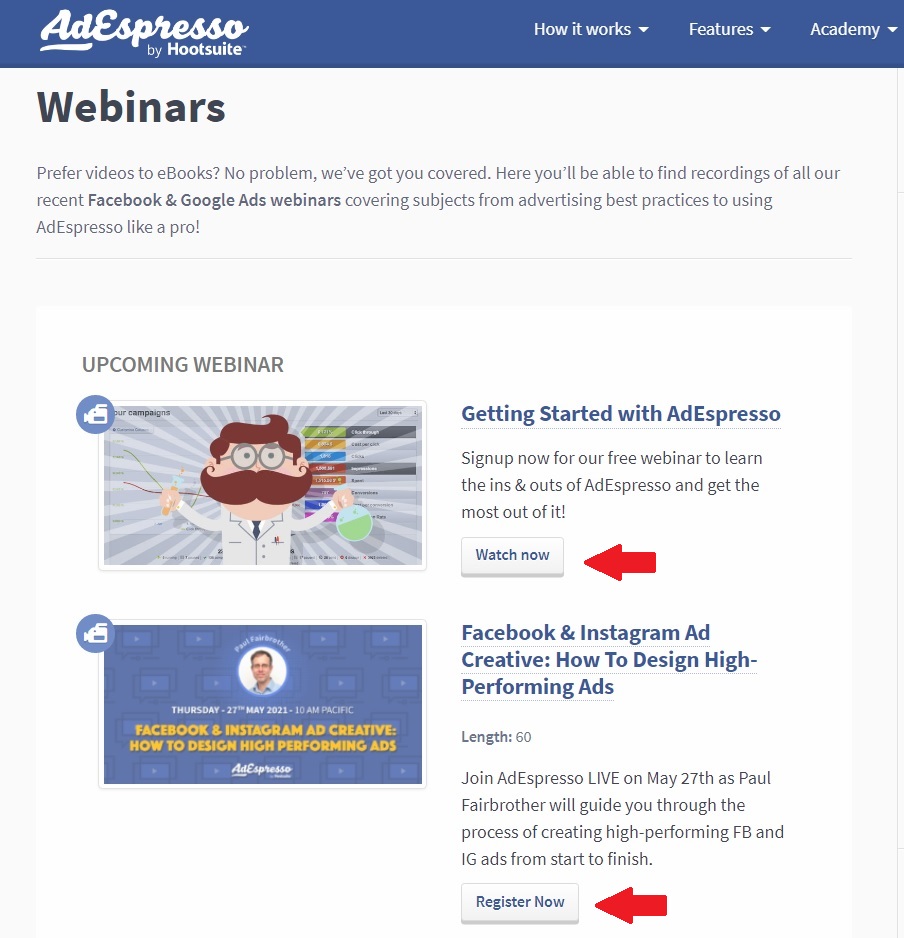
Navigating the nuances of different digital environments requires tailored CTA strategies. On platforms like Facebook and Instagram, native interactive buttons streamline the user journey by removing friction between discovery and conversion. Advertisers are advised to align these native buttons with the campaign’s current funnel stage—employing lower-friction prompts like "Learn More" for top-of-funnel prospects and transactional prompts like "Shop Now" for retargeting high-intent audiences.

On dedicated landing pages and primary corporate websites, structural hierarchy dictates success. Industry benchmarks dictate that high-converting landing pages must position the primary value proposition and its corresponding CTA above the fold—ensuring immediate visibility without requiring the user to scroll. Furthermore, maintaining a minimalist design aesthetic by eliminating extraneous navigation links prevents user distraction and preserves focus on the primary conversion goal.
Broader Implications and Future Outlook

As digital advertising landscapes evolve into 2026 and beyond, the proliferation of automated campaign optimization tools is reshaping how brands deploy and test calls to action. Advanced algorithms now permit real-time multivariate testing, enabling marketing platforms to automatically pause underperforming asset combinations and allocate budgets exclusively to winning variations.
Ultimately, while the underlying technology of campaign management continues to advance rapidly, the foundational psychology of human decision-making remains constant. Brands that master the balance of clarity, urgency, and emotional resonance within their calls to action will continue to secure a competitive advantage, optimizing their return on ad spend and fostering sustainable customer acquisition in an increasingly crowded digital marketplace.