The Essential Guide to TikTok Marketing Trends and Consumer Behaviour in Australia 2026


TikTok has evolved from a niche entertainment platform into a formidable pillar of the Australian digital economy. As of late 2025, the platform boasts a domestic user base of 10.9 million Australians aged 18 and over, fundamentally altering how businesses approach lead generation, brand storytelling, and e-commerce. According to the 2025 Sprout Social Index, 39% of Australian social media users now actively utilize TikTok to monitor trends across sectors as diverse as financial services, fashion, travel, and technology. This shift represents a transition from passive consumption to active product discovery and research, forcing marketers to reconsider their engagement strategies.
A Chronology of Platform Evolution and Regulatory Change
The trajectory of TikTok in Australia is defined by two primary forces: the maturation of its user base and the implementation of stringent federal regulations. Originally perceived as an app for short-form viral entertainment, the platform has steadily integrated itself into the daily utility of Australian adults. By 2024, the platform had become a search engine in its own right, with users increasingly bypassing traditional browsers to research purchasing decisions.

This period of growth reached a significant regulatory milestone on December 10, 2025, when the Online Safety Amendment (Social Media Minimum Age) Bill 2024 came into full effect. The legislation, aimed at safeguarding minors, mandated that social media platforms—including TikTok—implement robust measures to prevent users under the age of 16 from maintaining accounts. Failure to comply with these directives carries substantial financial risk, with the Australian government authorizing fines of up to A$49.5 million per breach.
In anticipation of this deadline, TikTok initiated a comprehensive deactivation process. By the enforcement date, the platform had purged more than 200,000 Australian accounts, effectively narrowing its demographic focus to a strictly adult audience. This move, while disruptive in the short term, has provided marketers with a cleaner, more predictable data set focused on the high-intent, 18-plus consumer segment.
Demographic Shifts and Strategic Implications
The departure of the under-16 demographic has fundamentally recalibrated the platform’s audience profile. Historically, TikTok’s global user base was heavily skewed toward younger cohorts, with over 30% of global users aged between 18 and 24. With the new regulatory environment, the Australian iteration of the app is now more firmly rooted in the adult demographic, which aligns closely with established advertising tools and ROI metrics.
For businesses operating within this space, the implication is clear: the focus must shift from viral youth trends to high-value content that appeals to the purchasing power of adult consumers. Marketers are encouraged to lean on first-party data to segment these audiences, moving away from broad reach toward precise, conversion-oriented campaigns. This environment favors brands that prioritize authenticity, as the Australian audience has demonstrated a high degree of skepticism toward overly polished, traditional advertising.
Sector-Specific Impact: Where TikTok Drives Value
The versatility of the TikTok algorithm has allowed it to penetrate diverse industries, each utilizing the platform in distinct ways to capture market share.
Travel and Tourism
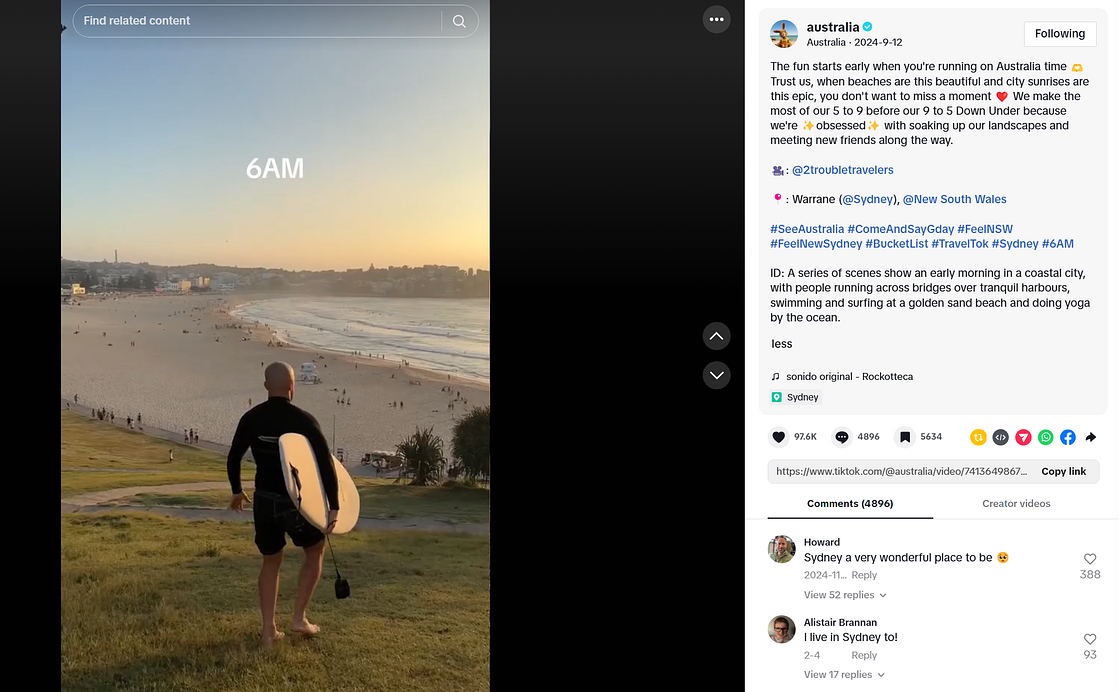
Australia’s tourism sector has found a natural home on TikTok. The platform’s immersive, vertical-video format allows destinations to showcase the country’s natural assets—from the reef to the outback—in a way that static imagery cannot. The official "Australia" account, which has amassed nearly 800,000 followers, acts as a national showcase, utilizing user-generated content and high-production-value clips to inspire travel. The data suggests that TikTok is now a primary stage in the travel customer journey, where users research potential trips, view real-time conditions, and seek authentic experiences rather than curated promotional material.
Financial Services and "FinTok"
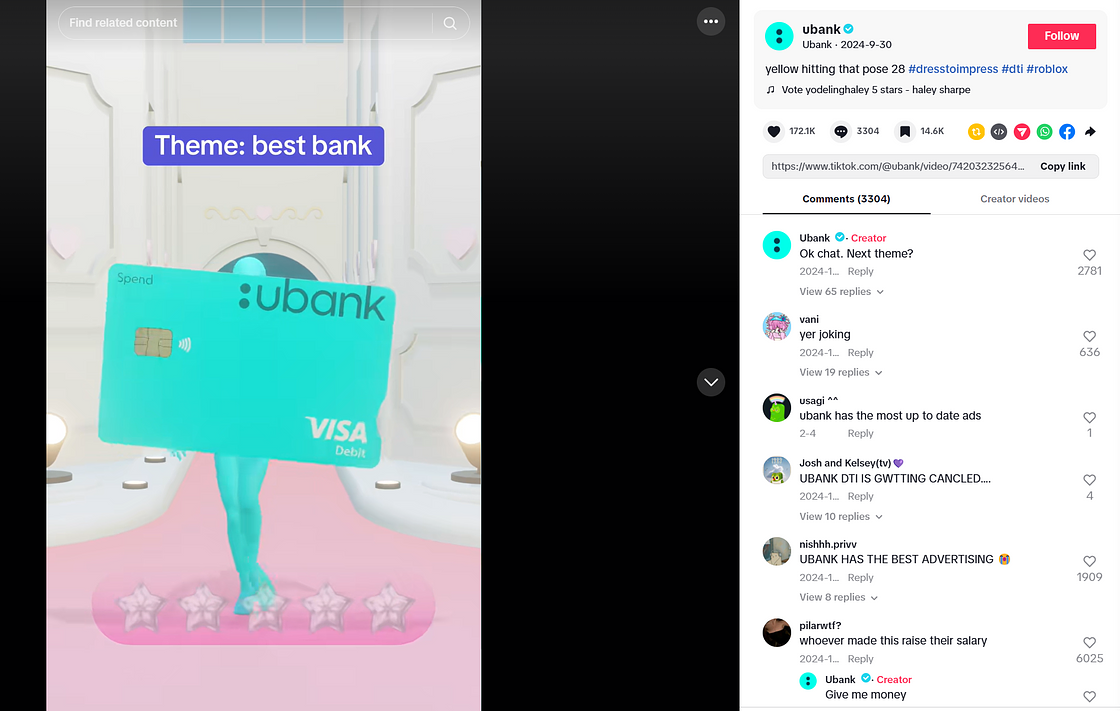
The rise of "FinTok" in Australia has seen financial institutions move toward more transparent, educational content. Banks such as Ubank have successfully utilized the platform to bridge the gap between complex financial concepts and a younger, tech-savvy audience. By employing street-style interviews and playful, accessible video formats, these institutions have been able to normalize conversations around debt, budgeting, and salary transparency. This approach has proven highly effective in humanizing institutional brands, fostering a sense of trust that is often difficult to cultivate in traditional banking environments.
Retail and E-commerce
TikTok has effectively shortened the distance between discovery and purchase. The integration of social commerce features has turned the app into a retail storefront, particularly for the fashion and beauty sectors. Brands like White Fox Boutique exemplify this success. By leveraging influencer collaborations and behind-the-scenes content during major cultural events like Coachella, the brand has transcended its Australian roots to achieve international status. Their strategy relies on the "see it, buy it" mentality, where the influencer’s endorsement serves as the final catalyst for the consumer’s purchasing decision.
Literature and #BookTok
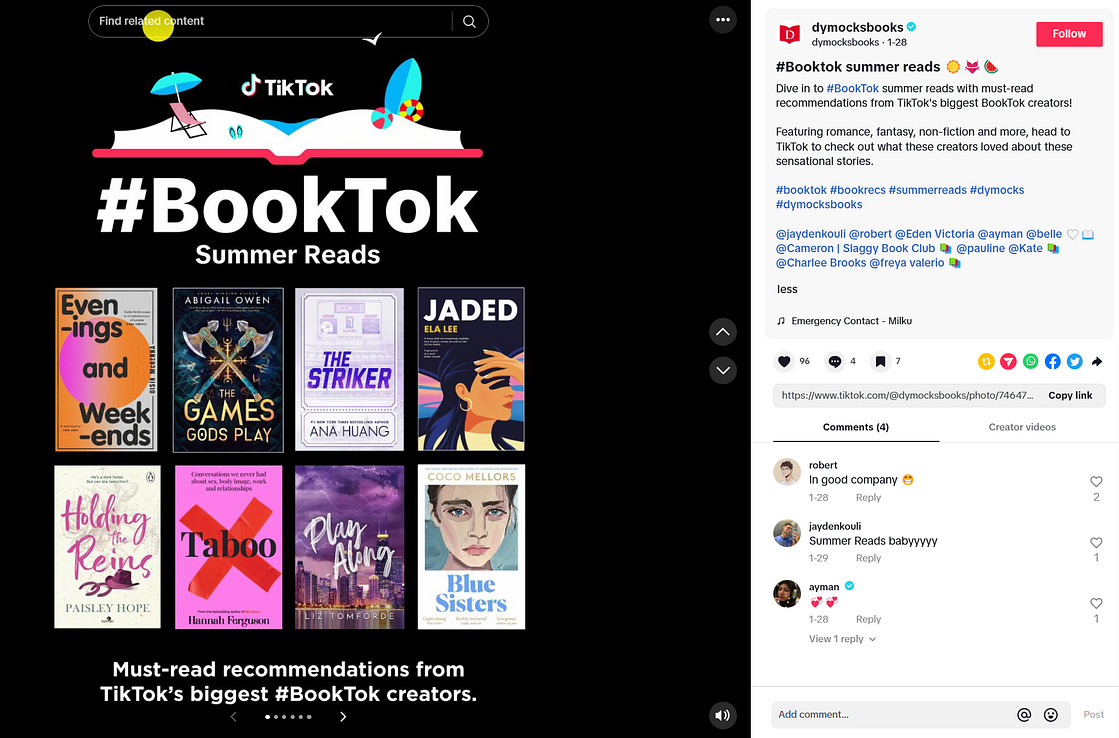
The #BookTok phenomenon remains one of the most organic and successful community-driven trends on the platform. With over 36 million posts globally, the hashtag has revitalized the publishing industry. Major retailers like Dymocks have capitalized on this by actively participating in the conversation, sharing staff recommendations, and announcing releases directly to a highly engaged community. This reflects a broader trend where niche communities on TikTok dictate market demand, often pushing titles onto bestseller lists that might otherwise have remained undiscovered.
The Success of the "Founder-Led" Narrative
A recurring theme in the success stories of Australian brands on TikTok is the power of the "founder-led" narrative. The case of Brooki Bakehouse, founded by Brooke Bellamy, provides a blueprint for small businesses looking to scale. By documenting the unfiltered, daily reality of running a bakery in Brisbane, Bellamy attracted 2 million followers, effectively turning a local business into a global brand.
Her experience underscores a vital lesson for modern marketers: consumers, particularly in the Australian market, value the story behind the product. The success of the "day in the life" video format—which garnered over 3.3 million views—highlights the audience’s appetite for genuine human connection. This shift toward founder-centric, transparent storytelling has allowed businesses to expand their operations, host international pop-ups, and release merchandise to a global audience that feels personally invested in the company’s growth.
Future Outlook and Data-Led Strategy
As of 2026, the Australian TikTok landscape is characterized by high engagement, regulatory compliance, and a mature consumer base. The transition from an entertainment feed to an integrated business tool is complete. For organizations looking to capitalize on this, the primary challenge is no longer just "being on TikTok," but rather mastering the nuances of audience intent.
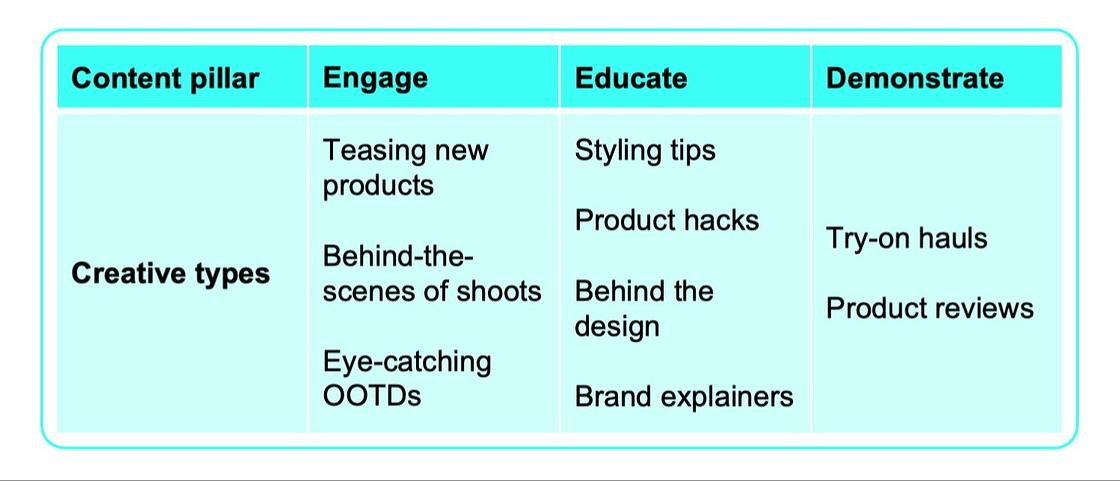
The data provided by the 2025 Sprout Social Index confirms that the most successful campaigns are those that align with the user’s desire for either education or entertainment. By utilizing platforms that allow for scheduling, performance tracking, and trend analysis, marketers can move from reactive posting to a proactive, strategy-led approach.
The regulatory changes of 2025 have not diminished the platform’s potential; rather, they have matured the marketplace. By prioritizing first-party data and adhering to an adult-first strategy, Australian brands are uniquely positioned to convert the platform’s high traffic into long-term customer loyalty. The opportunity for growth is significant, provided that brands remain agile, data-informed, and committed to delivering the high-quality, authentic content that the Australian audience now expects as the standard.