Buffer Versus Later: A Comprehensive 2026 Comparison of Leading Social Media Management Platforms

In the modern digital landscape, maintaining a consistent online presence requires a robust operational home base. As businesses, creators, and marketing agencies scale their digital footprints, the selection of a social media management platform has evolved from a routine software choice into a critical strategic decision. Among the crowded marketplace of digital tools, Buffer and Later remain two of the most prominent contenders, offering distinct methodologies for content scheduling, audience engagement, and performance analytics.
Choosing the right platform involves balancing ease of use, feature sets, and budgetary constraints. While both platforms simplify multi-platform publishing, their underlying architectures, pricing philosophies, and target demographics differ significantly. A comprehensive examination of their features, pricing tiers, and capabilities reveals which platform best suits specific organizational needs.
Platform Architecture and Core Philosophy
Buffer, established as an early pioneer in social media scheduling, emphasizes simplicity, multi-platform versatility, and predictable scaling. Its architecture is built around individual channels, allowing users to select and pay for precisely the profiles they require without being forced into rigid bundles. This flexibility has historically made Buffer a favorite among independent creators, solopreneurs, and lean marketing teams seeking straightforward, friction-free publishing.
Conversely, Later entered the market with a distinct visual-first philosophy, heavily tailored toward aesthetics-driven platforms like Instagram and Pinterest. Later utilizes a bundled pricing approach centered on "social sets"—predetermined packages of accounts across multiple networks. This design caters to visual planners, e-commerce brands, and agencies that rely heavily on grid curation, drag-and-drop calendars, and visual asset management.
Pricing Models and Cost Structures
Financial investment is frequently the decisive factor when selecting enterprise or creator software. The pricing structures of Buffer and Later reflect their differing operational philosophies.
Buffer offers a permanent free tier supporting up to three social media channels on any platform, with paid tiers starting at an accessible entry point of $6 per month per channel. For growing teams, Buffer’s pricing model stands out for its predictability: the Team plan includes unlimited user seats, ensuring that costs do not inflate simply because an organization expands its headcount. Furthermore, Buffer charges strictly by the channel, enabling users to customize their exact network mix.
Later’s pricing structure is more restrictive and generally higher, with entry-level paid plans starting at $25 per month. Later mandates the purchase of social sets, meaning users cannot selectively pick individual channels without paying for a bundled package. If a brand requires multiple accounts on the same platform—such as two distinct LinkedIn profiles—additional social sets must be purchased. Furthermore, team scalability on Later incurs additional seat costs beyond baseline plan limits, making it a potentially cost-prohibitive option for rapidly growing collaborations.
Supported Networks and Channel Compatibility
A critical metric for digital marketers is the breadth of platform integration. Buffer currently supports 11 distinct networks: Instagram, Facebook, X (formerly Twitter), LinkedIn, TikTok, Pinterest, Google Business Profile, Mastodon, Start Page, YouTube Shorts, Threads, and Bluesky. This wide compatibility makes Buffer an ideal hub for brands maintaining a decentralized presence across emerging text-based and decentralized protocols like Bluesky and Mastodon.
Later supports eight primary networks: Instagram, Facebook, Threads, Pinterest, TikTok, LinkedIn, YouTube Shorts, and Snapchat. Notably, Later is currently the only platform of the two to support Snapchat integration. However, it entirely omits support for X, Bluesky, Mastodon, and Google Business Profile, which may limit its utility for B2B brands and news organizations heavily reliant on real-time microblogging.
Content Creation, Scheduling, and Workflow Efficiency
Both applications streamline the mechanics of drafting and queueing content across multiple profiles. However, operational nuances separate their daily workflows.
Buffer provides robust bulk-scheduling capabilities, allowing users on paid plans to upload up to 100 posts simultaneously via a CSV file. This feature is indispensable for managing large-scale campaigns or migrating content calendars from external spreadsheets. Additionally, Buffer’s channel groups permit users to save frequently utilized network combinations—such as a corporate bundle of LinkedIn, Facebook, and Threads—and publish to them simultaneously with a single click.
Later counters with specialized visual planning tools, most notably its drag-and-drop calendar and visual grid preview for Instagram and Pinterest. For brands where grid aesthetics dictate brand identity, Later’s visual planner allows content managers to preview precisely how a feed will appear prior to publication. However, Later lacks native CSV bulk-upload functionality, resulting in a more manual scheduling process for high-volume content operations.
Artificial Intelligence Integration
Artificial intelligence has become a standard inclusion in modern marketing toolkits, yet Buffer and Later implement AI under vastly different usage models.
Buffer integrates its AI Assistant natively across all subscription tiers, including the permanent free plan, with unlimited usage. Creators and marketing professionals can generate ideas, draft and refine captions, and repurpose content across networks without fearing consumption caps or surprise overage charges.
Later restricts its AI-powered features to paid tiers, operating under a finite credit-based system. Each generation of a caption or content idea consumes specific credits based on the user’s subscription level. Once these monthly limits are exhausted, users must either wait for renewal or purchase supplementary tokens, introducing potential workflow friction during intensive campaign planning.
Engagement and Community Management
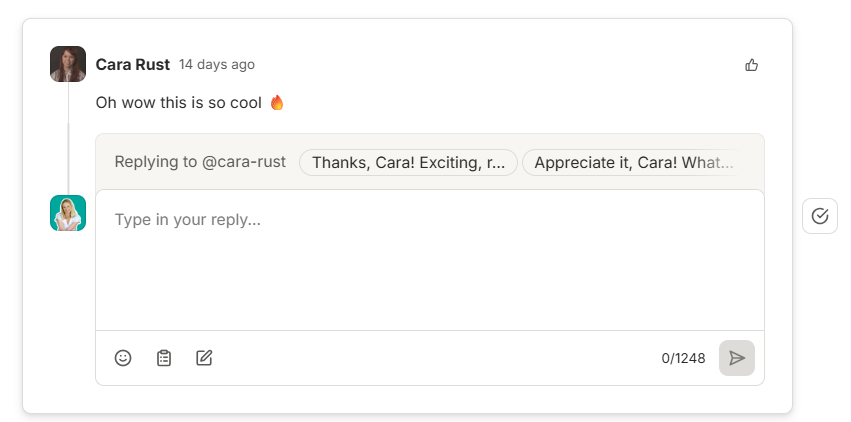
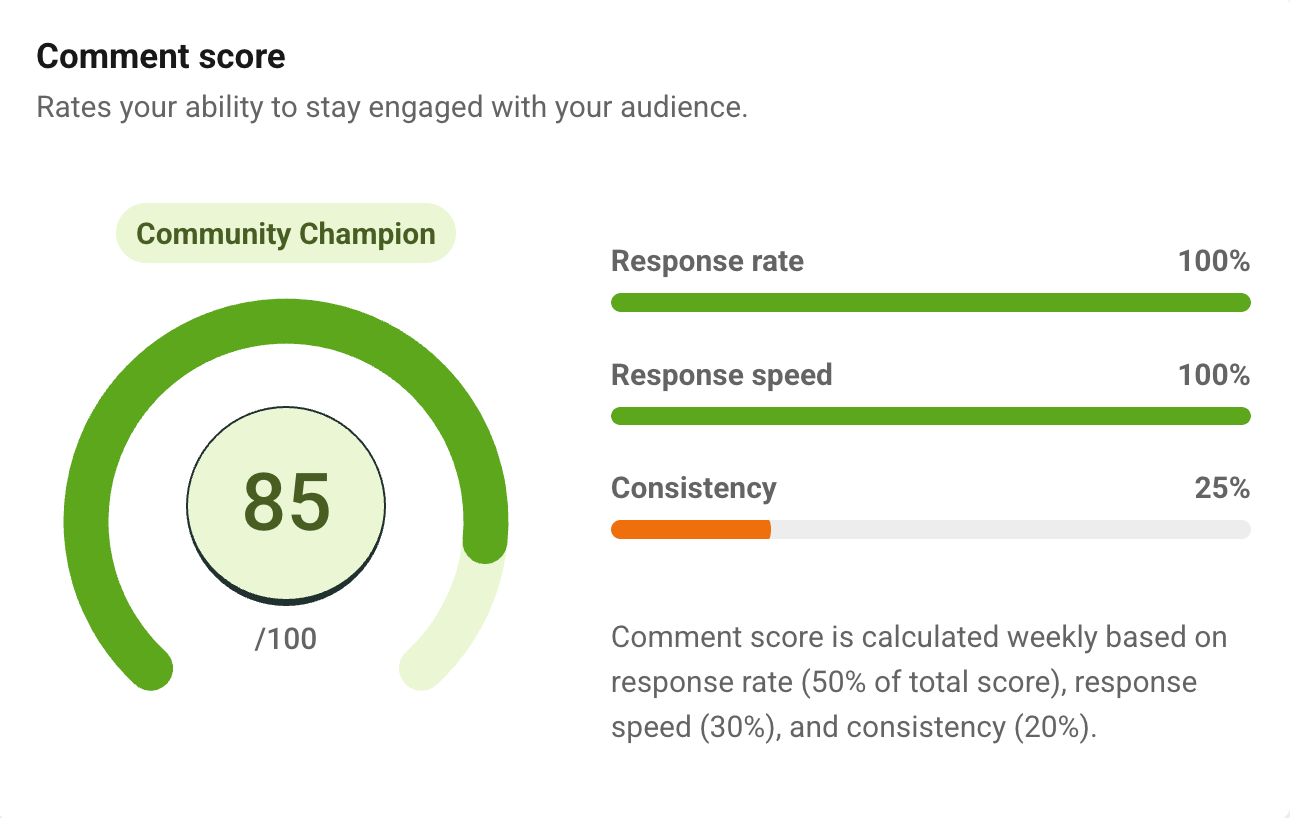
Maintaining active dialogue with audiences is central to social media success. Buffer includes its community management inbox across all plans, including the free tier. The "Community" tab facilitates rapid replies to comments and mentions, reinforced by AI-generated response suggestions and saved replies for frequently asked questions. Uniquely, Buffer calculates a "comment score" tracking response velocity and consistency, providing quantifiable oversight of team engagement metrics.
Later positions its Social Inbox as an advanced feature reserved for higher-tier team plans, leaving solo users on free or starter tiers without native direct message and comment management capabilities. Later also offers social listening and sentiment analysis tools as paid add-ons for enterprise-level accounts, catering to brands requiring deep market research and competitive benchmarking.
Analytics, Insights, and Reporting
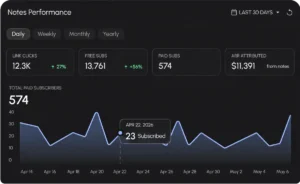
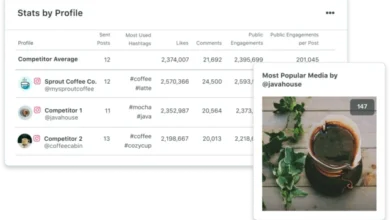
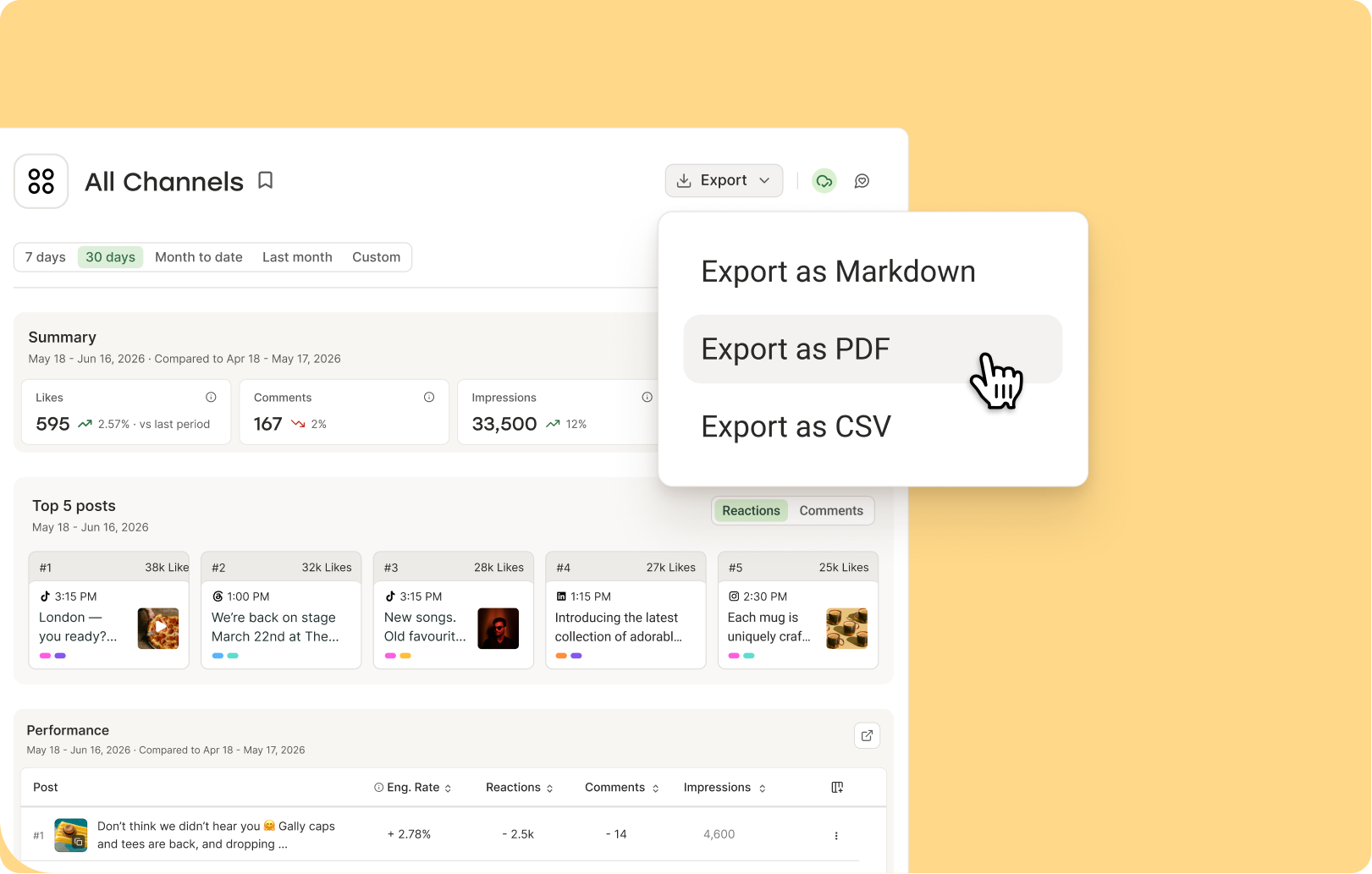
Data-driven decision-making relies upon comprehensive analytics. Buffer provides meaningful performance insights across all plans, while unlocking advanced historical data and custom date ranges on paid tiers. A standout capability is Buffer’s AI-powered "Takeaways," which autonomously analyze charts to highlight actionable strategic patterns. Furthermore, standardized PDF and CSV reporting exports are readily available.
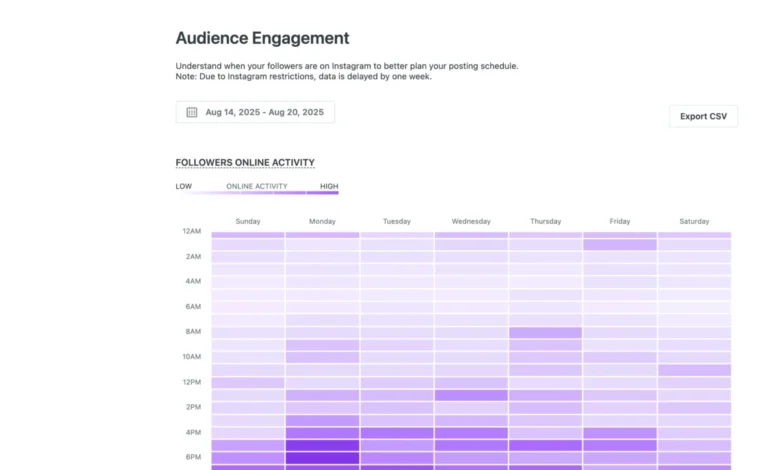
Later delivers deep audience demographics—including age, gender, and geographic location—alongside heatmaps indicating optimal posting times for Instagram and TikTok. However, cross-account performance aggregation is restricted to its highest-tier plan, and native PDF report generation is absent, requiring users to export data via CSV formats.
Link-in-Bio Functionality
Both platforms offer proprietary link-in-bio solutions to maximize the utility of single profile links. Buffer’s Start Page allows creators to build versatile, block-based landing pages featuring custom text, buttons, image grids, and affiliate links. Multiple blocks of the same type can be deployed concurrently.
Later’s Linkin.bio emphasizes e-commerce integration, linking directly with Shopify and affiliate marketing platforms like Mavely to seamlessly convert social traffic into measurable sales conversions. While Later’s visual banner operates as a carousel, its structural flexibility is somewhat more rigid compared to Buffer’s modular block design.
Strategic Implications and Final Recommendations
The choice between Buffer and Later ultimately depends on an organization’s structural priorities and resource allocation.
Buffer emerges as the optimal selection for solopreneurs, creators, and lean teams prioritizing budgetary predictability, channel-based flexibility, expansive platform support (including X and Bluesky), unlimited AI assistance, and inclusive community management tools.
Conversely, Later aligns best with e-commerce brands, visual artists, and agencies heavily focused on Instagram and TikTok aesthetics, requiring robust visual grid curation, Shopify-integrated commerce tracking, and structured team access groups.
By carefully evaluating these technical parameters, pricing mechanics, and workflow requirements, digital marketing professionals can select the optimal foundation to sustain long-term social media growth.