Making AI-Generated Design Prototypes More Reliable: A Guide to Reducing Drifts and Enhancing Quality

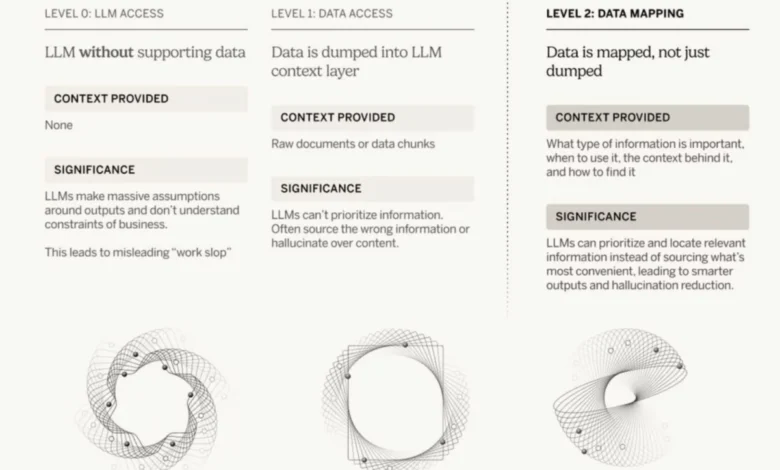
The rapid integration of Artificial Intelligence (AI) into the design process, particularly for generating prototypes, promises increased efficiency and speed. However, a persistent challenge hindering its full potential is the inconsistency and frequent "drifts" in the quality of AI-generated outputs. These inconsistencies often stem from underlying issues within design systems, such as undocumented decisions, outdated hard-coded values, or an over-reliance on AI to interpret complex design flows independently. Addressing these shortcomings is crucial for unlocking the true value of AI in design.
A recent practical guide developed by Hardik Pandya, a prominent figure from Atlassian, offers a comprehensive framework for mitigating these issues. The guide, accessible at hvpandya.com/llm-design-systems, outlines a strategic approach to reduce drifts, minimize errors, maintain contextual integrity, and ultimately elevate the quality of AI-generated design prototypes. This approach emphasizes treating design decisions as foundational infrastructure, rigorous auditing of design systems, and implementing a multi-layered specification process.
The core of Pandya’s methodology revolves around the principle that AI’s effectiveness is directly proportional to the quality and clarity of the guidance it receives. Unlike traditional design tools that rely on direct human input for every detail, AI models operate on data and established rules. When this data is incomplete, ambiguous, or internally inconsistent, the AI is prone to making suboptimal choices, leading to prototypes that deviate from intended design principles or functionalities.
Design Decisions as Infrastructure: The Foundation for AI Reliability
A key takeaway from Pandya’s guide is the redefinition of design decisions as essential infrastructure for AI-driven design processes. This perspective shifts the focus from viewing design decisions as mere stylistic choices to recognizing them as fundamental building blocks that dictate the behavior and output of AI. Every decision, whether related to user experience principles, accessibility standards, prioritization frameworks, or even the internal processes of decision-making itself, must be meticulously documented and made accessible to the AI.
This infrastructure comprises several critical elements:
- Clear Priorities: AI needs to understand what aspects of a design are most important. This could include user flow efficiency, brand consistency, or accessibility compliance.
- Documented Decision-Making Paths: When a design choice is made, the rationale behind it should be recorded. This helps AI understand the "why" and apply similar logic in future scenarios.
- Defined Design Principles: Overarching principles that guide the design system, such as "simplicity," "consistency," or "user-centricity," provide a compass for AI.
- Illustrative Examples: Providing concrete examples of both correct and incorrect implementations helps AI learn by example.
- Dos and Don’ts: Explicitly stating what should and should not be done in specific design contexts leaves less room for AI interpretation.
By treating these elements as integral parts of the design system’s infrastructure, teams ensure that AI models have a robust foundation upon which to operate. This structured approach prevents the AI from making assumptions or improvising, thereby reducing the likelihood of design drifts. The process involves translating these documented decisions into a format that AI can easily consume, typically through structured text files that form part of the AI’s input.
Auditing for Excellence: The Role of FigmaLint
To ensure that design systems are robust and AI-ready, a thorough auditing process is indispensable. Pandya’s guide highlights the utility of tools like FigmaLint, a free Figma plugin designed to systematically audit various aspects of a design system. This tool plays a pivotal role in identifying and rectifying inconsistencies that could otherwise lead to AI-generated errors.

FigmaLint’s capabilities include:
- Token Auditing: Verifying the consistent application and naming of design tokens (e.g., colors, typography, spacing).
- State Verification: Ensuring that interactive components have all their states (e.g., hover, active, disabled) correctly defined.
- Accessibility Checks: Identifying potential accessibility issues within the design system.
- Binding Tokens: Confirming that design tokens are correctly linked to components.
- Layer Renaming and Detached Instance Detection: Maintaining a clean and organized design file structure.
- Hard-Coded Value Identification: Pinpointing instances where values are hard-coded instead of using design tokens, a common source of inconsistency.
- Preparing Design Documentation: Assisting in the generation of documentation that can be consumed by AI.
The significance of such auditing tools becomes particularly pronounced when working with external vendors or third-party component libraries. These audits help ensure that incoming design systems meet the required standards for AI integration, thereby improving the quality of AI-generated prototypes, code, and documentation. The proactive identification and remediation of issues through tools like FigmaLint are crucial steps in preparing a design system for reliable AI utilization.
A Three-Layered Approach to AI-Ready Design Systems
Pandya’s framework proposes a three-layered strategy to build and maintain AI-ready design systems: Spec Files, Token Layer, and Auditing. This layered approach creates a robust system that minimizes ambiguity and maximizes AI’s ability to generate accurate and consistent prototypes.
Spec Files: The AI’s Guiding Text
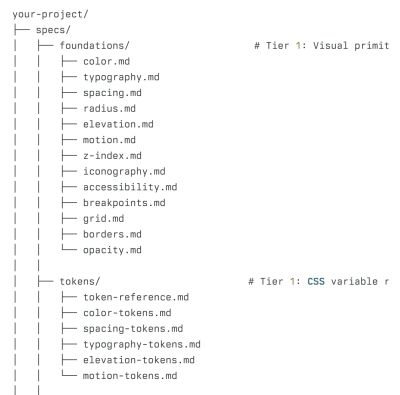
The first layer, "spec files," consists of structured Markdown documents that serve as the primary source of truth for AI. These files encapsulate detailed guidelines, rules, and priorities for the design system. They include specifications for spacing, color palettes, typography, component usage, and any other relevant design parameters.

The advantage of using text-based spec files is twofold:
- Cost-Effectiveness: Processing text is generally less computationally intensive and more cost-effective than analyzing visual mock-ups.
- Accuracy: By providing explicit instructions rather than relying on AI to interpret visual patterns, the accuracy of AI-generated outputs is significantly enhanced. This shifts the focus from AI "understanding" mock-ups to AI "following" precise directives.
The guide suggests that extending existing code with these spec files can often be a more effective strategy than attempting to generate code entirely from scratch based on visual representations. This approach leverages the inherent structure of code and design systems while embedding explicit AI guidance.
The Token Layer: Standardizing Design Elements
The second layer, the "token layer," is responsible for maintaining an up-to-date inventory of all design tokens used within the system. This ensures that AI always selects from a predefined, consistent set of named variables rather than inventing plausible values on the fly. This standardization is critical for maintaining visual and functional consistency across all AI-generated outputs.
For instance, instead of an AI choosing a seemingly arbitrary shade of blue, it would refer to a token like color-primary-blue. This token would have a defined value (e.g., #007bff) and potentially associated properties like opacity or usage guidelines. By confining AI’s choices to this curated set of tokens, designers ensure that all generated elements adhere to the established design language.
Auditing: The Quality Control Mechanism
The third layer involves an ongoing auditing process to catch any deviations or errors that AI might introduce. This can be achieved through automated scripts that scan AI-generated prototypes. These scripts can flag any instance where hard-coded values are used instead of design tokens or where design rules from the spec files have been violated.
This feedback loop is essential. The AI can then be trained or adjusted based on the audit results, further refining its output. This continuous improvement cycle ensures that the AI becomes increasingly adept at generating high-quality prototypes that align with the design system’s specifications.
Furthermore, when the design system undergoes updates, a synchronization routine should be in place to identify which spec files require modification. This ensures that the AI always operates with the most current and accurate specifications, preventing it from generating prototypes based on outdated information.
The Broader Implications of AI-Driven Design Systems
The implications of developing AI-ready design systems extend beyond mere prototype generation. They represent a fundamental shift in how design is conceived, managed, and scaled.

Reducing Technical and Design Debt: AI can be a powerful tool for identifying and even rectifying technical and design debt, provided it is given clear instructions. By automating repetitive tasks and ensuring adherence to established standards, AI can help teams reduce the accumulation of inconsistencies that plague many design systems.
Enhancing Collaboration: A well-defined and documented design system that is AI-ready can improve collaboration among designers, developers, and other stakeholders. The clear specifications and guidelines serve as a universal language, ensuring everyone is working with the same understanding of design intent.
Accelerating Innovation: By automating the creation of functional prototypes, AI frees up designers to focus on more strategic and creative aspects of their work, such as user research, concept development, and problem-solving. This acceleration can lead to faster iteration cycles and quicker innovation.
The Challenge of Maintenance: As noted in the original article, the effort required to maintain these AI-ready design systems is significant. Decisions need to be continuously documented and fed into the spec files. This ongoing commitment to documentation and system upkeep is crucial for long-term success.

Data as the New Design Currency: The emphasis on structured data and documented decisions highlights the growing importance of data in the design process. Design systems are evolving from collections of visual assets to sophisticated data structures that empower AI.
Conclusion: A Path Towards More Intelligent Design
The journey toward reliably generating high-quality AI-driven design prototypes is paved with meticulous planning, rigorous documentation, and continuous refinement. Hardik Pandya’s guide provides a practical and actionable roadmap for organizations looking to harness the power of AI in their design workflows. By treating design decisions as infrastructure, leveraging auditing tools like FigmaLint, and implementing a multi-layered specification process, teams can significantly reduce design drifts, minimize errors, and ensure that AI-generated prototypes are not just fast, but also accurate and consistent.
As AI continues to evolve, the ability to effectively guide and integrate it into established design practices will become a critical differentiator. The principles outlined in this approach emphasize that AI is not a substitute for human design expertise but rather a powerful augmentation tool that thrives on clear, structured, and well-maintained design systems. The future of design lies in this symbiotic relationship, where human ingenuity is amplified by intelligent automation, leading to more efficient, consistent, and innovative product development.
For those seeking to delve deeper into the nuances of designing for AI interfaces, Vitaly’s new video course, "Design Patterns For AI Interfaces," offers extensive real-life examples and UX guidelines. This resource aims to equip designers with the knowledge to create AI features that are not only functional but also intuitive and user-friendly, further solidifying the principles of deliberate and precise guidance in the age of AI-driven design.