The digital design landscape relies heavily on cohesive visual language, where a well-crafted icon set functions as both an aesthetic anchor and a functional navigation tool. For UI and UX designers, standardized icons eliminate visual clutter, accelerate user comprehension, and prevent the repetitive drafting of universal symbols such as magnifying glasses, hamburger menus, and notification bells. Despite their ubiquity, sourcing icon libraries that offer visual consistency, comprehensive breadth, and seamless cross-platform integration remains a persistent challenge within the industry. To navigate this ecosystem, professionals increasingly rely on specialized search engines alongside curated repositories to source assets efficiently.
Evaluating the Current Landscape of Icon Resources
Modern product design requires assets that transcend static SVG downloads. Designers demand robust component integration, cross-framework compatibility—such as React, Vue, Svelte, and Flutter—and scalable licensing models that accommodate both lean startup projects and enterprise-grade design systems.
Historically, web design relied on disparate graphical assets, often resulting in mismatched stroke widths, conflicting corner radii, and fragmented visual hierarchies. The emergence of standardized icon systems has largely mitigated these issues. However, the sheer volume of available resources can overwhelm practitioners. To streamline this selection process, an analysis of eleven prominent icon repositories highlights the distinct advantages, technical capabilities, and ideal use cases of the industry’s leading systems.
Open-Source and Minimalist Foundations
Open-source icon libraries have become the bedrock of contemporary web development, prized for their lightweight footprints and straightforward licensing.
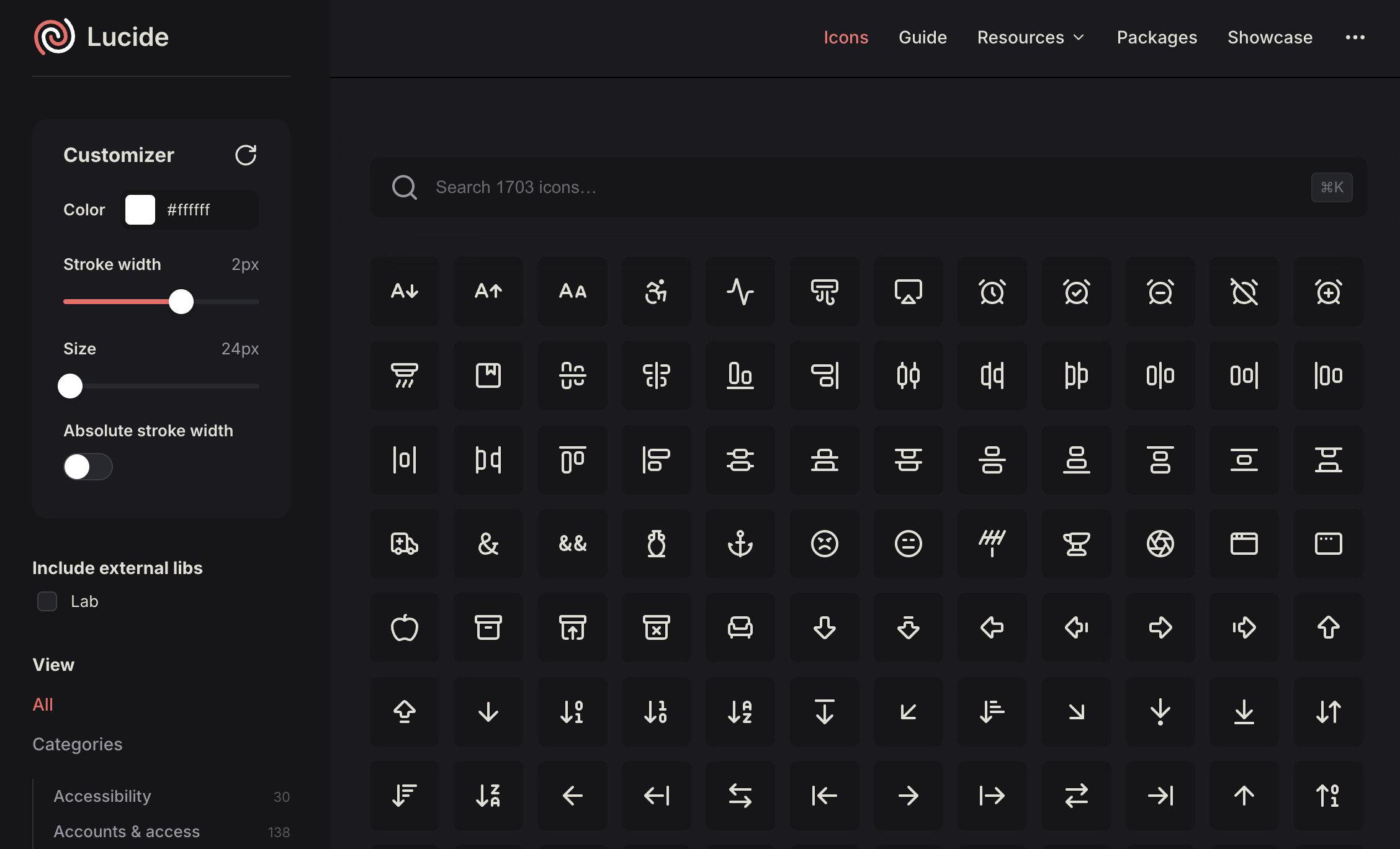
Lucide provides a clean, minimal open-source icon style engineered to integrate smoothly into modern web architectures. Beyond standard SVG distribution, Lucide offers official packages for major frontend frameworks, including React, Vue, Svelte, Solid, Astro, and React Native. This framework-native approach renders it practical for production-level software development rather than purely illustrative wireframing.
Iconoir represents another robust open-source alternative, offering a modern, flexible catalog free of restrictive paywalls. Its aesthetic balances clean lines with subtle expressiveness, preventing the starkness sometimes associated with ultra-minimalist sets. Furthermore, Iconoir supports diverse output formats, spanning SVG, icon fonts, React Native, Flutter, Figma, and Framer, making it a versatile choice for cross-platform development teams.
Feather Icons appeals to purists seeking radical simplicity. By stripping away complex marketplace interfaces and excessive categorical bloat, Feather delivers a restrained collection of adjustable outlines where users can dynamically configure size, stroke width, and color parameters. It serves as an efficient default for developers and designers prioritizing minimalist aesthetics.
Commercial Ecosystems and Scalable Design Systems
For large-scale enterprise applications and complex digital products, commercial and extensive ecosystems provide the volume and structural support necessary to maintain consistency across hundreds of screens.
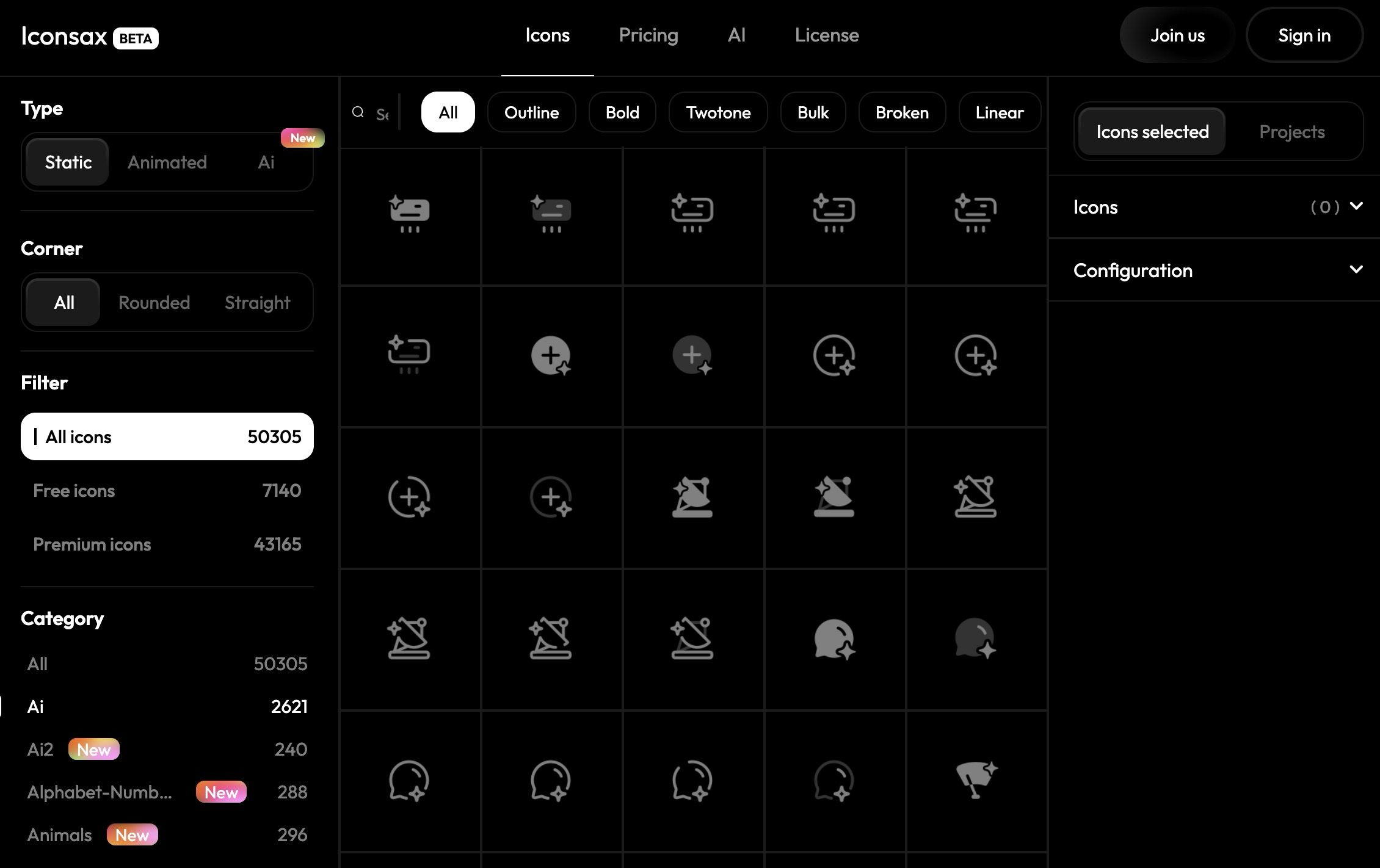
Iconsax caters to commercial designers requiring vast quantitative range. Housing tens of thousands of icons across multiple visual styles, the platform features comprehensive framework integrations, a dedicated Figma plugin, and AI-assisted icon generation capabilities. This multi-style breadth allows teams to address diverse product requirements—from data-dense dashboards to consumer mobile applications—within a single asset ecosystem.
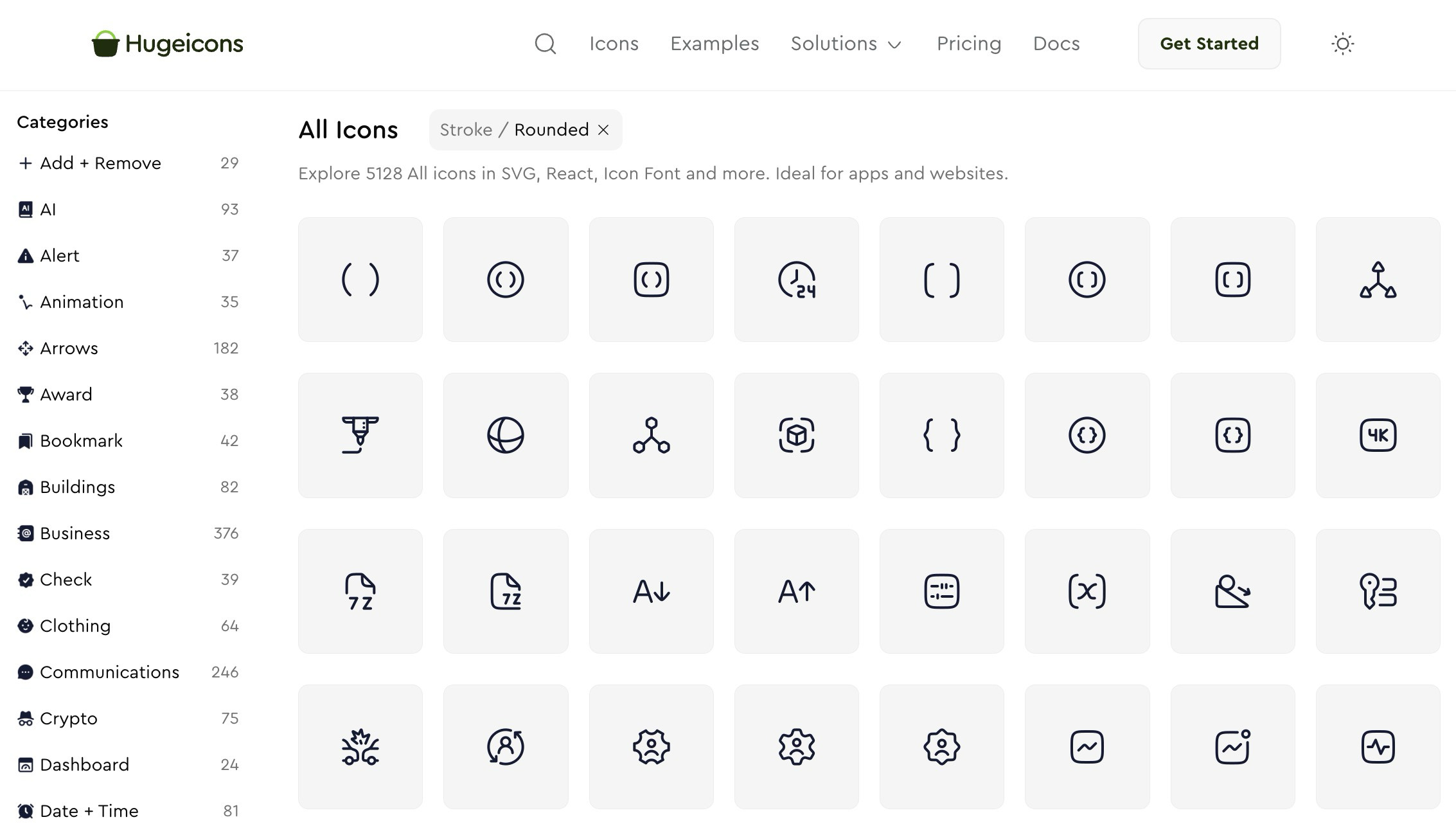
Hugeicons approaches icon delivery through the lens of enterprise scale. Positioned as a comprehensive icon system for both designers and developers, it incorporates framework packages, Figma plugins, and icon fonts tailored to expansive digital products. Its architectural depth ensures coverage across niche industry categories that standard open-source packs frequently overlook.
Nucleo approaches asset management through workflow optimization. Combining a massive premium library with a dedicated desktop application for browsing, customizing, and exporting icons, Nucleo functions as a comprehensive toolkit rather than a static repository. React packages and design system synchronization features make it particularly valuable for multidisciplinary teams managing complex asset pipelines.
Phosphor Icons offers a highly flexible, structurally consistent family of icons widely deployed in professional product design and interface engineering. Spanning multiple weights, Phosphor is engineered to maintain legibility across user interfaces, data diagrams, and corporate presentations, positioning itself as a natural upgrade for projects requiring greater visual density than basic outline sets.
Specialized Aesthetics and Marketplace Diversity
While UI standardization dominates much of digital design, certain projects demand specific aesthetic deviations or highly individualized conceptual symbols.
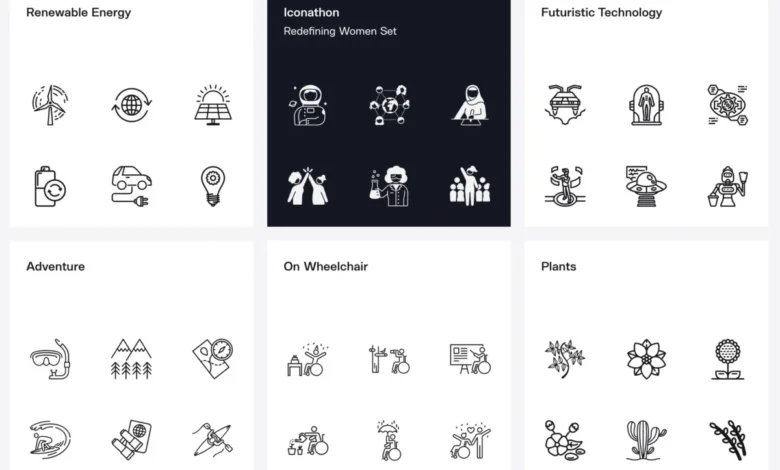
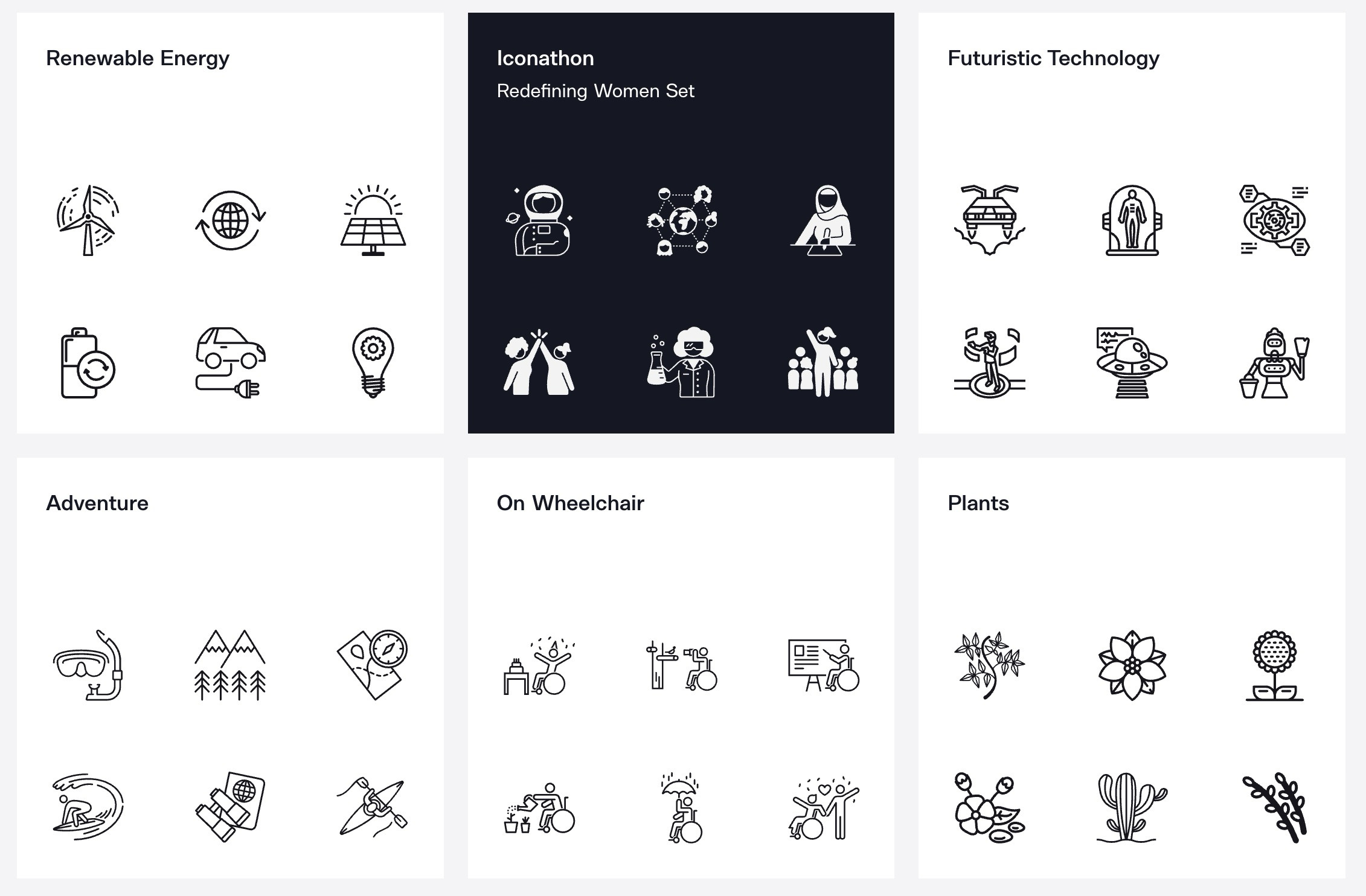
The Noun Project operates distinctively as an expansive icon marketplace rather than a unified single-source pack. Aggregating contributions from a global community of designers, it provides access to millions of highly specific concepts and graphical symbols. While this crowdsourced model introduces occasional variances in visual style—meaning icons may require manual adjustment to achieve interface harmony—it remains an invaluable resource for editorial graphics, conceptual presentations, and niche symbolic requirements.
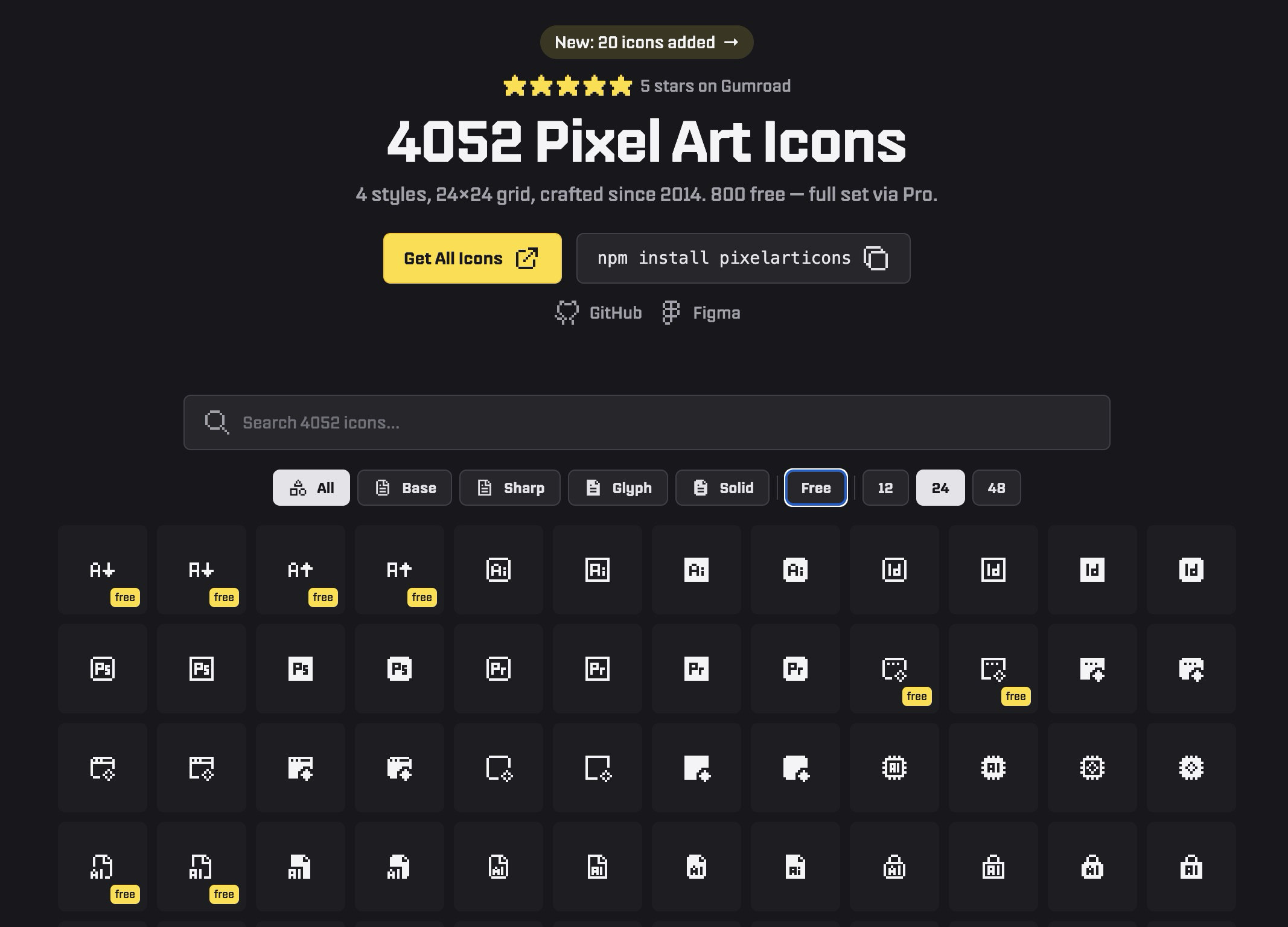
Pixelarticons rejects the prevailing industry trend toward smooth, neutral geometries in favor of a definitive retro pixel-art aesthetic. Tailored for gaming interfaces, retro-themed web applications, and playful digital experiences, the library provides thousands of icons designed to emulate classic digital art without forcing generic outline graphics into unconventional contexts.
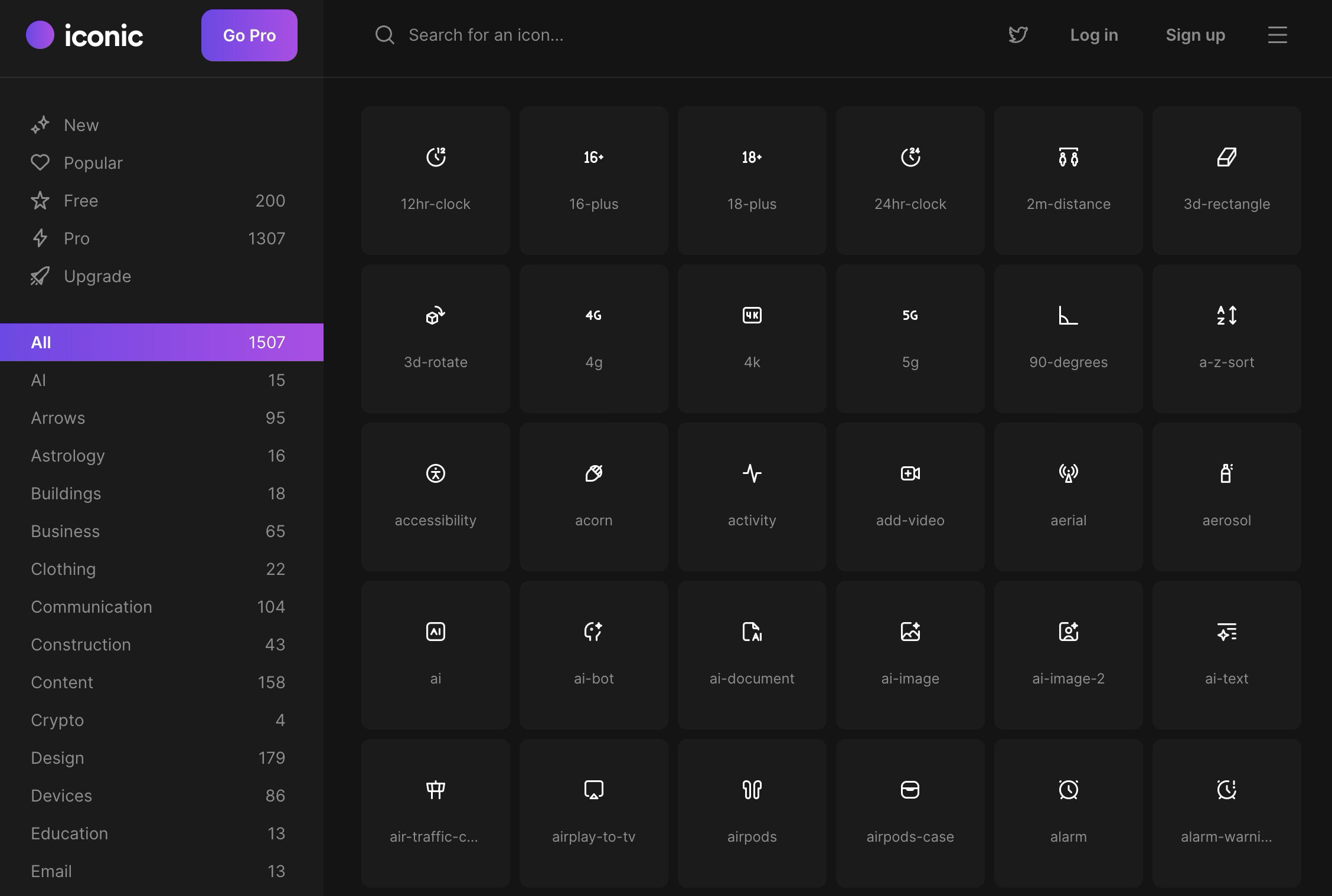
Iconic emphasizes grid precision, constructing its assets on a strict 24-by-24 pixel grid with a standardized 1.5-pixel stroke. By offering a functional free tier alongside professional expansions, Iconic delivers interface-friendly shapes that integrate seamlessly into standard web product grids.
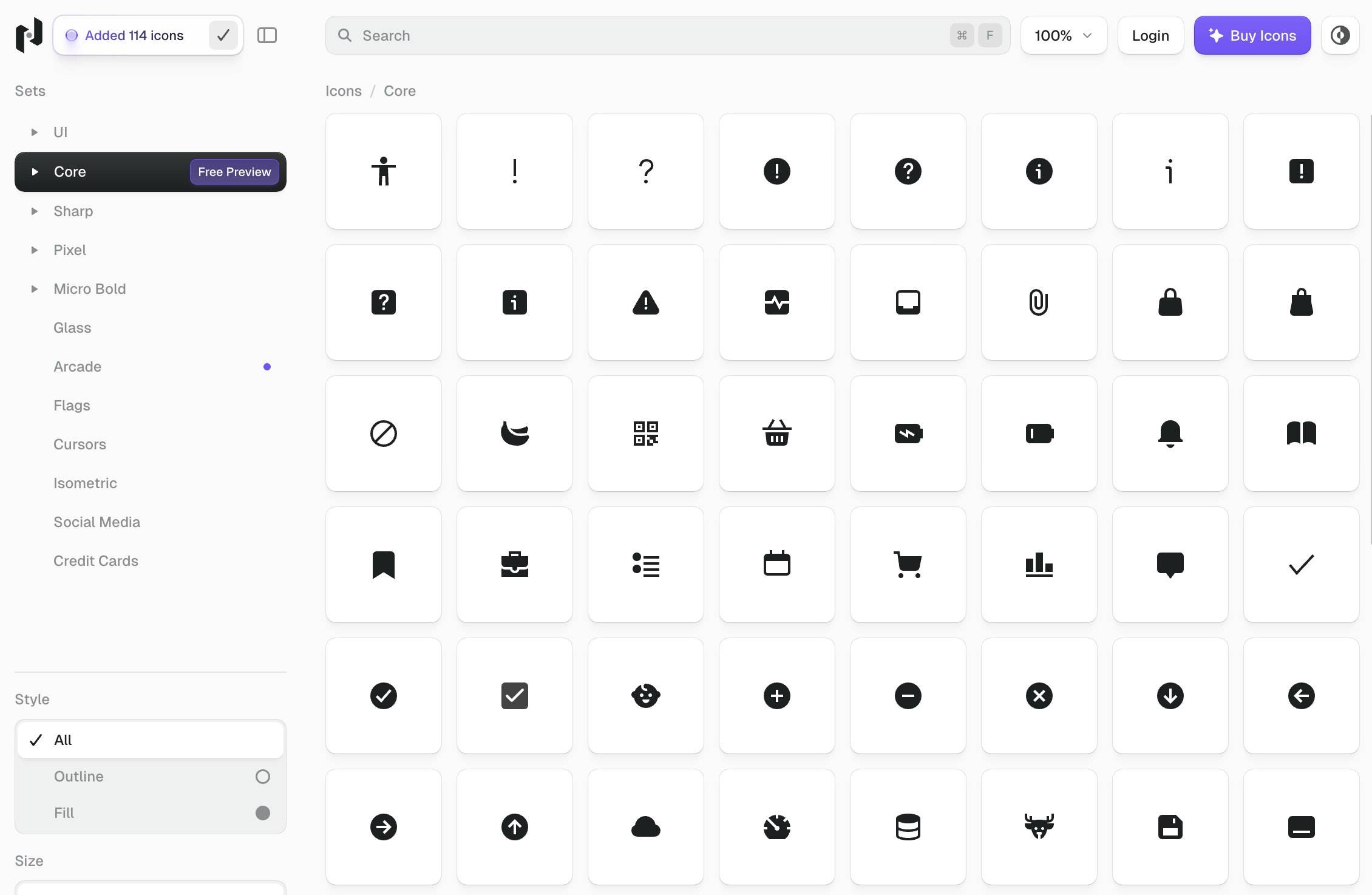
Pikaicons injects playful character into digital interfaces without sacrificing professional polish. Featuring over 5,000 icons spanning multiple styles and built with a Figma-first workflow, Pikaicons serves designers seeking to soften sterile digital environments while preserving visual coherence across web and mobile platforms.
Implications and Industry Outlook
The maturation of icon libraries reflects broader shifts in software development and design tooling. As design systems become the standard operating model for digital product creation, the demand for programmatic icon integration—such as automated tree-shaking for SVGs and native framework components—will continue to rise. Designers no longer evaluate icon sets solely on aesthetic merit; maintainability, scalability, and integration efficiency are now primary determinants of adoption. By carefully selecting repositories that align with specific technical constraints and brand identities, product teams can significantly enhance development velocity and user experience consistency.