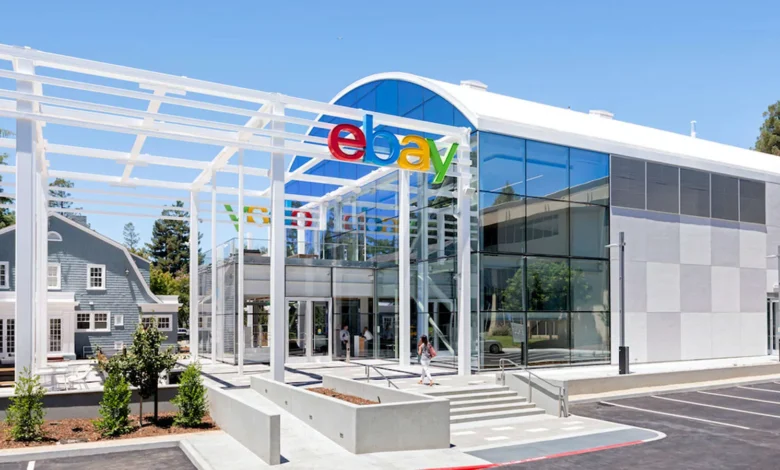
Two months after eBay publicly rebuffed GameStop’s audacious acquisition proposal, the struggling video game retailer has significantly amplified its financial commitment to the online marketplace, signaling an unwavering determination to pursue a potential merger. GameStop, initially holding a modest 5% stake in eBay as of early May, has now disclosed a nearly 10% ownership through a recent filing with the U.S. Securities and Exchange Commission (SEC). This substantial increase in its holdings underscores a strategic escalation by GameStop’s leadership, particularly CEO Ryan Cohen, who has repeatedly voiced his conviction in the synergistic potential of combining the two entities.
Escalating Investment Signals Strategic Shift
The latest SEC filing reveals that GameStop now possesses over 43 million shares of eBay stock, a figure representing 9.8% of the company’s outstanding shares. This increased stake includes approximately 3.5 million shares acquired between June 8 and June 15, at a cost of $381 million. An additional 39 million shares were settled last week, stemming from complex put/call option agreements. This aggressive accumulation of shares is a clear departure from a passive investment strategy and points towards a more active, potentially activist, approach to influencing eBay’s corporate trajectory.
GameStop’s initial overture in May, a staggering $56 billion bid to acquire eBay, was met with swift and unequivocal rejection. eBay’s board of directors dismissed the offer as "neither credible nor attractive," asserting that the company was already executing a successful turnaround strategy. However, GameStop’s subsequent actions suggest that this rejection has not deterred its ambitions. The doubling of its stake indicates a strategic maneuver to gain greater leverage and potentially force a reconsideration of the acquisition by eBay’s management and shareholders.
A Persistent Campaign: Cohen’s Vision for Synergy
At the heart of GameStop’s persistent pursuit lies the vision of its CEO, Ryan Cohen. Cohen has been a vocal proponent of the merger, consistently articulating a rationale that hinges on leveraging GameStop’s physical retail footprint to enhance eBay’s digital marketplace capabilities. In a recent interview with Bloomberg Tech, the transcript of which was subsequently filed with the SEC, Cohen reiterated his plan to integrate GameStop’s brick-and-mortar stores into eBay’s ecosystem, envisioning them as strategic hubs for the marketplace and its burgeoning live commerce offerings.
This integration, according to Cohen’s public statements, could transform GameStop’s underutilized retail spaces into points of physical interaction for online transactions, potentially offering services such as in-store pickup for eBay purchases, returns, or even localized customer support. This ambitious strategy aims to bridge the gap between online convenience and tangible customer experience, a move that proponents believe could unlock significant value and differentiate the combined entity in an increasingly competitive e-commerce landscape.
Cohen’s commitment to this objective has been further evidenced by his decision to forgo his performance-based compensation package in late June. This move, approved by the board, was explicitly aimed at prioritizing the company’s operational performance and its pursuit of the eBay acquisition. By aligning his personal financial incentives with the success of the proposed merger, Cohen has underscored the strategic importance he places on this deal, signaling to investors and stakeholders that his focus is squarely on achieving this transformative objective.
Dialogue and Disagreement: The Stalemate Continues
Despite GameStop’s increased investment and vocal advocacy, the dialogue between the two companies appears to have stalled. In his recent interview, Cohen noted that eBay’s management and board had not engaged further with him on the acquisition proposal since its initial rejection. eBay has maintained its stance, emphasizing its ongoing turnaround initiatives and the perceived lack of merit in GameStop’s offer.
Cohen, however, remains undeterred, articulating a clear preference for a "collaborative process and a consensual process." He stated, "That’s my preference. That’s number one. But if that doesn’t happen, then it’s going to be shareholders’ decision because they’re the owners of the business.” This statement clearly indicates that if direct negotiations fail, GameStop is prepared to appeal directly to eBay’s shareholders, potentially through a proxy fight or by leveraging its increased stake to influence board composition and corporate governance.
When pressed about the possibility of increasing its offer for eBay, Cohen offered a cryptic yet resolute response: "I’m not going to call my shots, but we’re coming for eBay one way or another." This declaration suggests that GameStop possesses contingency plans and is prepared to explore various avenues to achieve its objective, whether through further share accumulation, strategic alliances, or other means not yet disclosed.

Historical Context and Market Dynamics
The saga of GameStop’s interest in eBay is set against a backdrop of significant shifts in the retail and e-commerce sectors. The past few years have seen intense pressure on traditional retailers to adapt to the digital age, with many struggling to compete with the agility and reach of online giants. GameStop, historically a dominant player in the physical sale of video games, has faced considerable challenges as digital downloads and online marketplaces have reshaped the gaming industry. Its interest in acquiring eBay, a behemoth in online auctions and e-commerce, can be interpreted as a strategic pivot to diversify its business model and secure a more robust position in the evolving retail landscape.
eBay, while a well-established e-commerce platform, has also been undergoing its own strategic adjustments. The company has been working to revitalize its marketplace, focusing on categories like collectibles, luxury goods, and pre-owned items, while also investing in new technologies and customer experiences. The rejection of GameStop’s bid can be seen as a vote of confidence by eBay’s leadership in its current strategy and a belief that the company’s standalone growth prospects are more attractive than a merger with GameStop.
Potential Implications and Future Scenarios
The ongoing pursuit of eBay by GameStop carries significant implications for both companies and the broader retail industry.
For GameStop:
- Diversification and Transformation: A successful acquisition of eBay would represent a monumental transformation for GameStop, shifting its identity from a niche video game retailer to a diversified e-commerce conglomerate. This could provide a much-needed lifeline and open up new revenue streams.
- Financial Strain: The substantial financial commitment required for such an acquisition, coupled with GameStop’s existing financial pressures, raises questions about its capacity to fund the deal and manage the combined entity effectively.
- Shareholder Activism: GameStop’s aggressive tactics highlight a growing trend of shareholder activism, where investors leverage their stakes to influence corporate strategy and management decisions.
For eBay:

- Shareholder Value: While eBay’s board has rejected the current offer, sustained pressure from GameStop and potentially other shareholders could force a re-evaluation, especially if GameStop’s stake continues to grow or if market conditions shift.
- Strategic Focus: The persistent interest from GameStop could distract eBay’s management from its ongoing turnaround efforts, potentially impacting its execution and long-term strategic goals.
- Market Perception: The ongoing situation could influence investor sentiment towards eBay, creating uncertainty around its future ownership and strategic direction.
Broader Industry Impact:
- Consolidation in E-commerce: A potential merger could signal a wave of consolidation within the e-commerce sector, as companies seek scale and synergistic advantages to compete in a rapidly evolving market.
- Innovation in Retail Models: The proposed integration of physical and digital retail spaces by GameStop could inspire new innovative models, blurring the lines between online and offline shopping experiences.
- Activist Investor Influence: The GameStop-eBay dynamic underscores the increasing power and influence of activist investors in shaping corporate strategies and driving significant M&A activity.
The coming months will be critical in determining the trajectory of this high-stakes corporate drama. GameStop’s increased investment and Ryan Cohen’s resolute pronouncements suggest that this is far from over. Whether GameStop can compel eBay to the negotiating table, appeal successfully to its shareholders, or ultimately acquire the marketplace "one way or another," remains to be seen. The situation is a compelling case study in corporate strategy, shareholder activism, and the ongoing transformation of the retail industry in the digital age.
Related posts: