Bluesky’s Rapid Ascent and Decentralized Vision Reshape the Social Media Landscape

Bluesky, initially incubated as an experimental project, has rapidly emerged as a significant player in the evolving social media landscape, demonstrating explosive growth and attracting a diverse user base. In less than six months, its user count surged from 10 million to over 30 million, drawing in a wide spectrum of individuals, from digital artists and technology enthusiasts to high-profile public figures like former U.S. President Barack Obama. This remarkable expansion signals a growing appetite for alternative social platforms, particularly those championing user autonomy and a community-first approach.
The decision for individuals and brands to engage with Bluesky hinges on several strategic considerations. If a target audience is demonstrably active on the network, or if aligning with its unique values and decentralized model supports broader organizational objectives, then exploring its potential becomes a compelling proposition. Furthermore, early adopters willing to invest time and resources in understanding the platform’s nuances and maintaining a consistent presence stand to gain considerably. Bluesky offers fertile ground for experimentation, allowing brands and creators to cultivate a distinct identity within its passionate niche communities and potentially shape the platform’s burgeoning culture. This comprehensive overview aims to equip readers with a deep understanding of Bluesky, exploring its core identity, user motivations, differentiating features, and strategic integration possibilities, including its use within platforms like Sprout Social.

Understanding Bluesky: A New Paradigm for Social Interaction
At its core, Bluesky presents itself as a social application facilitating the sharing of short posts, encompassing text, images, videos, and links. Superficially, its microblogging format bears a familiar resemblance to established platforms. However, its true innovation lies beneath the surface, powered by the Authenticated Transfer Protocol (AT Protocol). This open-source framework is designed to fundamentally alter the relationship between users and their digital identities, granting unprecedented control over their social experience. The AT Protocol enables users to port their identity and content seamlessly across different applications built on the same network, fostering a truly interoperable social web.
A Chronology of Bluesky’s Evolution

Bluesky’s journey began in 2019 as an initiative within Twitter (now X) to explore decentralized social media solutions. Jack Dorsey, then CEO of Twitter, envisioned an open standard for social media that would allow for greater innovation and resist corporate censorship. This initial incubation period saw the formation of a dedicated team tasked with developing a new protocol, independent of Twitter’s existing infrastructure.
- December 2019: Twitter announces funding for a small independent team to develop an open and decentralized standard for social media.
- February 2021: Bluesky publishes its initial research proposal for the "Authenticated Transfer Protocol" (AT Protocol), outlining a framework for portable identity and data.
- August 2021: Bluesky establishes itself as an independent public benefit company, separating from Twitter and securing its own funding. Jay Graber is appointed CEO. This move solidified its commitment to a mission-driven approach rather than purely profit-driven motives.
- October 2022: Bluesky introduces the AT Protocol in a more concrete form, detailing its architecture and vision for an interoperable social network.
- February 2023: The Bluesky app launches its private beta, initially accessible by invitation only, creating a sense of exclusivity and fostering early community building. This period allowed for rigorous testing and feedback from a dedicated user base.
- February 2024: Bluesky officially opens its platform to the public, removing the invite-only requirement. This pivotal moment marked the beginning of its exponential user growth.
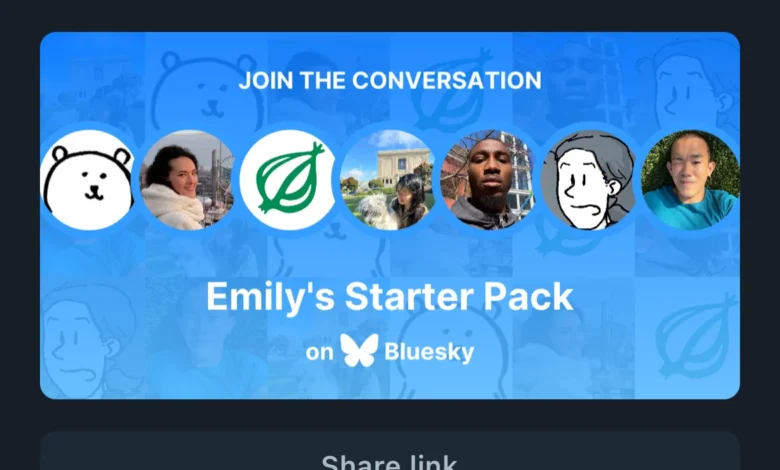
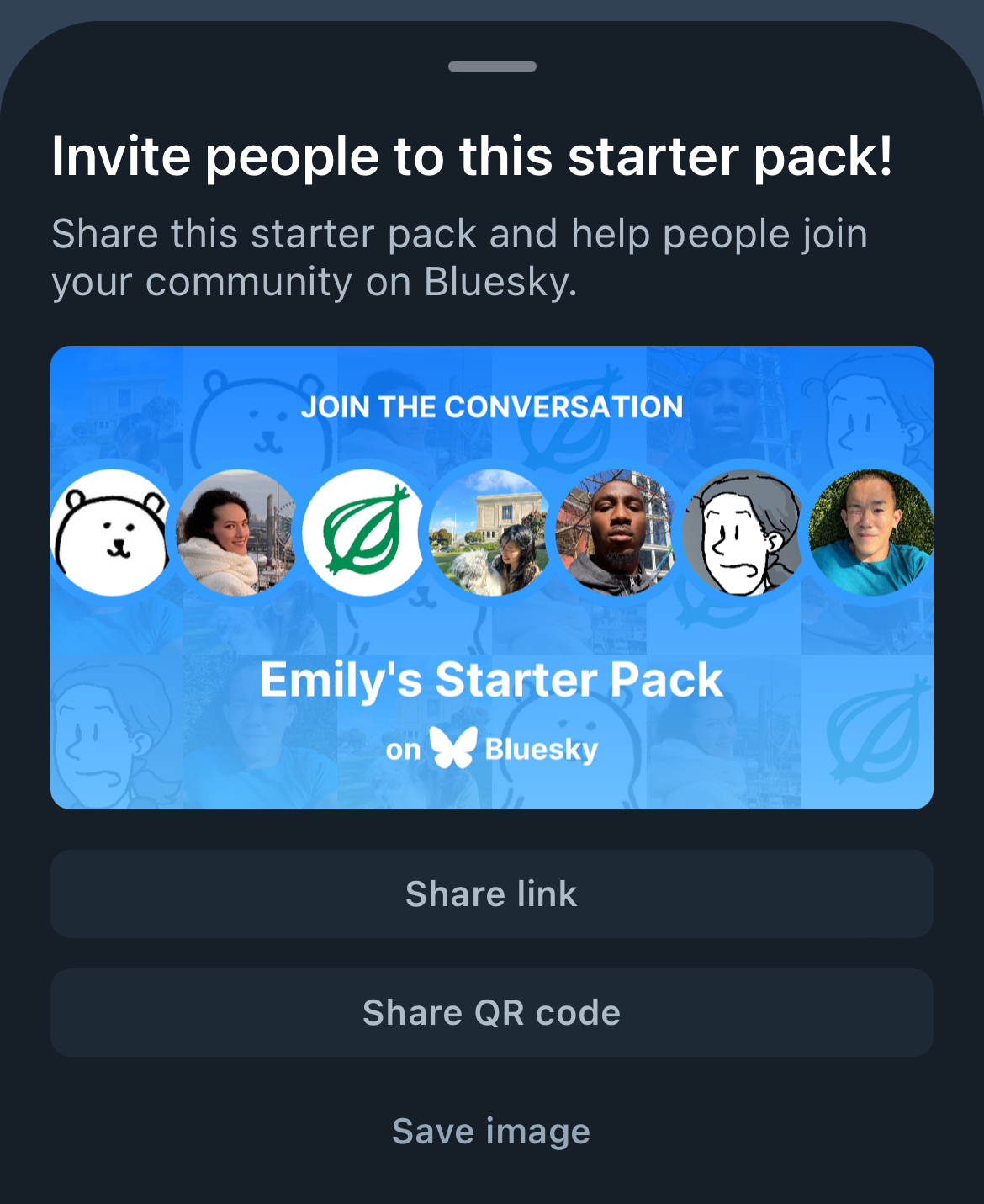
- Mid-2024: The platform introduces "Starter Packs" to simplify onboarding for new users and enhances its moderation tools, reflecting its commitment to user experience and safety as it scales.
- Early 2025: Bluesky surpasses 30 million users, cementing its position as a fast-growing alternative in the microblogging space. Recent Bluesky statistics highlight its competitive standing against other platforms, underscoring its rapid ascent.
The User Experience and Differentiating Features
For anyone accustomed to feed-based social networks, Bluesky’s interface is intuitively familiar, featuring a clean, simple, and recognizable layout with standard elements like likes, reposts, and replies. Upon logging in, users encounter a left-hand navigation bar providing access to essential functions such as their home feed, search, notifications, and profile management. The central area of the app is dominated by three primary feed views: the main algorithmic "For You" feed, a chronological "Following" feed, and a customizable "Custom Feeds" section. On the right, trending topics provide a real-time pulse of conversations across the network.

Post creation is straightforward, initiated by tapping a distinct blue icon. Users can craft messages up to 300 characters, augmented with photos, videos, GIFs, and emojis, with options to select language and control interaction settings. Engagement with other users’ content mirrors conventional platforms through liking, reposting, quoting, or replying.
However, Bluesky distinguishes itself through several unique features:
- Custom Feeds: This is perhaps Bluesky’s most revolutionary user-facing feature. Unlike traditional platforms that impose a singular, algorithmically-driven timeline, Bluesky empowers users to subscribe to or create their own custom feeds. These feeds can be curated around highly specific interests, content types, or communities. Examples include "Quiet Posters" for updates from less prolific accounts, "BookSky" for literary discussions, or "Popular With Friends" to highlight content engaged with by one’s immediate network. This granular control over content consumption is a major draw, as evidenced by a Q3 2025 Sprout Pulse Survey which found 51% of users are motivated by the ability to control their feed content.
- Starter Packs: Addressing the common challenge of onboarding onto a new platform, Starter Packs simplify the process of inviting friends. This feature allows users to recommend a curated list of accounts to follow and preferred Custom Feeds when extending an invitation, making the initial experience less daunting and more tailored.
- Decentralization via AT Protocol: This is the foundational difference. While most social networks operate as walled gardens, locking users’ data, content, and followers into their proprietary systems, Bluesky champions an open, portable model. Built on the AT Protocol, it ensures that a user’s profile, posts, and audience are not tethered to Bluesky itself. Should a user decide to migrate to another application built on the same protocol, they can take their entire digital identity with them, eliminating the need to start anew. This "bring your own data" philosophy is akin to retaining one’s phone number when switching carriers, offering unprecedented autonomy to creators and brands over their online presence.
Bluesky’s Distinct Identity: Community, Control, and Ad-Free Engagement

Bluesky is deliberately carving out a unique niche by departing from the norms of mainstream social media. Its distinguishing characteristics are not just features but fundamental aspects of its design and philosophy:
- The "Choose Your Own Adventure" Home Feed: In stark contrast to most social media platforms that dictate feed content through proprietary algorithms, often prioritizing popular or promoted content, Bluesky puts users in command. The emphasis on custom feeds empowers users to construct their ideal social environment, filtering out unwanted noise and focusing on communities and topics that genuinely matter to them. This user-centric approach appeals to those fatigued by opaque algorithms and content moderation policies of larger platforms.
- A Community-First Culture: Lacking advertising and a heavily developed influencer economy, Bluesky fosters a culture reminiscent of the early internet. It attracts a vibrant community of artists, writers, journalists, and tech innovators who prioritize authentic connections and the cultivation of safe, inclusive digital spaces. The platform exhibits a strong commitment to accessibility, with many users actively encouraging and utilizing image descriptions, sometimes even creatively embedding humor or "Easter eggs" within the generous 2,000-character alt-text limit. Furthermore, thoughtful conflict management tools, such as robust blocking mechanisms and reply limits, are integrated to mitigate "pile-ons" and enable users to establish healthy boundaries. For brands, this translates into a need for a more casual, authentic, and "lo-fi" content strategy, emphasizing genuine interaction over polished corporate messaging.
- An Ad-Free Business Model: A cornerstone of Bluesky’s differentiation is its commitment to an ad-free experience, a significant departure from the revenue models of most major social networks. Instead, Bluesky is developing a subscription model for premium features, potentially including higher-quality video uploads, advanced profile customization, post analytics, bookmarking tools, or translation services. This strategic choice means that "reach" cannot be purchased; visibility must be earned through high-value content and authentic engagement. This necessitates a well-defined Bluesky strategy focused on creativity, community building, and delivering genuine value to an audience that values an uncluttered, ad-free environment.
Challenges and Opportunities in a Growing Ecosystem
As Bluesky continues its rapid expansion and seeks to disrupt the established social media order, it inevitably faces a unique set of challenges alongside significant opportunities for early adopters.

- Moderation in a Decentralized System: The decentralized nature of Bluesky, while empowering, introduces complexities for content moderation. The platform currently employs a "stackable moderation system," allowing users to subscribe to various moderation "feeds" that layer filters from different services. While this approach offers flexibility and user choice, the absence of a singular, universal rulebook raises concerns about harmful content potentially slipping through the cracks. For brands, this implies a need for vigilance regarding the feeds and communities they align with, as these choices can influence audience perception and brand safety.
- Combating Misinformation and Impersonation: The freedom inherent in a decentralized, algorithm-light environment can also create fertile ground for misinformation and impersonation. In 2024, Bluesky encountered issues with spam accounts impersonating public figures and attempting to defraud users. In response, the network has enhanced its verification features, introducing domain handles (e.g., @yourbrand.com), blue checkmarks, and partnering with trusted verifiers like The New York Times. For brands, securing profile verification is paramount for establishing trust and safeguarding reputation in this evolving landscape.
- Scaling and Competitive Landscape: While Bluesky’s growth to over 30 million users is impressive, it remains a smaller player compared to giants like X or Threads, which boasted 275 million monthly users by late 2024. However, this modest size is also a significant part of its appeal. The reduced noise and competition cultivate a more experimental and creative "sandbox" environment. For brands that prioritize innovation and early momentum, Bluesky offers a rare opportunity to actively participate in shaping the culture and norms of a rapidly expanding network, fostering deeper connections with a highly engaged audience before mass commercialization.
- Building a Positive Community: Bluesky’s current culture is characterized by creativity, curiosity, and a distinctly people-first ethos. Conversations tend to be more thoughtful and grounded, offering brands a unique chance to build a presence through meaningful interactions rather than superficial engagement. The strong niche communities—particularly among artists, writers, tech professionals, and journalists—provide focused and active audiences. Brands entering this space must understand that generic corporate messaging will likely fall flat. Success demands showing up as a considerate, values-aligned participant, contributing genuinely to conversations, and prioritizing community building over self-promotion.
Leveraging Bluesky with Sprout Social: Strategic Integration for Brands
For brands seeking to diversify their social media presence and engage with these burgeoning niche communities, Sprout Social offers comprehensive integrations for Bluesky. These tools empower brands to monitor, engage, and experiment with content, tracking key metrics and optimizing posting schedules to grow their audience effectively. Sprout Social facilitates the construction of a resilient brand presence on this decentralized network, connecting with audiences who prioritize genuine, algorithm-free engagement. Furthermore, NewsWhip by Sprout Social provides cross-network listening and predictive capabilities, enabling brands to detect critical early signals, real-time news shifts, and potential reputational risks before they escalate to mainstream media.
Key capabilities include:

- Bluesky Publishing: Sprout allows direct publishing of images, text posts, and videos to Bluesky, alongside advanced scheduling and content composition features. Its "Generate by AI Assist" tool transforms URLs and brand guidelines into compelling, on-brand social post ideas specifically tailored for Bluesky. Crucially, Sprout supports adding alt text to image posts, ensuring content is accessible and inclusive, aligning with Bluesky’s community values. A centralized content calendar streamlines the management and planning of all Bluesky posts.
- Bluesky Listening: Given Bluesky’s active, specialized communities, Sprout Listening provides invaluable consumer data. Brands can track public posts, @mentions, comments, and quote shares related to their brand or specific topics, gaining full visibility into audience interests and sentiments. When a new Listening topic is created, Sprout populates it with either the last 30 days of historical data or the most recent 100,000 Bluesky messages, providing immediate context for analysis.
- Bluesky Reporting: Sprout’s robust Bluesky reporting capabilities enable seamless tracking, measurement, and analysis of platform performance. Brands can integrate data analysis directly into their reports, monitoring key engagement metrics such as likes, reposts, and replies for all Bluesky posts. Post Performance widgets offer deeper insights into content effectiveness, while automated reporting ensures all stakeholders are consistently informed.
- Bluesky Monitoring and Predictive Engagement (NewsWhip): Bluesky’s appeal to journalists, academics, and policymakers often positions it as an early indicator of emerging reputational risks. NewsWhip allows brands to monitor public discourse on Bluesky alongside other news and social feeds. By targeting specific profiles or hashtags, brands can analyze real-time engagement, review full post text, and directly navigate to original Bluesky content. NewsWhip’s predictive engagement features identify early momentum and velocity, tracking narratives before they become major cross-platform stories. Custom alerts with specific thresholds keep teams informed of critical conversational shifts as they happen.
Navigating the Bluesky Horizon: A Strategic Outlook
For brands with an audience that is creative, tech-savvy, values-driven, or community-oriented, Bluesky presents a compelling platform for strategic engagement. Its current growth phase offers a unique "greenfield" opportunity to experiment, innovate, and actively contribute to shaping its emerging culture.
However, success on Bluesky requires a thoughtful approach centered on trust and brand safety. Brands should prioritize claiming their domain handle (e.g., @yourbrand.com) to establish authenticity and leverage verification tools to protect their presence. Strategic participation means being mindful of community alignment and contributing genuinely to discussions. The content strategy should prioritize making authentic connections and creative exploration over highly polished, conventional campaigns. The emphasis should be on genuine interaction, transparency, and a willingness to embrace the platform’s unique, decentralized spirit.
To gain further insights into Bluesky’s trajectory and audience expectations, industry reports such as "The 2026 Social Media Content Strategy Report" can provide valuable foresight, helping brands stay ahead of the curve in this rapidly evolving social media landscape.
FAQs
What is Bluesky used for?
Bluesky is a social network where individuals share short posts, engage in conversations, and explore niche communities. It functions similarly to other microblogging platforms like X or Threads but offers enhanced personalization. Users can subscribe to various feeds based on their interests and extensively customize their timelines to create a personalized "home base" for their social interactions.

Why are people going to Bluesky?
Users are flocking to Bluesky primarily for a more "early internet" style social experience, characterized by its ad-free environment, high degree of customization, and strong community focus. Many are also drawn to its decentralized, open-source model, which grants them greater ownership over their online presence, data, and identity.
Who owns Bluesky?
Bluesky operates as an independent public benefit company. While it initially received incubation support from X (formerly Twitter), it now functions autonomously with its own CEO, board of directors, and funding. Its core mission is to construct a decentralized social web using the AT Protocol, empowering users with control over their data, identity, and overall experience across interconnected social networks.
Can I use Bluesky in Sprout Social?
Yes, Bluesky is fully integrated into Sprout Social. Users can publish and schedule Bluesky content, including text, images, and videos, directly from the Sprout platform. Sprout’s AI Assist tool can also generate compelling post ideas. All Bluesky posts can be managed and viewed within Sprout’s centralized content calendar, with support for adding alt text for enhanced accessibility. Additionally, Sprout enables comprehensive tracking, measurement, and reporting of Bluesky performance, offering insights into engagement metrics like likes, reposts, and replies, along with post-level performance widgets.