The Strategic Imperative of Content Approval Workflows in Modern Enterprise Operations


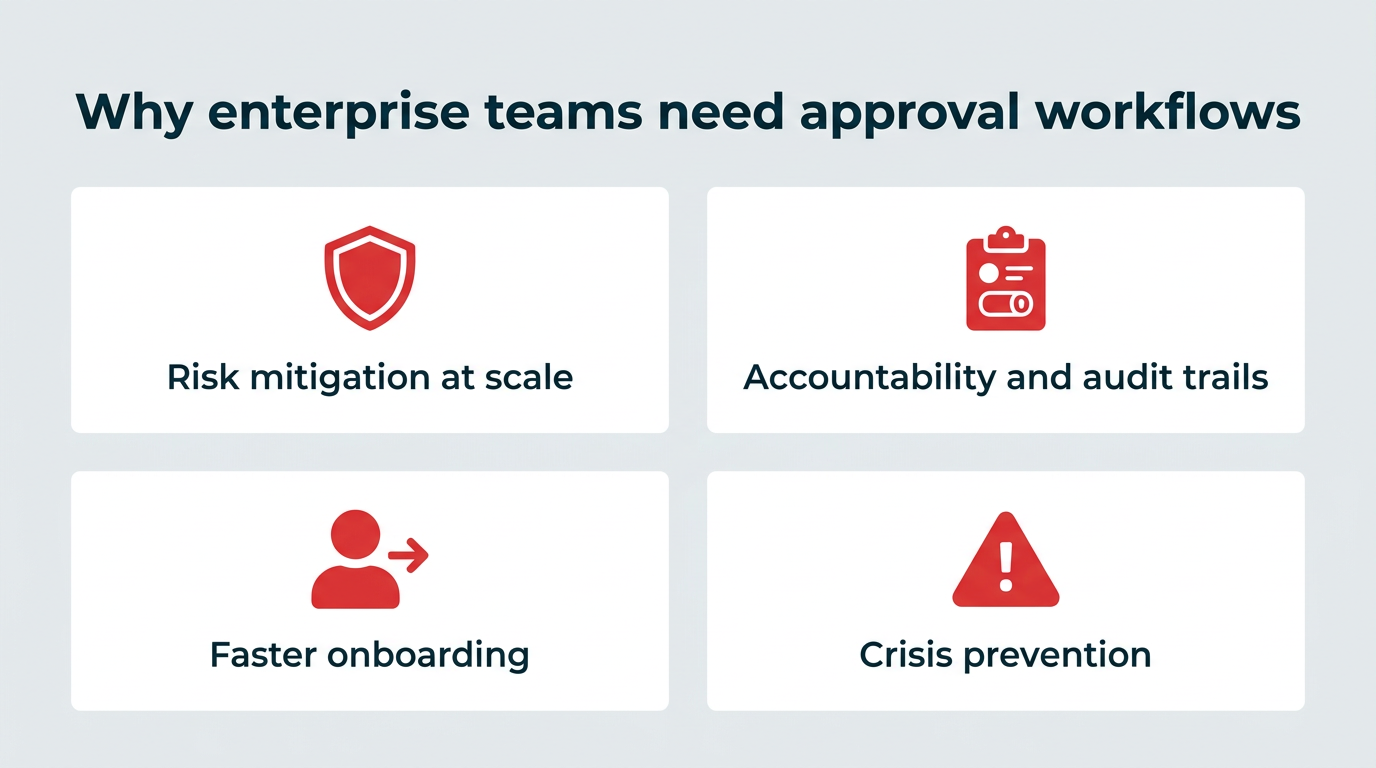
In the high-velocity landscape of digital marketing, the transition from content creation to publication has become a complex logistical challenge. As organizations scale their social media presence and digital output, the informal "copy-and-paste" era of content management has given way to the necessity of structured content approval workflows. This transition is not merely a bureaucratic hurdle but a critical risk-mitigation strategy designed to ensure brand consistency, regulatory compliance, and operational efficiency.

Defining the Content Approval Ecosystem
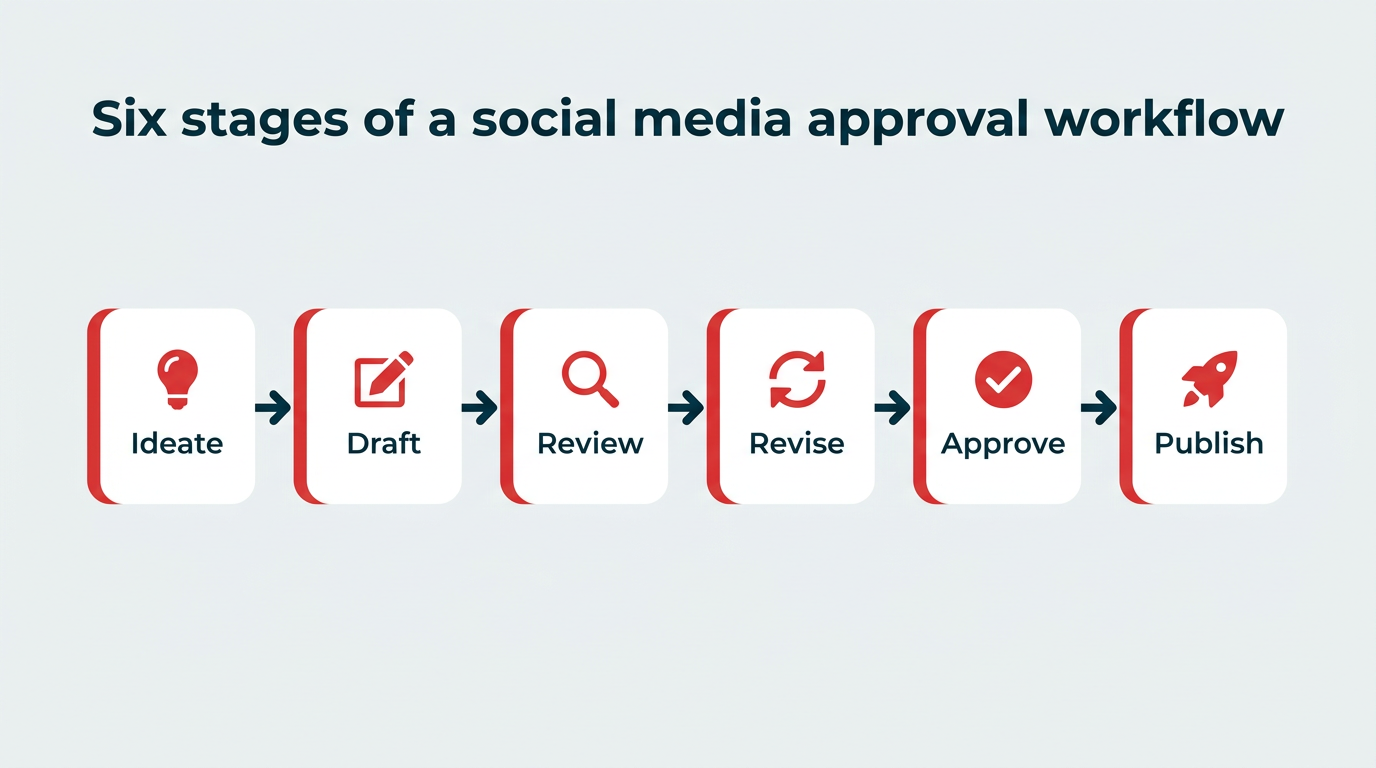
At its core, a content approval workflow is a formalized, multi-stage process through which digital assets—ranging from social media posts and blog entries to complex cross-channel campaigns—must pass before reaching the public. This process typically transitions through six distinct phases: ideation, drafting, internal review, revision, final sign-off, and distribution.
The primary objective is to eliminate the variables that lead to brand damage, such as typographical errors, broken hyperlinks, or messaging that diverges from established brand guidelines. According to the 2025 B2B Content Survey conducted by Forrester, inefficient content creation and review cycles represent the single largest bottleneck for content decision-makers. As organizations increase their publishing frequency, the margin for error narrows, necessitating a robust framework that balances speed with accuracy.
The Dynamics of Social Media and Digital Scaling
Social media presents unique challenges that differentiate it from static content types like white papers or website copy. Because social media is a real-time, high-volume medium, approval workflows must be optimized for speed. Reviewers are no longer just checking grammar; they are auditing platform-specific formatting, image crops, character constraints, and the nuances of brand tone.
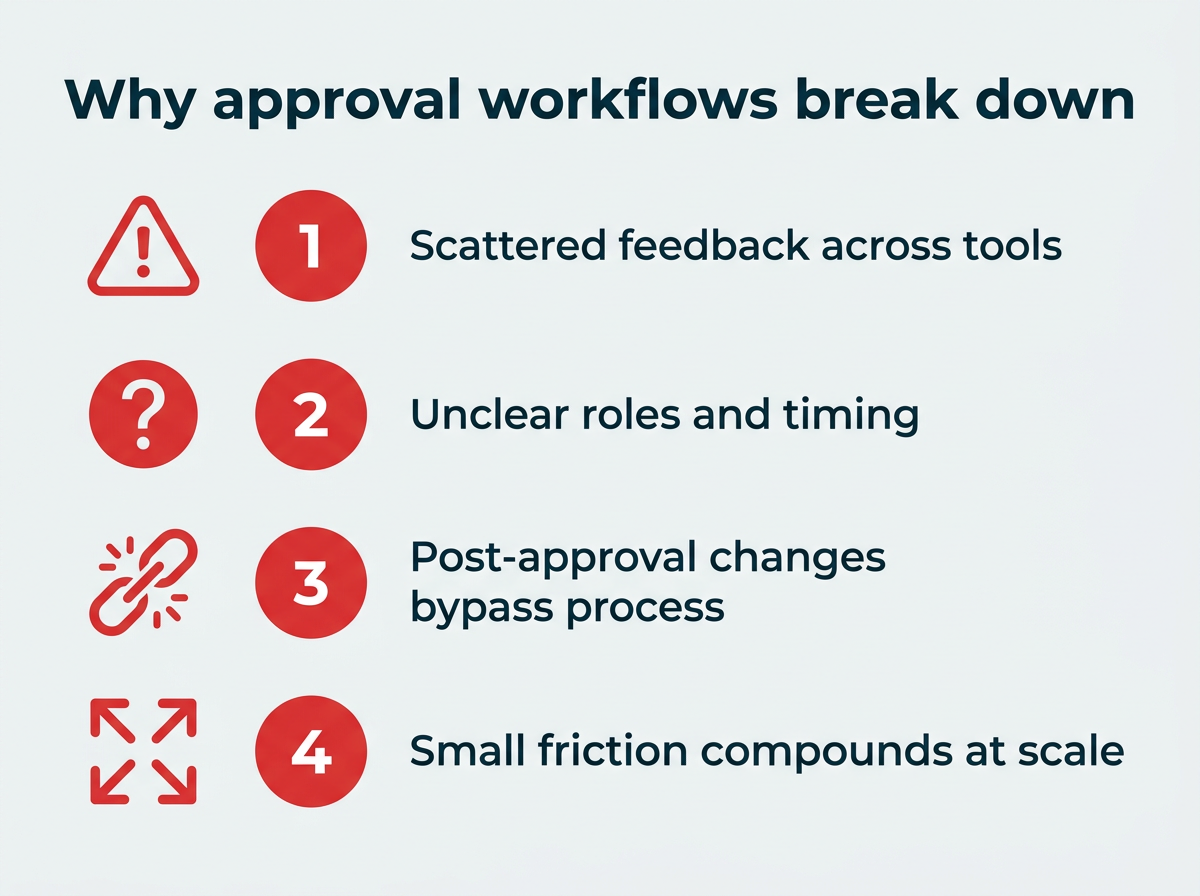
For enterprise teams, the challenge is compounded by the sheer volume of output. When a company manages dozens of social accounts across multiple regions, a manual, ad hoc review process is unsustainable. It often results in "scattered feedback"—where edits are lost across disparate communication channels like email threads, instant messaging, and project management tools. Centralizing this feedback into a single, unified dashboard is no longer a luxury; it is a fundamental requirement for maintaining control over global brand identity.
Structural Typologies of Approval Processes
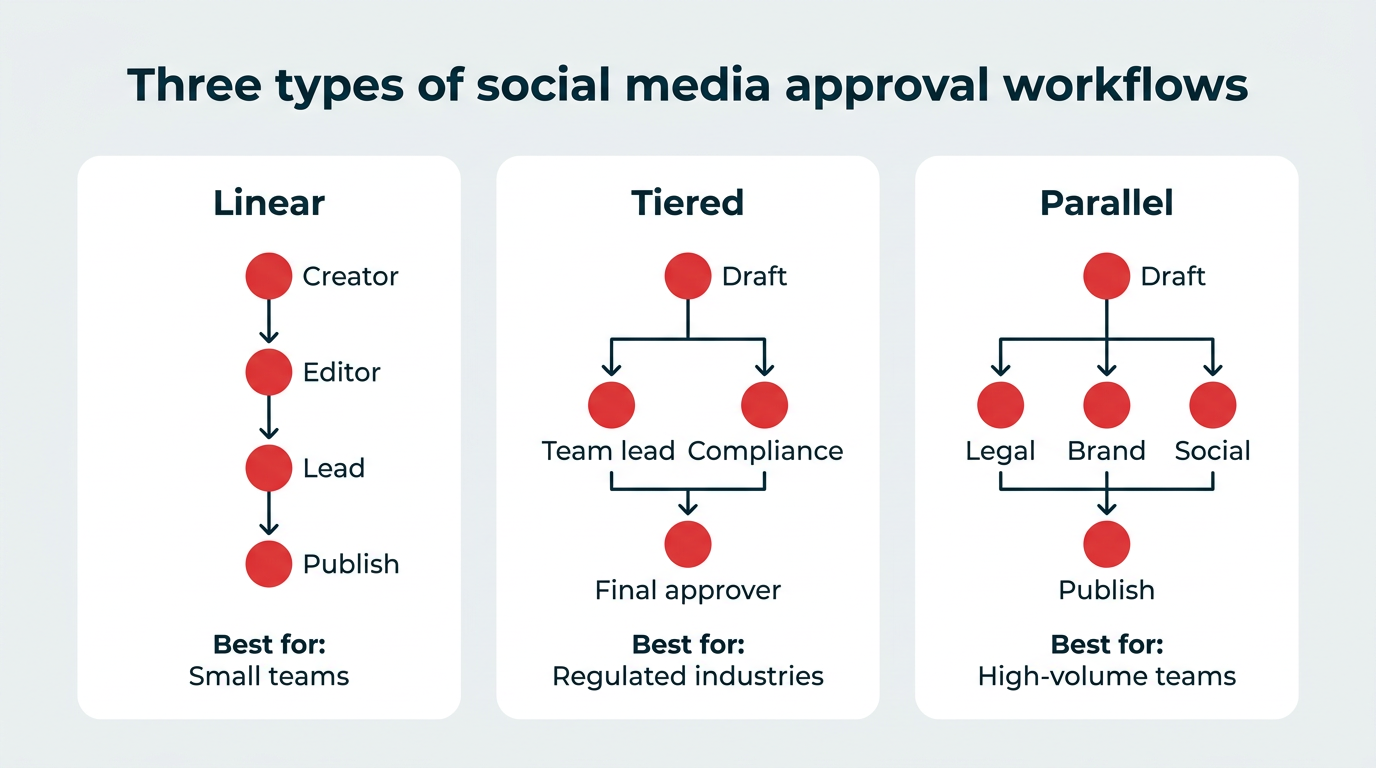
Organizations generally adopt one of five structural models for their approval workflows, each serving specific organizational needs:
- Linear Approval: The most straightforward model, where content travels in a single-file line from creator to editor to publisher. This is highly effective for small teams or low-volume environments where simplicity is prioritized.
- Tiered (Multi-Level) Approval: Essential for regulated sectors such as finance, healthcare, and law. Here, content requires multiple layers of verification—often including legal or compliance officers—before it is cleared for release.
- Parallel Approval: This model allows multiple stakeholders to review content simultaneously. While this significantly accelerates turnaround time, it requires a designated "final decision-maker" to resolve any conflicting feedback provided by different departments.
- Conditional (Exception-Based) Approval: This advanced structure routes content based on specific criteria. For example, a routine organic post might require only one level of approval, whereas a high-stakes paid advertisement or a sensitive crisis-response post automatically triggers a more rigorous, multi-tiered review.
- Hybrid Models: Most large-scale enterprises utilize a hybrid approach, combining the speed of linear workflows for daily updates with the security of parallel or tiered reviews for major product launches.
The Risks of Process Breakdown
When approval workflows lack structure, the consequences are often immediate. The most common point of failure is the "post-approval change." When content is altered after it has been signed off—often under the pressure of last-minute deadlines—the integrity of the review is compromised. In regulated industries, these unauthorized changes can lead to severe legal and financial repercussions.
Furthermore, the lack of a clear audit trail makes it impossible to conduct post-mortem analysis when errors do occur. By failing to document who approved a specific piece of content and at what time, organizations lose the ability to identify systemic weaknesses in their internal processes.

Integrating AI into the Governance Framework
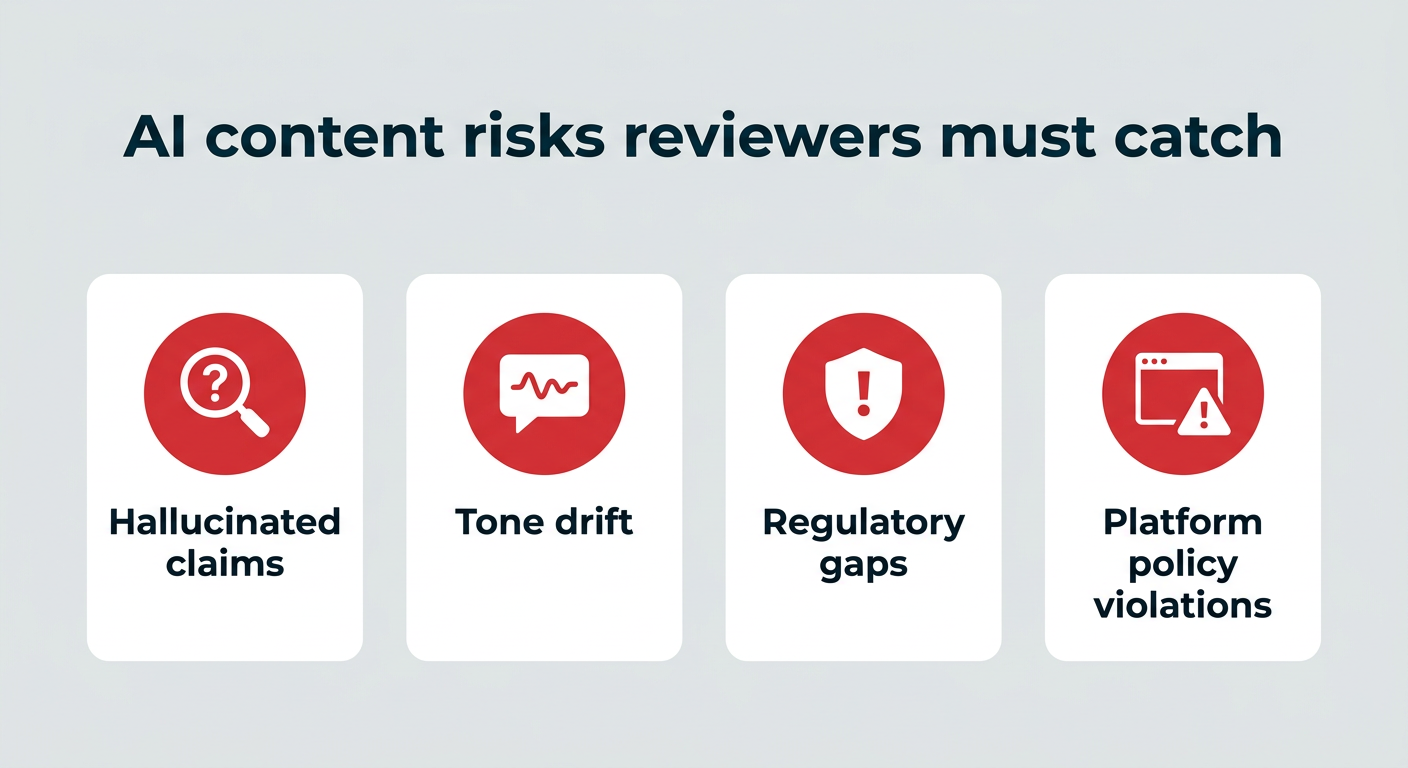
The rapid adoption of generative AI in content production has introduced a new layer of complexity to approval workflows. While AI tools drastically increase drafting speed, they also introduce risks such as "hallucinated" facts, tone drift, and potential copyright infringements.
Industry data suggests that over 50% of marketing technology leaders are now integrating AI agents into their content production pipelines. Consequently, approval workflows must now include specific checkpoints for AI-generated material. Best practices dictate that any content drafted by AI should be clearly flagged for reviewers, prompting them to prioritize fact-checking and source verification over simple stylistic edits. This creates a "human-in-the-loop" system where the speed of AI is harnessed without sacrificing the safety and quality standards required for brand protection.
Building a Resilient Approval Architecture
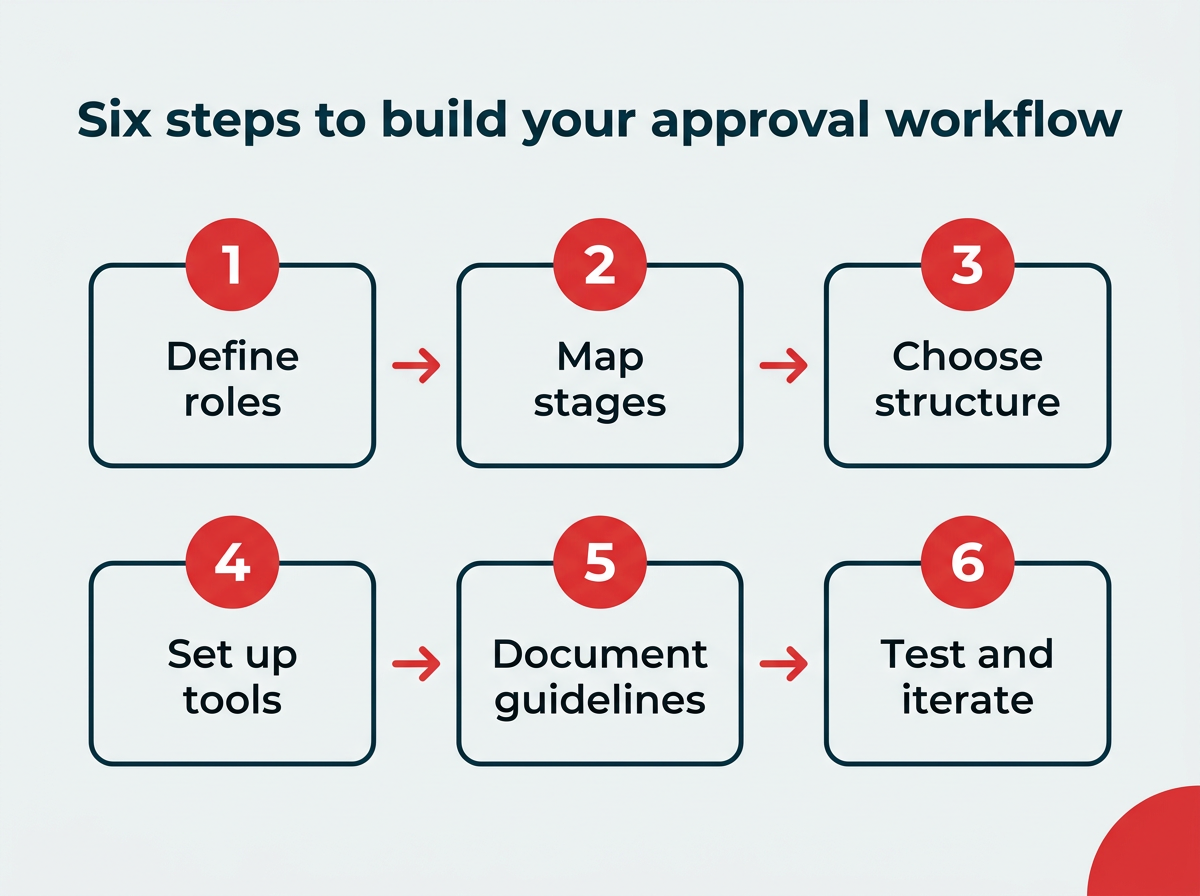
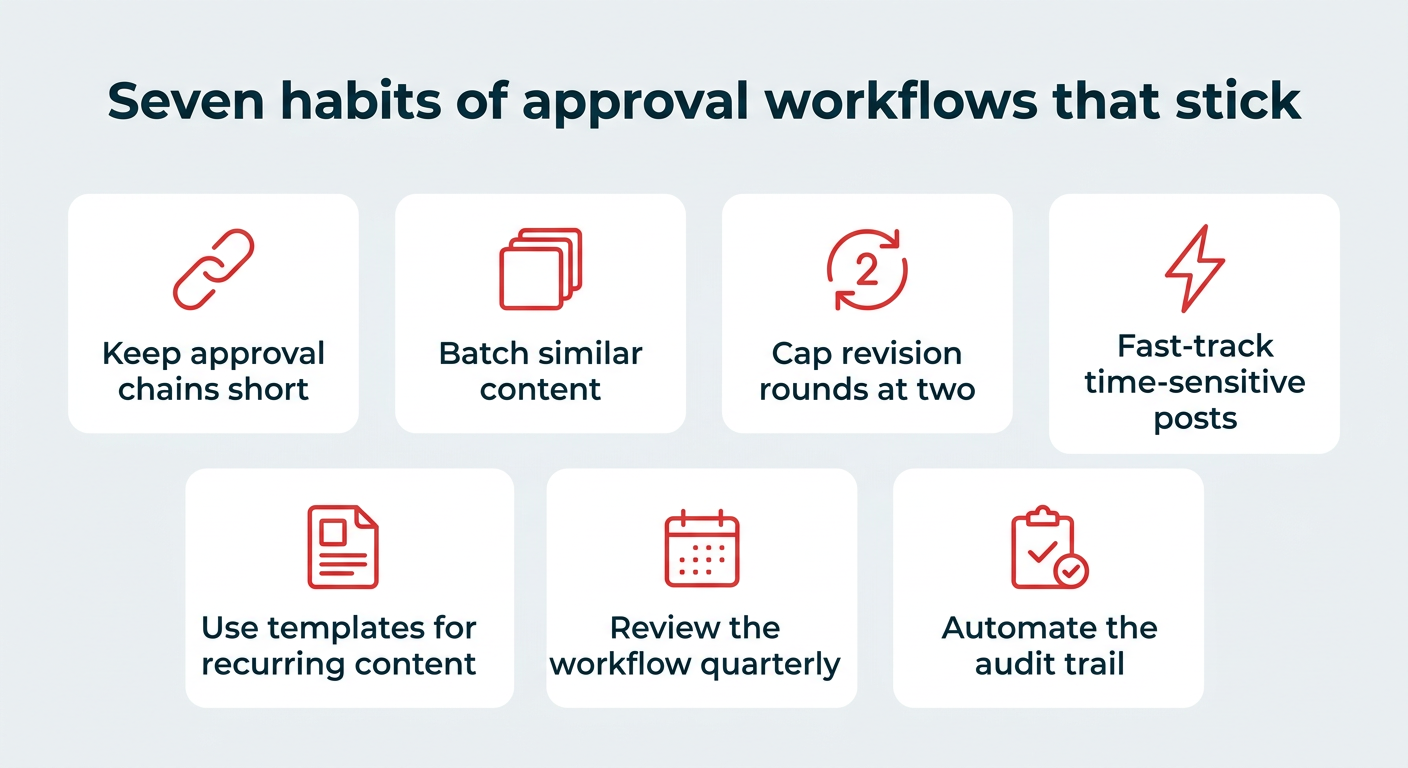
To build a workflow that survives the pressures of real-world publishing, teams should follow a six-step methodology:
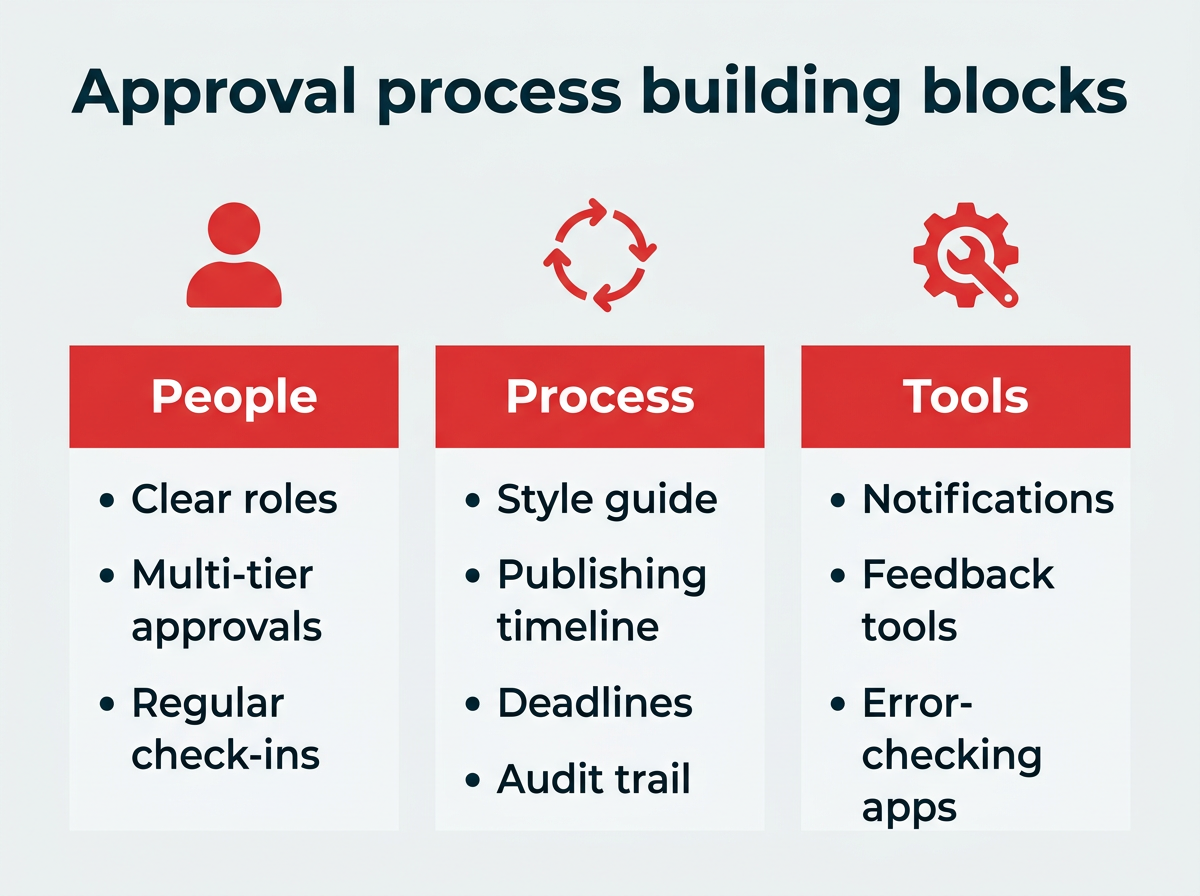
- Role Definition: Clearly delineate between creators, reviewers, and final approvers. Implementing role-based access control (RBAC) ensures that only authorized personnel can move content through the final stages of the pipeline.
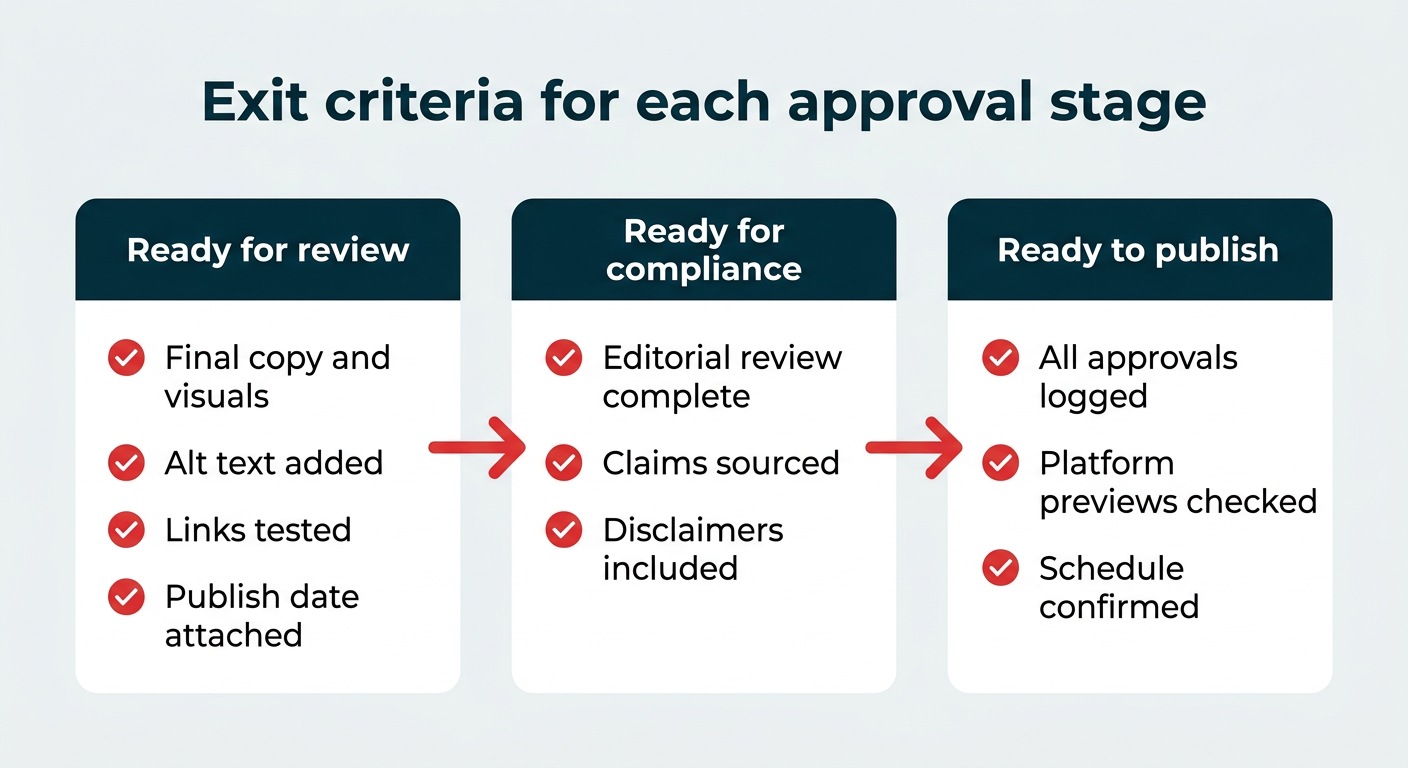
- Mapping Stages: Define the entry and exit criteria for every phase of the workflow. A piece of content should only move to the next stage when it meets specific requirements, preventing the "churn" of back-and-forth revisions.
- Tool Selection: Centralization is paramount. Whether utilizing specialized social media management platforms or comprehensive enterprise project management suites, the selected tool must provide a single source of truth for feedback and version control.
- SLA Implementation: Establish Service Level Agreements (SLAs) for every stage of the review. For instance, drafts should be submitted 48 hours before publication, with reviewers expected to provide feedback within 24 hours.
- Documentation: Formalize the workflow in a living document that includes escalation paths. If a primary reviewer is unavailable, there must be a pre-ordained backup to prevent the entire content pipeline from stalling.
- Continuous Iteration: Treat the workflow as a product. Regularly review the time-to-publish metrics to identify bottlenecks and refine the process accordingly.
The Broader Strategic Impact
Ultimately, a well-implemented content approval workflow is an asset that enables scale. By automating notifications, standardizing feedback, and providing clear visibility into the status of all campaigns, organizations can shift their focus from managing administrative chaos to optimizing their creative strategy. In an era where digital reputation is one of a company’s most valuable assets, the investment in a structured approval process is not just an operational decision—it is a cornerstone of long-term brand sustainability. Through the strategic use of integrated technology and clearly defined governance, teams can ensure that every message, regardless of its origin, aligns with the broader objectives of the organization.