Google Unveils Gemini Omni: A Major Evolution Toward Multimodal AI Creation and Conversational Video Editing

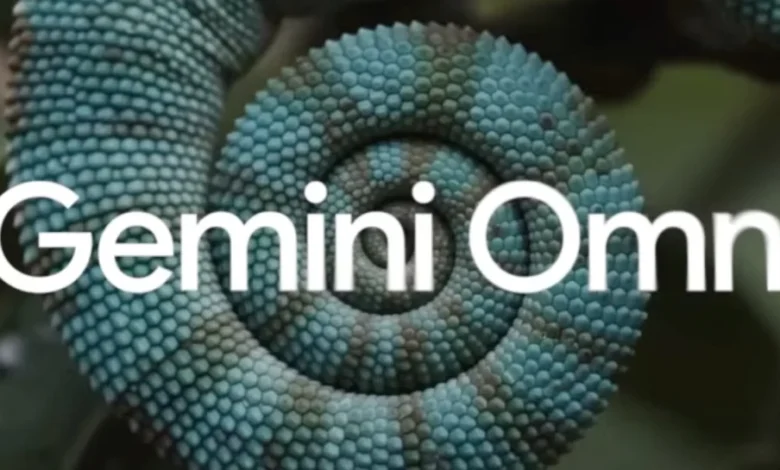
Google has officially introduced Gemini Omni, its most ambitious multimodal model family to date, designed to bridge the gap between advanced machine reasoning and complex media production. Announced during the Google I/O 2026 conference, Gemini Omni represents a strategic pivot away from traditional one-shot generative AI systems toward interactive, iterative creative environments. The initial release, Gemini Omni Flash, specifically targets the video production ecosystem, allowing users to generate, modify, and combine visual media using a blend of text, audio, image, and video inputs.
This launch marks a significant milestone in the ongoing evolution of artificial intelligence in media, moving the technology past standalone text-to-video generators and into the realm of dynamic, conversational editing suites.
Main Facts and Technological Scope
Gemini Omni is engineered to synthesize disparate inputs—such as reference images, script text, audio tracks, and source video clips—into unified outputs. Unlike predecessor models that rely strictly on a single prompt to generate a clip
from scratch, Omni functions as a collaborative editing partner.
Key capabilities of the new model include:
- Conversational Video Editing: Users can modify existing videos through natural language prompts, altering camera angles, adding visual effects, or moving characters between environments without restarting the generation process.
- Multi-Reference Inputs: The system can accept multiple assets simultaneously, allowing creators to blend a character image from one source, a style reference from another, and an audio track to anchor the final output.
- Physics and Continuity Awareness: Omni incorporates advanced contextual understanding designed to maintain character consistency, respect physical rules like gravity and momentum, and preserve scene continuity across multi-turn prompts.
- Educational and Explainer Generation: Beyond cinematic output, the model can translate abstract concepts into structured visual explainers, utilizing formats like claymation or stop-motion.
- Avatar and Voice Integration: The platform supports personalized digital avatars and audio-driven speech modifications, backed by built-in provenance tracking.
Chronology and Rollout Strategy
Google’s deployment strategy for Gemini Omni Flash prioritizes everyday creators and mainstream consumers over enterprise developers during the initial phase. The rollout timeline spans several distinct access tiers:
- Immediate Availability (Week of Announcement): Gemini Omni Flash became accessible at no cost to users aged 18 and older through YouTube Shorts Remix and the YouTube Create application. Simultaneously, it rolled out to paid subscribers of Google AI Plus, Pro, and Ultra via the Gemini app and Google Flow.
- Upcoming Developer Integration: Google confirmed that API access for enterprise customers and third-party developers will be released in the coming weeks, opening the door for integration into professional software environments.
- Future Modalities: While the initial Flash model focuses heavily on video generation and editing, Google roadmap projections indicate that future iterations of the Omni family will expand to natively support additional output types, including advanced audio synthesis and high-resolution image editing.
Comparative Context: Veo Versus Gemini Omni
Industry analysts have noted potential confusion regarding how Gemini Omni relates to Google’s existing video model line, Veo. While Veo serves primarily as a foundational video generation engine optimized for cinematic fidelity, Gemini Omni functions as a comprehensive multimodal operating system.
Veo excels at creating high-quality standalone clips from text descriptions, whereas Omni leverages Gemini’s core reasoning architecture to handle multi-step editing, cross-modal referencing, and interactive user feedback. In essence, Veo provided Google with a competitive tool in the standalone video generation market, while Gemini Omni attempts to redefine the entire workflow from initial concept to final post-production revision.
Industry Implications and Competitive Landscape
The release of Gemini Omni arrives at a critical juncture for the generative AI market, which has faced mounting criticism regarding the limitations of current tools. While models developed by competitors—such as OpenAI’s Sora and various open-source initiatives—have demonstrated impressive baseline rendering capabilities, they frequently struggle with iterative revisions, physical accuracy, and temporal consistency.
By focusing heavily on conversational editing and physics-aware continuity, Google is attempting to address the primary friction points reported by professional and amateur video editors alike. Rather than functioning as a "slot machine" that produces unpredictable results, Omni is pitched as a controllable production assistant.
However, this elevated level of functionality introduces complex challenges regarding accuracy and professional utility. For technical and educational applications—such as the creation of scientific explainers regarding protein folding or historical processes—AI-generated visuals must maintain strict factual integrity. Industry observers note that while Omni can render convincing representations, human oversight remains mandatory to prevent the propagation of subtle inaccuracies.
Safety, Provenance, and Governance
The introduction of advanced video editing and personal avatar creation tools has immediately renewed discussions surrounding digital safety, deepfakes, and copyright protection. The ability to manipulate existing video footage and replicate human voices carries substantial risk for misinformation and unauthorized impersonation.
To mitigate these risks, Google has integrated robust provenance and watermarking technologies into the Gemini Omni ecosystem. Content generated or modified using Omni within the Gemini app, Google Flow, or YouTube platforms incorporates SynthID digital watermarking developed by Google DeepMind. Furthermore, the outputs support C2PA Content Credentials, providing a transparent cryptographic record of how and when the media was created or altered.
While cryptographic labeling does not completely eliminate the potential for malicious misuse, it establishes a foundational standard for platform-level detection and content verification, aligning with broader international regulatory push for transparency in synthetic media.
Future Outlook
As Gemini Omni Flash expands its user base and prepares for broader API distribution, its long-term viability will depend on real-world performance outside of controlled demonstration environments. Key metrics for success will include latency, pricing structures for developers, the granularity of control afforded to professional editors, and the platform’s resilience against complex prompt engineering edge cases.
For the creative industries, the shift represented by Gemini Omni signals a broader transition toward AI as an integrated collaborative medium rather than a novelty generator. Whether the technology can fully meet the demanding standards of commercial production studios and educational institutions will become clearer as developers and creators begin stress-testing the system in the months ahead.
Related posts: