Navigating the Blue Checkmark: A Comprehensive Guide to Securing and Maintaining Facebook Verification

The digital landscape has long been plagued by malicious actors, impersonators, and fraudulent accounts seeking to exploit the reputations of established brands, public figures, and digital influencers. For legitimate entities operating on Meta platforms, particularly Facebook, establishing authenticity is no longer merely a branding preference—it is a critical security measure. The primary tool for this authentication is the coveted blue verification badge. Securing this digital credential proves vital for brand protection, yet the application process remains a frequent source of frustration due to its opaque criteria and stringent approval standards.
Understanding the mechanics of Facebook verification requires examining its historical evolution, the technical prerequisites for application, strategic measures to enhance approval odds, and the strict protocols required to retain the badge once awarded.
The Evolution of Verification on Meta Platforms
The concept of platform verification originated in 2013, when Facebook formally introduced verified pages and profiles, following a precedent set by Twitter. Initially, this digital credential was exclusively reserved for high-profile entities—celebrities, elite athletes, major journalists, and internationally recognized organizations—facing high risks of identity theft and parody.

Over the ensuing decade, the digital economy shifted dramatically. The proliferation of micro-influencers, direct-to-consumer e-commerce brands, and localized enterprises necessitated a broader approach to platform security. By 2018, Meta expanded eligibility to include high-volume public pages with substantial follower counts. More recently, the platform extended verification opportunities to individual user profiles, provided the account holder demonstrates sufficient public interest and meets specific audience thresholds.
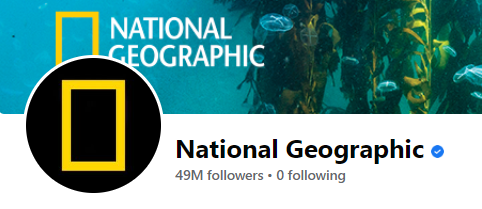
Despite these expansions, the fundamental purpose of the blue checkmark remains unchanged: it serves as a visual indicator of authenticity. It distinguishes genuine public figures and corporate entities from impostors, thereby safeguarding consumers from phishing schemes, counterfeit merchandise, and misinformation. Furthermore, verified pages frequently experience algorithmic advantages, often ranking higher in platform search results and consequently driving organic discovery for businesses.
Decoding the Application Process: Authenticity and Notability
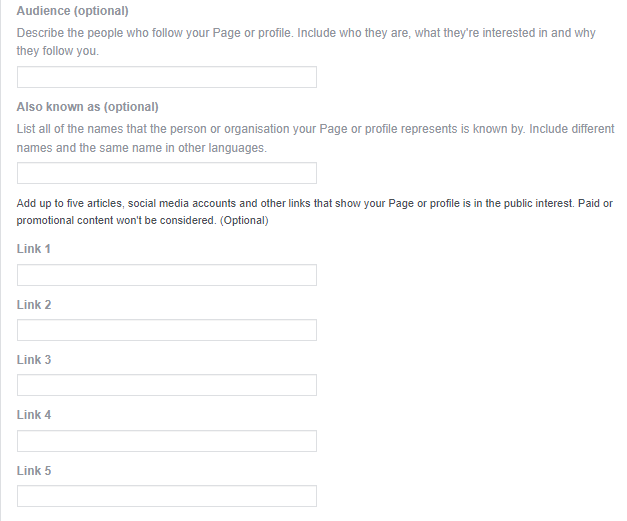
Applying for Facebook verification involves submitting an online request form via Meta’s Help Center. While the interface is accessible, the evaluation engine behind it relies on rigorous, automated and manual vetting procedures. Applicants must navigate two primary pillars during submission: identity confirmation and public notability.
1. Establishing Personal or Corporate Authenticity
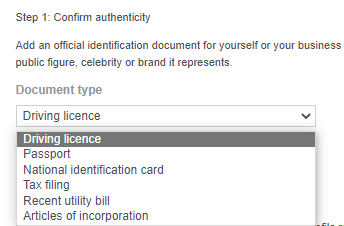
To prevent bad actors from gaming the system, Meta requires concrete proof that the applicant is legally who they claim to be. For individuals, this necessitates uploading a government-issued photo identification card, such as a passport, driver’s license, or national identity document. For corporate entities and businesses, verification documents must prove legal existence and operational legitimacy. Accepted documentation typically includes official tax filings, articles of incorporation, utility bills in the business name, or certificates of formation.
2. Proving Public Notability
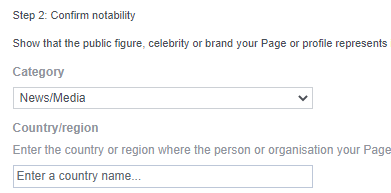
Authenticity alone is insufficient; applicants must also demonstrate notability. Meta defines a notable account as one that represents a heavily searched-for, publicly recognized individual, brand, or entity. The platform evaluates whether the subject is featured in multiple news sources or digital publications. Paid or promotional content is explicitly excluded from consideration. During the application process, administrators must designate their account category, geographical region of primary popularity, and provide up to five independent URLs—such as news articles, Wikipedia entries, or official press releases—that substantiate their public prominence.
Six Strategic Measures to Maximize Approval Odds
Because Meta’s internal review algorithms and human moderators exercise broad discretion, applicants must optimize their digital footprint prior to submitting the verification form. Industry analysts and digital marketing professionals recommend six proactive steps to align accounts with platform expectations.
Maintaining Up-to-Date Business and Personal Information
Data consistency is paramount. Before initiating an application, administrators must ensure that all foundational data—including legal business names, physical addresses, customer service contact numbers, and operational hours—matches the information presented on official legal documents and external web properties. Discrepancies between a Facebook page and corporate tax filings frequently trigger automatic rejections.
Comprehensive Profile Optimization
An empty or sparsely populated profile signals a lack of active engagement or operational legitimacy. Profiles and pages should fully utilize available biography fields, including the About section, mission statements, founding dates, and clear brand narratives. Every section should reflect a professional standard that mirrors the entity’s real-world identity.
Enforcing Brand Consistency and Professionalism
The overall aesthetic and content strategy of a page must align with standard professional practices. Content that violates community standards, promotes misleading claims, or involves aggressive engagement-baiting can permanently impair an account’s credibility score. A rigorous audit of past posts should be conducted to eliminate any material that could cause a human reviewer to question the brand’s reliability.
Establishing Cross-Platform Web Integration
A verified Facebook presence does not exist in a vacuum. Meta looks for a cohesive digital ecosystem. Businesses must embed an active, accurate link to their official corporate website within their Facebook profile, while simultaneously embedding a prominent link to their verified Facebook page on their primary web domain. This bidirectional digital handshake serves as a strong trust signal to platform auditors.
Cultivating Organic Community Growth
Popularity is a core metric in the verification equation. Rather than relying on artificial growth tactics or purchased followers—which violate terms of service and result in penalties—brands must invest in genuine community-building strategies. Consistent publishing schedules, interactive video content, responsive customer service, and active community management drive the authentic engagement rates that Meta values during evaluations.
Protocol for Retaining the Verification Badge
Securing the blue checkmark represents only the first phase of digital authentication. Meta maintains a zero-tolerance policy regarding the misuse of verified status, and badges can be revoked summarily if an account breaches platform regulations.
Mandatory Two-Factor Authentication
Given the immense value attached to a verified account, these profiles are prime targets for sophisticated cybercriminals. To protect platform integrity, Meta strongly encourages—and in many cases implicitly requires—the implementation of robust security measures. Enabling two-factor authentication (2FA) via SMS, authentication apps, or hardware security keys creates a critical barrier against unauthorized access and potential hijacking attempts.
Strict Adherence to Community Standards
Verified accounts are held to the same foundational rules as standard users regarding hate speech, harassment, and illegal goods. However, they are also subjected to heightened scrutiny concerning intellectual property and digital privacy rights. For example, content curators must exercise extreme caution when reposting user-generated media to ensure full compliance with copyright laws and platform policies. Any punitive action taken against an account for policy violations can result in the immediate stripping of the verification badge, often with no avenue for appeal.
Ongoing Digital Marketing and Public Relevance
Because verification is tied to ongoing public interest, a severe decline in engagement or complete account dormancy can theoretically impact long-term status. Maintaining a dynamic, data-driven digital marketing strategy ensures that the brand remains culturally relevant, active, and continually visible to its target audience.
Economic and Strategic Implications
The pursuit of Facebook verification extends far beyond digital vanity. In an era defined by rampant digital fraud and consumer skepticism, verified status acts as a powerful trust accelerator. For enterprises, a blue checkmark can measurably improve conversion rates, reduce customer support friction related to counterfeit scams, and enhance the efficacy of paid advertising campaigns.
While the application process remains stringent and subject to the discretion of Meta’s review teams, a methodical approach to digital hygiene, legal compliance, and authentic community engagement offers brands and influencers the highest possible probability of success. By treating verification as an ongoing commitment to transparency and security rather than a one-time administrative task, organizations can protect their digital assets and fortify their connection with audiences worldwide.