The Ultimate Developer and Designer Toolkit: July 2026 Innovations and Software Releases

The software development and design landscape underwent a significant transformation throughout July 2026, driven largely by advancements in artificial intelligence integration, local infrastructure management, and cross-platform utility optimization. Industry observers note that the tools launched or updated during this period reflect a broader shift away from bloated, cloud-dependent SaaS solutions toward self-hosted, lightweight, and AI-augmented developer environments. From native assembly compilers for PHP to sophisticated multi-protocol terminal utilities and advanced AI coding agent benchmarks, July’s releases have redefined productivity standards for independent engineers and enterprise development teams alike.
The Evolution of AI Coding Agents and Evaluation Frameworks
The maturation of generative artificial intelligence in software engineering has necessitated rigorous evaluation frameworks to measure real-world efficacy. Historically, benchmark tests focused narrowly on isolated unit test pass rates, failing to capture how well an autonomous coding agent performs in complex, production-grade environments.
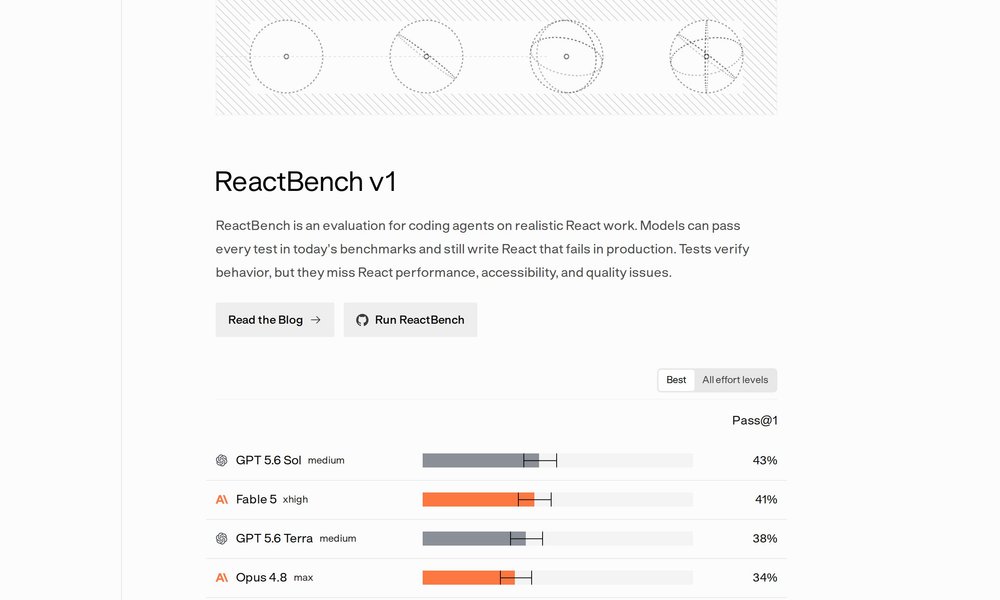
ReactBench emerged in July to address this gap by evaluating coding agents specifically on real React work. The tool tests performance, accessibility, and structural quality rather than synthetic metrics. Developed by the team behind React Doctor, ReactBench provides an empirical leaderboard that assists engineering teams in selecting optimal large language models for frontend component generation. Industry analysts point out that as frontend complexity scales, empirical evaluations like ReactBench will become standard procurement benchmarks for enterprise technology stacks.
Complementing evaluation tools are efficiency-focused frameworks designed to mitigate a persistent critique of generative models: code verbosity. Ponytail, a specialized ruleset released during the period, addresses this issue by conditioning AI agents—such as Claude Code, Codex, and Copilot—to write more concise code. Early benchmarks indicate that implementing the Ponytail ruleset reduces code volume by approximately 54 percent without compromising software safety or structural integrity. This reduction in boilerplate code addresses growing concerns over technical debt accumulated through indiscriminate AI code generation.
Local Infrastructure and Development Environments
In parallel with AI advancements, July 2026 saw a pronounced emphasis on localized development stacks. Developers increasingly favor tools that eliminate the overhead of resource-intensive containerization or proprietary cloud architectures when building and testing applications.
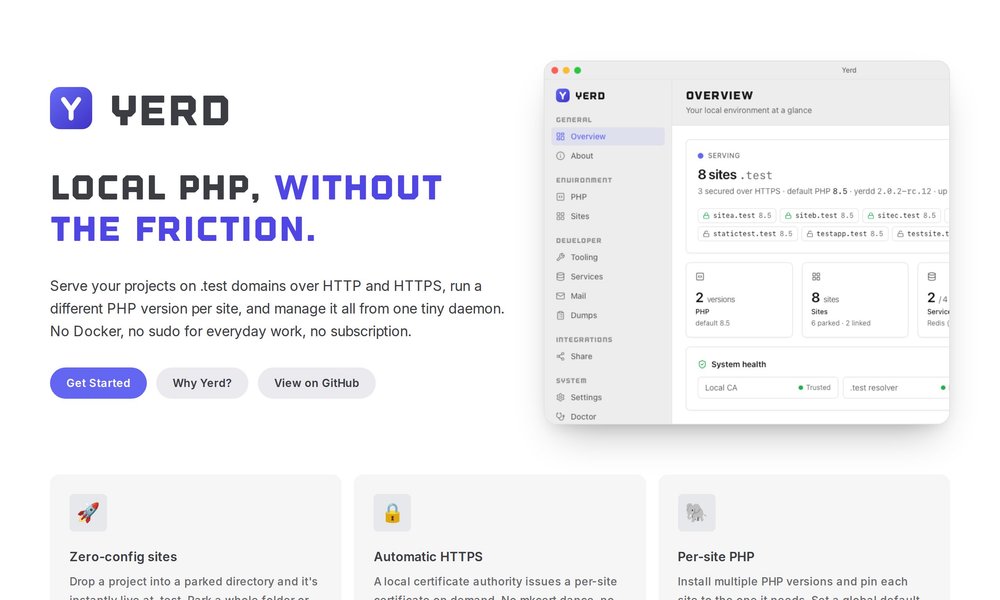
Yerd introduced a streamlined desktop application for macOS and Linux designed to manage comprehensive local PHP stacks without relying on Docker or Electron. Operating as a lightweight 8-megabyte daemon, Yerd supports multiple PHP versions, automatic .test domains with integrated HTTPS, and standard databases including MySQL, MariaDB, PostgreSQL, and Redis. It positions itself as a native alternative to existing orchestration tools like Laravel Herd.
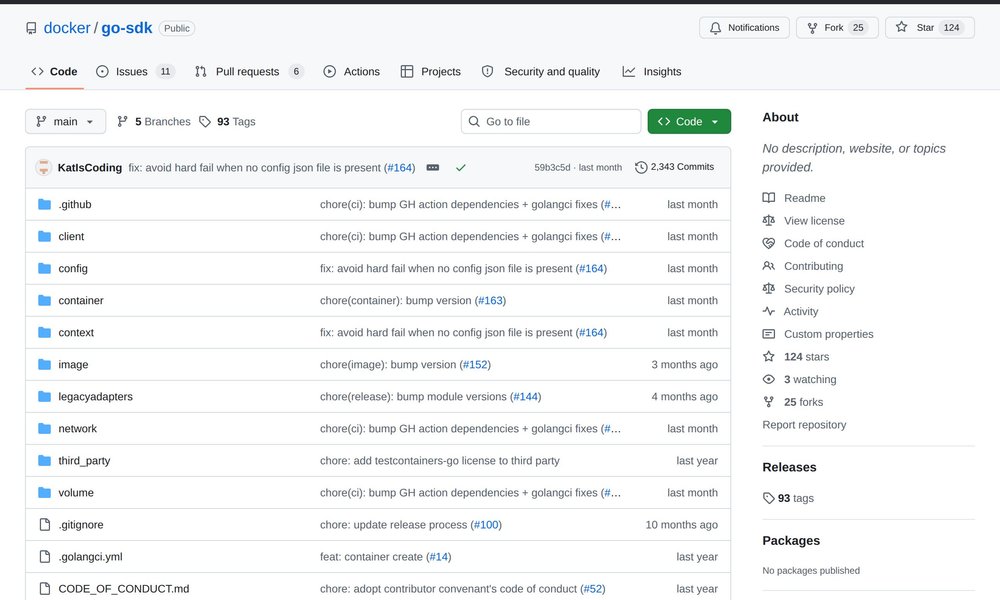
For backend developers operating within the Go ecosystem, Docker released its official Go SDK. The high-level client simplifies container management tasks—such as pulling images with authentication, executing containers with specific wait strategies, and assigning automatic random ports—while retaining access to the low-level Moby client for advanced use cases. This SDK streamlines the integration of containerized workflows into local development and automated testing pipelines.
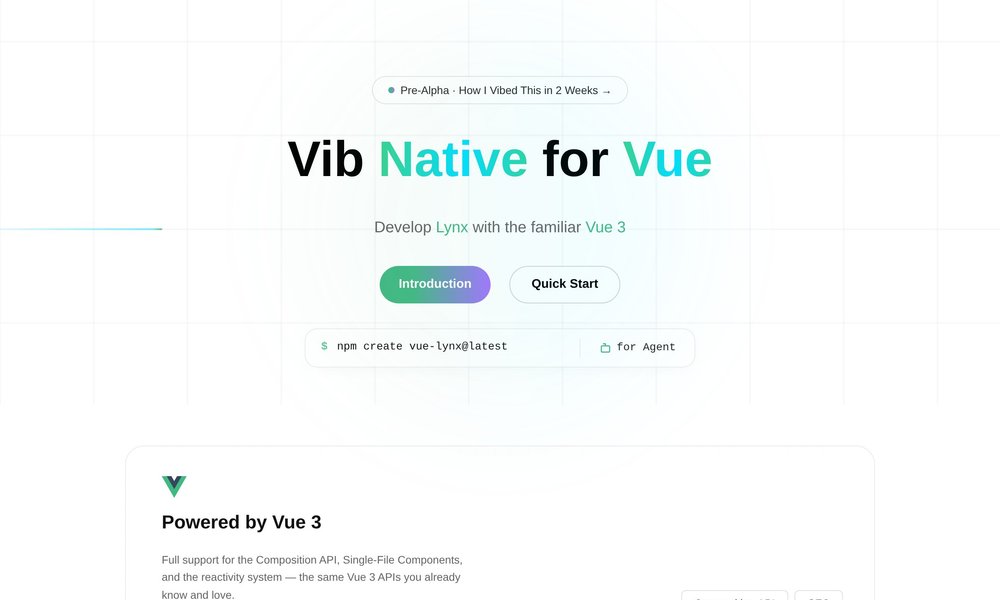
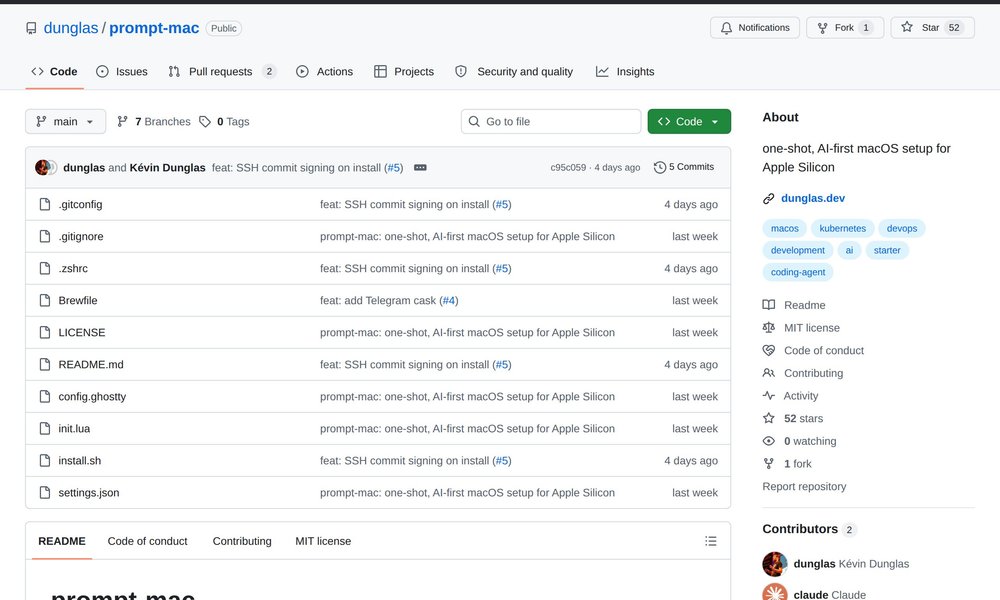
Meanwhile, macOS users gained specialized utilities tailored for modern workflows. Prompt-mac, a one-shot configuration script designed via a single curl command, provisions lean, agent-first development environments by installing essential CLI tools, applications, and editor configurations.
Advanced Database Clients and Native Utilities
Database administration and file transfer management also received substantial updates, emphasizing cross-platform compatibility and native performance.
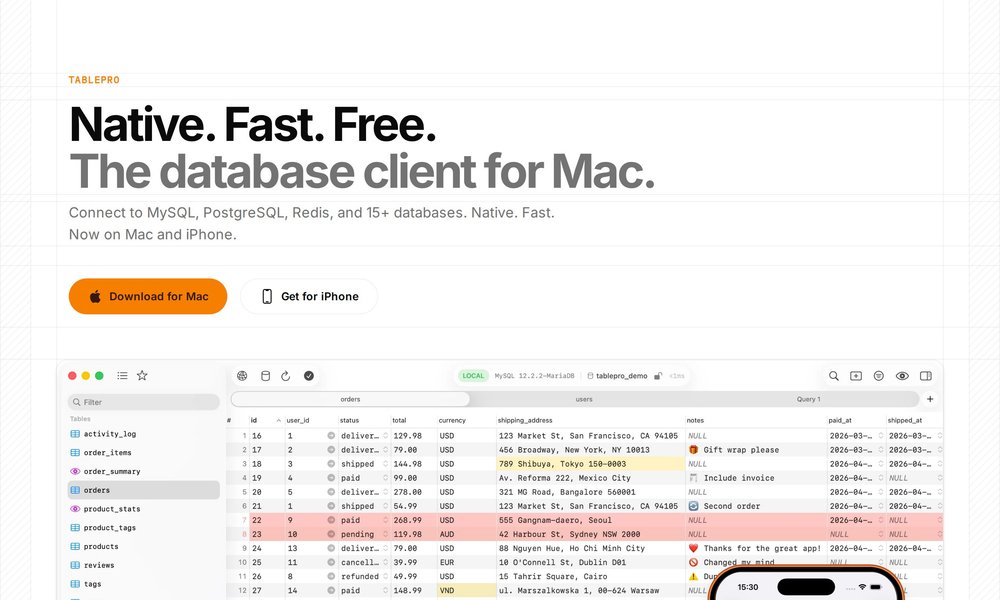
TablePro launched as a native database client engineered for macOS and iOS architectures. Supporting more than 21 database systems—including MySQL, PostgreSQL, MongoDB, Redis, and SQLite—the application integrates a SQL editor equipped with autocomplete and Vim modes, an embedded AI assistant, entity-relationship (ER) diagrams, and secure iCloud synchronization.
For systems administrators and DevOps engineers handling disparate network protocols, TermSCP offered a unified terminal file transfer explorer written in Rust. The tool supports Secure Copy Protocol (SCP), Secure File Transfer Protocol (SFTP), FTP/S, Amazon S3, Kubernetes, Server Message Block (SMB), and WebDAV within a single terminal user interface (TUI). By integrating secure credential storage via system keychains across Windows, macOS, Linux, and BSD, TermSCP minimizes the friction of switching between disparate utility clients during cross-environment deployments.
Self-Hosted Infrastructure and Identity Management
The movement toward data sovereignty and self-hosted infrastructure gained further momentum in July 2026, with developers seeking robust alternatives to centralized cloud services for authentication, communication, and knowledge management.
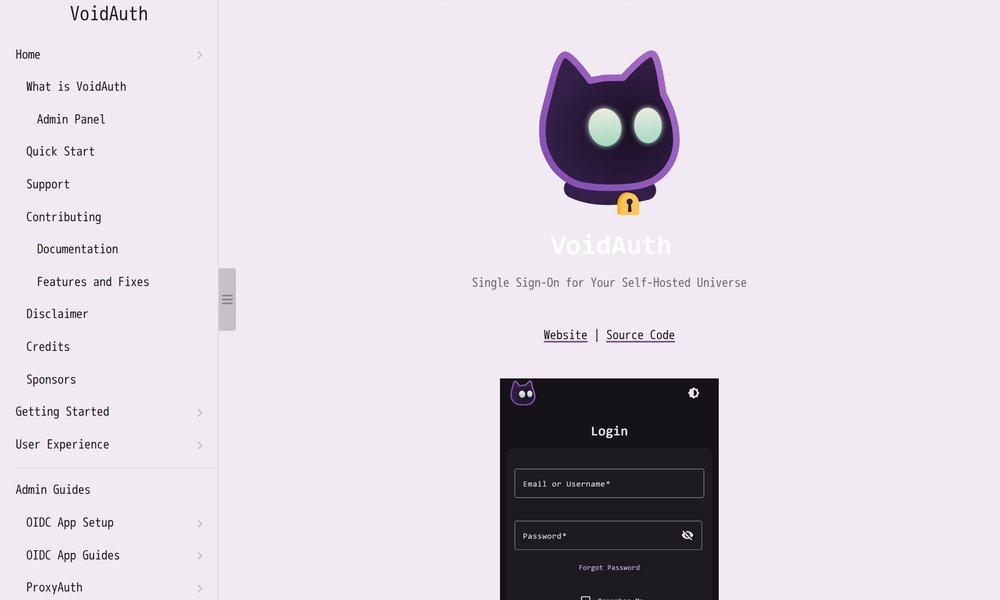
VoidAuth emerged as an open-source single sign-on (SSO) solution tailored for self-hosted applications. Supporting OpenID Connect, Lightweight Directory Access Protocol (LDAP), passkeys, multi-factor authentication (MFA), user invitations, and customizable branding, VoidAuth operates on PostgreSQL or SQLite with encryption at rest. The project offers administrators a centralized identity provider to secure multiple internal services without depending on third-party authentication providers.
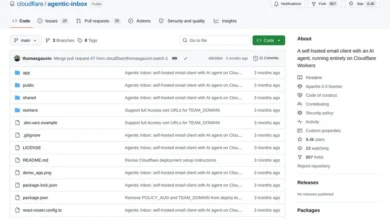
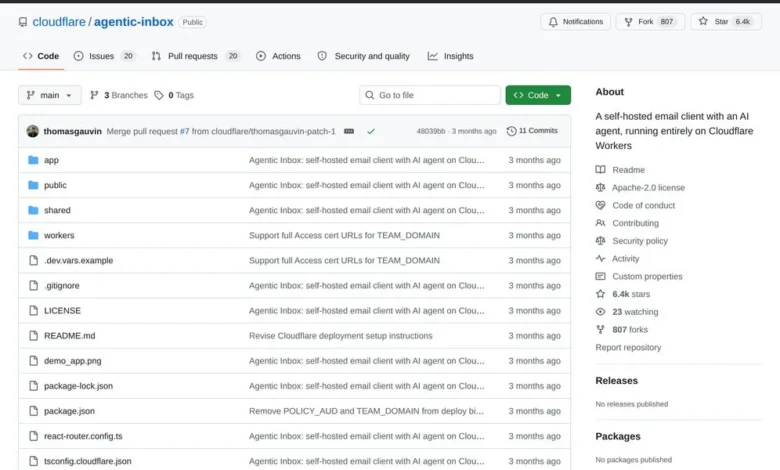
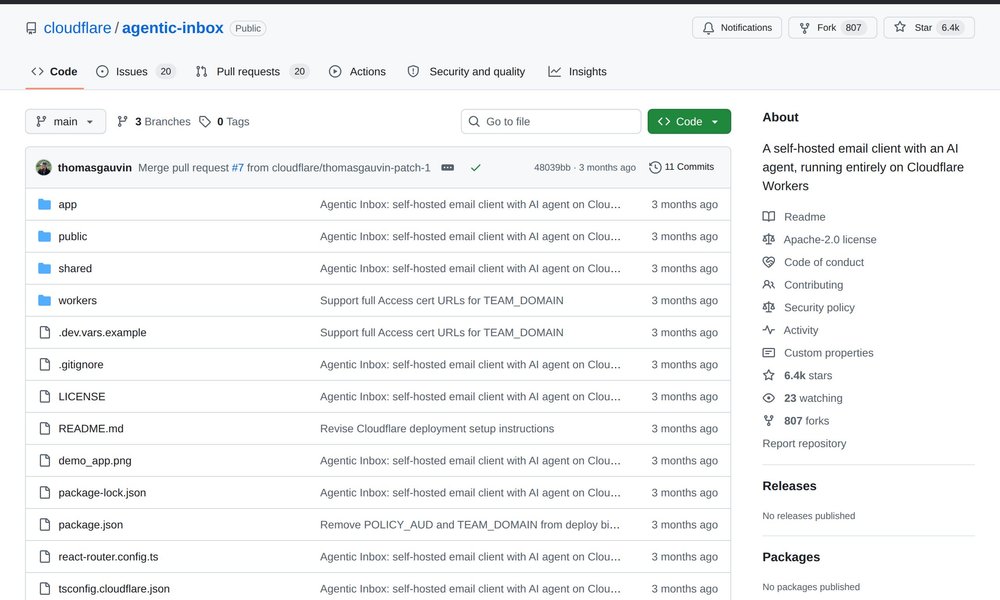
Similarly, Cloudflare introduced Agentic Inbox, a self-hosted email client powered entirely by Cloudflare Workers. By routing inbound mail through Cloudflare Email Routing, assigning individual Durable Objects with SQLite databases per mailbox, and storing attachments in Cloudflare R2, the system enables an embedded AI agent to read, search, and draft email replies without requiring a traditional, resource-heavy mail server infrastructure.
Automattic contributed to this ecosystem with Cortext, a WordPress plugin designed to establish sophisticated knowledge bases directly within standard WordPress installations. By utilizing ordinary database storage rather than proprietary formats, Cortext provides nested pages, typed collections, and multiple views, allowing organizations to maintain proprietary documentation internally.
Architectural Implications and Future Outlook
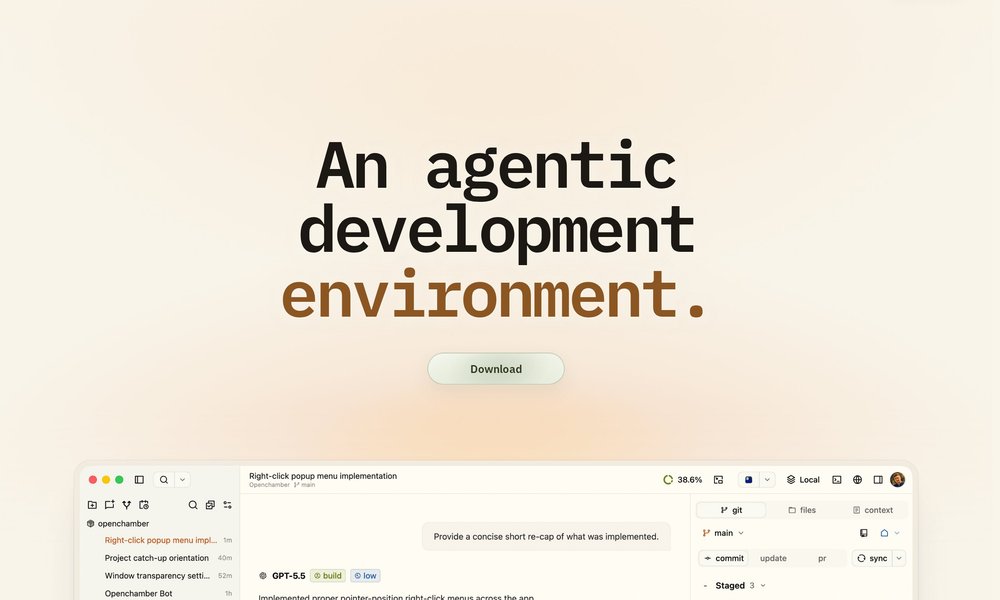
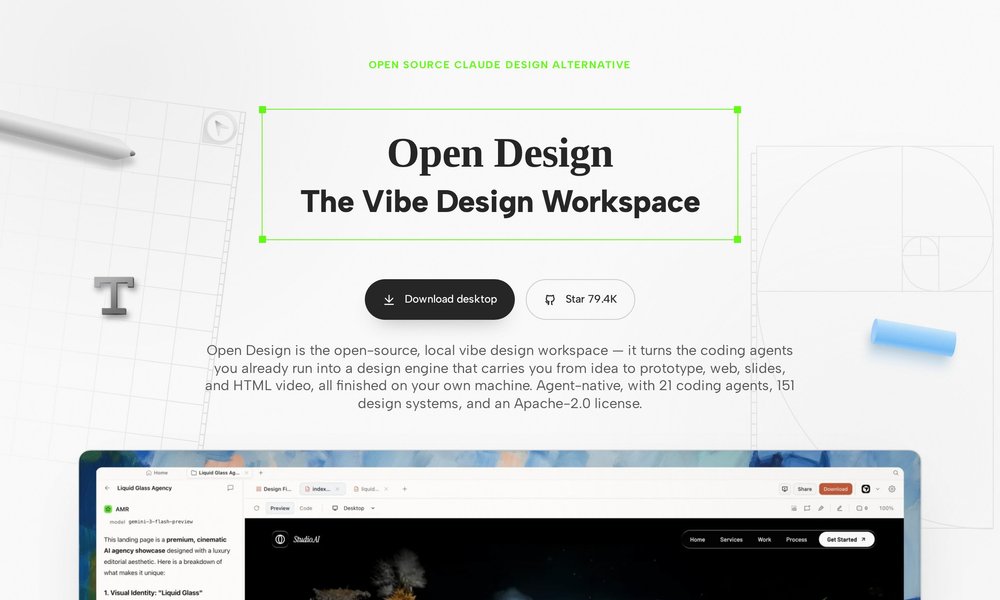
The breadth of software releases in July 2026 highlights an ongoing decentralization of developer tooling. The convergence of autonomous AI coding agents, such as those managed via OpenChamber and augmented by Open Design, with high-performance local infrastructure points toward a future where development cycles are significantly accelerated.
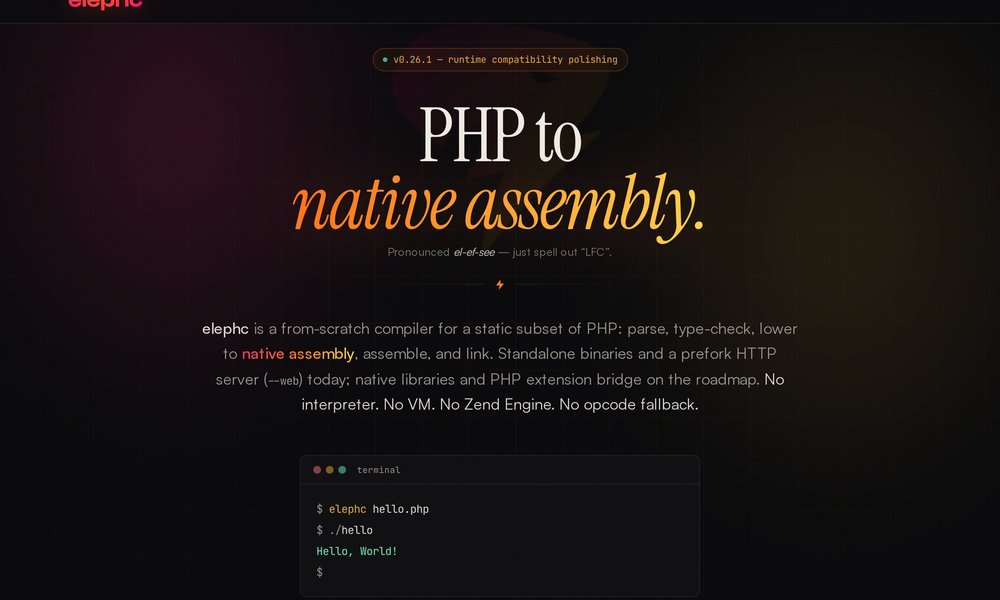
However, industry experts caution that the proliferation of disparate self-hosted utilities increases the demand for standardized security and interoperability protocols. As tools like elephc—which compiles a static subset of PHP directly to native assembly without requiring a Zend Engine interpreter—gain traction, the boundaries between traditional interpreted languages and compiled binaries continue to blur. Technology leaders anticipate that the latter half of 2026 will see increased enterprise adoption of these hybrid, AI-optimized development paradigms, fundamentally altering how digital products are architected, deployed, and maintained.