Meta Platforms 2022 Year in Review: A Comprehensive Analysis of Platform Evolution, Advertising Innovations, and Strategic Shifts

The final quarter of 2022 marked a period of intensive transformation for Meta Platforms, as the technology conglomerate deployed a sweeping series of product launches, algorithm modifications, and infrastructure updates across Facebook, Instagram, and its expanding virtual reality ecosystem. Throughout the year, digital marketers and enterprise advertisers navigated a landscape defined by accelerated automation, heightened brand safety standards, and a decisive pivot toward short-form video and native commerce. As organizations transition into 2023, the operational environment on Meta’s networks is characterized by streamlined cross-platform experiences, sophisticated machine learning capabilities, and rigorous compliance frameworks.

Platform Evolution and Chronology of Key Updates
The trajectory of Meta’s product releases throughout 2022 reflects a calculated response to shifting consumer behavior, regulatory pressures, and competitive market dynamics. A chronological review of the updates reveals a strategic focus on three primary pillars: short-form video dominance via Reels, automated advertising solutions under the Advantage suite, and enhanced trust and safety protocols.
Early in the year, particularly during the first quarter, Meta consolidated its automated advertising portfolio under the Meta Advantage suite, signaling a permanent shift away from manual campaign setup toward machine-learning-driven optimization. Simultaneously, the platform responded to mounting regulatory scrutiny by introducing advanced brand safety controls, topic exclusion testing, and rigorous transparency frameworks for social and political advertisements.
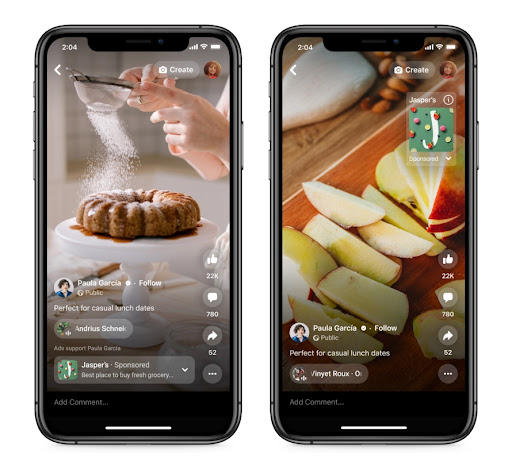
By mid-2022, the integration of short-form video became absolute. Meta systematically merged traditional video formats with Reels, introducing global monetization options, cross-posting capabilities, and third-party API access for developers. These moves directly addressed the competitive threat posed by rival short-form video platforms while providing creators and advertisers with new distribution channels.
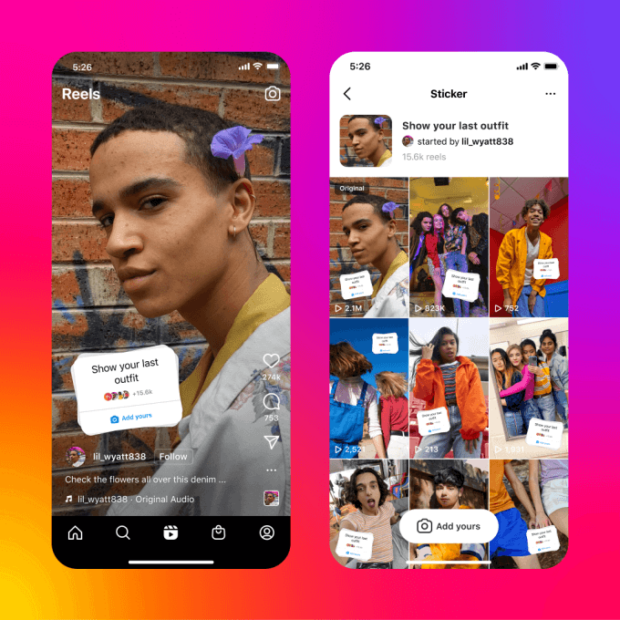
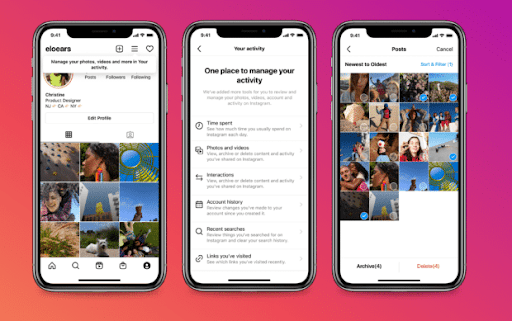
As the year concluded in the fourth quarter, Meta achieved a significant industry milestone by securing Media Rating Council (MRC) accreditation for content-level brand safety on Facebook. Furthermore, the introduction of native scheduling tools for Instagram and expanded in-feed audio integration underscored Meta’s commitment to empowering creators and businesses with native, frictionless workflow solutions.

Advertising Innovations and the Rise of Automation

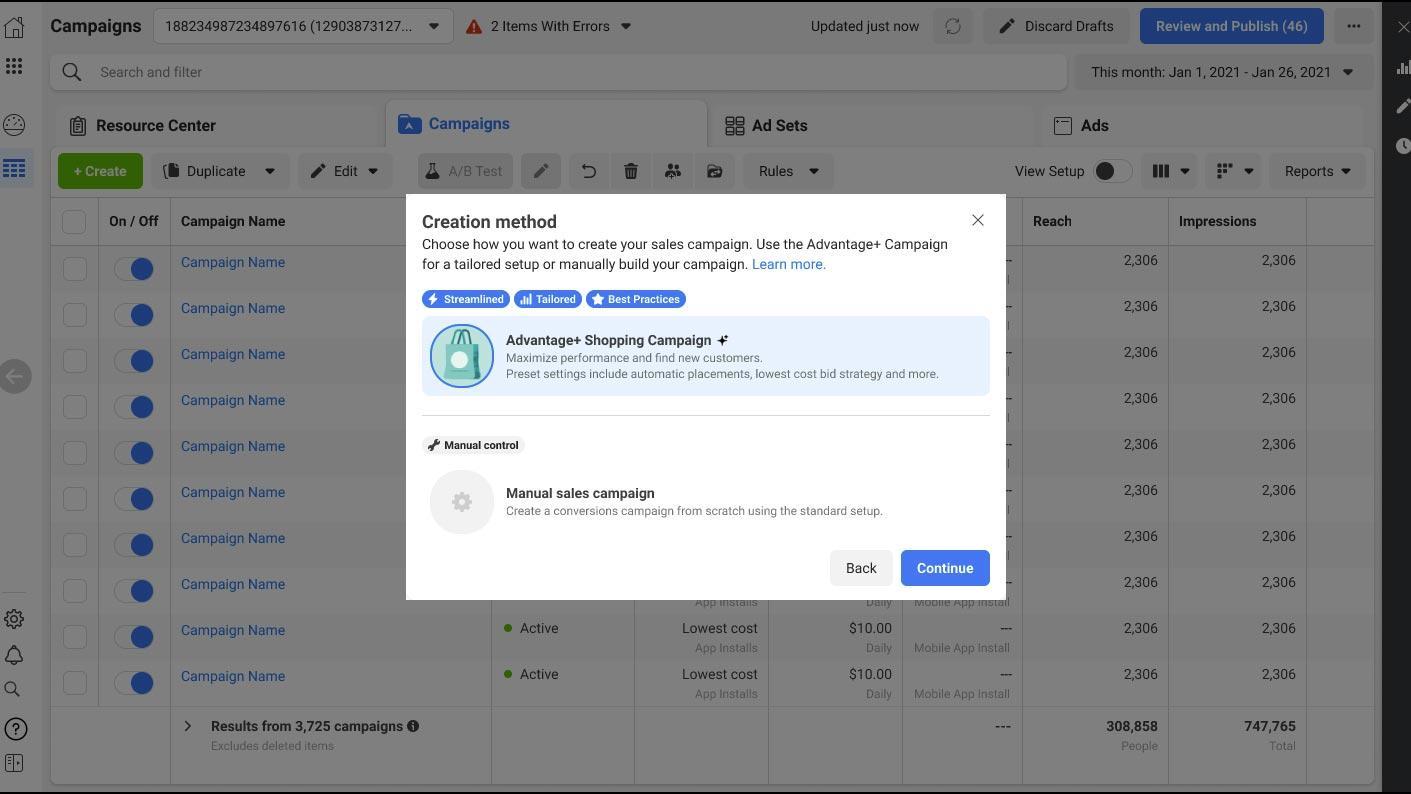
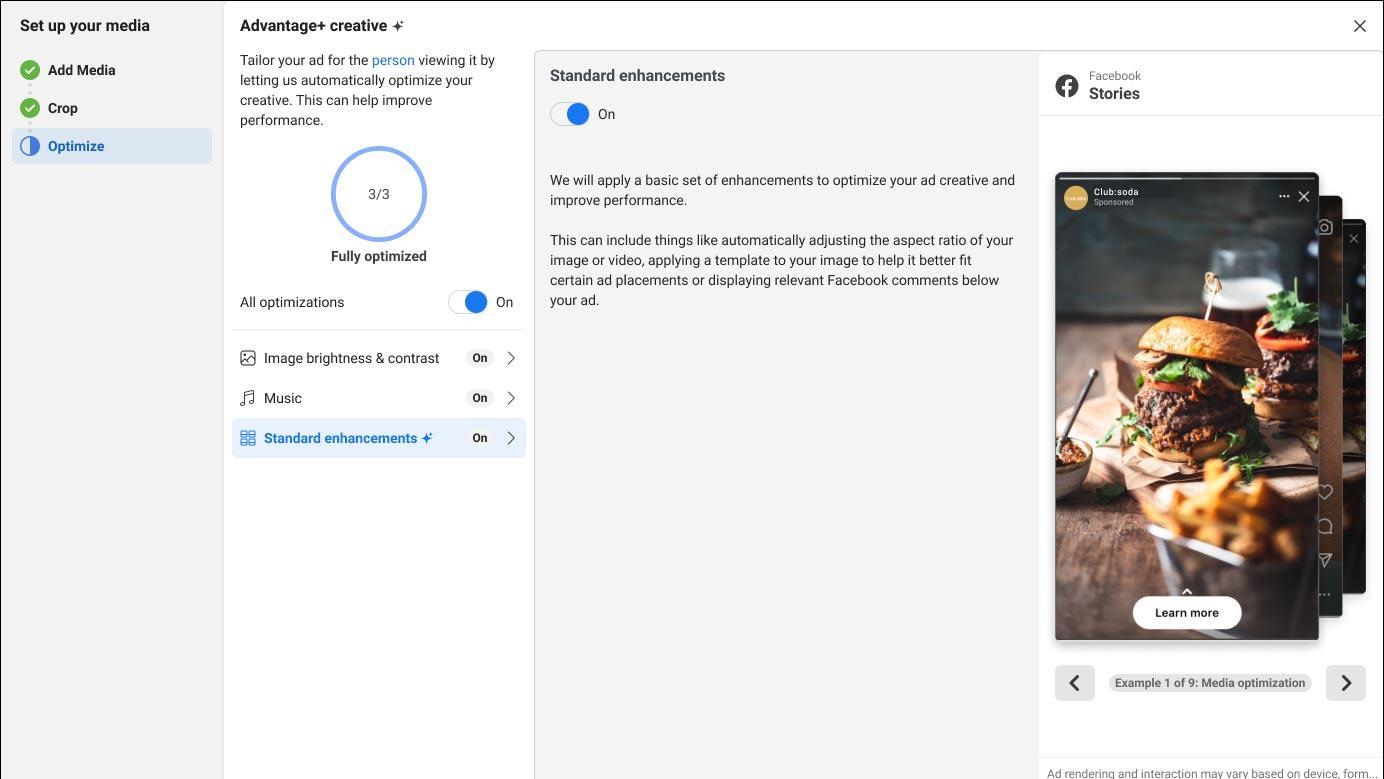
The evolution of Meta’s advertising infrastructure in 2022 was dominated by the rollout and expansion of Advantage+ campaigns. Leveraging advanced machine learning algorithms, Advantage+ Shopping campaigns eliminated manual ad creation bottlenecks by enabling advertisers to split-test up to 150 creative variations simultaneously. Internal Meta data indicated substantial performance improvements, with A/B testing revealing a significant reduction in cost-per-purchase conversions compared to traditional ad sets.

Alongside automated campaign creation, Meta introduced refined audience targeting parameters and creative optimization tools. For B2B marketers, the platform unveiled enhanced professional targeting options based on on-platform job titles and granular interests, bridging the performance gap between social media advertising and traditional professional networks. Furthermore, the deployment of the IP Reporting API and enhancements to Brand Rights Protection provided intellectual property holders with robust automated mechanisms to combat copyright infringement, counterfeit merchandising, and unauthorized profile impersonation.

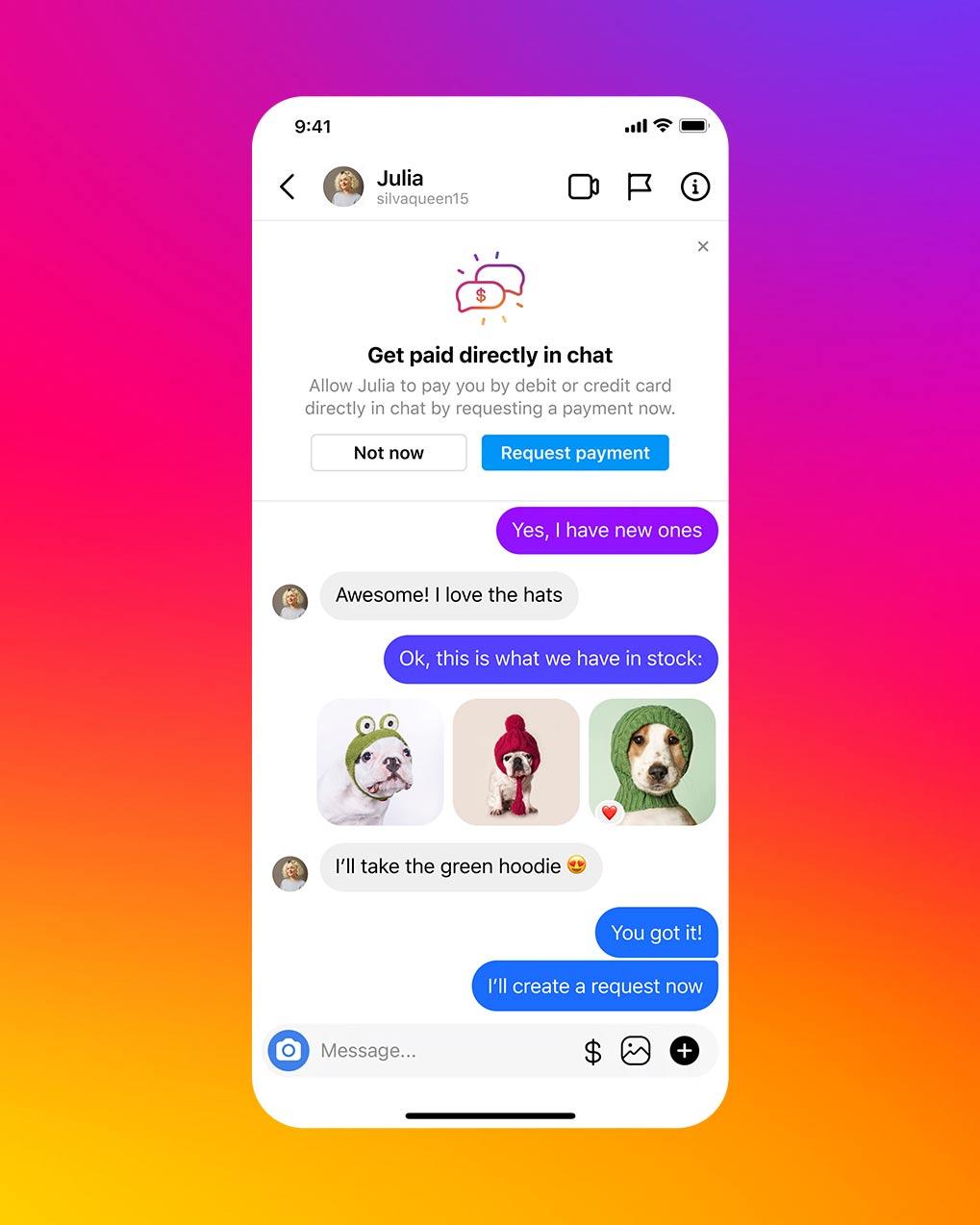
The integration of commerce capabilities also underwent strategic recalibration. While Meta phased out Facebook Live Shopping on October 1, 2022, to realign its resources with the surging popularity of Reels, the company simultaneously expanded alternative transactional pathways. The rollout of native payment options within Instagram Direct Messages (DMs) enabled eligible businesses to manage invoicing and accept payments securely without requiring customers to navigate away from the chat interface.
Creator Economy and Monetization Strategies
Recognizing the critical role of content creators in driving platform engagement, Meta executed aggressive financial and structural investments throughout 2022. Mark Zuckerberg announced that revenue-sharing models for creator monetization features—including Badges, Subscriptions, and paid online events—would remain suspended until at least 2024, allowing creators to retain a larger share of their earnings.
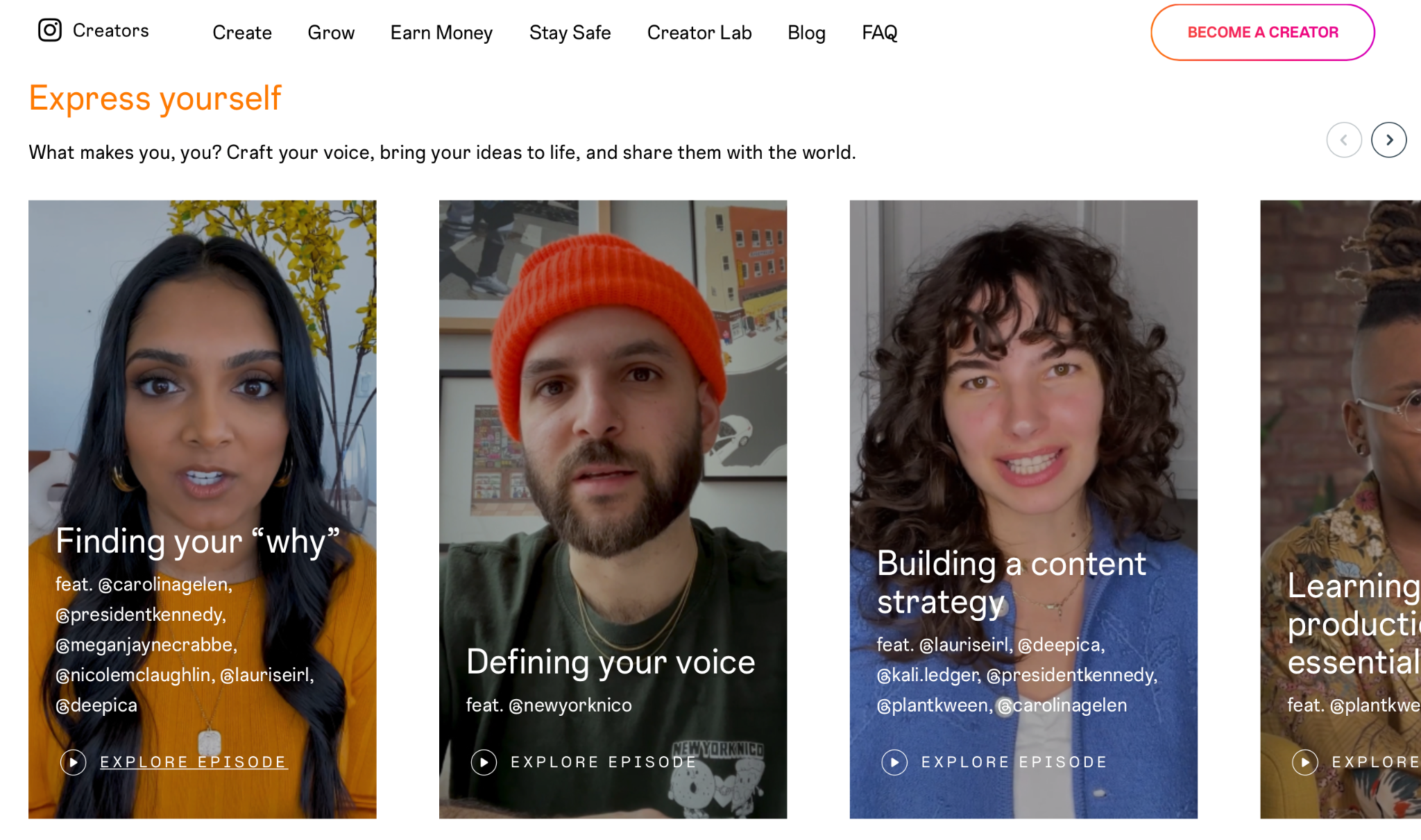
To further incentivize content production, Meta launched comprehensive bonus programs, Creator Labs, and the expansion of the Instagram Creator Marketplace. The Marketplace initiative provided brands with advanced discovery filters, enabling precise searches for influencers based on demographic criteria and audience affinity metrics. Additionally, the introduction of subscription models for both Facebook and Instagram allowed creators to establish predictable, recurring monthly revenue streams by offering exclusive content, badges, and perks to loyal subscribers.
Trust, Safety, and Regulatory Compliance
Meta’s operational strategy in 2022 was heavily influenced by the necessity to reestablish trust with users, advertisers, and regulatory bodies following years of scrutiny regarding data privacy and content moderation. A cornerstone of this effort was the successful audit by the Media Rating Council, which accredited Meta’s Partner Monetization and Content Monetization policies for Instant Articles and In-Stream video.
In a landmark privacy decision, Meta announced the discontinuation of its facial recognition system, permanently deleting individual facial templates for over a billion users. This move aligned with broader corporate adjustments necessitated by the implementation of Apple’s AppTracking Transparency (ATT) framework, which fundamentally altered data collection and attribution methodologies for mobile advertisers.
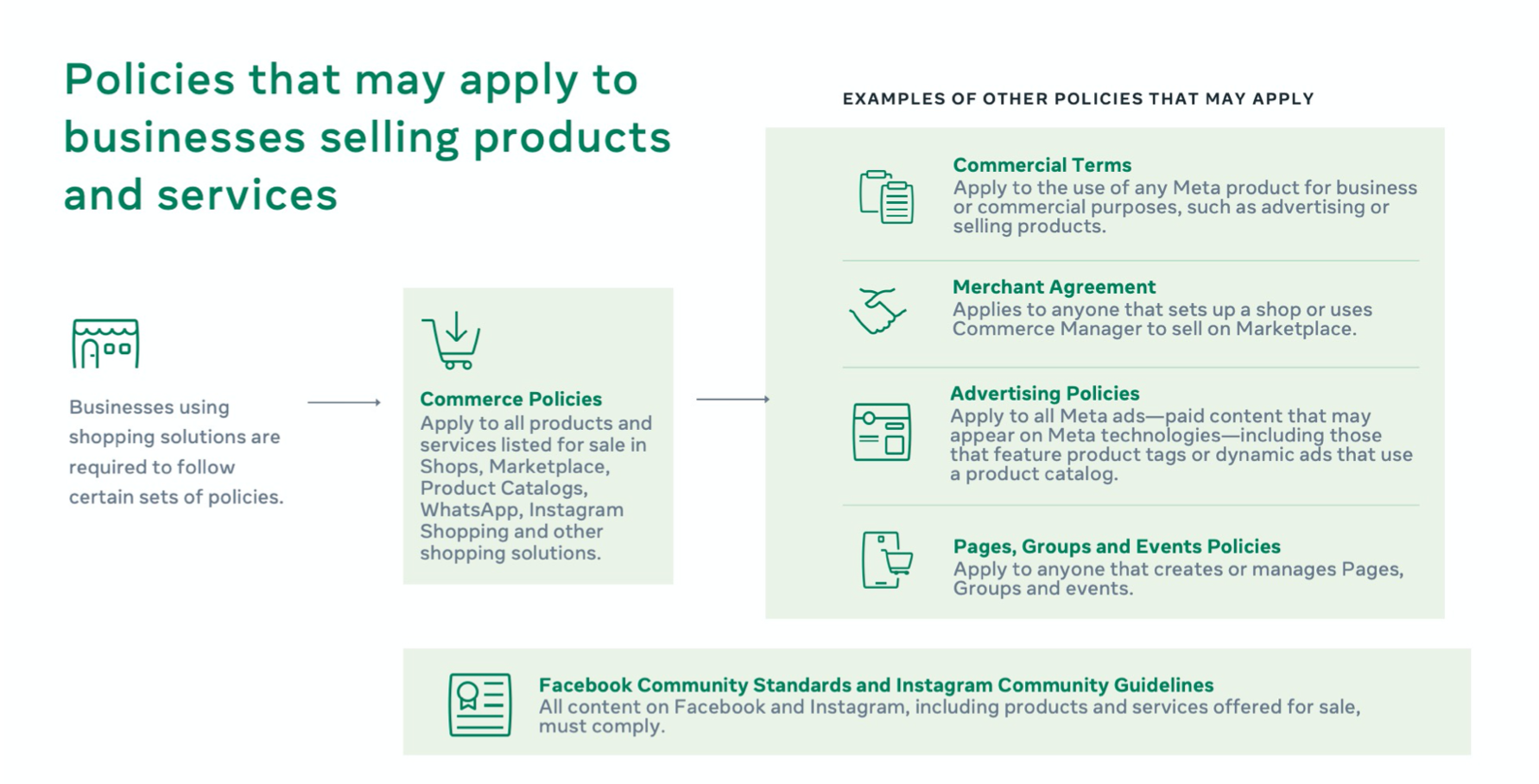
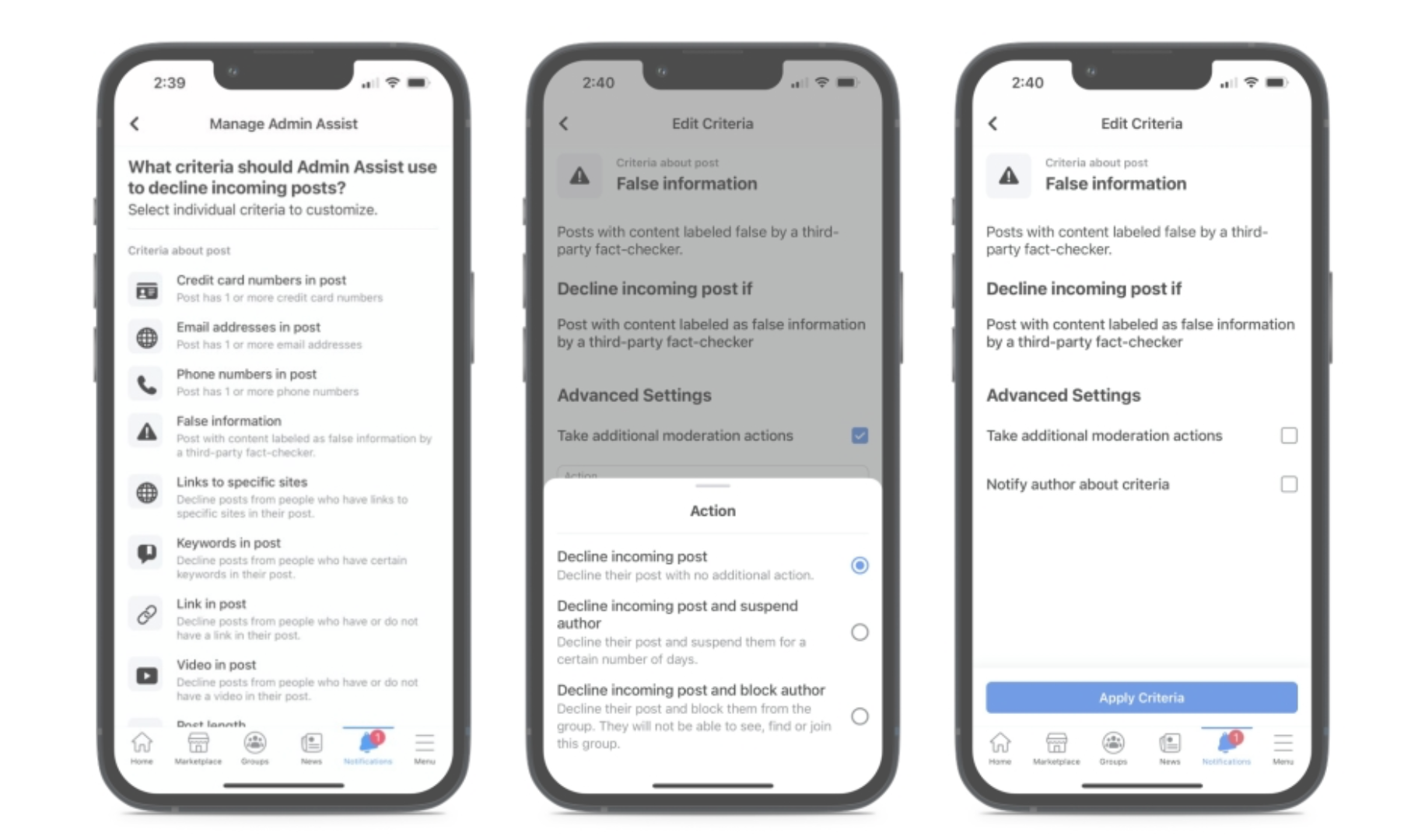
To combat misinformation and ensure advertising integrity, Meta refined its ad review processes, utilizing a combination of automated machine-learning filters and human oversight. The company also updated policies governing social issue, electoral, and political ads, exempting sales-focused commercial promotions from cumbersome political authorization requirements while maintaining strict transparency standards for advocacy-driven campaigns.
Implications for Marketers and Enterprises in 2023
The structural shifts implemented by Meta throughout 2022 establish a clear blueprint for digital marketing strategies in 2023. Organizations operating on Facebook and Instagram must adapt to a paradigm where manual optimization is largely superseded by algorithmic automation. Advertisers are advised to lean heavily into Advantage+ solutions, diversify creative assets to fuel machine-learning optimization, and integrate short-form video into the core of their organic and paid media strategies.
Furthermore, the expansion of native commerce tools, such as in-chat payments and multi-platform messaging integration via the Messenger API, necessitates a customer service approach deeply rooted in social messaging channels. As Meta continues its long-term investment in virtual reality and the metaverse, enterprise brands must monitor the convergence of immersive technologies and social commerce, ensuring their digital infrastructure remains agile in an increasingly automated and privacy-conscious ecosystem.
Related posts: