Social got the click. But did it convert the customer? Here is how to set up Google Analytics for social media.


In the modern digital economy, social media engagement—measured in likes, shares, and comments—is often treated as a proxy for business success. However, marketing professionals increasingly recognize that these surface-level metrics rarely correlate directly with bottom-line revenue. To secure budget allocations and validate strategic pivots, social media managers must move beyond platform-native analytics and bridge the gap between social engagement and tangible website conversions. Google Analytics 4 (GA4) serves as the primary instrument for this integration, providing a comprehensive view of the customer journey from a social referral to a completed transaction.

The fundamental disconnect in digital marketing often stems from the reliance on "vanity metrics." While Instagram Insights or TikTok Analytics provide granular data on content reach and audience sentiment, they are inherently limited by their "walled garden" architecture. They cannot track what a user does once they navigate away from the application and onto a corporate website. GA4 solves this by capturing user behavior on the site, effectively turning social media clicks into trackable business intelligence.

The Evolution of Digital Attribution
Historically, tracking the effectiveness of social media was a fractured process. Before the widespread adoption of advanced analytics, marketers often relied on anecdotal evidence or basic referral traffic data, which frequently failed to account for multi-touch attribution. As of 2026, the industry standard has shifted heavily toward GA4, which utilizes an event-based data model. Unlike the previous Universal Analytics, which relied on session-based tracking, GA4 is designed to follow the user across multiple devices and platforms, providing a more accurate—albeit complex—picture of how social media contributes to a conversion.
The transition to this model was necessitated by privacy-centric browser updates and the decline of third-party cookies. Consequently, the onus is now on marketers to implement robust, first-party data strategies. By tagging social links with Universal Tracking Modules (UTMs), organizations can ensure that their data remains clean and actionable, mitigating the impact of "dark social"—the untraceable traffic coming from private messaging apps and encrypted communication channels.
Establishing a Four-Step Tracking Framework
To effectively bridge the gap between social media and business outcomes, teams must adhere to a structured technical implementation. This process is generally broken down into four distinct phases:
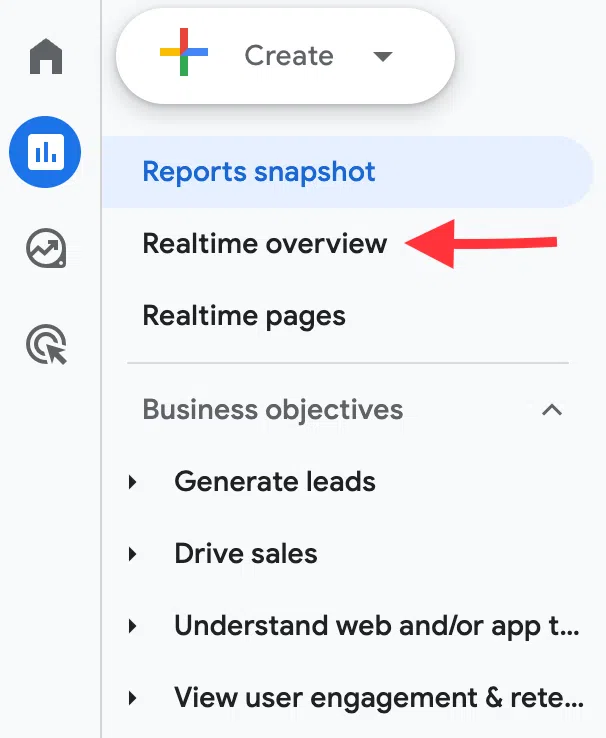
- Verification of Data Integrity: Before conducting any analysis, it is imperative to confirm that the GA4 property is properly configured. A common pitfall is the failure of the tracking tag to fire, often due to improper installation or conflicts with cookie consent management platforms. Verification involves utilizing the "Realtime" report in GA4 to ensure that site visits are being registered immediately upon arrival.
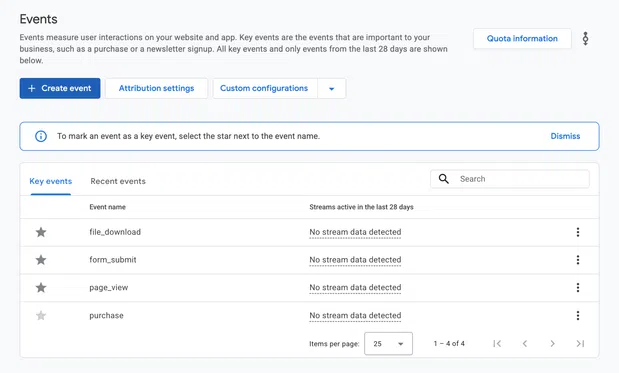
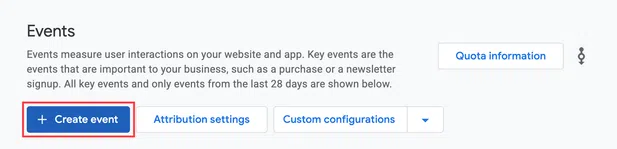
- Defining Key Events: GA4 requires the manual identification of "Key Events"—actions of significant value. These might include a user submitting a contact form, initiating a checkout, or downloading a whitepaper. By designating these as Key Events, marketers can isolate social-driven conversions from organic search or direct traffic.
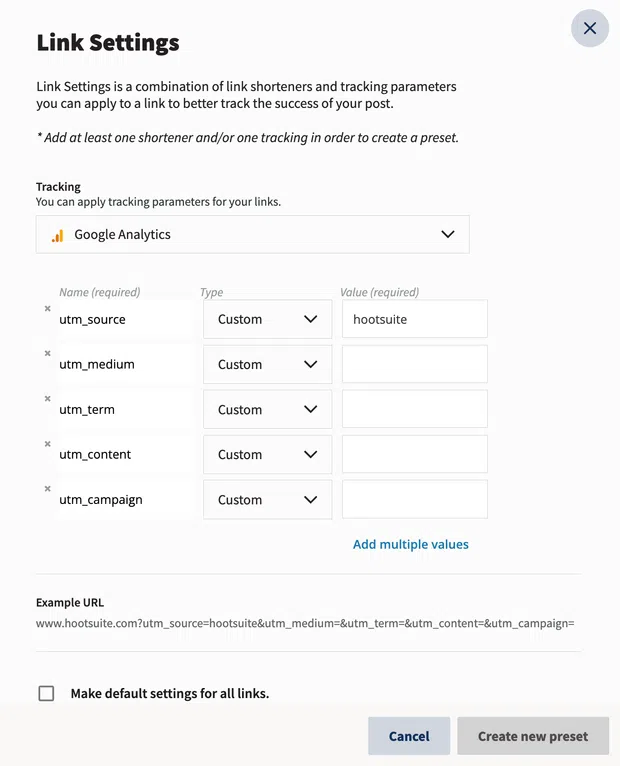
- The Implementation of UTM Parameters: This remains the most critical technical step. UTM parameters are snippets of code appended to a URL that inform GA4 about the source, medium, and campaign name associated with a link. Without standardized UTMs, GA4 relies on algorithmic estimation, which often leads to inaccurate data attribution. Best practice dictates the use of a unified naming convention across the entire marketing team to prevent "data fragmentation."
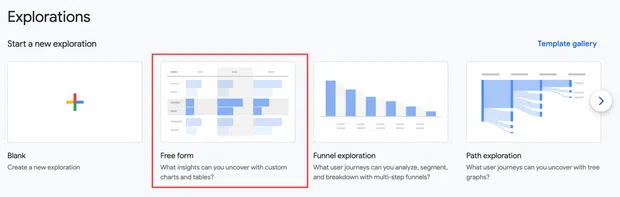
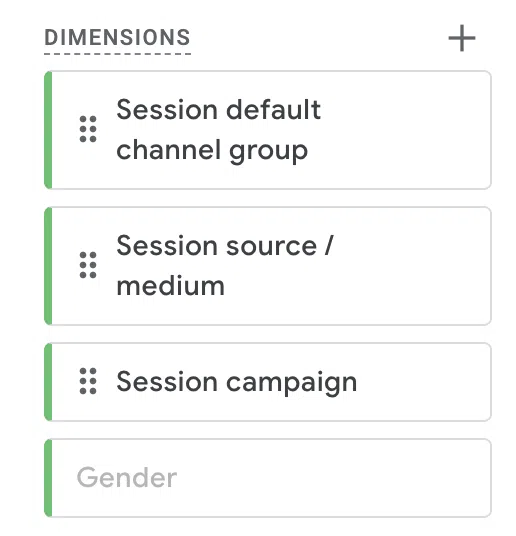
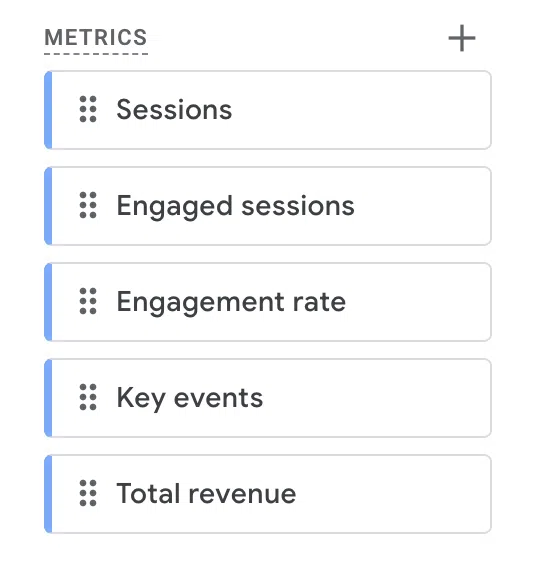
- Customizing the Explore Interface: Because standard GA4 reports often aggregate data from all traffic sources, creating a custom "Explore" report is necessary for isolating social media performance. By filtering for "Session Source/Medium," marketers can generate specific dashboards that highlight conversion rates for organic versus paid social campaigns.
Data Discrepancies and the "Dark Social" Phenomenon
A persistent challenge for marketing departments is the inherent discrepancy between social platform metrics and GA4 data. It is common for the number of clicks reported by Meta or LinkedIn to be significantly higher than the number of sessions recorded in GA4. Industry analysts attribute this gap to several factors:
- In-App Browser Limitations: Many social media apps open links in a proprietary "in-app" browser, which may not always trigger the GA4 tracking script efficiently or may strip away referral headers.
- Attribution Window Differences: Social platforms often use "view-through" attribution—counting a conversion if a user saw an ad and converted later—whereas GA4 typically relies on click-based attribution.
- User Privacy Settings: Increasing browser-level privacy protections and ad-blocker usage can prevent GA4 from recording a visit that the social platform’s internal ad-tracking pixel might still capture.
Acknowledging these discrepancies is a sign of analytical maturity. Marketing leads are encouraged to use these variations not as evidence of broken systems, but as a lens into user behavior. For instance, a high volume of traffic from "Direct" channels that coincides with a major social media campaign launch is often a signal of "Dark Social" activity, where users are copying and pasting links into private chats.
Leveraging Advanced Tools for Strategic Alignment
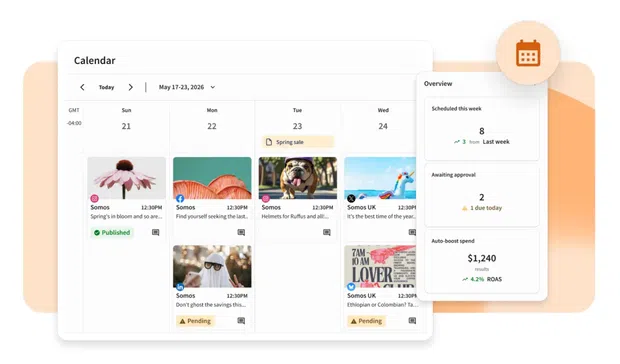
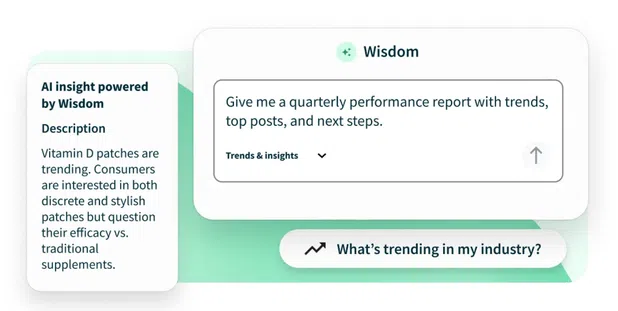
The integration of social media data into business analytics is increasingly supported by specialized software suites. Hootsuite, for example, has developed tools like "Perch" to enforce consistent UTM tagging at the scheduling stage, effectively removing human error from the data collection process. Furthermore, the rise of generative AI agents, such as "Wisdom," allows marketers to query their analytics in natural language—bypassing the need to navigate complex dashboards for simple insights like "Which platform drove the most demo requests last quarter?"
Beyond quantitative data, social listening tools like "Lumen" provide the qualitative context necessary for holistic decision-making. By analyzing sentiment and brand share-of-voice alongside GA4 conversion data, companies can determine if a spike in traffic is driven by a viral campaign or a public relations crisis.
The Impact on Budgetary Decision-Making
Ultimately, the goal of connecting social media to Google Analytics is the justification of marketing spend. When a social media manager can demonstrate that a specific campaign on TikTok resulted in a measurable increase in high-intent leads or revenue, the conversation with leadership shifts from "how many likes did we get?" to "what is our return on ad spend (ROAS)?"
Evidence from recent industry surveys suggests that organizations that successfully integrate social analytics with their broader web-tracking stack report a 20% to 30% increase in budget approval rates for social initiatives. This is because leadership is significantly more likely to invest in channels that can prove a direct line of sight to the sales pipeline.
Conclusion: Moving Toward Holistic Measurement
In conclusion, the practice of linking Google Analytics to social media is not merely a technical task; it is a strategic imperative. As the digital landscape becomes increasingly fragmented, the ability to synthesize data from disparate sources will define the success of modern marketing teams. By standardizing UTM usage, defining high-value key events, and utilizing advanced exploration tools, marketers can transform their social media efforts from a cost center into a primary driver of business growth. The path forward requires a blend of technical rigor, a willingness to account for data gaps, and a constant focus on the ultimate business outcome: the conversion.