Mastering Social Media Content Planning: A Strategic Framework for Modern Marketing Efficiency

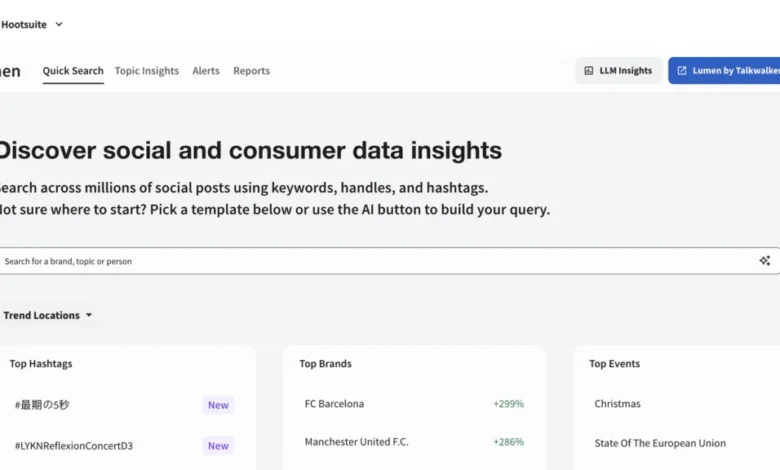
In an era where digital presence determines brand viability, social media content planning has evolved from a simple task of scheduling posts into a sophisticated, data-driven discipline. For marketing departments, the shift from reactive, ad-hoc posting to a structured, proactive content strategy is no longer a luxury—it is a competitive necessity. As digital channels become increasingly saturated, brands that fail to organize their content pipeline risk brand dilution, team burnout, and a failure to meet fundamental business objectives.

At its core, professional content planning is the systematic orchestration of topics, formats, and campaigns designed to align with broader marketing goals. It is a process of deliberate preparation that ensures consistency across platforms while maintaining the flexibility to respond to real-time market trends. By implementing a standardized workflow, organizations can move away from the "scramble" mentality and toward a predictable, measurable content cycle.

The Strategic Imperative of Content Planning
The primary driver behind structured content planning is organizational efficiency. When teams build posts in isolation, they consume significant resources for minimal output. Conversely, batching content creation allows for greater synergy. A single core concept or campaign theme can be repurposed into a diverse array of assets—including short-form video, long-form articles, static infographics, and interactive polls—thereby maximizing the return on investment for every creative idea.

Beyond efficiency, planning serves as a crucial defense against the high turnover rates often seen in social media roles. By establishing a clear roadmap, managers can mitigate the stress of last-minute deadlines and provide teams with a sustainable workload. Furthermore, a well-defined plan acts as a bridge between the creative output of a social team and the performance metrics required by executive leadership. Without this alignment, individual posts remain vanity metrics; with it, they become integral components of a cohesive business strategy.

A 10-Step Framework for Operational Excellence
To build a robust content plan, teams should adopt a rigorous, repeatable 10-step lifecycle. This framework ensures that every piece of content serves a purpose and contributes to the brand’s overall health.
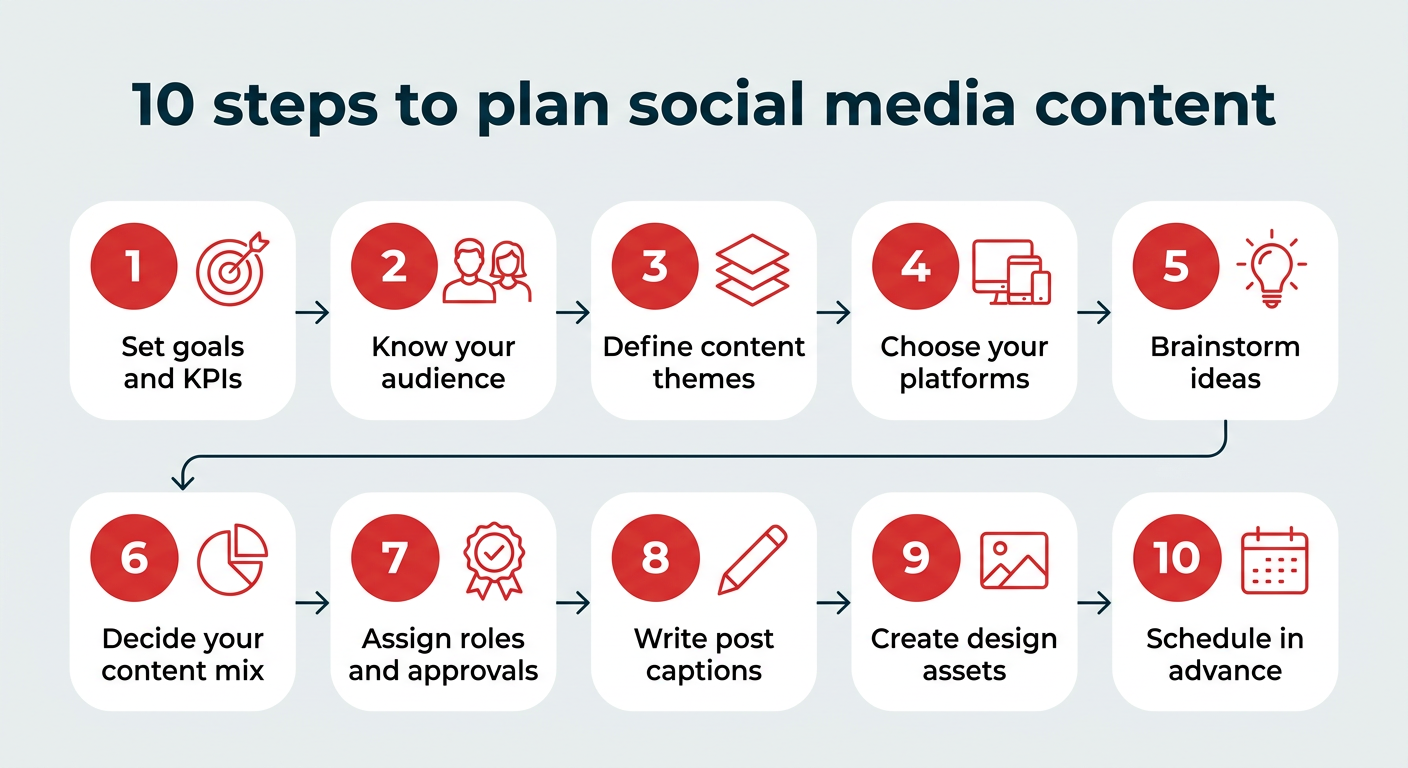
- Establishing KPIs and Goals: Success must be quantified before it can be achieved. Goals should be categorized—whether the focus is on brand awareness, lead generation, or community engagement—and paired with specific, measurable Key Performance Indicators (KPIs). For instance, transitioning from a vague goal of "increasing awareness" to a precise objective like "growing organic impressions by 20% in Q3" provides a clear benchmark for success.
- Audience Intelligence: Content must be grounded in the needs and behaviors of the target demographic. Utilizing native platform analytics alongside advanced social listening tools allows brands to identify the specific language, pain points, and interests of their audience. This prevents the "echo chamber" effect where teams create content they assume is relevant rather than content the audience actually desires.
- Defining Content Pillars: Themes serve as the guardrails for your brand voice. By identifying three to five core content pillars, teams can ensure that every post remains on-brand. Whether the pillars focus on educational thought leadership, behind-the-scenes company culture, or product-specific updates, they provide a roadmap for consistent messaging.
- Platform Prioritization: Not every channel requires the same level of attention. Based on audience research, brands should categorize platforms into primary, secondary, and tertiary tiers. This ensures that resources are allocated to the networks where the brand’s target audience is most active and receptive.
- Strategic Brainstorming: Moving beyond reactive posting requires a culture of proactive idea generation. High-performing teams utilize shared digital workspaces or dedicated communication channels to aggregate ideas from across the company, ensuring a diverse pipeline of content that draws from sales, customer support, and product development insights.
- Curating the Content Mix: A healthy strategy balances original, brand-produced content with curated, industry-relevant material. A common industry benchmark suggests a 40/60 split, though this should be adjusted based on brand goals. Curated content keeps channels active and authoritative without overextending internal design and production resources.
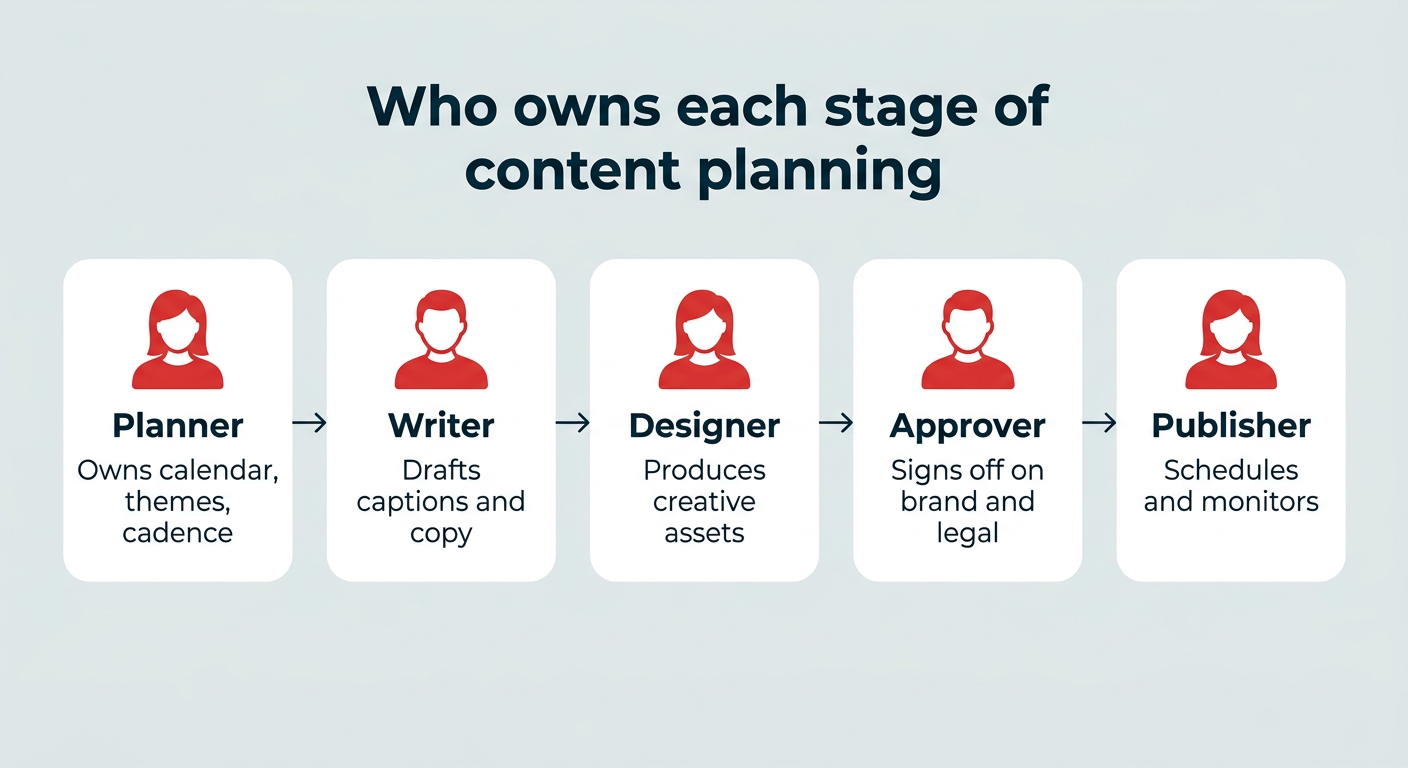
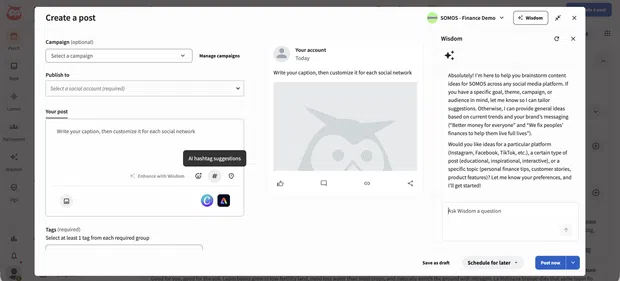
- Governance and Approval Workflows: As teams scale, the risk of compliance errors increases. Formalizing an approval process—involving writers, designers, and, where necessary, legal or compliance stakeholders—is vital. In regulated industries such as finance or healthcare, this step is non-negotiable to prevent reputational and legal risks.
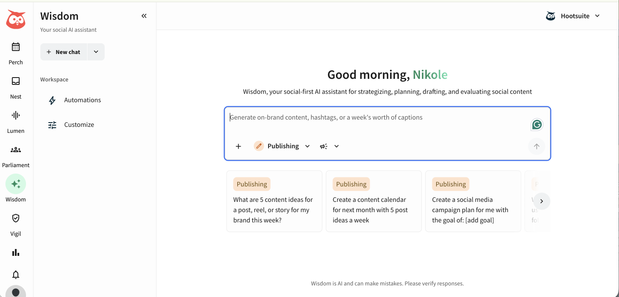
- Caption and Copywriting: Drafting copy before finalizing visual assets allows for a stronger narrative flow. Utilizing AI-assisted tools can expedite the writing process, providing a foundation for hashtags, hooks, and calls-to-action that human editors can then refine for tone and accuracy.
- Asset Production: With the narrative defined, design teams can produce visual assets that are specifically optimized for each platform’s unique requirements. Adhering to a production timeline prevents the common bottleneck where campaigns are delayed due to missing creative components.
- Advanced Scheduling: The final phase involves the strategic deployment of content. Utilizing "best time to post" data—which tracks when an audience is most likely to engage—ensures that content achieves maximum organic reach. Scheduling tools allow for cross-platform coordination, preventing campaign collisions and ensuring a consistent cadence.
The Role of AI in 2026 and Beyond
As of 2026, the integration of Artificial Intelligence into social media workflows has fundamentally altered the pace of production. However, the industry has learned that AI is best positioned as an accelerator rather than an autonomous creator. Recent data from Gartner indicates that while the vast majority of marketers have experimented with Generative AI, only a minority have realized significant, measurable benefits.
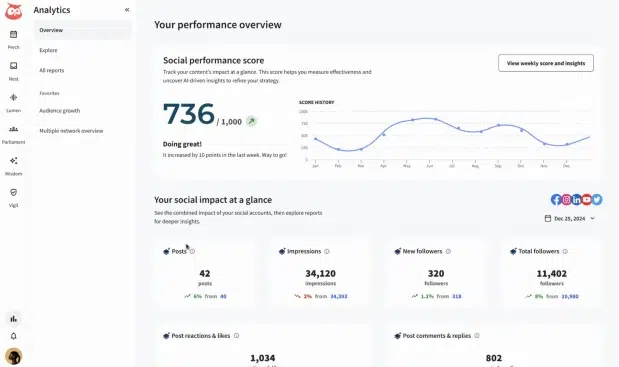
The most effective application of AI in the current landscape involves research synthesis, caption drafting, and predictive timing analysis. By automating the technical aspects of social media management, teams gain more time to focus on the strategic "why" behind their content. However, the human element remains paramount. Because roughly half of consumers report that AI-generated content often feels lower in quality, human oversight remains the primary filter for brand authenticity and regulatory compliance.
Measuring and Refining for Continuous Growth
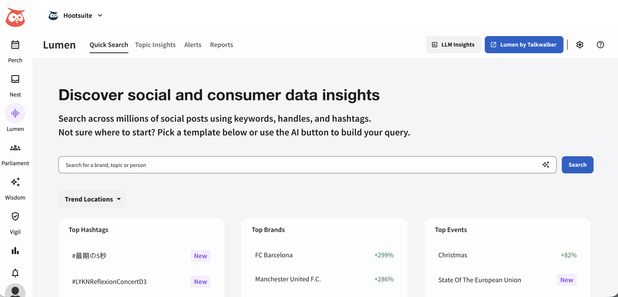
A content plan that is not subjected to periodic review is merely a static document. Continuous improvement requires a strict cadence of analysis: weekly check-ins to monitor trends, monthly reviews to assess thematic performance, and quarterly deep dives to re-evaluate the overarching strategy.
When specific formats—such as video carousels or long-form posts—consistently outperform others, the data-driven move is to pivot the calendar to prioritize those assets. Conversely, if a content theme fails to resonate, the data provides the objective evidence needed to phase it out. By integrating analytics directly into the planning tool, marketing departments can close the feedback loop, ensuring that each month’s strategy is more refined and effective than the last.
Implications for the Modern Enterprise
The shift toward a unified, OS-style approach to social media management—where planning, publishing, listening, and analytics are housed under one architecture—is becoming the industry standard. For enterprises, this prevents the "silo effect," where different departments or regional teams operate in isolation, potentially damaging the brand’s global voice.
By consolidating these functions, organizations achieve a 360-degree view of their digital footprint. This visibility is essential for navigating the complexities of modern social media, where a single campaign can traverse multiple platforms and reach global audiences instantaneously. The ability to pivot, scale, and maintain brand integrity in such an environment is what separates industry leaders from those struggling to maintain relevance. In the current digital landscape, the most successful brands are those that treat their social media content not as a series of disconnected posts, but as a carefully engineered ecosystem designed for long-term growth and audience connection.
Related posts: