Mastering the Instagram Ecosystem: 32 Essential Features for Modern Brand Growth and Audience Engagement


Instagram has evolved from a simple photo-sharing application into a sophisticated, multi-faceted marketing ecosystem. As of 2026, the platform continues to shift toward a video-first, AI-integrated model, placing unprecedented power in the hands of creators and business entities. For marketing teams, the challenge lies not just in maintaining a presence, but in strategically navigating the vast array of tools now available to drive conversion, foster community, and maximize organic reach. Understanding this complex feature set is now a fundamental requirement for any digital strategy.

The Evolution of the Instagram Feature Set
The transition from a static image gallery to a dynamic content engine has been marked by several key developmental phases. In its infancy, the platform focused on filter-based photography. By 2016, the introduction of Stories challenged the dominance of ephemeral content, followed by the 2020 launch of Reels, which signaled Instagram’s direct pivot to compete with short-form video platforms. By 2025 and into 2026, the integration of generative AI and professional-grade editing software has turned the application into a comprehensive, end-to-end production studio.
Data from the digital marketing landscape suggests that brands utilizing the full spectrum of these features—specifically those integrating interactive elements and consistent Reels usage—see an average engagement lift of 25% compared to those relying solely on static feed posts. The current feature landscape is broadly categorized into content creation, discovery (Reels), real-time engagement (Stories), business analytics, and community management.
Advanced Content Creation and the AI Shift
The most significant shift in recent months is the introduction of the standalone Instagram Edits app. This tool represents a strategic move by Meta to retain users within its ecosystem. By providing professional-grade features such as multi-track timelines, integrated teleprompters, and audio-beat synchronization, Instagram has effectively eliminated the necessity for third-party editing software for most mid-sized marketing teams.
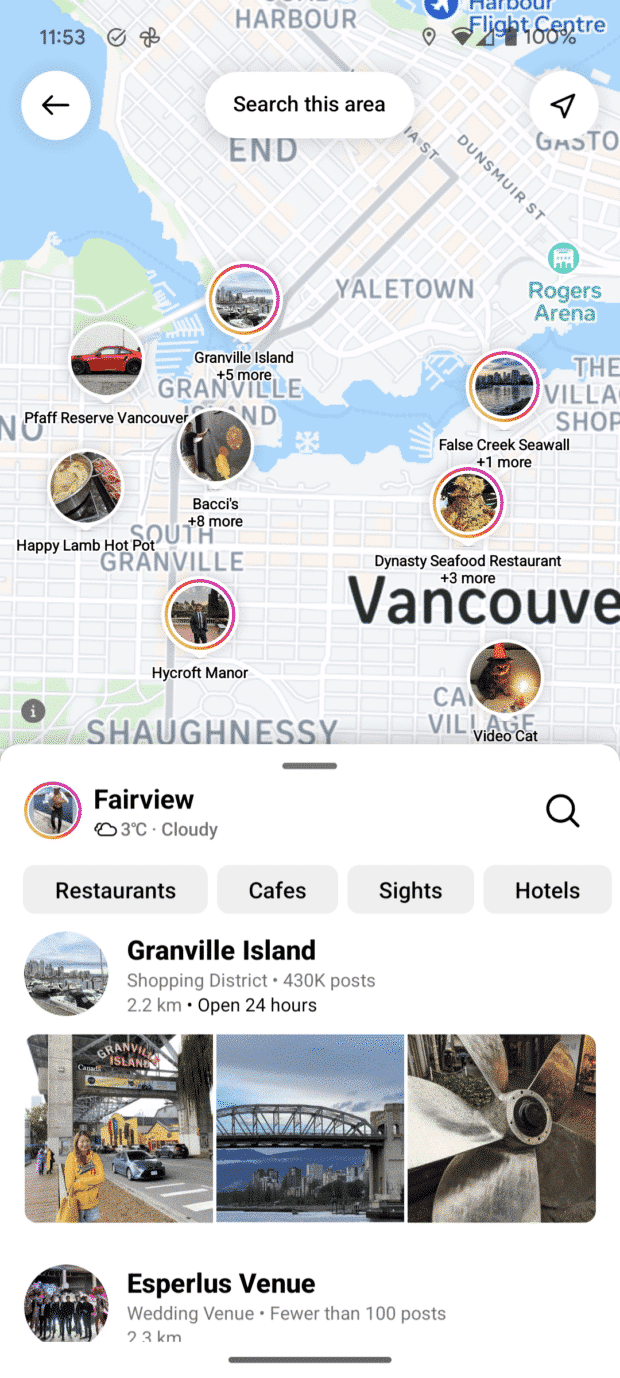
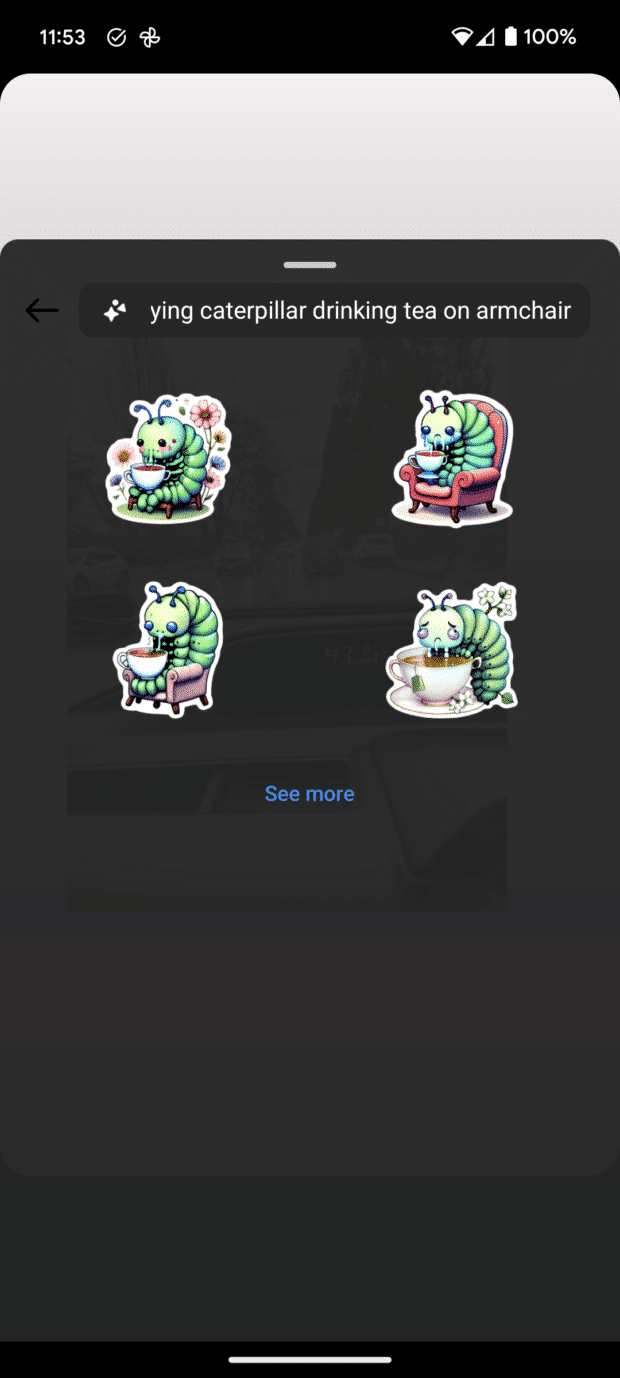
Furthermore, the integration of Meta AI into the core interface has fundamentally altered the creative workflow. AI-assisted writing tools now help teams draft and refine captions, while generative AI stickers and customizable Story backgrounds allow for rapid content iteration. However, industry analysts note that while these tools increase output speed, they necessitate a "human-in-the-loop" approach. Because AI models do not innately understand specific brand voice guidelines or regulatory compliance requirements, professional oversight remains essential to ensure brand safety.
The Strategic Importance of Reels and Discovery
Reels continue to serve as the primary engine for audience discovery. The algorithm prioritizes content that retains viewer attention, making "retention metrics" the most critical data point for content strategists. By analyzing the "drop-off" point in a video, marketers can determine if their hook—the crucial first three seconds—is failing to capture interest.
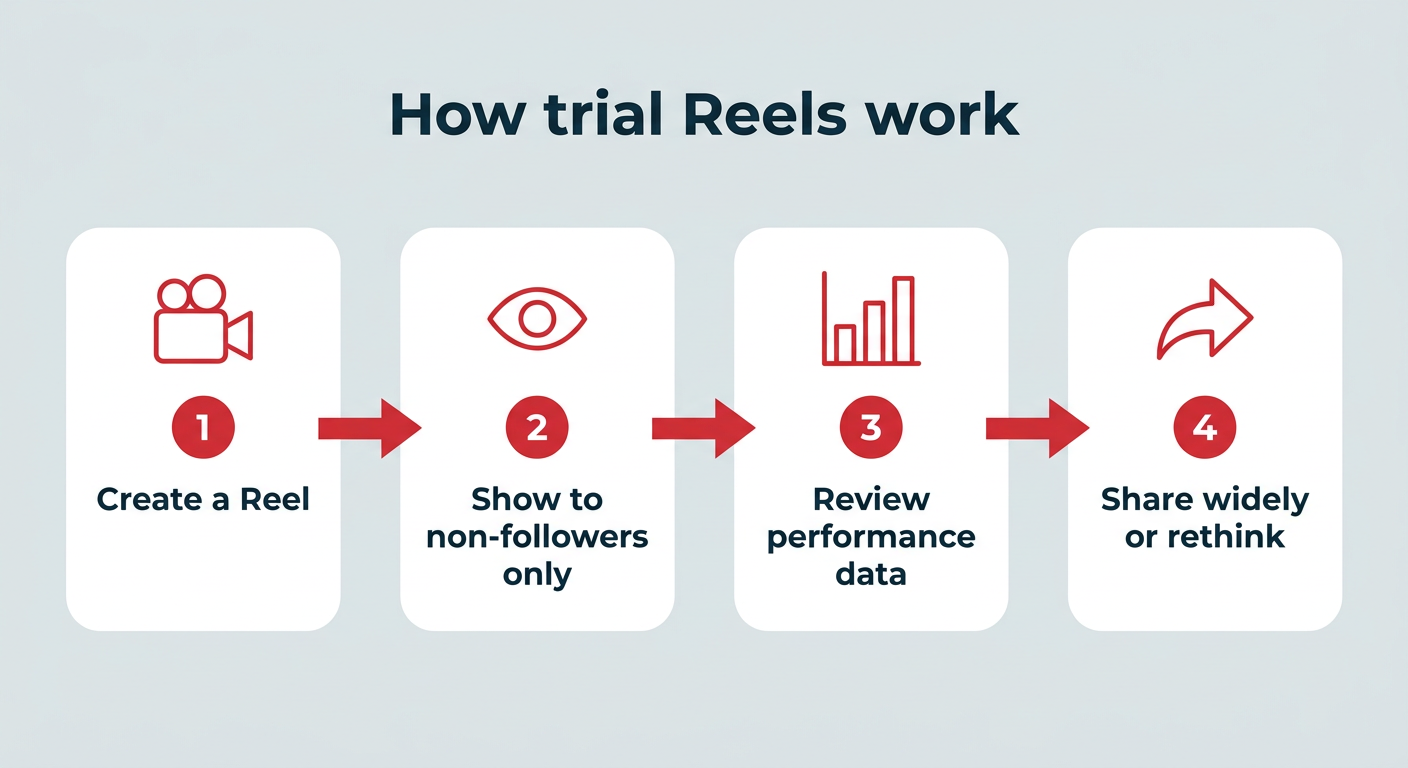
To optimize for this, features such as "Trial Reels" have become invaluable. This tool allows a brand to publish content to non-followers exclusively, effectively creating a "sandbox" environment to test new formats or controversial topics without impacting the metrics of the primary account. Once a post proves successful with a test audience, it can be pushed to the wider follower base. Additionally, the adoption of "Reels Templates" has streamlined the production process, allowing brands to replicate high-performing rhythmic edits without the overhead of manual cutting.
Profile Optimization: The New Digital Landing Page
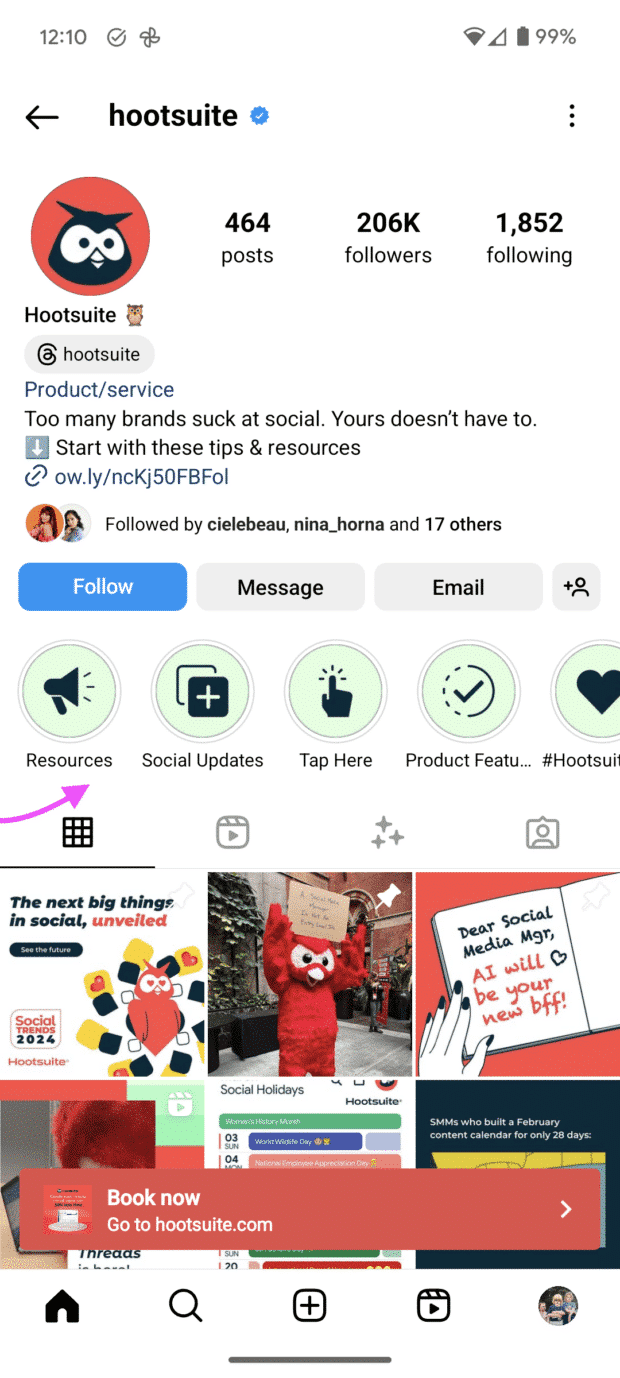
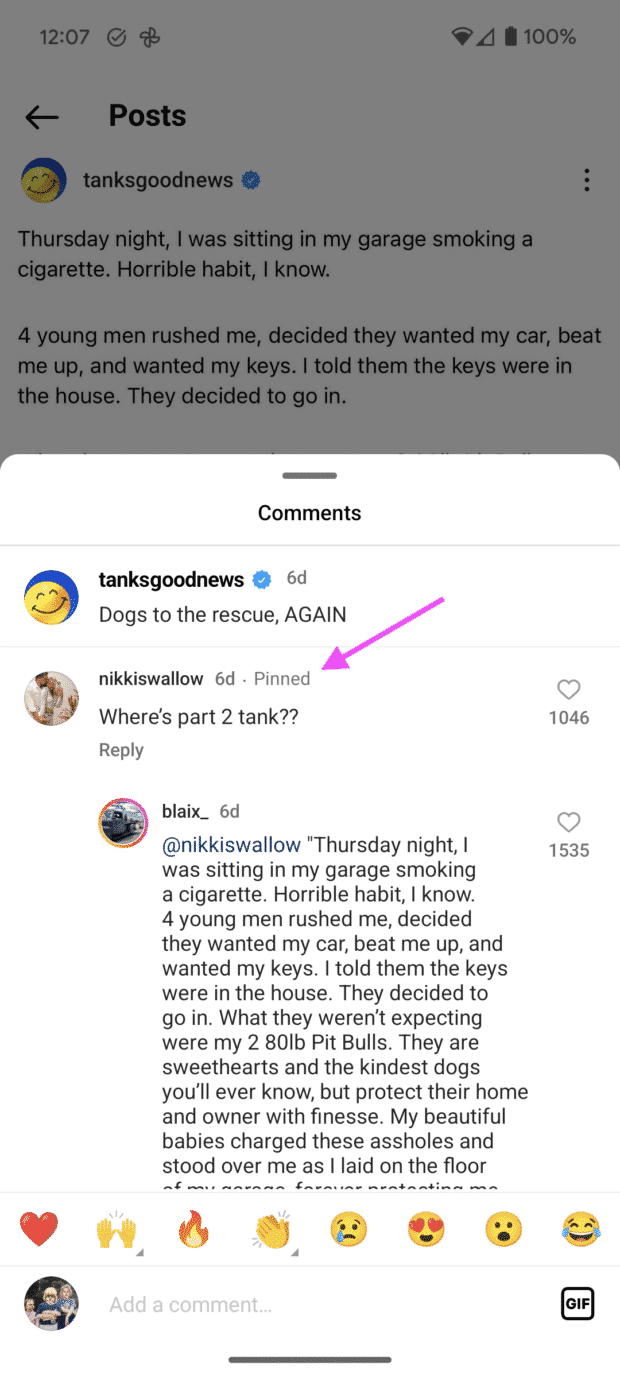
In 2026, the Instagram profile grid is no longer a simple chronological archive; it is a curated landing page. With the advent of customizable grid layouts and taller vertical display formats, brands can now dictate the visitor’s first impression. Strategic pinning—where top-performing posts or vital campaign information are locked to the top three rows—ensures that the most relevant brand messaging is always front-facing.

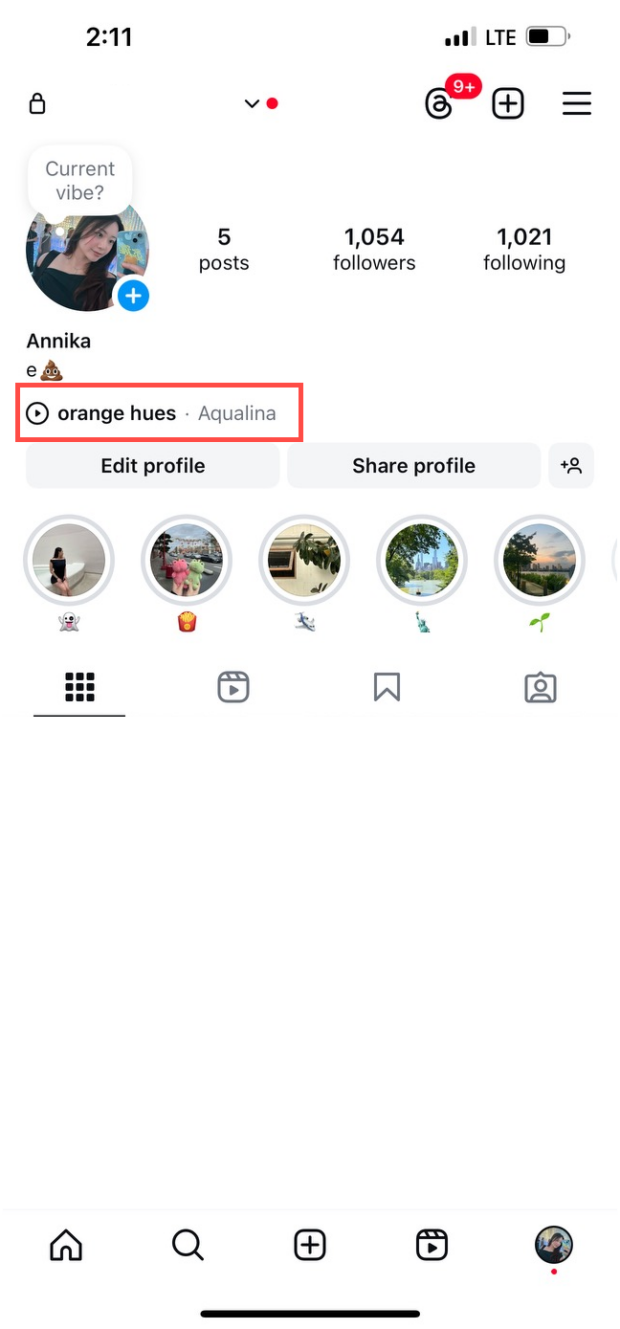
Complementing this is the expansion of profile-based features like the "Link in Bio" evolution. With the ability to host up to five distinct links, brands have a clearer path to conversion. Furthermore, the ability to pin a 30-second music track to the profile acts as an auditory branding tool, adding a layer of personality that was previously unavailable on static profile pages.
Business Tools and Data-Driven Decision Making
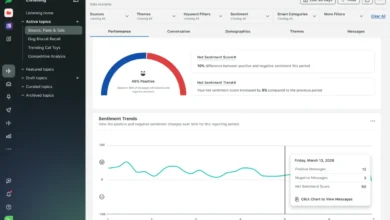
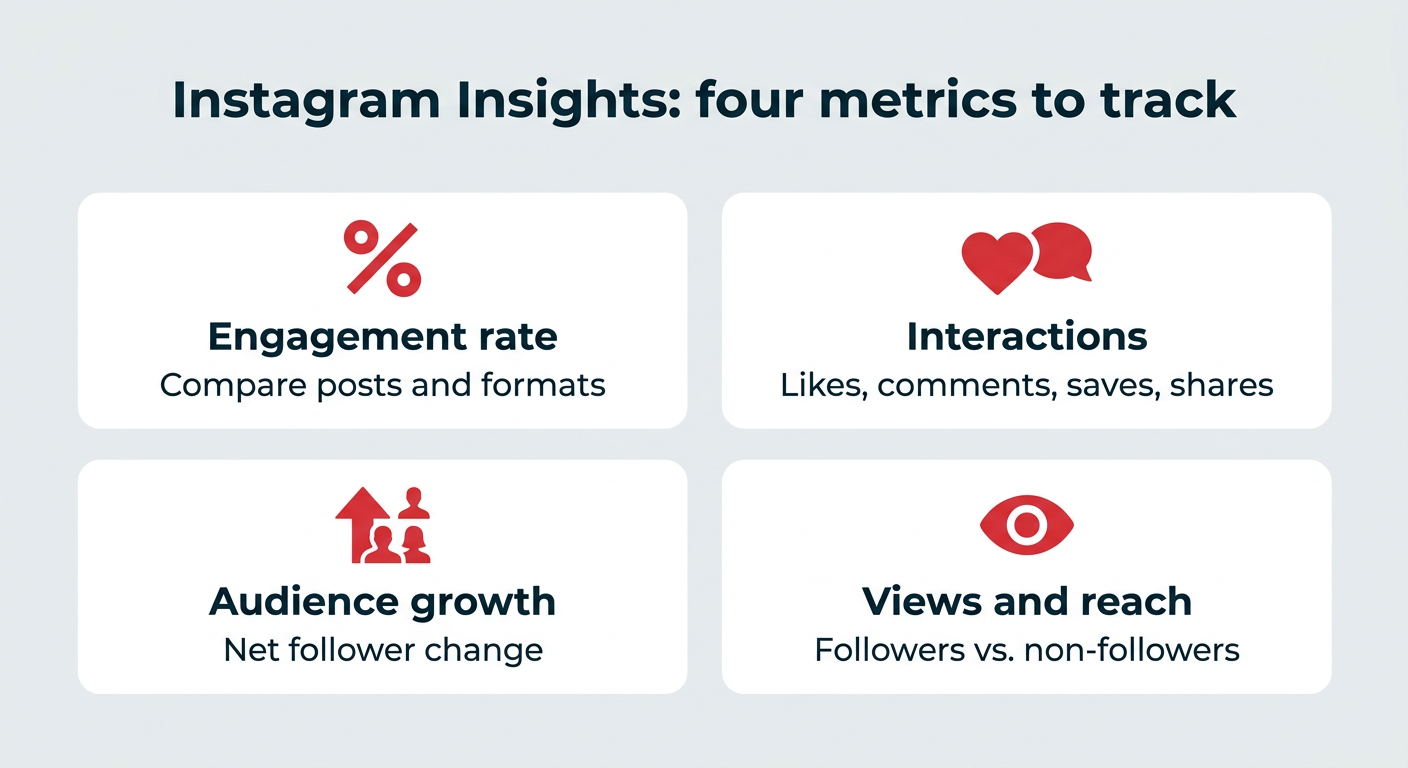
For commercial entities, the Professional Dashboard remains the command center. Beyond simple vanity metrics like follower count, the dashboard now provides granular insights into audience growth, interaction rates, and specific engagement patterns.
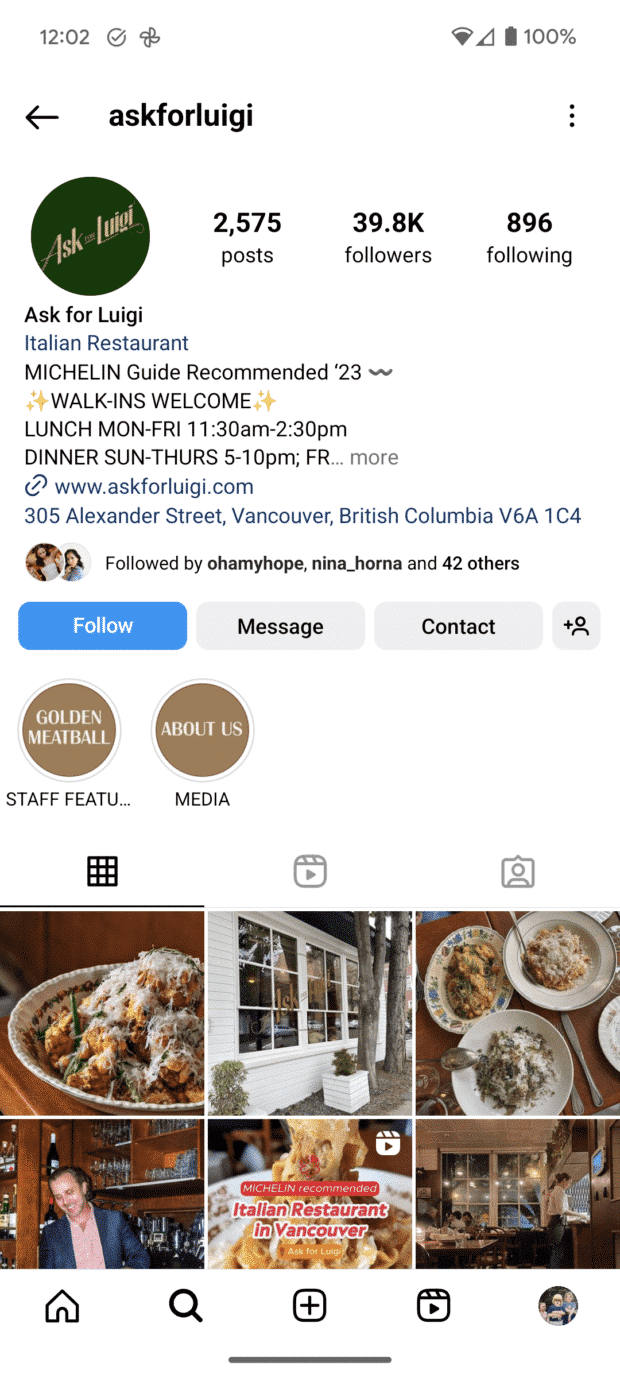
A critical component for businesses is the "Creator Marketplace." This internal database allows brands to identify, vet, and partner with influencers based on verified performance data rather than anecdotal evidence. When combined with "Collab" posts—which allow up to six accounts to share a single piece of content—brands can tap into the reach of partners while centralizing all likes, comments, and views into one shared post. This transparency not only boosts visibility but also simplifies the measurement of return on investment (ROI) for partnership campaigns.
The Rise of Direct Messaging as a Community Hub
The "Inbox" has evolved into a high-conversion environment. Features like Broadcast Channels allow brands to send direct, opt-in updates to their most dedicated followers. Because these followers have explicitly consented to receive information, the engagement rates in these channels are significantly higher than in public feed posts.
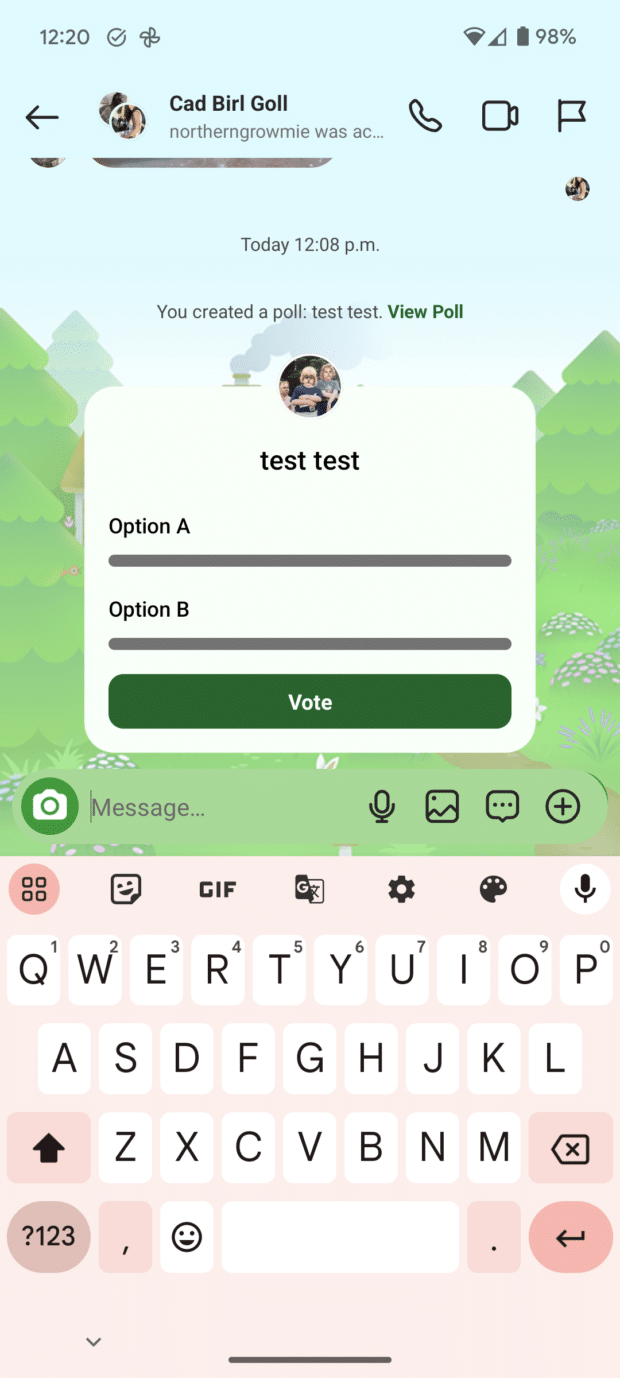
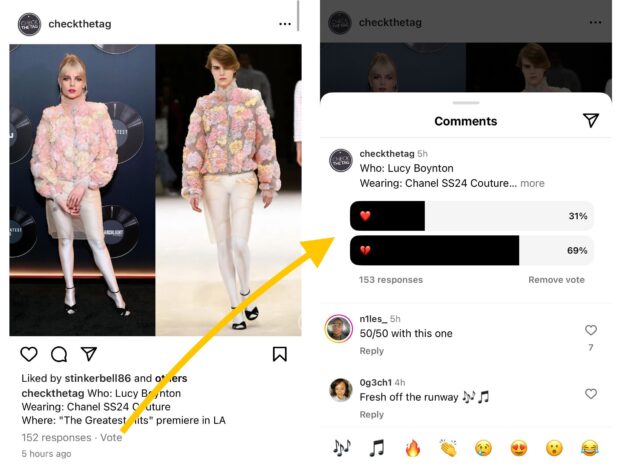
Moreover, the integration of polls, quizzes, and automated "Quick Replies" within direct messages enables a level of customer service previously reserved for dedicated support platforms. By automating responses to common inquiries, businesses can maintain 24/7 responsiveness, which is a major factor in the algorithm’s assessment of account "health" and credibility.
Navigating Privacy and Algorithmic Control
One of the more nuanced updates involves user control over the algorithm. Instagram now permits users to "reset" their content recommendations. For marketers, this serves as a sober reminder: organic reach is not a static position to be held, but a state of influence that must be earned repeatedly. If a brand’s content fails to align with current audience interests, the algorithm will effectively "forget" the brand, necessitating a return to foundational engagement strategies.
Broader Implications and Strategic Outlook
The convergence of these features indicates that Instagram is moving toward a model of "total immersion." The platform is no longer just a window into a brand’s life; it is a functional tool for research, discovery, purchase, and customer support.
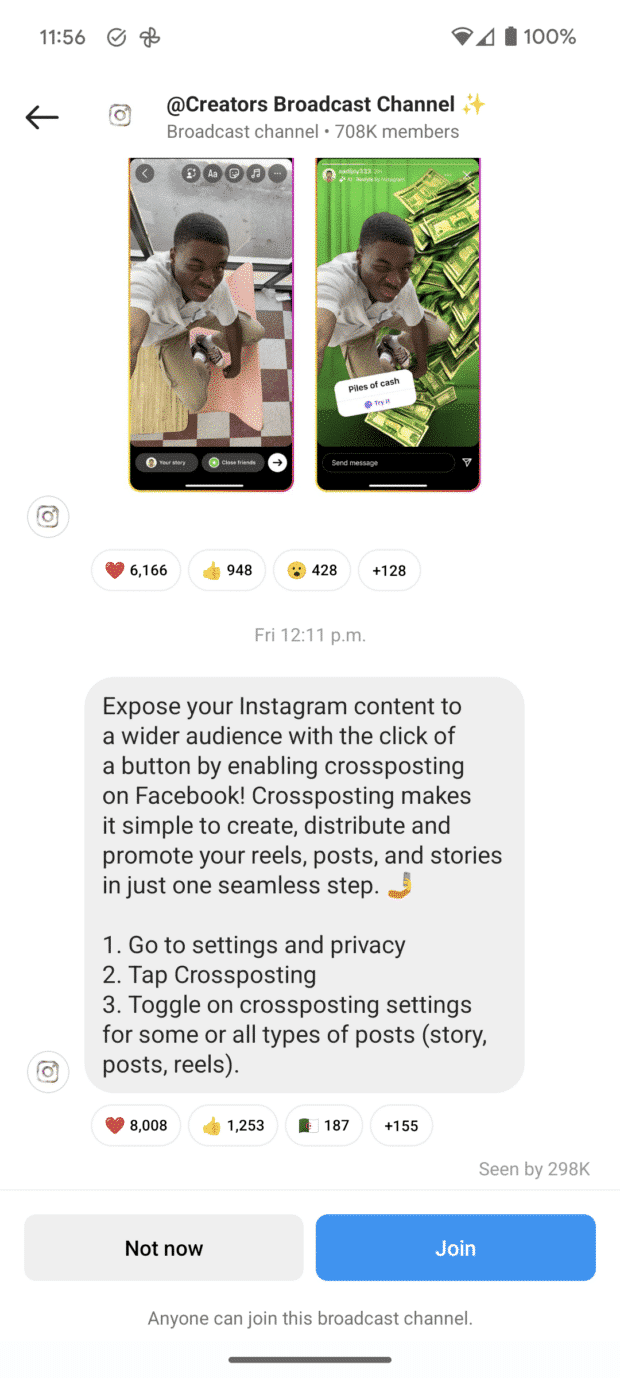
For the average marketing team, the sheer volume of features can be overwhelming. The most effective strategy moving forward is not to adopt every tool simultaneously, but to identify the specific features that align with the brand’s core objectives. For instance, a luxury retail brand might prioritize "Shop the Look" and high-quality Reels, while a community-focused non-profit might find greater value in "Broadcast Channels" and "Interactive Story Stickers."
As we look further into the 2026 calendar, the dominance of AI-generated content will likely create a premium on authentic, human-led storytelling. The brands that succeed will be those that use AI to streamline the technical labor of social media management—such as scheduling, caption drafting, and video editing—while reserving human creativity for the strategy, community interaction, and genuine storytelling that software cannot replicate.
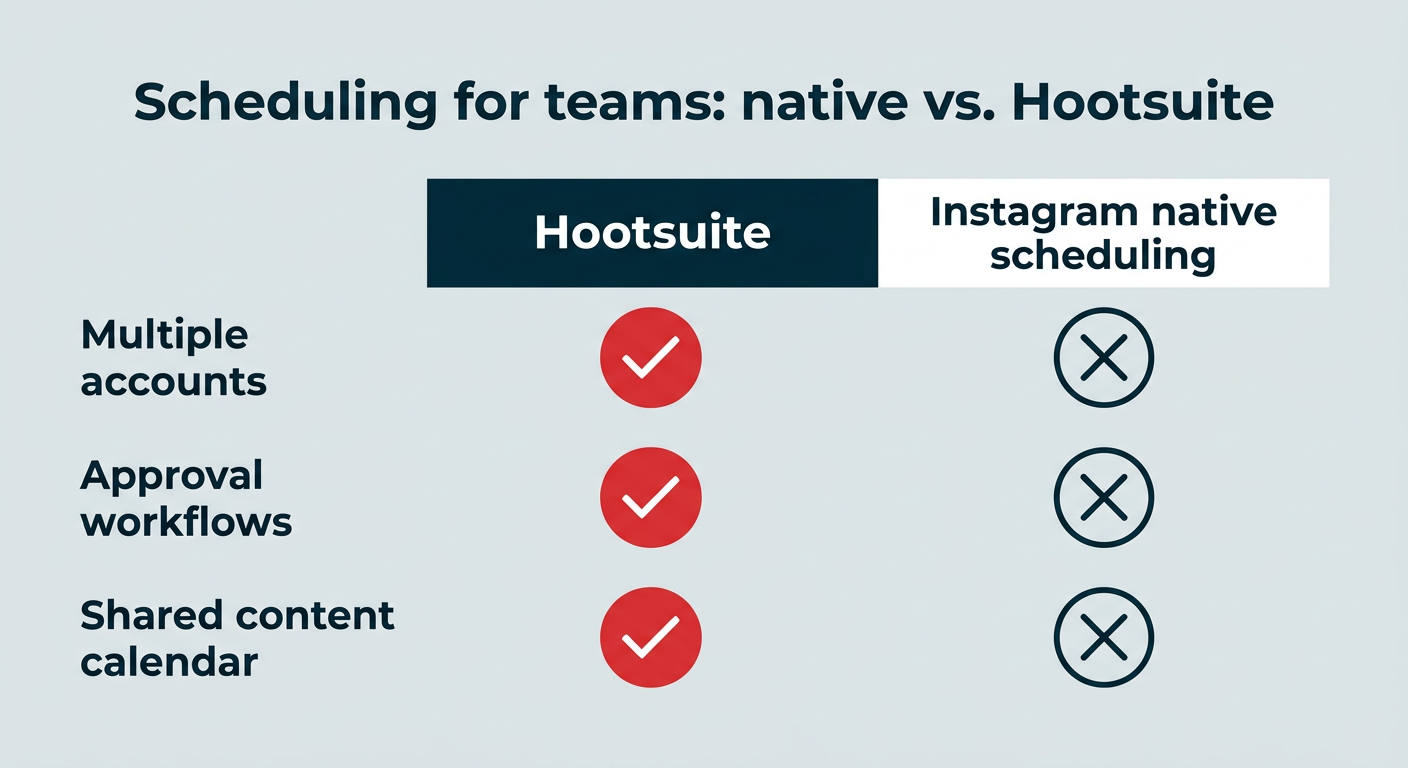
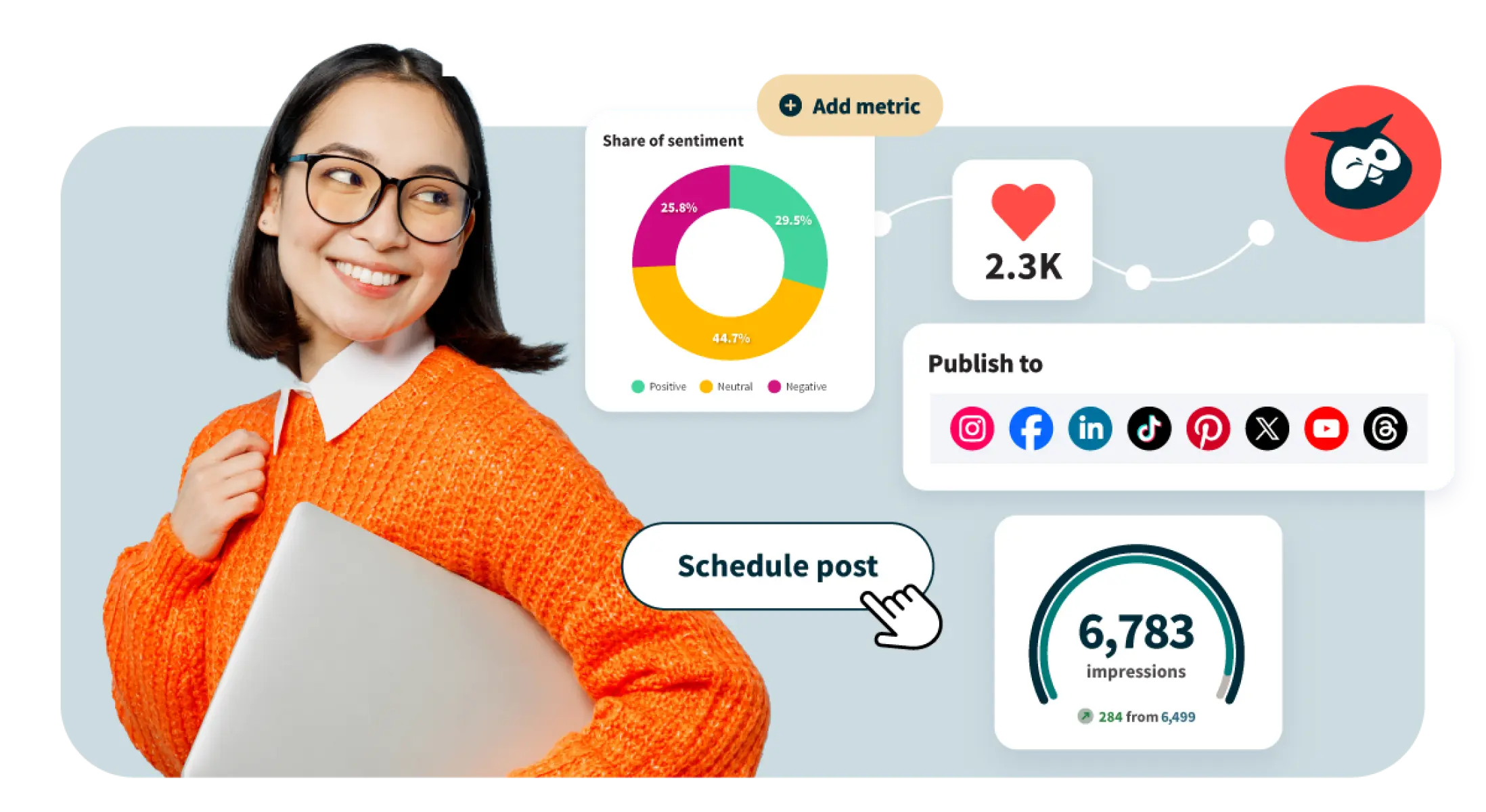
In summary, Instagram’s current architecture offers a vast toolkit for those willing to learn it. Success in this environment requires a balance of analytical rigor—tracking retention, conversion, and engagement data—and a creative agility that keeps pace with the platform’s rapid evolution. Whether utilizing native scheduling for consistency or experimenting with new ad formats, the focus remains on building a cohesive digital presence that translates followers into long-term customers.
Related posts: