The Strategic Imperative of Employee Advocacy: Leveraging Workforce Influence for Competitive Advantage in 2026

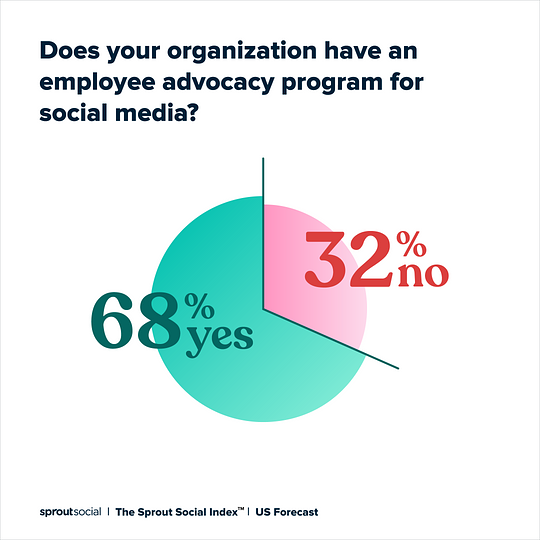
Securing C-suite buy-in for marketing initiatives is no longer a matter of demonstrating creative passion; it is an exercise in data-driven persuasion. In the current digital landscape, where organic reach for corporate social media accounts faces historic headwinds, decision-makers are shifting their focus toward measurable, high-impact strategies. Employee advocacy—the practice of empowering staff to share company-branded content through their personal social media channels—has emerged as a primary growth driver for modern enterprises. As of 2026, 68% of marketing organizations have formalized their advocacy programs, transitioning them from informal side projects to critical components of their digital infrastructure.

The evolution of these programs marks a significant departure from traditional top-down corporate communications. Historically, brands relied heavily on curated corporate profiles to disseminate information. However, contemporary consumer behavior reveals a profound shift in trust. Data indicates that 46% of consumers now prefer to hear from frontline staff compared to a mere 10% who look to C-suite executives for brand updates. This discrepancy highlights a critical vulnerability in legacy marketing strategies: the perception of corporate accounts as overly polished or promotional. By contrast, employees offer an inherent sense of authenticity that resonates with audiences, bridging the gap between cold corporate messaging and human-centric engagement.
The Chronology of the Advocacy Shift
The transition toward formalized employee advocacy did not occur overnight. The movement began in the early 2010s as an organic response to the rise of LinkedIn and Twitter as professional networking hubs. Initially, companies viewed employee posts as a potential brand risk, leading to restrictive social media policies. By 2018, the narrative began to shift as organizations recognized the untapped potential of their staff’s professional networks.
Between 2020 and 2024, the necessity for decentralized communication became undeniable. As algorithm changes on platforms like Meta, X, and LinkedIn drastically reduced the organic visibility of company pages, marketing departments faced a "reach deficit." Organizations that had already begun experimenting with ambassador programs saw a stark performance advantage. By 2025, industry leaders moved to integrate these programs into broader CRM and HR tech stacks. Today, in 2026, the focus has shifted from "getting employees to post" to "creating a seamless supply chain of content" that enables staff to contribute to corporate goals with minimal friction.
Quantifying the Impact: Data-Driven Performance
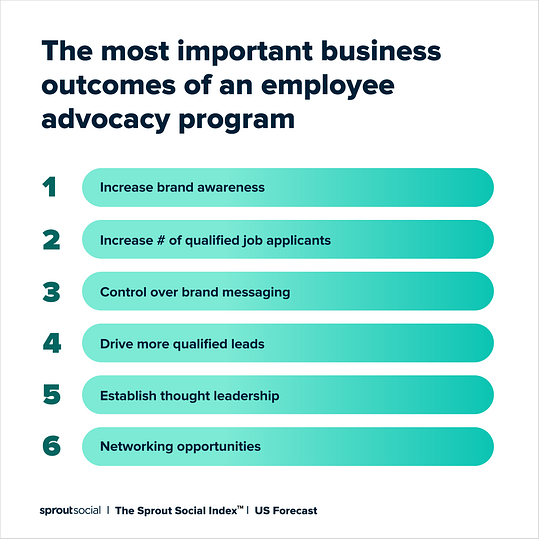
For the modern executive, the case for employee advocacy rests on four pillars: reach, trust, revenue, and talent acquisition.
The reach amplification provided by employees is statistically significant. Recent industry research confirms that 40% of consumers discover new products through employee-generated content on a monthly basis. This top-of-funnel discovery often occurs outside the reach of paid media campaigns. Furthermore, the efficiency of this model is striking; when provided with curated tools, 85% of onboarded employees actively participate in content sharing. This high participation rate suggests that the barrier to advocacy is rarely a lack of willingness, but rather a lack of process.
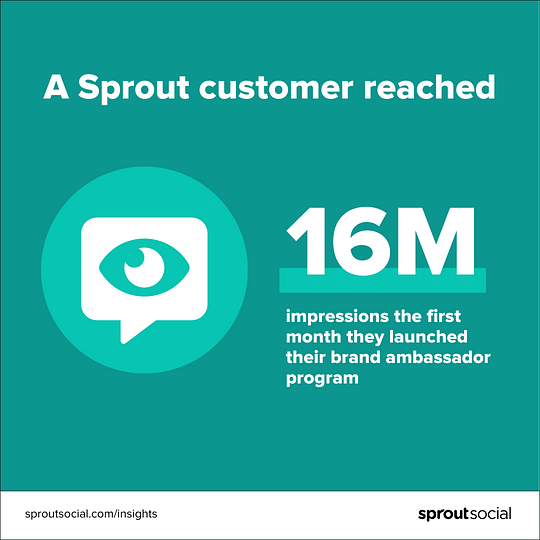
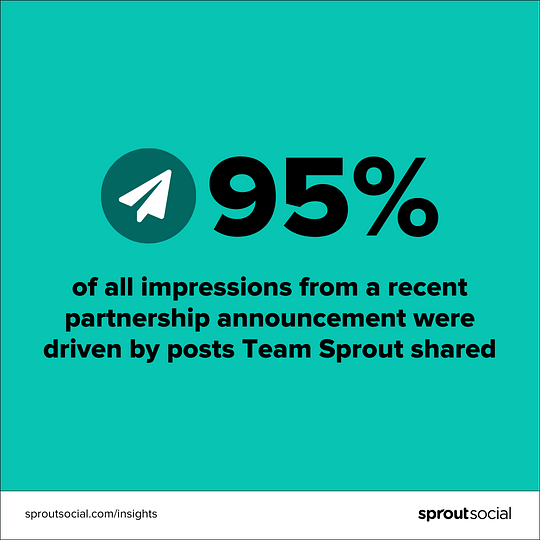
The financial implications are equally compelling. Consider the case of IT software firm Ivanti, which leveraged an advocacy platform to achieve a 16-million-impression increase in its reach within the first month of implementation. Similarly, Sprout Social observed that during a major global partnership announcement with Salesforce, 95% of the 740,000 total impressions originated from employee shares rather than the corporate handle. These figures suggest that organic social performance is no longer a function of follower counts on a brand page, but rather the cumulative reach of the workforce.
Revenue generation is the final frontier for advocacy programs. According to LinkedIn’s Social Selling Index, sales representatives who consistently share company-related content are 51% more likely to reach their sales quotas. This correlation exists because advocacy facilitates social selling—a process where employees provide value to their networks, establishing thought leadership that lowers the barrier to initial sales conversations. In one documented instance, a single customer generated $100,000 in earned media value in one month through an advocacy-led strategy.
Official Perspectives and Structural Implementation
The consensus among industry analysts is that formalizing advocacy is a prerequisite for scaling brand reach in a fragmented media environment. "The role of the employee has shifted from passive observer to active brand ambassador," notes one marketing strategist. "Organizations that ignore this transformation are effectively leaving their most powerful, and most trusted, marketing assets on the table."
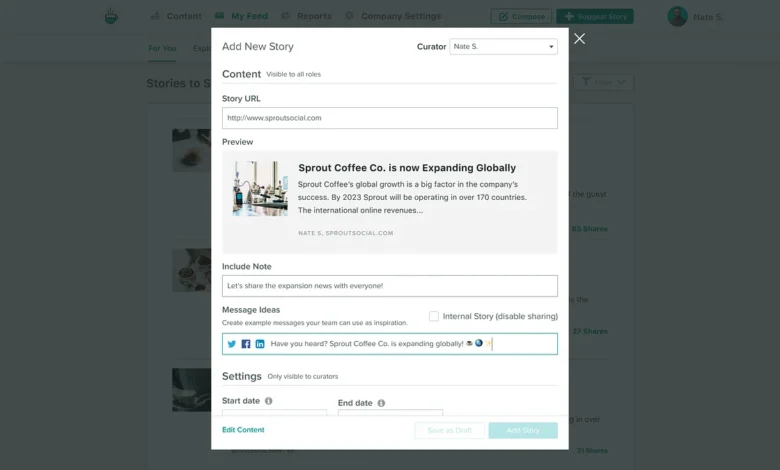
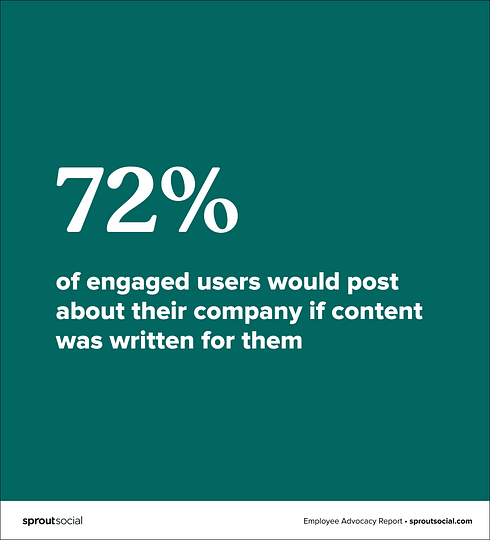
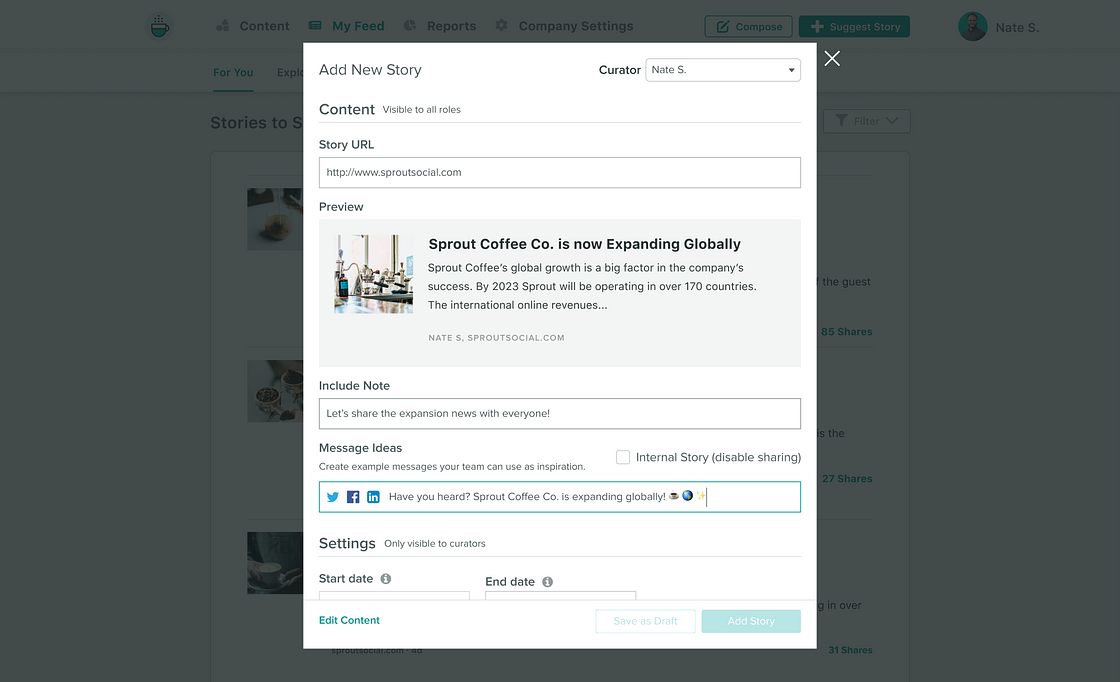
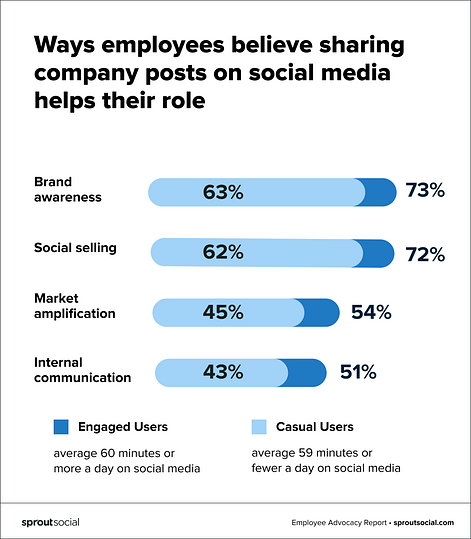
To successfully implement these programs, corporations are increasingly adopting dedicated software solutions. These platforms provide a centralized hub where employees can access pre-approved messaging, ensuring that the content remains on-brand while allowing individuals to add their own voice. This approach solves the "content supply" problem—72% of engaged employees have stated they would post more frequently if their marketing teams simply provided them with high-quality, ready-to-share content.
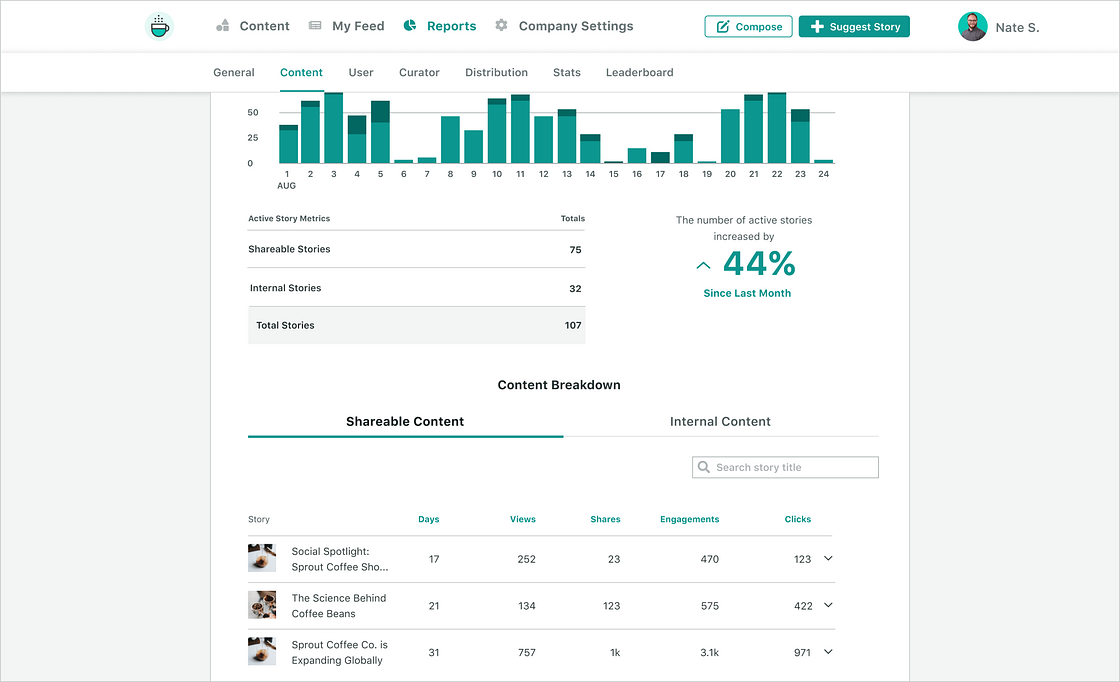
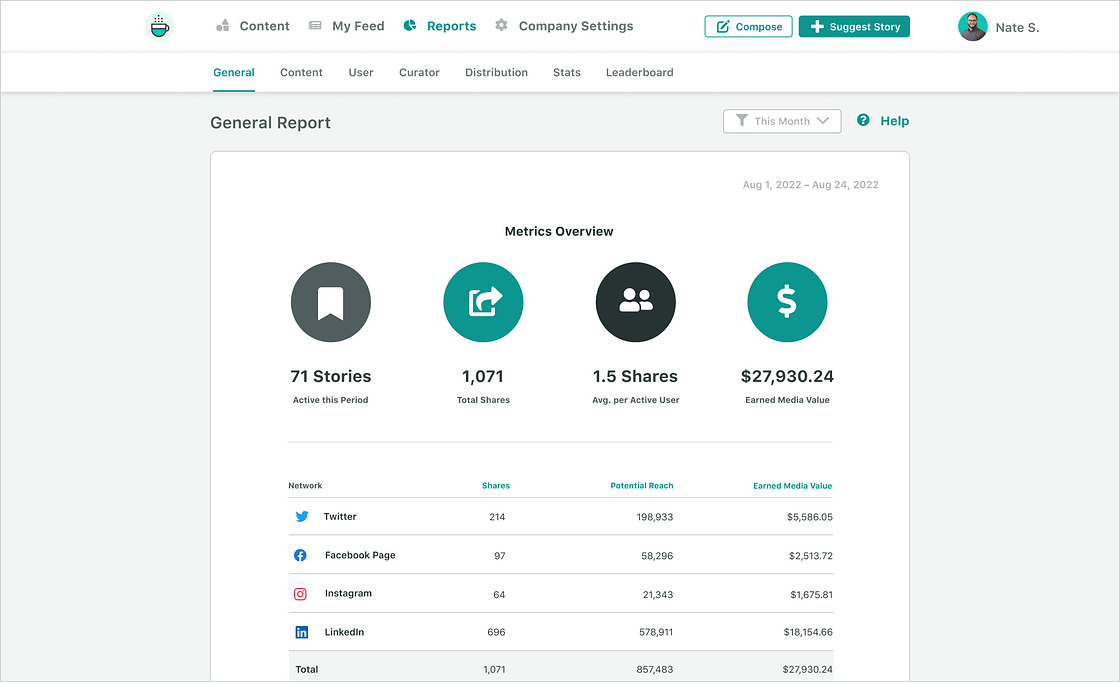
For internal leadership, the implementation of these tools offers more than just vanity metrics. Sophisticated advocacy platforms provide real-time reporting on shares, engagements, and click-through rates. By connecting these metrics to a CRM, leadership can track the direct impact of advocacy on the sales pipeline, transforming social media from a qualitative "brand awareness" exercise into a quantitative revenue generator.
Implications for Talent Acquisition and Retention
Beyond marketing and sales, employee advocacy serves as a potent tool for Human Resources. In the competitive landscape of 2026, potential candidates conduct exhaustive research into a company’s culture before applying. When current employees share authentic, positive content about their work environment, it creates a "social proof" loop that attracts high-quality talent.
This internal advocacy also reinforces employee retention. Engaging staff as stewards of the brand fosters a sense of ownership and belonging. When employees are invited to share company successes, they feel more connected to the organization’s mission. This alignment is reflected in internal surveys, where high-advocacy organizations report lower turnover rates and higher employee satisfaction scores. A case study involving a healthcare provider demonstrated that launching a structured advocacy program led to a 200% increase in social engagement within six months, with 98% of employees reporting high satisfaction with the platform’s ease of use.
The Future of Corporate Communication
The transition to an advocacy-first culture represents a permanent change in how businesses operate. As paid reach becomes increasingly expensive and less effective, the reliance on human networks will only deepen. The ability to activate an entire workforce as a collective brand voice provides a degree of scale that no amount of ad spend can replicate.
For those in the C-suite, the takeaway is clear: employee advocacy is not a marketing experiment. It is a fundamental shift in business strategy that leverages the most valuable asset a company possesses—its people. To remain competitive, organizations must move beyond informal social media policies and toward a structured, integrated advocacy strategy. By treating employee networks as a core amplification channel, businesses can ensure their message cuts through the digital noise, reaches the right candidates, and drives sustained revenue growth in an increasingly crowded global market. The question for leadership in 2026 is not whether to adopt an advocacy program, but how quickly they can integrate it to outpace the competition.