The rapid evolution of digital marketing in 2026 has transitioned social media management from a manual, time-intensive labor to a sophisticated, data-driven operation powered by automation. As consumer expectations for 24/7 responsiveness and high-frequency content delivery continue to rise, businesses are increasingly adopting automated workflows to maintain a competitive edge. This shift is not merely about convenience; it is a fundamental transformation in how brands interact with digital audiences at scale.

Defining the Scope of Modern Automation
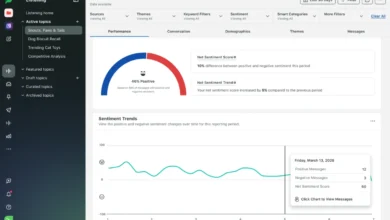
Social media automation encompasses the use of software and algorithmic systems to execute routine tasks across digital platforms. While legacy systems were largely confined to basic post-scheduling, contemporary automation covers a holistic spectrum of operations. This includes AI-driven content generation, real-time performance analytics, automated sentiment analysis, and the deployment of agentic AI for one-to-one customer interactions.
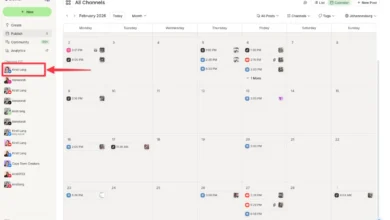
For the modern enterprise, the distinction between scheduling and automation is critical. Scheduling is a tactical, time-based function, whereas automation is a systemic, operational shift. A scheduling tool ensures content goes live; an automation platform manages the lifecycle of that content, from drafting and internal approval routing to automated performance reporting and proactive social listening.
Historical Context and Technological Evolution
The trajectory of social media management began with manual posting in the early 2010s, followed by the emergence of "batch scheduling" tools in the mid-2010s. By 2020, the integration of basic machine learning allowed for post-optimization based on engagement timing. Today, we are in the era of "Agentic AI"—systems capable of independent reasoning to complete multi-step tasks.
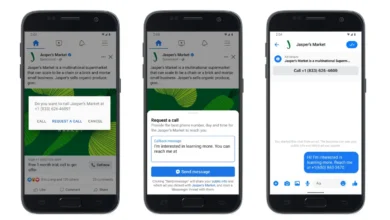
Industry data from Gartner suggests that by 2028, 60% of major brands will rely on agentic AI for direct, one-to-one consumer interactions. This shift represents a move away from static, keyword-based chatbots toward dynamic systems capable of interpreting nuanced human sentiment, checking order statuses, and resolving complex inquiries without manual intervention.

Strategic Benefits and Operational Efficiency
The primary driver for the adoption of these technologies is the reclamation of human capital. Marketing teams that automate repetitive tasks—such as pulling analytics reports, monitoring brand mentions, and drafting captions—report a significant increase in time allocated to high-level strategic planning and creative development.
- Operational Consistency: Automation eliminates the "human error" of missed posting windows or inconsistent brand voice. By using centralized content repositories and approval workflows, brands ensure that all outgoing communications adhere to corporate governance and compliance standards.
- Enhanced Performance Analytics: Modern dashboards aggregate data across platforms like Instagram, TikTok, LinkedIn, and X, providing a unified view of ROI. This allows teams to pivot their strategy based on real-time data rather than anecdotal evidence.
- Regulatory Compliance: For industries such as finance and healthcare, automation tools offer essential audit trails. By tracking exactly who approved a post and when, organizations mitigate the risk of regulatory non-compliance in a volatile digital landscape.
Framework for Implementation
Implementing a robust automation strategy requires a phased approach to ensure that technology serves the brand rather than replacing its unique identity.

Step 1: Audit and Identification
Begin by documenting the tasks that occupy the most time. High-volume, low-complexity tasks—such as scheduling evergreen content, weekly reporting, and responding to FAQ-style comments—are the optimal candidates for immediate automation.
Step 2: Selection of Infrastructure
Choosing the right tool is a significant capital decision. For solo creators, platforms like Later or Buffer offer visual planning and basic scheduling. For mid-to-large enterprises, systems like Hootsuite, Sprout Social, or Agorapulse provide the necessary governance, social listening, and deep-dive analytics required for complex, multi-regional operations.

Step 3: Gradual Integration
Avoid the temptation to automate the entire social presence simultaneously. Start with publishing workflows. Once the team is comfortable with the platform’s interface, layer in advanced features like DM automation or automated social listening alerts.
Comparative Analysis of Market Leaders
The social media management market is currently characterized by varying specializations:
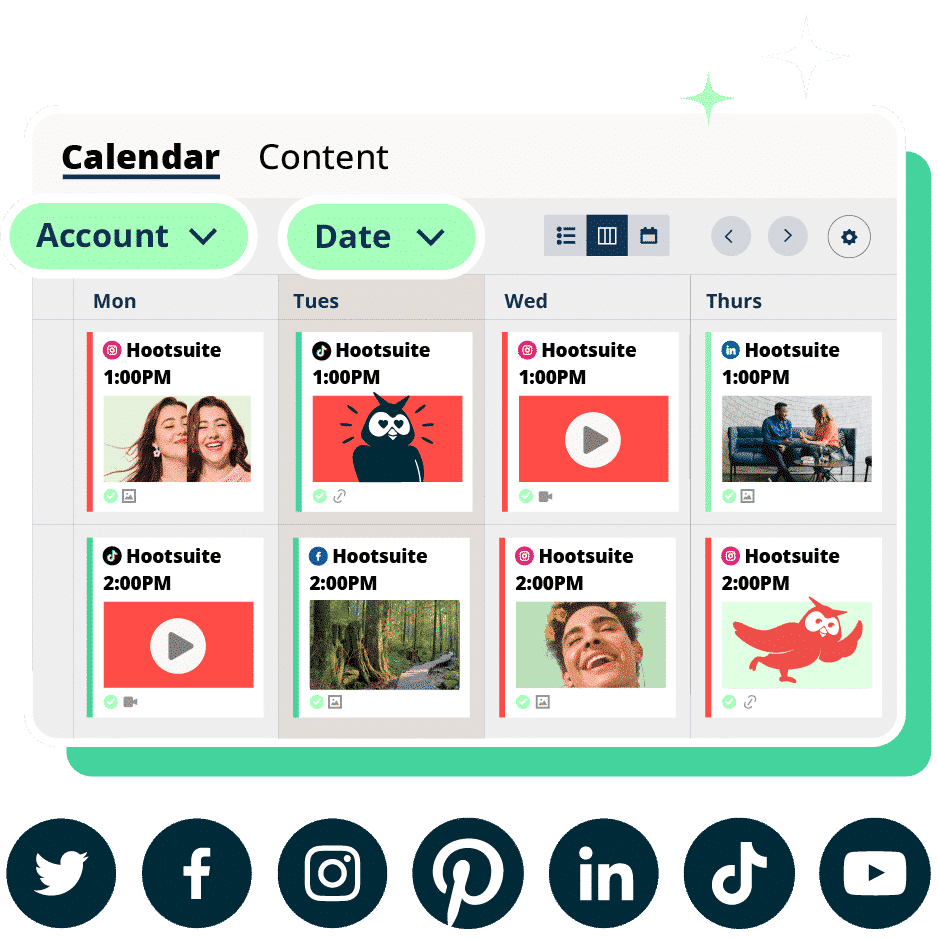
- Hootsuite: Positioned as a "Social OS," it is built for scalability. Its strength lies in its ecosystem, which integrates AI-powered content creation, deep social listening, and enterprise-grade compliance. It is widely considered the standard for organizations that need to bridge the gap between creative execution and executive reporting.
- Sprout Social: Highly regarded for its analytics capabilities. Its reporting tools are often favored by agencies that need to provide granular, defensible data to executive stakeholders.
- Buffer: Maintains a lean, user-friendly interface that prioritizes simplicity. It remains a top choice for small teams that require a "set it and forget it" approach to scheduling.
- Agorapulse: Distinguishes itself through its unified social inbox. For brands whose primary goal is community management and rapid customer service, this tool’s ability to consolidate disparate messages is a key value proposition.
Risks and the Necessity of the Human Touch
While automation offers immense efficiency, there are inherent risks, most notably the loss of "brand humanity." The most common failure point is the over-reliance on AI to generate engagement. Consumers are increasingly adept at identifying robotic, automated responses.
To mitigate these risks, organizations must maintain:

- Human Oversight for Crisis Management: Under no circumstances should crisis communication or sensitive customer complaints be handled entirely by automated systems.
- Tone of Voice Governance: AI tools should be viewed as drafting assistants. All AI-generated content must undergo human review to ensure it aligns with the brand’s unique voice and current context.
- Authenticity Checks: Automated engagement tactics—such as bulk following or automated comments—can result in account flagging by platform algorithms and damage brand reputation.
The Future of Social Media Operations
The integration of agentic AI marks a departure from static automation. As we look toward 2027 and beyond, the expectation is that these systems will become "smarter" regarding internal organizational context. Future platforms will likely integrate directly with Customer Relationship Management (CRM) software and Enterprise Resource Planning (ERP) systems to provide a truly seamless bridge between social engagement and business outcomes.
For businesses looking to remain relevant, the question is no longer whether to automate, but how to do so in a way that amplifies human creativity rather than suppressing it. By automating the "busy work" of digital marketing, teams can refocus on the fundamental goal of all social media: building meaningful, lasting relationships with their audience.

In conclusion, the successful deployment of social media automation is a balance of technical capability and strategic restraint. By prioritizing efficiency in the back-end while preserving authenticity in the front-end, brands can achieve a sustainable, scalable, and highly effective digital presence in an increasingly automated world.
Related posts: