The phenomenon of "running to the comments" after consuming digital content has firmly embedded itself in the modern social experience, a trend that shows no signs of abating. Data from Sprout Social’s Q1 2026 Pulse Survey underscores this shift, revealing that 30% of consumers overall, and a striking 43% of Gen Z, have significantly increased their consumption of text-based social media. This surge is driven by a fundamental human desire for authentic discussion and deeper engagement, transforming comment sections into vital forums for public discourse and brand interaction.
This immediate feedback loop, while powerful, presents a complex challenge for brands. The public’s expectation for brands to be "on" 24/7, delivering rapid-fire responses to diverse needs and queries, must be meticulously balanced with stringent brand safety protocols and consistent message alignment. Managing this constant stream of social media comments demands a sophisticated, dual approach: agile, high-impact tactical workflows for social and customer care teams, buttressed by strategic guardrails established by communications leaders, enabling effective navigation through routine interactions and emergent crises alike.
The Indispensable Role of Social Media Comments in Brand Strategy
The strategic importance of social media comments extends far beyond mere engagement metrics; it directly impacts customer loyalty and purchasing decisions. According to The 2025 Sprout Social Index, a staggering 73% of social media users assert that they would opt to buy from a competitor if a brand fails to respond to their queries on social platforms. This statistic highlights the critical link between prompt, empathetic responses and the cultivation of enduring customer loyalty, ultimately elevating overall brand satisfaction.
Further reinforcing the community-building aspect, Sprout Social’s Q1 2026 Pulse Survey found that 27% of consumers explicitly seek community-focused content from brands. Comment sections often serve as the genesis of online communities, providing brands with invaluable stepping stones to connect meaningfully with their target audience. By strategically utilizing these interactions, brands can transcend transactional relationships, positioning themselves as thought leaders and trusted experts within their respective niches. A proactive approach to feedback, whether positive or negative, contributes significantly to overall brand health and public perception.
The influence of social media comments also permeates the pre-purchase phase. Sprout Social’s Q2 2026 Pulse Survey revealed that 30% of consumers actively favor social networks over traditional search engines when seeking product reviews and recommendations. The unfiltered thoughts and experiences of customers, frequently found within a brand’s comment section, therefore become a powerful form of social proof. This necessitates a diligent and caring approach to addressing all social media comments, ensuring responses not only resolve issues but also nurture and reassure potential customers.

Managing the Daily Deluge: Crafting Effective Comment Responses
Regardless of the sentiment expressed, establishing clear brand procedures for interacting with your audience in the comment section is paramount. Without a dedicated and consistent approach, brands risk alienating their followers or projecting disjointed messages that contradict core values. The sheer volume and velocity of social media interactions demand preparedness and a nuanced understanding of digital communication.
Guidelines for Responding to Social Media Comments:
When formulating responses, brands must adhere to guidelines and workflows that skillfully balance the need for speed and real-time interaction with uncompromising accuracy and empathy. The "speed of social" dictates a fast-paced environment where the landscape can shift rapidly, making preparation a critical component of success.
Brands should also inject their unique personality and flair into responses. For instance, Studio MDHR effectively demonstrated this by using one of their own GIFs to answer a customer’s question, simultaneously providing a helpful response and subtly promoting their recent video content. This blend of utility and brand personality fosters a more engaging and memorable interaction.
Responding to Positive Comments:
Engaging with positive comments is a fundamental aspect of building and maintaining a robust brand image. When a customer expresses gratitude or appreciation, reciprocating that sentiment is not merely good practice but a vital component of fostering trust and community. Responses should be sincere, personalized, and genuinely thankful for the customer’s time and feedback. These gestures communicate appreciation and reinforce a sense of value.
Beyond building goodwill, monitoring positive comments provides valuable intelligence for internal stakeholders. Such feedback can offer insights into successful product features, effective marketing campaigns, or exceptional customer service experiences, informing future business decisions and forecasting new initiatives.
Key Principles for Positive Comment Responses:
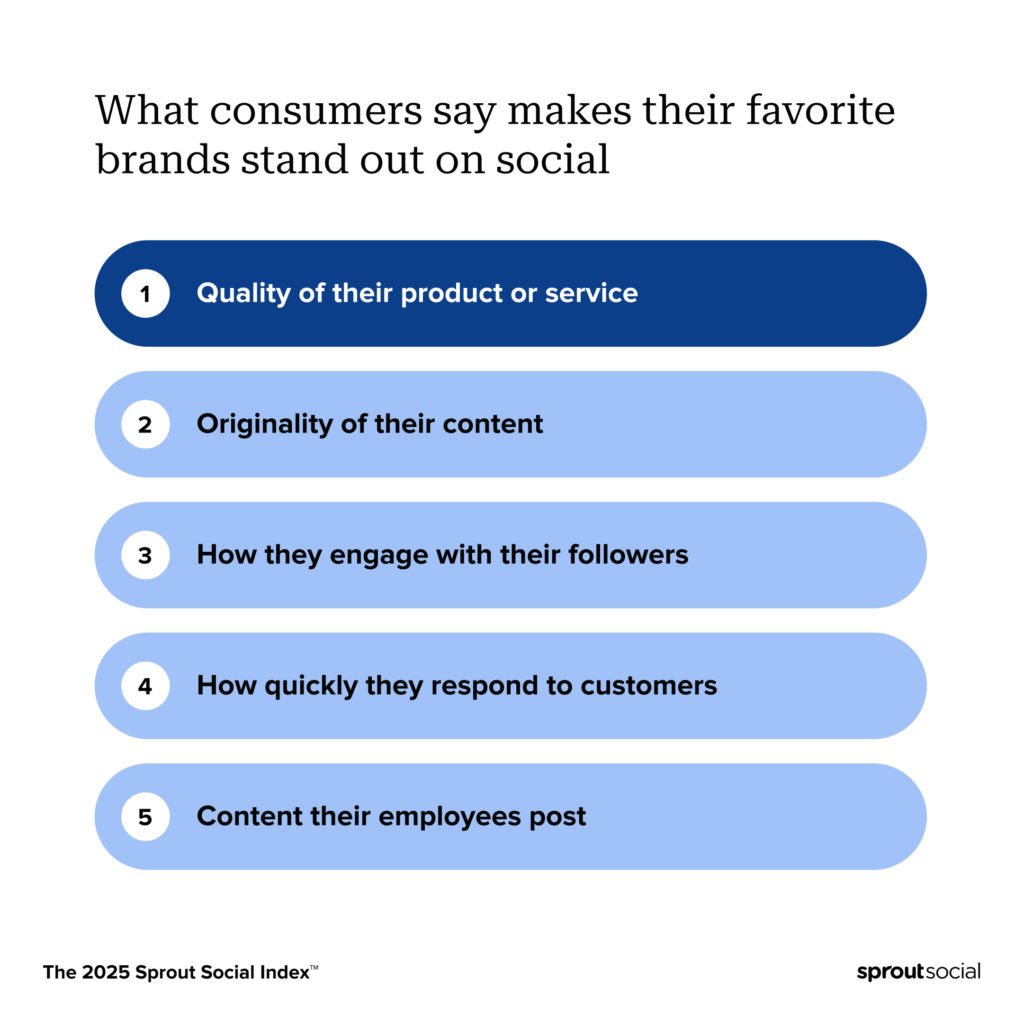
- Be Sincere and Express Gratitude: A simple "Thank you!" goes a long way.
- Personalize the Response: Address the commenter by name if possible, and refer to specific details of their comment.
- Reinforce Brand Values: Briefly reiterate what your brand stands for.
- Encourage Further Engagement: Invite them to share more experiences or stay connected.
- Consider a Small Delight: A relevant emoji or a playful remark can enhance the positive interaction.
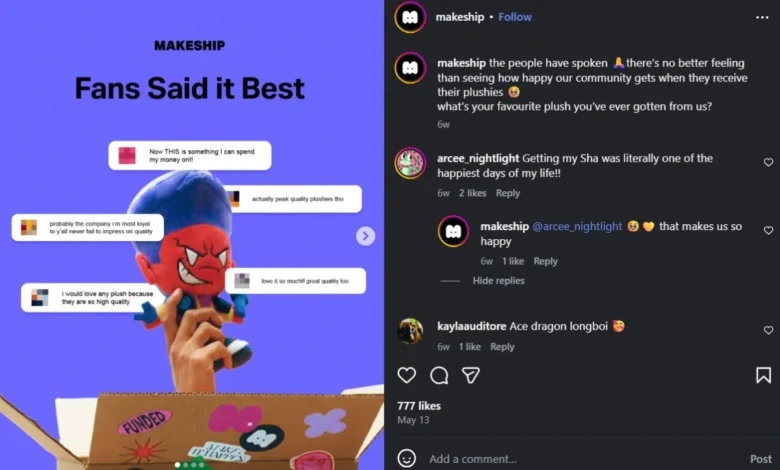
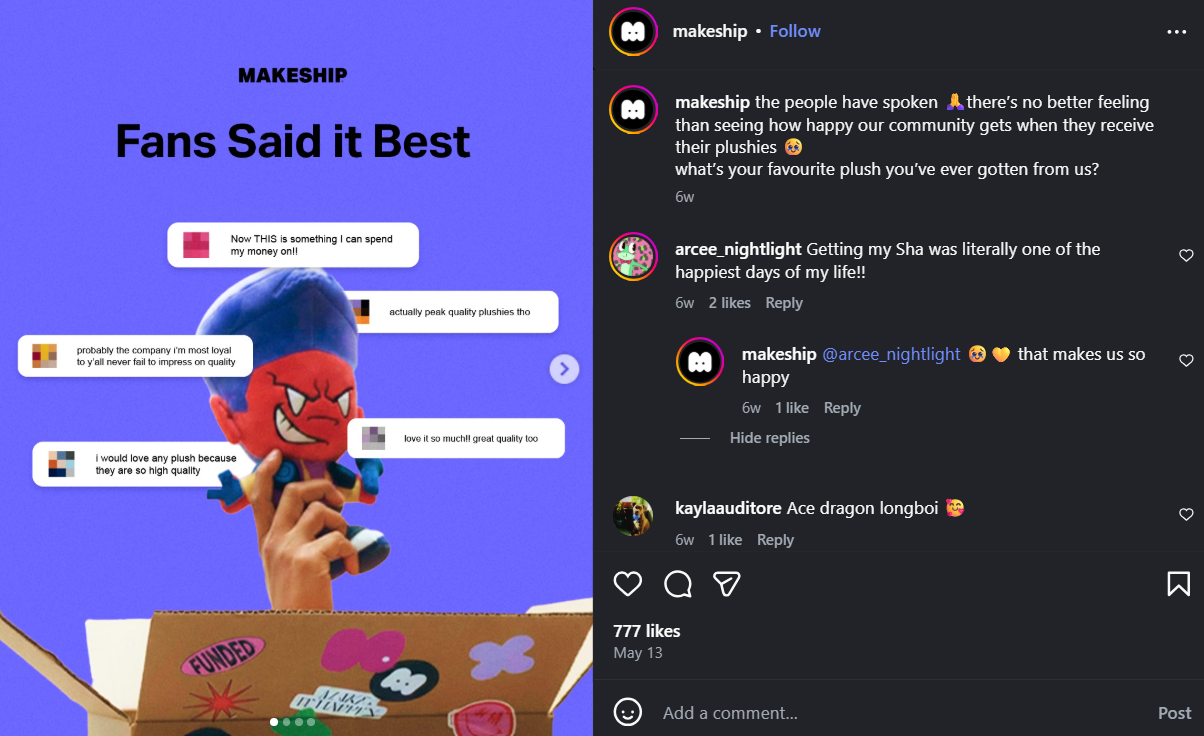
Makeship provides an excellent example of this. When a customer described receiving their plushie as "literally one of the happiest days" of their life, Makeship’s short, sincere, and friendly response, complete with matching emojis, amplified the authenticity of the interaction. Their proactive approach of featuring customer feedback in their original content further encourages such positive engagement.
Addressing Negative Comments:
Negative comments, which can range from product issues to customer care concerns, demand a tactical and empathetic response to safeguard brand health. A respectful, calm, and personalized approach has the potential to transform a dissatisfied customer into a loyal advocate, potentially securing repeat business.
While some negative comments are general complaints, others require a more delicate handling to prevent escalation. Implementing an escalation management protocol is best practice for smoothly addressing sensitive cases, preventing them from morphing into larger public relations issues.
Steps for Handling Negative Comments:
- Respond Promptly: Acknowledge the comment quickly to show you’re attentive.
- Apologize Sincerely: Even if not directly at fault, express regret for their negative experience.
- Empathize: Show understanding for their frustration.
- Offer a Solution or Next Steps: Provide clear guidance on how the issue can be resolved, often by taking the conversation private.
- Maintain Professionalism: Avoid defensiveness or emotional responses.
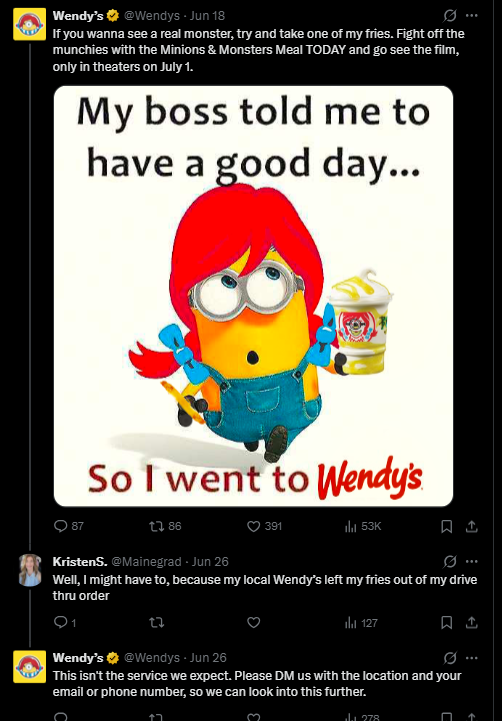
Wendy’s social media team exemplifies effective negative comment management. In response to a customer whose fries were missing from a drive-thru order, they expressed empathy, apologized, and swiftly moved the conversation to a private channel to resolve the complaint. This prompt action, coupled with a clear path to resolution, demonstrated a commitment to high standards of customer care.
Handling Offensive Comments and Hate Speech:
It is crucial to differentiate between constructive criticism or general negative feedback and outright hate speech or aggressive attacks targeting the brand or individuals. Complaints about late deliveries or slow customer service are distinct from comments that pose a potential PR crisis or constitute harassment. These require a fundamentally different response.
In instances of hate speech or offensive language, maintaining a calm and professional demeanor is paramount, recognizing that such comments are often designed to provoke. Brands must establish clear boundaries for inappropriate behavior, unequivocally stating that dehumanizing language, personal attacks, hate speech, and offensive content are unacceptable. Actions may include blocking the user, reporting the comment to the social network, and, if necessary, involving legal or HR departments, particularly if threats or defamation are involved.

Moderating Social Media Comments for Community Health:
Effective comment moderation is essential for fostering a healthy and engaged online community. Brands should appoint dedicated moderators for active communities, equipping them with clear workflows and comprehensive guidelines. Utilizing saved replies for frequently asked questions and implementing filters for spam and bots can significantly enhance efficiency. Skilled moderators are adept at discerning which comments warrant blocking or deletion, and critically, know when to flag specific comments up the chain for higher-level review or intervention.
Currys, a tech retailer, effectively integrates its staff into comment moderation, creating an authentic and engaging community. Their humorous and direct response to a follower suggesting "give auntie a raise" for a staff member not only built rapport but also highlighted the human element behind their brand.
Navigating Brand Threats and Crises in the Comments Section
Social media comments can rapidly escalate into significant brand threats or crises, demanding a robust and comprehensive crisis communication plan. Sprout Social’s Q2 2026 Pulse Survey highlights the gravity of this, finding that social media is now the primary channel through which consumers first learn about a brand crisis.
Addressing issues that could adversely affect reputation, potentially leading to PR or legal repercussions, requires immediate and strategic action. A striking 64% of consumers deem it vital for a brand to respond publicly to a controversy on social media, rather than relying on website statements or traditional press releases. Furthermore, the speed of response is critical; only 16% of general consumers (and a mere 10% of Gen Z) believe that response time does not influence their perception of a brand’s crisis management.
Being prepared with a pre-defined social strategy for crisis management enables brands to act swiftly while adhering to legal and brand protocols. Communications professionals play a pivotal role as strategic guides, providing crucial guardrails for social and customer care teams when the comment section shifts from casual banter to a reputational risk. During such times, meticulous record-keeping of interactions, including screenshots of relevant comment threads and direct messages, is essential for sharing with HR, legal, and other stakeholders, ensuring everyone is aligned on the situation and the response strategy. Tools like Sprout Social facilitate this by allowing unique tags for crisis-related DMs and posts, streamlining information sharing through tag reporting.
Determining the Severity: Is This a Brand Crisis?
It is crucial to distinguish between an isolated negative comment from a disgruntled user and an actual brand crisis. Frontline teams, with adequate training, can look beyond individual complaints to recognize true indicators of systemic issues. Taking the time to assess a situation thoroughly and escalating only when there is a clear, widespread threat is paramount.
With experience, social teams can identify key markers that point to broader, systemic trends threatening overall brand health and perception. This proactive recognition can significantly aid in preventing potential brand crises before they fully materialize. For instance, when an influencer posted a viral reel about manipulating Ryanair’s seat allocation system, the airline responded not with panic, but with a humorous meme, effectively diffusing the situation and leveraging humor to soften a potential negative narrative.
Guiding Social Media Responses During a Crisis:
The impact of a crisis is not solely determined by its nature but significantly by the manner in which a brand responds. To effectively manage a social media response during a crisis, the following strategies are vital:
- Transparency and Honesty: Communicate openly and truthfully about the situation.
- Empathy and Accountability: Acknowledge the impact on affected parties and take responsibility where appropriate.
- Clear and Consistent Messaging: Ensure all communications are aligned across platforms and internal teams.
- Timely Updates: Provide regular updates on progress and resolution efforts.
- Action-Oriented Solutions: Detail concrete steps being taken to address the problem.
By integrating these strategies, social response teams can mitigate immediate damage, allowing senior leadership to make informed decisions and work towards broader de-escalation.
From Chaos to Control: Leveraging Technology with Sprout Social
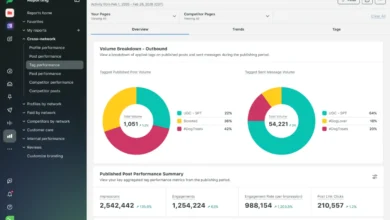
Monitoring and engaging with social media comments across a multitude of channels can be an overwhelming endeavor for any brand. Sprout Social’s Smart Inbox offers a transformative solution, unifying all social streams into a single source of truth. This centralized platform enables brands to efficiently monitor incoming messages, respond swiftly to audiences, and expertly manage conversations.
The Smart Inbox allows teams to prioritize messages through tagging, filtering, and hiding completed interactions, ensuring no comment is overlooked. Urgent messages can be quickly identified and addressed across various platforms from one intuitive application. Furthermore, the ability to monitor keywords, hashtags, and locations unveils unique engagement opportunities, allowing brands to proactively join relevant conversations.
Sprout Social is engineered to revolutionize how complex organizations handle customer interactions on social media. Many brands find their customer care and social teams trapped in a reactive loop, hindered by fragmented workflows and inconsistent interactions across disparate platforms. Sprout streamlines this process, empowering teams to shift from a reactive stance to a proactive approach in managing social media comments.
In addition, Sprout Social’s predictive media intelligence tool, NewsWhip, provides communications teams with the foresight to anticipate risks in real-time. By continuously monitoring emerging narratives, NewsWhip helps identify potential crises before they fully develop, allowing for preemptive strategic planning.
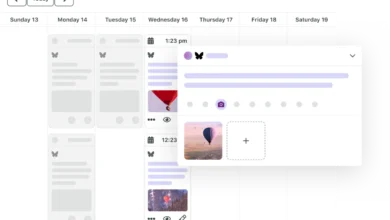
With Sprout Publishing and Engagement features, brands can also configure and utilize "Blocked Words," ensuring that all team responses on social media remain consistent with brand guidelines and approved communication protocols. Automating categorizations and case assignments further enhances efficiency, enabling rapid delegation of comments and prioritization of high-stakes interactions.
Sprout Social comprehensively collects all organic and ad comments from major platforms including Facebook, Instagram, YouTube, X, LinkedIn, TikTok, and Threads. Its expanded Reddit partnership, which includes subreddit moderation capabilities, allows brands to actively engage and respond within their owned Reddit threads, leveraging one of today’s most influential social platforms. Moreover, integrations with enterprise tools like Salesforce facilitate seamless connectivity of social care workflows across diverse teams, enhancing overall organizational efficiency.
Collectively, these Sprout functionalities empower brands to react appropriately and consistently across all digital networks, transforming a potential source of chaos into a strategic advantage.
Strategic Imperative: Mastering Social Media Comment Management
Effective social media comment management necessitates a collaborative mindset. It hinges on the tactical agility of social and customer care teams to execute prompt, empathetic responses, complemented by the strategic vision and protective guardrails provided by communications teams to safeguard and align brand identity. When managed correctly, comment sections transcend their perceived liability, becoming powerful catalysts for building community, sparking joy, and driving undeniable growth and sustained customer retention.
Improving social media comments and responses is not merely an operational task but a strategic imperative to nurture vibrant online communities. Brands are encouraged to leverage comprehensive customer service training resources, such as specialized training deck templates, to empower their teams to respond with confidence, professionalism, and genuine care. This investment in skilled social engagement will ultimately translate into stronger brand loyalty and a more resilient digital presence.