Destination XL Group Board Recommends Shareholders Vote Against Merger with FullBeauty Brands

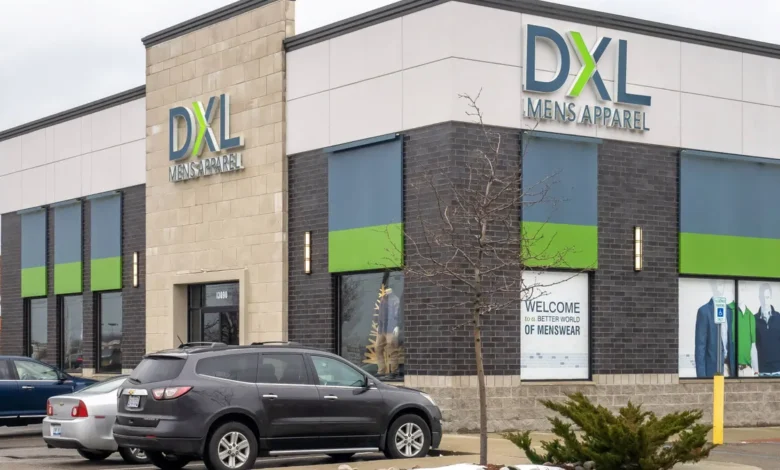
Destination XL Group (DXL) has officially signaled a significant shift in its strategic direction, with its board of directors now recommending that shareholders vote against a crucial issuance proposal required to finalize the company’s planned merger with FullBeauty Brands. This move marks a dramatic reversal from the initial agreement and suggests a deep-seated concern within DXL’s leadership regarding the financial viability and potential negative consequences of the proposed union. The recommendation, formally communicated through a preliminary proxy statement filed on July 21, 2026, indicates that the board no longer believes the merger is in the best interests of DXL and its stockholders, citing a series of financial red flags associated with FullBeauty Brands.
A U-Turn on the Merger Path
The preliminary proxy statement explicitly details the rationale behind the board’s change of heart. Key concerns highlighted include "FullBeauty’s level of indebtedness, concerns regarding FullBeauty’s potential negative equity value, and the substantial economic dilution that DXL stockholders would experience." These points suggest that a more thorough due diligence process, or perhaps evolving market conditions, has led DXL’s leadership to conclude that the proposed combination would significantly devalue DXL’s existing shareholder equity and potentially saddle the combined entity with unsustainable debt burdens.
The issuance proposal, which requires shareholder approval, is a non-negotiable component of the merger’s terms. By advising shareholders to vote against it, DXL’s board is effectively attempting to halt the transaction. The company has not yet set a date for the special meeting where this and other proposals, including a reverse stock split, will be presented for a vote. This delay could be strategic, allowing time for further communication with shareholders or for the situation with FullBeauty Brands to develop.
Financial Strain and Dilution as Primary Drivers
The core of DXL’s opposition appears to stem from a perceived financial instability within FullBeauty Brands. High levels of indebtedness can impose significant financial obligations, including interest payments and principal repayments, which can strain cash flow and limit a company’s ability to invest in growth or weather economic downturns. In the context of a merger, this debt would likely become the responsibility of the combined entity, potentially impacting its credit rating and access to future financing.
Furthermore, concerns about FullBeauty’s "potential negative equity value" are particularly alarming. Equity value represents the net worth of a company—its assets minus its liabilities. Negative equity implies that a company owes more than it owns, a situation that is often a precursor to insolvency. If FullBeauty Brands indeed has negative equity, absorbing it into DXL could significantly dilute the value of DXL’s existing assets and earnings per share. This dilution would directly impact DXL shareholders, reducing their proportional ownership stake and potential future returns.
The "substantial economic dilution" mentioned by DXL’s board directly addresses the impact on existing DXL shareholders. Under the terms of the original merger agreement, announced in December 2025, FullBeauty Brands was slated to own 55% of the combined company, with DXL shareholders holding the remaining 45%. This structure itself indicated a significant shift in control and ownership. However, if FullBeauty’s underlying financial health is weaker than initially assessed, this ownership split could result in DXL shareholders effectively receiving a disproportionately smaller share of the combined entity’s value, or even inheriting liabilities that outweigh the benefits.
A Shifting Landscape Since December 2025
The initial announcement of the merger in December 2025 painted a picture of a strategic combination designed to create a "scaled category-defining retailer for inclusive apparel." At the time, the deal was characterized as a "merger of equals," aiming to leverage the strengths of both companies to capture a larger market share in the growing inclusive apparel sector. DXL, known for its focus on big and tall men’s apparel, and FullBeauty Brands, which caters to plus-size women’s apparel, presented a seemingly complementary fit.

However, the retail landscape is dynamic, and the months following the initial agreement have likely brought new information and challenges to light. In June 2026, Retail Dive reported that DXL was "reconsidering the merger," a clear indication that internal discussions and reassessments were already underway. This reconsideration period would have involved a deeper dive into FullBeauty’s financial statements, operational performance, and market position. The current recommendation to vote against the merger suggests that this reassessment has led to a definitive negative conclusion.
Implications of a Failed Merger and Potential Termination Fees
The ramifications of DXL’s board advising shareholders to vote against the merger are significant. If the issuance proposal fails to pass, the merger agreement would likely be terminated. Under the terms of the agreement, following a change in recommendation by the DXL board, FullBeauty Brands possesses the right to terminate the merger.
Should FullBeauty Brands exercise this right, DXL could be liable for substantial termination fees and expense reimbursements. According to an updated proxy statement, DXL might be required to pay a termination fee of $2.5 million. Additionally, the company could face out-of-pocket fees and expense reimbursements totaling up to $950,000. These costs, while significant, may be viewed by DXL’s board as a necessary price to pay to avoid a potentially detrimental merger.
DXL’s Recent History with Strategic Offers
This development with FullBeauty Brands occurs against a backdrop of DXL’s recent interactions with other potential suitors. In May 2026, DXL’s board rejected a go-private offer from Zodiac Partners, valued at approximately $46 million. Zodiac Partners subsequently submitted an updated proposal, increasing their offer slightly from $0.82 per share to $0.84 per share. However, this revised offer was also rejected by DXL’s board earlier in July, signaling the board’s confidence in DXL’s standalone prospects or its pursuit of a more favorable strategic outcome than a private sale at that valuation. The board’s consistent rejection of the Zodiac Partners’ offers, coupled with its current stance on the FullBeauty merger, suggests a strong belief in the company’s intrinsic value and a cautious approach to any transaction that doesn’t meet its stringent criteria.

The Broader Context of the Retail Industry
The retail sector, particularly the apparel segment, has been undergoing significant transformation. Factors such as shifting consumer preferences, the ongoing digital shift, supply chain disruptions, and inflationary pressures have created a challenging operating environment. Companies are increasingly focused on financial discipline, strategic agility, and strong balance sheets. In this climate, mergers and acquisitions are scrutinized more rigorously, with a greater emphasis on the financial health and long-term sustainability of the target company.
The DXL-FullBeauty situation highlights the complexities of mergers, especially when one party faces significant financial headwinds. The decision by DXL’s board underscores the fiduciary duty of directors to act in the best interests of shareholders, even when it means unwinding previously agreed-upon transactions. The detailed articulation of concerns regarding indebtedness and potential negative equity suggests a commitment to transparency and a proactive approach to safeguarding shareholder value.
Looking Ahead: DXL’s Independent Path
With the FullBeauty Brands merger now in serious doubt, Destination XL Group appears poised to continue its journey as an independent entity. The company’s focus will likely return to executing its standalone business strategy, which may involve further optimizing its store fleet, enhancing its e-commerce capabilities, and exploring organic growth opportunities. The rejected go-private offer from Zodiac Partners at a valuation significantly lower than what DXL’s board seems to believe is achievable, combined with the current stance on the FullBeauty merger, indicates a strategic intent to chart its own course and potentially seek higher valuations or more accretive strategic partnerships in the future. The company’s ability to navigate the current retail environment and deliver on its strategic objectives will be closely watched by investors and industry analysts alike.