Your Content Can Rank on the First Page of Google and Still Never Be Cited or Mentioned by LLMs

The landscape of online discoverability is undergoing a seismic shift, driven by the pervasive influence of Large Language Models (LLMs) in how users seek and consume information. While traditional Search Engine Optimization (SEO) has long focused on achieving top rankings in Google’s organic search results, a new paradigm is emerging where visibility within AI-powered search experiences is paramount. Understanding the underlying mechanisms, particularly "query fan-out," is crucial for content creators and marketers aiming to thrive in this evolving digital ecosystem.
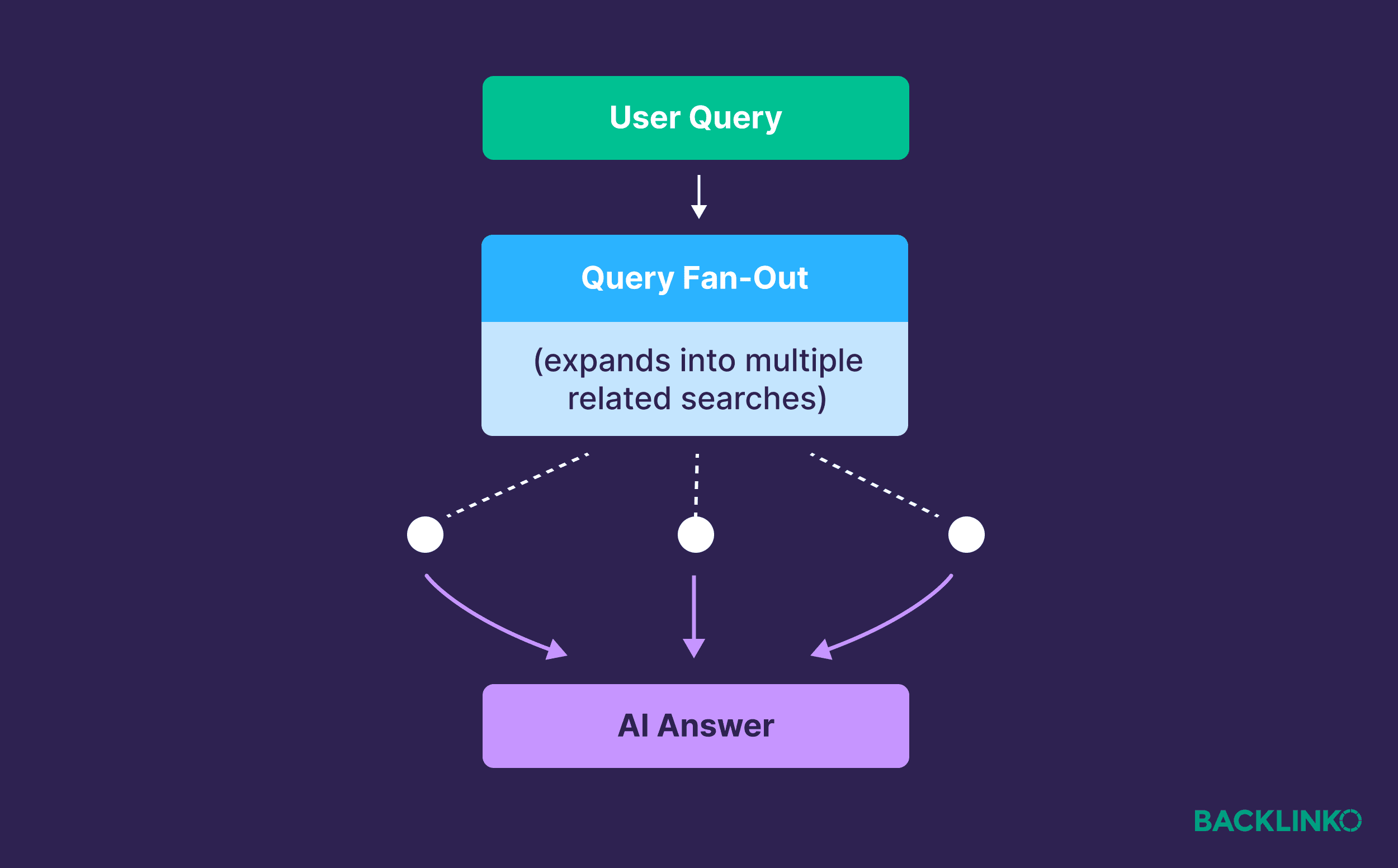
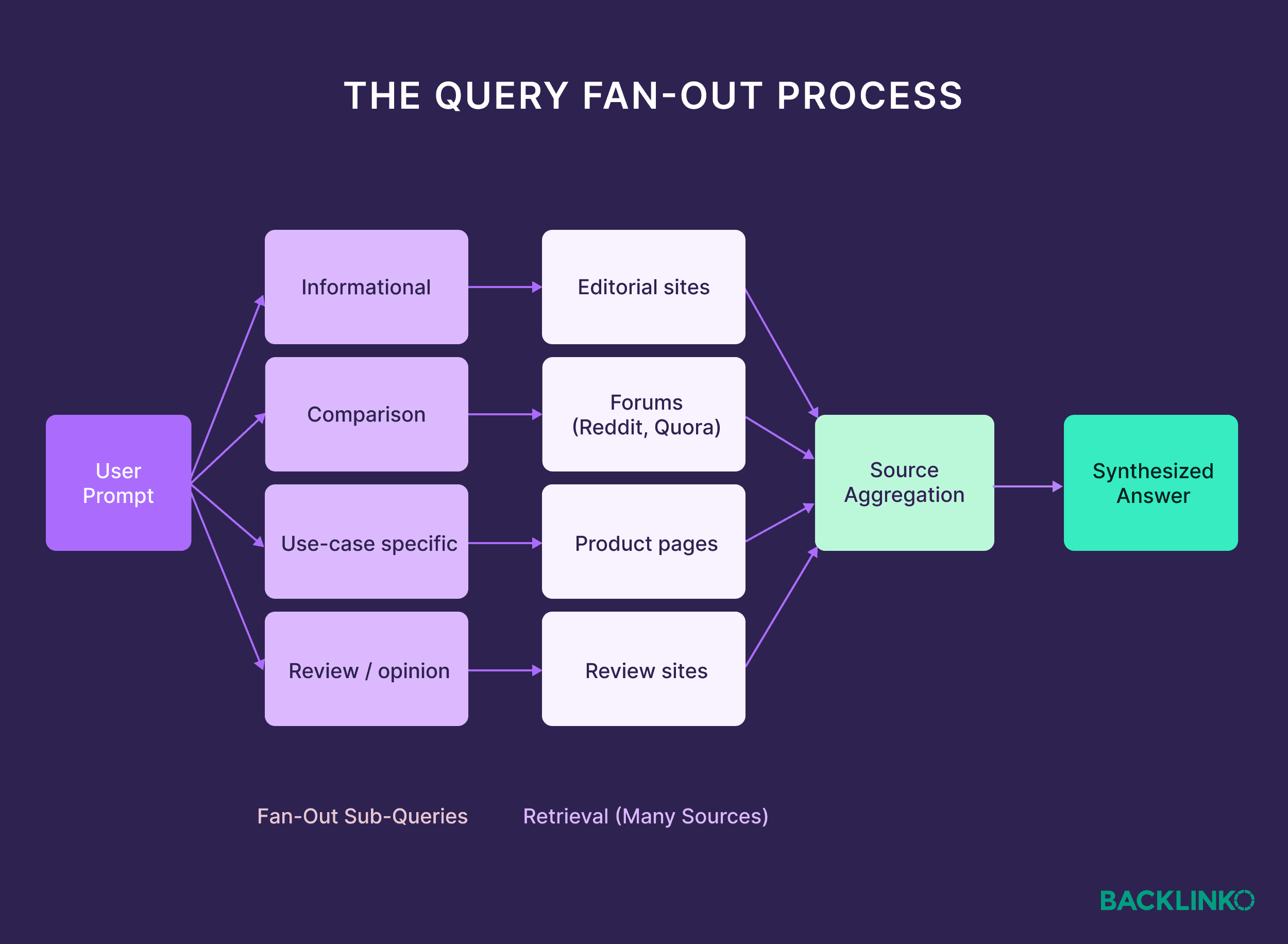
The core of this transformation lies in how AI search engines, such as ChatGPT and Perplexity, process user queries. Contrary to the intuitive assumption that these systems simply retrieve the best-ranking page for a given search term, their approach is far more sophisticated. When a user poses a question, LLMs don’t default to a single, pre-determined source. Instead, they initiate a complex background process known as query fan-out. This involves breaking down the initial query into multiple, related sub-queries. The AI then scours the web, drawing information from a diverse array of sources – from established editorial sites and niche forums to product pages and social media discussions – to construct the most comprehensive and relevant answer possible. The critical takeaway is that the AI prioritizes the most pertinent and reliable information for each sub-query, irrespective of its ranking position on traditional search engine results pages (SERPs).
This fundamental difference in information retrieval means that simply achieving a high ranking on Google is no longer a guaranteed path to AI citation. If a brand’s content does not appear in the diverse set of searches triggered by query fan-out, whether through its own published material or mentions by third parties, it is unlikely to be featured in the AI-generated answer. While strong rankings remain beneficial, the true currency in AI search is coverage and retrievability across a spectrum of related queries. This article will delve into the intricacies of query fan-out and outline a strategic approach for optimizing content to enhance AI visibility.
Understanding Query Fan-Out: The Engine of AI Answers
Query fan-out is the sophisticated process by which AI search systems deconstruct a single user request into a series of related sub-questions. This allows the AI to "fan out" its search efforts, gathering data from multiple angles to build a more complete and nuanced understanding of the user’s intent. The goal is to synthesize information from various sources – including editorial content, community discussions on platforms like Reddit, and detailed product pages – into a single, coherent, and maximally helpful response.
This multi-pronged approach serves several key purposes for AI systems:
- Comprehensive Information Gathering: By generating multiple sub-queries, AI can explore different facets of a topic, ensuring that the final answer addresses the user’s likely needs, even those not explicitly stated in the initial query.
- Source Diversity: Query fan-out encourages the AI to consult a wider range of sources, moving beyond the top-ranked pages to find the most authoritative or relevant information for each specific sub-question.
- Contextual Relevance: The sub-queries are designed to uncover contextual information that enriches the primary answer, providing a more holistic and valuable user experience.
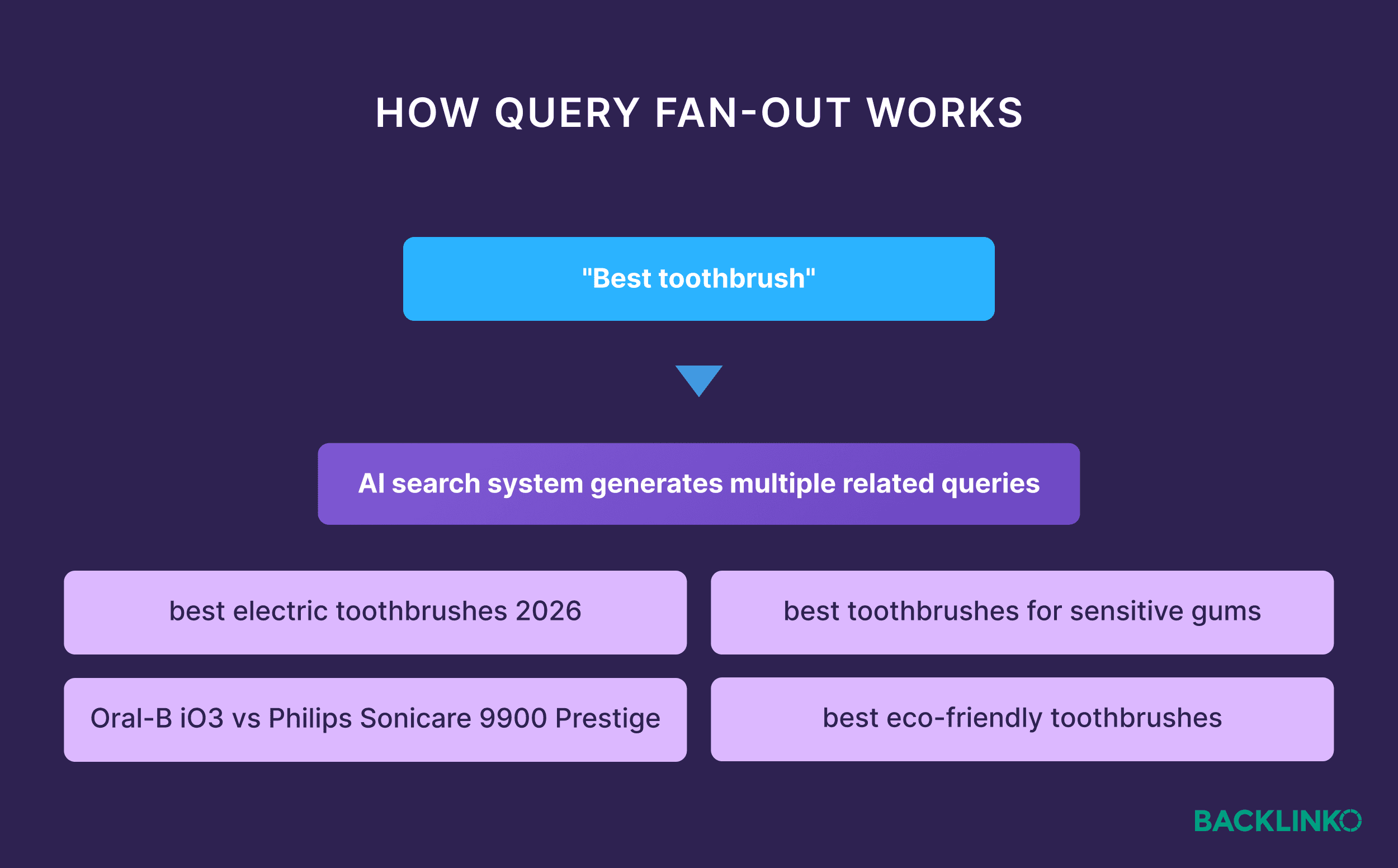
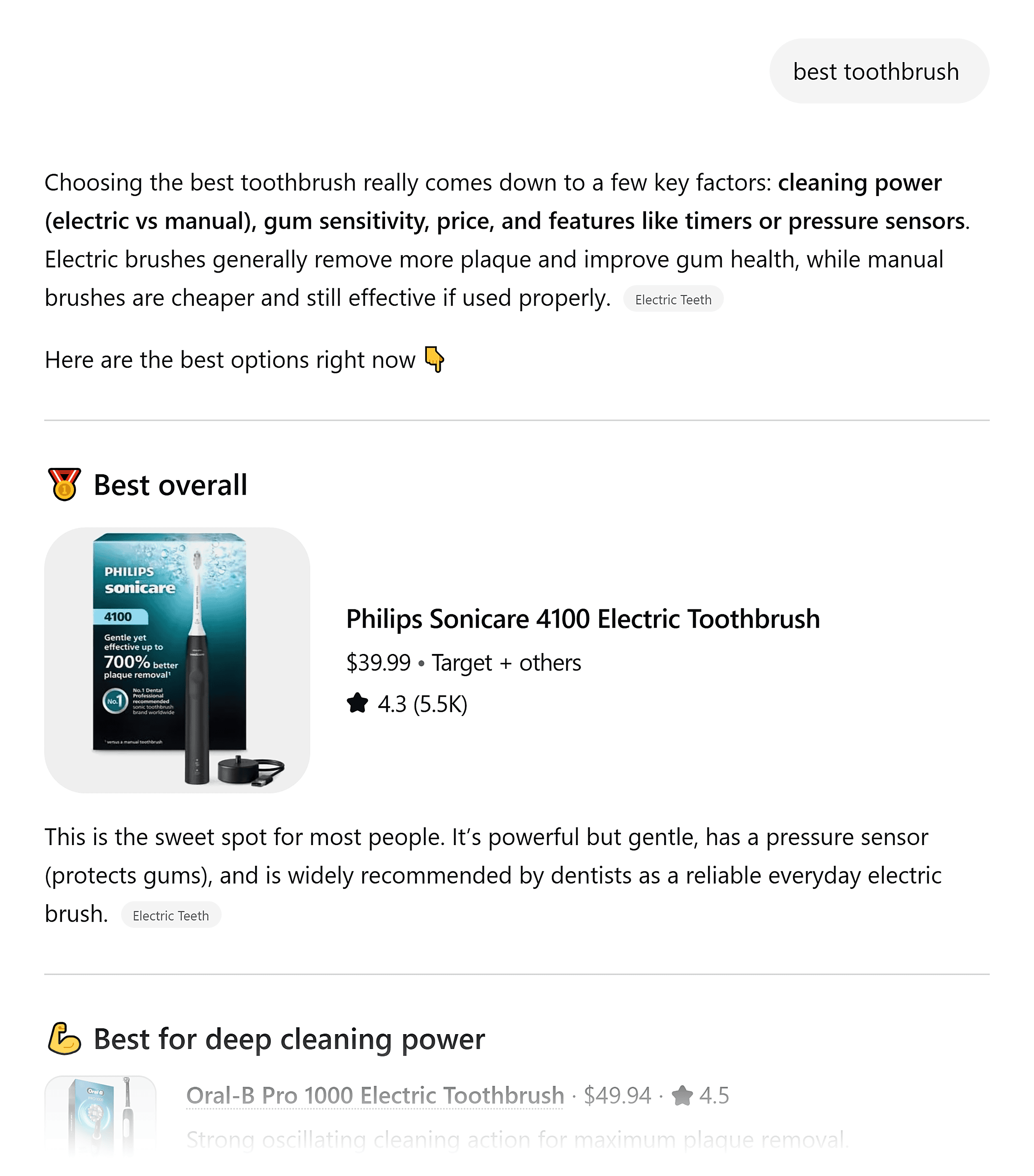
Consider a simple query like "best toothbrush." An AI employing query fan-out would likely generate a series of related searches such as: "best electric toothbrushes for [current year]," "top-rated toothbrushes for sensitive gums," "comparison of Oral-B and Philips Sonicare," or "most eco-friendly toothbrush options." Each of these sub-queries targets a specific aspect of the broader topic, allowing the AI to gather data on:
- Top-rated picks and editorial consensus: For "best electric toothbrushes."
- Use-case recommendations: For "best toothbrushes for sensitive gums."
- Head-to-head comparison data: For "Oral-B vs. Philips Sonicare."
- Value picks and pricing information: For "best eco-friendly toothbrushes."
The AI then synthesizes these disparate pieces of information into a single, comprehensive answer that addresses potential user interests related to top recommendations, price points, specific use cases, and direct comparisons. This anticipatory approach, driven by query fan-out, allows AI to satisfy a user’s needs comprehensively, even when the initial query is brief.
The Impact of Query Fan-Out on Content Strategy
Understanding query fan-out necessitates a significant recalibration of content strategies, shifting the focus from keyword-centric optimization to comprehensive topic coverage and enhanced retrievability.
Decoupling Rankings from AI Citations
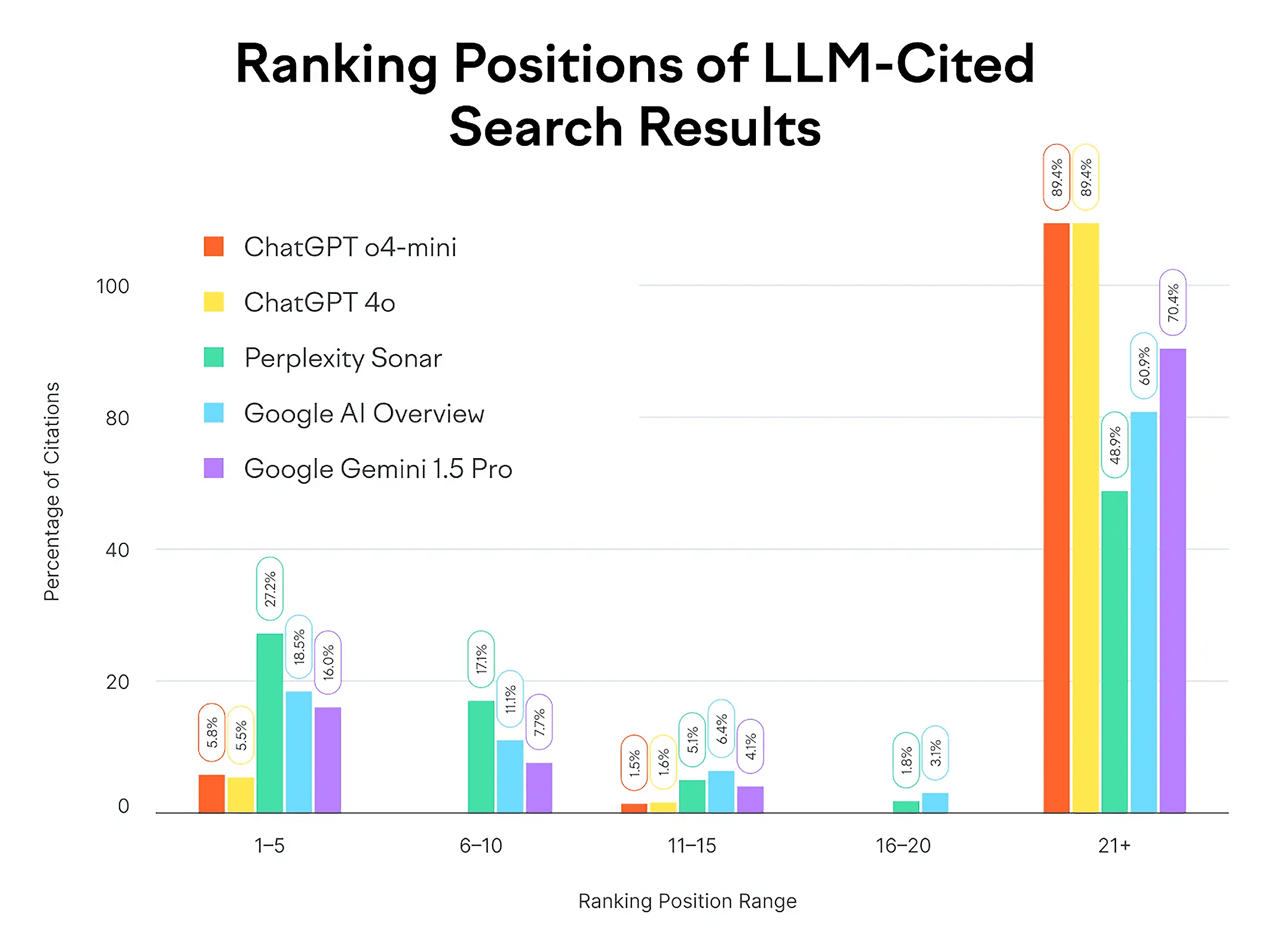
A pivotal implication of query fan-out is that top rankings in traditional search results do not automatically translate into citations within AI-generated answers. AI models are programmed to retrieve the most relevant and complete source for each of their internally generated sub-queries, regardless of its position on a SERP. Research indicates a significant trend: a study by Semrush revealed that ChatGPT cites pages ranked beyond the 21st position in nearly 90% of instances. This pattern is consistent across other AI platforms like Perplexity and Google’s AI features, underscoring the diminished role of traditional ranking position when AI is the primary information aggregator.
The Primacy of Passage Retrieval
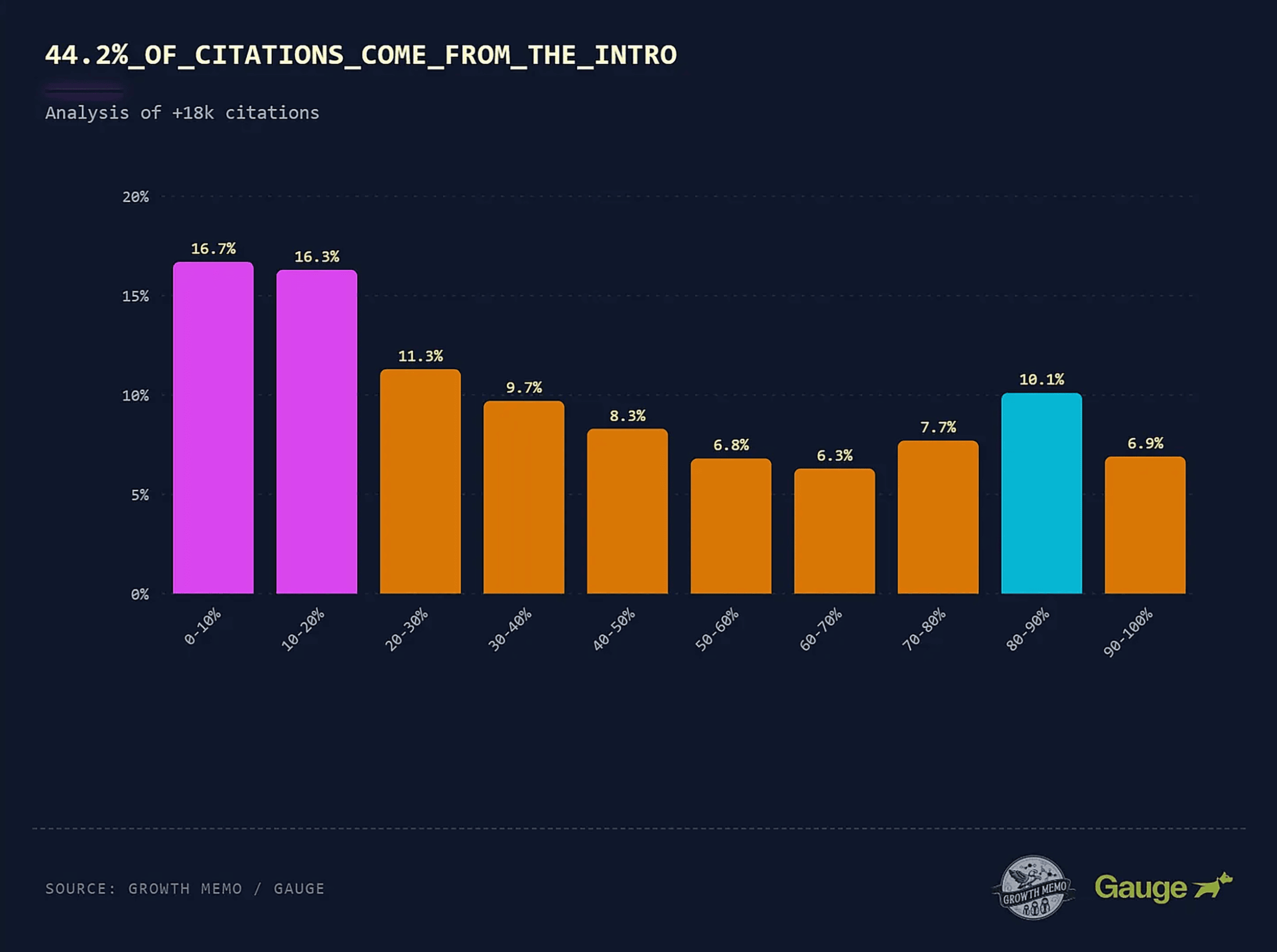
AI systems operate by scanning content and extracting specific passages that directly answer a sub-query, rather than merely linking to an entire webpage. This emphasis on passage retrieval means that the earlier a relevant piece of information appears on a page, the higher its chances of being extracted and cited. Analysis of millions of ChatGPT responses by growth advisor Kevin Indig suggests that approximately 44.2% of citations originate from the initial 30% of a page’s content, with the middle section accounting for 31.1% and the final third for 24.7%. This highlights the strategic importance of front-loading critical information and ensuring that key answers are readily accessible at the beginning of content.

Competing on Topics, Not Just Keywords
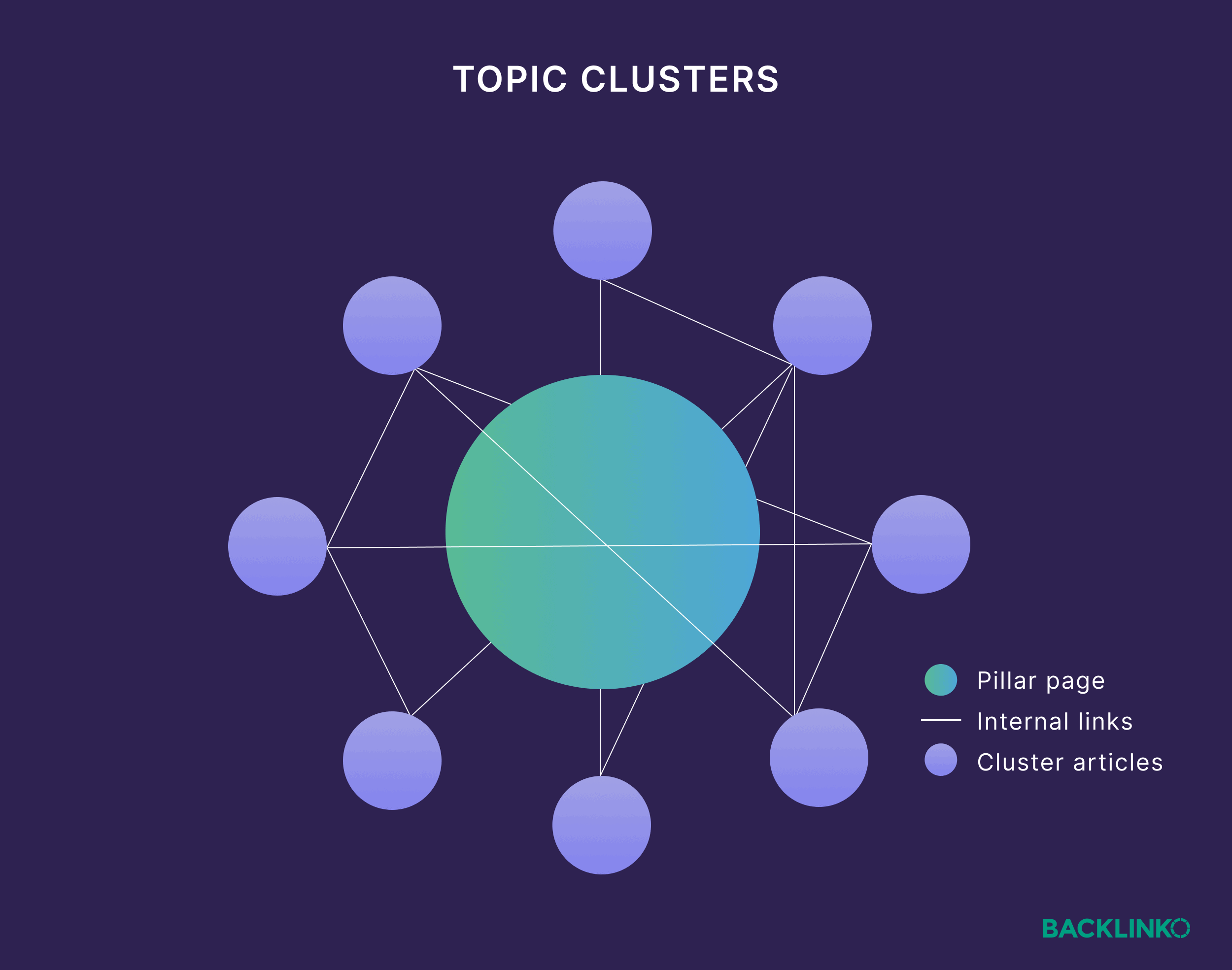
Traditional SEO often centers on targeting individual keywords. In contrast, query fan-out operates on a broader, topic-based framework. AI systems aim to provide exhaustive answers by covering an entire subject area. Consequently, content strategies that emphasize broad, interconnected coverage, such as through pillar pages and robust topic clusters, are better positioned to gain AI visibility. By establishing authority across a topic, brands increase their chances of being referenced across the various sub-queries an AI might generate.
The Collapsed Buying Journey
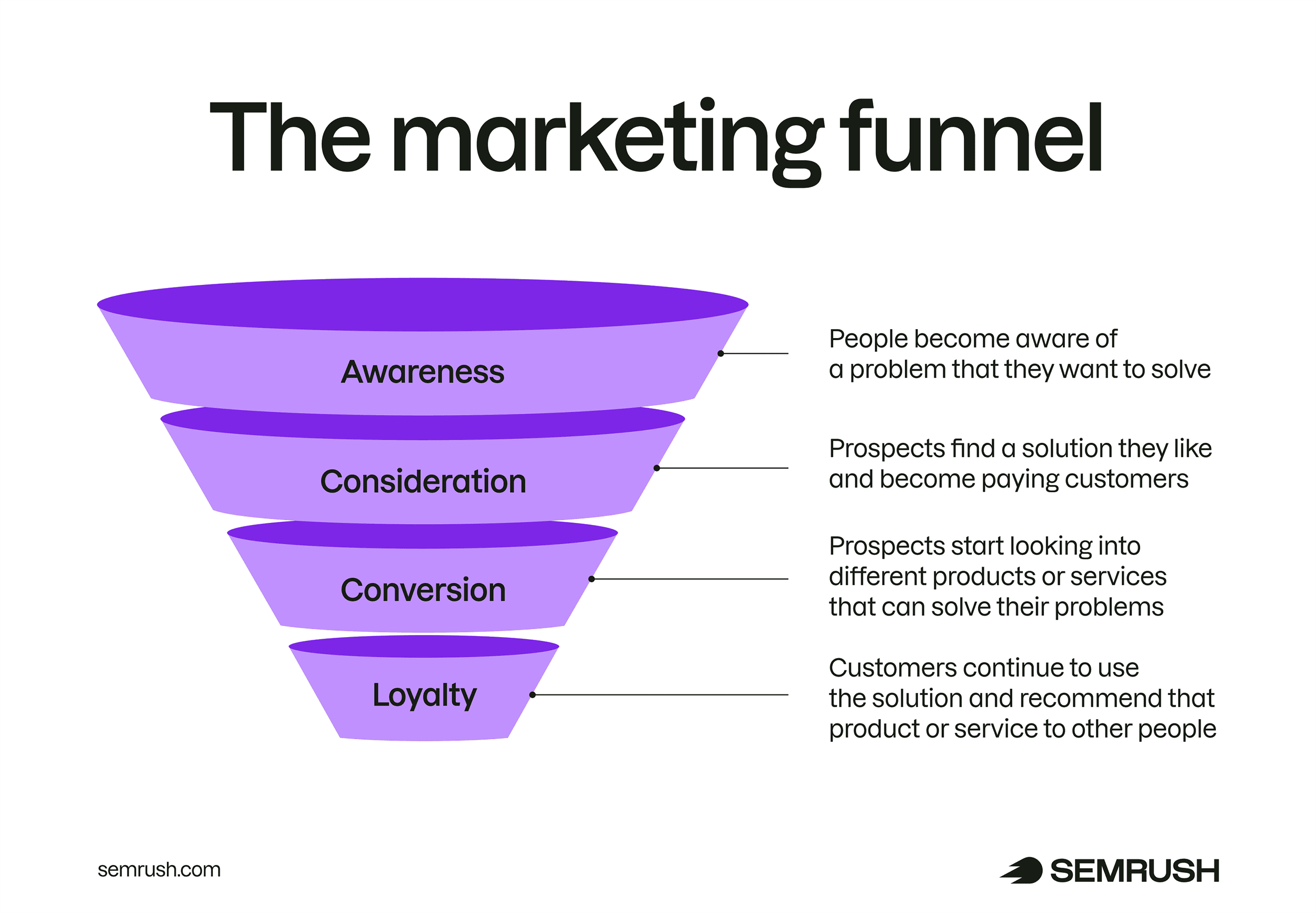
Historically, content strategies were designed to align with a linear buyer’s journey, addressing awareness, consideration, and decision stages separately. AI search fundamentally alters this by collapsing these stages into a single interaction. A high-intent query can now trigger sub-queries that pull in awareness-level context, consideration-level comparisons, and decision-stage specifics simultaneously. This means content must be crafted to serve the entire funnel, providing valuable information that addresses a user’s evolving needs within a single AI-generated response.
The Query Fan-Out Workflow: A Six-Step Strategy for AI Visibility
To effectively navigate this new landscape, a structured approach to content optimization for query fan-out is essential. This six-step workflow is designed to identify high-impact sub-queries and ensure content is discoverable and citable by AI systems.
Step 1: Identify Your "Money Prompts"
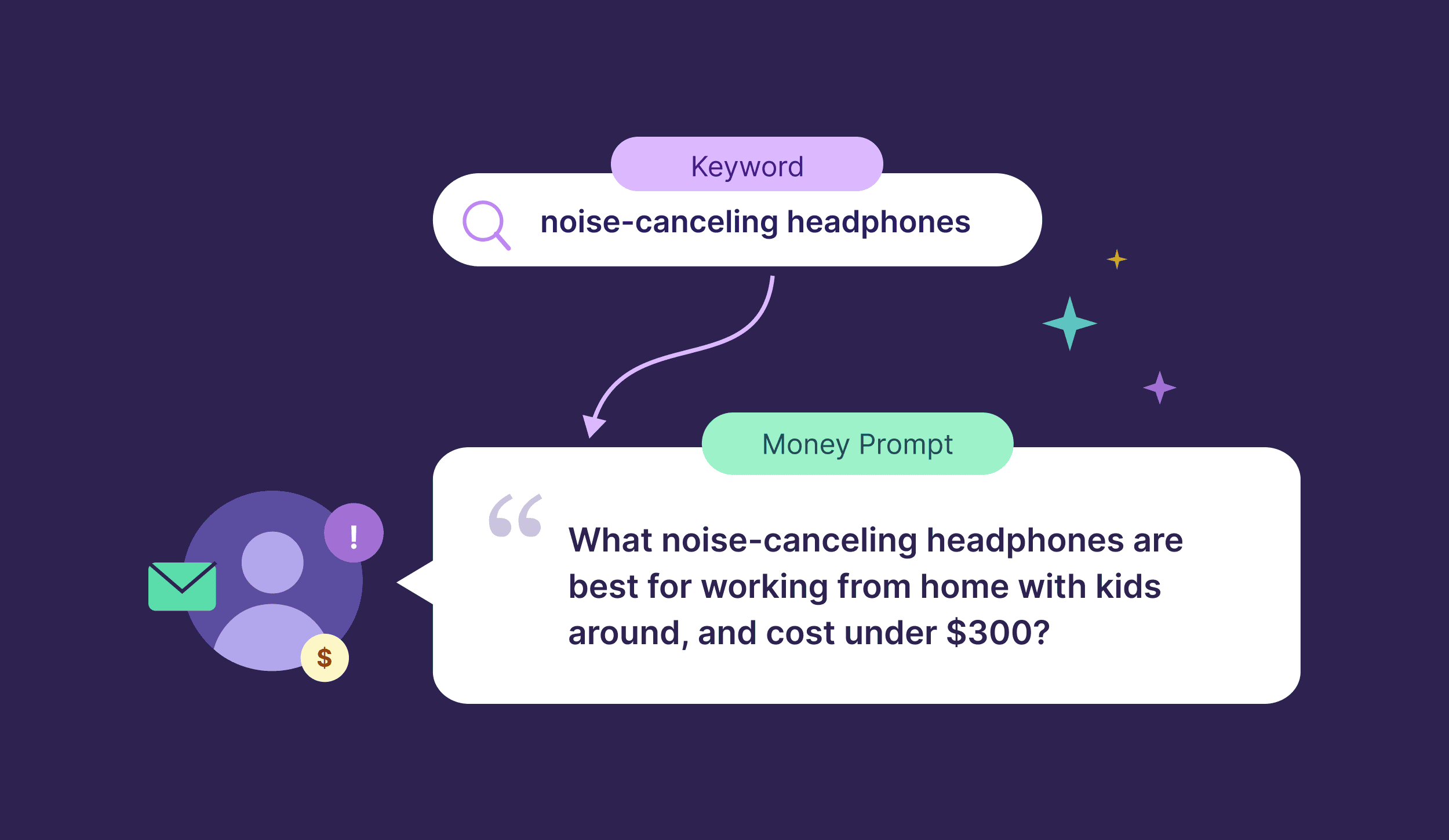
The foundational step is to pinpoint "money prompts." These are the conversational, often detailed, questions that your target audience would naturally ask an AI tool when seeking solutions related to your products or services. Analogous to "money keywords" in traditional SEO, money prompts are characterized by high commercial intent and are designed to guide users toward a purchasing decision.
For instance, while "noise-canceling headphones" is a broad keyword, a money prompt might be: "What are the best noise-canceling headphones for working from home with noisy children, and what is their battery life and price under $300?" Such prompts reflect genuine user needs and are precisely the types of queries AI systems are designed to answer comprehensively.
Identifying these prompts can be achieved through several methods:
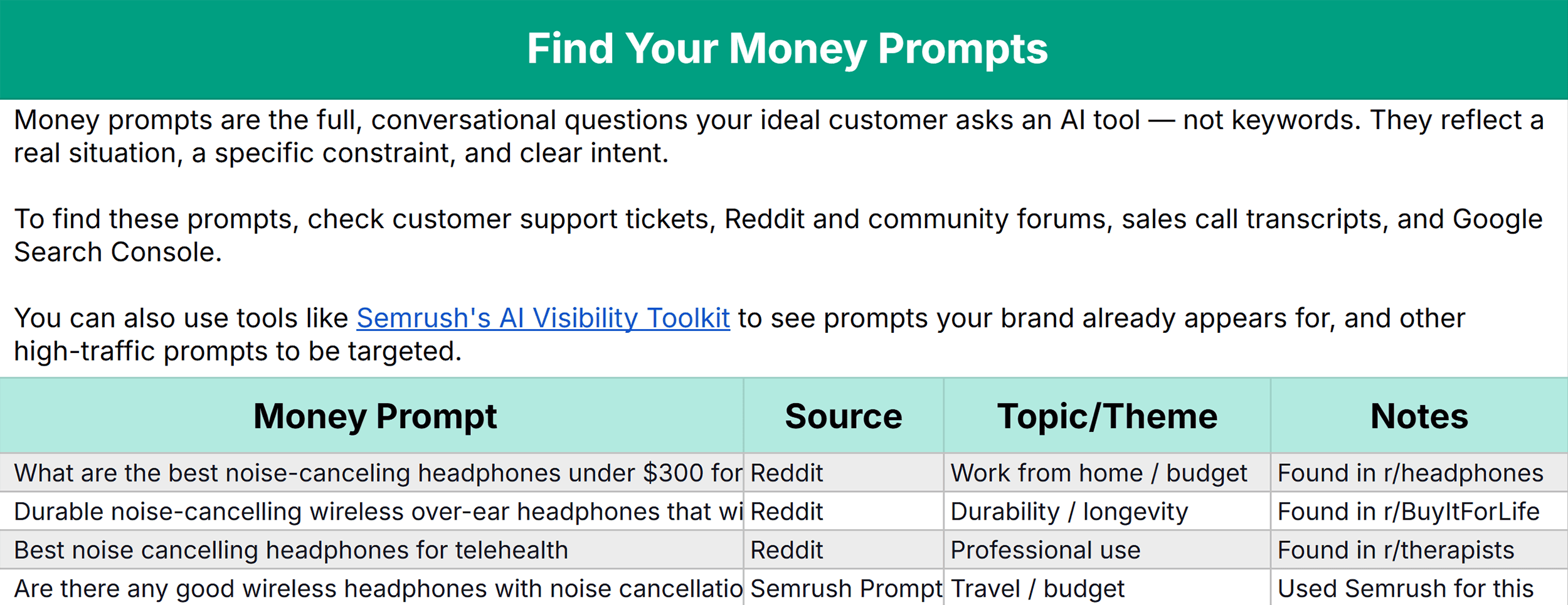
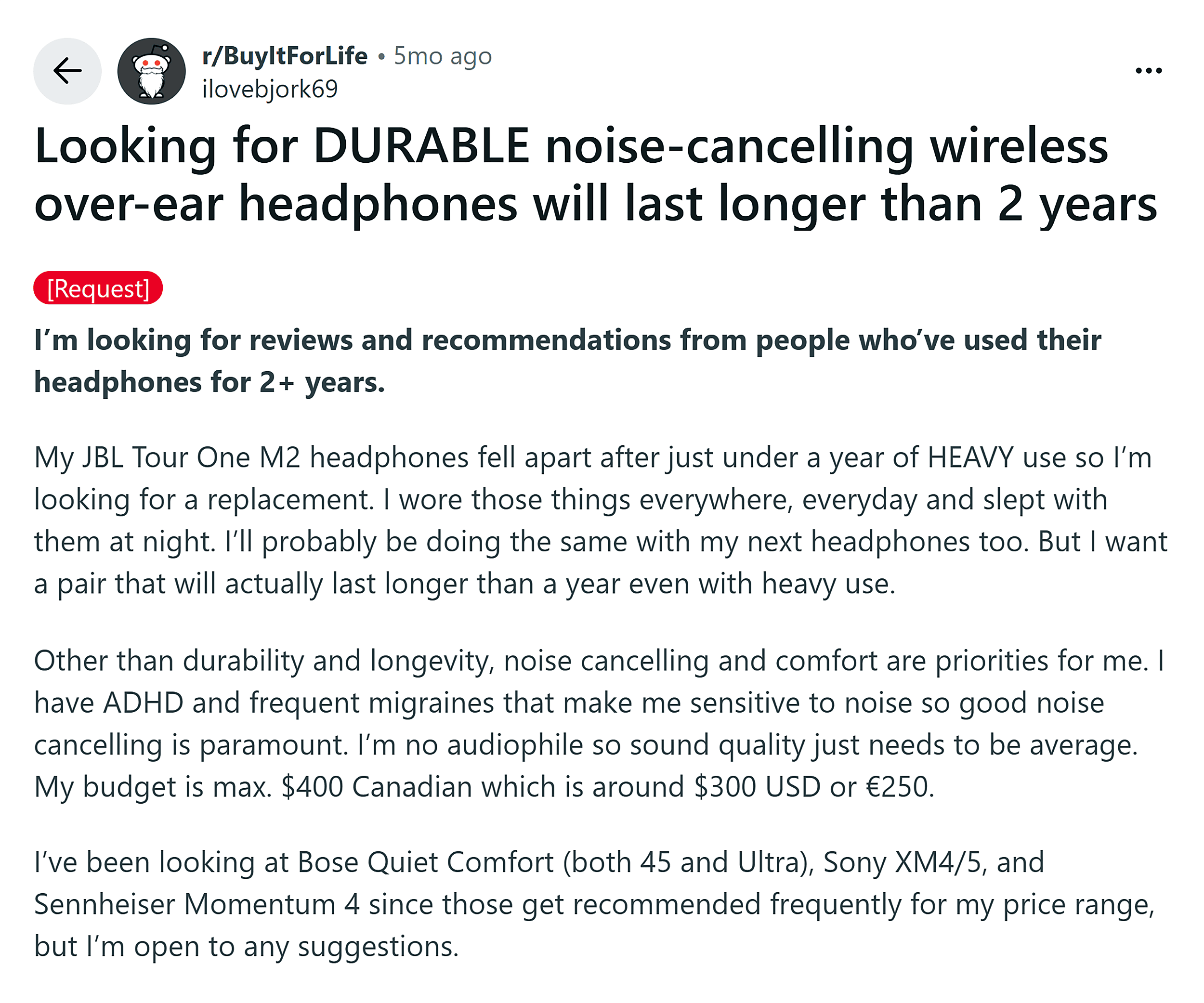
- Forums and Community Platforms: Scouring platforms like Reddit for user questions and discussions related to your industry can reveal natural language queries.
- Customer Support Logs: Analyzing frequently asked questions and support tickets can highlight common user pain points and information needs.
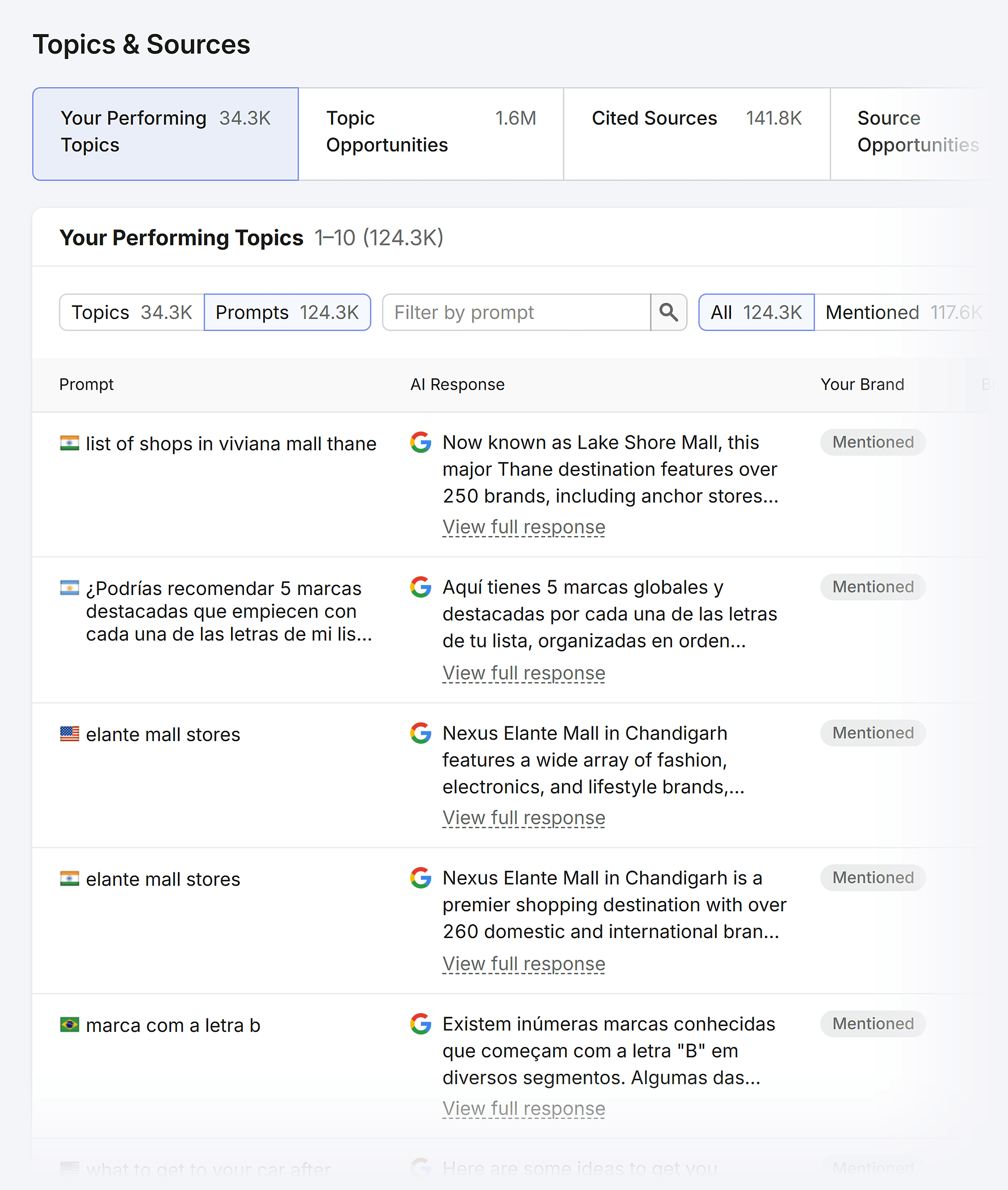
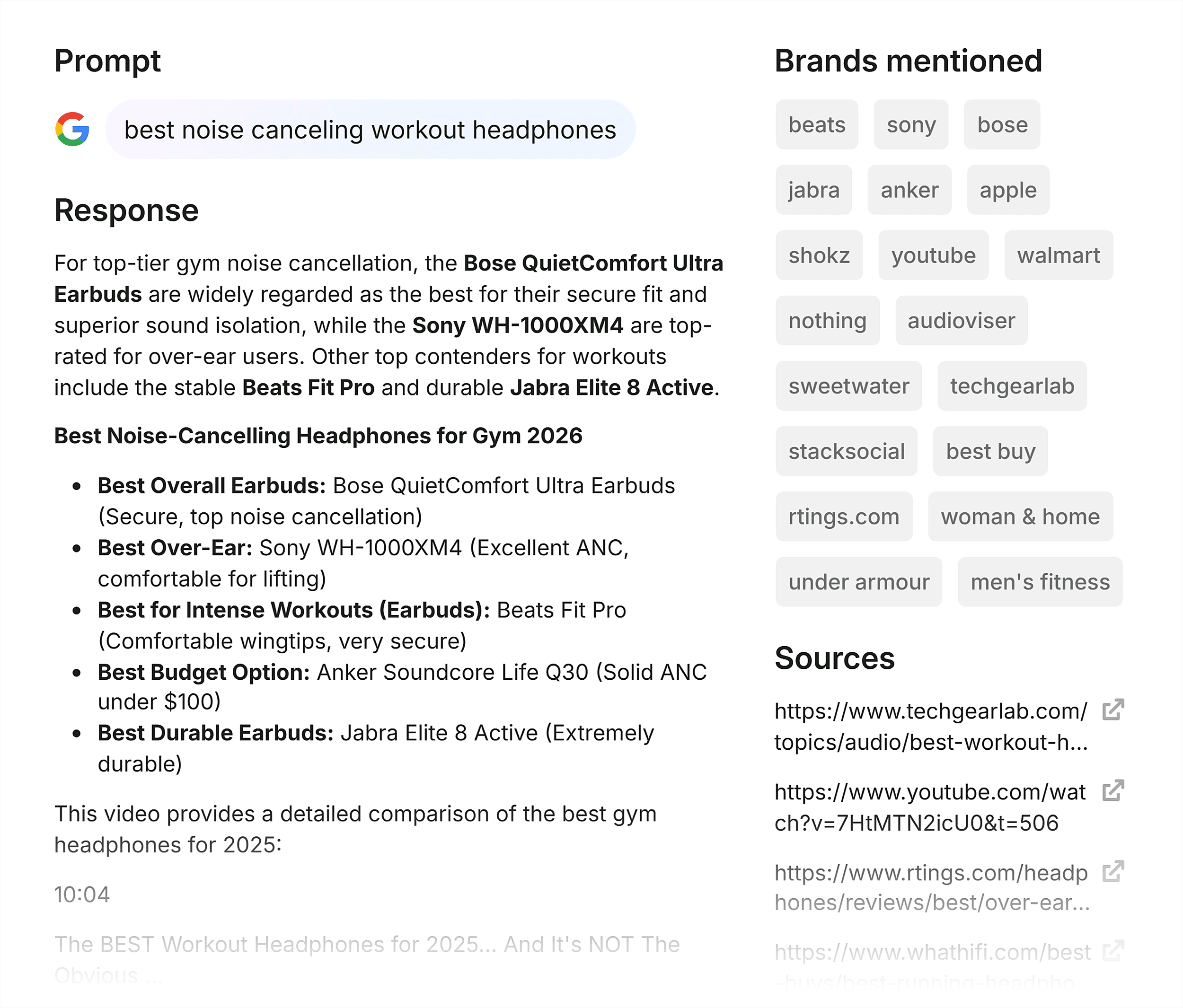
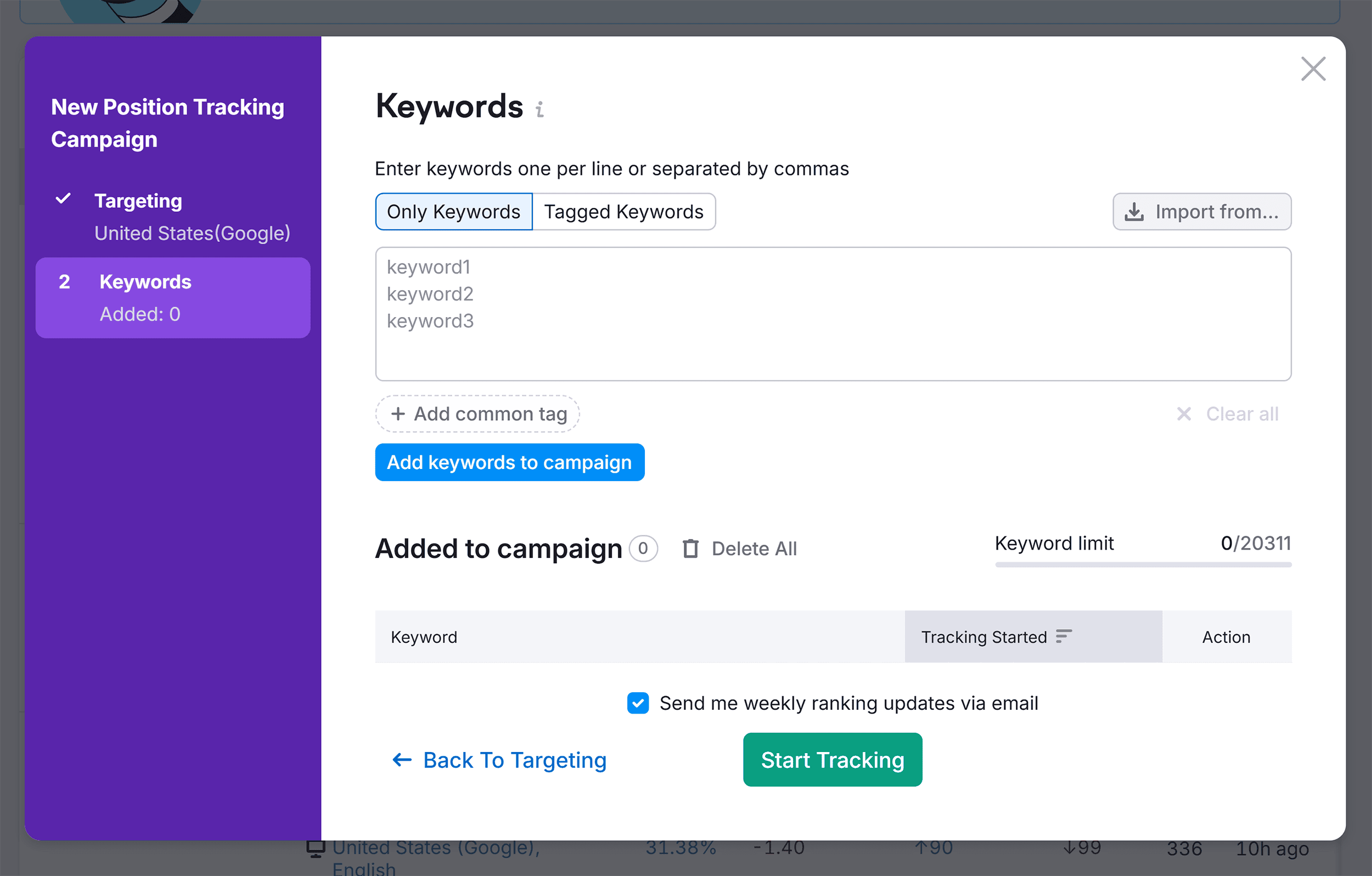
- AI SEO Tools: Dedicated tools such as Semrush’s AI Visibility Toolkit offer valuable insights into the actual prompts users enter into AI search engines, along with the AI’s responses and cited sources. This allows for data-driven identification of high-performing money prompts.
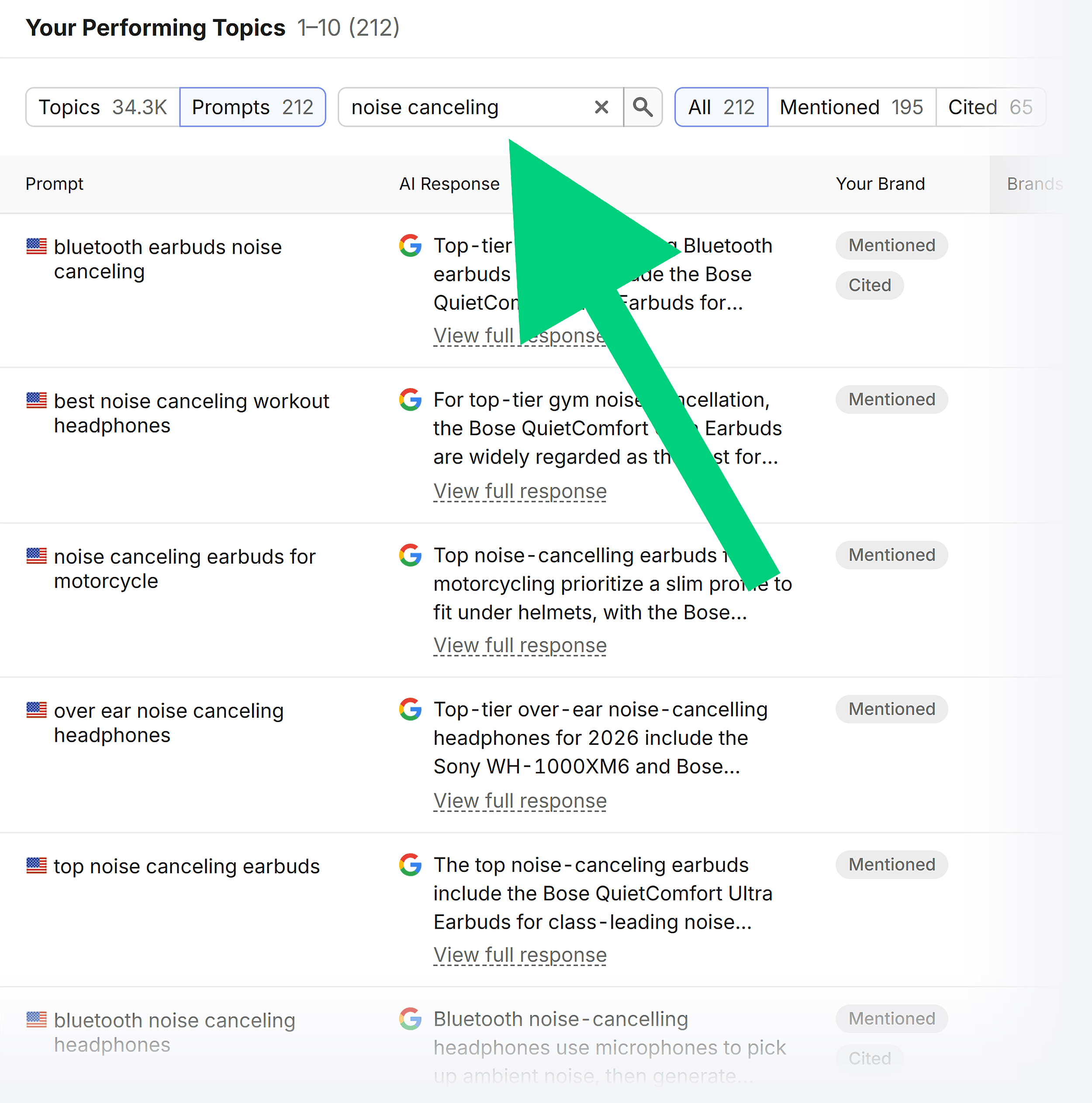
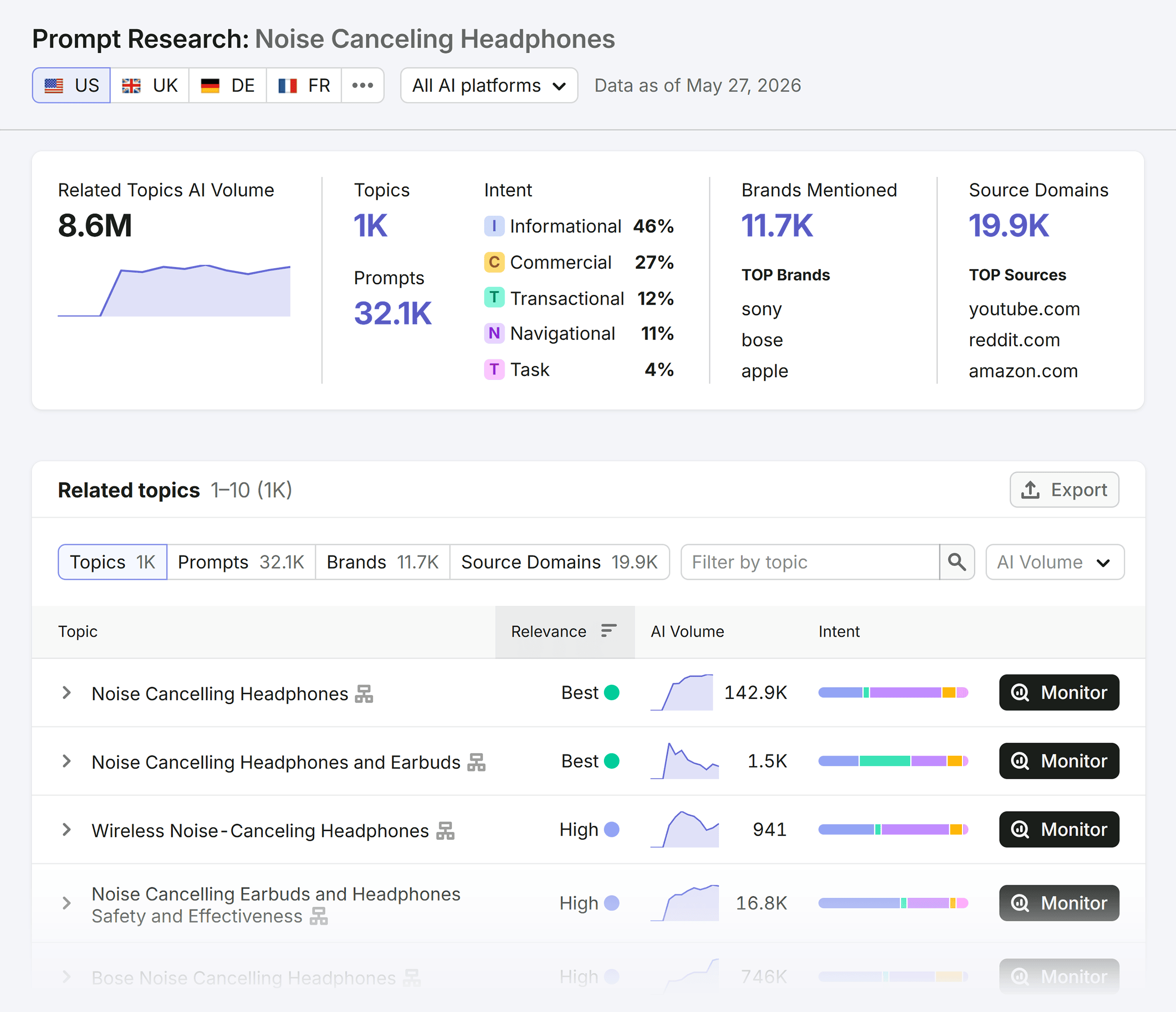
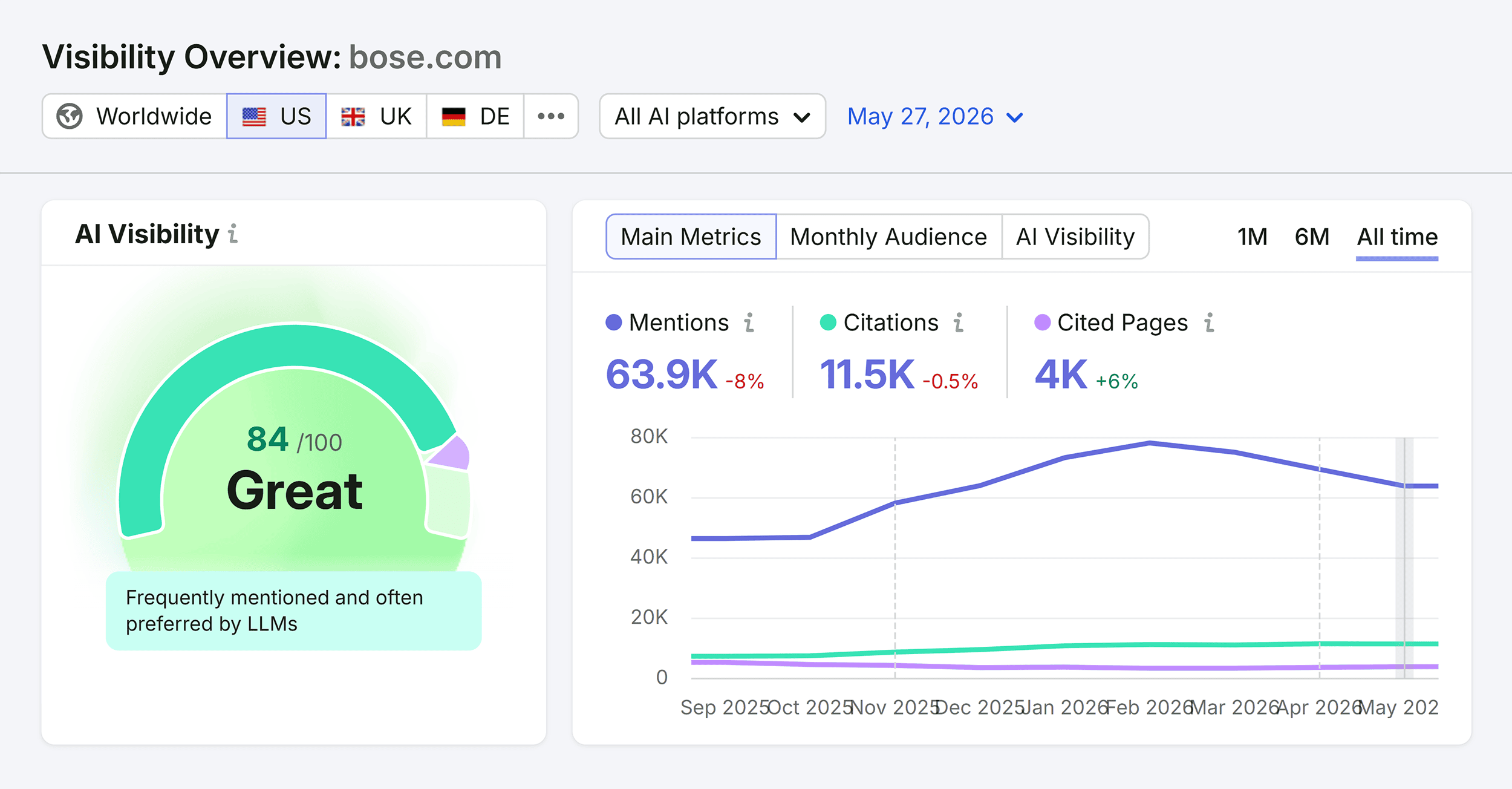
By inputting your brand’s domain into tools like Semrush’s Visibility Overview, you can uncover existing prompts where your brand is already appearing in AI answers. Filtering these by relevant topics, such as "noise canceling" for a headphone brand, can further refine the list. For those without existing AI visibility, the Prompt Research tool can identify emerging and high-volume prompts within your industry. The goal is to build a spreadsheet of these critical money prompts, which will serve as the basis for the subsequent steps.
Step 2: Generate Your Fan-Out Set
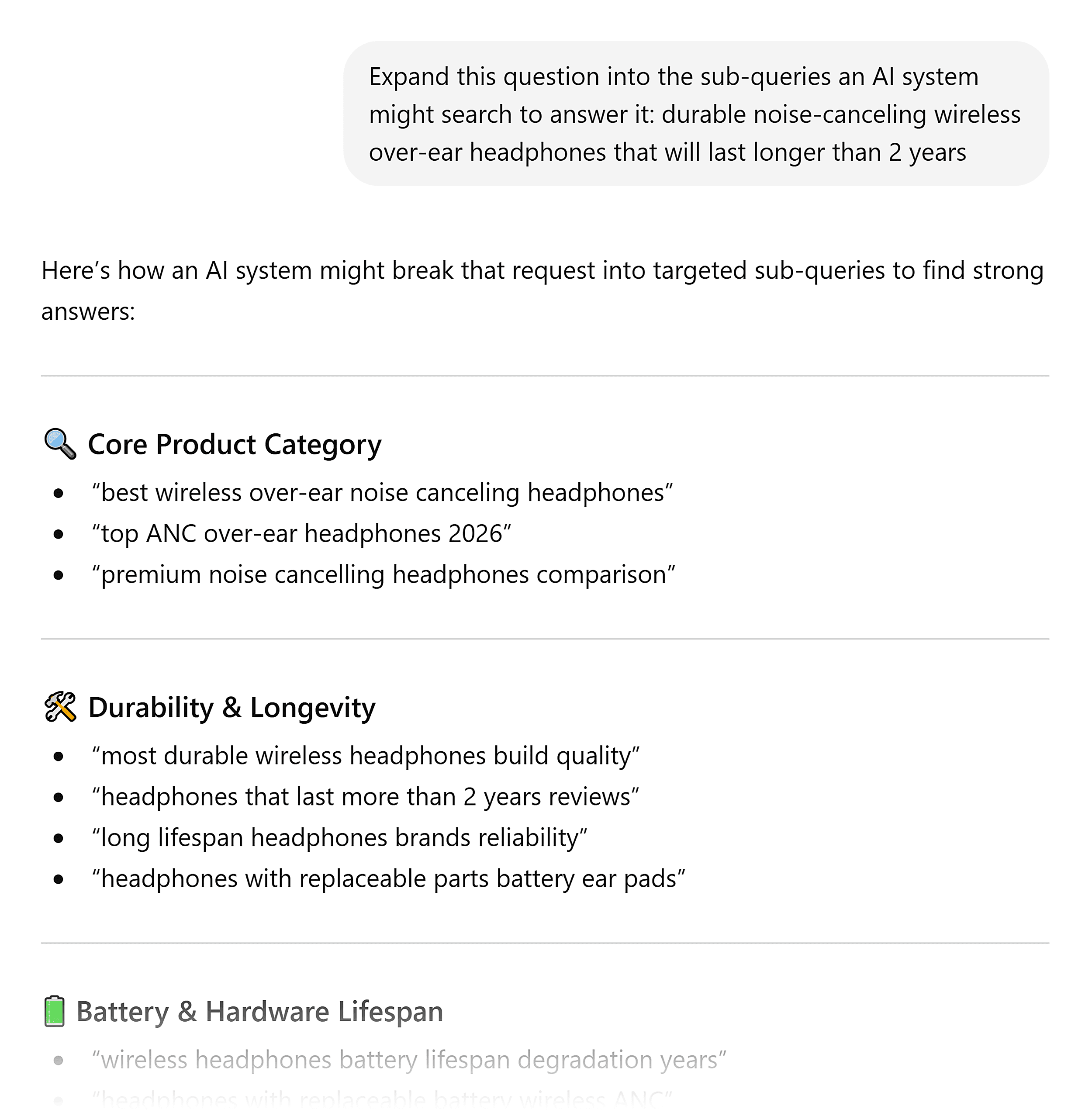
Once money prompts are identified, the next step is to generate the corresponding fan-out sets – the clusters of sub-queries that AI systems create in response. This can be done manually or with specialized tools.
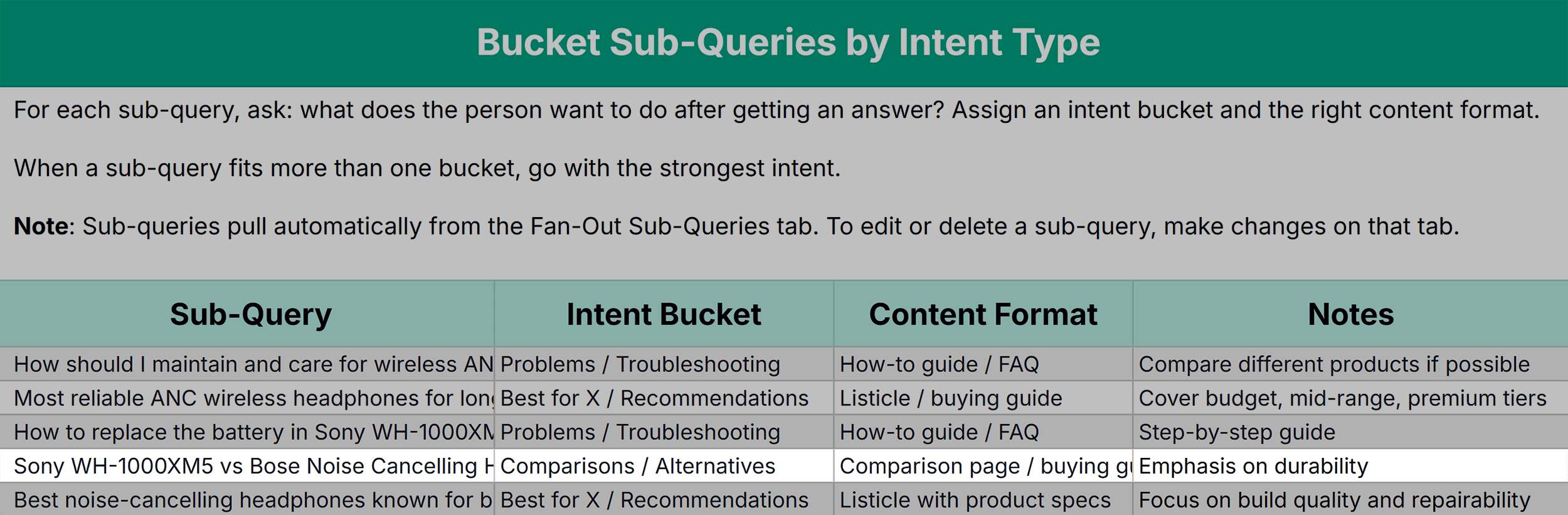
- Manual Generation: By inputting a money prompt into an AI platform like ChatGPT and using browser developer tools (specifically the "Network" tab after inspecting the page), one can often identify the internal searches performed by the AI. Searching for terms like "queries" within the response data can reveal these sub-queries. This method provides a granular understanding of the fan-out process, though it can be time-consuming for large-scale analysis.
- Automated Tools: Tools like Backlinko’s ChatGPT Query Fan-Out Tool (a Chrome extension) automate this process. When installed and used within ChatGPT, it captures the AI’s internal searches in real-time, breaking down each sub-query and its associated query type (e.g., reformulation, comparative, implicit, personalized, entity expansion, related). This offers a significantly faster and more scalable approach.
For each sub-query identified, it’s beneficial to categorize its "query type." This classification helps in understanding the user’s intent behind that specific sub-query and informs the type of content that will best satisfy it.
Step 3: Bucket Sub-Queries by Intent Type
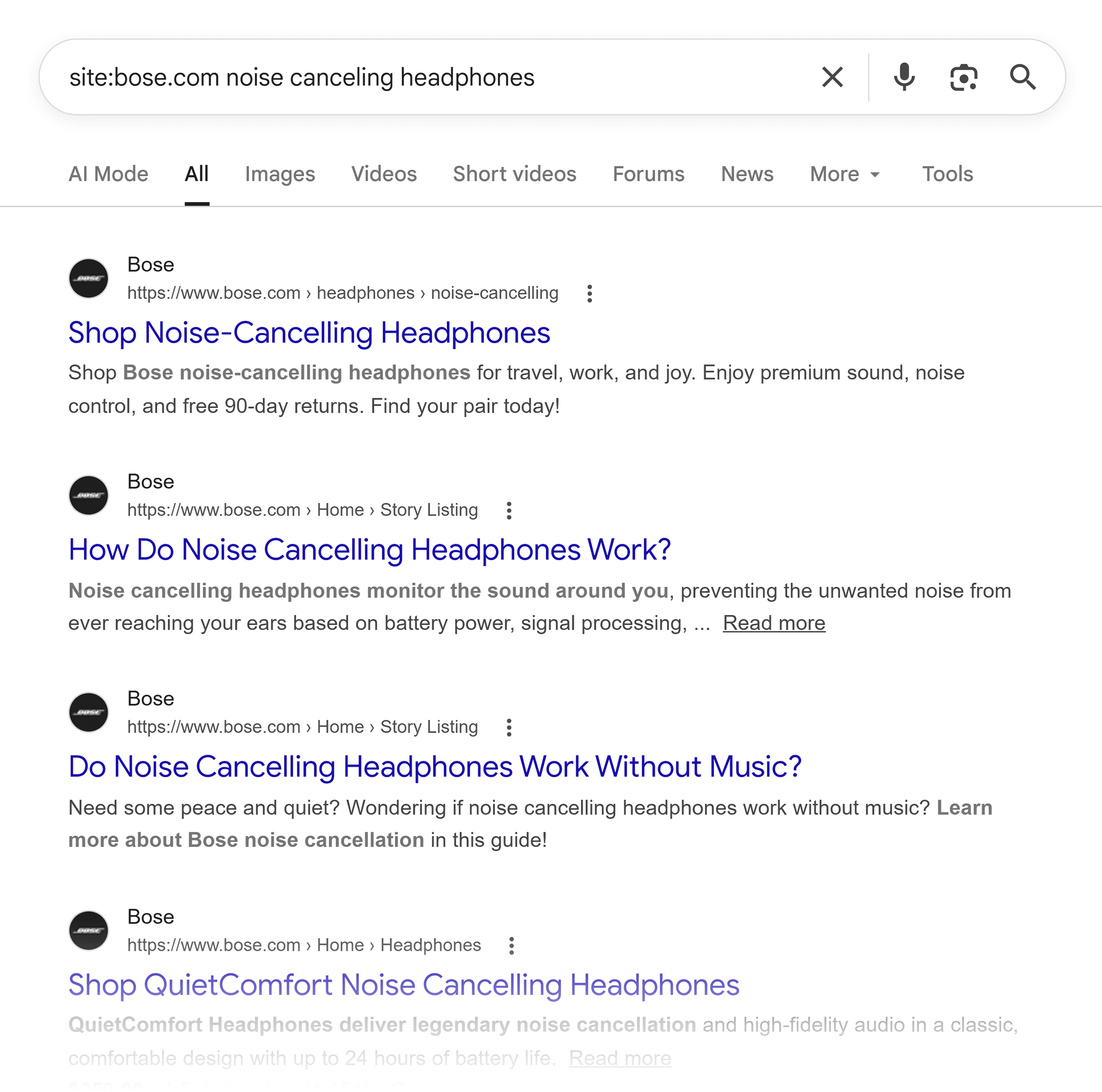
Categorizing sub-queries based on their underlying intent is crucial for determining the most appropriate content format. By asking what a user aims to accomplish after receiving an answer to a sub-query, content creators can align their strategy with user needs.
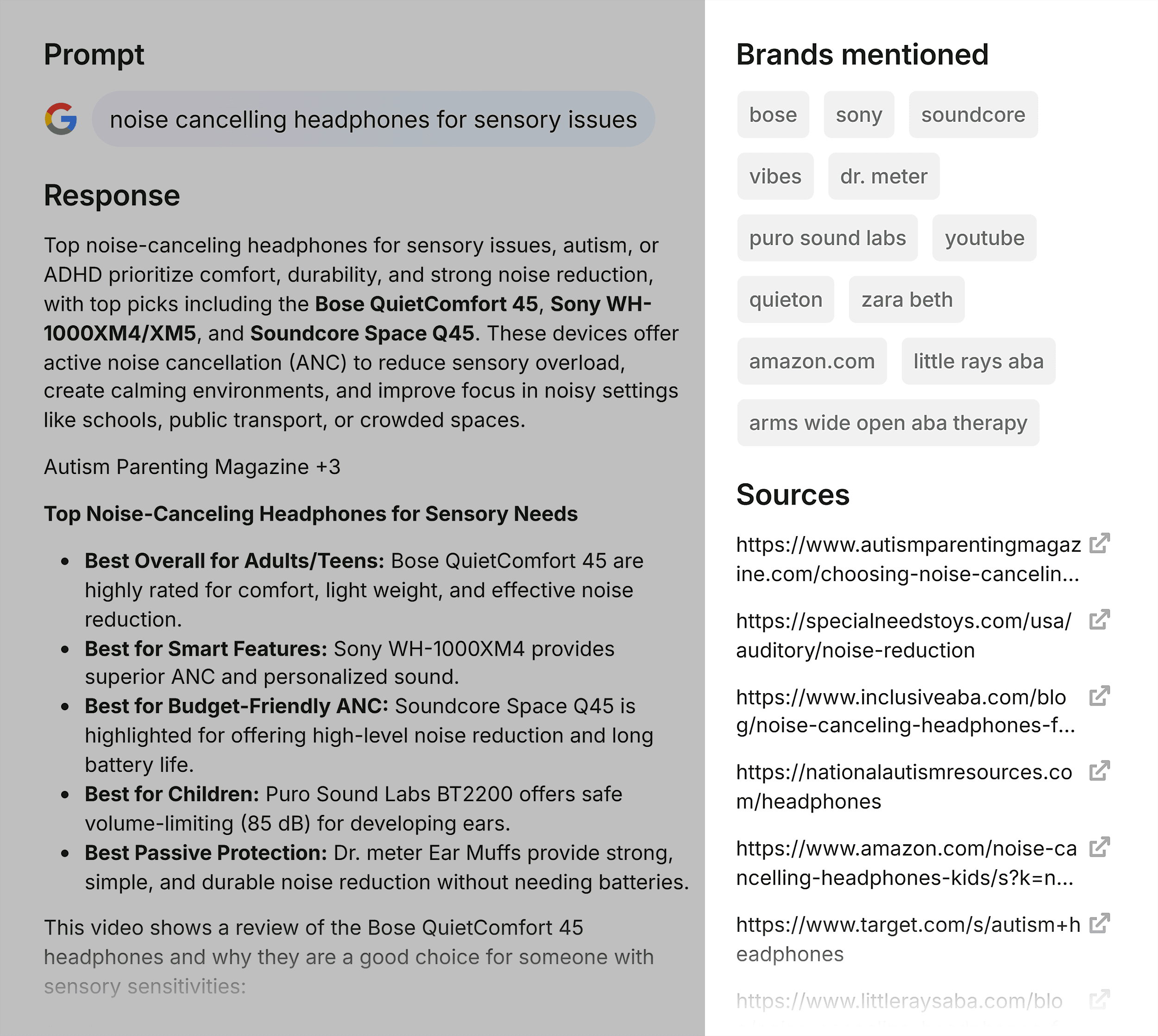
For example, a sub-query like "Sony vs Bose Noise Canceling Headphones" clearly indicates a comparative intent. The ideal content format for such a query would be a head-to-head comparison page or a detailed comparison table, rather than a general buying guide.
Common intent buckets and their corresponding content formats include:
- Definitions/Basics: Queries like "how do noise canceling headphones work?" are best addressed with explainer articles or glossary sections.
- Comparisons/Alternatives: Sub-queries such as "Apple AirPods Max vs. Sony WH-1000XM4" are suited for comparison pages or detailed head-to-head sections.
- Best for X/Recommendations: Queries like "best noise canceling headphones for working from home" benefit from listicles or comprehensive buying guides.
- Problems/Troubleshooting: Questions such as "how to get rid of background noise in audio" are best answered with how-to guides or dedicated FAQ sections.
- Pricing/Value: Prompts like "are there good wireless headphones with noise cancellation under $150?" require pricing pages or value-focused comparison sections.
- Social Proof/Discussions: Queries referencing "best earbuds for calls in noisy environments Reddit" are ideal for review roundups or user feedback sections.
When a sub-query could fit multiple intent buckets, prioritize the one that represents the strongest user intent.
Step 4: Audit Existing Content for Gaps
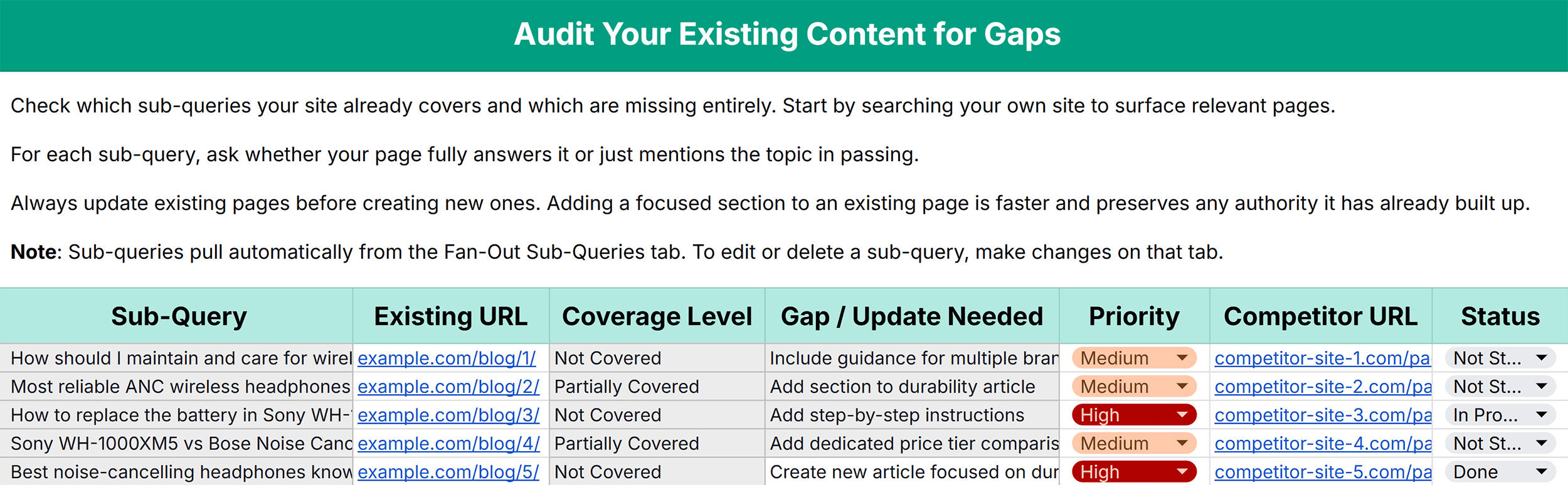
With sub-queries categorized by intent and format, the next step involves auditing your existing content to identify coverage gaps. This can be done by searching your own website using Google’s site: operator (e.g., site:yourdomain.com [sub-query topic]).
For each sub-query, evaluate your existing content based on its coverage level:
- Not Covered: If no content on your site addresses the sub-query, a new piece of content must be created.
- Partially Covered: If the topic is mentioned but not fully resolved, augment the existing page with a dedicated section that directly answers the sub-query.
- Fully Covered: If a page thoroughly answers the sub-query and its content is easily extractable, focus on monitoring and maintaining its currency.
Simultaneously, identify competitors who are already appearing in AI answers for your key money prompts. Tools like the AI Visibility Toolkit can reveal which brands are being cited and for which sources the AI is drawing. This competitive analysis highlights opportunities to fill gaps where competitors are already present.
Step 5: Structure Content for AI Extraction
Creating content that addresses identified gaps is only part of the equation; ensuring AI can easily extract and cite it is equally critical.
- New Content: For unaddressed sub-queries, create dedicated pages or comprehensive sections that directly answer the user’s intent.
- Augmented Content: For partially covered sub-queries, integrate self-contained answers into existing pages. These answers should resolve the sub-query without requiring users to read surrounding context.
Key structural elements to optimize for AI extraction include:
- Front-loading Answers: Place the most critical information and answers at the beginning of the content.
- Clear, Descriptive Subheadings: Use H2, H3, and H4 tags to clearly delineate topics and sub-topics, making it easier for AI to parse and understand content structure.
- Scannable Elements: Employ bullet points, numbered lists, tables, and concise paragraphs to present information in an easily digestible format.
- Structured Data: Implement schema markup where appropriate to provide AI with explicit context about the content’s subject matter and entities.
- Internal Linking: Create logical internal links between related content pieces to help AI understand topic clusters and the relationship between different pages.
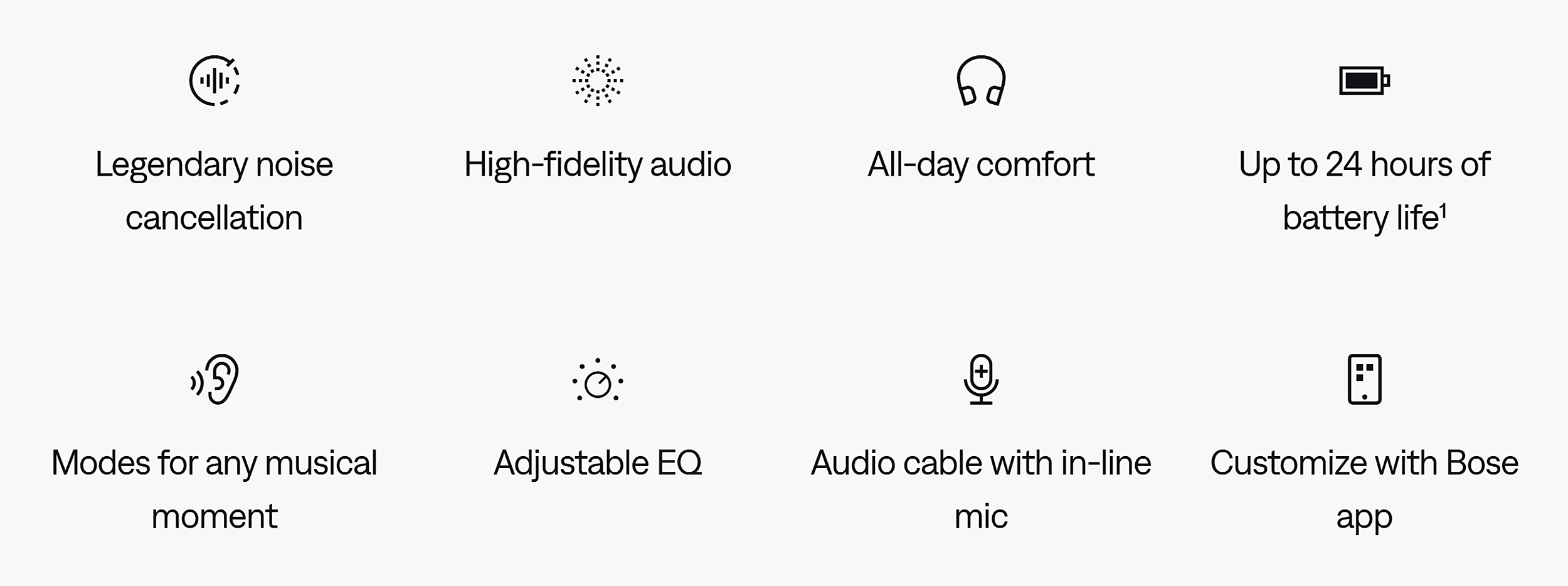
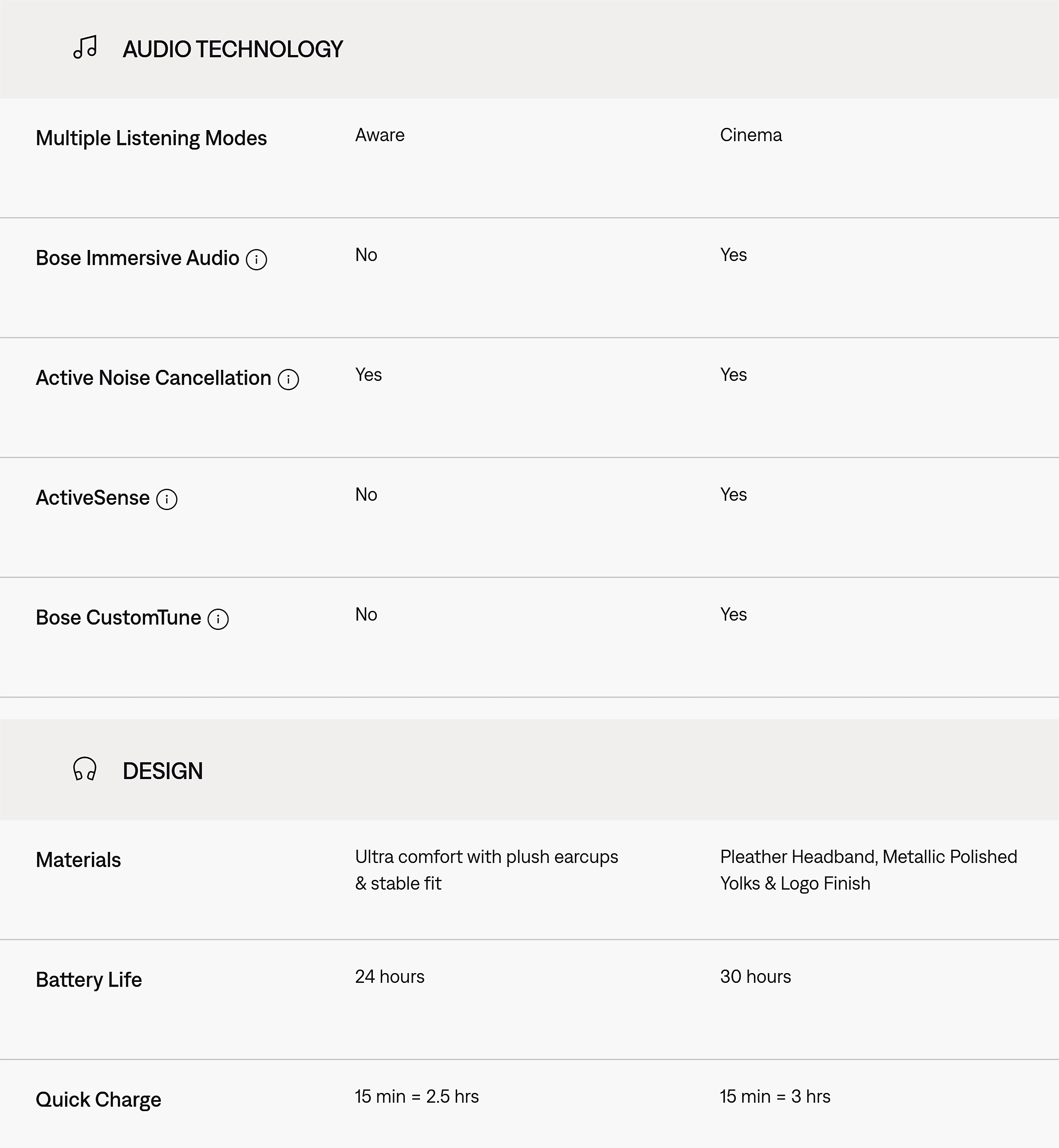
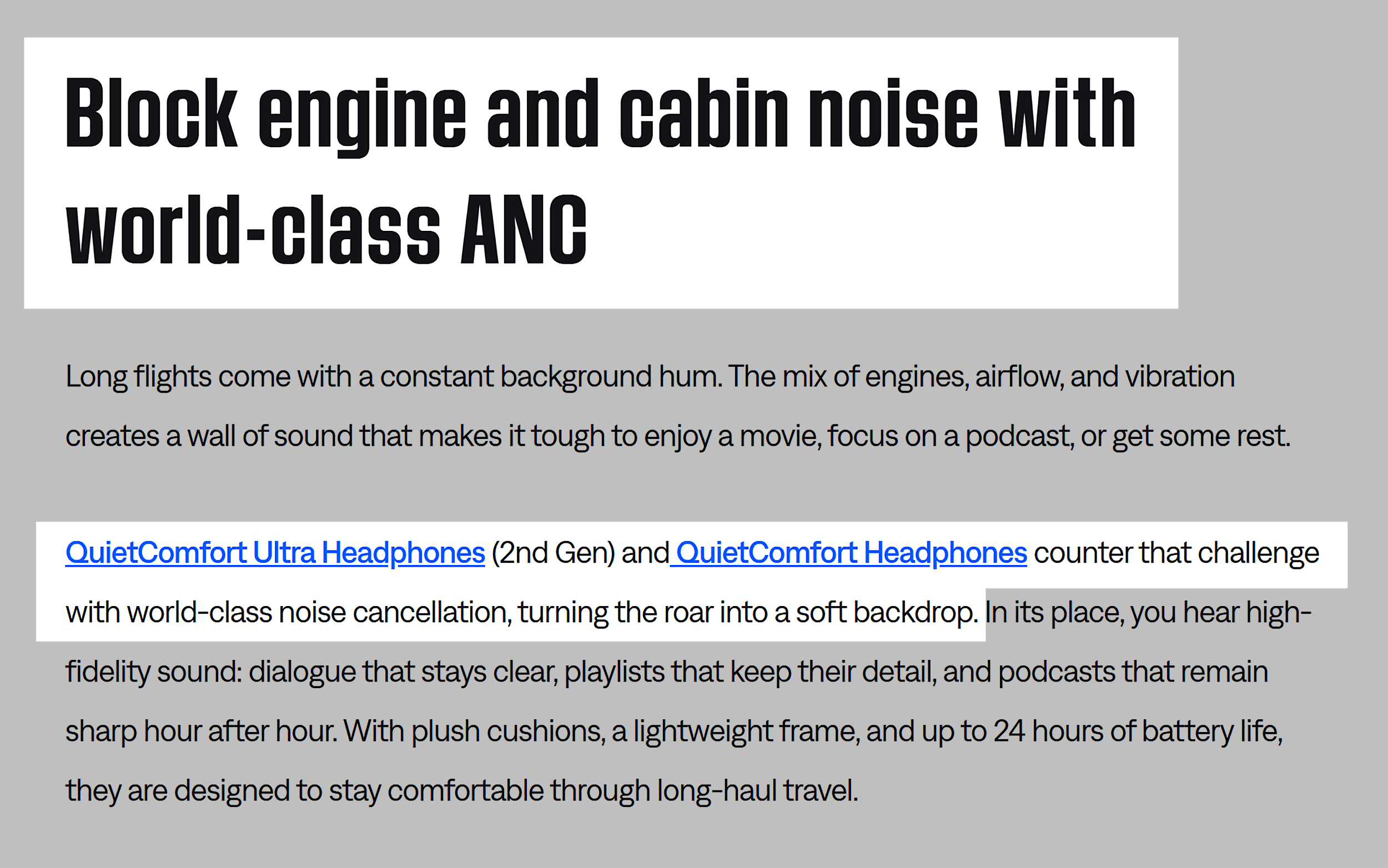
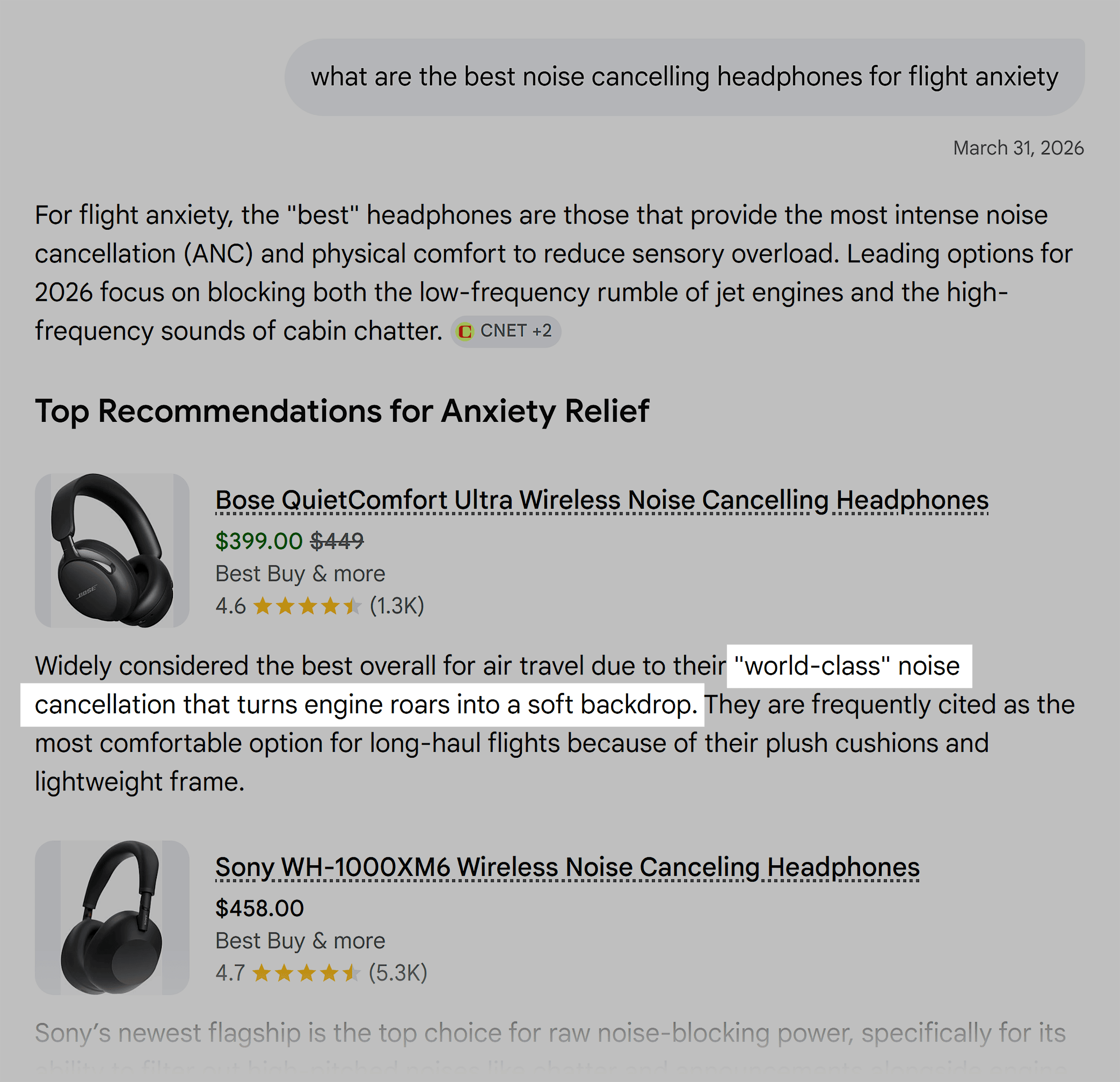
Brands like Bose excel in this area by organizing product pages to highlight key features as scannable elements (e.g., "24 hours of battery life") and using structured comparison tables for specifications. Furthermore, they create dedicated landing pages tailored to specific use cases (e.g., "noise-canceling headphones for flights"), using language that directly matches potential AI sub-queries.
Step 6: Measure Performance in AI Search
Continuous monitoring of performance in AI search is vital for refining content strategy. Begin by tracking the money prompts identified in Step 1 across various AI platforms. Key metrics to monitor include:
- Mentions: How often your brand or content is cited in AI answers.
- Competitor Mentions: Which competitors are appearing alongside your brand or in place of it.
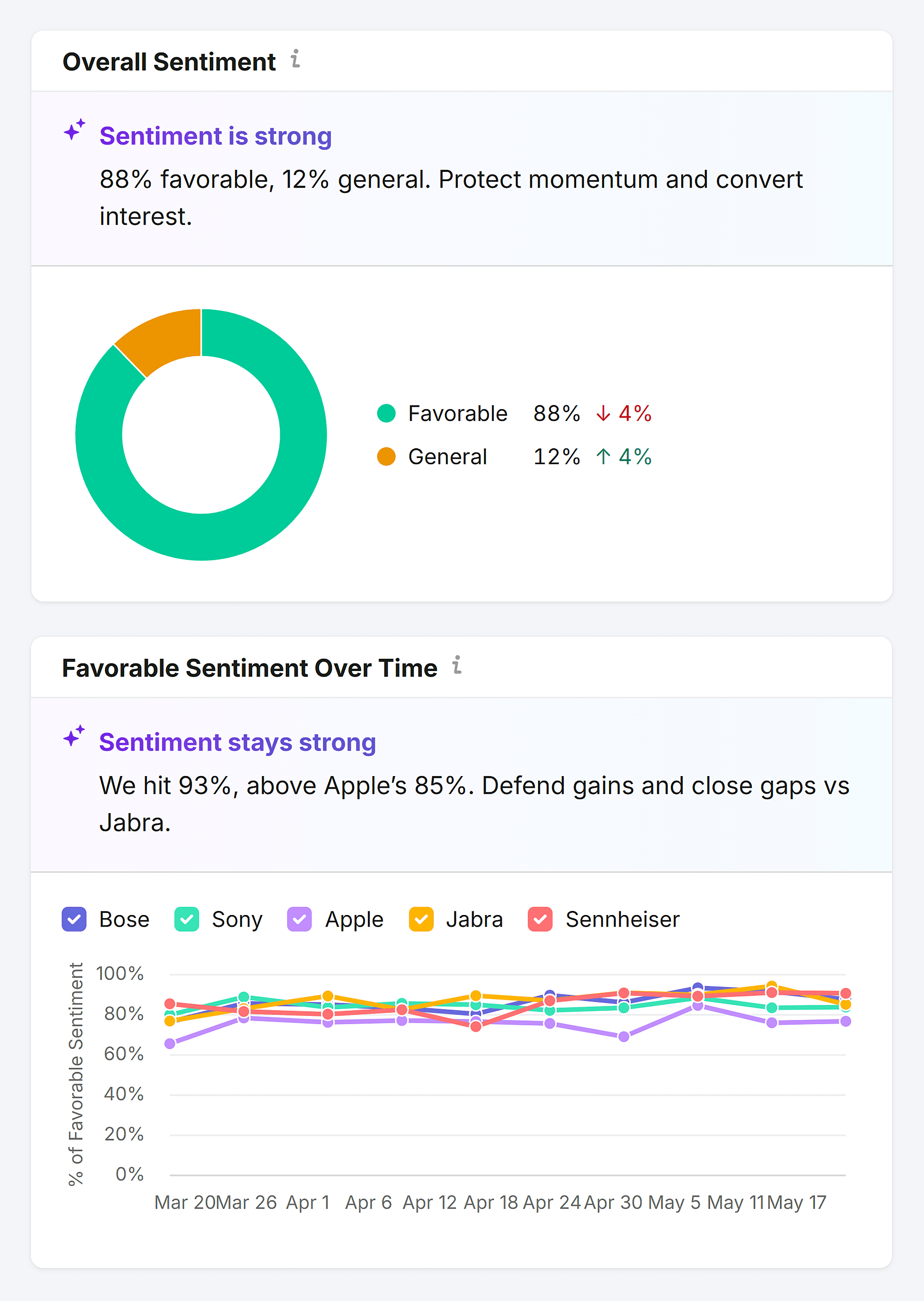
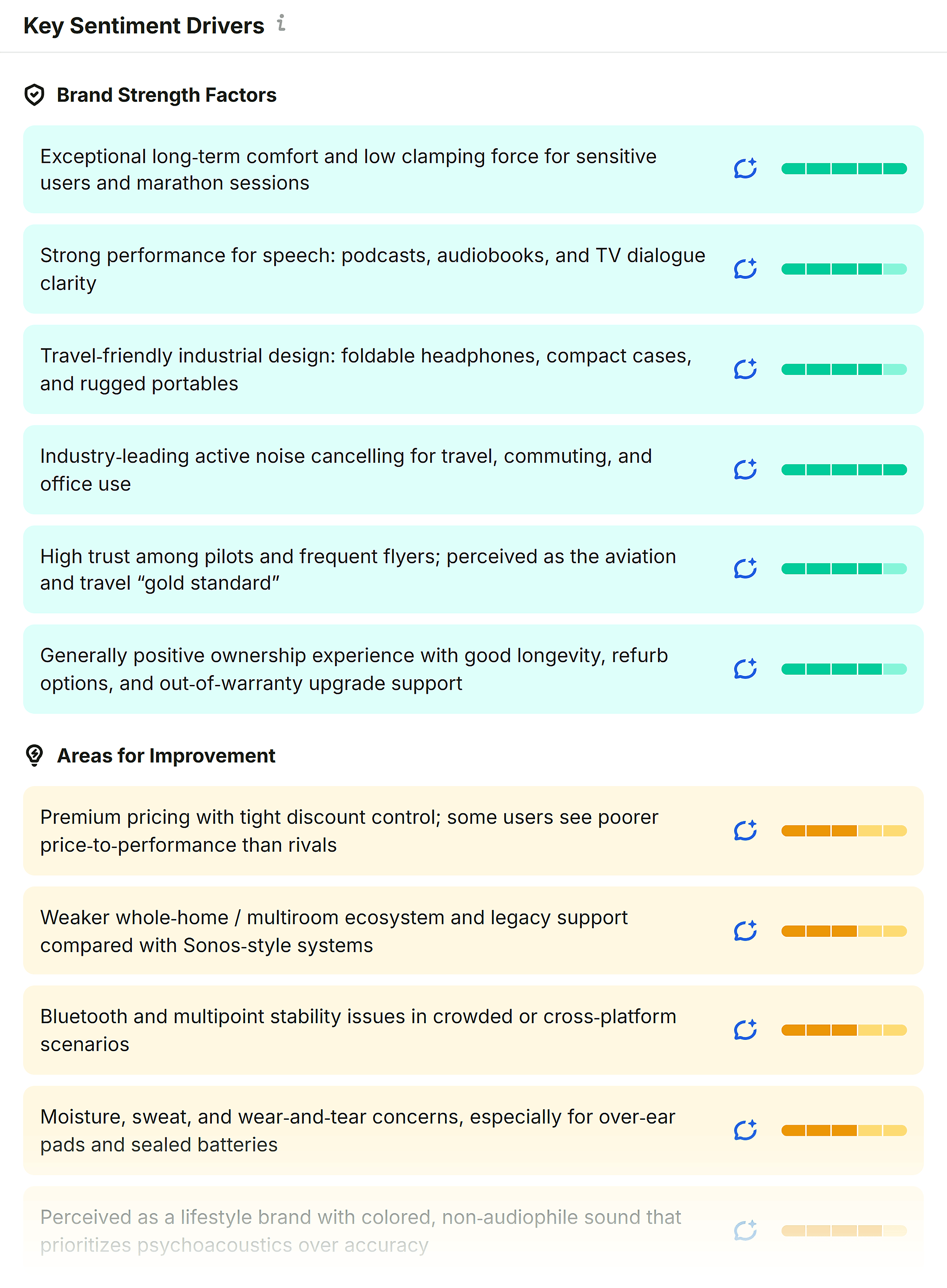
- Sentiment: The tone and context in which your brand is mentioned.
Manual tracking can be done by periodically querying AI platforms. However, for scalable and efficient monitoring, tools like Semrush’s Prompt Tracker and Visibility Overview are invaluable. The Prompt Tracker alerts users to changes in mentions for specific prompts, while the Visibility Overview provides an AI visibility score and sentiment analysis, detailing the factors influencing how AI perceives your brand. Regularly revisiting these metrics allows for ongoing content optimization and adaptation to the evolving AI landscape.
Query Fan-Out Across Different AI Platforms
The nuances of query fan-out can vary across different AI platforms, influencing how content should be optimized:
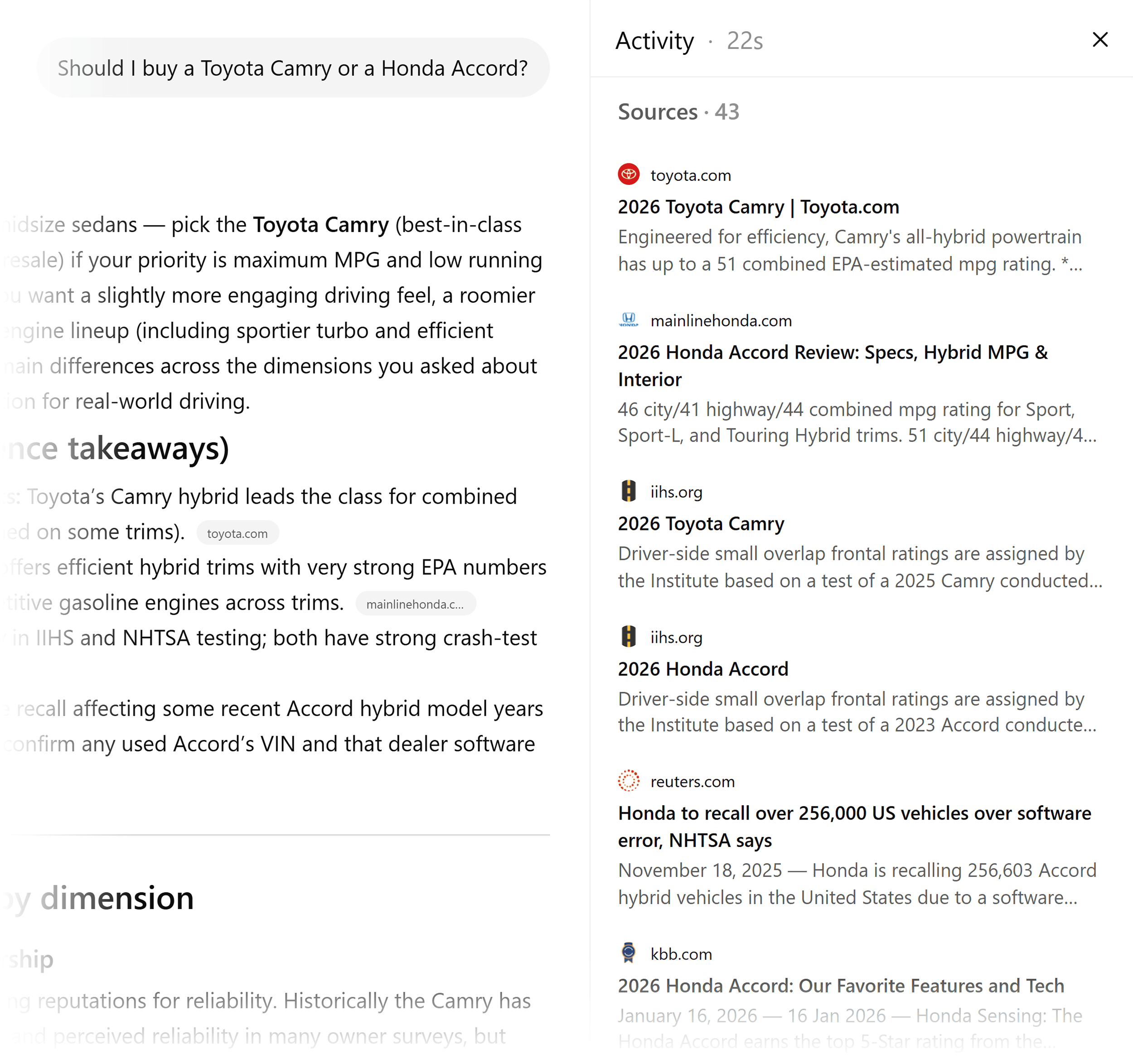
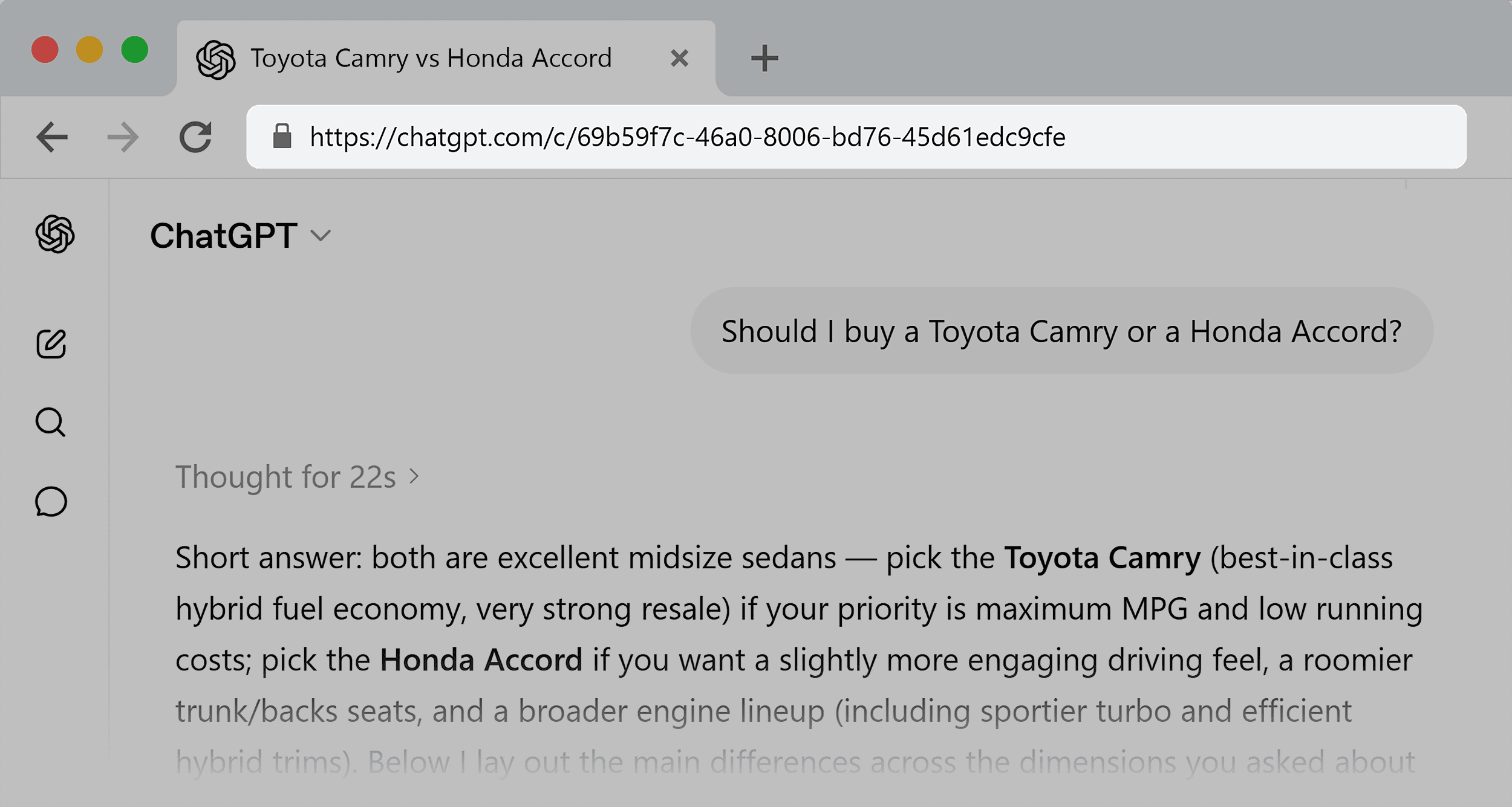
- ChatGPT: For informational queries, ChatGPT often relies on its training data. However, for requests requiring current information, comparisons, or real-world data, it initiates live web searches, performing query fan-out internally. Advanced users can identify these sub-queries using browser developer tools.
- Perplexity: This platform employs a dual-approach, combining conversational context with real-time web searches. It first analyzes user intent and past interactions before launching external searches, often resulting in a more personalized and context-aware fan-out process.
- Claude: Claude tends to clarify user intent through interactive questioning before conducting searches. This leads to more targeted, but potentially fewer, fan-out sub-queries, emphasizing the need for specific, well-defined content addressing particular use cases.
- Google AI Overviews & AI Mode: Google’s AI Overviews synthesize information from its vast index into concise summaries. AI Mode, a more conversational interface, breaks down complex prompts into multiple searches, drawing heavily from Google’s established web index. Optimization for these platforms involves clear, structured content that is easily extractable.
While the specific mechanisms may differ, the overarching principle remains: AI prioritizes comprehensive, easily retrievable information that directly addresses the diverse facets of a user’s query.
Conclusion: Aligning Content with AI’s Information Needs
In conclusion, the rise of AI-driven search signifies a fundamental shift in how online content gains visibility and influence. High rankings alone are insufficient; brands must actively adapt their content strategies to align with the principles of query fan-out. This involves meticulously identifying user money prompts, understanding the resulting sub-queries, auditing existing content for gaps, and structuring new and updated content for optimal AI extraction. By embracing a topic-centric approach, prioritizing clear, front-loaded, and scannable content, and continuously monitoring performance across AI platforms, businesses can ensure their information is not only found but also cited and trusted by the next generation of searchers. The future of digital discoverability hinges on mastering this new information retrieval paradigm.