The Ultimate Guide to Crafting High-Impact Instagram Captions for Brands and Marketers


While Instagram remains fundamentally a visual-first platform where photos, videos, and Reels serve as the primary entry point for user attention, modern digital marketing strategies increasingly rely on text components to close the gap between visibility and conversion. Unlike platforms such as Facebook, Twitter, or LinkedIn, which accommodate text-only updates, Instagram mandates a visual asset for every post. However, industry data indicates that visual media alone is rarely sufficient to build a robust brand community, drive organic reach, or influence consumer purchasing decisions. Consequently, the humble Instagram caption has evolved into a sophisticated copywriting tool, capable of adding crucial context, fostering emotional resonance, and guiding audiences through a carefully engineered conversion funnel.

Understanding the Anatomy and Evolution of Instagram Captions
On Instagram, a caption functions as the textual accompaniment to a photograph, video, or Reel. Platform parameters permit up to 2,200 characters per caption, a generous limit that allows for intricate storytelling, detailed product descriptions, and strategic keyword placement. Creators and brands can incorporate standard text, emojis, and hashtags within these boundaries. Nevertheless, structural limitations persist: clickable hyperlinks are strictly prohibited within standard post captions, restricting direct off-platform navigation to the user bio, Instagram Stories, or paid advertisements.

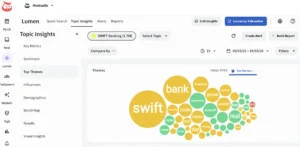
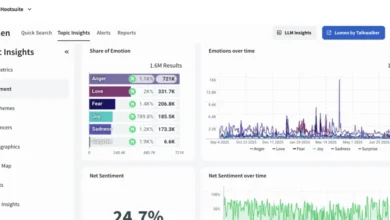
Given these constraints, marketers must maximize the utility of every character. Industry studies frequently challenge the notion that modern audiences prefer exclusively brief text. While concise, punchy phrases remain popular, platform experiments conducted by social media management firms like Hootsuite reveal that captions ranging between 400 and 705 characters often secure higher engagement rates than micro-captions under 65 characters. This suggests that users value the additional context, narrative depth, and behind-the-scenes insights that medium-to-long-form captions provide.
Strategic Frameworks for Writing Captions That Convert

Crafting an effective Instagram caption requires a delicate balance of creativity, psychological insight, and technical execution. Whether brands choose to utilize pre-written templates or draft original copy from scratch, several foundational best practices govern high-performing social media content.
Starting Strong and Establishing Value
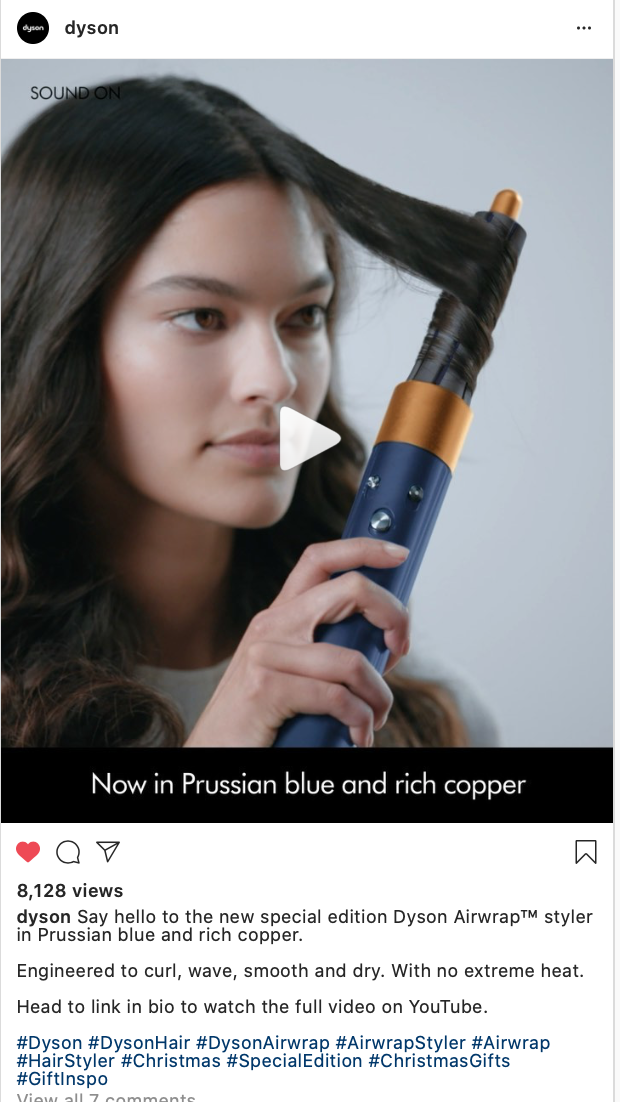
In an increasingly saturated digital ecosystem, user feeds move rapidly. Capturing a viewer’s attention demands what marketers term a "thumb-stopping" hook. This is typically achieved by placing the core value proposition directly at the beginning of the caption. By answering the user’s implicit question—"What’s in it for me?"—within the first one to two lines visible above the feed’s "more" truncation point, brands successfully incentivize users to expand the text and subsequently engage with the accompanying call to action (CTA). For instance, highlighting a seasonal problem and an immediate, low-effort solution in the opening line dramatically increases read-through rates.
Integrating Pop Culture and Cultural Resonance
Relevance remains a primary currency in social media marketing. Incorporating subtle pop culture references, seasonal cliches, or universally recognized idioms allows brands to humanize their messaging and establish immediate rapport with their target demographic. Whether leaning into autumnal aesthetics with timely phrases about falling leaves or utilizing musical allusions that capture a seasonal mood, cultural touchpoints transform static product promotions into relatable, conversation-starting content.
Optimizing for Algorithmic Engagement
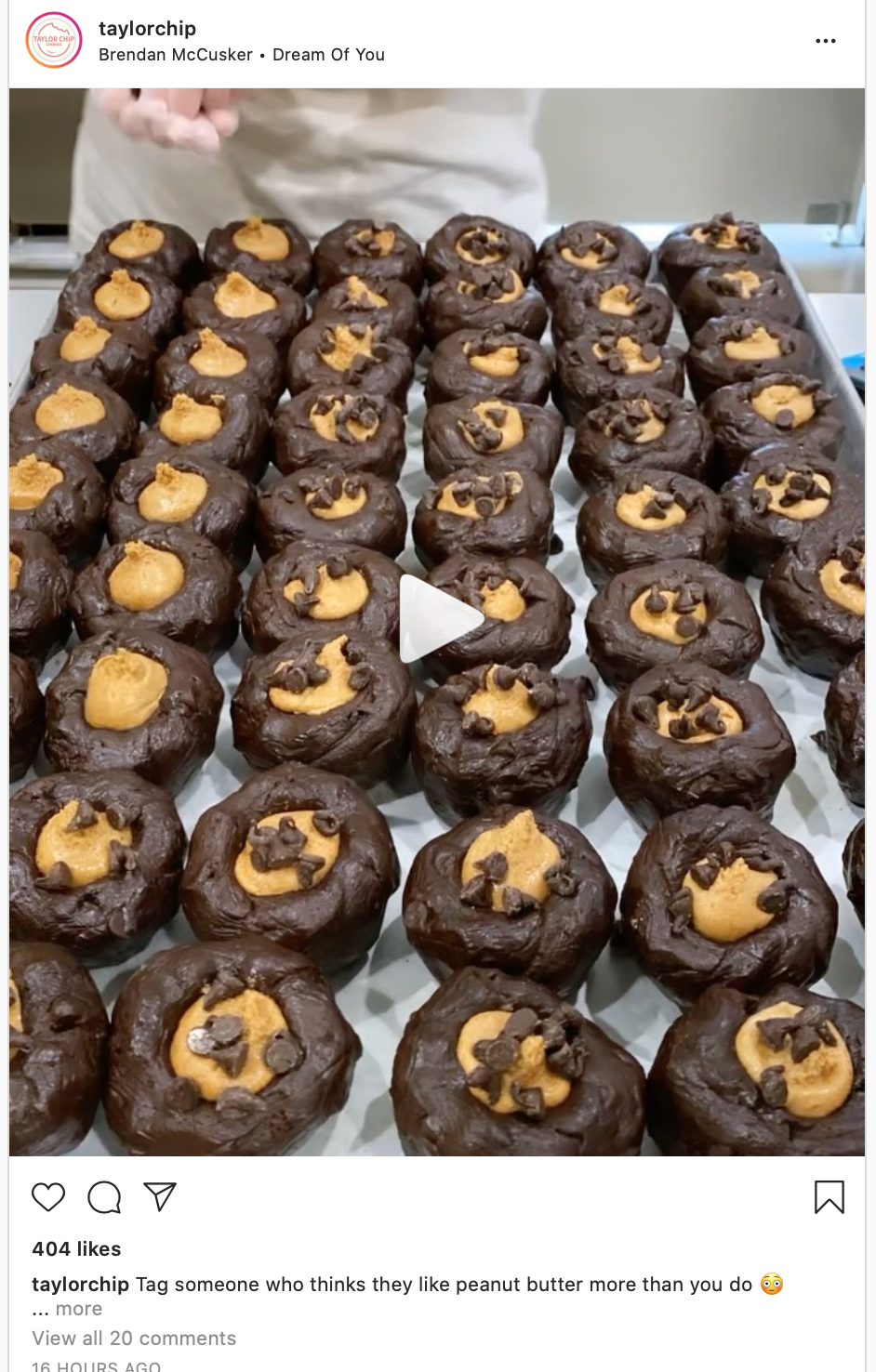
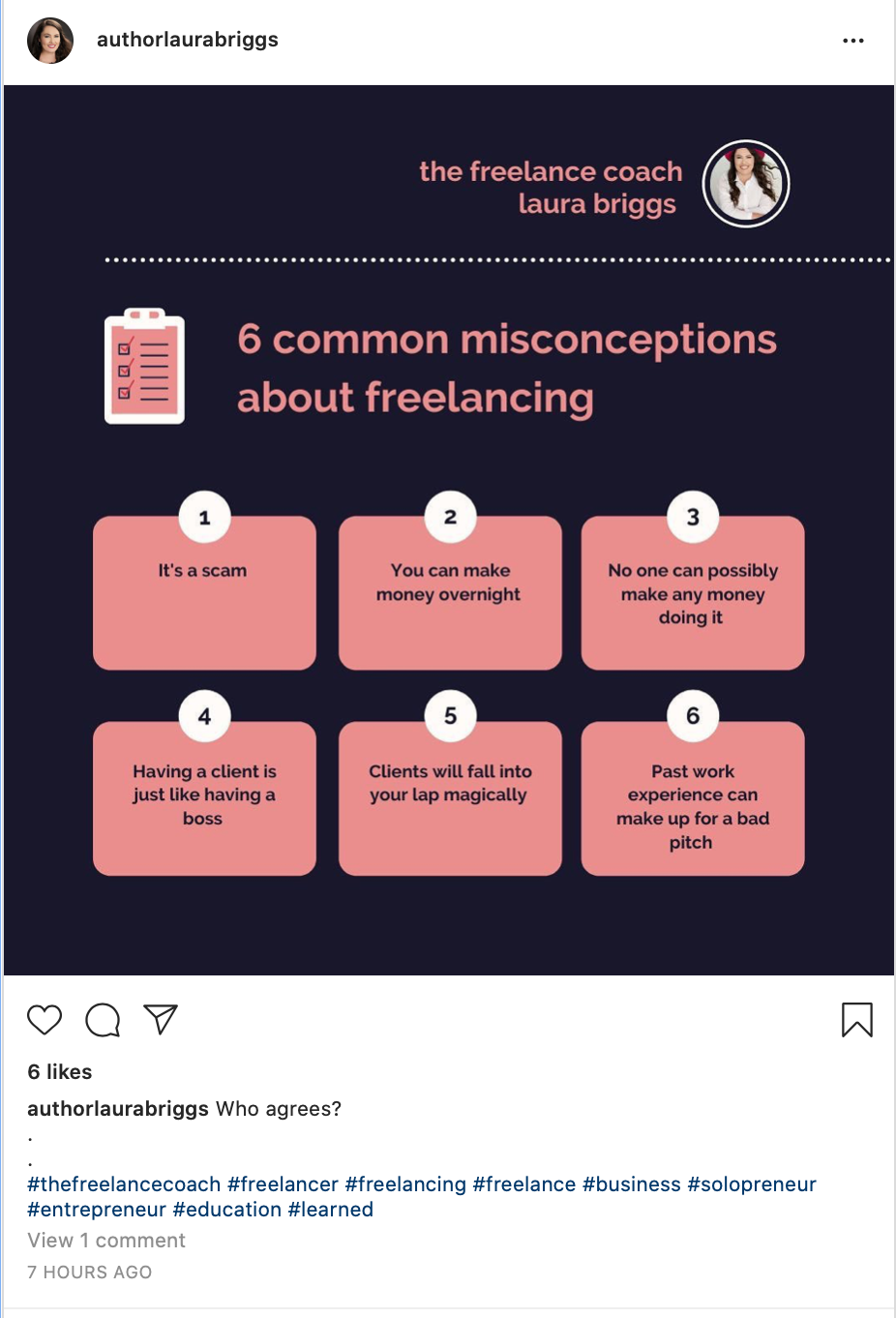
Because Instagram restricts direct outbound linking in standard posts, engagement serves as the most reliable indicator of content success. The platform’s algorithm prioritizes posts that generate swift interactions—such as likes, saves, shares, and comments—pushing them higher in follower feeds and expanding organic reach. Marketers routinely employ specific psychological triggers to stimulate this engagement, ranging from straightforward interrogatives ("Who agrees?") to interactive prompts that encourage peer tagging. While tag-a-friend campaigns must be deployed judiciously to prevent audience fatigue, moderate use effectively introduces brand content to entirely new networks of potential consumers.
Designing Action-Oriented Calls to Action

While cultivating engagement is vital for algorithmic visibility, commercial enterprises ultimately measure social media return on investment through tangible actions, such as event registrations, appointment bookings, or direct sales. A well-designed Call to Action (CTA) bridges the gap between passive scrolling and active conversion. Effective CTAs clearly articulate the next steps, establish a sense of urgency or exclusivity, reduce friction, and explicitly outline the value the user will receive upon compliance. When paired with structured formatting—such as utilizing emojis as bullet points—complex logistical information becomes digestible and visually appealing.
Technical Best Practices: Formatting, Editing, and Typography

Beyond copywriting psychology, the technical presentation of an Instagram caption significantly influences readability and brand perception.
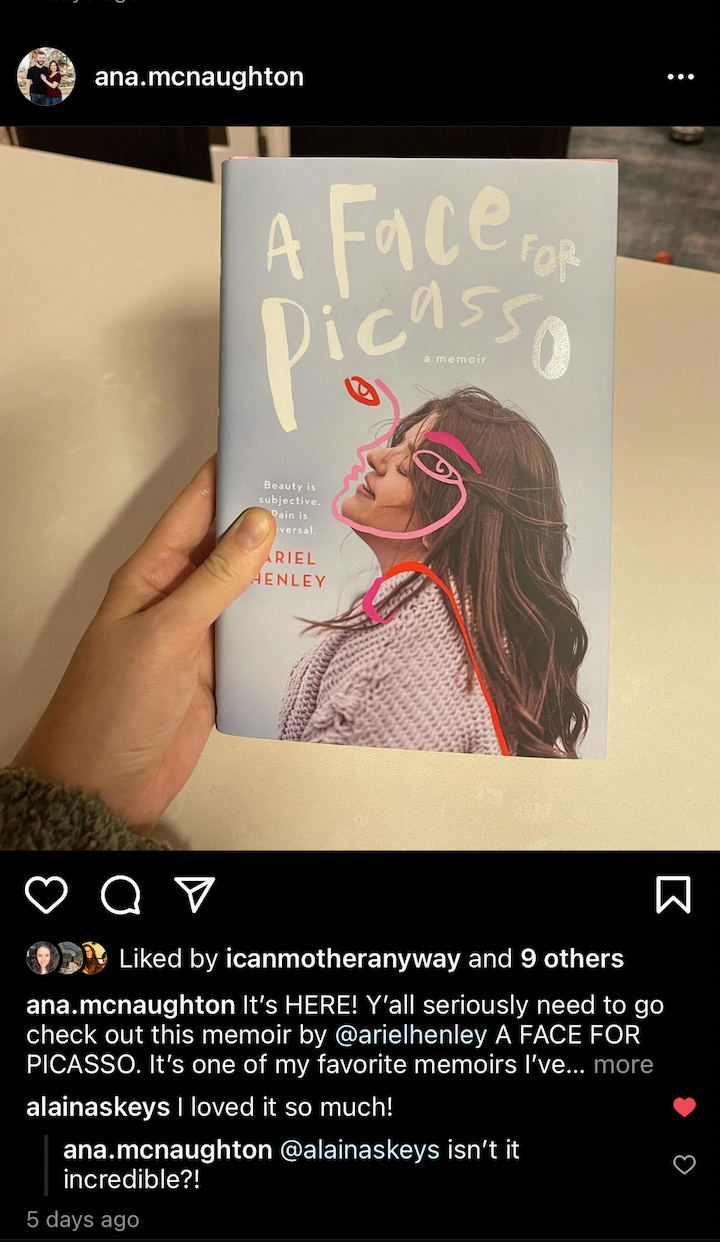
Paragraph spacing remains a critical consideration for longer posts. Dense blocks of text frequently deter readers, whereas clean spacing achieved through the platform’s native return button creates an organized, scannable layout. Industry best practices recommend a structured template: a compelling hook on the first line, a strategic line break leading into the narrative body, and a final separated section dedicated exclusively to hashtags.
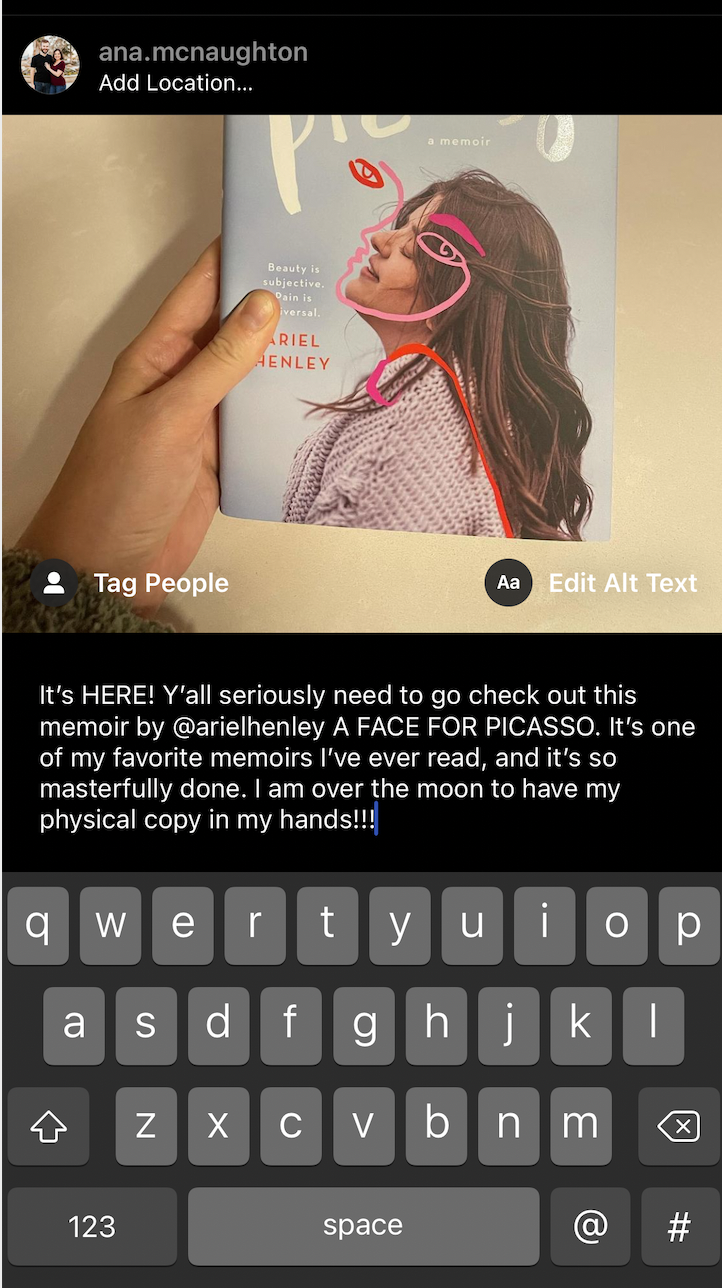
Furthermore, the platform’s native editing functionality ensures that brands can rectify typographical errors or refine messaging post-publication. By accessing the three-dot menu icon in the upper corner of any published post, creators can instantly modify, save, and republish captions without losing accumulated engagement metrics.
For brands seeking further differentiation in crowded feeds, external web utilities such as specialized font generators allow marketers to introduce stylized typography, bold formatting, or italics into their copy. By copying and pasting unicode-based text characters directly into the Instagram editor, accounts can establish a distinct visual identity that commands immediate attention in the margins of standard feed scrolls.
Implications for Modern Digital Marketing
As organic reach continues to fluctuate across major social networks, the mastery of micro-copywriting on platforms like Instagram has transitioned from a supplementary task to a core competency for digital marketing teams. Brands that invest time in refining their caption strategy—balancing algorithmic optimization with authentic storytelling and clear conversion pathways—are uniquely positioned to cultivate resilient, highly engaged digital communities.