Social Media Marketing Strategies for Small Businesses in 2026: Balancing Capacity and Consumer Demand

The landscape of digital marketing for small businesses is currently undergoing a significant paradigm shift as the year 2026 progresses. For many independent operators and solopreneurs, the primary barrier to effective social media presence remains a persistent mismatch between creative ambition and operational capacity. While the influx of generative artificial intelligence tools has provided a technical solution to content volume, a growing body of industry research suggests that the market is experiencing a "human-content fatigue," forcing small business owners to reconsider their reliance on automated solutions.

According to the 2026 Social Media Content Strategy Report published by Sprout Social, human-generated content has emerged as the single most critical priority for consumers this year. The report indicates that audiences are increasingly adept at identifying algorithmically synthesized posts, leading to a decline in engagement for brands that prioritize quantity over authenticity. This trend has created a complex environment for small businesses, which often lack the dedicated marketing teams required to produce high-quality, human-centric media at scale.
The Evolution of Small Business Marketing Constraints
Historically, small business marketing was defined by the challenge of visibility. Today, it is defined by the challenge of resonance. Data from the 2026 study reveals that approximately 40% of social media users now utilize these platforms as their primary discovery engines for new products, moving away from traditional search engines. This shift toward "social search" means that a brand’s presence on platforms like TikTok, Instagram, and Facebook is no longer an optional supplement to a website—it is the storefront itself.
However, the operational reality for small business owners remains fraught with "context switching"—the cognitive drain caused by jumping between content creation, customer service, and business management. Industry analysts suggest that this inefficiency is a leading cause of burnout among small business owners, as they struggle to maintain a consistent posting schedule across multiple networks without the aid of enterprise-level staffing.
Establishing a Strategic Framework
To combat these challenges, marketing experts recommend that small businesses move away from opportunistic, sporadic posting in favor of a 90-day goal-oriented framework. This strategy involves selecting one primary objective—such as increasing brand awareness, driving direct sales, or fostering community engagement—and aligning all content efforts to that goal.
The current consensus among digital strategists is that the most sustainable model for a one-person team is "content batching." This involves dedicating specific blocks of time to the creation of assets, which are then scheduled in advance to ensure a consistent presence. By removing the daily pressure to create, business owners can maintain a higher standard of quality, which is essential to meeting the 2026 consumer demand for human-made content.
Leveraging Short-Form Video for Market Penetration
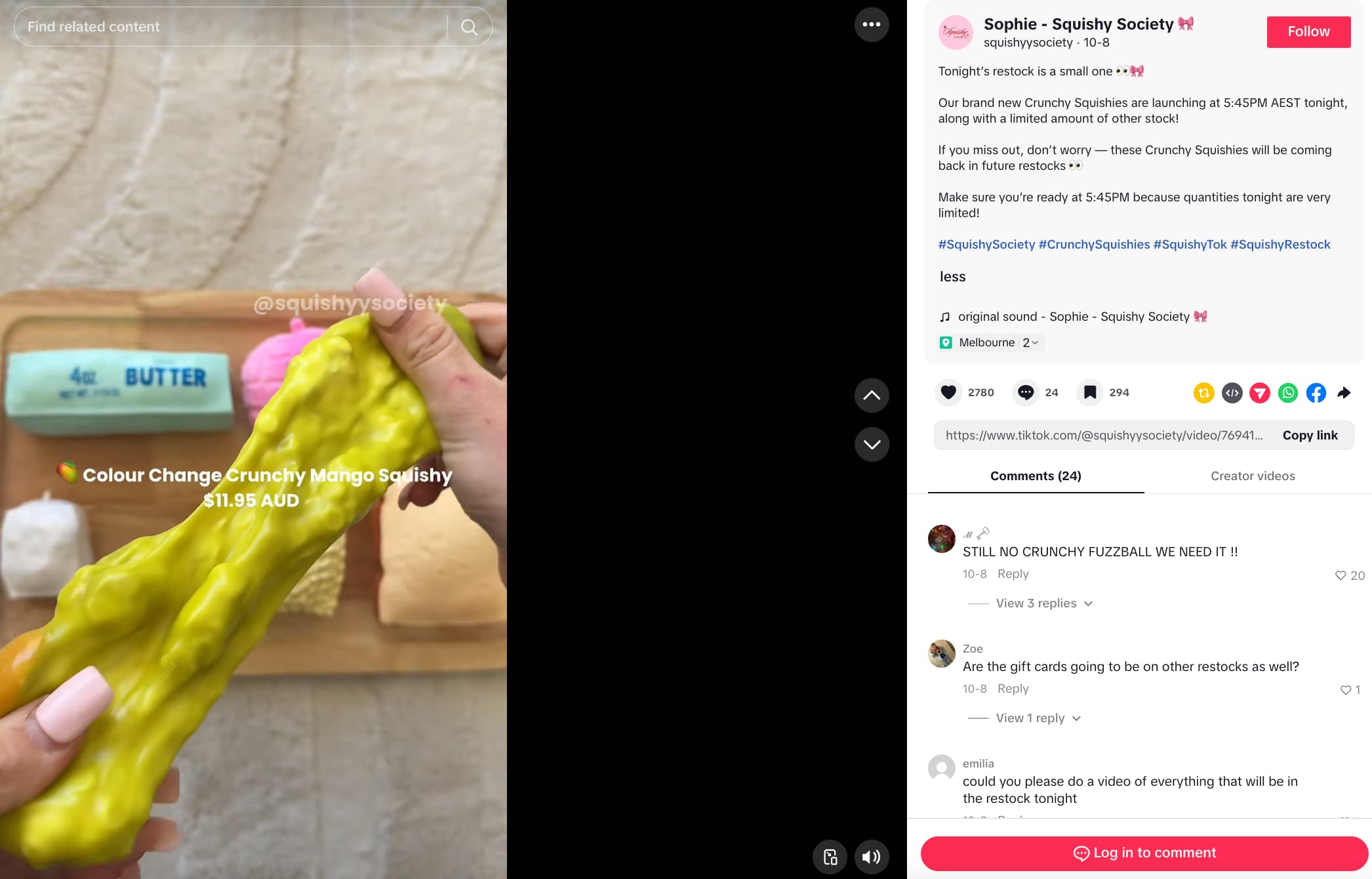
The data underscores the dominance of short-form video as the most effective medium for capturing attention in an oversaturated market. Whether via TikTok, Instagram Reels, or YouTube Shorts, video content that provides bite-sized, actionable information consistently outperforms static imagery.
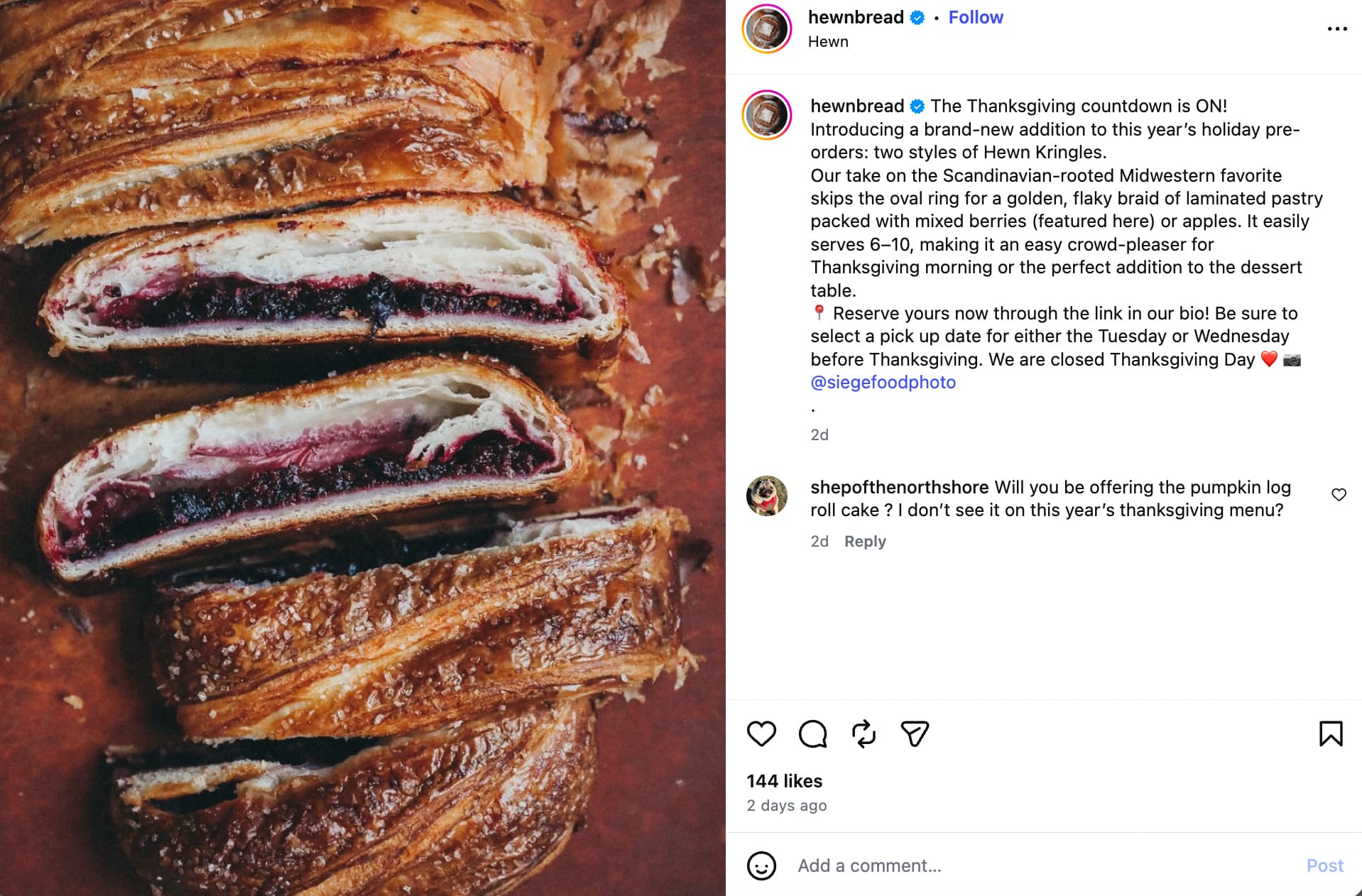
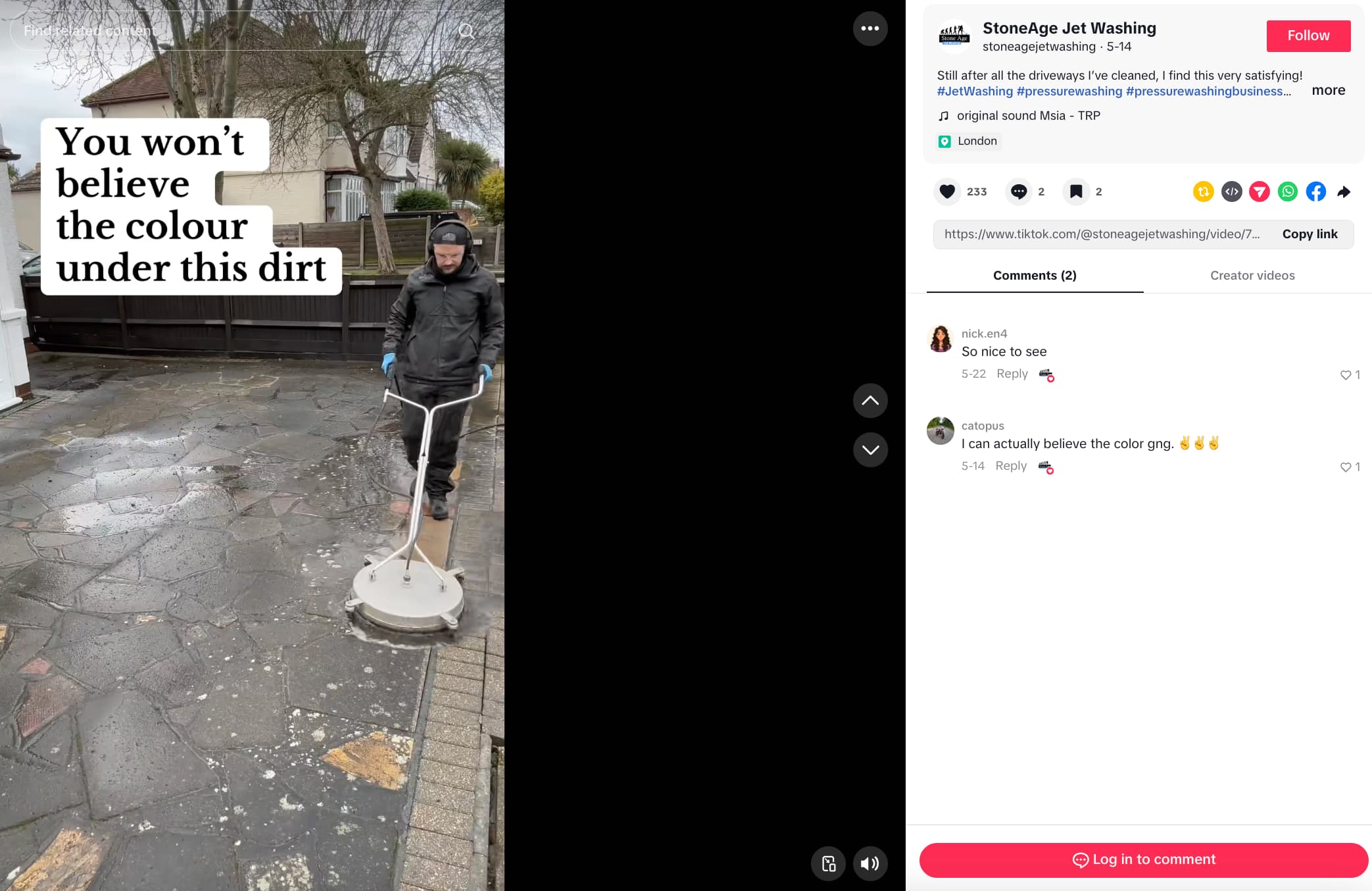
A successful case study in this domain is the rise of service-based businesses, such as professional cleaning or home maintenance services, which utilize "before-and-after" video formats. These clips require minimal production value, often relying on smartphone footage, yet they satisfy the consumer’s desire for visual proof of value. The implication here is that authenticity—often captured in raw, unedited footage—is now a competitive advantage over highly polished, AI-generated advertising.
The Role of Localized Influence and Community Building
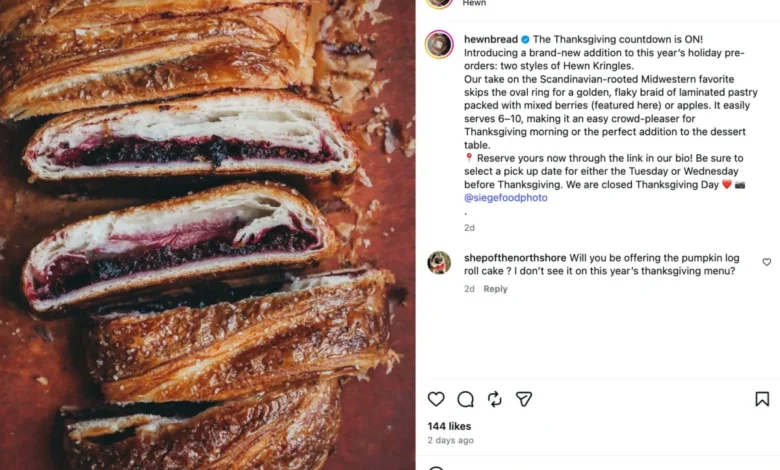
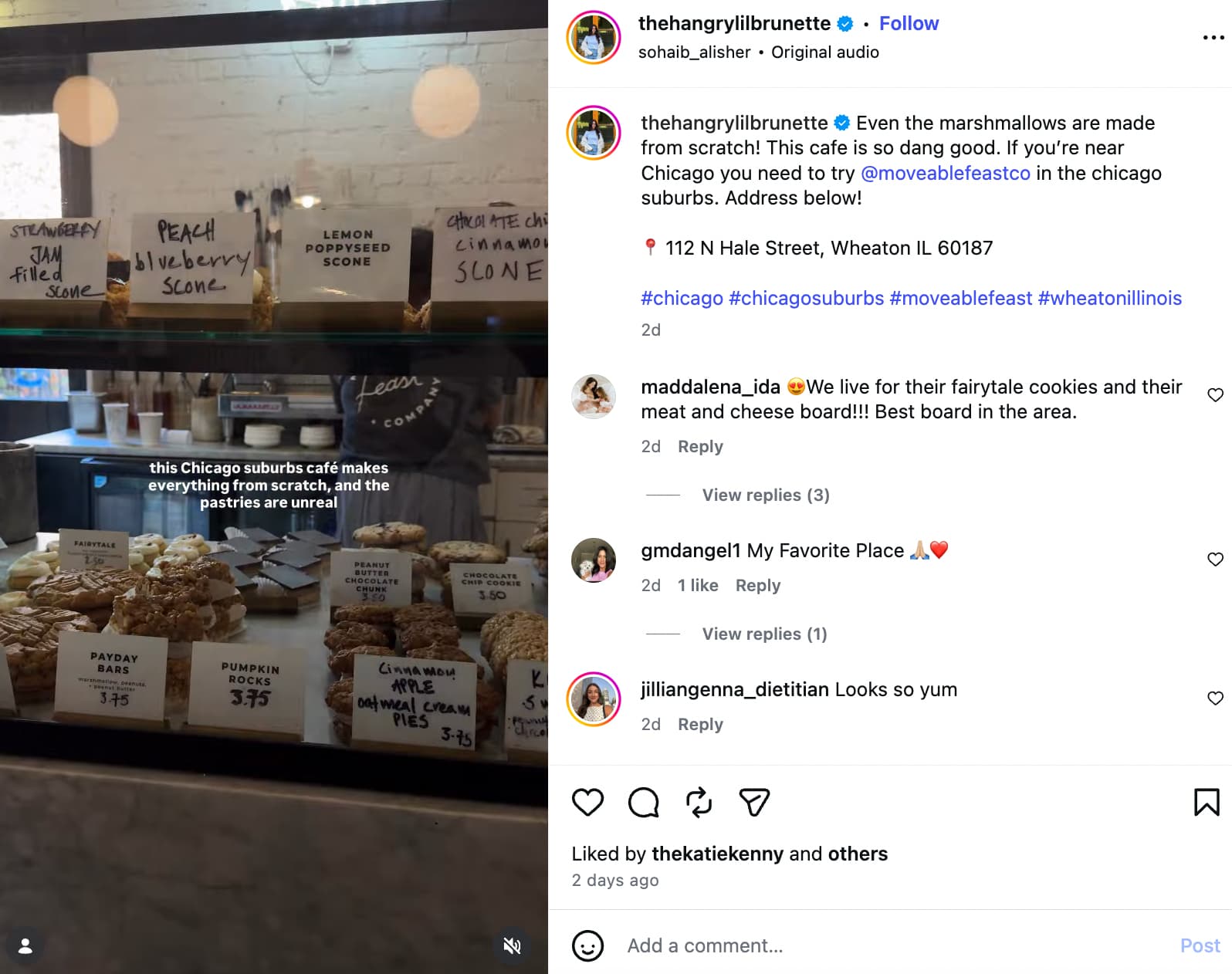
While national brands often look toward large-scale influencers, the 2026 market indicates a resurgence in the value of micro-influencers—individuals with smaller, highly engaged local followings. For a neighborhood café or a boutique retail store, collaborating with a local creator who has a dedicated regional audience is often more cost-effective than broad-spectrum digital advertising.
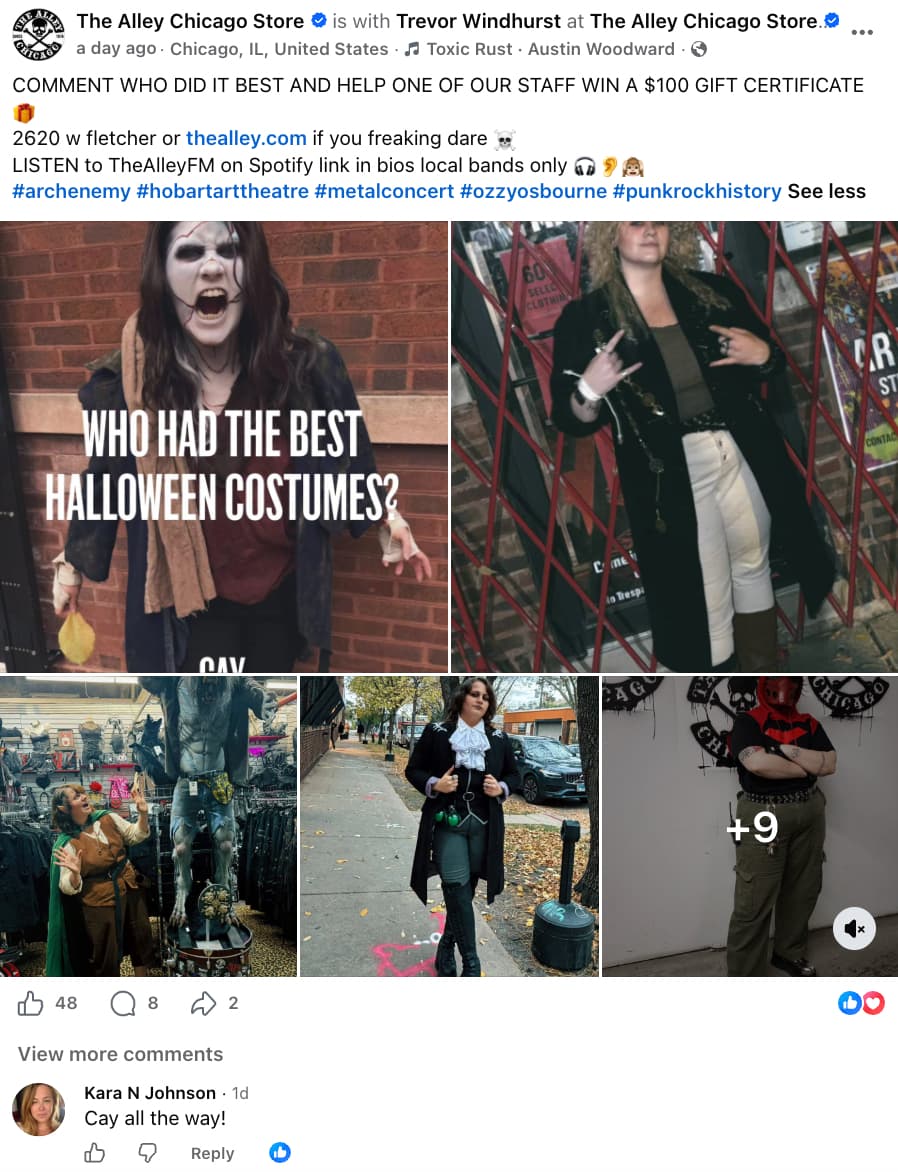
This strategy serves two purposes: it provides the small business with "social proof," and it facilitates access to a hyper-targeted audience. In many instances, these collaborations are negotiated through trade-based arrangements, where the influencer receives products or services in exchange for content creation, significantly reducing the financial burden on the business owner.
Technical Optimization and Social Search
As platforms refine their search algorithms, the "discoverability" of a small business is increasingly tied to its ability to speak the language of the search engine. This process, known as social search optimization, involves the strategic integration of keywords into bios, captions, and geotags.
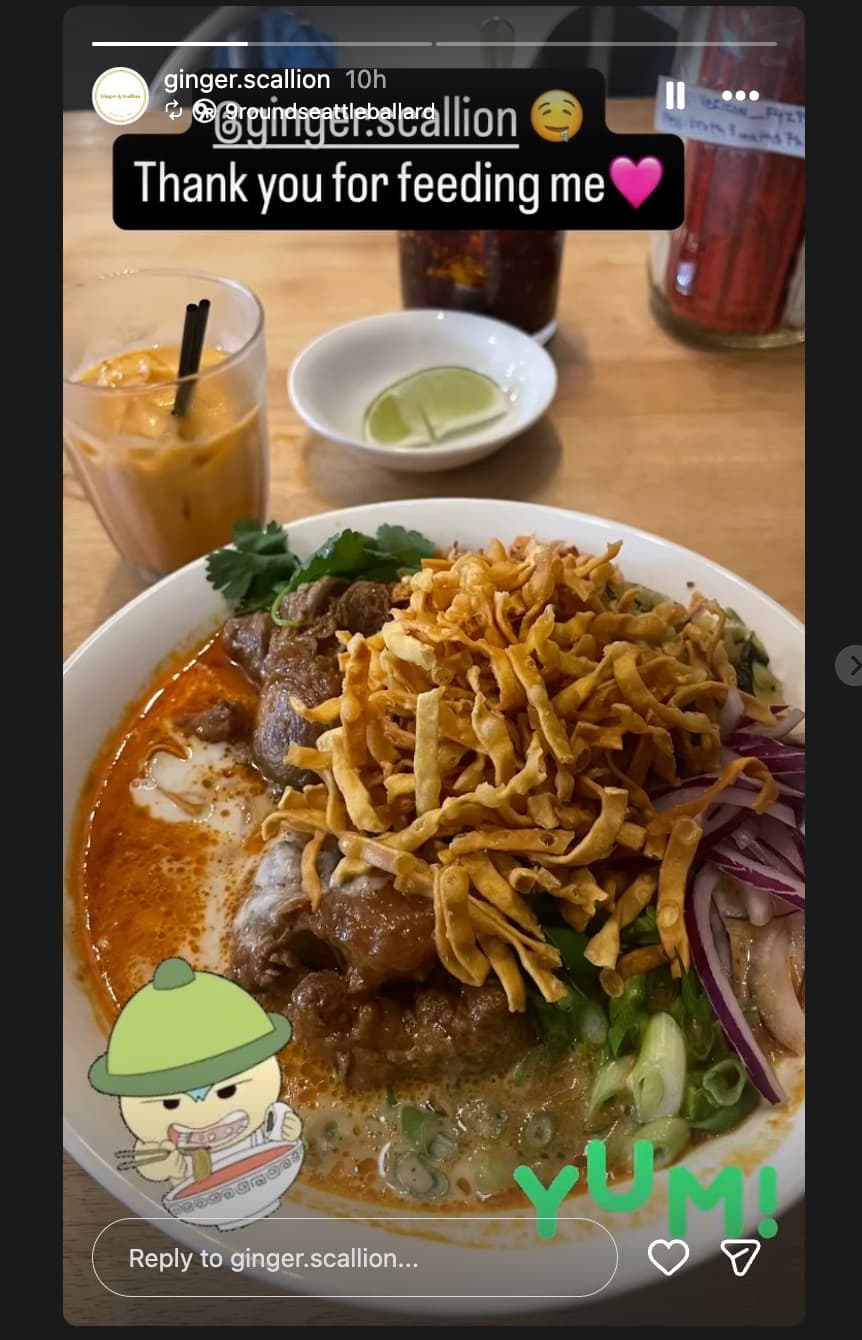
Fact-based analysis shows that businesses that include descriptive, keyword-rich captions alongside accurate location tagging see a measurable increase in non-follower reach. This is a low-effort, high-reward tactic. Unlike content creation, which requires creative stamina, social search optimization is a maintenance task that, once implemented, provides long-term dividends in the form of organic discovery.
Engaging the Customer Base
Beyond discovery, the retention of customers through digital channels requires active participation. Tools such as interactive polls, question-and-answer stickers, and the "reply-with-video" feature on platforms like TikTok have become essential for humanizing the brand.
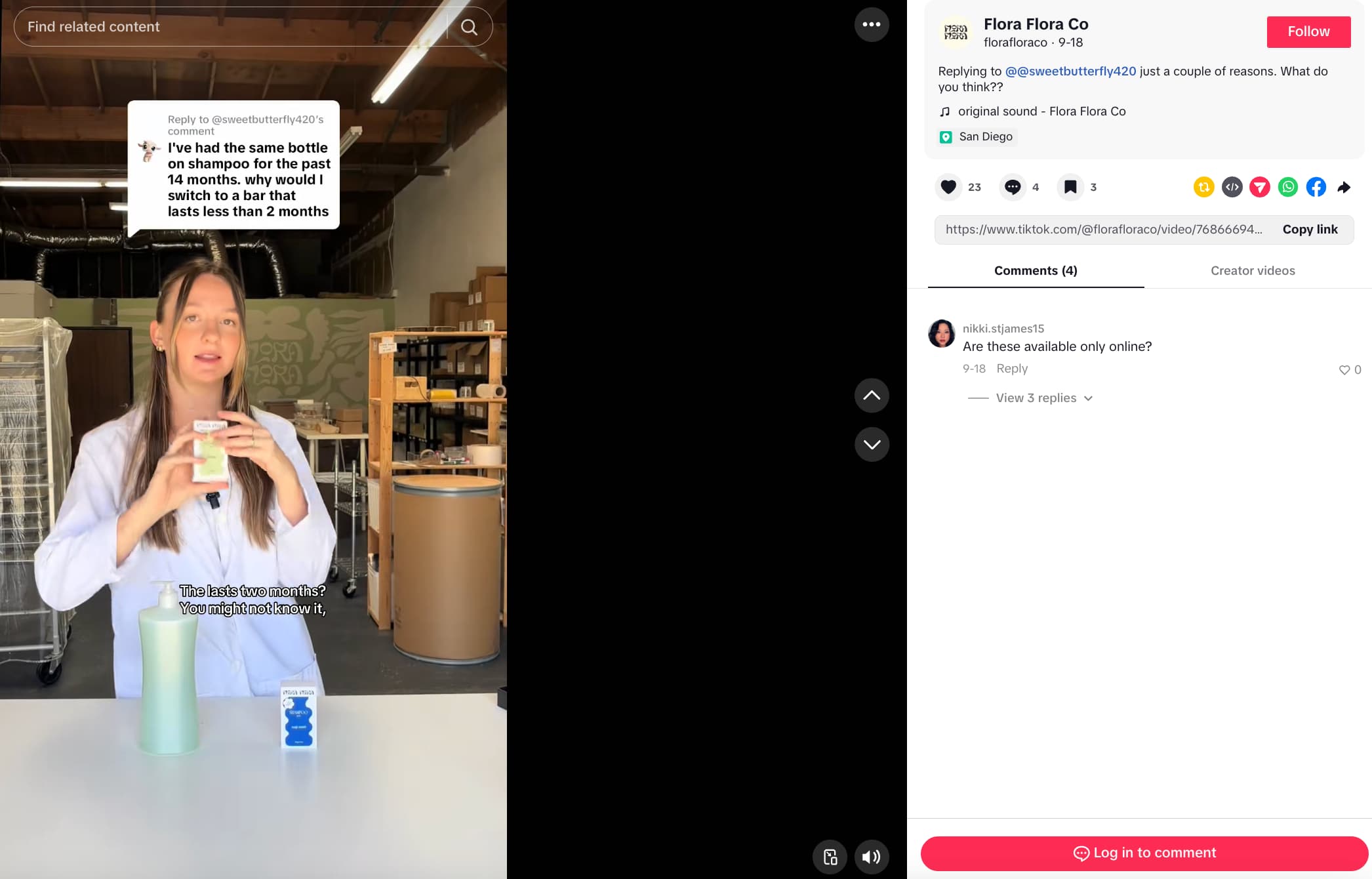
These features allow business owners to address customer pain points directly. When a business owner uses video to answer a specific customer question, they are not only providing support but also creating a piece of content that other potential customers may find useful. This practice transforms the customer service process into a content strategy, effectively solving two business needs with a single action.
The Integration of Management Technology
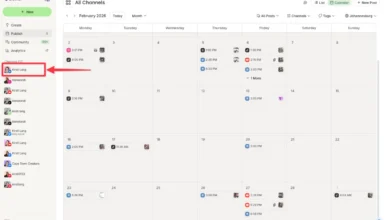
The administrative burden of these tasks necessitates the use of integrated management tools. Modern software solutions now allow for the consolidation of multiple social networks into a single dashboard, enabling users to schedule content weeks in advance.
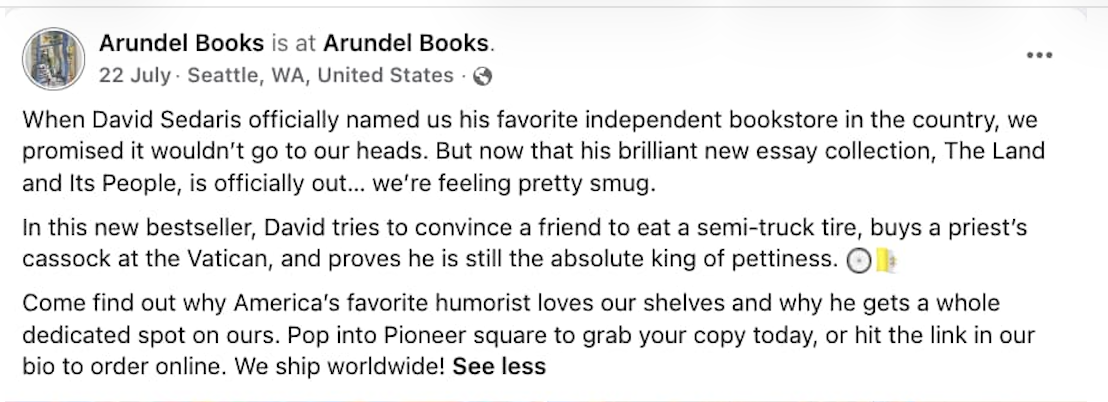
The primary benefit of these tools is not merely convenience; it is the data-driven insight they provide. By analyzing "Optimal Send Times"—the specific hours when a business’s unique audience is most active—owners can increase the efficiency of their content distribution. Furthermore, consolidated reporting tools allow for the objective measurement of success. Instead of relying on anecdotal evidence, businesses can track impressions and engagement growth, allowing for iterative improvements to their strategy.
Broader Economic Implications
The shift toward these lean, authentic, and data-backed strategies reflects a broader economic trend: the professionalization of the small business digital presence. As the barrier to entry for digital marketing tools lowers, the competitive threshold rises. Businesses that fail to leverage data or ignore the demand for human-centric content risk becoming invisible in an increasingly crowded marketplace.
For the modern solopreneur, the goal for the remainder of 2026 and beyond is not to do more, but to do better. By aligning daily social media activity with measurable 90-day objectives, utilizing existing assets to their fullest potential, and leaning into the authenticity that only a human operator can provide, small businesses can achieve a sustainable digital footprint. The transition from "managing" social media to "strategizing" it is the fundamental requirement for survival in the current digital economy. As technology continues to bridge the gap between intent and execution, the businesses that succeed will be those that view their social media presence as an extension of their physical brand, rather than a separate, burdensome chore.