Website Marketing in 2026: Navigating a Decentralized Digital Landscape


The traditional model of website marketing—centered almost exclusively on driving traffic directly to a homepage via search engine optimization—is undergoing a profound transformation. In 2026, the customer journey has become increasingly decentralized. Prospective buyers are no longer performing linear searches that begin and end on a company’s domain; instead, they are navigating a complex web of AI-generated summaries, community-driven forums, and social media ecosystems before they ever interact with a brand’s official site.
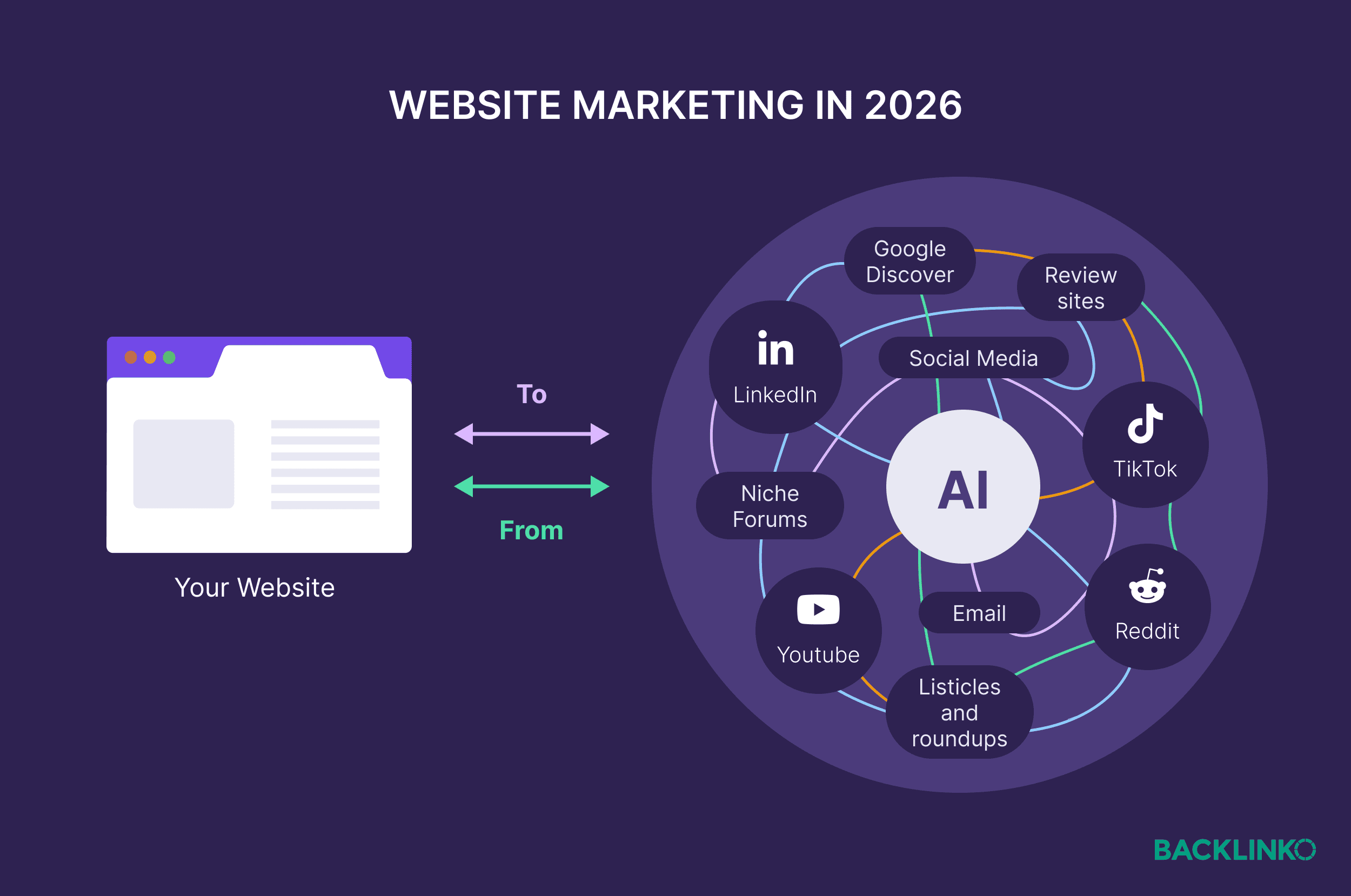
This paradigm shift necessitates a move away from siloed website marketing toward an integrated digital presence. Data from the 2026 Clutch Research survey indicates that over 65% of modern buyers now utilize AI-powered tools to conduct preliminary product research. By the time a lead reaches your website, they have often already formed a definitive opinion about your brand based on information gathered from external platforms. Consequently, a website’s success is no longer solely defined by its internal content, but by how well it harmonizes with the broader, external reputation of the brand.

The New Architecture of Digital Credibility
The modern consumer’s path to purchase is defined by "distributed discovery." If a brand lacks visibility and credibility on the platforms where research occurs—such as Reddit threads, professional forums, or AI discovery engines—they are effectively invisible to a large swath of their target market. To capture this audience, marketers must now treat the internet as an extension of their website.

The strategy of "engineering your online reputation" is becoming standard practice. This involves rigorous brand messaging consistency. Documentation of language, values, and product positioning is no longer an internal luxury but a strategic necessity. When a brand’s value proposition is repeated consistently across press releases, third-party reviews, and social media, it creates a "semantic footprint." This footprint is increasingly vital for Large Language Models (LLMs), which aggregate this consistent data to provide accurate, brand-positive responses to user queries.

Strategic Pillar 1: Aligning with AI and Human Discovery
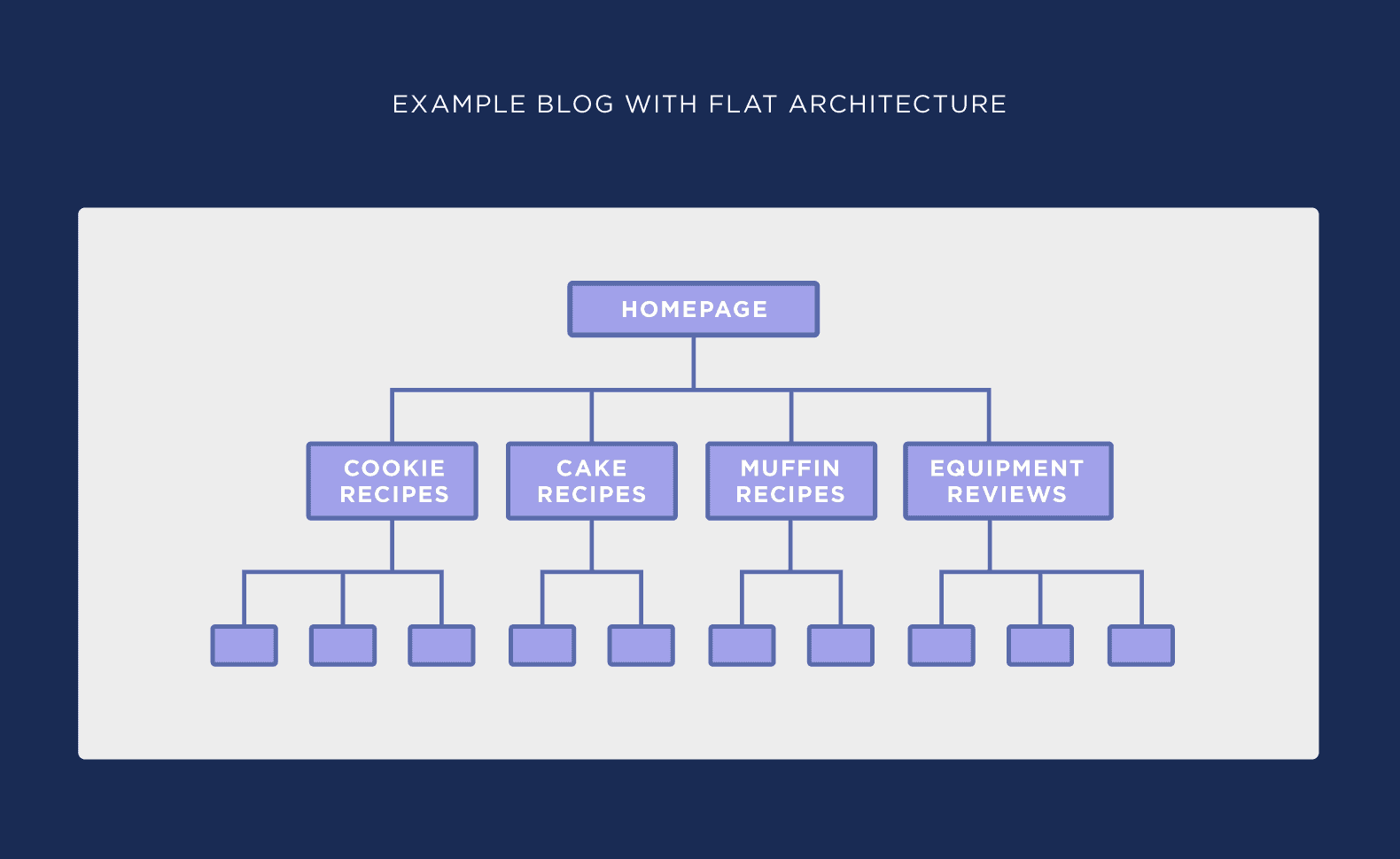
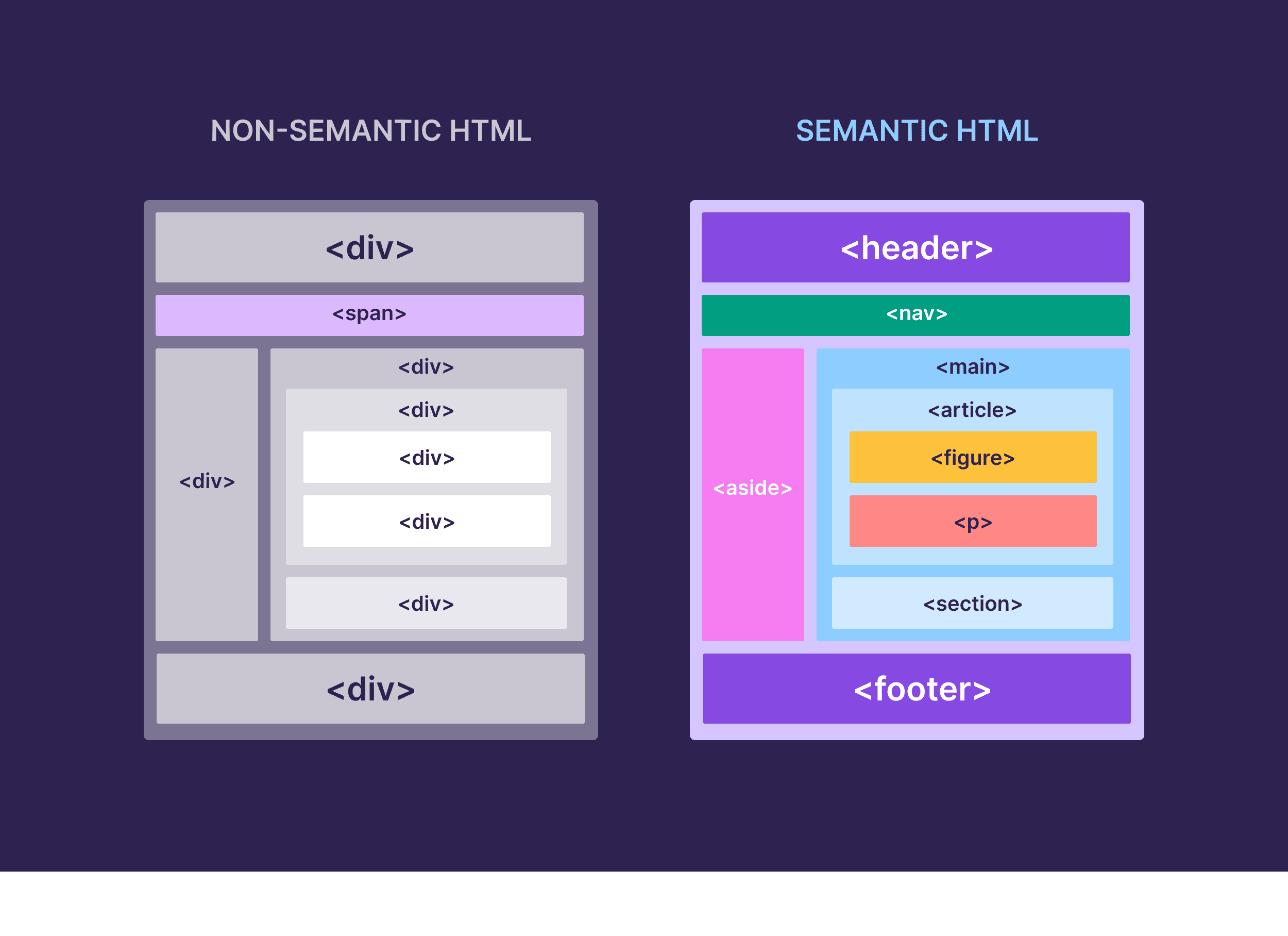
To remain competitive, businesses must optimize their websites for dual audiences: human users and machine-learning algorithms. This requires a transition to semantic website architecture. By utilizing proper heading tags, logical hierarchies, and clear structured data (schema markup), brands make their content easily parsable for search engines and AI crawlers.
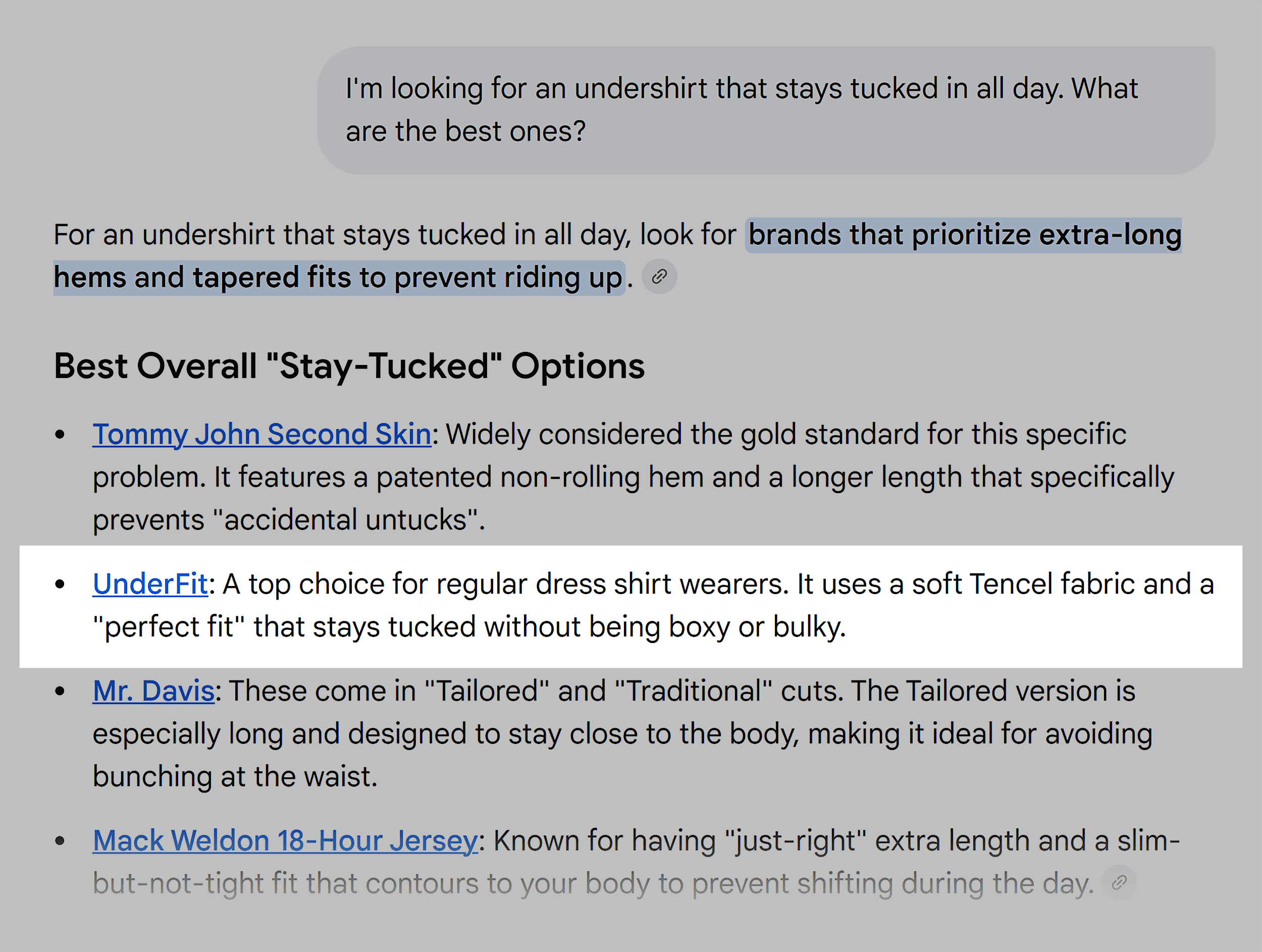
When a potential buyer searches for a solution using an AI agent, the AI pulls from data that it deems credible. Brands that provide clear, structured information on their sites—paired with a strong, consistent reputation off-site—are significantly more likely to be cited in AI responses. This is not merely about SEO; it is about establishing a "source of truth" for your brand that AI models can reference with confidence.

Strategic Pillar 2: The Evolving Role of Video Trust
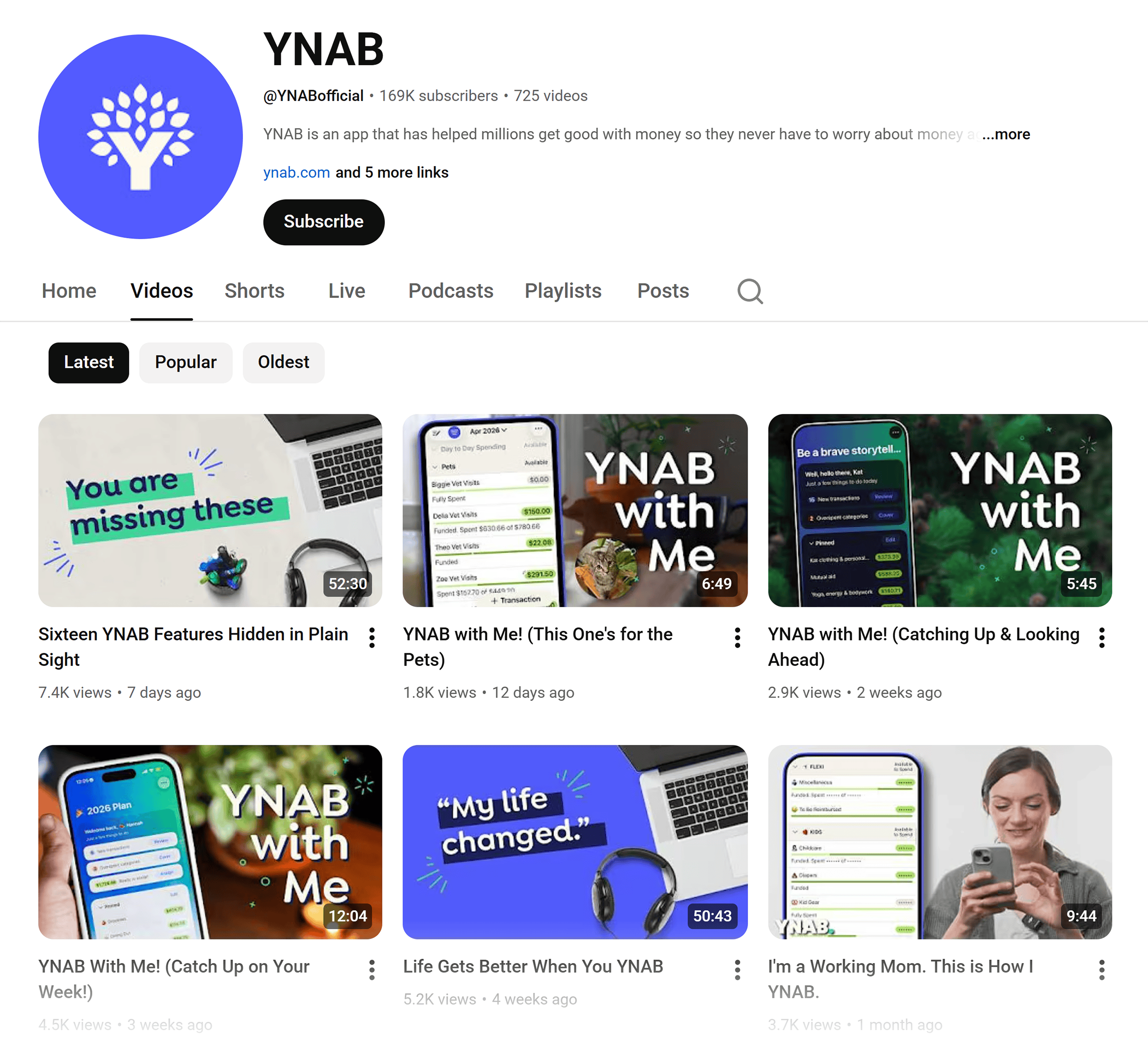
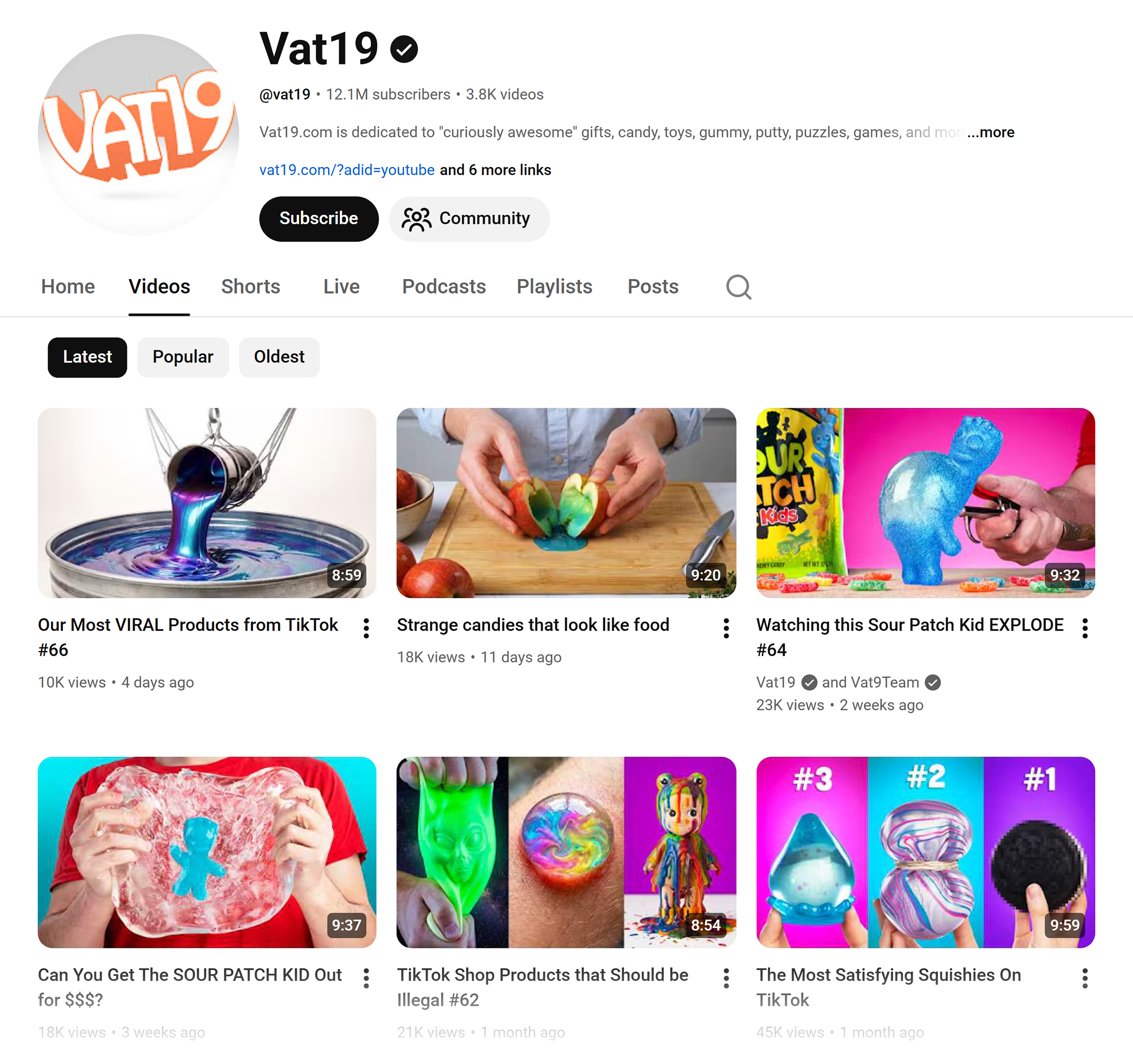
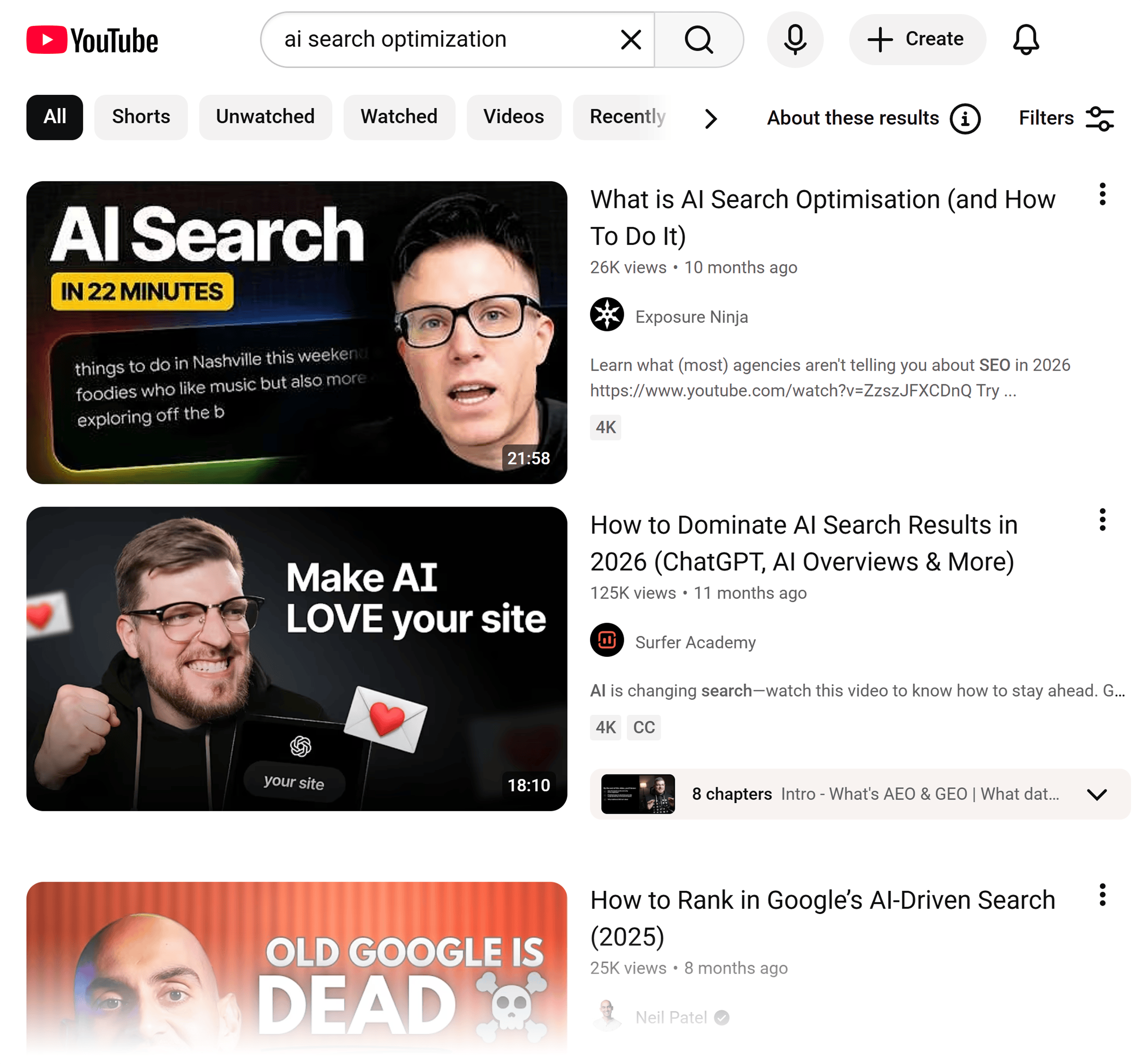
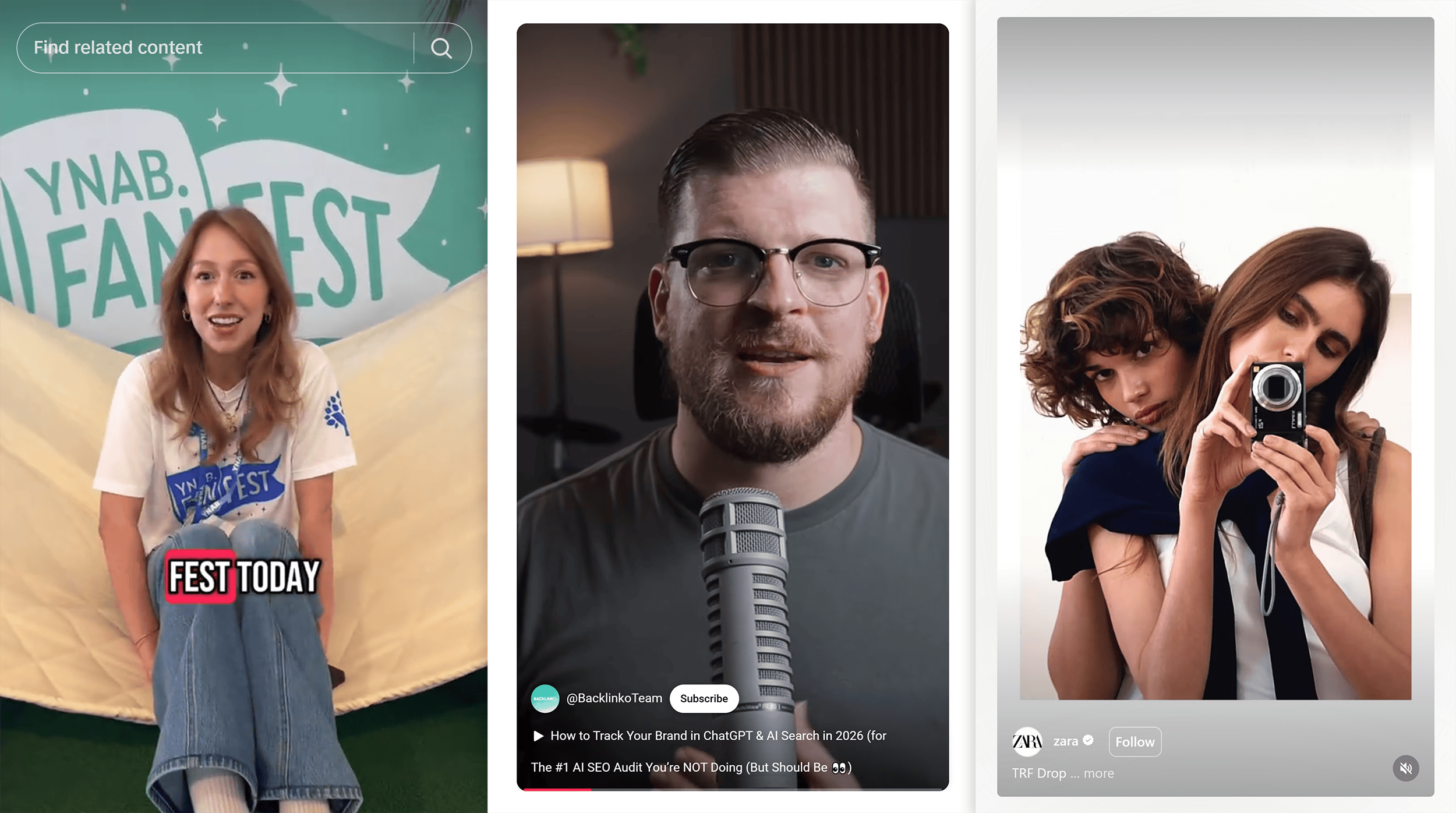
Video has surpassed static text as the primary medium for building pre-purchase trust. In 2026, long-form video content, such as deep-dive tutorials, webinars, and expert interviews, functions as a high-fidelity trust signal. When a consumer watches a brand representative explain a complex problem or demonstrate a solution, they develop a sense of "parasocial familiarity," which significantly lowers the barrier to conversion.
The data supports this: brands that link their YouTube or short-form video presence directly to product landing pages report a higher conversion rate for visitors coming from those channels. This is because the viewer arrives with a "pre-warmed" understanding of the brand’s authority, effectively bypassing the need for extensive on-site education.

Strategic Pillar 3: Leveraging Google Discover and Feed-Based Traffic
Google Discover represents a shift toward intent-agnostic traffic. Unlike traditional search, where the user asks a question, Discover proactively surfaces content based on user interests and behaviors. Capturing this traffic requires a different editorial approach.
Successful Discover content typically shares three characteristics: high-stakes headlines, compelling visual focal points, and a strong sense of urgency. The "Discover lane" of a content calendar should prioritize topics that address industry trends, breaking developments, or controversial shifts. By reframing existing content—for instance, connecting a general service to a recent privacy regulation or a new market trend—brands can trigger the interest of the Discover algorithm.

Strategic Pillar 4: Conversion Optimization in a Zero-Click Era
The rise of the "zero-click" search, where users get their answers directly on the search engine results page, has put immense pressure on conversion rate optimization (CRO). If a user is not forced to visit your site to get the basic facts, they will only do so if they have an intent to act.
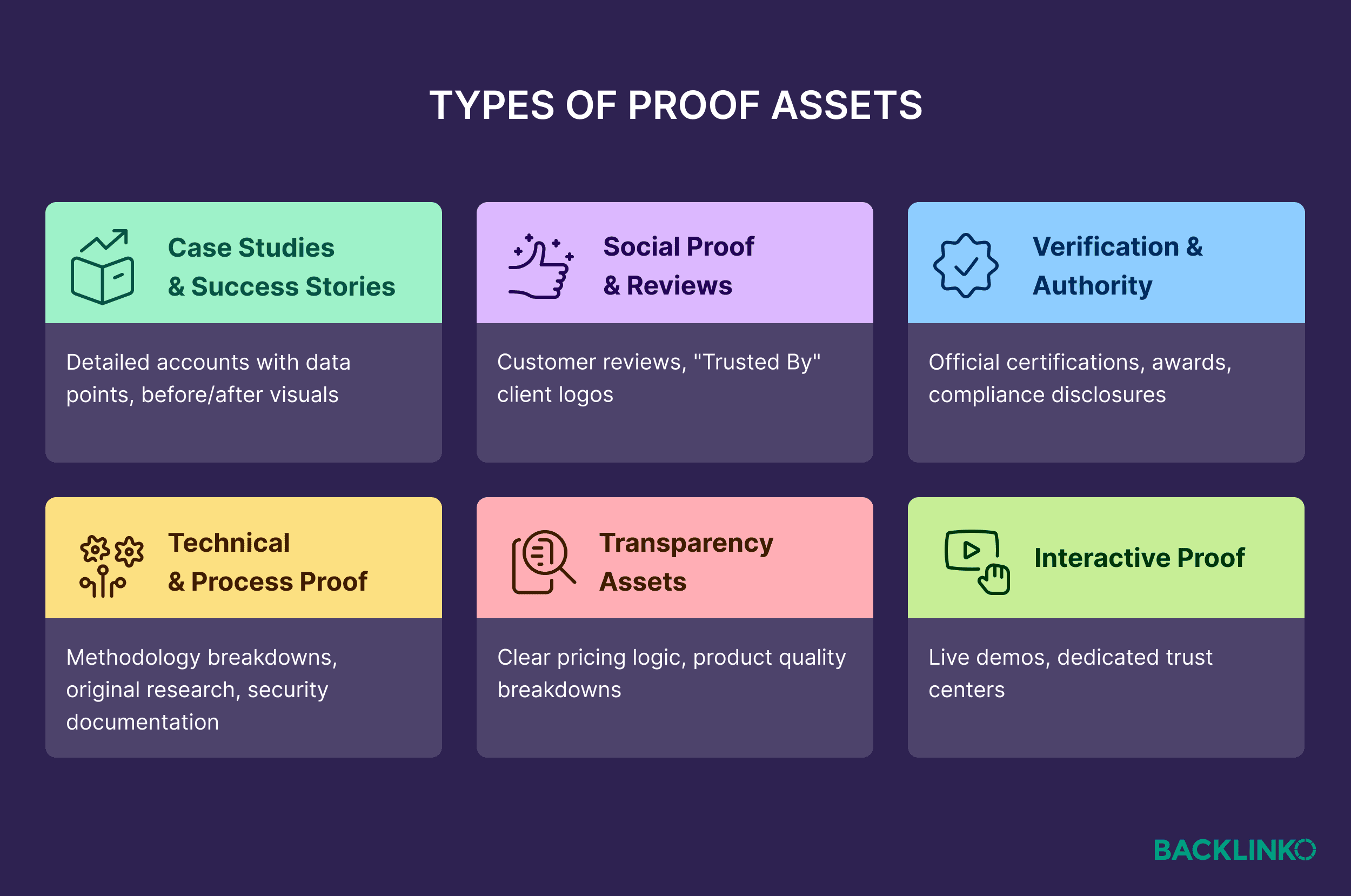
This makes every visitor a high-intent prospect. Brands must prioritize "revenue per visitor" by auditing their sites for friction and anxiety. Friction refers to technical impediments, such as slow page loads or complex checkout processes. Anxiety, conversely, is psychological—it arises when a visitor is unsure of the brand’s security, pricing, or efficacy. By providing clear trust signals—such as security certifications, transparent pricing, and robust case studies—immediately upon entry, brands can maximize the value of the limited traffic they receive.

Strategic Pillar 5: Humanizing the Brand
As AI-generated content continues to saturate the web, the "human premium" has increased. Audiences are actively seeking the perspective of real people. Thought leadership is no longer about writing generic blog posts; it is about injecting a human voice into the industry conversation.

This is best achieved through "visible leadership." Founders, CEOs, and subject matter experts who actively participate in industry panels, contribute to social media threads, and front video content are creating a layer of protection against the commoditization of their brand. When a customer can attach a face and a personality to a company, the perceived risk of doing business with that company drops.
Strategic Pillar 6: Contributing to Niche Communities
The most authentic influence occurs in private or semi-private communities—Discord servers, specialized subreddits, and industry-specific forums. The cardinal rule of marketing in these spaces is "contribution over promotion." Brands that enter these spaces with the intent to help, answer questions, and facilitate discussion are welcomed, while those that engage in blatant self-promotion are quickly marginalized.

Observing community discourse provides invaluable data. By tracking the questions, complaints, and common misconceptions that appear in these forums, brands can create content that addresses the community’s genuine needs. This establishes the brand as an ally, creating a grassroots credibility that is far more durable than traditional advertising.
Strategic Pillar 7: Intentional Content Repurposing
While AI makes it trivial to turn one blog post into ten social media updates, 2026’s top marketers are avoiding the "content churn" trap. Instead, they are practicing "resonance-based repurposing." This strategy involves monitoring the performance of various content pieces to identify which ideas resonate most deeply with the audience.

Only once an idea has been validated by audience engagement—through likes, shares, or direct comments—is it scaled into other formats. This ensures that the time and energy spent on repurposing are focused on content that is already known to deliver value.
Broader Implications for the Marketing Industry
The shift to a decentralized, AI-integrated digital landscape has significant implications. Marketing budgets are moving away from massive, indiscriminate ad spend toward more targeted investments in brand presence and reputation management. The ability to coordinate a brand’s message across these disparate channels is becoming the primary indicator of a successful marketing team.
In conclusion, website marketing in 2026 is less about the website itself and more about the brand’s omnipresence across the digital ecosystem. By aligning content strategy with how AI and humans discover information, prioritizing conversion-ready site architecture, and fostering a humanized brand presence, companies can effectively navigate this new reality. The goal is to build an ecosystem where the website serves as the ultimate destination for a user who has already been convinced of the brand’s value elsewhere.